The 2025 holiday shopping season concluded as a landmark period for brands, with consumer spending reaching unprecedented levels despite a moderated pace of growth compared to previous years. According to comprehensive data from Adobe Analytics, online spending from the beginning of November through the end of December 2025 soared to a record $258 billion. This figure represents a robust 6.8% year-over-year (YoY) increase, underscoring the enduring strength of e-commerce and the resilience of consumer demand, even as the growth rate softened from the more rapid expansion observed during the 2023-2024 season.
Economic Context and Spending Overview
The backdrop to this record-setting performance was a complex economic environment. Following several years of fluctuating inflation, supply chain disruptions, and evolving consumer confidence post-pandemic, the 2025 holiday season reflected a nuanced spending pattern. While consumers demonstrated a willingness to open their wallets, there was a discernible shift towards more deliberate and value-driven purchases. This trend was anticipated by many economic analysts, who had predicted that while overall spending would remain high, shoppers would be more discerning, seeking out deals, practical items, and flexible payment options to manage their budgets effectively. The sustained growth in online spending, despite global economic uncertainties, highlights the continued digital transformation of retail and consumers’ increasing comfort with diverse online shopping channels and tools.
The Rise of AI in Retail and Evolving Engagement
Beyond the headline spending figures, the 2025 holiday season provided profound insights into how consumers are interacting with brands and making purchasing decisions. A standout trend was the explosive adoption of AI-powered shopping assistants and chatbots on retail websites, which collectively saw an astonishing 693% surge in traffic. This exponential growth signifies a pivotal moment in the integration of artificial intelligence into the consumer journey. Shoppers are rapidly becoming more comfortable, and indeed reliant, on AI tools to streamline their shopping experience, conduct comparative research, and receive personalized recommendations.
The implications of this shift are far-reaching. AI assistants offer real-time support, answer product queries, and even guide users through complex decision-making processes, effectively reducing friction and enhancing convenience. This rise suggests that brands investing in sophisticated AI tools that offer genuine value—rather than mere novelty—are being rewarded with higher engagement and improved customer satisfaction. The technology is no longer just a backend efficiency tool but a front-facing component of the customer experience, influencing everything from product discovery to post-purchase support. Retailers who failed to integrate or adequately optimize these tools likely missed out on significant engagement opportunities during the peak shopping period.
BNPL: Empowering the Budget-Conscious Shopper
Another significant behavioral trend observed during the 2025 holiday season was the further popularization of "Buy Now, Pay Later" (BNPL) options. This payment method, which allows consumers to make purchases and pay for them in interest-free installments, became an even more prevalent choice, particularly for larger ticket items. The increased adoption of BNPL points to a broader consumer desire for financial flexibility and budget management.
BNPL services offer an alternative to traditional credit cards, appealing to shoppers looking to avoid high-interest rates or those who prefer to spread out payments without incurring debt. This trend aligns with the overall sentiment of deliberate spending, where consumers are keen to make purchases but are also mindful of their financial planning. For retailers, offering BNPL can be a powerful conversion tool, reducing cart abandonment and making aspirational purchases more accessible. Marketing analysts suggest that the continued growth of BNPL will necessitate that brands not only offer these options but also strategically integrate them into their promotional messaging, highlighting the affordability and flexibility they provide. This is particularly relevant in an economic climate where consumers are vigilant about their discretionary spending.
Decoding Consumer Search Intent: The Practicality Premium
Consumer search queries during December 2025 further illuminated the prevailing mindset of the holiday shopper. Google’s Holiday 100 trends revealed a distinct clustering of search interest around practical gift categories. Items such as movie projectors, weighted vests, kids’ scooters, and backpacks consistently topped the lists. This focus on utility and everyday needs, rather than purely luxury or indulgent items, indicates a broader consumer preference for gifts that offer tangible value and justify their cost.
This "practicality premium" suggests that shoppers were actively seeking products that solved problems, enhanced daily life, or provided lasting utility. This behavior underscores the importance of "context beating cleverness" in content strategy. When budgets are tight or consumers are more judicious, content that directly addresses a need, provides clear comparisons, or highlights the functional benefits of a product will resonate more powerfully than abstract or overly creative campaigns. Marketers for 2026 should meticulously analyze search data to understand the specific problems their products solve and frame their content around these solutions.
Strategic Implications for 2026 Marketing
The insights gleaned from the 2025 holiday season offer a critical roadmap for marketers planning their strategies for 2026 and beyond. January, often a period of reflection and strategic realignment, presents a unique opportunity to harness these performance signals to build more effective and resilient content plans.
Optimizing for Specificity: The SEO Imperative
The holiday season demonstrated that in the fast-paced world of search engine optimization (SEO), specificity reigns supreme. Post-holiday SEO reviews typically reveal that pages targeting long-tail, problem-driven queries, or those with local intent, significantly outperformed generic holiday terms. For example, "last-minute tech gifts for teenagers" or "eco-friendly weighted blanket reviews" likely garnered more traction than broad "Christmas gifts" pages, which faced stiffer competition and a wider range of user intent.
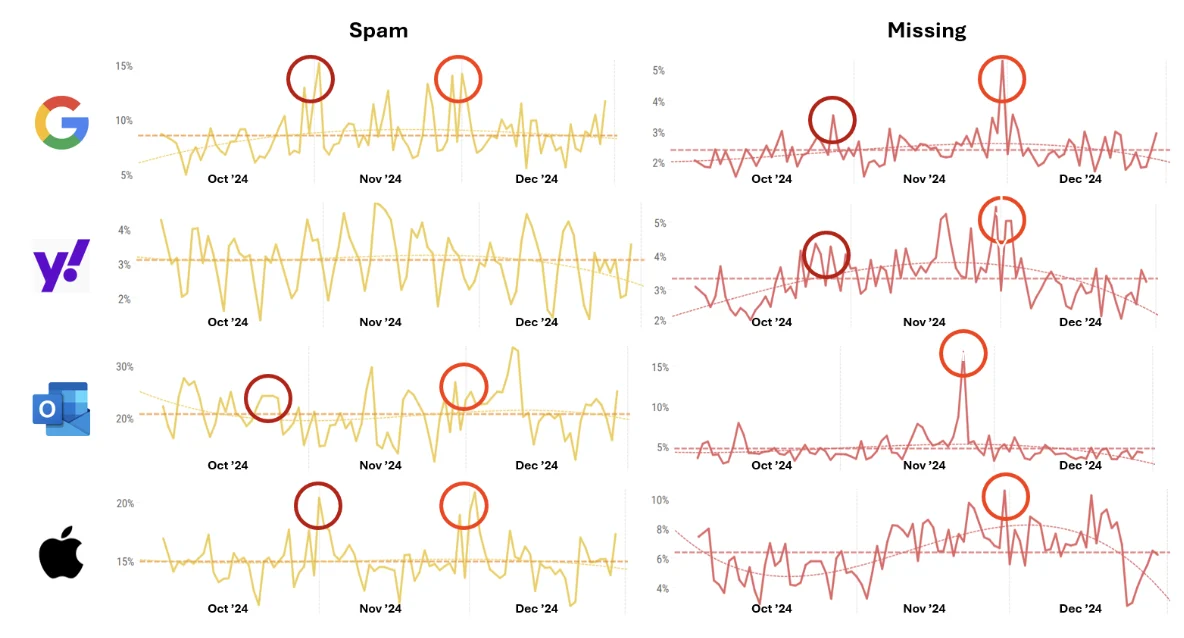
This trend is set to intensify. As discovery increasingly happens through conversational queries—whether typed, spoken via voice search, or mediated by AI assistants—long-tail targeting will become even more invaluable. These conversational interfaces naturally lead to more precise and detailed queries, creating "whitespace" opportunities for brands to capture with highly specific, value-driven content. An illustrative data graphic, for instance, highlights a persistent gap in voice search optimization, indicating that most businesses are still missing this crucial channel for capturing specific, conversational intent. Marketers must leverage SEO checkers to validate keyword competitiveness and use last quarter’s Search Console data to understand actual user entry points, not just presumed ones. This granular analysis allows for cleaner, more realistic SEO decisions, moving away from broad-stroke efforts to targeted, high-impact strategies.
Building a Responsive Content Calendar
Translating these post-holiday insights into a structured content calendar for 2026 is paramount. The goal is to establish a publishing rhythm that consistently supports real consumer decisions. Key best practices emerging from the 2025 season include:
- Anchor Evergreen Guides Early: Develop and optimize comprehensive evergreen content that addresses common problems and comparison needs throughout the year. These foundational pieces build authority and consistently attract organic traffic.
- Schedule Decision-Support Content Around Key Moments: Strategically place content that helps consumers make informed choices (e.g., comparison charts, buyer’s guides, "what to look for" articles) around anticipated peak shopping periods or seasonal events, not just major holidays.
- Leave ~20% of Your Calendar Open for Flexibility: The dynamic nature of consumer behavior, especially with the rapid evolution of AI tools and payment methods, demands agility. A flexible schedule allows brands to respond to emerging trends, unexpected market shifts, or sudden spikes in specific queries.
- Utilize Short-Cycle Formats for Urgency: When urgency spikes—such as during flash sales or breaking news related to a product category—deploy short-form content, social media snippets, or AI-generated clips. These formats are highly effective for capturing immediate attention and driving quick decisions, aligning with observed spikes in social saves and short-form video interactions.
This structured yet flexible approach ensures that content production is not only proactive but also responsive, maximizing impact and relevance throughout the year.
Beyond the Holidays: A Blueprint for Sustained Growth
The 2025 holiday season has left marketers with a clear record of what resonated with audiences and what was overlooked. The overarching lesson is that audiences consistently reward clarity, practicality, and content that reduces friction in their decision-making process. To build sustained momentum, brands should begin by analyzing their past two years of Q4 data, identifying five consistently successful content types or tactics, and building their 2026 strategy around these proven wins. Crucially, incorporating one new experiment each quarter allows for continuous learning and adaptation in a rapidly evolving digital landscape.
Progress in content marketing, much like in any strategic endeavor, comes from consistent, deliberate steps. By choosing one actionable tactic from these insights and implementing it today, then another tomorrow, brands can stack small wins into significant, long-term dividends. In an increasingly noisy digital world, content that genuinely helps consumers decide, solves a practical problem, or provides a clear path forward will continue to earn trust and deliver value, season after season.
Key Takeaways and Frequently Asked Questions (FAQs):
What’s the biggest lesson marketers should take from the 2025 holiday season?
The paramount lesson for marketers is the unequivocal reward audiences bestow upon clarity and utility. Content that effectively aids individuals in comparing options, instilling confidence in their choices, and facilitating seamless progression through the buying journey consistently outperforms highly stylized or generic pieces. This preference is especially pronounced during periods when consumer budgets are tighter and purchasing decisions are made with greater scrutiny.
What metrics matter most when analyzing post-holiday performance?
While raw traffic figures remain important, a deeper analysis of post-holiday performance necessitates looking beyond them. Marketers should prioritize metrics such as assisted conversions (where content played a supporting role), time spent on critical decision-making pages, rates of return visits, social media saves, and email sign-ups. These indicators provide invaluable insights into which content pieces genuinely reduced consumer friction and effectively guided individuals closer to a final purchasing decision.
What should I prioritize in January when planning my calendar?
In January, the strategic imperative is to build your content calendar around demonstrated successes. Begin by anchoring evergreen guides that address perennial consumer needs. Subsequently, schedule decision-support content to align with key seasonal moments and anticipated consumer pain points. Critically, allocate approximately 20% of your calendar as flexible capacity to allow for agile responses to emerging trends or unexpected market shifts. Finally, employ short-cycle content formats to capitalize on moments of heightened urgency, ensuring timely and relevant engagement.


 Nana Wu
 Nana
Nana