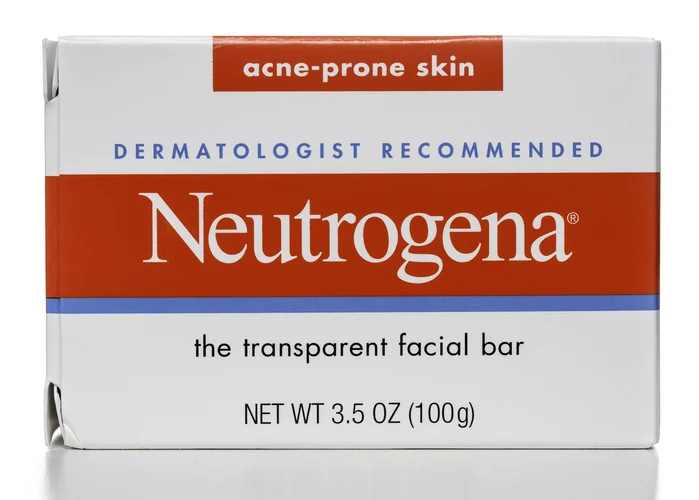
The intersection of corporate accountability, evolving digital ecosystems, and shifting economic indicators has dominated the business and media landscape this week, highlighted by a significant public relations crisis for skincare giant Neutrogena and strategic pivots by industry leaders Google and Walmart. Following the recent passing of actress and former brand ambassador Hayden Panettiere, Neutrogena has found itself at the center of a social media firestorm regarding its past treatment of the star, while simultaneously, the broader digital world grapples with Google’s new attempts to stabilize publisher traffic and Walmart provides a sobering look at the current state of the American consumer economy.
Neutrogena and the Panettiere Controversy: A Crisis Eleven Years in the Making
The skincare brand Neutrogena, a subsidiary of Kenvue, issued a formal statement on Instagram this Thursday following days of mounting public pressure and calls for a boycott. The controversy stems from the resurfacing of comments made by the late Hayden Panettiere earlier this year, in which she alleged that the brand terminated her long-standing endorsement contract in 2015 specifically because she spoke publicly about her struggles with postpartum depression (PPD).
Panettiere, who became a household name through her roles in Heroes and Nashville, was a face of Neutrogena for nearly a decade. However, the actress previously revealed that during her most vulnerable period—while seeking treatment for mental health issues following the birth of her daughter—the brand opted to sever ties. The timing of the resurfaced allegations, occurring shortly after the news of her death, ignited a fierce debate regarding corporate responsibility and the stigma surrounding mental health in the mid-2010s.
The Anatomy of the Neutrogena Statement
The statement released by the brand on social media was notable for its directness, though it arrived after a period of conspicuous silence. The communication was structured into three primary components: an acknowledgement of the harm caused, a commitment to internal review, and a pledge for future advocacy.
- Direct Responsibility: Unlike many corporate apologies that utilize "distancing" language, Neutrogena took full ownership of the 2015 decision. The brand admitted that the choice to end the partnership during Panettiere’s mental health crisis was "not what Neutrogena stands for" and acknowledged that the company failed to support her when she needed it most.
- Context for Silence: The brand explained its initial delay in responding, stating that leadership wanted to ensure they had a full understanding of the historical context and the decisions made by previous management teams before speaking publicly.
- Future Action: To move beyond rhetoric, Neutrogena announced it would be partnering with a mental health organization specifically focused on postpartum depression. While the partner has not yet been named, the brand indicated this would be a long-term commitment to ensure such a situation never recurs.
Despite the apology, the brand took the defensive measure of disabling comments on the post, a move often criticized by crisis management experts as it can stifle legitimate community dialogue. Additionally, a Community Note was appended to the post on various platforms, providing further historical context regarding Panettiere’s 2015 departure and the specific timeline of her public advocacy for mental health.
Implications for Brand Ethics and Mental Health
The Neutrogena situation serves as a stark reminder of how "legacy" decisions can haunt a brand in the age of social media. In 2015, the conversation around mental health was significantly less advanced than it is today. However, in 2026, consumers demand that brands reflect modern values of empathy and support. The true test for Neutrogena will lie in its ability to follow through on its promises. Industry analysts suggest that if the brand does not quickly name its community partners and integrate mental health advocacy into its core marketing strategy, the apology may be viewed as a hollow attempt at damage control.
Google Preferred Sources: A New Frontier in the Fight Against AI Traffic Erosion
While Neutrogena manages a reputational crisis, the digital publishing industry is facing an existential threat from the rise of Large Language Models (LLMs) and AI-generated search results. As Google increasingly integrates AI summaries—often referred to as Search Generative Experience (SGE)—into its primary interface, traditional publishers have reported significant declines in referral traffic. To address these concerns, Google has officially rolled out its "Preferred Sources" feature.
Technical Mechanics of Preferred Sources
Preferred Sources is designed to give users more control over the information they see while providing a lifeline to trusted media outlets. The feature allows websites to embed a "Preferred Sources" button directly on their pages. When a user clicks this button, the site is added to a "favorites" list within the user’s Google account preferences.
According to data released by Google and reported by TechCrunch, this designation has a tangible impact on visibility:
- Search Ranking: Preferred sources are prioritized in search results for relevant queries.
- Discover and News: Content from these sites is more likely to appear in a user’s Google Discover feed and the Google News app.
- Click-Through Rates (CTR): Initial research indicates that users are twice as likely to click on a link in search results if it is marked as a "Preferred Source."
The Strategic Shift Toward Brand Loyalty
This move represents a fundamental shift in how SEO (Search Engine Optimization) operates. For decades, the goal was to optimize for algorithms. In the new AI-driven landscape, the goal is to optimize for human loyalty. By encouraging users to "set their favorites," Google is essentially creating a "whitelist" of trusted brands that bypasses some of the volatility of AI-generated summaries.
However, critics argue that this feature may only benefit established legacy brands with existing fanbases, potentially making it harder for new or independent publishers to break through. For content marketers, the mandate is clear: the only way to survive the AI transition is to build a brand that readers proactively want to follow and support.
Edutainment in Real Estate: The Jamie Peva Model of Social Media Growth
The challenge of building brand loyalty is being met in unique ways within the private sector. A case study in the real estate industry highlights how moving away from direct sales pitches can actually lead to higher conversion rates. Jamie Peva, a Washington, D.C.-based real estate agent, has gained national attention for a social media strategy that prioritizes local history over property listings.
The Digital Refrigerator Magnet
Peva, an agent specializing in the historic Georgetown neighborhood, has eschewed the traditional "luxury tour" format common among high-end realtors. Instead, he produces content focusing on the rich historical tapestry of his area—ranging from the homes of former presidents to the locations of iconic pop-culture moments.
The results of this "passionately useful" approach include:
- Sales Growth: Peva reported a 20% bump in sales directly attributed to his social media presence.
- Engagement: By acting as a neighborhood historian rather than a salesman, he has built a following of thousands who view him as a trusted local authority.
- Brand Recall: Peva describes his videos as "the digital version of a refrigerator magnet." He is not asking for a sale today; he is ensuring that when a follower is ready to buy or sell in five years, his name is the first one that comes to mind.
This strategy underscores a growing trend in digital marketing: the "un-sell." In an era of constant advertisement saturation, consumers are increasingly drawn to creators and brands that provide value—educational, historical, or entertainment—without an immediate call to action.
Walmart’s Earnings Slump: A Warning Sign for the Global Economy
The economic backdrop to these media and branding shifts is becoming increasingly volatile, as evidenced by Walmart’s latest quarterly earnings report. The world’s largest retailer reported its smallest sales gain since the onset of the COVID-19 pandemic, a figure that has sent ripples through the financial markets.
Data Points from the Q2 2026 Report
Walmart’s financial health is often viewed as a proxy for the health of the American consumer. The latest data suggests a significant tightening of belts:
- Comparable Sales: In-store and online sales rose by only 2.6%, a sharp deceleration from previous quarters.
- Stock Performance: Following the earnings release, Walmart’s share price plummeted from $114.73 on Wednesday to $102.50 by Friday morning.
- Digital Dominance: Almost all of the growth seen in the quarter came from online sales, suggesting that physical store foot traffic is plateauing or declining.
The Fuel Factor and Geopolitical Tensions
In a candid assessment of the numbers, Walmart CFO John David Rainey pointed to the rising cost of fuel as a primary driver of the slump. Rainey noted that consumers are being forced to make "choices between necessities" because of the financial pressure at the pump.
This economic pressure has a political dimension. The increase in gas prices follows recent geopolitical escalations, specifically the administration’s decision to engage in aggressive diplomatic and economic maneuvers against Iran. While the administration has defended these moves as necessary for national security, the domestic fallout is becoming visible in the retail sector.
The "Trade-Down" Effect and Economic Resilience
Interestingly, Walmart has seen an influx of high-income shoppers—those earning more than $100,000 per year—who are "trading down" from more expensive grocery and department stores. However, even this new demographic has not been enough to offset the broader decline in spending among the traditional budget-conscious base.
Economists are watching these developments closely. For the past several years, the U.S. economy has proven "oddly resilient" despite high interest rates and inflation. However, the slump at Walmart—a retailer that usually thrives during downturns because of its low prices—suggests that the "cushion" of post-pandemic savings may finally be exhausted.
Conclusion: Navigating a Period of Convergence
The events of this week illustrate a period of intense convergence. Neutrogena’s struggle shows that the "social" in social media means brands are held to human standards of morality and memory. Google’s "Preferred Sources" highlights a shift from algorithmic dominance to brand-based trust. Meanwhile, Jamie Peva’s success demonstrates that human connection remains the most potent marketing tool, even as Walmart’s earnings remind us that all these strategies operate within the cold reality of a tightening economy.
As we move into the final quarters of 2026, the primary challenge for organizations will be maintaining authenticity. Whether it is apologizing for a decade-old mistake, fighting for visibility in an AI-saturated search engine, or helping consumers navigate a period of high fuel costs, the brands that survive will be those that prioritize long-term trust over short-term gains. Management teams across all sectors would be wise to monitor the earnings of other major retailers, such as Target and Costco, in the coming weeks to determine if Walmart’s slump is an isolated incident or the beginning of a broader economic correction.