

The digital marketing landscape has undergone a significant transformation over the last decade, transitioning from a reliance on basic traffic metrics to a sophisticated focus on user behavior and conversion rate optimization (CRO). In this competitive environment, two platforms have emerged as industry leaders: Crazy Egg and Hotjar. While both tools aim to provide clarity on how users interact with websites, their divergent paths—one toward an integrated, all-in-one suite and the other toward a modular, enterprise-level ecosystem—have created distinct choices for modern businesses. As of late 2025, the consolidation of Hotjar into the Contentsquare ecosystem has further polarized these options, forcing digital strategists to weigh the benefits of native experimentation against the depth of enterprise-grade research tools.
The Evolution of Behavioral Analytics: A Chronology of Integration
To understand the current state of these platforms, one must look at the trajectory of the CRO market. Crazy Egg, co-founded by Neil Patel and Hiten Shah, was an early pioneer in heatmap technology, introducing the "Confetti Map" which allowed for granular click segmentation. For nearly two decades, Crazy Egg has maintained a philosophy of "actionable simplicity," expanding its feature set to include native A/B testing and surveys within a single subscription model.
In contrast, Hotjar’s journey took a definitive turn in 2021 when it was acquired by the experience analytics giant Contentsquare. By July 2025, this integration reached a critical milestone, with Hotjar’s independent infrastructure being largely absorbed into the Contentsquare platform. This move was designed to bridge the gap between small-to-medium business (SMB) tools and enterprise-level product analytics. However, this transition has also introduced a modular pricing structure and a heavier reliance on third-party integrations for key functions like experimentation.
Core Feature Analysis: Heatmaps and User Visualization
The primary draw for both platforms remains their ability to visualize user intent through heatmaps. However, the methodology differs significantly between the two.
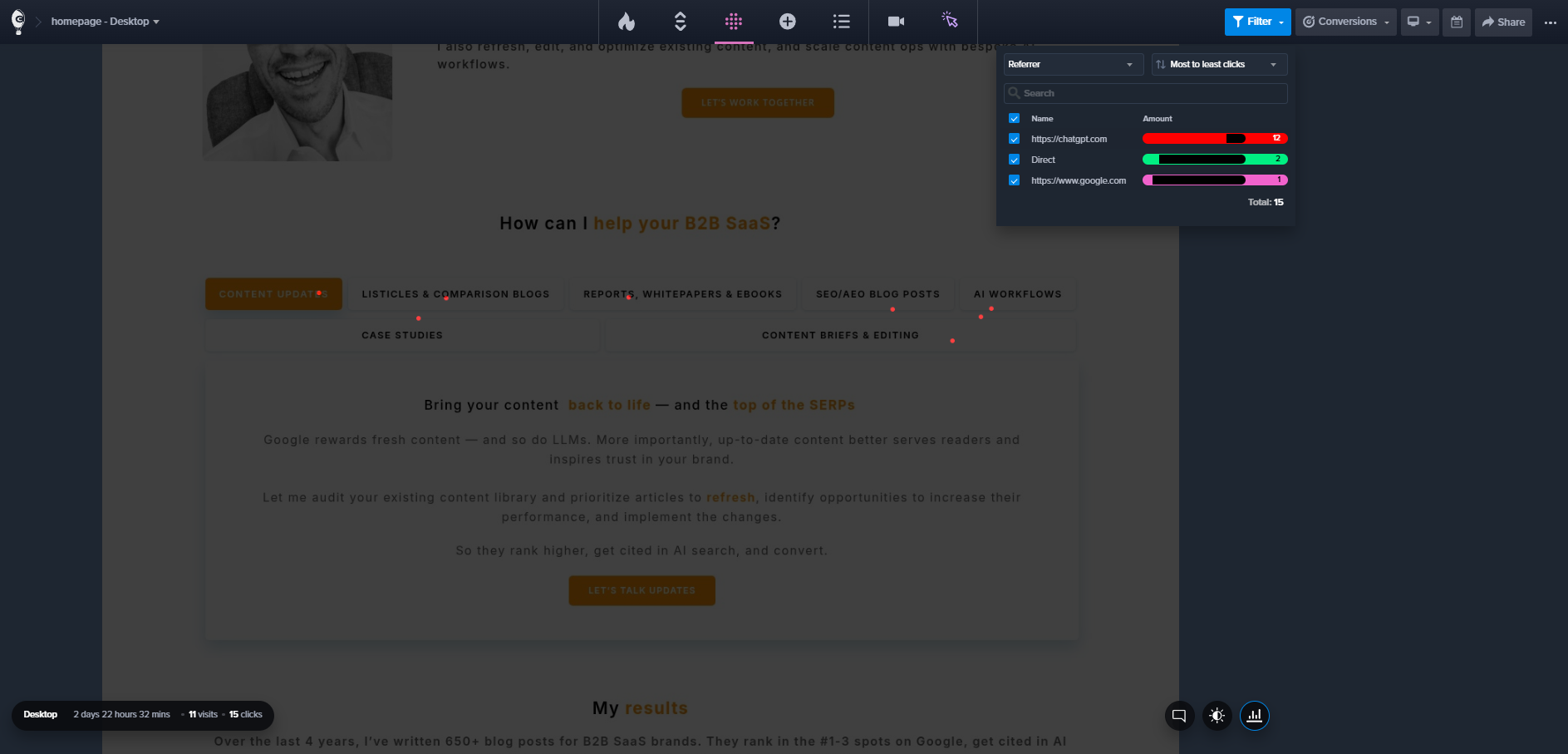
Crazy Egg offers a suite of five distinct map types: Click Maps, Scroll Maps, Confetti Maps, Overlay Maps, and List Maps. The Confetti Map remains a unique competitive advantage in 2025. Unlike standard heatmaps that show "blobs" of activity, Confetti Maps allow users to see individual clicks color-coded by more than 20 variables, including traffic source, UTM parameters, device type, and even conversion status. This allows a marketer to distinguish how a high-value visitor from a LinkedIn ad interacts with a landing page compared to a casual visitor from organic search.
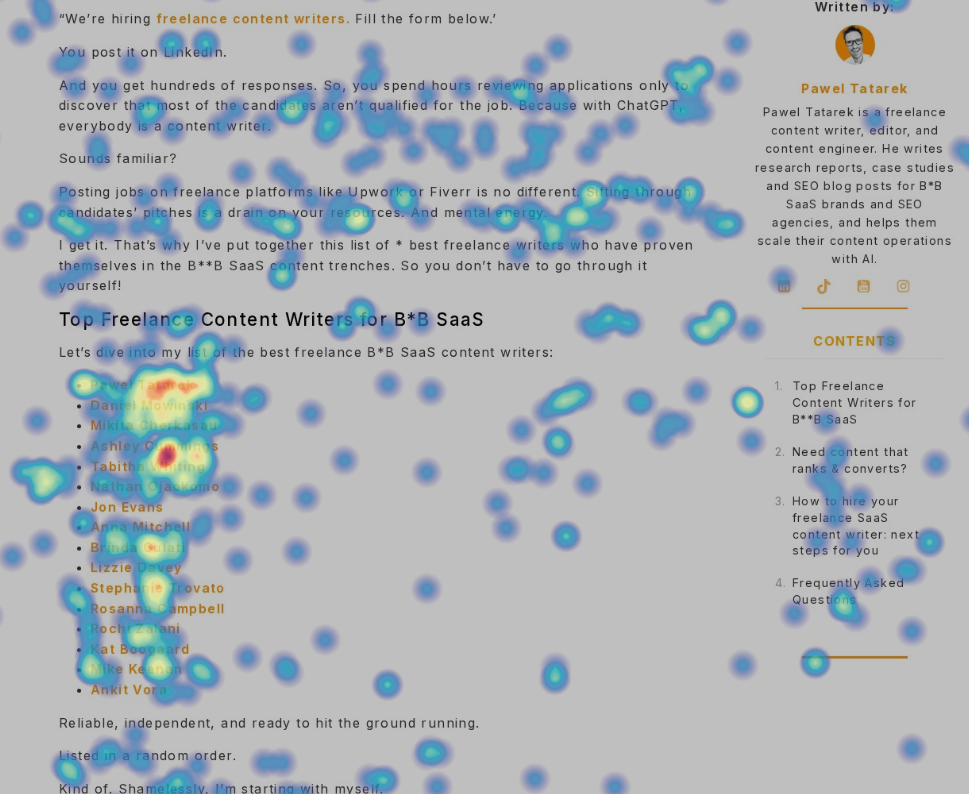
Hotjar, meanwhile, focuses on "Engagement Maps" and "Rage-Click Maps." While it lacks the exact equivalent of the Confetti Map, its strength lies in identifying friction. Hotjar’s movement and frustration signals are highly sensitive, flagging areas where users are experiencing technical bugs or UI confusion. For teams focused purely on "Voice of the Customer" (VoC) and usability, Hotjar’s visualization tools provide a high-fidelity look at the emotional state of the user.
The Session Recording Retention Gap
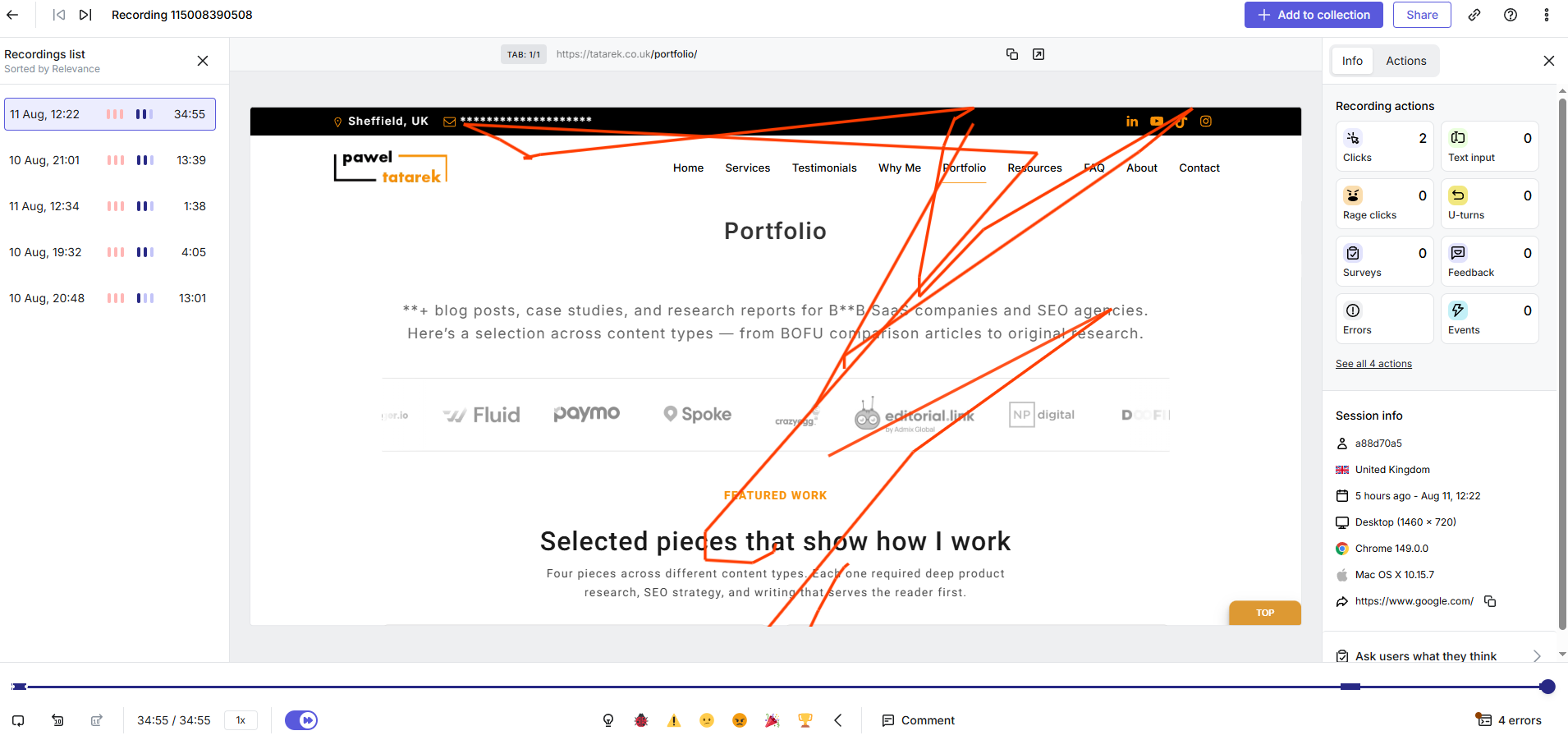
Session recordings—the ability to watch a video playback of a user’s journey—are essential for diagnosing drop-offs. Here, the two platforms diverge on the balance between volume and longevity.
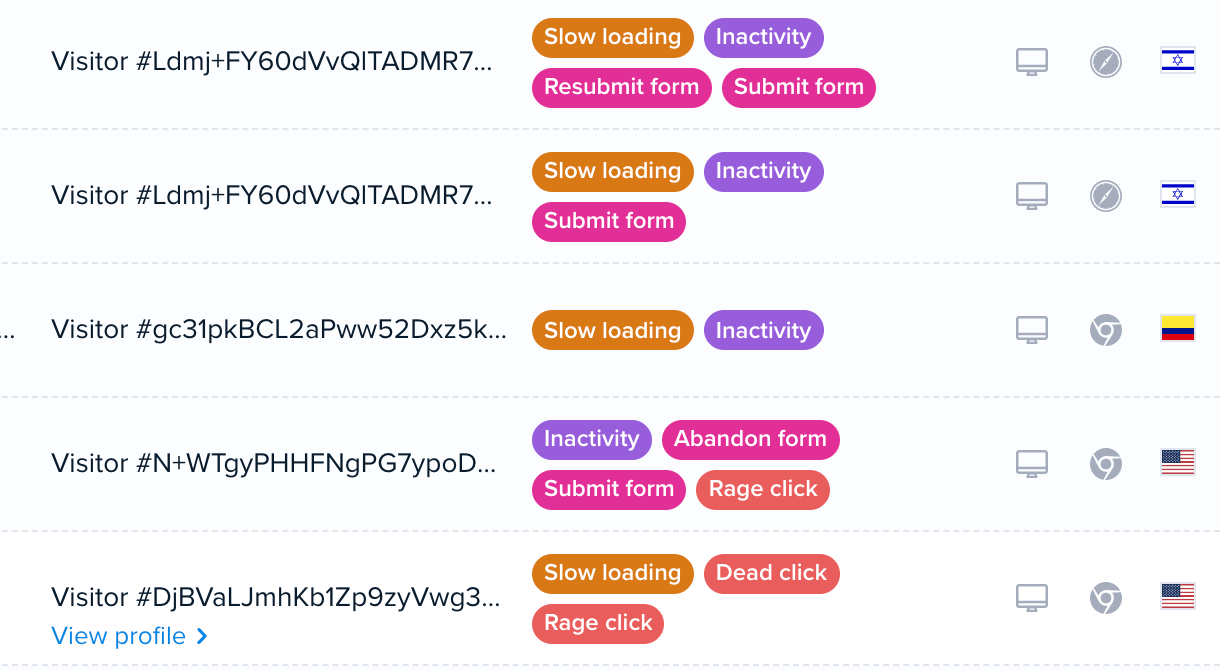
Contentsquare’s free tier for Hotjar is remarkably generous in terms of volume, capturing up to 200,000 sessions per month. This high-volume approach is ideal for high-traffic e-commerce sites that need to catch "needle in a haystack" bugs. However, Hotjar’s filtering and storage are increasingly tied to its modular tiers, and some users have noted that the sheer volume of data can be overwhelming without the "Sense AI" summarization tools.
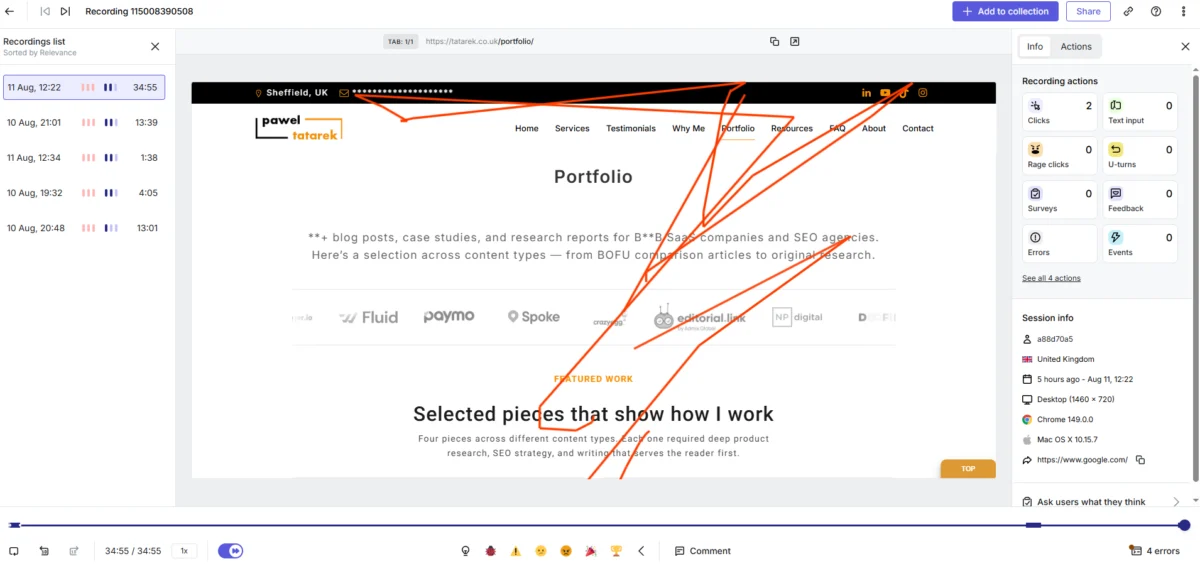
Crazy Egg takes a more curated approach. While its monthly recording caps are lower (ranging from 50 to 10,000 per month depending on the plan), it offers superior data retention. Depending on the tier, Crazy Egg keeps recordings for six months to two years. This is a critical factor for seasonal businesses—such as those in retail or travel—that need to compare user behavior during the current "Black Friday" or "Summer Peak" against data from the previous year. Furthermore, Crazy Egg’s automatic tagging for e-commerce and form events allows users to skip directly to recordings of abandoned carts or successful sign-ups without manual searching.
Native Experimentation vs. Modular Ecosystems
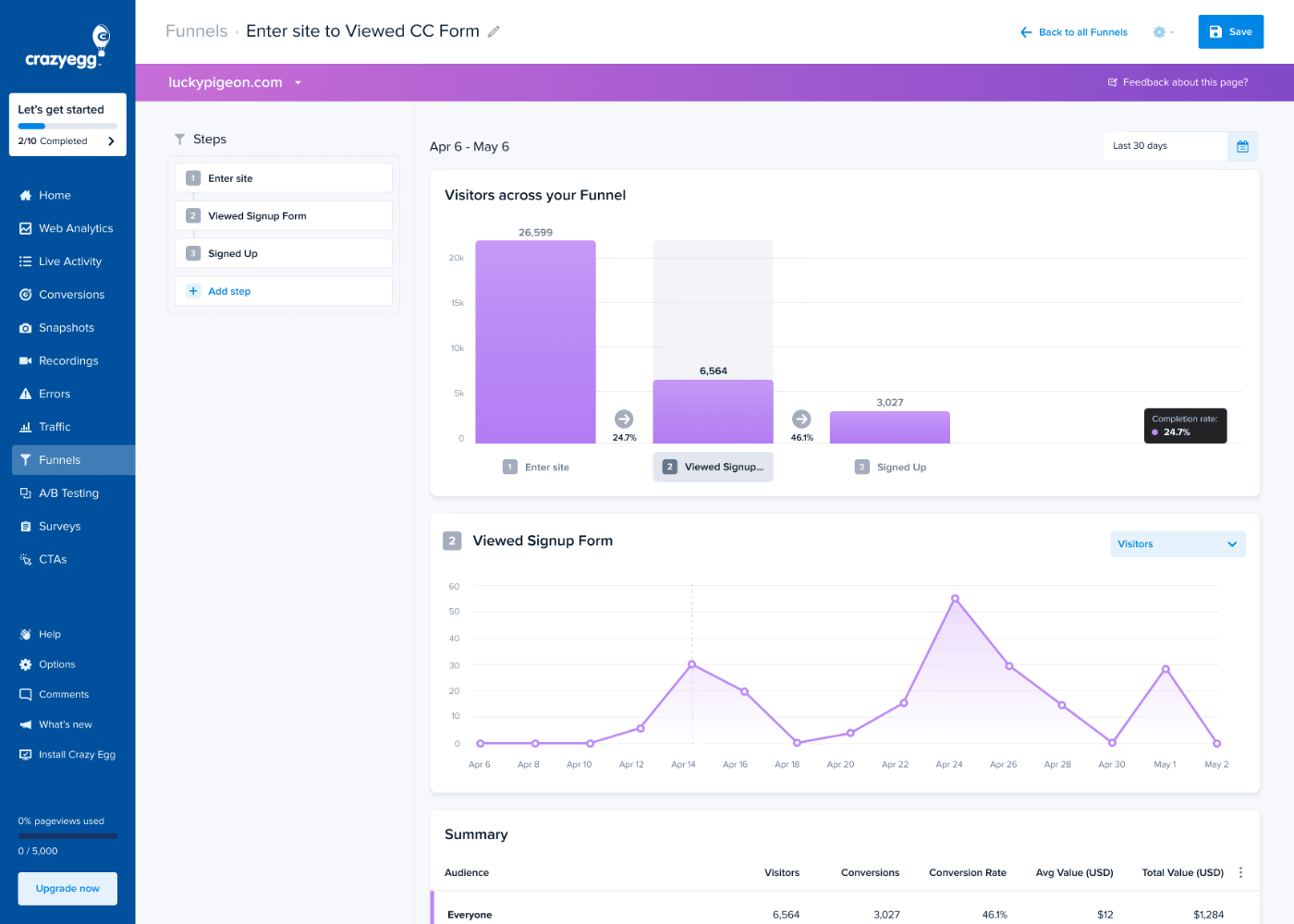
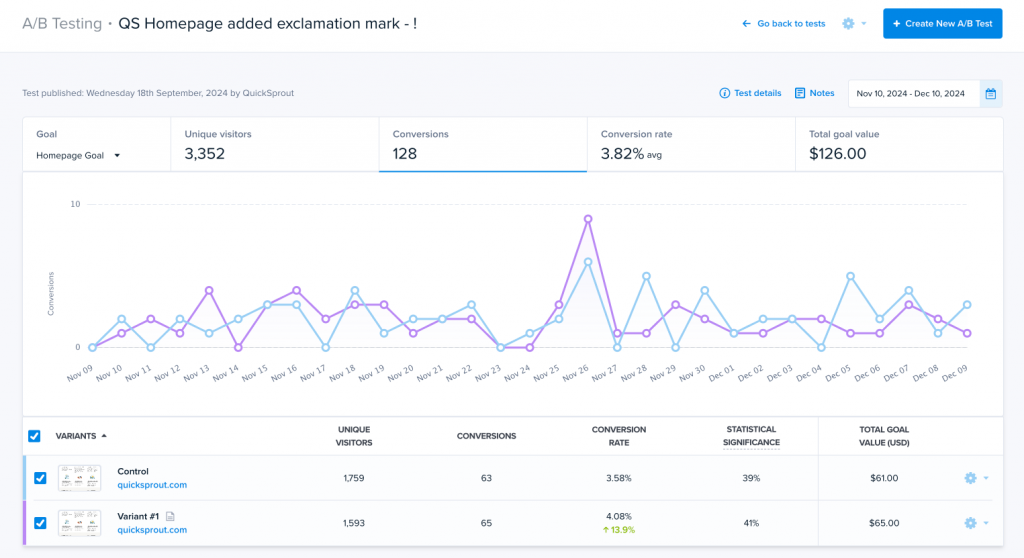
Perhaps the most significant differentiator in 2025 is the approach to A/B testing. Crazy Egg includes a native, no-code A/B testing engine within its subscription. This allows a marketer to identify a problem via a heatmap, create a variant in a visual editor, and launch a test immediately. The data is integrated; every variant in the test automatically generates its own heatmaps and recordings, providing a holistic view of why one version outperformed another.
Hotjar has moved away from native experimentation, opting instead to serve as an insight layer for third-party tools. To run an A/B test in the Hotjar ecosystem, users must integrate with platforms like AB Tasty, Optimizely, or Adobe Target. While this provides enterprise-grade testing capabilities, it also necessitates multiple subscriptions and a more complex tech stack. For many organizations, this "best-of-breed" approach is preferred, but for smaller teams, the "all-in-one" simplicity of Crazy Egg offers a lower barrier to entry and a faster "time-to-insight."
Artificial Intelligence and the MCP Frontier
Both platforms have aggressively integrated Artificial Intelligence to handle the "data mountain" problem. In 2025, both Crazy Egg and Hotjar support the Model Context Protocol (MCP), allowing users to connect their behavioral data directly to Large Language Models (LLMs) like ChatGPT, Claude, and Gemini.
Crazy Egg’s AI Analysis is designed for automation. Its "Tasks" feature (currently in early access) can theoretically identify a page with a low conversion rate, set up a heatmap, analyze the results, and suggest an A/B test variant without human intervention. This "self-optimizing" approach appeals to lean teams.
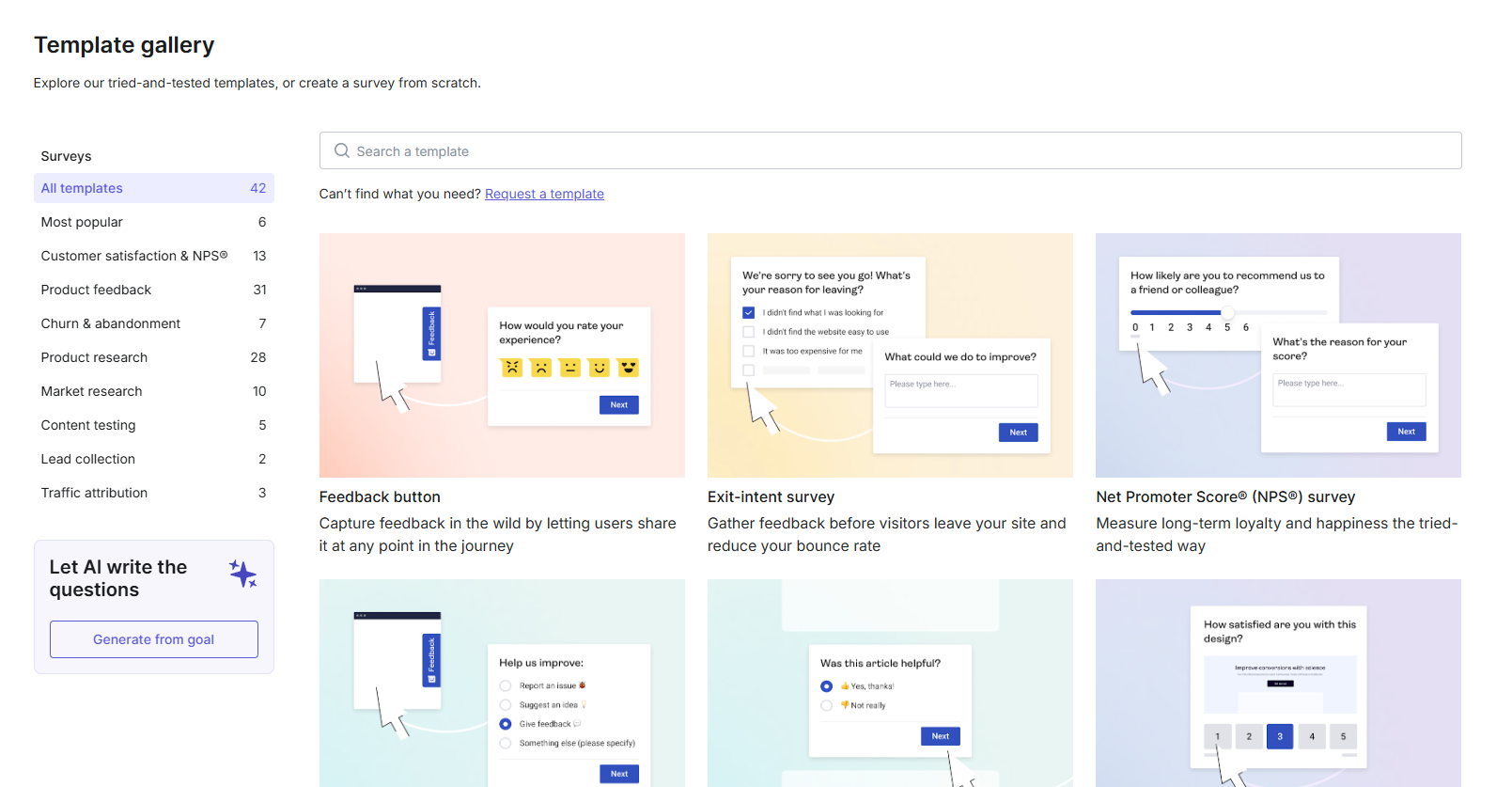
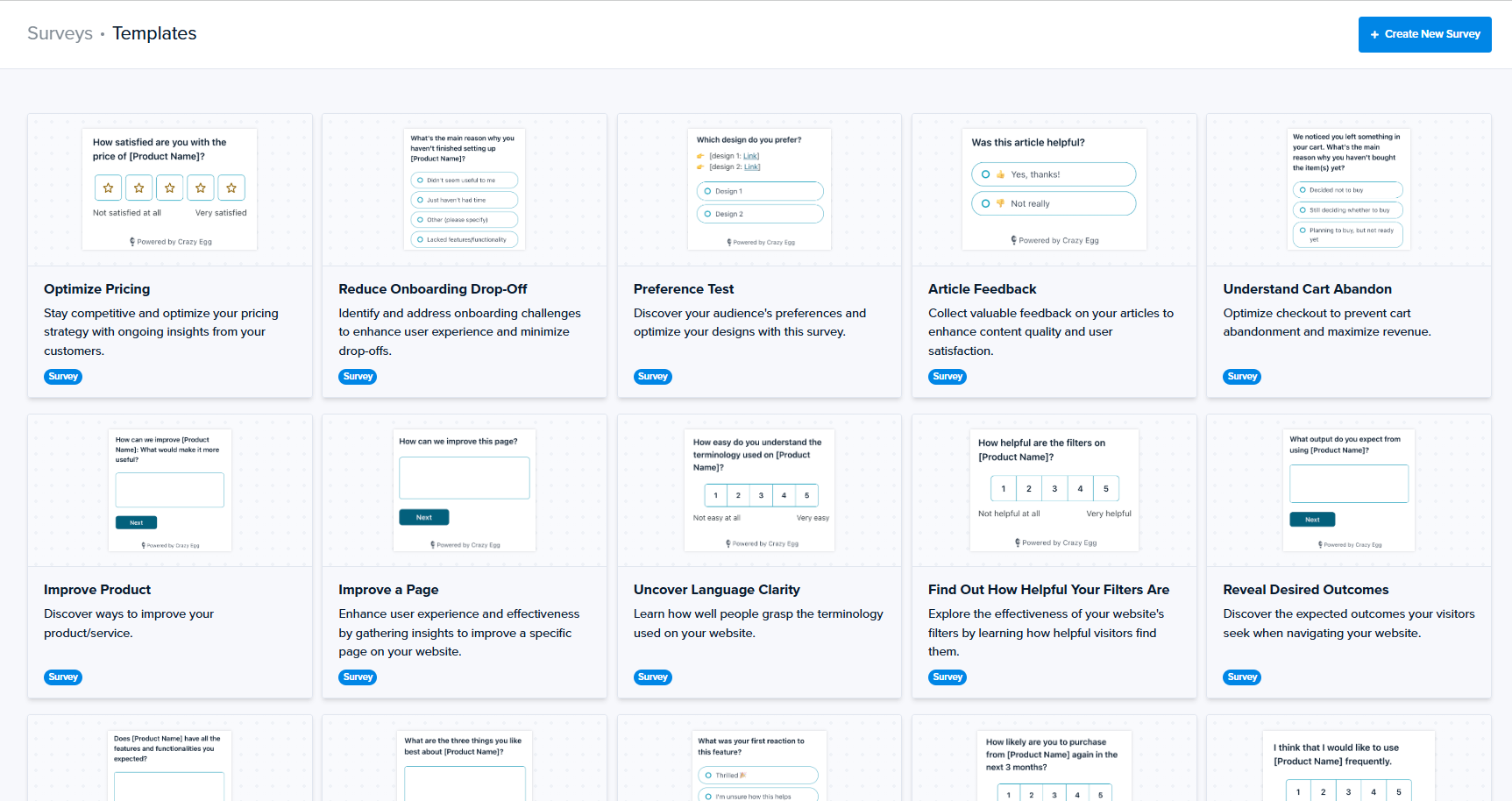
Hotjar’s "Sense AI" focuses on synthesis. It generates high-level summaries of thousands of hours of session recordings, highlighting common themes in user frustration. Hotjar’s AI is particularly adept at survey design and sentiment analysis, making it a powerful tool for UX researchers who need to quantify qualitative feedback.
Pricing Structures and Market Positioning
The pricing models of 2025 reflect the different philosophies of the two companies. Crazy Egg maintains a transparent, tiered subscription model ranging from $29 to $599 per month. All features—heatmaps, recordings, A/B testing, surveys, and web analytics—are included in every tier, with the primary difference being the volume of tracked visits and recordings.
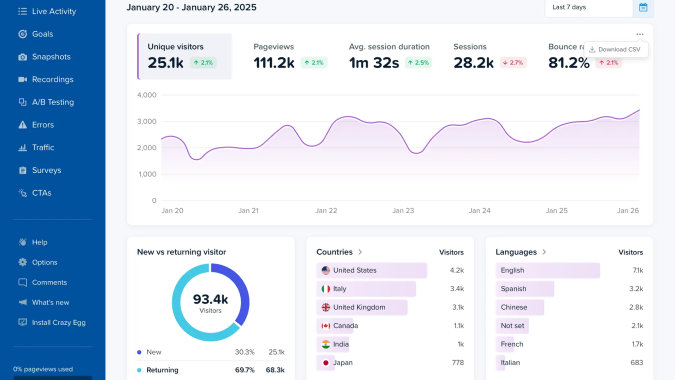
Hotjar’s pricing has become increasingly modular following its full integration into Contentsquare. Users must choose between "Experience Analytics" (heatmaps and recordings), "Voice of Customer" (surveys and feedback), and "Product Analytics" (deep-funnel analysis). While this allows large organizations to pay only for what they use, the costs can escalate quickly when trying to match the feature parity of Crazy Egg’s all-in-one plans. Furthermore, the "Product Analytics" module (built on the Heap acquisition) currently requires a sales consultation, marking a shift away from the self-serve model that originally made Hotjar famous.
Security, Privacy, and Data Sovereignty
In an era of strict GDPR, CCPA, and DMA enforcement, both platforms have fortified their security protocols. Both Crazy Egg and Hotjar offer field masking—automatically redacting sensitive information like credit card numbers or passwords at the point of capture.
Contentsquare (Hotjar) holds an edge for enterprise compliance, boasting SOC-2 Type 2 and ISO 2700x certifications across all tiers, including the free version. Crazy Egg counters with a "privacy-first" stance that avoids tracking visitors across different websites, ensuring that its data collection is as unintrusive as possible while remaining fully compliant with international regulations.
Strategic Implications for Businesses
The choice between Crazy Egg and Hotjar in 2025 is no longer just about which tool has a better heatmap; it is a strategic decision about the organization’s workflow.
The Case for Crazy Egg:
This platform is optimized for the "Growth Marketer" or the "Agile Agency." For teams that need to move from insight to action within a single hour, having heatmaps, web analytics, and A/B testing in one place is invaluable. The predictability of its annual billing and the lack of overage charges make it the preferred choice for companies that prioritize budget stability and ease of use.
The Case for Hotjar (Contentsquare):
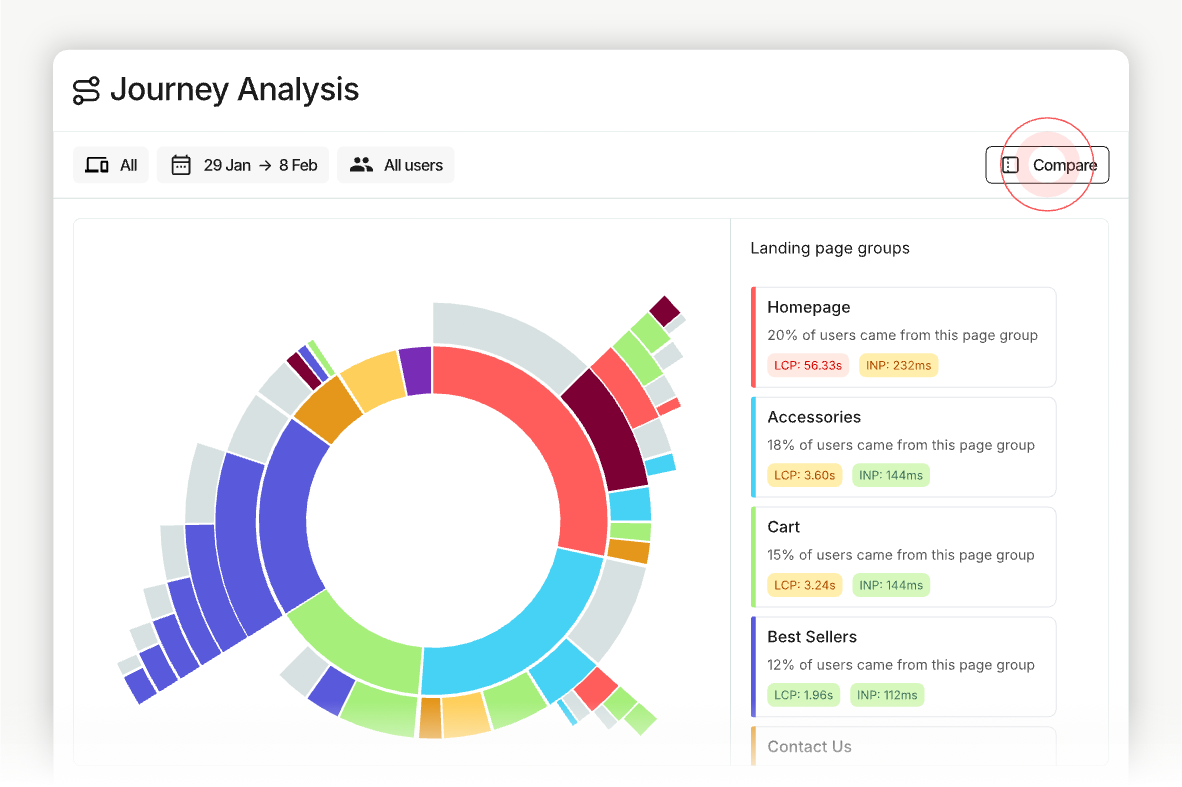
Hotjar is now the entry point into a much larger enterprise ecosystem. It is the better choice for organizations with dedicated UX Research departments and those who already use high-end experimentation tools like Optimizely. For companies that require "Journey Analysis"—the ability to see every touchpoint a user has across multiple sessions and devices—the Contentsquare backbone provides a level of depth that a standalone tool cannot match.

Final Analysis: The Convergence of Action and Insight
As the market for digital experience analytics matures, the gap between "seeing" and "doing" is closing. Crazy Egg’s inclusion of Popup CTAs and real-time "Astro Maps" shows a move toward active intervention—allowing marketers to change the site based on live activity. Hotjar’s integration into Contentsquare shows a move toward deep-tissue diagnostic research.
For the modern digital professional, the decision rests on a simple question: Do you need a laboratory or a toolkit? Hotjar provides the laboratory—a place for deep, scientific inquiry into user behavior. Crazy Egg provides the toolkit—a set of integrated instruments designed to fix conversion leaks and test new ideas with maximum velocity. In the high-stakes environment of 2025 e-commerce and SaaS, both remain essential, but their utility depends entirely on the scale and speed of the team using them.







