The landscape of e-commerce is in perpetual motion, shaped by technological advancements, evolving consumer behaviors, and shifting global economic tides. As businesses navigate this dynamic environment, forward-thinking individuals and organizations are attempting to forecast the trends that will define the coming years. A notable collaboration between e-commerce expert Bill D’Alessandro and an unnamed industry insider from eCommerceFuel has yielded a set of eleven ambitious predictions for 2026, offering a glimpse into potential seismic shifts across advertising, economic policy, artificial intelligence, and brand strategy. These forecasts, presented with a unique twist of AI-driven accountability, aim to provide a strategic compass for businesses operating in the digital marketplace.
The authors of these predictions have acknowledged past critiques regarding the leniency of their self-grading and have introduced a novel element of external arbitration for their 2026 forecasts. At the close of the year, the transcript of their predictions will be fed into advanced AI models, specifically Claude and Grok. These artificial intelligences will then be tasked with evaluating the accuracy of each prediction, with the loser of this digital debate facing the public humiliation of buying the winner a steak dinner and feeding them the first bite. This gamified approach underscores a commitment to rigorous forecasting and a willingness to be held accountable for their insights.
AI-Powered Advertising: A Telepathic Future
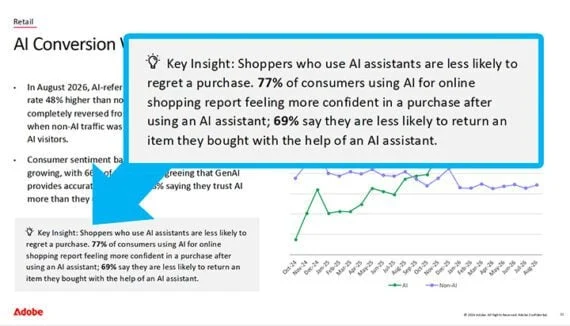
One of the most striking predictions centers on the transformative power of Artificial Intelligence in advertising. The insider, drawing parallels between the current capabilities of platforms like Meta and advanced AI language models, posits that by 2026, advertising targeting will transcend mere precision to become almost telepathic. The prediction highlights that platforms like Meta already possess an intimate understanding of user interests, while AI models like ChatGPT are capable of inferring deeply personal information, such as anxieties about business partnerships, signs of burnout, and financial precarity.
The implication of this deep understanding, when combined with AI’s ability to generate and deploy advertisements, is profound. The insider asserts that when OpenAI, a leading force in AI development, eventually launches its advertising platform, the targeting capabilities will be so advanced that they will feel "telepathic." This suggests a future where advertisements are not just relevant to a user’s expressed interests, but also attuned to their unspoken needs, emotional states, and even future intentions. Early adopters who strategically integrate AI into their advertising efforts are expected to reap significant rewards in this hyper-personalized advertising environment.

Geopolitical Influences: Tariffs and Economic Realities
Beyond technological advancements, the predictions also address the impact of geopolitical and economic factors on the e-commerce sector. A key forecast suggests that tariffs imposed on goods from China will stabilize within the 30-50% range, rather than escalating further. This prediction is rooted in an analysis of current economic conditions, noting rising inflation and subdued economic growth. The insider points to the historical response of markets to trade tensions, referencing a past instance where significant market jitters led to a rapid rollback of tariffs. The rationale behind this forecast is that in an already fragile economic climate, political leaders are unlikely to implement policies that could further destabilize markets or harm an already struggling economy.
The Enduring AI Boom
Countering prevailing skepticism, another prediction asserts that the "AI bubble" will not burst in 2026. This forecast is supported by comparative data, contrasting the current market conditions with the dot-com bubble of the early 2000s. While the NASDAQ’s forward price-to-earnings (PE) ratio currently stands around 27x, it soared above 100x during the tech bubble. Furthermore, adjusted for inflation, government spending on AI research and development is approximately five times greater than the total tech spending during the year 2000. These metrics, the insider argues, indicate that the current AI surge is underpinned by more robust fundamentals, suggesting a sustained period of growth and investment in artificial intelligence technologies.
Combating the Rise of Synthetic Content
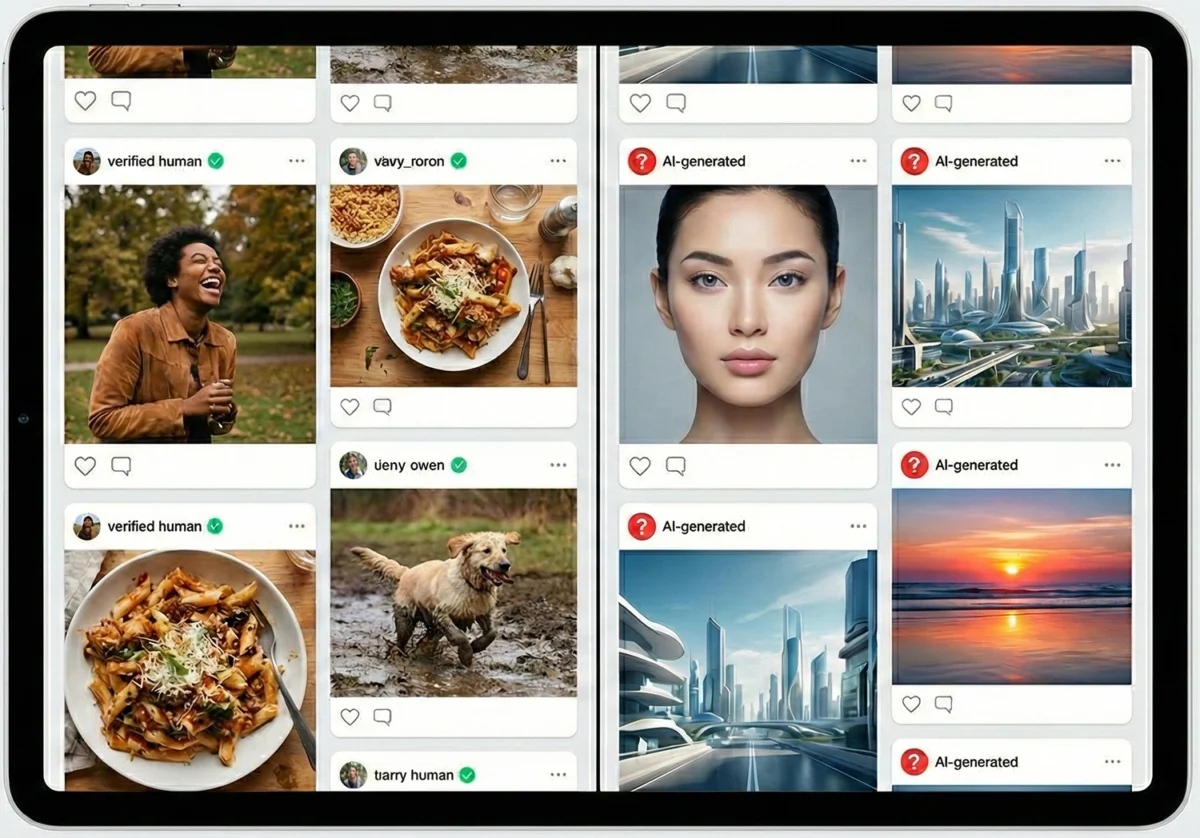
In parallel with the optimism surrounding AI’s capabilities, concerns about the proliferation of AI-generated content are also addressed. A significant prediction is that major online platforms will begin testing "verified human content" badges. The insider shares a personal experience on a newly created X (formerly Twitter) account, where approximately one-third of the videos in their feed appeared to be AI-generated. This observation underscores a growing erosion of trust in online content. The prediction suggests that to combat this trend and restore user confidence, platforms will explore mechanisms to authenticate content as being created by humans, thereby differentiating genuine human expression from synthetic media.

Automation in Content Creation
Further expanding on the impact of AI on content creation, the predictions foresee a significant automation of video and audio editing processes, achieving a quality level of approximately 7 out of 10. Tools like Descript are already demonstrating this capability, and by the end of 2026, the insider anticipates that users will be able to submit raw footage to an AI, specify desired outcomes, and receive a polished edit. This advancement is expected to democratize content production, enabling scrappy founders and small businesses to produce high-quality content that previously required a dedicated production team, thereby leveling the playing field in digital marketing.
Bill D’Alessandro’s Economic Outlook: The K-Shaped Divergence
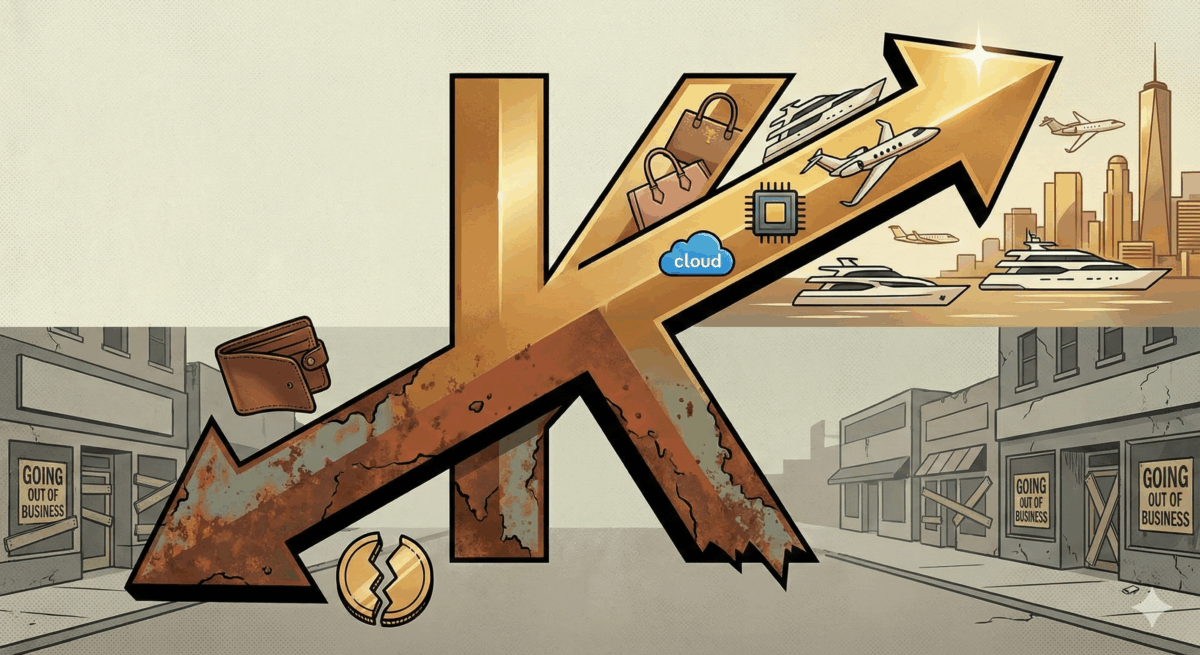
Bill D’Alessandro, a prominent figure in the e-commerce space and a co-predictor in this exercise, offers his own set of forecasts, beginning with the assertion that 2026 will be characterized by a "K-shaped economy." This economic model describes a divergence where certain sectors and demographics experience significant growth while others stagnate or decline. D’Alessandro predicts that large technology companies and the so-called "Mag 7" stocks will continue their upward trajectory, potentially seeing gains of 20% or more. Conversely, the broader economy and the average consumer are expected to face continued struggles.
For e-commerce businesses, this K-shaped economic reality presents a strategic imperative. D’Alessandro advises that businesses must either focus on serving affluent consumers by moving "up-market" or compete on price for essential goods by going "down-market." The middle ground, he warns, will become increasingly dangerous and challenging to navigate.
Persistent Inflationary Pressures

D’Alessandro’s outlook also includes a prediction of persistent inflation, forecasting that inflation rates will remain above 3% in 2026. He attributes this to a lack of political will to curb government spending, leading to continued deficit spending, which in turn fuels inflation. This inflationary environment, he believes, is not a short-term phenomenon but a trend likely to persist for the next decade. His advice to businesses and investors is to proactively position their portfolios and operations to thrive within this sustained inflationary landscape.
AI’s Dominance in Meta Advertising
Echoing the insider’s sentiment on AI in advertising, D’Alessandro predicts that AI will "completely take over Meta ads content." He cites evidence of proof-of-concept pipelines developed by major brands that can generate hundreds of novel advertisements daily. These AI systems are capable of analyzing customer reviews, extracting brand assets, and generating static images and, increasingly, video content. The output is then directly launched through APIs. D’Alessandro anticipates that 2026 will mark the mainstream adoption of this AI-driven advertising content generation process.
The Demise of the Lifestyle Brand
A stark prediction from D’Alessandro concerns the future of lifestyle brands in the e-commerce sector. He declares "the lifestyle brand is dead," unless the business possesses strong intellectual property protection or is ranked within the top 5-10% of brands in its niche. He argues that e-commerce businesses with revenues in the single-digit millions will struggle to compete against larger players who leverage AI-powered systems. These sophisticated operations can outspend competitors on advertising, conduct more extensive A/B testing, and tolerate higher customer acquisition costs (CACs), ultimately outmaneuvering smaller, less technologically advanced brands.
Mergers and Acquisitions: A Tale of Two Markets
The landscape of mergers and acquisitions (M&A) in e-commerce is also subject to D’Alessandro’s foresight. He predicts a bifurcated M&A market, with significant activity at the high end and a notable slowdown at the low end. Data indicates that deals exceeding $1 billion have seen a 19% year-over-year increase, while transactions in the small and mid-size ranges have declined by 18%. D’Alessandro anticipates this trend will continue, with top-tier businesses commanding "eye-popping multiples," while typical e-commerce brands will face considerable challenges in finding buyers and achieving favorable valuations.
Bitcoin’s Volatile Path
Finally, D’Alessandro offers a prediction for the cryptocurrency market, specifically Bitcoin. He forecasts that Bitcoin will experience a dip below $70,000 in the first half of 2026, but will ultimately finish the year above $100,000. This volatility is attributed to competing economic forces. A struggling consumer base is expected to exert downward pressure on Bitcoin as a risk asset. However, persistent inflation is predicted to bolster Bitcoin’s appeal as a store of value, often referred to as "digital gold." The interplay of these factors, D’Alessandro suggests, will lead to initial weakness followed by a strong recovery as the inflation narrative gains traction.
These eleven predictions, spanning technological innovation, economic forecasting, and strategic business imperatives, offer a comprehensive and thought-provoking outlook for the e-commerce industry in 2026. The commitment to AI-driven accountability adds a unique layer of intrigue, underscoring the evolving role of technology in even the process of prediction and evaluation. Businesses that heed these insights and adapt their strategies accordingly may find themselves better positioned to navigate the opportunities and challenges of the coming years.