The pervasive promise of AI website builders — that a professional online presence can be conjured in mere minutes — has reshaped expectations across industries. While artificial intelligence can indeed generate a surprisingly polished initial website draft with unprecedented speed, this swift generation represents only one segment of the comprehensive journey from concept to live, successful digital platform. A realistic timeline for website creation, even with the most advanced AI assistance, encompasses critical stages such as defining purpose, securing a domain, configuring hosting, meticulous content review, strategic editing, and continuous optimization. Understanding this complete process is essential for businesses and individuals seeking to leverage AI efficiently in their digital strategy.
The Evolution of Web Development: From Code to AI-Driven Automation
The landscape of website creation has undergone a dramatic transformation over the past three decades. In the early days of the internet, building a website was an arduous, highly technical endeavor. Developers painstakingly coded every element using HTML, CSS, and later JavaScript, requiring a deep understanding of programming languages and server infrastructure. This bespoke approach meant that website development was often expensive, time-consuming, and accessible primarily to large organizations or those with specialized technical skills. A simple informational website could take weeks or even months to design, code, and deploy.
The advent of Content Management Systems (CMS) like WordPress, Joomla, and Drupal marked a significant turning point. These platforms democratized website creation by separating content from design and offering user-friendly interfaces, themes, and plugins. Businesses could launch websites without extensive coding knowledge, reducing development time from months to weeks, especially for those utilizing pre-built themes. The rise of drag-and-drop website builders such as Wix and Squarespace further simplified the process, offering no-code solutions that allowed individuals to create visually appealing sites in days, albeit often with some limitations in customization and scalability.
Today, AI website builders represent the latest paradigm shift, promising to compress the initial setup phase even further. These tools harness machine learning to interpret user requirements, generate site structures, suggest design elements, and even draft preliminary content. This technological leap fundamentally alters the initial stages of website creation, moving from manual assembly to an intelligent, guided onboarding experience.
Deconstructing the Traditional Website Creation Process
Before AI entered the scene, every website, regardless of its complexity, followed a series of distinct stages, each demanding significant time and resources. Understanding these traditional time investments highlights the revolutionary impact of AI.
-
Defining Purpose and Strategy (Typical time: 1-3 days): This foundational stage involves identifying the website’s primary goals (e.g., lead generation, e-commerce, portfolio display), pinpointing the target audience, conducting competitive analysis, and outlining essential pages and features. For a thorough analysis, including market research and brand positioning, this phase can easily consume several days. Industry benchmarks often suggest allocating a minimum of 24-72 hours to ensure a clear strategic roadmap, as ill-defined goals can lead to costly revisions later.
-
Choosing a Domain Name (Typical time: 30 minutes – 1 day): Brainstorming a memorable, brand-relevant domain name and checking its availability can be surprisingly time-consuming. Securing the ideal name often involves multiple iterations and registrations.
-
Setting Up Web Hosting (Typical time: 30 minutes – 1 day): Selecting a reliable hosting provider, creating an account, and configuring server essentials to make the website accessible online is a critical technical step. Providers like Bluehost offer integrated solutions that streamline this, bundling hosting with domain management and SSL certificates, but initial setup still requires user input and configuration.
-
Design and Development (Typical time: 1-7 days, potentially weeks for custom projects): This phase traditionally involved designing wireframes and mockups, selecting a CMS or framework, building page structures, organizing navigation, and implementing desired functionalities. For custom-coded sites, this could involve front-end and back-end development, database integration, and extensive graphic design. Even with CMS platforms, customizing themes, arranging layouts, and adding plugins to achieve specific functionalities would typically take several days.
-
Content Creation and Integration (Typical time: 1-7 days): Writing compelling, accurate, and SEO-optimized page copy, uploading and optimizing images and videos, and ensuring all contact information is correct are labor-intensive tasks. This stage is crucial for communicating brand identity and value proposition effectively.
-
Review and Testing (Typical time: 2-8 hours): Before launch, a website must undergo rigorous testing across various devices and browsers to verify responsiveness, check all links and forms, assess loading speeds, and identify and fix any bugs or display issues. This quality assurance step is vital for a smooth user experience.
-
Publishing the Website (Typical time: 30 minutes – 2 hours): The final step involves connecting the registered domain to the hosting, performing last-minute checks, and making the website publicly available.
For projects with specific advanced requirements, these timelines extend significantly. Setting up an e-commerce store, for example, adds 1-5 days for core functionality, plus hours to days for adding products, configuring variants, payment gateways, and shipping/tax settings. Creating multilingual pages can add several days to weeks, given the need for translation and localization. These figures underscore the substantial time commitment traditionally associated with launching a comprehensive website.
The AI Revolution in Website Building: A Catalyst for Speed
AI website builders fundamentally alter the initial trajectory of website creation by automating many of the historically manual and time-consuming setup tasks. Instead of starting with a blank canvas or sifting through countless templates, users are guided through an intelligent onboarding process.
The core mechanism involves:
- Intelligent Prompting: Users answer a series of questions about their business type, goals, target audience, and desired functionalities.
- Automated Generation: The AI processes this input to generate a complete first draft of the website, including a logical site structure, pre-designed page layouts, intuitive navigation menus, and even preliminary text content.
- Design Recommendations: AI algorithms can suggest color palettes, font pairings, and imagery based on industry best practices and user preferences, eliminating the need for extensive manual design selection.
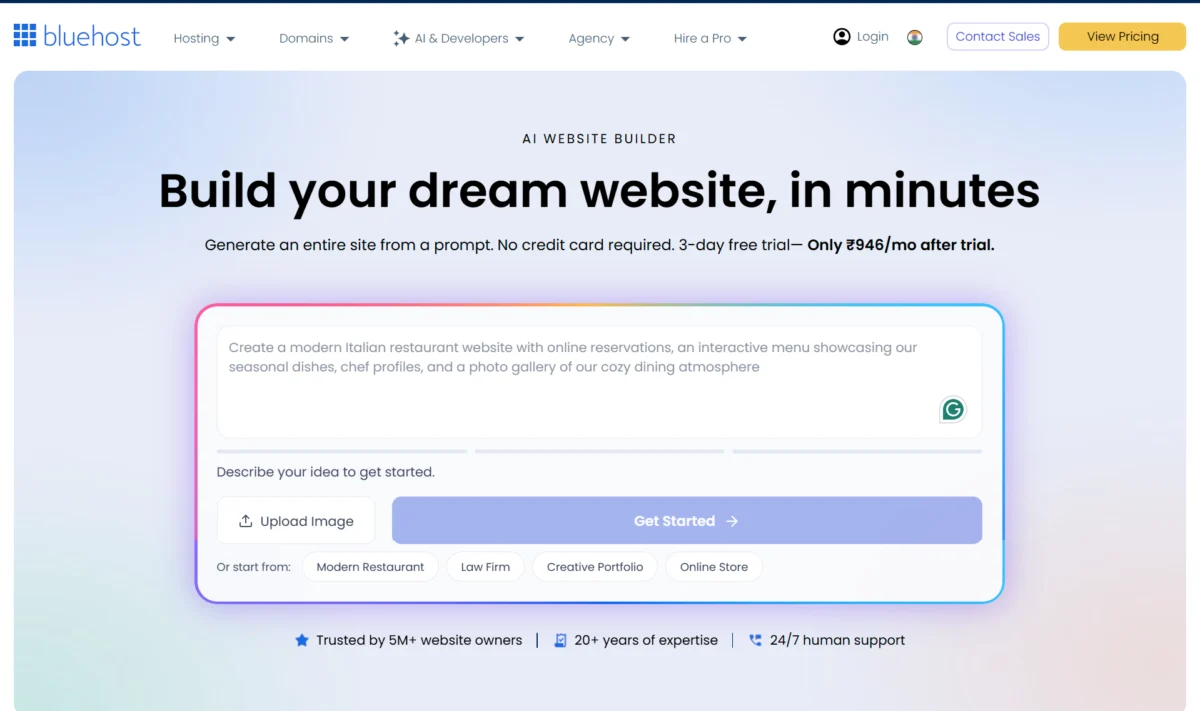
This automation significantly reduces the "assembly" time. Tasks such as selecting a theme, configuring basic layouts, creating placeholder pages, and drafting initial content—which could collectively consume hours or even days in traditional methods—are completed in minutes by AI. For instance, in a practical application with the Bluehost AI Website Builder, a functional first draft, complete with pages, navigation, and draft content, was generated in approximately three minutes after the user completed the initial questionnaire.
A notable advantage of some AI builders, particularly those built on established platforms like WordPress (as demonstrated by Bluehost), is that the AI-generated website isn’t locked into a proprietary, simplified editor. Users retain full access to the underlying CMS dashboard, allowing for advanced customization, plugin integration, SEO optimization, and scalability that might be limited in more restrictive platforms. This blend of AI-driven speed and robust platform flexibility offers a powerful solution for diverse user needs.
A Realistic AI-Powered Website Creation Timeline
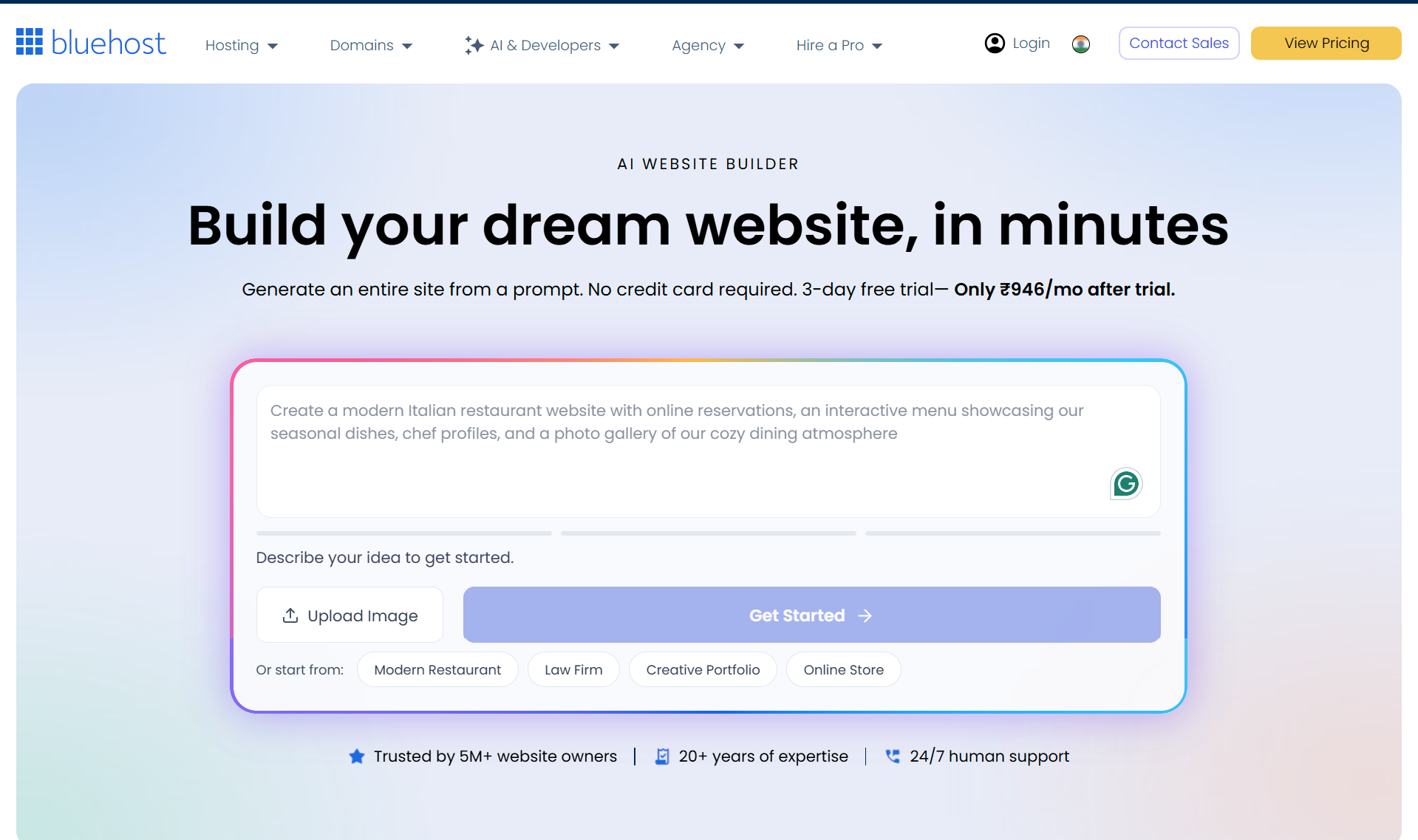
While the marketing claims of "websites in minutes" hold true for the generation phase, a truly effective and personalized website built with AI still requires human intervention. The overall timeline can be broken down into:
-
Initial AI Generation (Typical time: 3-15 minutes): After answering a few questions, the AI produces a complete first draft. This phase is remarkably fast, demonstrating the core efficiency of AI. Account creation, email verification, and inputting business details add a small amount of time to this initial burst.
-
Personalization and Refinement (Typical time: 1-4 hours for basic sites; up to 1-3 days for polished sites): This is where human creativity and brand identity become paramount.
- Content Editing: AI-generated text provides a strong starting point, but it requires careful review and personalization to accurately reflect the brand’s unique voice, products, services, and value proposition. Industry experts consistently advise that human oversight is indispensable for ensuring factual accuracy, emotional resonance, and alignment with brand guidelines. This stage can take anywhere from an hour to a full day, depending on the volume and complexity of content.
- Visual Selection: Replacing placeholder or generic stock images with proprietary photography, product shots, or carefully curated branded visuals is crucial for authenticity and trust.
- Design Tweaks: Adjusting color schemes, fonts, spacing, and minor layout elements to perfectly align with brand aesthetics.
-
Adding Advanced Features and Customization (Typical time: 1-5 days, potentially weeks for complex projects): Depending on the website’s purpose, additional time will be needed for specialized functionalities:
- E-commerce Setup: Integrating an online store, adding a product catalog (which can take several hours to multiple days depending on the number of items), configuring payment gateways (1-2 days), and setting up shipping and tax rules (1-3 days).
- Third-Party Integrations: Connecting CRMs, email marketing platforms, analytics tools, booking systems, or other business-critical software can add a few hours to several days.
- Multilingual Support: Creating and managing content for multiple languages significantly extends the timeline, potentially by several days to weeks, due to translation and localization efforts.
For individuals or small businesses seeking a basic online presence, a functional website can realistically be online within 30 to 90 minutes if they are well-prepared with their domain, branding, and core content ideas. Those with pre-existing assets might even publish in under 15 minutes. However, for a more polished, customized, and strategically optimized website, dedicating a few hours to a full day for refinement is a more accurate estimate. The biggest impact of AI is not creating a perfect website instantly, but rather compressing the most time-consuming initial setup into a guided process, freeing up valuable time for strategic human input.
Beyond the Launch: Sustaining a Digital Presence
Launching a website, even an AI-generated one, is merely the first step in establishing a robust online presence. Ongoing effort is crucial to ensure the website remains useful, discoverable, and effective over time.
-
Publish Helpful Content Regularly: Whether it’s a business blog, news section, or resource hub, consistently publishing fresh, valuable content keeps the website dynamic, engages the audience, and provides search engines with new material to index. A well-executed content strategy is fundamental for long-term SEO success.
-
Keep Your Website Up to Date: A website must evolve with the business. This includes updating product or service offerings, pricing, contact details, and company news. Expanding the site with new landing pages, FAQs, case studies, or testimonials as the business grows is also vital. Tools like Yoast SEO’s FAQ content block can simplify the creation of structured data, making content more digestible for search engines and AI crawlers.
-
Continue Improving Your SEO: Website optimization is an ongoing process. This involves refining page titles, meta descriptions, internal linking structures, and on-page content based on keyword research and audience behavior. Technical SEO aspects such as ensuring crawlability, maintaining an up-to-date XML sitemap, optimizing page loading speeds, and resolving broken links are equally important for sustained visibility in search results.
-
Monitor Your Website’s Performance: Understanding how users interact with the website is critical for informed decision-making. Integrating tools like Google Search Console allows businesses to monitor search performance, identify indexing issues, and see which queries drive traffic. Google Analytics provides deeper insights into user behavior, conversion rates, and the overall impact of SEO efforts.

-
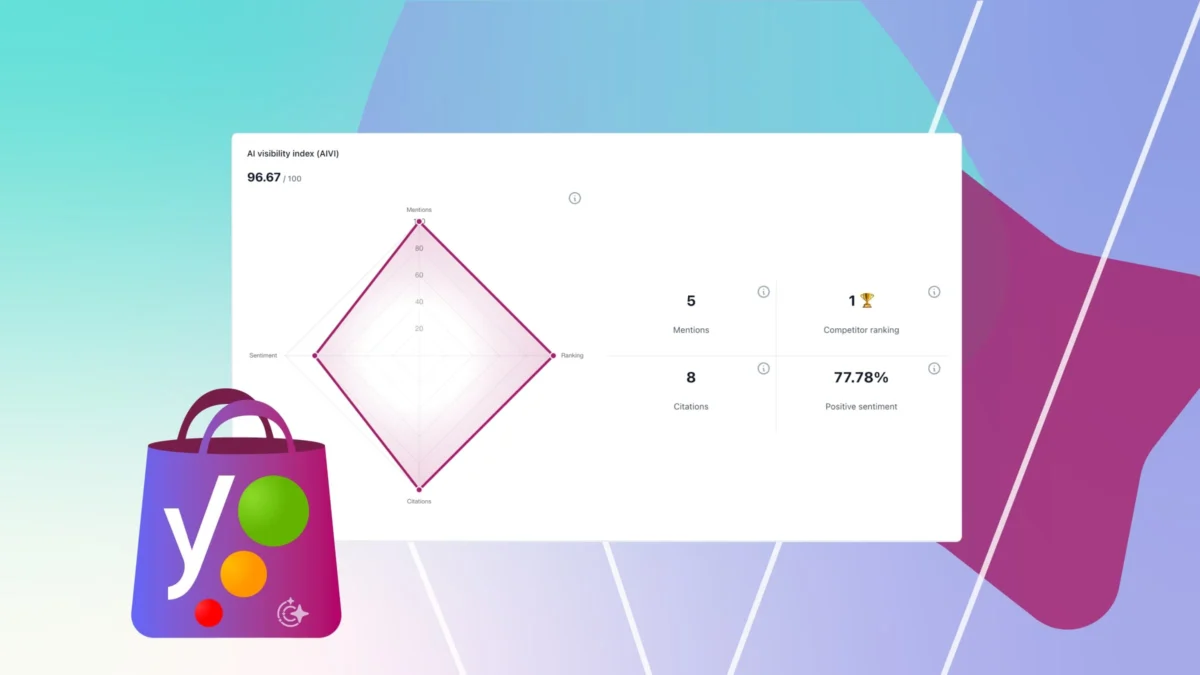
Build Your AI Presence: As AI-powered search experiences and generative AI models become more prevalent, understanding how a brand is perceived and represented within these new ecosystems is emerging as a crucial strategic imperative. Tools like Yoast SEO AI+ aim to provide insights into how AI platforms interpret brand information, helping businesses proactively manage their digital identity in this evolving landscape.
Implications for Businesses and Developers
The rise of AI website builders carries significant implications for various stakeholders in the digital ecosystem.
-
Democratization of Web Presence: For small businesses, startups, and individual entrepreneurs, AI builders drastically lower the barrier to entry for establishing a professional online presence. This accessibility is particularly impactful for the millions of small and medium-sized enterprises globally that may lack the budget or technical expertise for traditional web development. It empowers them to compete more effectively in the digital marketplace.
-
Shift in Developer Roles: AI does not eliminate the need for web developers but rather shifts their focus. Instead of spending time on foundational coding and repetitive layout tasks, developers can now concentrate on more complex integrations, custom feature development, advanced problem-solving, and strategic consulting. Many industry professionals view AI as a powerful co-pilot, automating routine tasks and allowing human expertise to be directed towards higher-value, creative, and intricate challenges.
-
Quality and Differentiation: While AI can produce a visually appealing first draft, the challenge lies in differentiation. A truly successful website still requires human creativity, unique content, strong branding, and a deep understanding of the target audience. The risk of generic-looking or sounding websites increases if users rely solely on AI without significant personalization. Therefore, the value of human-crafted messaging, bespoke design elements, and strategic SEO becomes even more pronounced in a world saturated with AI-generated starting points.
Conclusion
Creating a website no longer has to be a weeks-long project fraught with technical complexities. AI website builders have fundamentally transformed the most time-consuming initial stages of website development, compressing the setup of layouts, pages, navigation, and preliminary content into a matter of minutes. This acceleration provides an unparalleled head start, allowing individuals and businesses to bypass the daunting blank page and immediately begin refining a functional website.
However, it is crucial to understand that AI provides a powerful starting line, not the finish line. A truly successful, impactful, and differentiated website still hinges on thoughtful human input in content personalization, strong branding, consistent updates, and ongoing search engine optimization. The power of AI lies in its ability to empower users to dedicate their valuable time and creative energy to these crucial elements that genuinely resonate with visitors and foster long-term growth. If the perceived technicality or time commitment has deterred individuals from establishing an online presence, AI has now made getting started more accessible and efficient than ever before, paving the way for a faster journey to digital engagement.