
Brand tracking, once primarily a quarterly market research exercise, has transformed into a dynamic, multi-faceted discipline critical for modern growth marketers. It serves as an indispensable compass, guiding businesses through the intricate currents of public perception, competitive positioning, and customer sentiment. By systematically measuring what consumers say, think, and feel about a brand, and understanding why they gravitate towards competitors, organizations can make informed decisions at scale. The landscape of brand intelligence is rapidly expanding, with a significant shift in 2026 towards incorporating Artificial Intelligence (AI) share of voice, revealing how brands are cited by large language models (LLMs) and what improvements are necessary to enhance this crucial visibility.
This evolution signifies that brand tracking software is no longer a monolithic entity but a diverse ecosystem of tools. These solutions vary widely based on the specific metrics they track, their AI integration capabilities, the growth stage of the company, their primary use cases, and their pricing structures. Navigating this complexity requires a clear understanding of the differences between brand tracking and brand monitoring, a strategic approach to selecting the most suitable tools – such as HubSpot AEO – and a methodological framework for conducting effective brand tracking surveys.
The New Frontier: Brand Health in the Digital Age

Brand health, encompassing a brand’s overall standing and influence in the market, is a foundational element for sustained business success. A robust brand tracking tool acts as the digital stethoscope, measuring this health across a multitude of channels over time. Modern tools are sophisticated aggregators, drawing data from social media platforms, search engine signals, public relations coverage, web analytics, direct customer feedback, burgeoning answer engines, and traditional brand tracking surveys.
The most profound shift in brand tracking for 2026 is undoubtedly the emergence of AI visibility as a paramount concern. This paradigm change necessitates a re-evaluation of established workflows for brand teams. Historically confined to periodic brand perception research, brand trackers now integrate a continuous stream of data. This includes survey insights, social listening intelligence, real-time search demand, AI citations, granular customer feedback, and comprehensive CRM reporting, all funneled into a single, cohesive decision-making dashboard. This integrated approach allows for a holistic and agile response to market dynamics.
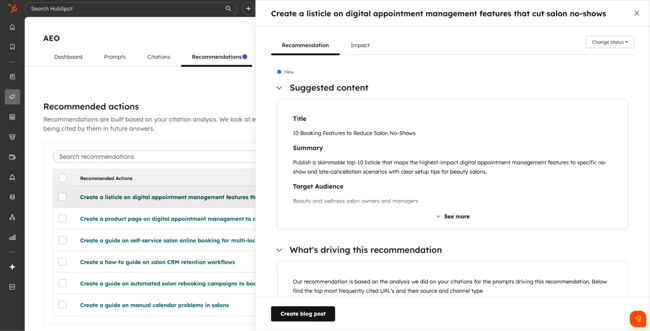
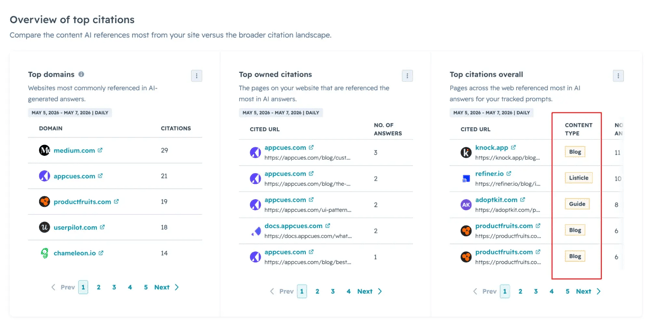
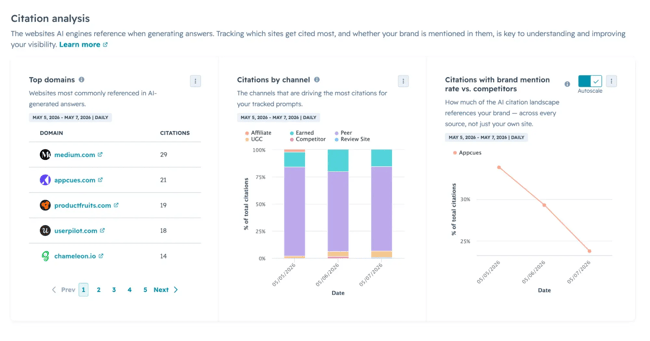
For specialized AI brand tracking, platforms like HubSpot AEO are at the forefront, designed to monitor a brand’s presence across leading AI models such as ChatGPT, Perplexity, and Gemini. These tools provide critical metrics like AI visibility scores, detailed competitor comparisons, analysis of prompt effectiveness, and citation analysis. With such capabilities, teams gain unprecedented clarity on which sources and content types are most frequently referenced by AI engines when generating responses, empowering them to optimize their digital footprint for the AI era.
Before any measurement can commence, however, a brand’s foundational elements must be unequivocally clear. This includes meticulously documenting its positioning, defining its unique voice, and establishing a consistent visual identity. Resources like HubSpot’s Free Brand Building Guide offer a practical starting point for businesses to solidify these core aspects before embarking on the journey of measuring market perception.

Differentiating Brand Tracking and Brand Monitoring
While often used interchangeably, brand tracking and brand monitoring serve distinct yet complementary purposes. Brand tracking focuses on the longitudinal measurement of shifts in key brand metrics such as brand awareness, perception, consideration, preference, and loyalty over extended periods. It provides a strategic, overarching view of a brand’s standing. In contrast, brand monitoring is concerned with the live, real-time detection of brand mentions across the vast digital landscape, including social channels, traditional media, online forums, review sites, and answer engines. It offers an immediate, tactical view of ongoing conversations.
Each approach addresses a different set of business problems. Continuous brand monitoring captures ongoing brand mentions and immediate shifts in sentiment, acting as an early warning system. A structured brand tracking survey, on the other hand, adds depth by gathering structured feedback that real-time listening tools cannot capture on their own.
For scaling companies, running both in parallel is often the most effective strategy. Brand monitoring might detect a sudden surge in mentions on a platform like Reddit, signaling a potential trend or issue. Brand tracking then provides the quantitative evidence to determine whether this signal translates into a measurable change in broader market perception. Furthermore, AI brand tracking can reveal if answer engines begin to propagate this narrative when consumers seek vendor recommendations, highlighting the potential for immediate and far-reaching impact. This dual approach offers decision-makers a comprehensive view, marrying real-time insights with long-term strategic understanding.
Key Metrics for Comprehensive Brand Assessment
To truly gauge a brand’s health and influence, a diverse set of metrics is essential. The right brand tracking metrics illuminate how visible, trusted, preferred, and ultimately, how commercially valuable a brand has become. The core metrics that warrant initial and ongoing attention include:
- Brand Awareness: This measures how familiar the target audience is with the brand. It’s often split into unaided recall (recalling a brand without prompts) and aided recall (recognizing a brand from a list). High awareness is the first step towards market penetration.
- Brand Perception & Association: This delves into the qualitative aspects, exploring what attributes, emotions, and values consumers link with the brand. It helps identify if the brand’s intended message resonates with the market.
- Brand Consideration: This metric assesses how likely consumers are to include the brand in their initial evaluation set when making a purchase decision. It’s a critical indicator of moving from awareness to potential conversion.
- Brand Preference: This measures the degree to which consumers favor a brand over its competitors. It reflects a stronger affinity and a higher likelihood of selection.
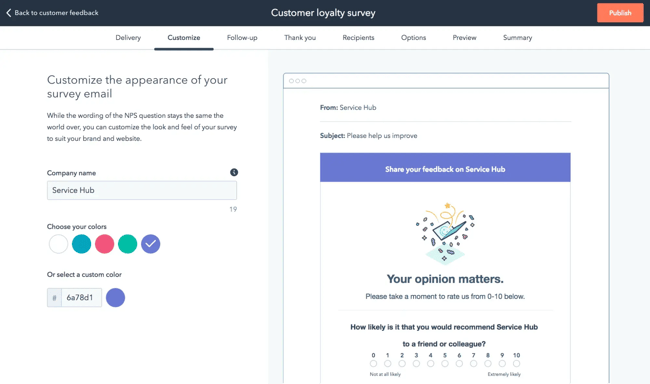
- Brand Loyalty & Advocacy: This tracks repeat purchases, customer retention rates, and the willingness of customers to recommend the brand to others (e.g., Net Promoter Score – NPS). It speaks to long-term customer relationships and organic growth.
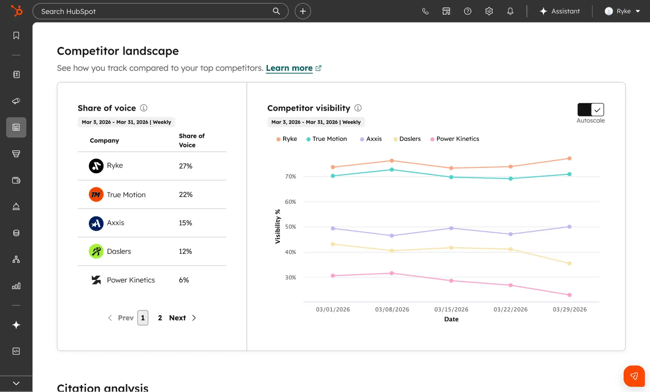
- Share of Voice (SoV): Traditionally, SoV measures a brand’s presence in media relative to competitors. In the digital age, this extends to social media mentions, search engine results, and crucially, AI-generated content. A growing SoV indicates increased visibility.
- Sentiment Score: This analyzes the emotional tone of mentions and feedback – positive, neutral, or negative. It’s vital to understand the qualitative nature of brand conversations.
- Purchase Intent: This directly measures how likely consumers are to purchase a brand’s products or services in the near future. It’s a strong predictor of future sales.
- Customer Satisfaction (CSAT) and Customer Effort Score (CES): While often tied to specific interactions, these metrics provide crucial context for brand health. A brand cannot sustain positive perception if its customer experience is consistently poor.
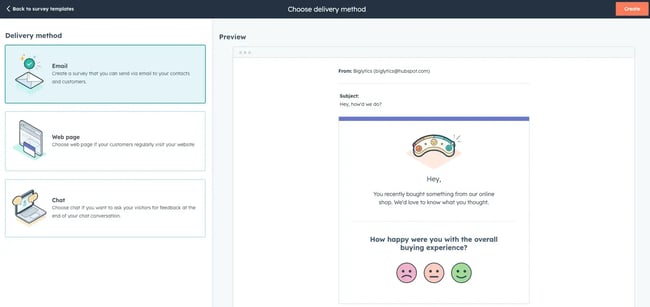
It’s important to recognize that brand strength is rarely compromised in a single area; these metrics are interconnected. For instance, an increase in share of voice could be detrimental if it’s driven by negative coverage. Marketers must track these metrics holistically to identify both opportunities and threats. HubSpot’s Customer Feedback Software, for example, empowers revenue teams to collect NPS, CSAT, and CES surveys, providing immediate access to scores, sentiment, and response volume through intuitive dashboards. These surveys can be seamlessly integrated into email campaigns or embedded on web pages, ensuring a smooth customer experience and linking direct feedback to broader brand health.
The AI Revolution in Brand Visibility
The advent of generative AI has fundamentally reshaped the consumer journey, placing AI brand tracking at the forefront of modern marketing strategy. This new discipline measures the frequency, accuracy, and favorability with which a brand appears in AI-generated answers. It tracks whether leading answer engines mention the brand, which competitors are cited in similar responses, the specific prompts that trigger brand visibility, and the underlying sources that shape the AI’s answer.
This newfound emphasis on AI visibility stems from a critical shift in how buyers gather information. Increasingly, consumers are turning to AI platforms like ChatGPT, Gemini, and Perplexity for recommendations and solutions before ever visiting a traditional website. This means a brand can achieve visibility within an AI answer without directly generating a click to its site, a scenario traditional SEO dashboards are ill-equipped to fully capture.
Core AI brand tracking use cases are rapidly emerging:
- Monitoring Brand Mentions: Tracking how often and in what context a brand is mentioned by AI answer engines.
- Competitor Analysis: Understanding which competitors appear alongside the brand in AI responses and identifying visibility gaps.
- Prompt Optimization: Identifying the specific queries or prompts that lead to brand citations and optimizing content to rank for these.
- Source Attribution: Analyzing which external sources (websites, articles, reviews) AI models are citing when discussing the brand, enabling targeted content and PR strategies.
- Sentiment Analysis within AI Responses: Assessing the tone and favorability of AI-generated content about the brand.
HubSpot AEO offers a comprehensive solution in this space, allowing brands to monitor their presence against competitors across major AI platforms. Its dashboards automatically populate with a brand’s AI visibility score, share of voice percentage, and sentiment score, providing actionable insights. By understanding which sources and content types AI engines cite most frequently within a specific category, teams can strategically enhance their digital presence to influence AI recommendations. This directly impacts the crucial pre-click stage of the buyer’s journey, making AI visibility a non-negotiable component of contemporary brand strategy.
Strategic Selection: Choosing the Right Brand Tracking Tools
The selection of brand tracking tools must be meticulously aligned with a company’s strategic objectives and its current growth stage. Early-scale teams typically prioritize agile signals and intuitive dashboards, while mid-market organizations require robust integrations and consistent reporting. Enterprise-level operations demand advanced governance, multi-market tracking capabilities, and rigorous research methodologies. Before evaluating specific platforms, teams must define the critical questions their brand tracking software needs to answer:
- What specific business decisions will brand tracking support?
- Which target audiences or customer segments need to be tracked?
- What is the acceptable budget for tools, panel access, and internal resources?
- What level of data granularity and historical depth is required?
- How frequently do we need to collect and analyze brand data?
- Which internal teams need access to brand insights, and what reporting formats do they require?
Once these fundamental questions are addressed, a clearer picture emerges regarding the necessary features for a comprehensive brand health monitoring system.
Essential Feature Checklist:
-
Survey-based Brand Health Measurement: This is the bedrock for understanding buyer perceptions. The chosen tool should facilitate the measurement of unaided and aided awareness, familiarity, consideration, preference, trust, purchase intent, and brand associations. For B2B, audience filters (job title, industry, company size) are crucial to target the actual buying committee. Key vendor questions include:
- What survey types (NPS, CSAT, CES, custom) does the tool support?
- Can we customize survey design and branding?
- What audience targeting and panel recruitment options are available?
- How does the tool handle survey logic, branching, and question randomization?
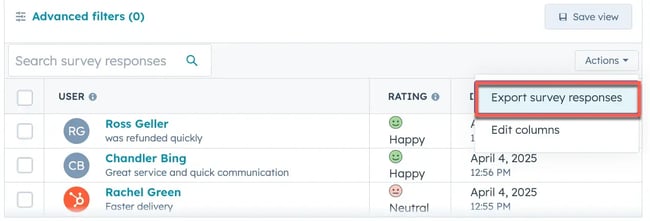
- What are the data export and API integration capabilities for survey results?
- How does it ensure data quality and prevent bot responses?
-
Brand Monitoring Coverage: This feature captures organic brand mentions beyond structured surveys. It should cover social media, news outlets, forums, review sites, blogs, podcasts, videos, online communities, and critically, AI answer engines. With consumers increasingly less likely to provide direct feedback, passive listening and multi-source monitoring have become paramount for understanding brand health. Key vendor questions:
- What channels (social, news, forums, blogs, review sites, AI) does the tool monitor?
- What is the geographical and language coverage?
- How accurately does it capture mentions, and what is the historical data retention?
- What are the capabilities for real-time alerts and anomaly detection?
- Can we customize keyword sets and exclusion lists for monitoring?
-
AI Visibility and AI Share of Voice: These are new, critical components. AI visibility determines if answer engines mention the brand in category, comparison, or recommendation queries. AI share of voice quantifies the brand’s presence in AI-generated answers relative to competitors for the same prompts. This is vital as AI now influences the buyer’s shortlist before website visits. Key vendor questions:
- Which AI answer engines (ChatGPT, Gemini, Perplexity) does it track?
- How does it measure AI visibility and calculate AI share of voice?
- Can it track specific prompts and analyze competitor presence within AI answers?
- What insights does it provide on the sources and content types influencing AI citations?
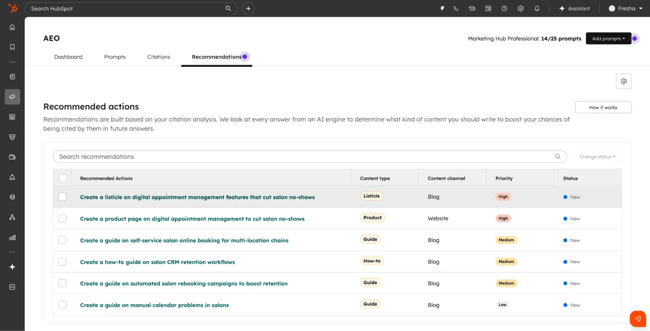
- Does it offer recommendations to improve AI visibility?
-
Customer Feedback and Experience Signals: Integrating customer feedback (NPS, CSAT, CES) with brand tracking provides a holistic view. A brand might excel in awareness but suffer from poor customer experience, impacting loyalty and advocacy. Ideally, the brand tracking tool offers integrated customer feedback features or seamless integration with standalone solutions. Key vendor questions:
- Can the tool deploy and manage various customer feedback surveys (NPS, CSAT, CES)?
- How does it link feedback to individual customer records or segments?
- What sentiment analysis capabilities are available for customer comments?
- Can feedback data be integrated with CRM and other business systems?
-
CRM, Campaign, Search, and Social Integrations: To make brand metrics truly actionable, they must connect to broader business data. Integration with CRM systems, campaign performance data, search trends, social engagement metrics, and web analytics is crucial. This enables growth teams to understand the drivers of brand health changes and respond strategically. Key vendor questions:
- What native integrations does the tool offer (CRM, marketing automation, analytics)?
- Does it have an open API for custom integrations?
- Can it correlate brand metrics with campaign spend and performance data?
- How does it integrate with social media management platforms?
-
Competitor Benchmarking: A robust tool must allow for tracking named competitors across the same audiences, markets, channels, and metrics. For AI visibility, this means comparing brand presence and sentiment in AI answers for identical prompts. Key vendor questions:
- How many competitors can be tracked simultaneously?
- Does it offer side-by-side comparison dashboards for key metrics?
- Can it track competitor AI visibility and share of voice?
- Are competitive insights integrated into trend analysis?
-
Sentiment and Topic Analysis: Beyond just positive or negative, a brand tracker should identify recurring themes or topics (e.g., pricing, product quality, customer support, integrations, security, ease of use, brand trust). It should also distinguish sentiment across different channels. Key vendor questions:
- What are the capabilities for natural language processing (NLP) and sentiment analysis?
- Can it automatically identify key topics and emerging themes?
- Is sentiment analysis granular (e.g., aspect-based sentiment)?
- Can sentiment be filtered by source, demographic, or time period?
-
Reporting and Governance: A tool must provide flexible reporting options. This includes role-based dashboards, scheduled reports, customizable permissions, annotation features for contextualizing data, data export options, and clear historical trend visualization. Key vendor questions:
- What level of customization is available for dashboards and reports?
- Can reports be scheduled and delivered automatically?
- What are the user management and permission settings?
- Does it support annotations for campaign launches or market events?
-
Pricing and Total Cost: Pricing models can be deceptive. The total cost depends on user seats, data volume, historical data access, features, number of brands/competitors tracked, support, and professional services. Teams should request pricing for their specific use case. It’s important to remember that the goal isn’t just to "measure brand" but to identify what changed, where, why, and what action the team should take next.
Leading Brand Tracking Solutions by Organizational Scale
The market offers a diverse array of brand tracking software, each catering to different organizational needs and growth stages.
For Early-Scale Teams: Agility and Core Insights
Early-stage companies often require tools that provide quick, accurate answers to fundamental questions: Do buyers know us? What are they saying? Are we visible to AI?
-
HubSpot AEO: This tool is specifically designed for marketers needing to understand their brand’s visibility within AI answer engines. It tracks presence across ChatGPT, Gemini, and Perplexity, comparing it to competitors and identifying influencing sources. HubSpot AEO pinpoints AI visibility gaps (e.g., appearing for category questions but not comparison queries) and translates these into actionable recommendations, such as updating content or pitching third-party sources. Its strength lies in treating AI visibility as a core brand measurement problem, offering a visibility score and actionable advice within a single workflow, significantly reducing the time from insight to action for lean teams.
- Pricing: Free for basic features, with advanced functionalities often integrated into higher-tier HubSpot Marketing Hub plans.
- Best for: Growth marketers, brand managers, and SEO leads prioritizing AI share of voice.
-
HubSpot Customer Feedback Software: Integrated within HubSpot’s Service Hub, this tool enables teams to create and deploy NPS, CSAT, and CES surveys. It excels when brand perception needs to be contextualized by actual customer experiences, particularly after key touchpoints like support interactions or onboarding. Its connection to HubSpot’s CRM allows feedback to be linked directly to contact, company, and lifecycle data, providing crucial context for understanding sentiment drivers and detecting potential pipeline issues.
- Pricing: Available with HubSpot Service Hub plans.
- Best for: Customer marketing, CX, and service teams needing to measure customer sentiment linked to brand perception.
-
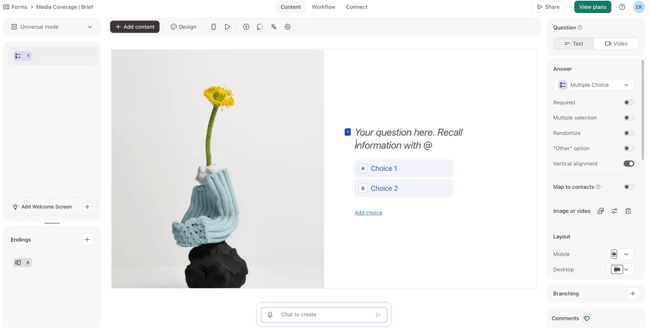
Typeform: A versatile tool for creating engaging, branded surveys. It’s ideal for lightweight brand tracking, campaign recall studies, message testing, or post-event research. Typeform allows lean teams to collect structured feedback efficiently without the overhead of a dedicated research platform. Its user-friendly interface and focus on completion experience make it suitable for quick, impactful feedback collection.
- Pricing: Free plan for basic use, paid plans starting from around $29/month.
- Best for: Early-scale teams needing simple, effective survey collection for specific campaigns or initial awareness checks.
For Mid-Market Growth: Integration and Repeatable Reporting
Mid-market companies often seek tools that can integrate social, search, AI visibility, and survey data into repeatable reporting workflows, fostering alignment across brand, growth, and leadership teams.
-
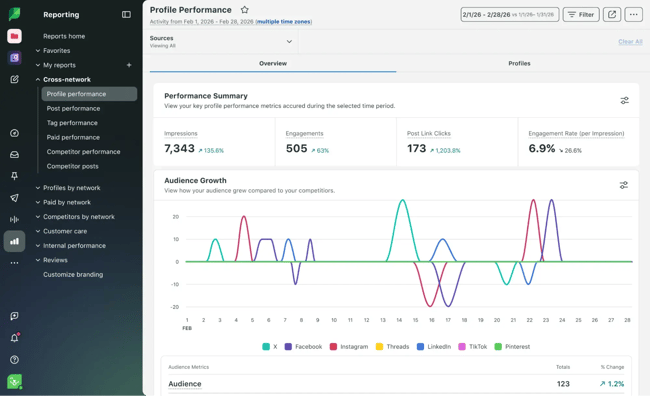
Sprout Social: A comprehensive social media management platform that offers robust brand monitoring capabilities. It’s well-suited for teams that need to align social media marketing execution with brand monitoring. Sprout Social combines publishing, scheduling, a Smart Inbox for engagement, review management, keyword monitoring, and detailed reporting, all within a collaborative team workflow.
- Pricing: Starts around $249/month for professional plans.
- Best for: Mid-market social media and brand teams requiring integrated publishing, monitoring, and executive reporting.
-
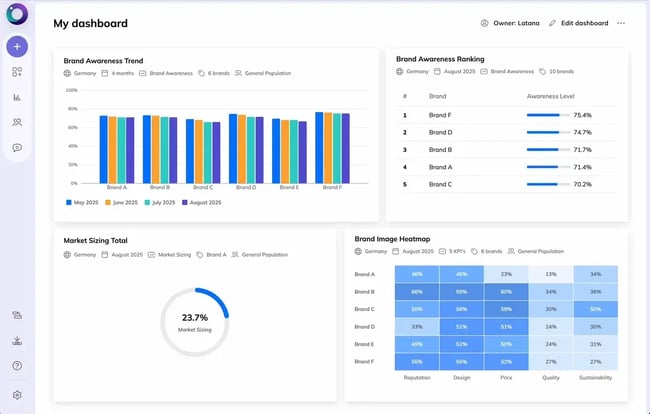
Latana: A specialized brand tracking platform offering statistically grounded, survey-based measurement across awareness, consideration, perception, and audience segments. Latana is beneficial for brand leaders who require a consistent, repeatable view of brand performance across different markets, competitor sets, and customer demographics, moving beyond ad-hoc surveys.
- Pricing: Custom pricing, generally enterprise-level, starting from several hundred dollars per month.
- Best for: Scale-ups and mid-market brands needing robust, statistically valid awareness, consideration, and perception tracking.
-
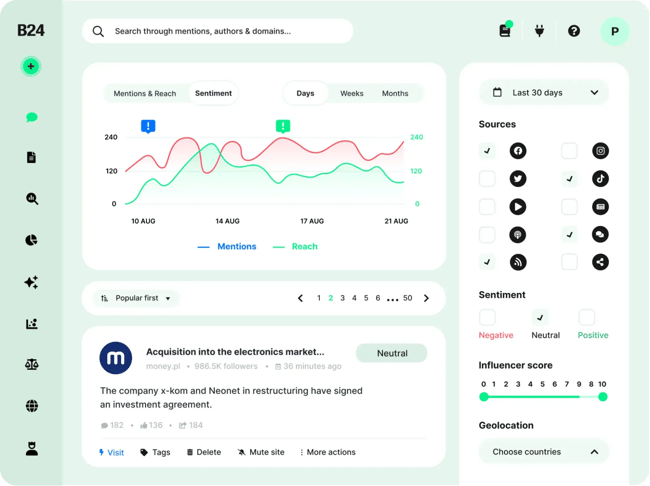
Brand24: A dedicated brand monitoring and social listening tool designed for tracking mentions, reach, engagement, sentiment, sources, and influencers across various online channels. It provides broad visibility into where and how people discuss a brand, covering social platforms, news, blogs, Reddit, LinkedIn, Medium, Quora, and YouTube.
- Pricing: Starts around $99/month for individual plans.
- Best for: Brand, PR, social, and agency teams focused on tracking online mentions, sentiment, and sources.
For Enterprise-Level Operations: Governance, Depth, and Global Reach
Enterprise teams demand advanced governance, extensive market coverage, deep historical data, and reporting rigor that can withstand executive scrutiny. Brand tracking at this level often informs broader market strategy, PR planning, category positioning, and budget allocation.
-
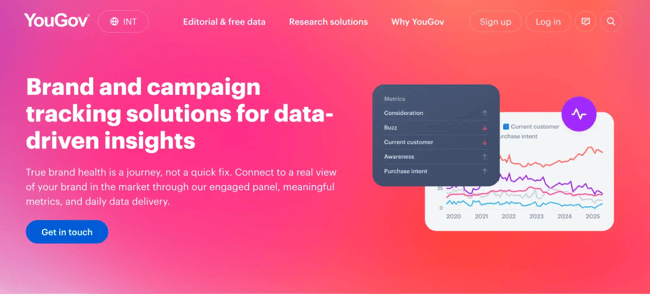
YouGov BrandIndex: An "always-on" brand tracker offering daily insights across 16 brand health metrics. Covering 56 markets and tracking over 27,000 brands with a panel of 30+ million members, it’s invaluable for understanding how news, campaigns, or competitor activities influence brand perception over time. Its depth allows for competitive benchmarking at a massive scale.
- Pricing: Custom pricing based on coverage and metrics.
- Best for: Enterprise brand monitoring, deep market insights, and competitive analysis across global markets.
-
Talkwalker: A powerful platform combining social listening, media monitoring, AI summaries, forecasting, peak detection, and LLM insights. Talkwalker is built for enterprise-grade social listening, media monitoring, and consumer intelligence, providing comprehensive data and analytical capabilities for global brands.
- Pricing: Custom pricing.
- Best for: Enterprise communications, PR, and consumer intelligence teams needing extensive media and social coverage listening, including AI-driven insights.
-
Meltwater: Offers a broad suite of tools including media intelligence, social listening, consumer intelligence, influencer marketing, real-time alerting, reporting, and GenAI Lens LLM Tracking. Meltwater is particularly strong for PR-heavy teams, integrating media coverage, social listening, and AI visibility into a single vendor relationship. This allows teams to understand how traditional media influences AI responses.
- Pricing: Custom pricing.
- Best for: Enterprise PR, communications, reputation management, and executive visibility teams needing to understand the interplay between media coverage and AI answers.
-
Brandwatch: A leading consumer intelligence and social listening platform for enterprise teams analyzing vast volumes of online conversations. Its Consumer Intelligence product enables researchers and analysts to deeply explore consumer opinion, segment audiences, build customizable dashboards, and leverage AI for data analysis, providing profound insights into market trends and audience behaviors.
- Pricing: Custom pricing.
- Best for: Enterprise research, insights, social intelligence, and brand teams with high conversation volumes and complex reporting needs.
Mastering the Brand Tracking Survey: A Methodological Guide
A brand tracking survey is a structured research instrument that systematically measures brand health over time, providing critical structured feedback that passive brand monitoring tools cannot capture. It assesses awareness, familiarity, consideration, preference, associations, purchase intent, and competitive standing. Designing and executing an effective survey requires a methodical approach:
-
Start with the Decision the Survey Needs to Support: Every survey question must link directly to a specific business decision or action. For instance, a launch survey might gauge the effectiveness of a campaign in raising awareness, while a repositioning survey would evaluate whether new brand associations are forming in the market. As Daniel Koomson, Senior UX Researcher at News UK, emphasizes, rigorous testing and iterative refinement of the survey script are crucial to ensure clarity and actionable insights.
-
Choose the Audience Before Writing Questions: The sampling strategy must precisely match the market segment the company aims to influence. For B2B brand tracking, the sample should reflect the actual buying committee, considering factors like job title, seniority, department, company size, industry, geography, and budget authority. For B2C, demographics like age, region, income, product usage frequency, and lifestyle are key. If budget constraints are a factor, prioritize the most critical segment rather than diluting the sample across too many groups, as a smaller, relevant sample is more valuable than a large but irrelevant one.
-
Keep the Core Questions Stable: For trend data to be reliable and trustworthy, the core set of brand tracking questions must remain consistent across survey waves. While rotating questions can be introduced to address specific campaigns, messaging tests, product launches, new markets, or competitor activities, the foundational questions should be preserved to maintain longitudinal integrity.
-
Separate Unaided and Aided Awareness: This sequential approach is fundamental to avoid bias. Unaided questions, which ask respondents to name brands that come to mind in a category without prompting, should always precede aided questions, where respondents recognize brands from a provided list. This mirrors the natural buyer journey from spontaneous recall to recognition and evaluation, and helps identify where the brand’s visibility might be breaking down.
-
Set the Frequency: The optimal survey frequency depends on market dynamics and budget. Quarterly surveys are generally suitable for most scaling B2B companies. Monthly tracking may be necessary for brands with aggressive paid media spending, those entering new markets, undergoing repositioning, or operating in highly competitive, fast-moving sectors. Daily or weekly tracking is typically reserved for large enterprise programs with substantial budgets and sample sizes.
-
Track Competitors in the Same Survey: Brand metrics gain significant meaning when viewed within a competitive context. Awareness, preference, and sentiment data are far more insightful when benchmarked against brands that buyers also consider. The competitor list should include direct rivals, established category leaders, and any substitute solutions frequently mentioned in sales conversations or customer research.
-
Reduce Bias Before the Survey Goes Live: Methodological rigor is paramount. Randomize the order of answer choices, avoid leading or loaded language, screen respondents for genuine category relevance, and ensure competitor lists are balanced. Bias can subtly creep in through wording, question order, sample quality, or timing. A quick bias check involves:
- Reading questions aloud to identify awkward phrasing.
- Testing the survey with colleagues unfamiliar with the project.
- Ensuring answer options are comprehensive and mutually exclusive.
- Verifying that the survey flow is logical and unbiased.
- Adding annotations to each survey wave to note significant market events (campaign launches, viral mentions, support issues) that could influence results. Koomson also highlights the critical importance of using CAPTCHA or similar mechanisms to filter out bots and ensure only genuine human responses are collected.
-
Connect Survey Data to Business Data: For brand health monitoring to translate into revenue-linked decision-making, survey results must be integrated with other business intelligence. This includes CRM data, website traffic, sales pipeline metrics, campaign performance, and sales data. Key signals to compare after each wave include:
- Branded search volume.
- Direct website traffic.
- Conversion rates from branded searches.
- Pipeline influenced by brand perception.
- Win rates against competitors.
- Customer retention and churn rates.
- Customer lifetime value (CLTV).
- Social media engagement and sentiment.
HubSpot offers a powerful ecosystem where customer feedback (via Customer Feedback Software) and AI visibility (via HubSpot AEO) are seamlessly connected to its Smart CRM. This integration ensures that brand insights are contextualized by real customer and contact data, making them immediately actionable for growth teams.
Frequently Asked Questions: Demystifying Brand Tracking Tools
-
How often should you run a brand tracking survey?
For scaling companies, quarterly surveys are a common best practice. Monthly tracking is advisable for businesses with intensive paid media campaigns, those entering new markets, undergoing significant repositioning, or facing rapidly evolving competitive landscapes. HubSpot Customer Feedback Software can also provide continuous CSAT, NPS, and CES surveys, offering a constant pulse of customer sentiment between formal brand tracking waves.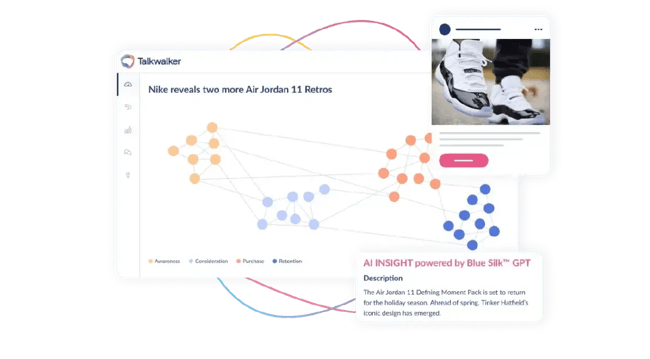
-
What does brand tracking cost for scaling companies?
Costs vary widely:- Basic Survey Tools: Often free or low monthly fees (e.g., Typeform’s free tier).
- Mid-Market Integrated Platforms: Range from a few hundred to several thousand dollars per month (e.g., Sprout Social, Brand24).
- Enterprise Research Suites: Custom pricing, often tens