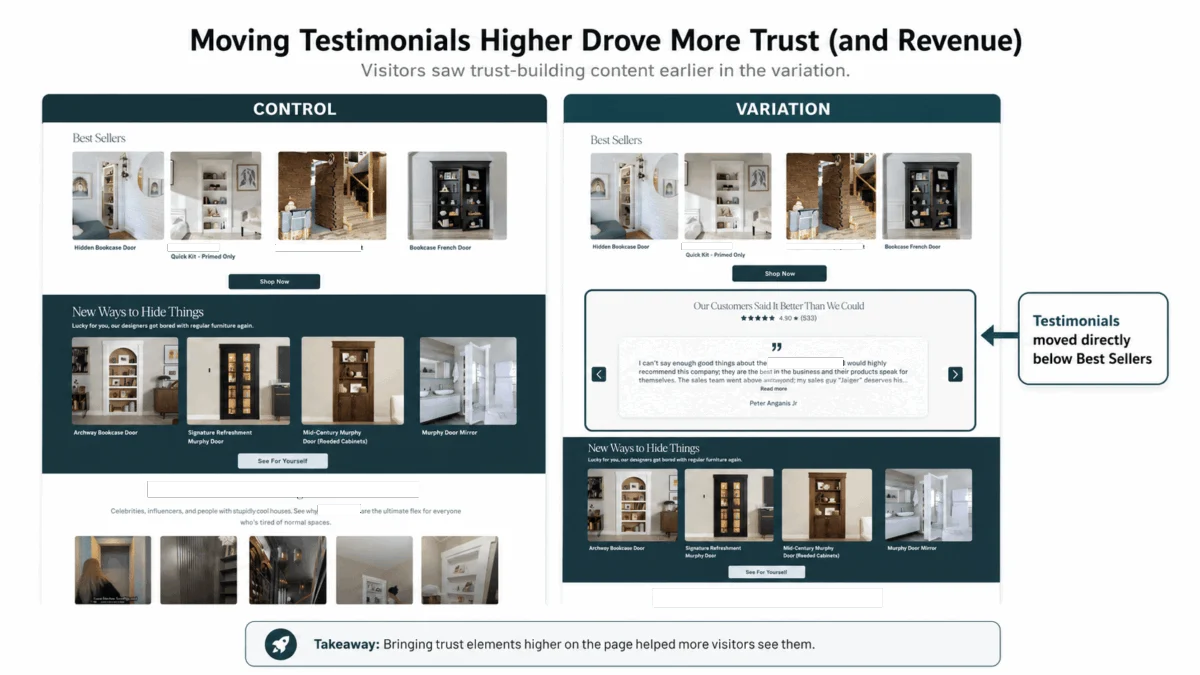
In an increasingly competitive digital marketplace, the ability to discern the subtle preferences of a global audience has moved from a secondary marketing function to a primary driver of corporate revenue. Modern marketing campaigns are no longer built on the creative intuition of a few individuals but are instead forged through rigorous scientific experimentation designed to identify the exact combination of elements that trigger consumer action. While simple A/B testing has long served as the entry point for website optimization, the growing complexity of user interfaces has necessitated a more sophisticated approach known as multivariate testing (MVT). This methodology allows marketers to move beyond comparing two static versions of a page, enabling them to analyze how multiple variables interact in real-time to influence user behavior and maximize conversion rates.

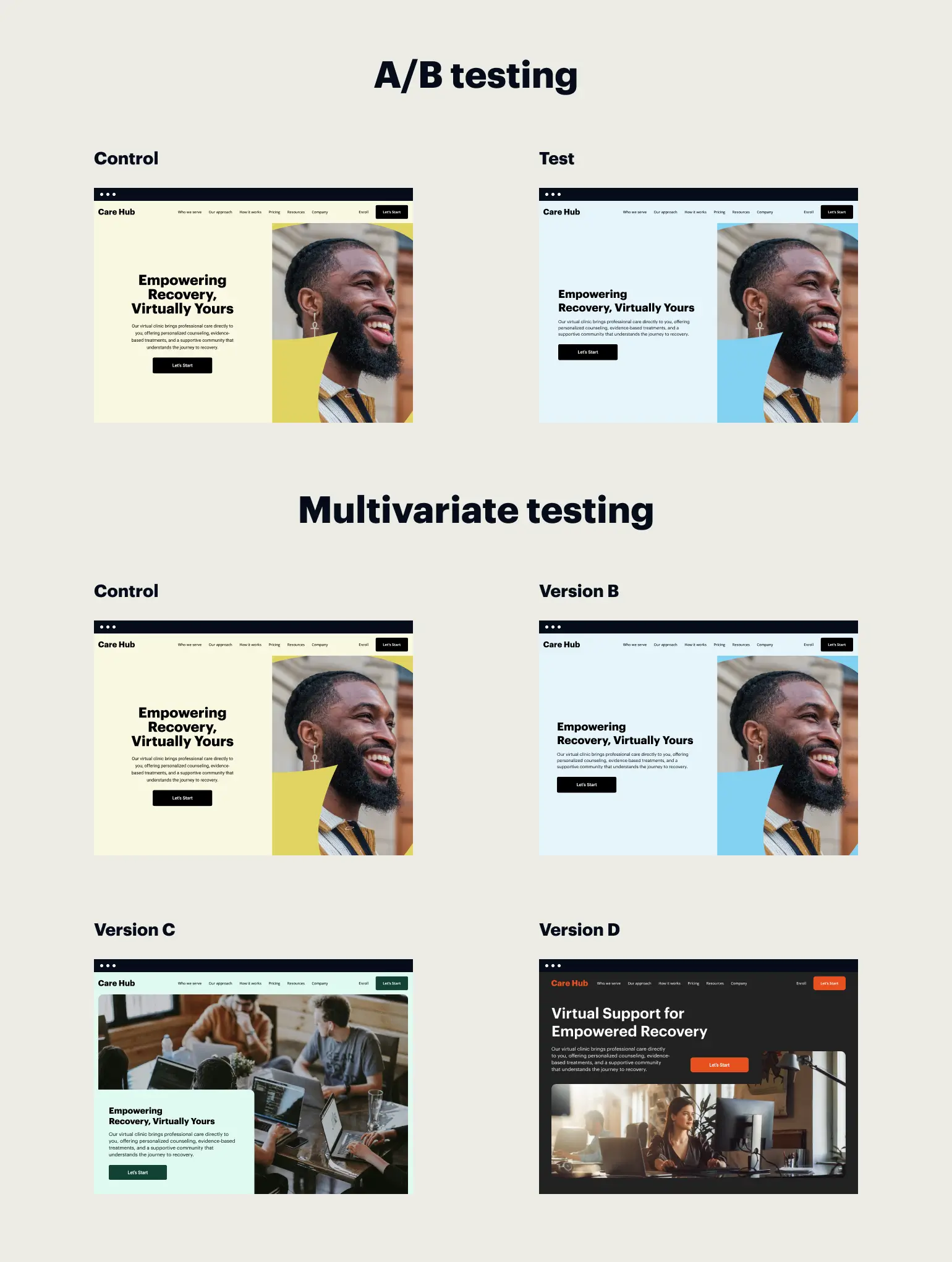
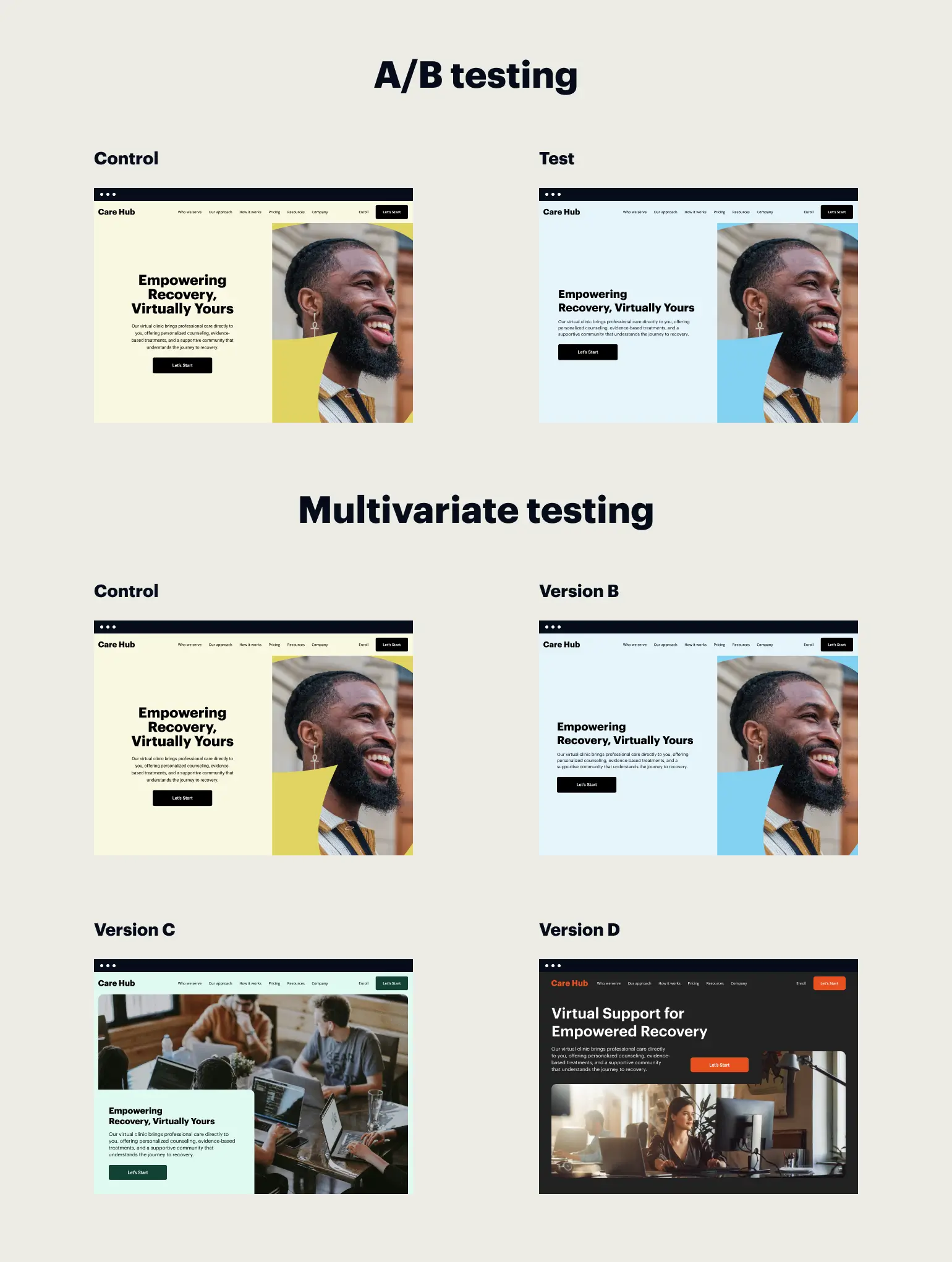
Multivariate testing represents a significant leap in the maturity of conversion rate optimization (CRO). Unlike A/B testing, which typically isolates a single variable—such as a headline or a call-to-action (CTA) button—to see which version performs better, MVT examines multiple elements simultaneously. This approach is designed to uncover the "interaction effect," a phenomenon where the performance of one element is influenced by the presence of another. For instance, a specific headline might perform poorly when paired with a stock photograph but may see a surge in engagement when matched with a high-quality product video. By testing these combinations systematically, organizations can move toward a "global maximum" of performance rather than settling for incremental improvements.
The Technical Framework of Multivariate Methodology
The core objective of a multivariate test is to provide a comprehensive map of how different components of a landing page or advertisement work in tandem. Common variables subjected to MVT include headlines, hero images, web forms, CTA button colors, link placements, and overall layout structures. The process involves creating several variations of each chosen element and then programmatically generating all possible combinations of these elements to be shown to different segments of the website’s traffic.
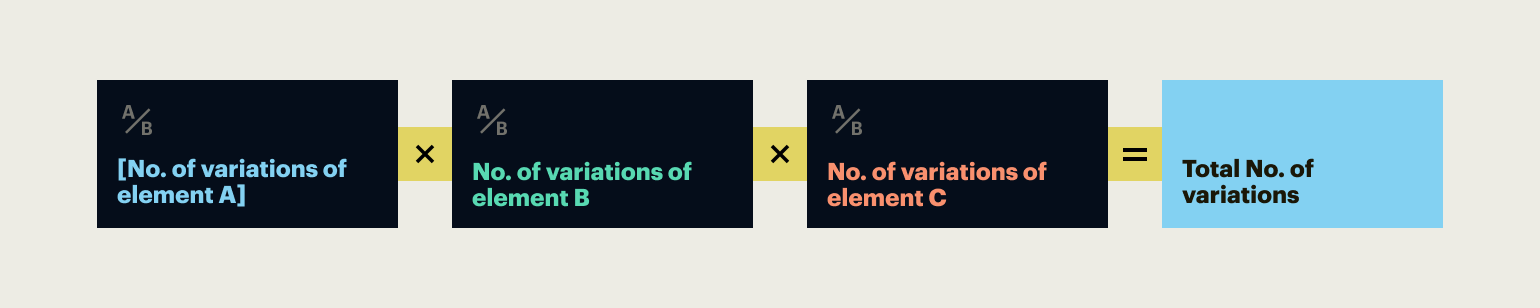
To understand the scale of these experiments, marketers utilize a specific mathematical formula to determine the number of variations required. The total number of combinations is calculated by multiplying the number of versions for each element: [n × m × o = Total Variations]. For example, a marketer wishing to test three different headlines and two distinct images would need to manage six different versions of the page. If the complexity increases to include two CTA button colors, two wording options, and three headlines, the number of variations jumps to twelve. This exponential growth in combinations is why MVT is often characterized by its high complexity and significant resource requirements.
There are three primary scientific approaches to conducting these experiments: full factorial, fractional factorial, and the Taguchi method. The full factorial method is widely regarded as the gold standard for accuracy, as it tests every possible combination of variables, ensuring that the data captures every nuance of user interaction. However, because this requires substantial traffic to reach statistical significance, some organizations opt for fractional factorial testing, which only analyzes a subset of combinations deemed most likely to yield impactful results. The Taguchi method, originally developed for industrial manufacturing and quality control, is less common in digital marketing but remains a theoretical option for reducing the number of required tests in highly complex environments.
Distinguishing Multivariate Testing from A/B Split Testing
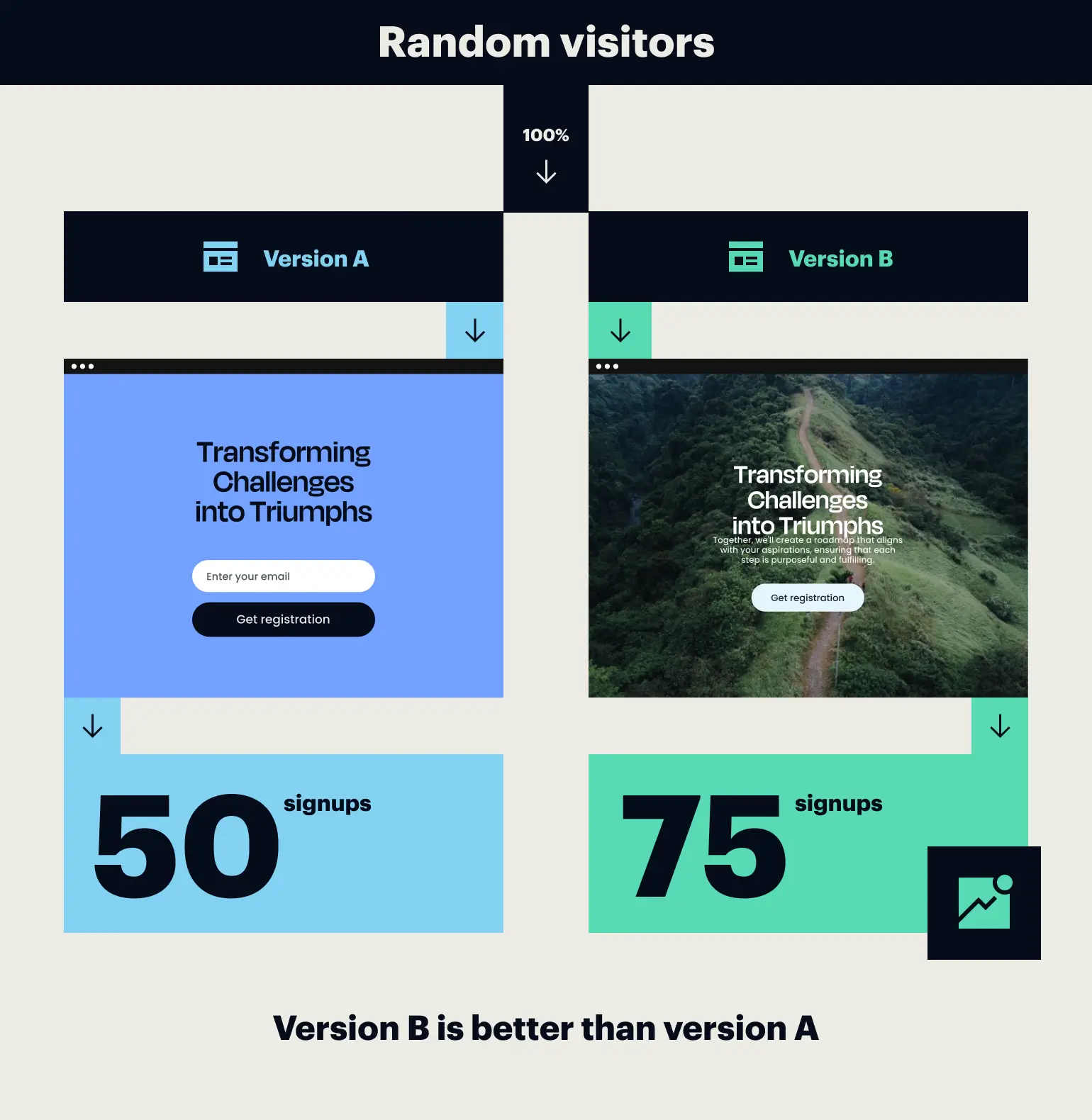
While both methodologies share the ultimate goal of improving user experience and performance metrics, they occupy different niches in a brand’s optimization roadmap. A/B testing, or split testing, is a binary comparison. It is most effective for radical changes—such as testing two completely different page designs—or for refining a single high-impact element. Because it only requires the audience to be split into two groups, A/B testing can reach a conclusion much faster and requires a significantly smaller sample size.
In contrast, multivariate testing is an advanced diagnostic tool. It is less about "which page is better" and more about "which specific elements on this page are driving the result." This distinction is critical for long-term strategy. A/B testing might tell a company that Page B outperformed Page A, but it cannot explain if that success was due to the headline, the image, or the combination of both. MVT provides that granular data, allowing design teams to build a "playbook" of elements that are proven to work together.

The trade-offs between the two methods are substantial. MVT typically suffers from slower testing speeds and higher costs due to the complexity of setup and the volume of traffic needed. For a multivariate test to be valid, each combination must receive enough visitors to ensure that the results are not the product of random chance. For websites with low traffic, MVT is often non-viable, as it could take months to reach a statistically significant conclusion, by which time market conditions or consumer preferences may have shifted.
Case Studies in Optimization: AliveCor and Groove
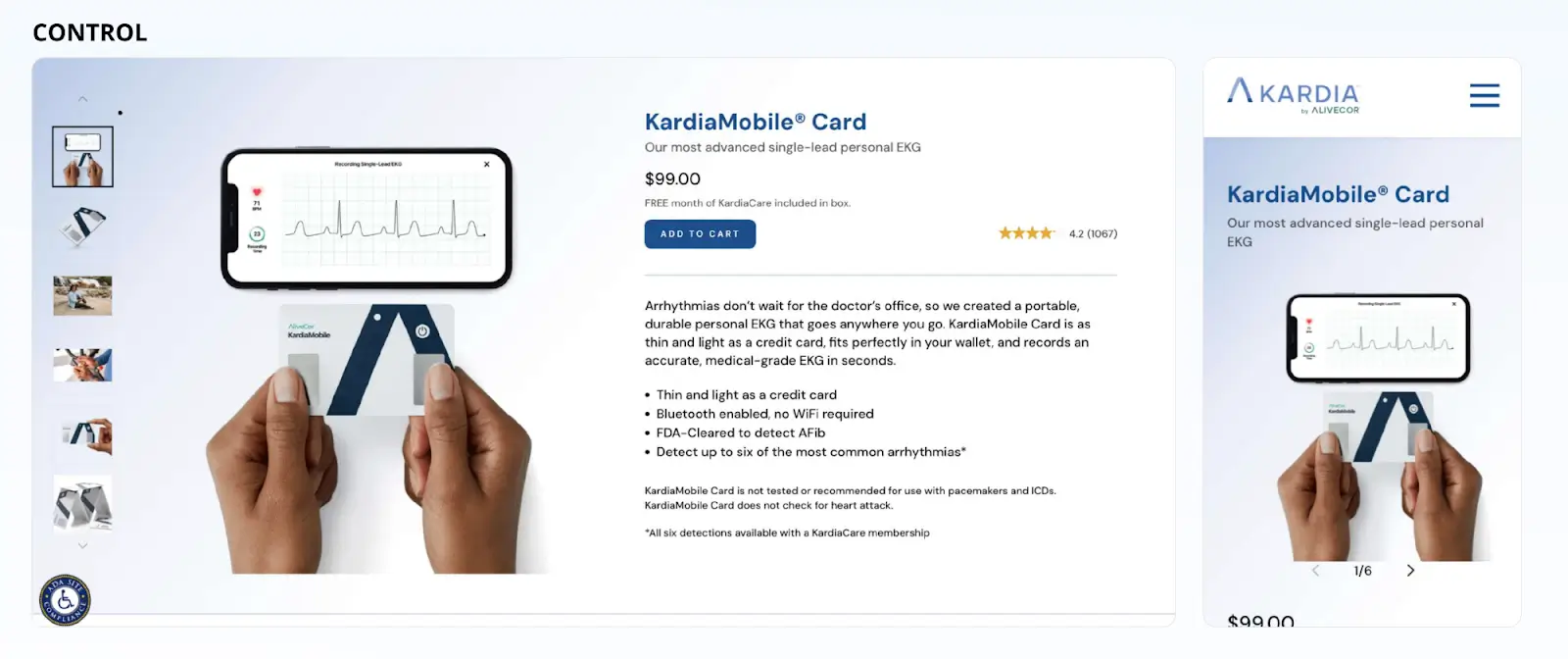
The practical application of these testing methodologies is best illustrated through real-world examples where data-driven shifts led to measurable financial gains. AliveCor, a medical device company, utilized these principles when launching its KardiaMobile Card. The company faced a classic marketing dilemma: how to promote a new product on its website without cannibalizing the sales of its existing lineup.
The company hypothesized that highlighting the new product with specific visual cues would increase engagement without detracting from the overall user experience. They tested multiple variations of the product detail page, specifically focusing on the placement and size of a "New" badge. The control version featured a standard layout, while variations introduced badges of different sizes and prominence. The results were definitive: the version featuring the "New" badge saw a 25.17% increase in conversion rates and a 29.58% boost in revenue per user. This experiment demonstrated that even a minor element, when validated through testing, can have a disproportionate impact on the bottom line.
Similarly, the customer support platform Groove utilized comprehensive page testing to overhaul its landing page strategy. The company’s original conversion rate stood at 2.3%. By moving to a "copy-first" approach—testing different narratives and headlines that focused on user benefits rather than technical features—Groove was able to nearly double its conversion rate to 4.3%. Their testing process involved not just changing a button or a color, but re-evaluating the entire arrangement of sections and the flow of the narrative. This case highlights how MVT can be used to refine complex layouts where the interaction between the headline, the body copy, and the visual hierarchy is paramount.

The Economic Impact and Strategic Implications of CRO
The shift toward multivariate testing reflects a broader trend in the digital economy: the rising cost of customer acquisition (CAC). As advertising costs on platforms like Google and Meta continue to climb, companies are finding that they can no longer afford to waste traffic on sub-optimal landing pages. Industry data suggests that for every $92 spent on acquiring customers, only $1 is spent on converting them. This imbalance represents a significant inefficiency in modern business spending.
Investing in multivariate testing allows firms to maximize the "yield" of their existing traffic. By improving a conversion rate from 2% to 3%, a company effectively reduces its customer acquisition cost by 33% without changing its ad spend. Furthermore, the insights gained from MVT have a "halo effect" across the organization. Data regarding which headlines or images resonate with users can inform email marketing strategies, social media content, and even product development.

However, the implementation of MVT also carries risks. The "risk of interference" is higher in multivariate environments; if elements are too closely related or if the technical implementation of the test causes page lag, the data can be skewed. Furthermore, the "false positive" rate can increase if marketers do not account for the multiple comparisons problem—a statistical phenomenon where the more things you test, the more likely you are to find a "winner" that is actually just a result of statistical noise.
Future Horizons: AI and Automated Experimentation
As we look toward the future of digital optimization, the boundaries of multivariate testing are being expanded by artificial intelligence and machine learning. Traditionally, MVT required manual setup and a fixed duration to reach a conclusion. New "multi-armed bandit" testing algorithms are now allowing for dynamic optimization. These AI-driven systems can monitor a multivariate test in real-time and automatically shift traffic toward the winning combinations, minimizing the "regret" of showing users underperforming versions of a page.
Moreover, the integration of personalization with MVT is creating a new paradigm of "Segmented Multivariate Testing." Instead of looking for one winning combination for all users, companies can identify which combinations work best for specific demographics, geographic locations, or past purchase behaviors. This level of precision ensures that the user experience is not just optimized, but individualized.
In conclusion, multivariate testing stands as the most sophisticated tool in the modern marketer’s arsenal for understanding the complex web of user interaction. While it requires more traffic, more time, and more technical expertise than simple A/B testing, the depth of insight it provides is unparalleled. For organizations committed to data-driven growth, the transition from intuition-based design to multivariate experimentation is not merely an option—it is a strategic necessity for survival in a crowded and noisy digital landscape. By systematically validating hypotheses and uncovering the subtle interactions between page elements, businesses can ensure that every pixel of their digital presence is working toward the singular goal of conversion.