

The digital advertising landscape underwent a significant milestone in 2024 as paid search advertising generated a record-breaking $102.9 billion in U.S. revenue, firmly establishing itself as the most dominant digital marketing format. This valuation represents approximately 39.8% of all digital advertising revenue, underscoring a fundamental truth in modern commerce: brands are increasingly willing to pay a premium to appear before consumers at the precise moment of high-intent discovery. However, as the market reaches this unprecedented scale, advertisers are facing a dual challenge of rising costs and a rapidly evolving technological framework that rewards relevance over raw spending power.
The Economic Landscape of Search Advertising
The surge to $102.9 billion in revenue did not occur in a vacuum. It is the result of a decade-long shift toward intent-based marketing, where the ability to capture a user’s specific query—ranging from "best enterprise CRM" to "emergency plumber near me"—offers a higher return on investment than traditional interruptive display ads. Despite this growth, the market is becoming increasingly expensive. Industry benchmarks indicate that the average cost-per-lead (CPL) across various sectors rose from $66.69 in 2024 to approximately $70.11 by early 2025.
This inflationary trend in search costs is driven by intensified competition and the increasing sophistication of the auction environment. For many businesses, the barrier to entry is no longer just the budget but the technical expertise required to navigate the complexities of ad placement and conversion optimization. As organic search visibility becomes harder to achieve through traditional SEO alone, paid search has become an essential utility for both immediate market entry and long-term brand defense.
The Mechanics of the Real-Time Auction
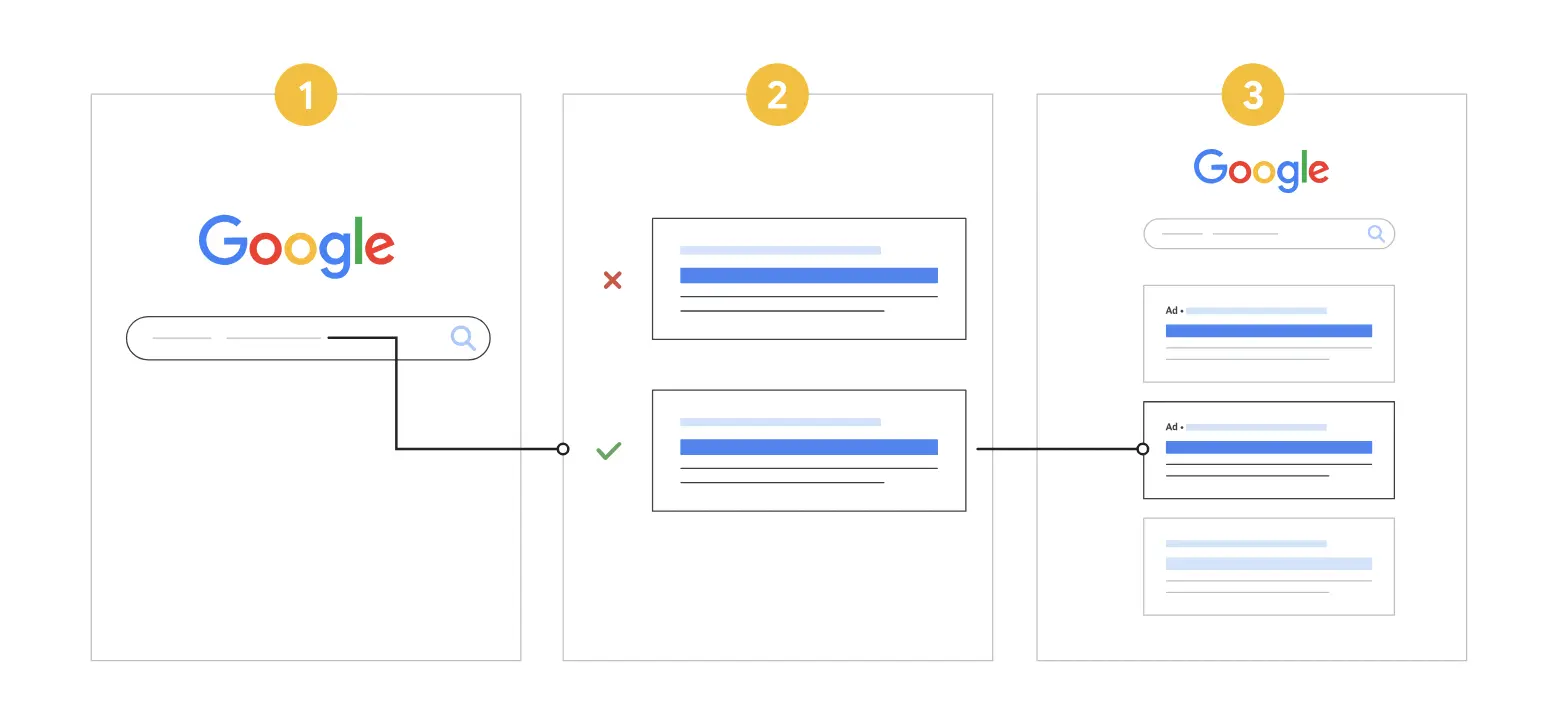
To understand why some brands thrive while others struggle with "wasted spend," one must analyze the automated auction system that governs every search result. This process occurs in milliseconds and is dictated by more than just the highest bidder.
The Five-Step Auction Process
The lifecycle of a paid search ad begins the moment a user enters a query. The search engine immediately identifies advertisers bidding on those specific keywords who also meet the targeting criteria for location, device, and language.
The system then calculates an "Ad Rank" for each eligible participant. Ad Rank is a composite score derived from several critical factors:
- Maximum Bid: The most an advertiser is willing to pay for a click.
- Quality Score: A metric assessing the relevance of the keyword, the expected click-through rate (CTR), and the quality of the destination landing page.
- Contextual Signals: The user’s location, the time of day, and the device being used.
- Ad Assets: The predicted impact of additional information, such as sitelinks, phone numbers, or structured snippets.
The advertiser with the highest Ad Rank secures the top position. Crucially, the actual cost-per-click (CPC) charged is often lower than the maximum bid; the winner pays only what is necessary to outrank the next competitor, plus one cent. This "second-price auction" model is designed to encourage advertisers to bid their true value while emphasizing the importance of ad relevance.

Dominant Platforms and Market Segmentation
While "search" is often synonymous with Google, the market is segmented into several key platforms, each offering unique demographic and intent signals.
Google Ads: The Global Standard
Google continues to hold approximately 90% of the global search market. Its ecosystem extends far beyond the Search Engine Results Page (SERP), integrating YouTube, Gmail, Google Maps, and the Google Display Network. For advertisers, Google offers the highest volume of traffic, but also the most competitive bidding environment.
Microsoft Advertising: The Enterprise Alternative
Microsoft Advertising, encompassing Bing, Yahoo, AOL, and DuckDuckGo, represents a significant secondary market. While its total search volume is smaller, Microsoft has expanded its reach through exclusive partnerships, such as providing the advertising infrastructure for Netflix’s ad-supported tier. For B2B advertisers, Microsoft often provides access to a more professional, desktop-centric audience at a lower average CPC than Google.
Apple Search Ads: The Mobile Frontier
For mobile application developers, Apple Search Ads has become indispensable. By placing ads at the top of App Store search results, Apple captures users at the final stage of the app discovery process. This platform operates within a "walled garden," providing high conversion rates for mobile-first businesses.
The Evolution of Ad Formats and Automation
The methodology of paid search has shifted from manual keyword management to AI-driven automation. Modern ad formats are designed to leverage machine learning to optimize performance in real-time.
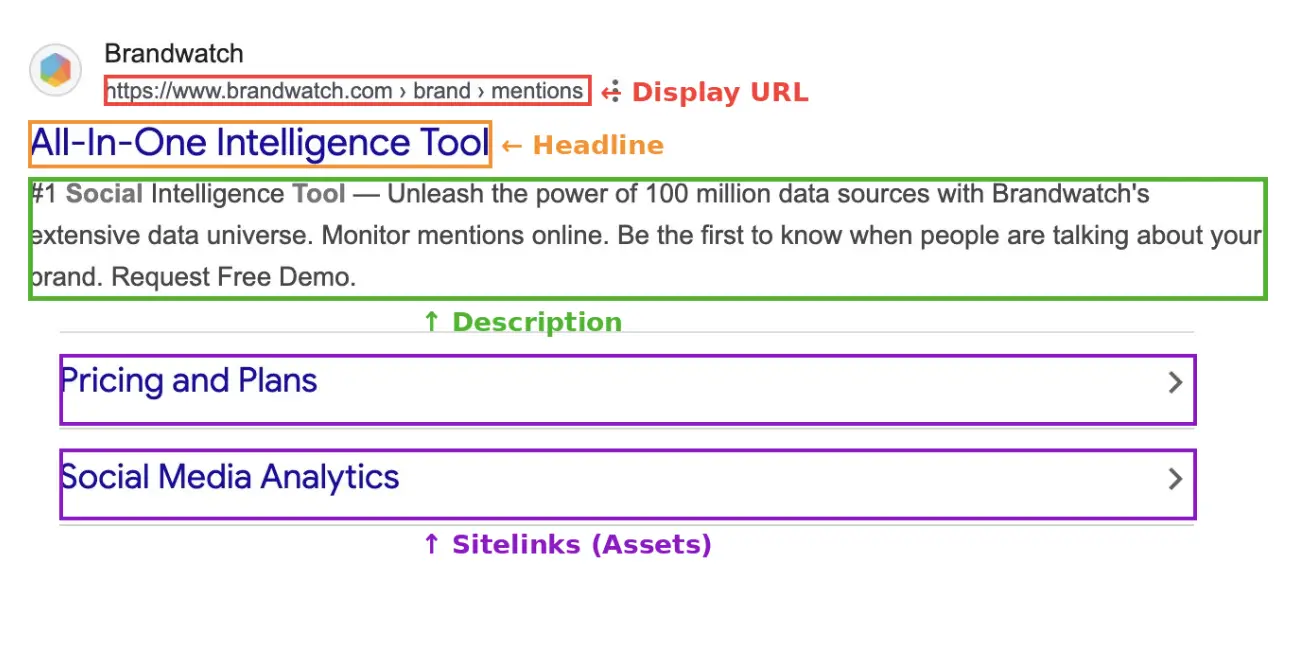
- Responsive Search Ads (RSAs): Now the standard format, RSAs allow advertisers to input multiple headlines and descriptions. Google’s algorithms then test various combinations to determine which version resonates most with specific user profiles.
- Performance Max (PMax): Introduced as a goal-based campaign type, PMax allows advertisers to access all Google Ads inventory from a single campaign. It uses AI to allocate budget across Search, Display, and Video, focusing on the highest-probability conversion opportunities.
- Dynamic Search Ads (DSAs): These ads do not rely on keyword lists but instead use the content of a company’s website to generate headlines and target queries. This format is particularly effective for large e-commerce sites with thousands of products that would be difficult to manage manually.
The Critical Role of the Post-Click Experience
The most significant point of failure in modern paid search campaigns is the "post-click" stage. Data suggests that while a well-structured ad can drive traffic, the destination determines the ROI. Sending high-intent paid traffic to a generic homepage is increasingly viewed by industry experts as a strategic error.
The Landing Page Imperative
Dedicated landing pages are designed to maintain "message match"—the alignment between the promise made in the ad and the content on the page. For example, if an ad promises a "14-day free trial," the landing page must prominently feature that offer. Research indicates that while generic pages may convert at 2-4%, dedicated, optimized landing pages can achieve conversion rates exceeding 10-15%.
Technical Optimization
Page speed has become a non-negotiable factor for paid search success. A one-second delay in mobile load time can reduce conversion rates by as much as 20%. Because the Quality Score in the auction includes "landing page experience," a slow or non-responsive page doesn’t just hurt conversions—it actually increases the price the advertiser must pay for each click.
Strategic Implementation and Measurement
To successfully navigate the $102.9 billion market, advertisers are adopting more rigorous measurement frameworks. The transition from Google’s Universal Analytics to Google Analytics 4 (GA4) has necessitated a new approach to tracking the user journey.
KPI Alignment
Effective campaigns categorize metrics based on the business objective:
- Awareness: Measured by impressions and search impression share.
- Consideration: Measured by CTR and Quality Score.
- Conversion: Measured by Cost Per Acquisition (CPA) and Return on Ad Spend (ROAS).
Industry analysts suggest that the highest-leverage metric is no longer CPC, but the conversion rate. As competition drives click prices higher, the only way to maintain profitability is to ensure that a higher percentage of those clicks result in a sale or a lead.
Future Implications: Privacy, AI, and Competition
Looking toward 2025 and beyond, the paid search industry faces several transformative shifts. The ongoing deprecation of third-party cookies is forcing advertisers to rely more heavily on "first-party data"—information collected directly from their own customers. This shift makes conversion tracking more complex but also more valuable.
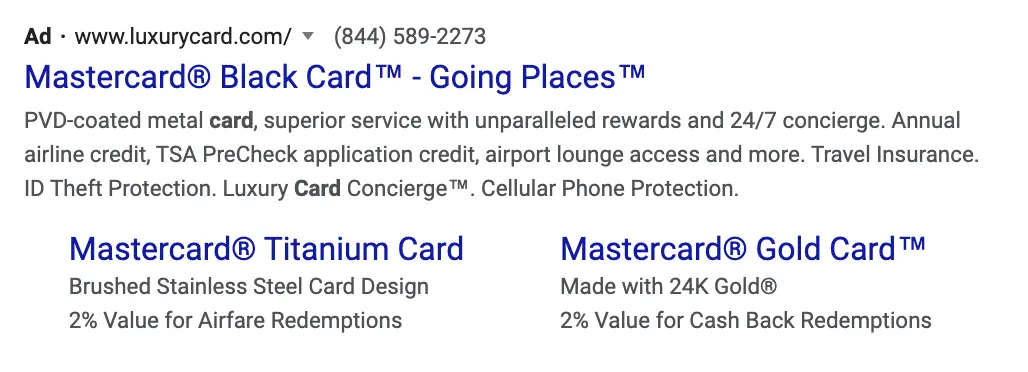
Furthermore, the integration of Generative AI into search engines—such as Google’s AI Overviews—is changing how users interact with search results. While this may alter organic traffic patterns, the fundamental need for businesses to appear at the top of the page remains. Paid search continues to provide a "fast track" to visibility that AI-generated summaries cannot entirely replace.
The growth of the search market to over $100 billion is a testament to its efficacy. However, as the ecosystem becomes more automated and expensive, the competitive advantage will shift toward those who master the intersection of technical auction mechanics and high-conversion creative strategy. In this high-stakes environment, the click is merely the beginning of the transaction; the true value is realized in the experience that follows.







