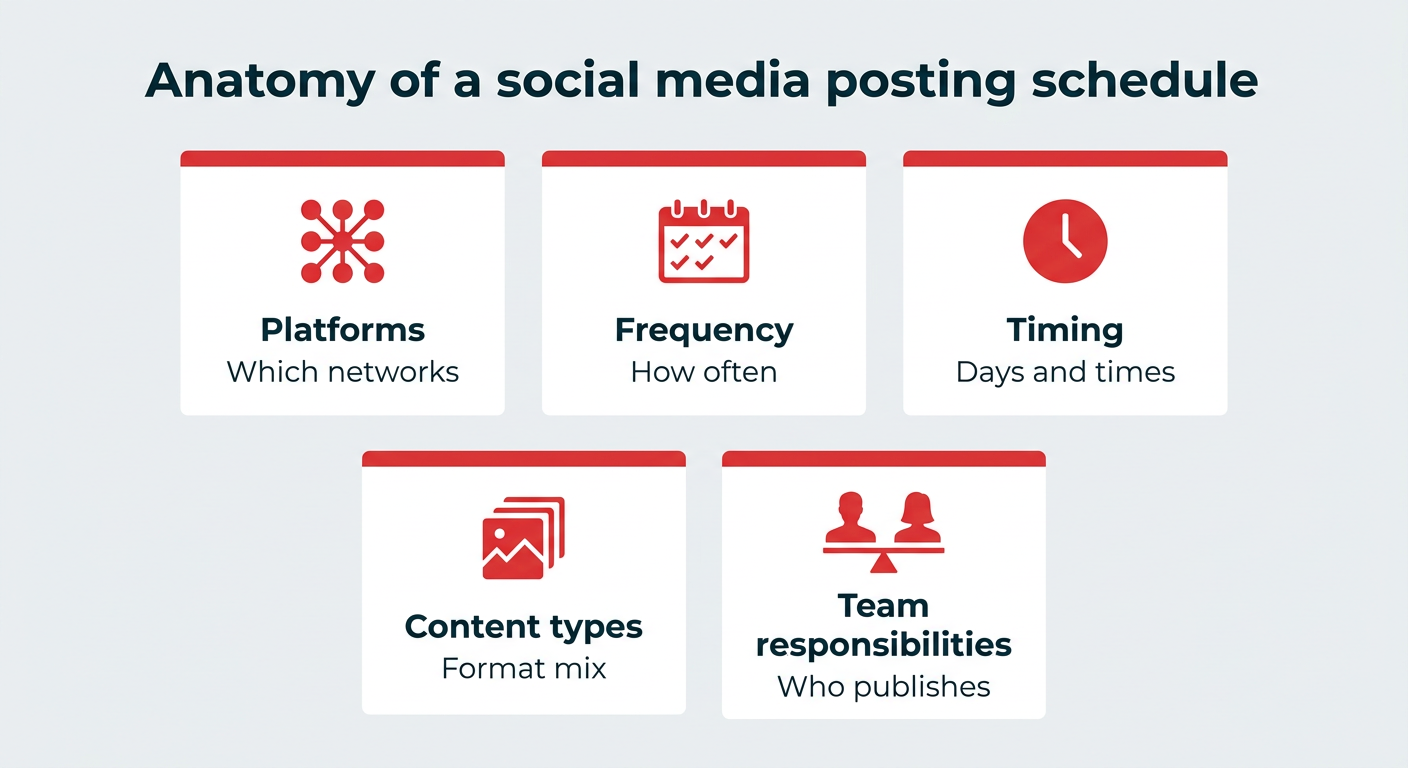
In the increasingly competitive realm of digital marketing, a meticulously crafted social media posting schedule has emerged as a cornerstone of effective brand communication. This comprehensive plan dictates what content is published, its frequency, precise timing, and target platforms, acting as the critical timing layer that underpins a broader social media strategy. Distinct from a content calendar, which outlines thematic ideas and campaigns, the posting schedule focuses solely on the execution—the precise cadence and distribution of each piece of content. Its implementation is no longer merely a matter of organizational tidiness but a strategic necessity, protecting valuable resources, ensuring brand consistency, and ultimately, driving measurable results in a fragmented digital landscape.

The Evolving Landscape of Digital Presence
The advent and rapid evolution of social media platforms have fundamentally reshaped how businesses interact with their audiences. From nascent online communities to sophisticated ecosystems boasting billions of active users globally, these platforms have become indispensable channels for brand building, customer engagement, and direct sales. Early approaches to social media marketing often involved sporadic, reactive posting, driven more by immediate inspiration than by long-term strategic planning. However, as the digital space matured and competition intensified, brands quickly realized that an ad-hoc presence was insufficient to cut through the noise. The sheer volume of content, coupled with complex algorithmic filtering, necessitated a more disciplined and data-driven approach. This evolution gave rise to the imperative of structured social media management, with the posting schedule becoming a central pillar for maintaining a consistent, relevant, and impactful online voice amidst the daily deluge of information. The transition reflects a broader shift in marketing philosophy, moving from simple broadcast to sustained, value-driven engagement, where strategic timing and consistent presence are paramount.

The Strategic Imperative: Why a Posting Schedule is Crucial
The benefits of implementing a robust social media posting schedule extend far beyond mere organizational efficiency. Fundamentally, it serves as a critical safeguard for a brand’s most valuable assets: time and reputation. By preemptively defining content, timing, and platform, marketing teams can significantly reduce the daily scramble for content ideas and publishing deadlines, thereby optimizing workflow and freeing up creative resources for higher-level strategic initiatives. Consistency, a hallmark of strong brand identity, is directly fostered by a well-maintained schedule. Regular, predictable engagement builds audience trust and anticipation, reinforcing brand recognition and loyalty. Industry reports consistently highlight that brands with consistent social media activity experience higher engagement rates, improved brand recall, and stronger customer relationships.
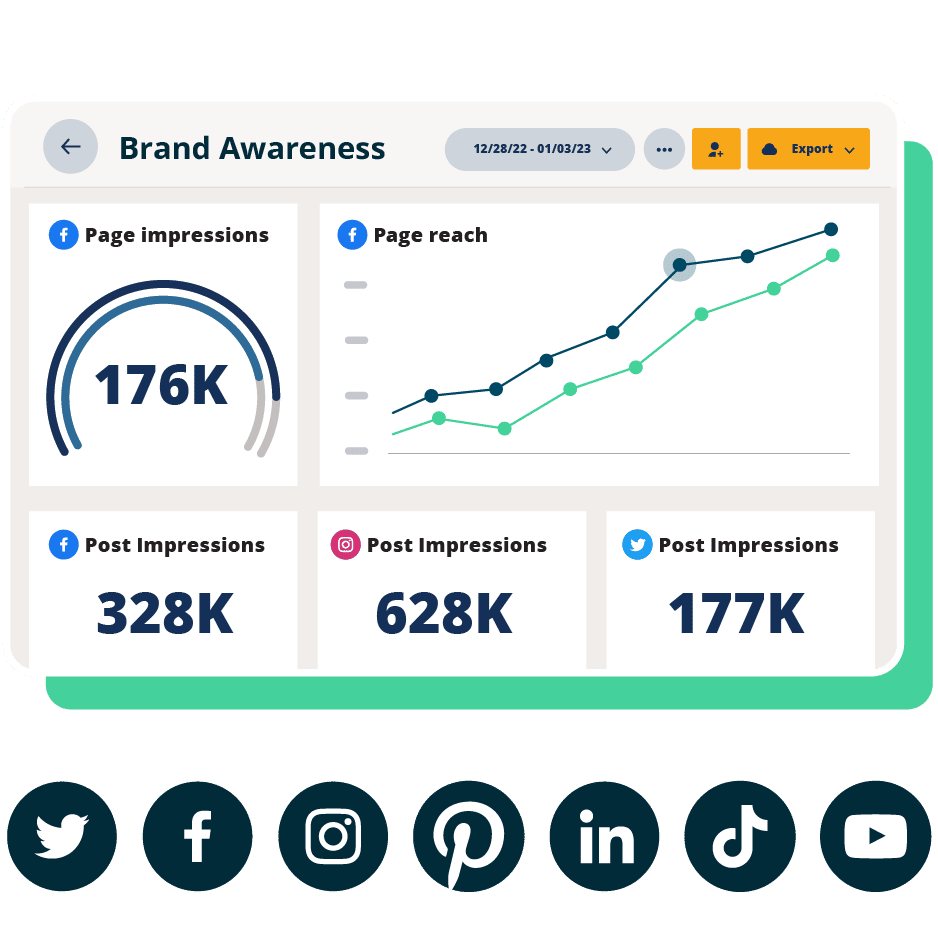
Moreover, a structured approach allows for meticulous A/B testing and performance analysis, transforming anecdotal observations into actionable data. Each post becomes a data point, offering insights into audience preferences, peak engagement times, and content formats that resonate most effectively. This iterative refinement process ensures that a brand’s social media efforts are not just visible but genuinely impactful, translating into tangible results such as increased brand awareness, higher lead generation, improved customer service, and ultimately, a stronger return on investment (ROI). Without a schedule, brands risk appearing inconsistent, losing audience attention, and failing to capitalize on crucial engagement windows, effectively ceding ground to more organized competitors. The implications of an unmanaged social presence include missed opportunities for audience growth, decreased message retention, and a diluted brand image in a crowded digital marketplace.
Industry Benchmarks and Tailored Frequencies

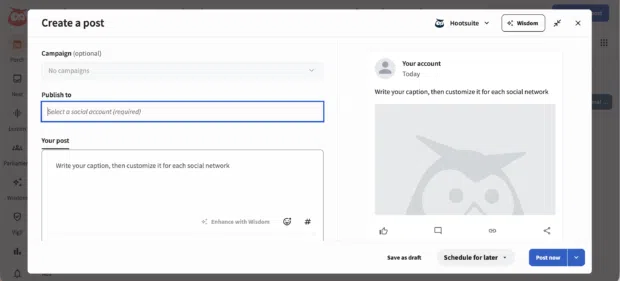
Determining the optimal posting frequency is a nuanced challenge, with "one size fits all" solutions proving ineffective in the dynamic social media landscape. Leading social media management platforms, through extensive research and data aggregation, offer valuable benchmarks as starting points for brands. For instance, expert analysis suggests Instagram accounts aim for 3 to 5 posts per week, though many businesses opt for daily engagement, prioritizing visual content like Reels for maximum reach. Instagram Stories, with their ephemeral nature, thrive on higher frequency, with recommendations often suggesting multiple daily updates to foster behind-the-scenes engagement and real-time interaction.

On Facebook, a platform still frequented by approximately half of U.S. adults daily, 1 to 2 posts per day is generally recommended, emphasizing quality over sheer volume to navigate its algorithm. Microblogging platforms like X (formerly Twitter) tolerate a much higher cadence, with 2 to 3 posts daily serving as a minimum, and many active brands posting multiple times throughout the day to capitalize on trending conversations and real-time news. LinkedIn, the professional networking hub, sees optimal engagement with 1 to 2 daily posts, with weekdays typically yielding the best performance for B2B content and professional networking. Newer platforms like Threads, designed for conversational content, also benefit from a daily posting rhythm of 2 to 3 times to maintain relevance. For visually driven platforms like TikTok, 3 to 5 posts per week is a baseline, with daily consistency often driving greater discovery and algorithm visibility, while Pinterest, a discovery engine for evergreen content, requires at least one post per week, though several times per week can significantly boost visibility and organic reach.

However, these are not rigid commandments but rather informed hypotheses. The true "ideal" frequency is profoundly bespoke, dependent on a brand’s specific audience demographics, geographic location, industry niche, and available content creation resources. A small startup, for example, might find it unsustainable to produce five TikToks a week, and industry experts concur that maintaining a manageable, high-quality schedule is far superior to attempting an ambitious, resource-intensive one that leads to burnout and inconsistency. The emphasis remains on a data-driven approach, where brands are encouraged to use these benchmarks as a foundation, meticulously track their own analytics, and iteratively adjust their posting frequency to observe the direct impact on key metrics such as reach, engagement, and conversions. Tools embedded within social media platforms themselves, as well as third-party analytics suites, provide the necessary data points to conduct this continuous optimization, transforming general recommendations into highly personalized best practices.
Optimizing Content Mix: Frameworks for Engagement
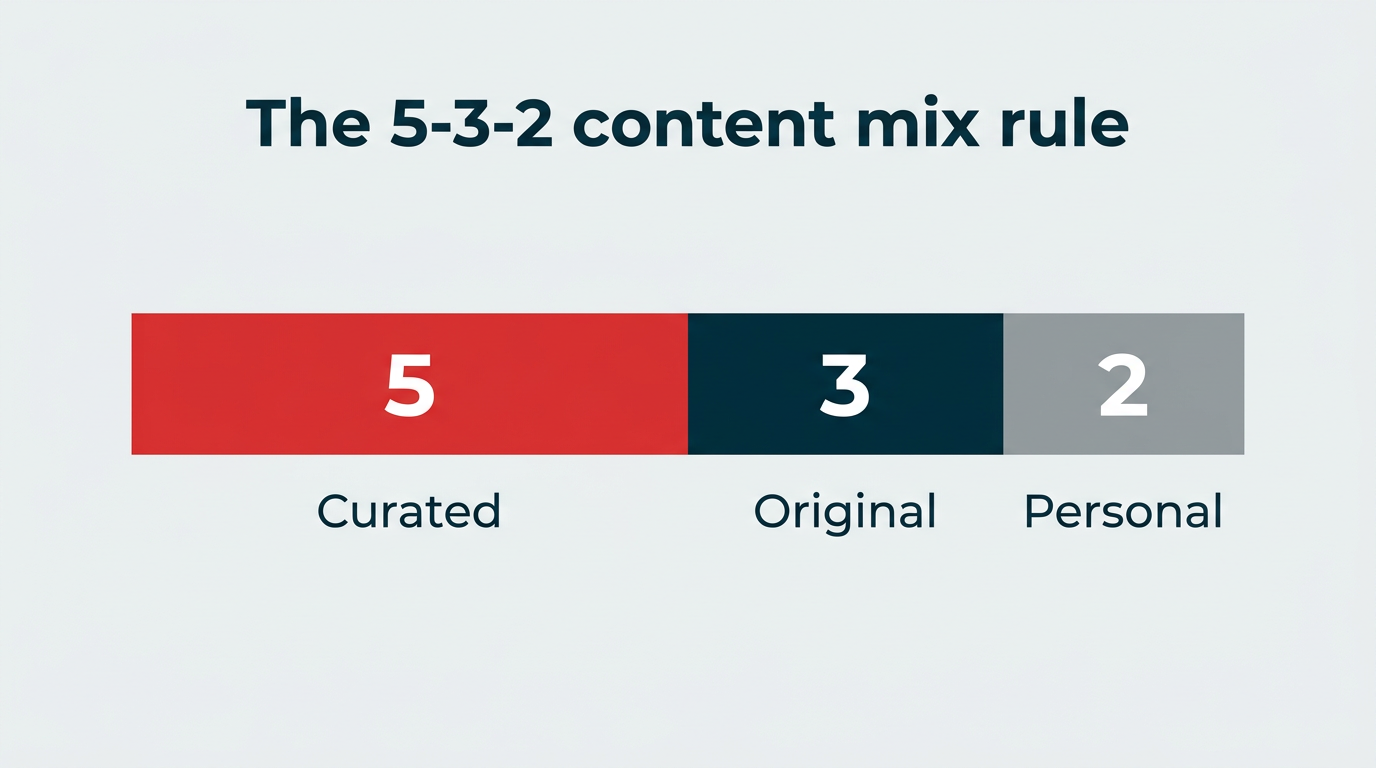
Once a brand has established its posting frequency, the next critical consideration is the content mix—what types of content to publish to maintain audience interest and achieve diverse objectives. Generic promotional pushes quickly lead to audience fatigue and diminished engagement. To counteract this, established content mix frameworks provide simple yet effective ratios for balancing different content types, ensuring a dynamic and engaging feed that offers continuous value. Two prominent examples are the 5-3-2 rule and the 4-1-1 rule.
The 5-3-2 rule advocates that for every ten posts, five should be curated content from other reputable sources, three should be original content created by the brand, and two should be personal or humanizing posts. This framework is particularly effective for brands aiming to build a strong community and inject personality into their online presence. For instance, a brand might share an insightful industry article (curated) to inform its audience, publish an original how-to guide (original) showcasing its expertise, and then post a candid photo of its team at a company event (personal) to foster connection. This diversified approach positions the brand as a valuable resource and a relatable entity, rather than solely a sales channel. The curated content establishes thought leadership, original content drives traffic and demonstrates authority, and personal content builds emotional connection and brand loyalty, creating a holistic brand narrative.

The 4-1-1 rule, popularized by content marketing thought leaders, structures content as four pieces of curated content shared from external sources, one piece of original content produced by the brand, and one direct promotional post. This model leans heavily on providing substantial value before making any direct asks. It is particularly well-suited for thought leadership strategies and audience nurturing, where the primary goal is to educate and build trust over time. By consistently sharing valuable information from across the industry, a brand establishes its credibility and authority. The single original piece allows for deeper dives into proprietary insights or unique perspectives, while the single promotional post is then more likely to be received positively by an audience that has already benefited from the brand’s consistent delivery of value. Both frameworks share a common underlying principle: sustained value delivery is paramount, with direct promotional efforts integrated sparingly and strategically to avoid alienating the audience.

Crafting an Effective Schedule: A Five-Step Approach
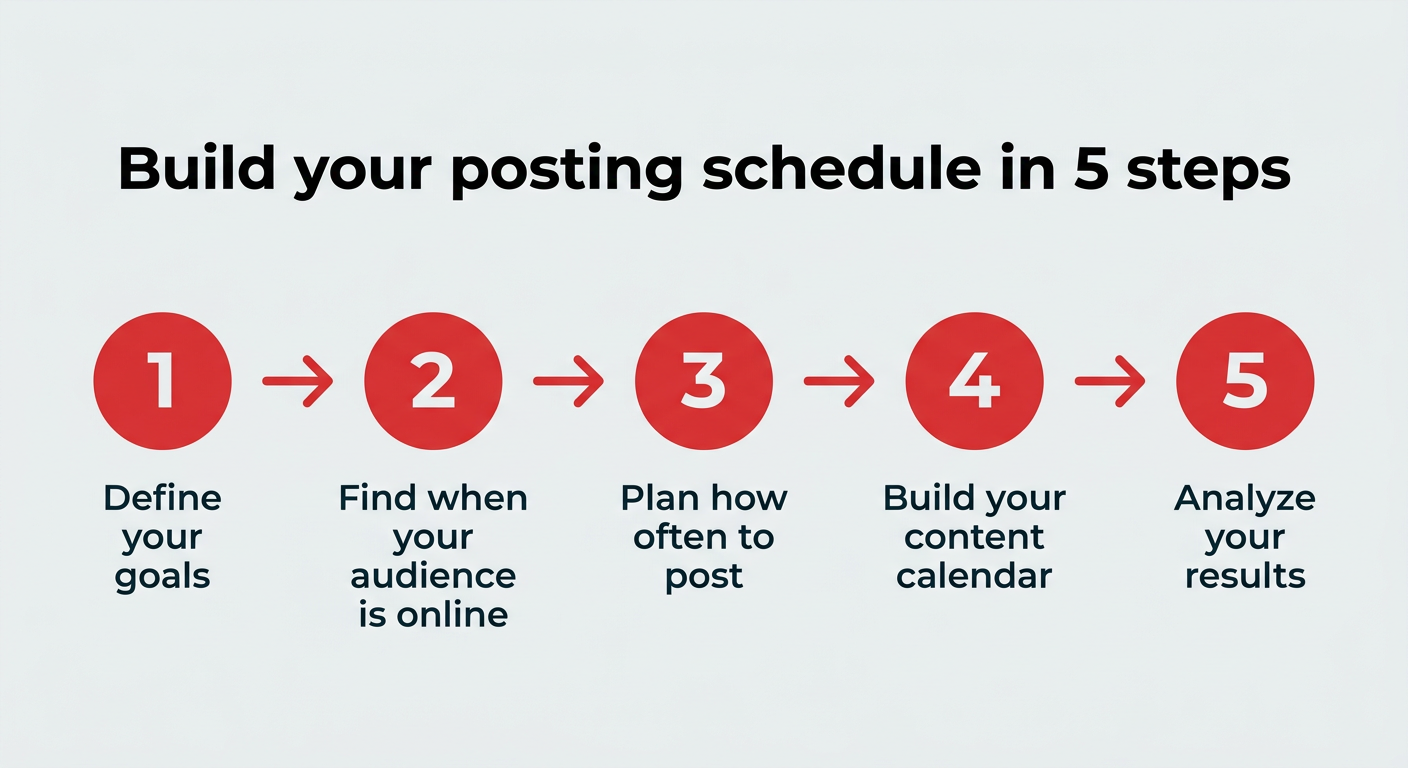
Developing a functional social media posting schedule from inception requires a methodical approach, transitioning from broad strategic goals to granular execution. This process can be distilled into five interconnected steps:
-
Define Your Goals: Before any content is conceived or scheduled, a clear articulation of the "why" is essential. What are the overarching objectives of your social media presence? Are you aiming to significantly grow your audience base, drive direct sales, enhance brand awareness, improve customer service, or target a specific demographic? These strategic goals will profoundly influence every subsequent decision, from the choice of platforms and content formats to the optimal timing and frequency of posts. For example, a goal of increasing sales might necessitate more direct calls-to-action and product-focused content, while a brand awareness objective might prioritize broader reach and engaging, shareable content. Setting SMART (Specific, Measurable, Achievable, Relevant, Time-bound) goals provides a measurable benchmark for success and guides the entire scheduling process, ensuring all efforts contribute to a larger business outcome.
-
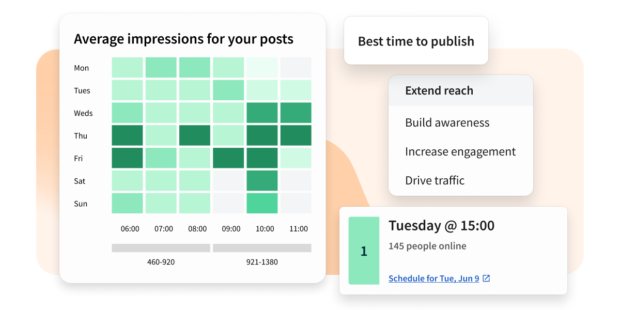
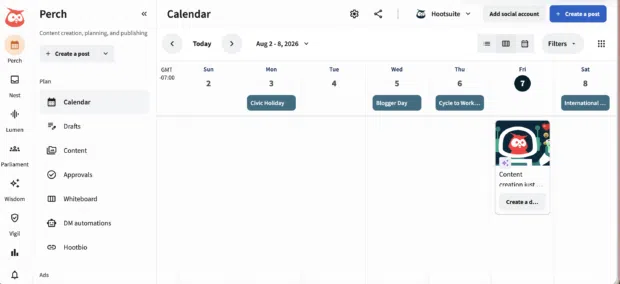
Analyze Audience Online Behavior: The efficacy of any posting schedule hinges on reaching the audience when they are most receptive. With the average global user spending approximately 141 minutes per day on social media, identifying these prime engagement windows is paramount. This step often involves a combination of preliminary research and iterative experimentation. Brands should leverage platform-specific analytics (e.g., Facebook Insights, Instagram Insights, LinkedIn Analytics) and third-party social media management tools to glean insights into their audience’s typical online activity patterns. This data might reveal peak times during morning commutes, lunch breaks, or late evenings. Geographic location also plays a significant role, necessitating adjustments for different time zones to maximize reach. Without this data-driven understanding, posts risk being published into a void, missing opportunities for maximum exposure and interaction.
-
Determine Optimal Posting Frequency: Following the audience analysis, brands must establish a realistic and sustainable posting frequency for each platform. While industry benchmarks provide excellent starting points, the ultimate decision must align with a brand’s internal resources and capacity. It’s crucial to be honest about the time, budget, and personnel available for content creation and management. Attempting an overly ambitious schedule that cannot be consistently maintained will inevitably lead to burnout, a drop in content quality, and ultimately, diminished results. The mantra here is "quality over quantity." A slightly lower but consistently maintained posting frequency with high-value content will almost always outperform a high-volume, erratic, or low-quality output, as algorithms increasingly prioritize engagement and user satisfaction.
-
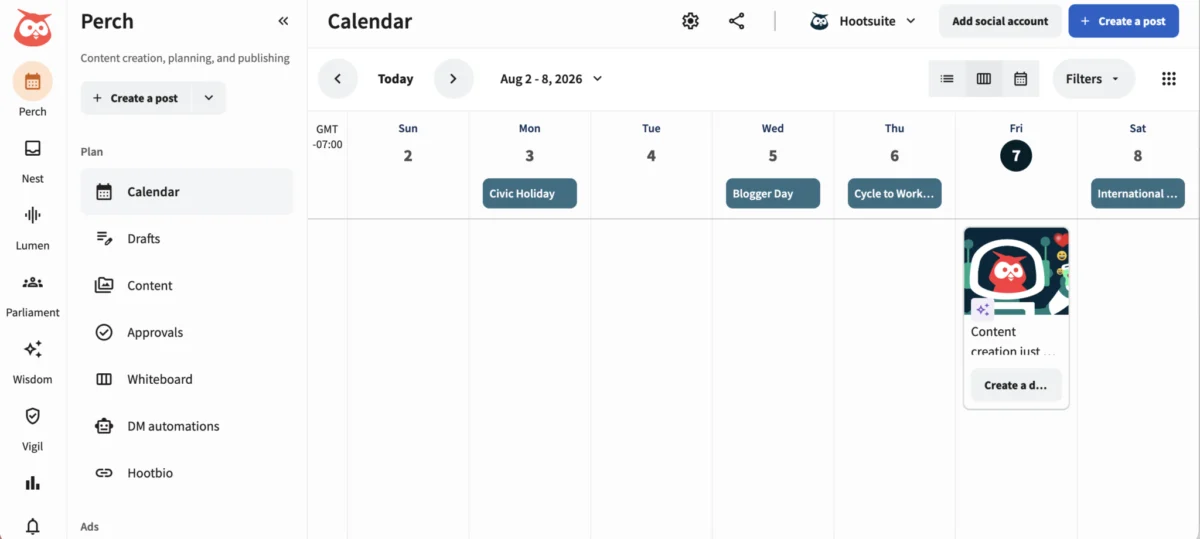
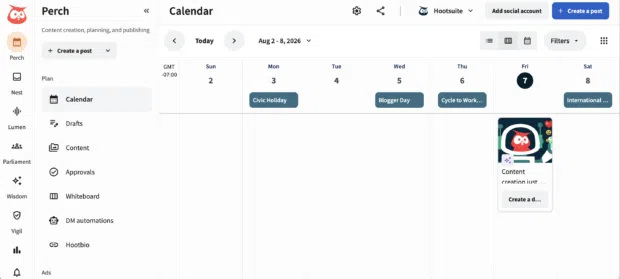
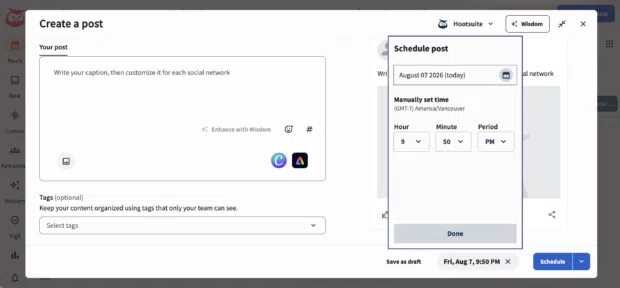
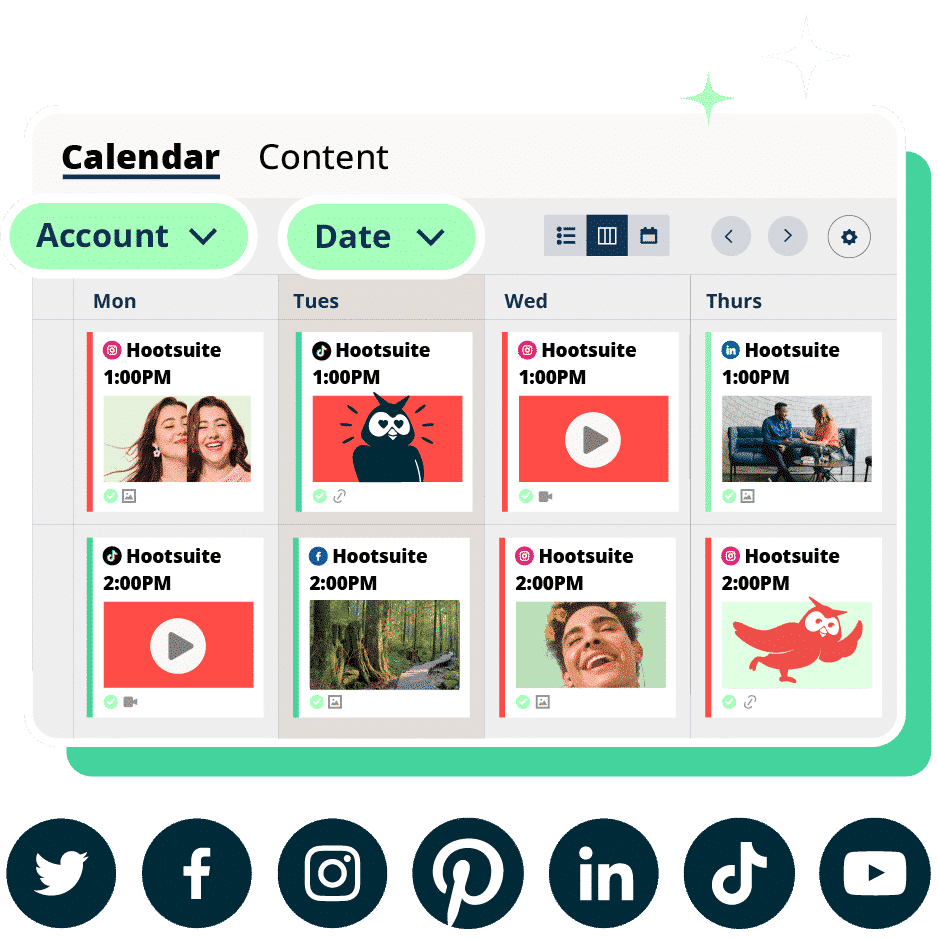
Develop a Comprehensive Content Calendar: With goals, audience insights, and frequency established, the next step is to populate a content calendar. This goes beyond the posting schedule by outlining specific content ideas, themes, and formats. It serves as an editorial blueprint, preventing creative blocks and ensuring a diverse and engaging content stream. A calendar might allocate specific days for certain content types—e.g., "Motivational Mondays," "Tip Tuesdays," "Behind-the-Scenes Fridays." It also allows for the integration of important upcoming dates, seasonal campaigns, industry events, and relevant holidays (e.g., National Donut Day for a bakery, or an annual pledge drive for a non-profit). A well-structured content calendar, often implemented using spreadsheets or dedicated scheduling tools, allows teams to plan weeks or even months in advance, streamlining content creation workflows and ensuring timely publication.

-
Monitor, Analyze, and Iterate: A social media posting schedule is not a static document but a dynamic, living strategy. Its effectiveness must be continuously evaluated through rigorous analysis of performance metrics. Brands should regularly review key performance indicators (KPIs) such as reach, engagement rate, click-through rates, conversion rates, and audience growth. Both native platform analytics and advanced third-party tools provide the data necessary for this assessment. By tracking how audiences respond to different content types, posting times, and frequencies, brands can identify what is working and what needs adjustment. This iterative process of "experiment, observe, and refine" is crucial for continuous improvement, allowing the schedule