

In an evolving digital landscape where consumer control and data privacy have become paramount, the strategic promotion of email preference centers is no longer merely a best practice but a critical pillar for sustainable and effective email marketing. As technological advancements and regulatory shifts reshape how brands interact with their audiences, the ability for subscribers to dictate the terms of their engagement is proving to be a decisive factor in mitigating unsubscribe rates and fostering genuine brand loyalty.
The Shifting Tides of Email Marketing: A Chronology of Control
The journey of email marketing has been marked by a significant evolution in both consumer expectations and technological capabilities. In its nascent stages, email was often a one-way communication channel, characterized by broad, untargeted campaigns that frequently led to inbox clutter and high spam complaint rates. The early 2000s saw the emergence of "permission marketing," a concept championed by Seth Godin, which advocated for sending anticipated, personal, and relevant messages to recipients who had explicitly opted in. This marked the first significant shift towards respecting subscriber choice, yet the tools for granular control remained rudimentary.
The mid-2010s brought an increased global awareness of data privacy, culminating in landmark regulations such as the General Data Protection Regulation (GDPR) in Europe (enforced 2018) and the California Consumer Privacy Act (CCPA) in the United States (effective 2020). These legislative frameworks fundamentally altered how brands collected, processed, and utilized personal data, placing a strong emphasis on transparency and individual rights. Consumers became more acutely aware of their data footprint, leading to a demand for greater agency over their digital interactions, including how and when brands communicated with them via email. Preference centers, which had previously been relegated to obscure corners of marketing emails, began to gain legal and ethical significance as a means for brands to demonstrate compliance and respect for subscriber autonomy.
More recently, the landscape has undergone further radical transformation. Apple’s Mail Privacy Protection (MPP), introduced in late 2021, fundamentally changed how email marketers could track open rates, prompting a pivot towards more reliable engagement metrics and the explicit collection of zero-party data—information directly provided by consumers. This development underscored the limitations of inferred data and highlighted the invaluable nature of direct subscriber input. Concurrently, major mailbox providers (MBPs) like Gmail have been enhancing user control features, exemplified by changes implemented between 2024 and 2025 that made unsubscribing significantly easier. This move, while beneficial for consumers, has presented a considerable challenge for marketers, as Mailerlite research indicates that year-on-year unsubscribe rates more than doubled during this period. The confluence of these factors – regulatory pressure, technological shifts, and heightened consumer expectations – has created an urgent imperative for brands to proactively engage subscribers through sophisticated and easily accessible preference centers.
The Unseen Problem: Buried Opportunities and Rising Opt-Outs
Despite the clear benefits and growing necessity, a prevalent issue continues to undermine email marketing efficacy: the underutilization of preference centers. Far too many brands still relegate the preference center link to the minuscule text of an email footer, a digital graveyard where vital opportunities for engagement and data collection are lost. This practice severely limits organic discovery, leading to a critical awareness gap among subscribers. Industry practitioners largely concur that low usage isn’t indicative of a lack of subscriber interest, but rather a profound lack of awareness regarding the existence and utility of these tools.
The consequences of this oversight are stark. The top drivers for opt-outs and spam complaints consistently revolve around "too many emails" and "messages not relevant." While these complaints signal a breakdown in communication, they also represent a missed opportunity. A significant portion of these disengaging subscribers would likely prefer to fine-tune their email frequency or content preferences rather than severing ties entirely. However, without a readily discoverable and user-friendly preference center, their only recourse is the drastic measure of a full unsubscribe, leading to a permanent loss of a potentially valuable customer relationship. This trend is further exacerbated by AI-fueled developments across MBPs, which are increasingly prioritizing inbox engagement signals. Low engagement, coupled with high unsubscribe rates, can negatively impact sender reputation and deliverability, effectively penalizing brands that fail to adapt.
The Proven Return on Investment: Data-Backed Success Stories
The benefits of a well-promoted and utilized preference center are not merely theoretical; they are demonstrably impactful. Investing in subscriber control translates directly into tangible improvements in email marketing performance.
Single Grain, for instance, published compelling research detailing an e-commerce client’s experience with a tiered preference center. By empowering subscribers to specify their interests and communication frequency, the client achieved a remarkable 189% increase in email engagement metrics, alongside a substantial 76% decrease in unsubscribes. This case study underscores the power of relevance; when content aligns with expressed preferences, subscribers are far more likely to open, click, and convert.
Further supporting this evidence, research from Oracle highlighted the profound impact of even a single, thoughtful addition to a preference center: a "snooze" option. Senders who integrated a temporary opt-out for specific periods or campaigns saw unsubscribes drop by an impressive average of 82%. This statistic reveals a crucial psychological insight: subscribers often seek temporary respite from email volume rather than a permanent departure. Offering a snooze option acknowledges this need, providing a flexible solution that preserves the subscriber relationship for future engagement.
These findings collectively paint a clear picture: preference centers, when strategically promoted and robustly implemented, serve as powerful personalization engines. They are instrumental in cultivating zero-party data, which in turn fuels hyper-relevant content delivery, ultimately leading to stronger engagement, improved deliverability, and an enhanced customer lifetime value. Industry analysis suggests that brands actively leveraging sophisticated preference centers can experience a 15-20% higher lifetime value from their engaged subscribers compared to those with passive or non-existent options.
Expert Perspectives on the Path Forward
"The era of one-size-fits-all email is unequivocally over," states Dr. Evelyn Reed, a leading expert in digital marketing strategy. "Preference centers are no longer just a compliance checkbox; they are a cornerstone of modern customer relationship management. Brands that truly listen to their audience through these mechanisms will build deeper loyalty and unlock unparalleled insights."
Guy Hanson, VP of Customer Engagement at Validity, emphasizes the broader implications: "In an environment increasingly shaped by AI and stringent privacy regulations, explicit subscriber preferences are gold. They fuel personalization, improve sender reputation, and crucially, empower customers. Brands that fail to prioritize subscriber control will inevitably see their engagement metrics decline and acquisition costs rise as they struggle to replace lost subscribers." This sentiment is echoed across the industry, with a growing consensus that proactive promotion of preference centers is a non-negotiable aspect of future-proof email strategies.
A Strategic Blueprint: Actionable Tactics for Preference Center Promotion
To effectively harness the power of preference centers, brands must adopt a proactive and multi-faceted approach to their promotion and integration across the customer journey.
-
General and Consistent Promotion: The simplest yet most overlooked step is to consistently raise awareness. Even a straightforward message explaining the existence and benefits of your preference center, along with clear instructions on how to access it, surpasses doing nothing. Brands like Chanel subtly integrate messages explaining how subscribers can tailor their marketing to match their interests, fostering a sense of control without being overtly promotional. This should be an ongoing effort, woven into various communications, not a one-off campaign.
-
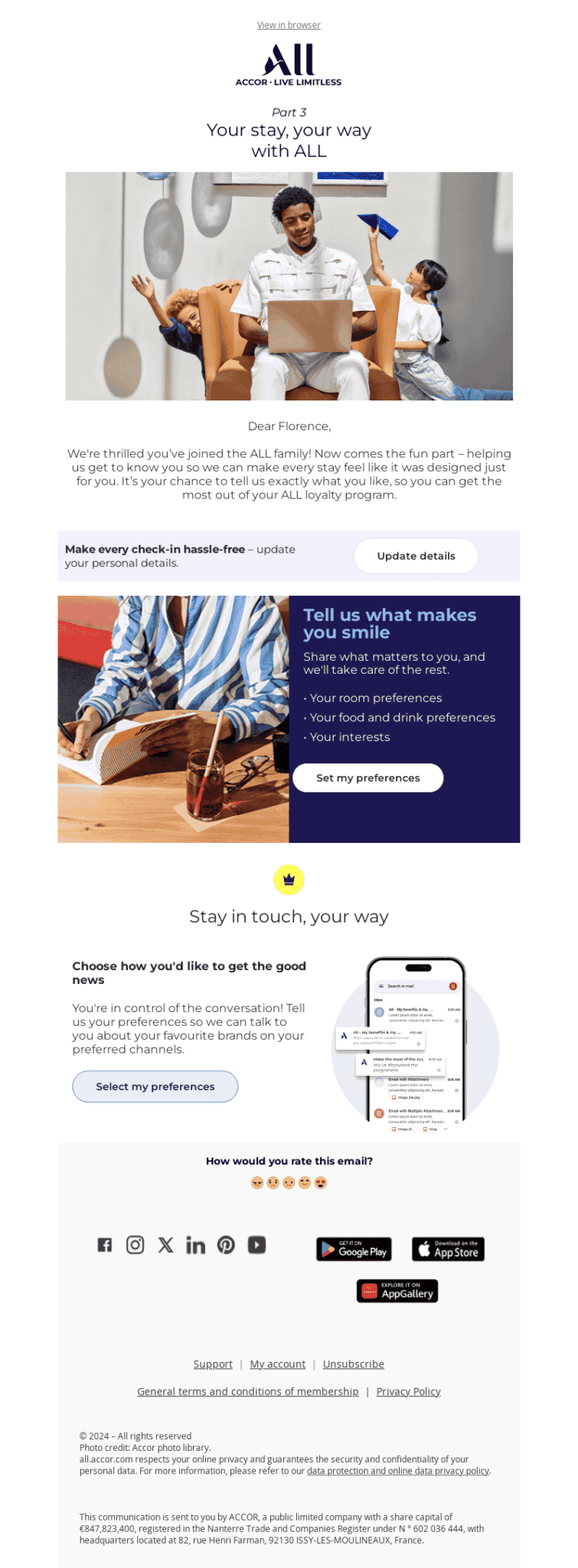
Welcome Email and Onboarding Series Integration: The welcome sequence is prime real estate. New subscribers are at their peak engagement, eager to shape their relationship with the brand. Integrating preference center links here capitalizes on this initial enthusiasm. Mizuno, for example, cleverly uses a sporting theme in its subject lines, encouraging new customers to "be part of the first team" by setting their preferences. For brands with more extensive onboarding series, like Accor Hotels, a dedicated message focusing on personalizing the experience—better check-ins, perfect rooms, and preferred communication channels—can be highly effective, as visually demonstrated by their engaging emails.
-
Progressive Profiling for Frictionless Data Collection: Instead of overwhelming subscribers with a lengthy form at once, progressive profiling builds customer profiles gradually. This low-friction approach starts with essential data points and then periodically asks for richer information. Skyscanner, for instance, prioritizes asking for a customer’s preferred airport—a crucial data point for travel relevance. Similarly, collecting dates of birth offers a natural opportunity for personalized offers and provides valuable demographic insights into age, life stage, and buying power. This iterative approach makes data sharing feel less intrusive and more value-driven.
-
Interactive Elements and Gamification: Gamification techniques significantly boost engagement in preference capture. Oceania Cruises exemplifies this by asking subscribers to "Choose which destination interests you most," often displaying a running counter of responses. This not only makes the process engaging but also continuously builds a rich repository of explicit customer insights from every interaction, which can then be used to refine targeting.
-
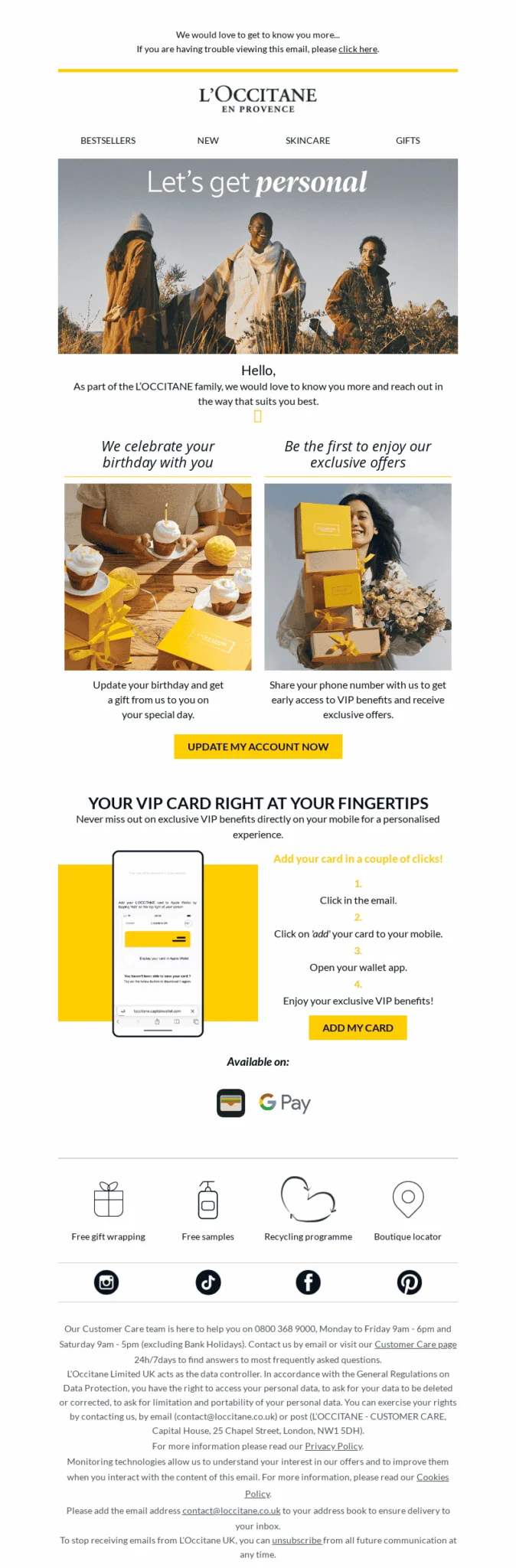
Clearly Articulate the Benefits: Subscribers are more likely to engage when they understand "what’s in it for them." L’Occitane effectively communicates the value proposition by promising early access to exclusive offers, a birthday gift, and personalized content, while also offering options to switch communication channels (text, post, WhatsApp). Clearly outlining these advantages transforms the act of updating preferences from a chore into a beneficial action.
-
Provide Tangible Incentives: While "soft" benefits like early access are appealing, some subscribers require a more immediate, tangible reward for sharing their data. Offering a discount or a small gift certificate for updating preferences works well, creating a win-win scenario: the subscriber receives a reward, and the brand gains valuable data that can lead to future purchases. A 10-15% discount for completing a preference profile can often yield a significant return on investment through increased conversion rates and reduced churn.
-
Opt-Out Options for Emotionally Sensitive Events: The proliferation of emails inviting subscribers to opt out of emotionally sensitive dates (e.g., Valentine’s Day, Mother’s Day, Father’s Day) has become a double-edged sword, sometimes inadvertently amplifying the very sensitivity they aim to avoid. A superior approach integrates these as one-time, ongoing options within the preference center. Brands like Interflora offer anniversary options, Bloom & Wild allows muting Grandparent’s Day, and Hotel Chocolat enables customers to suppress alcohol-related promotions. This empowers subscribers with proactive, persistent control over content that might be sensitive to them.
-
Strategic Use of the Holiday Season "Snooze": Critical periods like Black Friday and Cyber Monday are revenue drivers but can also overwhelm inboxes. As Oracle’s research demonstrated, a short-term snooze option is invaluable, preventing permanent unsubscribes due to temporary email fatigue. Bvlgari effectively implements this, allowing subscribers to temporarily pause promotional emails during intense sales periods. Alternatively, brands like Spoonflower use the run-up to sales as a relevance check, employing smart CTAs like "Curate My Content" to encourage subscribers to tailor their holiday communications.
-
Increased Visibility through Pre-headers and Content Blocks: Beyond dedicated campaigns, every email should work harder to promote the preference center.
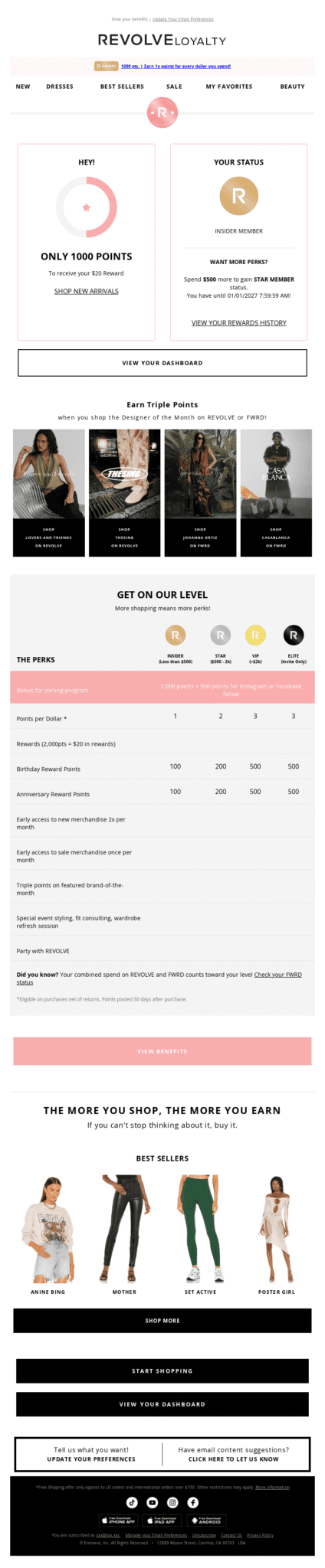
- Pre-headers: Integrating a concise link or message about managing preferences in the email pre-header (e.g., "Manage Your Preferences" or "Update Your Email Settings") increases visibility and builds trust, similar to how unsubscribe links are often placed. REVOLVE provides a clean example of this, reinforcing transparency.
- Dedicated Content Blocks: Incorporating a small, branded content block within the body of regular emails, reminding subscribers about the preference center, ensures constant reinforcement. Bloom & Wild excels at this, making it easy for responders to opt out of multiple events or adjust settings directly from various communications.
-
Preference Centers in Re-engagement Campaigns: When subscribers begin to disengage, promoting the preference center can be a crucial last resort in win-back campaigns. It offers an alternative to a full unsubscribe, giving dormant subscribers a chance to re-evaluate their communication settings. CVS Pharmacy executes this well by restating the benefits of staying subscribed, soliciting feedback, and concluding with a powerful, commitment-oriented CTA: "Yes, I still want emails." This approach allows the brand to salvage relationships that might otherwise be lost.
The Broader Impact: Towards a Future of Intentional Engagement
The strategic integration and promotion of email preference centers extend far beyond simply reducing unsubscribe rates. They are fundamental to unlocking the full potential of an email marketing program in several critical ways:
- Zero-Party Data Goldmine: Preference centers are the most direct and transparent means of collecting zero-party data. This explicit information, volunteered by the customer, is invaluable for building highly accurate customer profiles, enabling true personalization without relying on inferred or third-party data, which is becoming increasingly scarce and regulated.
- Enhanced Personalization and Relevance: With accurate preference data, brands can deliver content that genuinely resonates with individual subscribers. This leads to significantly higher open rates, click-through rates, and ultimately, conversion rates, as messages are perceived as helpful and tailored rather often than generic and intrusive.
- Improved Deliverability and Sender Reputation: High engagement rates and low complaint/unsubscribe rates send positive signals to mailbox providers. This improved sender reputation leads to better inbox placement, ensuring that emails reach their intended audience rather than being filtered into spam folders.
- Increased Customer Lifetime Value (CLV): By empowering subscribers and delivering relevant content, brands foster a sense of trust and value. This cultivates stronger, longer-lasting relationships, leading to increased loyalty, repeat purchases, and a higher overall customer lifetime value.
- Future-Proofing Email Strategies: As AI continues to advance, the ability to leverage explicit subscriber preferences will become even more critical. AI algorithms can optimize send times, content suggestions, and even dynamically adapt preference center options based on evolving subscriber behavior, creating an intelligent, responsive communication ecosystem.
Getting Started and Measuring Success
The best preference centers function as dynamic personalization engines, serving as conversation starters that continuously unlock zero-party data. The ultimate test of their efficacy lies in demonstrating a clear link between preference center usage and stronger email marketing engagement. If the subscribers who actively use your preference center exhibit higher clicks, more frequent opens, and greater spending, you possess a compelling case for further investment in this vital component of your email program.
As the digital marketing landscape continues its rapid evolution, solutions like Litmus Personalize offer capabilities to create engaging, dynamic emails, while platforms such as Validity Engage provide AI-powered email intelligence, built on vast data networks, to remove risk and boost performance. By prioritizing subscriber control and strategically promoting preference centers, brands can not only navigate the challenges of the modern inbox but also forge deeper, more meaningful connections with their audience, ensuring the sustained success of their email marketing initiatives.








