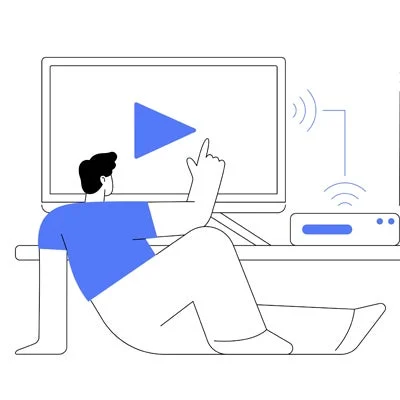
The burgeoning world of streaming television advertising is abuzz with the potential of "pause ads" – advertisements that appear when a viewer temporarily halts playback. While the industry discussion around this innovative ad format often overshadows its actual advertiser adoption, a confluence of factors, most notably the push for programmatic standardization, is poised to reshape its future. The current landscape reveals a dichotomy: eager brands are waiting in the wings, hampered by a lack of scalable, unified buying channels, while technology providers and industry bodies race to bridge this critical gap.
The fundamental hurdle to wider pause ad adoption remains the absence of a standardized method for purchasing these ad units across the fragmented streaming ecosystem. This lack of uniformity creates friction for advertisers seeking the efficiency, reach, and measurability inherent in programmatic buying. Without a streamlined, automated process, brands are largely relegated to negotiating direct deals with individual publishers, a labor-intensive and time-consuming approach that limits scalability.
The IAB Tech Lab’s Initiative: Charting a Course for Standardization
Recognizing this critical bottleneck, the Interactive Advertising Bureau (IAB) Tech Lab initiated a significant undertaking last year: a comprehensive effort to standardize programmatic signals for emerging streaming TV ad formats. This ambitious project encompasses not only pause ads but also other novel placements like in-scene ads and smart TV home screen advertisements. The goal is to equip the industry with the technical specifications necessary to integrate these new formats seamlessly into the programmatic buying and selling workflows.
The IAB Tech Lab has actively solicited industry input, collecting public comments on its proposed standards through early June. This feedback is now under thorough review by the relevant working groups, with updates and revised specifications anticipated to be released later this month. This development is a crucial step towards demystifying and operationalizing pause ads, potentially unlocking significant advertiser demand that has been on hold due to the current limitations.
Brand Enthusiasm Meets Programmatic Pragmatism
Despite the current programmatic challenges, many brands are keenly interested in incorporating pause ads into their advertising strategies. Fiskars, a global leader in garden and lifestyle tools, exemplifies this enthusiasm. Kevin Goy Ramos, senior manager of media and advanced media tech solutions at Fiskars Group, shared that pause ads present an "enticing opportunity" for the company to build brand awareness, particularly for new product launches. He cited the recent introduction of Fiskars’ new line of electric-powered tools as a prime example of a campaign that could benefit from the unique placement of pause ads.
However, Ramos candidly admitted that Fiskars has not yet purchased any pause ads. The primary reason for this hesitation lies in the expectation that pause ads should offer the same programmatic flexibility, scale, and robust measurement capabilities that brands have come to rely on from existing programmatic channels. Until these programmatic pipes are fully functional and standardized for pause ads, brands like Fiskars will likely remain in a holding pattern, observing and waiting for the infrastructure to mature.
Bridging the Programmatic Divide: Industry Efforts Underway
The prevalence of direct deals for pause ads underscores the current programmatic gap. As David Dworin, Chief Product Officer at FreeWheel, a leading video advertising platform, explained, "media buyers haven’t really had the option to buy [pause ads] at scale any other way." This direct-to-publisher model, while functional for smaller campaigns or specific publisher relationships, fails to meet the demands of large-scale programmatic campaigns.
The forthcoming updates from the IAB Tech Lab are expected to fundamentally alter this dynamic. Once the standardized signals for programmatic pause ads are widely available and adopted by industry players, agencies will gain the ability to execute pause ad campaigns across a multitude of streaming services and distributors with unprecedented ease. This enhanced accessibility is anticipated to attract a significant influx of demand from buyers who prioritize programmatic execution for its efficiency and data-driven capabilities.
In the interim, programmatic platforms are proactively addressing the buying friction. Magnite, a prominent sell-side platform (SSP), has already made pause ad inventory available for programmatic purchase through select video distributors, including Fubo, Dish, and DirecTV. This move signifies a tangible step towards integrating pause ads into existing programmatic marketplaces.
Furthermore, FreeWheel has collaborated with several demand-side platforms (DSPs), such as The Trade Desk, to refine the programmatic bidstream. These partnerships aim to create clearer differentiations between pause ad inventory and traditional commercial spots, making it easier for buyers to identify and bid on pause ad opportunities.
Persistent Friction Points on the Path to Programmatic Maturity
Despite these positive developments, several obstacles continue to impede the full programmatic integration of pause ads. Publishers and distributors are at varying stages of development and adoption concerning pause ad technology. Some have opted to build bespoke, native specifications for pause ads within their own platforms, while others prefer to adhere to the more universally recognized Video Ad Serving Template (VAST). This divergence in technical implementation can create compatibility issues within the programmatic ecosystem.
From a publisher or distributor perspective, there remains a challenge in effectively "integrating demand," as noted by Jerrold Son, VP of Advertising Revenue Operations at Xumo, a free ad-supported streaming platform. This refers to the difficulty in unifying and managing multiple demand sources for pause ad inventory.
Another significant hurdle is the lack of interoperability between bids for pause ad inventory originating from different SSPs, such as FreeWheel and Magnite. As Son explained, "Right now, that’s a limiting factor." The inability for bids from competing platforms to seamlessly compete for the same impression means that the marketplace is not operating at its full potential. The industry’s need, according to Son, is for a mechanism to "mediate" demand, ensuring that competing bids can effectively contend for the same ad opportunity.
Optimism for Higher CPMs and Broader Reach
Despite these challenges, a palpable sense of optimism pervades the industry regarding the future of pause ads. The potential for higher revenue is a significant driver of this enthusiasm. Son from Xumo highlighted that "We’re seeing higher CPMs on pause ads than we are on video ads," suggesting that advertisers are willing to pay a premium for the unique engagement offered by this format.
Publishers and platforms are confident that standardization will act as a catalyst, "open[ing] the floodgates for new demand." Rob Hazan, GM of product management at The Trade Desk, anticipates that once the IAB Tech Lab rolls out its updated signaling standards, "a broader range of marketers will become pause ad buyers, some of whom have been holding out because of workflow and coordination challenges." For the time being, Hazan suggests that agencies are likely to continue experimenting with pause ads on a smaller scale, rather than committing significant budget allocations. Fiskars’ cautious approach aligns with this sentiment, as the company awaits wholesale programmatic standardization before making substantial investments in pause ads.
Beyond Standardization: The Crucial Role of Performance
While programmatic standardization is a prerequisite for widespread adoption, it is not the sole determinant of pause ads’ success. Ultimately, the performance of these ads will be the deciding factor in their long-term viability in marketer media plans.
Fiskars, for instance, anticipates that pause ads will contribute to brand awareness and consideration, largely due to their perceived respect for the user experience. Ramos from Fiskars believes that pause ads "simply have a better attention value" because they are initiated by the user. This contrasts sharply with the more intrusive nature of traditional ad breaks, offering a "refreshing contrast from the standard bombardment of interruptive ad breaks."
Navigating User Experience Nuances and Advertiser Predictability
The user experience benefits of pause ads are indeed compelling. However, their application is not without its complexities. Not all users press pause with the same intent. Some may pause to attend to personal needs, while others might pause to gain a deeper understanding of the content, such as deciphering subtitles or capturing a specific visual element. FreeWheel’s Dworin points out that "it’s not easy to intuit why someone hit pause," meaning the context of the pause can vary significantly, impacting the ad’s reception.
From an advertiser’s perspective, guaranteeing a consistent cadence or placement within specific programs for pause ads remains a challenge. As Dworin elaborates, "You can’t guarantee that somebody is going to push pause" at a particular moment during their viewing. The rise of binge-watching, where viewers consume content for extended periods, further complicates the predictability of pause moments, as evidenced by the common "are you still watching?" interstitials employed by some streaming services.
Furthermore, consumer viewing habits introduce another layer of complexity. While some brands may hope that pause ads will encourage viewers to engage with QR codes or other calls to action, the effectiveness of such integrations remains uncertain. The inherent unpredictability of when and why a user pauses means that advertisers must be prepared for a less controlled ad delivery environment compared to traditional linear or even pre-roll video ads.
The Unanswered Questions: Performance Metrics and Future Outlook
What pause ads may lack in predictability, they are hoped to compensate for in performance. The critical questions that remain unanswered are: what will the actual performance of pause ads look like, and how will it differ from the performance of traditional in-stream video advertising? The Trade Desk’s Hazan acknowledges that these questions are still being explored.
The industry is actively working to establish robust metrics and measurement frameworks for pause ads. As standardization progresses and more data becomes available, advertisers will gain a clearer understanding of the return on investment (ROI) associated with this format. The early indications of higher CPMs are promising, but a comprehensive view of engagement rates, conversion metrics, and overall campaign effectiveness is crucial for widespread adoption.
The ongoing efforts by the IAB Tech Lab, coupled with the proactive initiatives from platforms like Magnite and FreeWheel, signal a strong commitment to overcoming the current programmatic hurdles. As the streaming landscape continues to evolve, pause ads represent a significant opportunity to innovate within the ad experience, offering brands a novel way to connect with engaged audiences. The path forward hinges on achieving seamless programmatic integration and demonstrating tangible, measurable performance that justifies the investment. The industry is at a pivotal moment, where the discussion around pause ads is rapidly converging with the practical realities of advertiser adoption, driven by the relentless pursuit of a more efficient and effective advertising future in streaming TV.