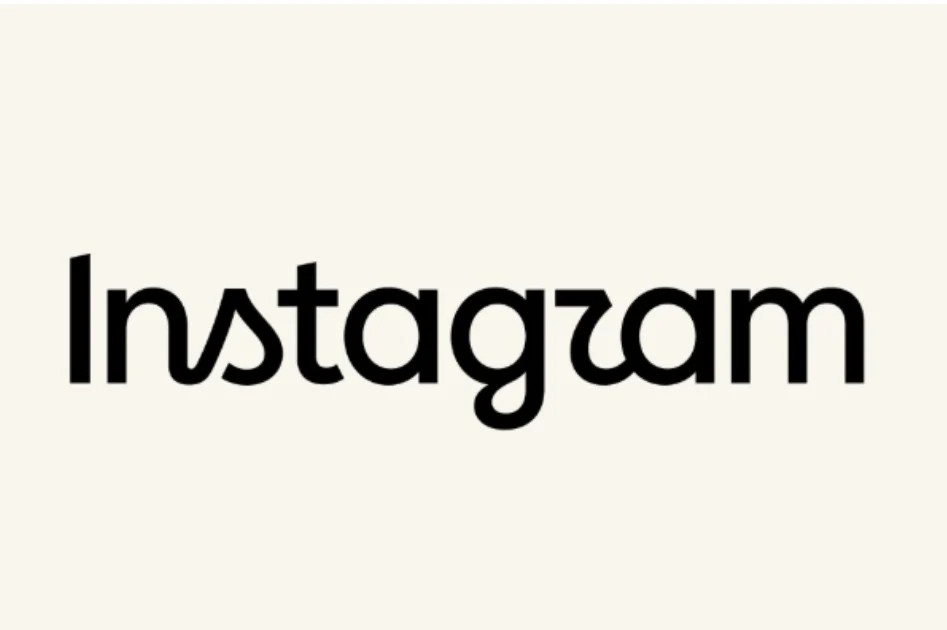
Instagram has officially introduced a refreshed visual identity, debuting a modernized wordmark that replaces its decade-old signature lettering. While the platform’s iconic camera-glyph app icon remains unchanged, the new wordmark at the top of the interface features a cleaner, more contemporary aesthetic that blends traditional script elements with modern print styles. Adam Mosseri, Head of Instagram, addressed the update in a post across the company’s social channels, noting that the wordmark had remained static for ten years and was due for a "refresh" to better align with the app’s current design language. According to Mosseri, the new design is intended to be "cleaner and more modern," while still paying homage to the "simplicity and craft" that defined the original brand.
Despite the intent for a streamlined look, the update has met with immediate and vocal scrutiny from the online design community and general user base. Industry observers and casual users alike have pointed out a perceived legibility issue with the letter "r" in the new "Instagram" script. Reports from Variety and various social media threads indicate that many users believe the character more closely resembles a "u" or a "z," leading to the nickname "Instagwam" or "Instagzam." Social media researcher Matt Navarra offered a balanced perspective, noting that while "design peeps" would likely dissect the technical flaws of the typography, the overall feel is "fresh and modern." Mosseri appeared to anticipate the mixed reception, proactively sharing the logo on Threads to invite "hot takes" and engage directly with the platform’s critics.
The Evolution of Instagram’s Visual Identity
This update represents the first major change to Instagram’s typography since the platform moved away from its original retro-inspired script. To understand the significance of this change, one must look at the chronology of Instagram’s branding. In 2010, the app launched with a literal rendering of a Polaroid-style camera and a classic, thick script logo. In 2016, the company underwent a radical transformation, ditching the skeuomorphic camera for a minimalist gradient icon. That move, at the time, sparked widespread outrage, yet it eventually set the standard for modern app design.
The current wordmark change is less of a revolution and more of an evolution, part of a broader trend in the tech industry known as "blanding." This phenomenon involves brands moving away from eccentric, unique typefaces in favor of sans-serif or simplified scripts that perform better on high-resolution mobile screens. By keeping the icon the same while updating the font, Instagram is attempting to maintain brand equity while shedding the "visual debt" of an older design. From a strategic communications standpoint, Instagram’s decision to explain the "why" behind the change—rather than quietly rolling it out—serves as a case study in managing user expectations during a brand transition.
The Reddit Resistance: Why Brands Cannot "Hack" Community Trust
While Instagram navigates aesthetic critiques, other platforms are dealing with more fundamental shifts in brand-user dynamics. Reddit, the self-proclaimed "front page of the internet," has issued a stern warning to brands attempting to manipulate its ecosystem. As artificial intelligence and Large Language Models (LLMs) increasingly rely on Reddit’s vast repository of human conversation to generate search answers, corporations have begun viewing the platform as a high-stakes SEO battleground.
A recent report by the Wall Street Journal highlighted the jewelry retailer Brilliant Earth, which recently sought a "Reddit strategy manager" to influence conversations across search engines and AI models. This strategic pivot did not go unnoticed by the community. Moderators on the r/jewelry subreddit quickly flagged a suspicious influx of positive posts regarding the company, warning users that these "genuine" testimonials might be part of a coordinated marketing campaign.
Reddit’s value to the modern digital economy is rooted in its perceived authenticity. Unlike the curated perfection of Instagram or the professional posturing of LinkedIn, Reddit is a bastion of raw, peer-to-peer advice. Adam Collins, Reddit’s Chief Communications Officer, told the Wall Street Journal that brands attempting to "hack" results for other platforms—such as Google’s Search Generative Experience—often face "unhappy results." The platform’s internal culture is notoriously hostile to overt advertising, and moderators are increasingly employing sophisticated tools to identify and purge "astroturfing" (the practice of creating fake grassroots support).
For communicators, the Reddit dilemma underscores a broader shift: brands can no longer simply broadcast a message; they must provide utility. Financial giant Fidelity has found success on the platform by building communities around educational resources rather than sales pitches. The data suggests that for a brand to survive on Reddit, it must listen more than it speaks.
The Ethics of Innovation: Gen Z’s Growing Hostility Toward AI Marketing
The tension between technological efficiency and consumer trust is perhaps most visible in the realm of artificial intelligence. A comprehensive study by Rival Technologies has revealed a significant backlash among Gen Z consumers regarding the use of AI in marketing. The study found that 72% of Gen Z respondents have taken punitive action against a brand after encountering AI-generated content.
The statistics provide a stark warning for CMOs:
- 50% of Gen Z consumers have unfollowed a brand due to AI use.
- 48% have unsubscribed from email or SMS marketing lists.
- 43% have completely stopped purchasing from a brand they perceived as over-reliant on AI.
The backlash is not merely a critique of the "uncanny valley" or the aesthetic quality of AI-generated images—often derided as "AI slop." Instead, the concerns are deeply rooted in socio-economic ethics. Paula Catoira, Chief Marketing Officer of Rival Group, noted that Gen Z associates AI use with the displacement of human jobs and the uncompensated use of creative work. For this demographic, a brand’s use of AI is a signal of its corporate values.
As brands look to cut costs by replacing copywriters, photographers, and graphic designers with generative tools, they may be inadvertently eroding their brand equity with the world’s most influential consumer bloc. The implication for brand managers is clear: transparency is no longer optional. If a brand uses AI, it must be prepared to justify that use within a framework of human-centric values. The "human-in-the-loop" model, where AI assists rather than replaces human creativity, appears to be the only sustainable path forward for maintaining Gen Z loyalty.
Surveillance and Accountability: Flock Safety’s Mandatory Audit Protocols
In the tech sector, the conversation regarding trust extends beyond marketing and into the realm of public safety and surveillance. Flock Safety, a leading provider of Automated License Plate Recognition (ALPR) systems, has announced a mandatory update to its platform aimed at curbing police misuse of its technology. By the end of the year, all Flock customers will be required to utilize "Audit Assistance," a tool designed to flag "atypical search patterns."
Flock Safety’s technology is used by thousands of law enforcement agencies across the United States to track vehicles involved in crimes. However, the system’s power has raised significant civil liberties concerns. Critics argue that without strict oversight, the technology can be used for stalking, harassment, or unauthorized surveillance. Paige Todd, co-founder of Flock Safety, explained that the new feature is designed to identify red flags, such as an officer searching for the same license plate repetitively over a 30-day period without an active case file.
While the introduction of Audit Assistance is a step toward accountability, investigative reports from TechCrunch suggest that Flock has been vague about the internal mechanics of the tool. The company has yet to release comprehensive data demonstrating the tool’s effectiveness or a detailed explanation of the algorithms used to define "atypical" behavior.
In the current climate of heightened scrutiny toward police technology, "trust us, it works" is no longer a sufficient corporate defense. For companies like Flock, the challenge lies in balancing the proprietary nature of their software with the public’s right to transparency. The broader implication for the tech industry is that safeguards must not only exist—they must be auditable and visible to the public.
Navigating the New Era of Digital Transparency
The common thread linking Instagram’s logo redesign, Reddit’s crackdown on brands, Gen Z’s AI skepticism, and Flock Safety’s surveillance audits is the fragility of digital trust. Whether a brand is changing a font or implementing a new AI algorithm, the modern consumer demands a narrative that prioritizes human experience over corporate efficiency.
Instagram’s wordmark update shows that even minor changes require a "story" to prevent the internet from filling the vacuum with mockery. Reddit’s stance proves that community-led platforms will aggressively protect their authenticity against corporate encroachment. Gen Z’s reaction to AI serves as a reminder that "faster and cheaper" can often lead to "unfollowed and boycotted." Finally, Flock Safety’s new protocols illustrate that in the realm of high-stakes technology, transparency is the only currency that matters.
As the digital landscape continues to fragment and evolve, the brands that succeed will be those that view communication not as a one-way broadcast, but as an ongoing negotiation with an increasingly skeptical and informed public. The era of "moving fast and breaking things" is being replaced by an era of "moving thoughtfully and explaining everything."