

The landscape of digital experience monitoring and conversion rate optimization (CRO) has reached a critical juncture as businesses increasingly rely on granular user behavior data to drive revenue. In the current market, two primary contenders—Crazy Egg, a long-standing pioneer in the space, and Microsoft Clarity, a disruptive free entry from one of the world’s largest technology firms—represent two distinct philosophies in web analytics. While both platforms aim to demystify how users interact with digital interfaces, their divergent approaches to data retention, feature sets, and pricing models create a complex decision-making environment for digital marketers, product managers, and developers.
The Evolution of Behavioral Analytics: A Brief Chronology
To understand the current competition between Crazy Egg and Microsoft Clarity, one must look at the trajectory of the CRO industry. Crazy Egg was founded in 2006 by entrepreneurs Hiten Shah and Neil Patel, effectively pioneering the "heatmap" concept. For over a decade, it served as the standard-bearer for visual analytics, helping small-to-medium businesses (SMBs) move beyond the cold numbers of Google Analytics into the realm of visual storytelling.
The entry of Microsoft Clarity in late 2020 fundamentally disrupted this ecosystem. By offering heatmaps and session recordings for free with no traffic caps, Microsoft commoditized what were previously premium features. This forced established players to innovate beyond simple visualization, leading to a new era where "insights" and "actionability" became the primary competitive advantages over "data collection." Throughout 2023 and 2024, both platforms have aggressively integrated artificial intelligence (AI) to automate the interpretation of data, moving the industry toward a future where the software not only shows what is happening but suggests exactly how to fix it.
Core Feature Comparison: Heatmaps and Visual Data Synthesis
Heatmapping remains the foundational element of behavioral analytics. Both Crazy Egg and Microsoft Clarity offer a suite of five map types, but their utility varies based on the user’s need for segmentation.
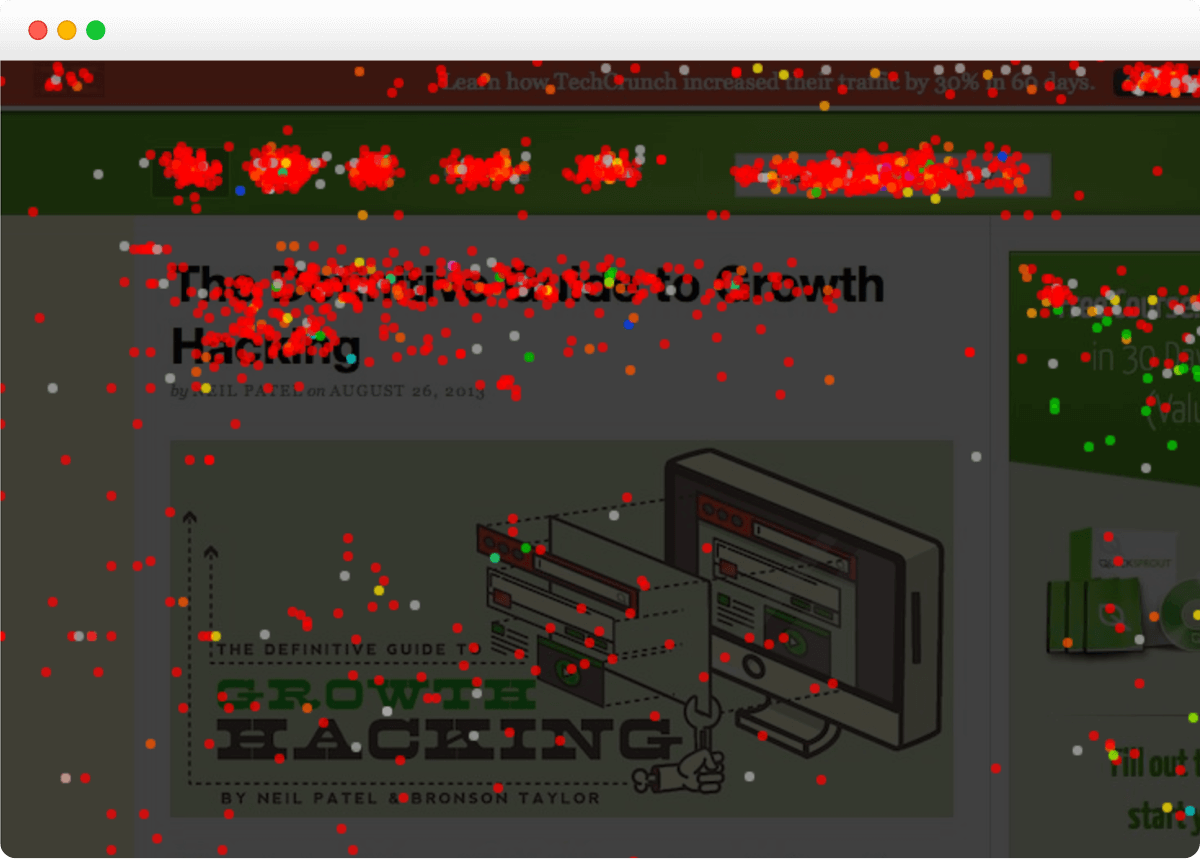
Crazy Egg’s standout feature is the "Confetti Map," which allows for per-click segmentation. Unlike a standard heatmap that shows general areas of activity, the Confetti Map enables users to filter clicks by over 20 variables, such as traffic source, search terms, or visitor geography, directly on the visual report. This allows a marketer to see, for example, how a visitor from a Facebook ad interacts with a landing page differently than a visitor from organic search.
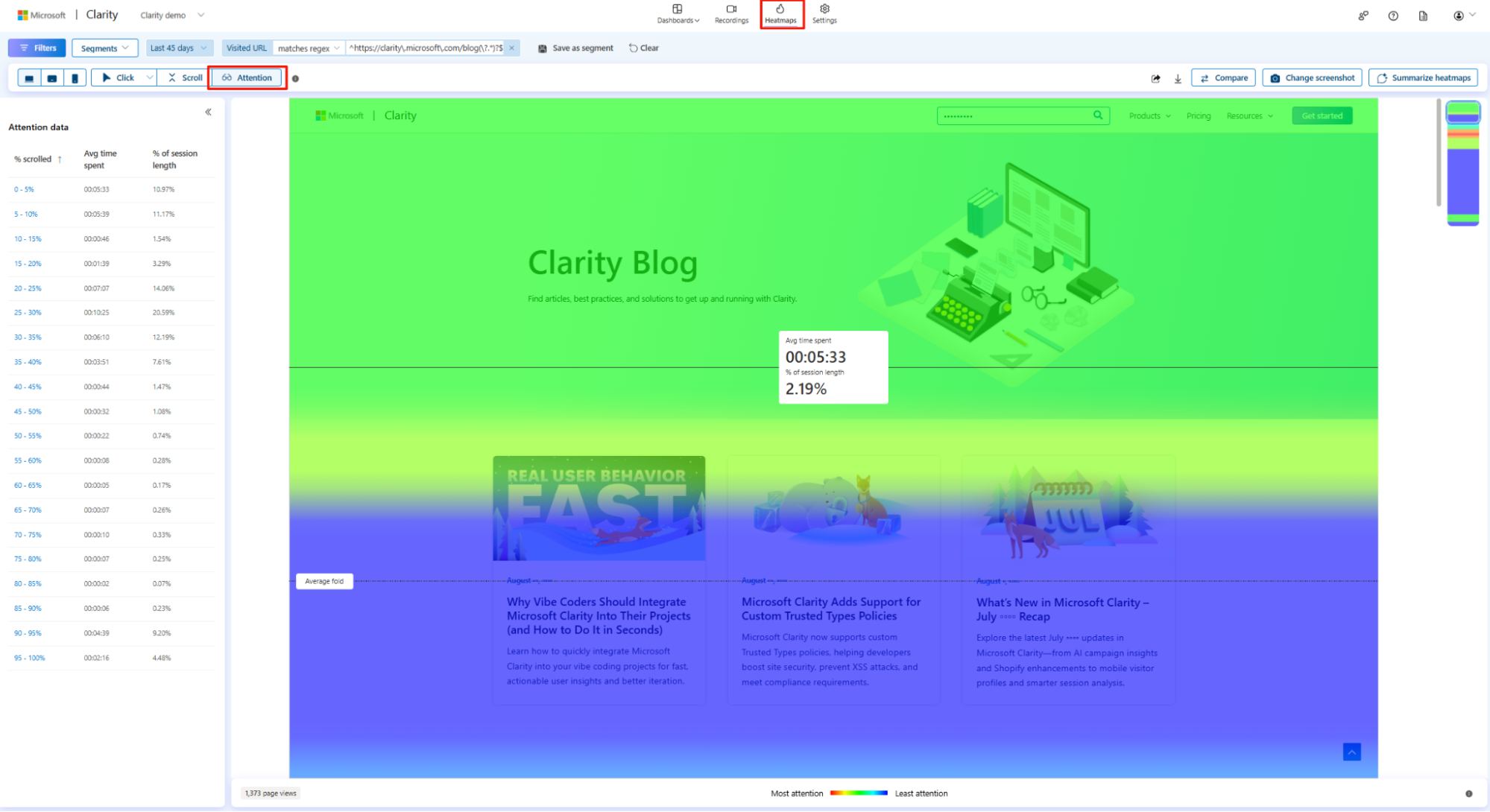
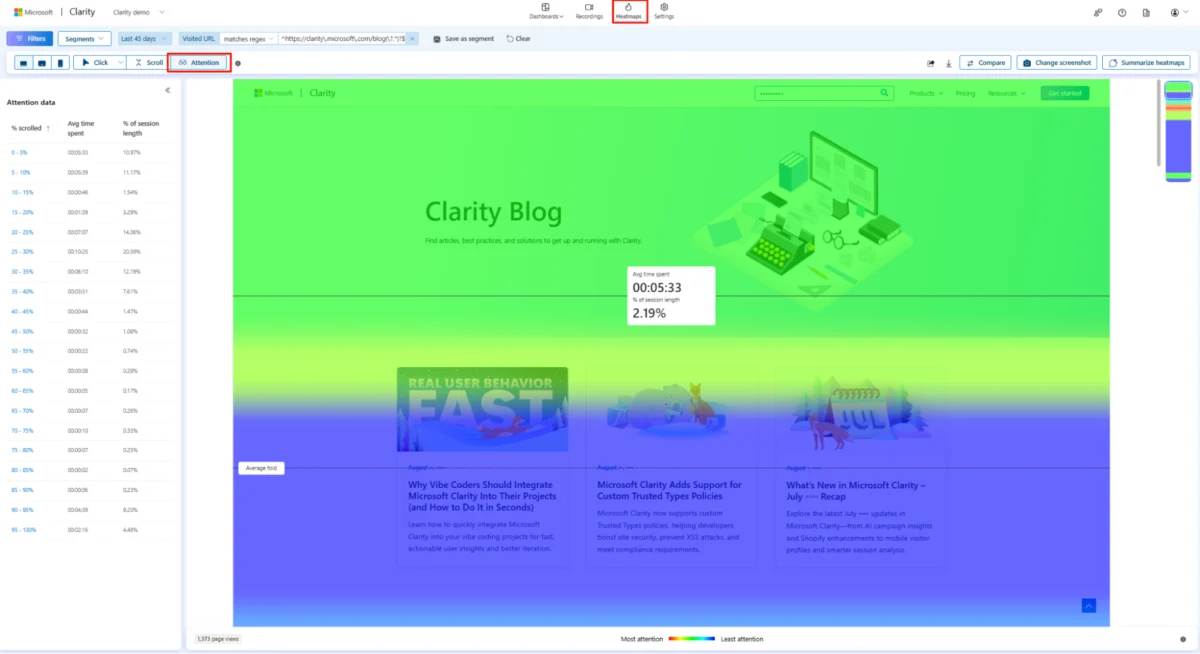
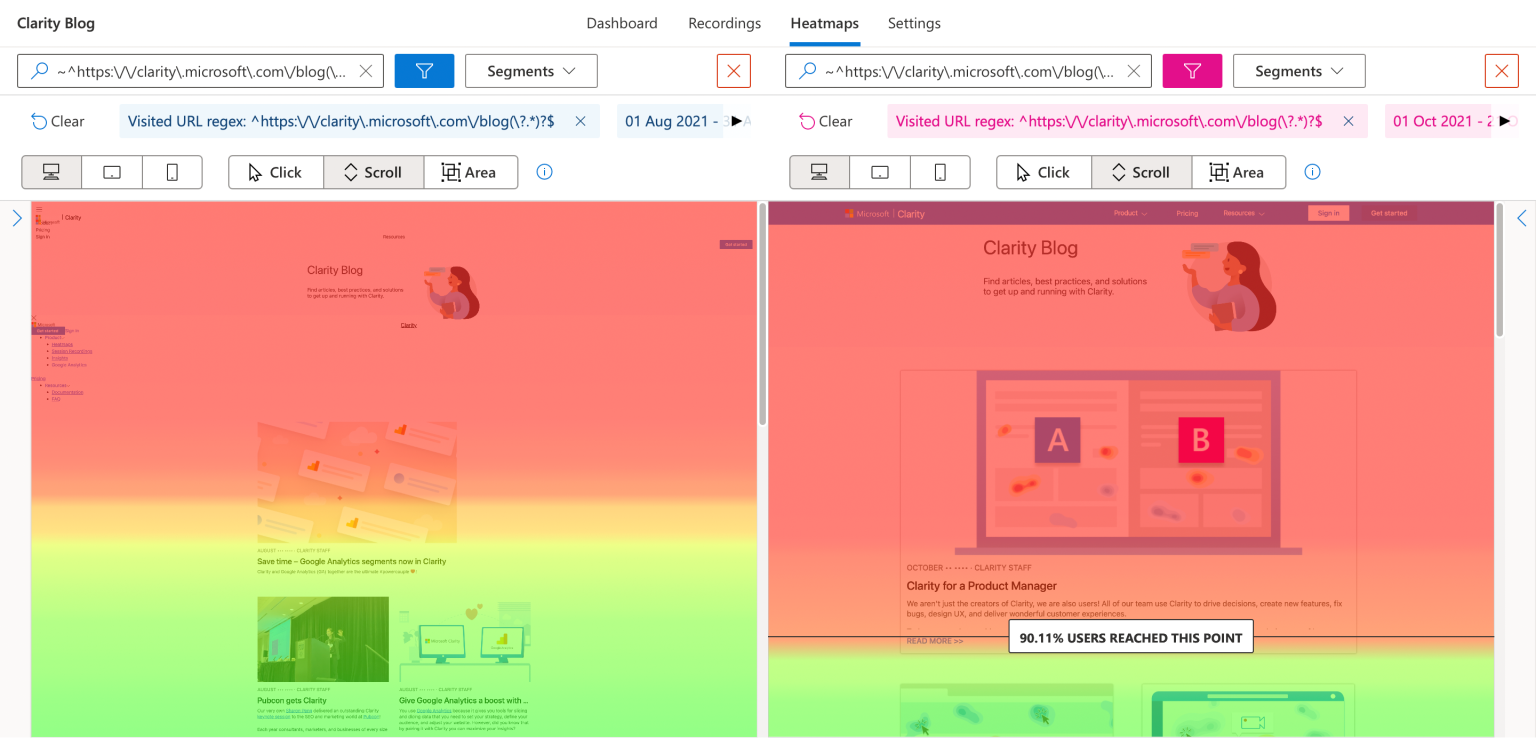
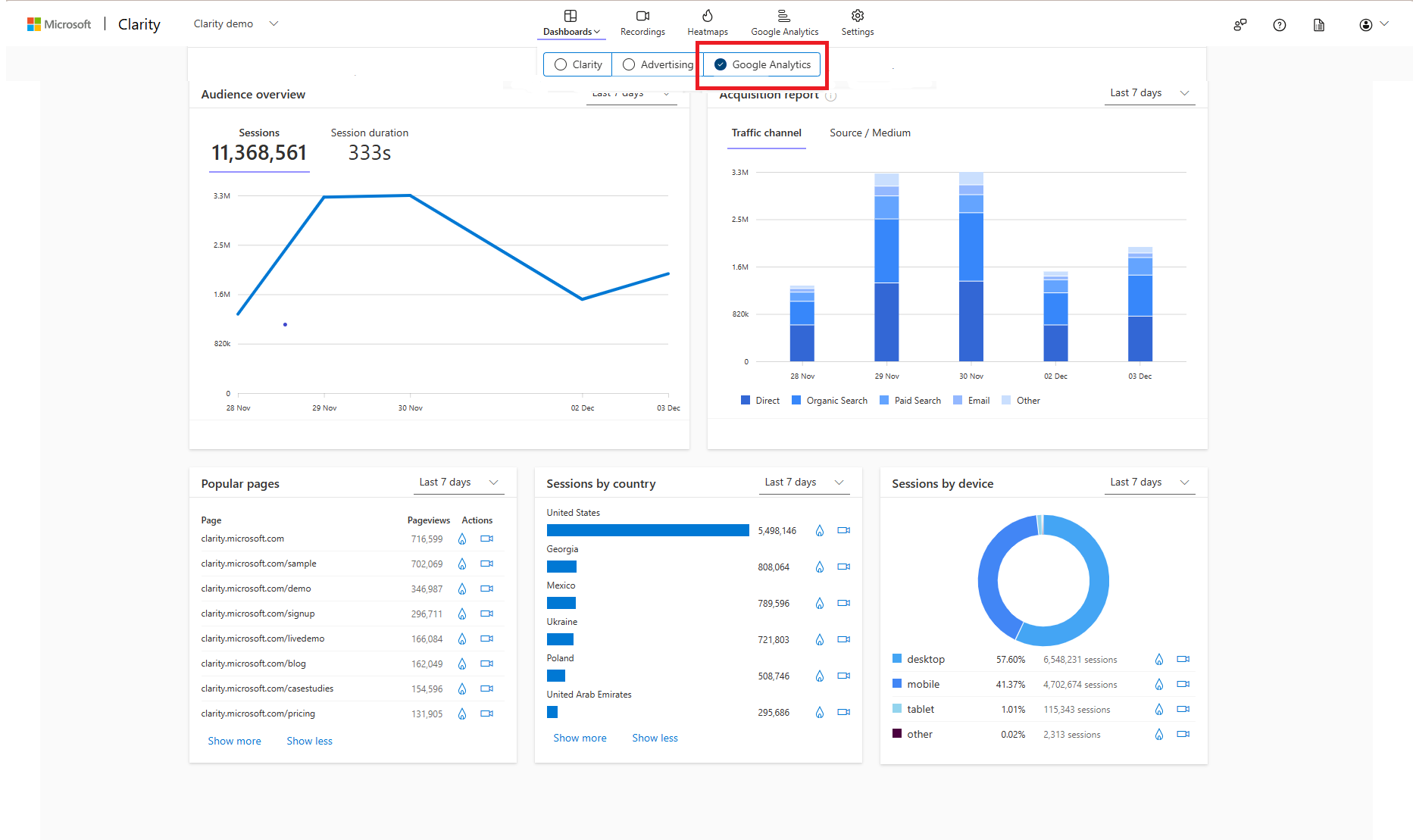
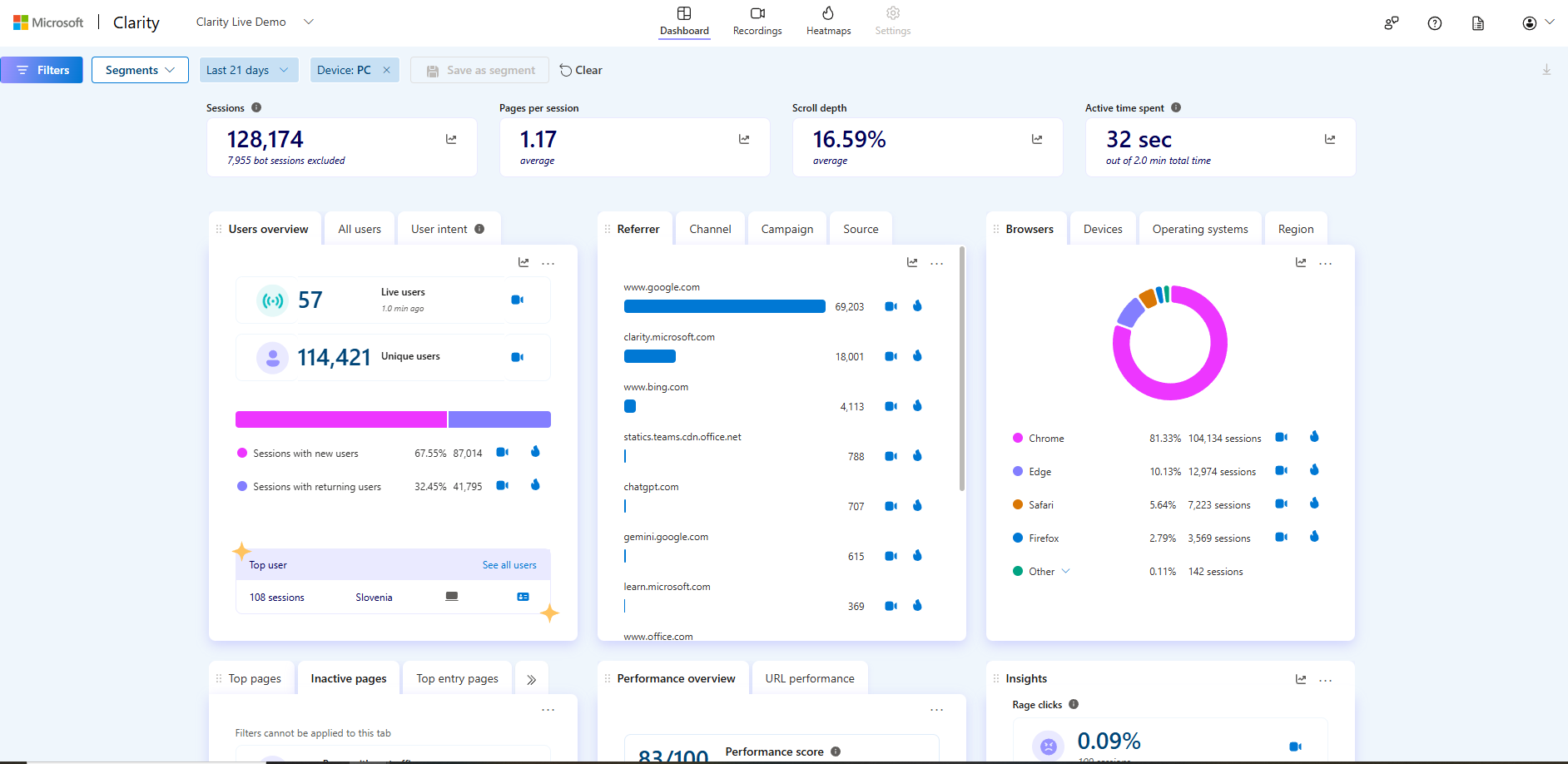
Microsoft Clarity, conversely, focuses on "Attention Maps" and "Engagement Depth." While it lacks the per-click granularity of Crazy Egg’s Confetti view, it excels at showing how far users scroll and where they spend the most time. Clarity’s integration with Google Analytics 4 (GA4) allows users to import segments directly, though it does not provide the same "all-in-one-view" segmentation that Crazy Egg’s proprietary engine offers.
Session Recordings and the Data Retention Dilemma
Session recordings provide a literal view of the user’s journey, capturing mouse movements, clicks, and scrolls. The strategic difference here lies in the balance between volume and longevity.
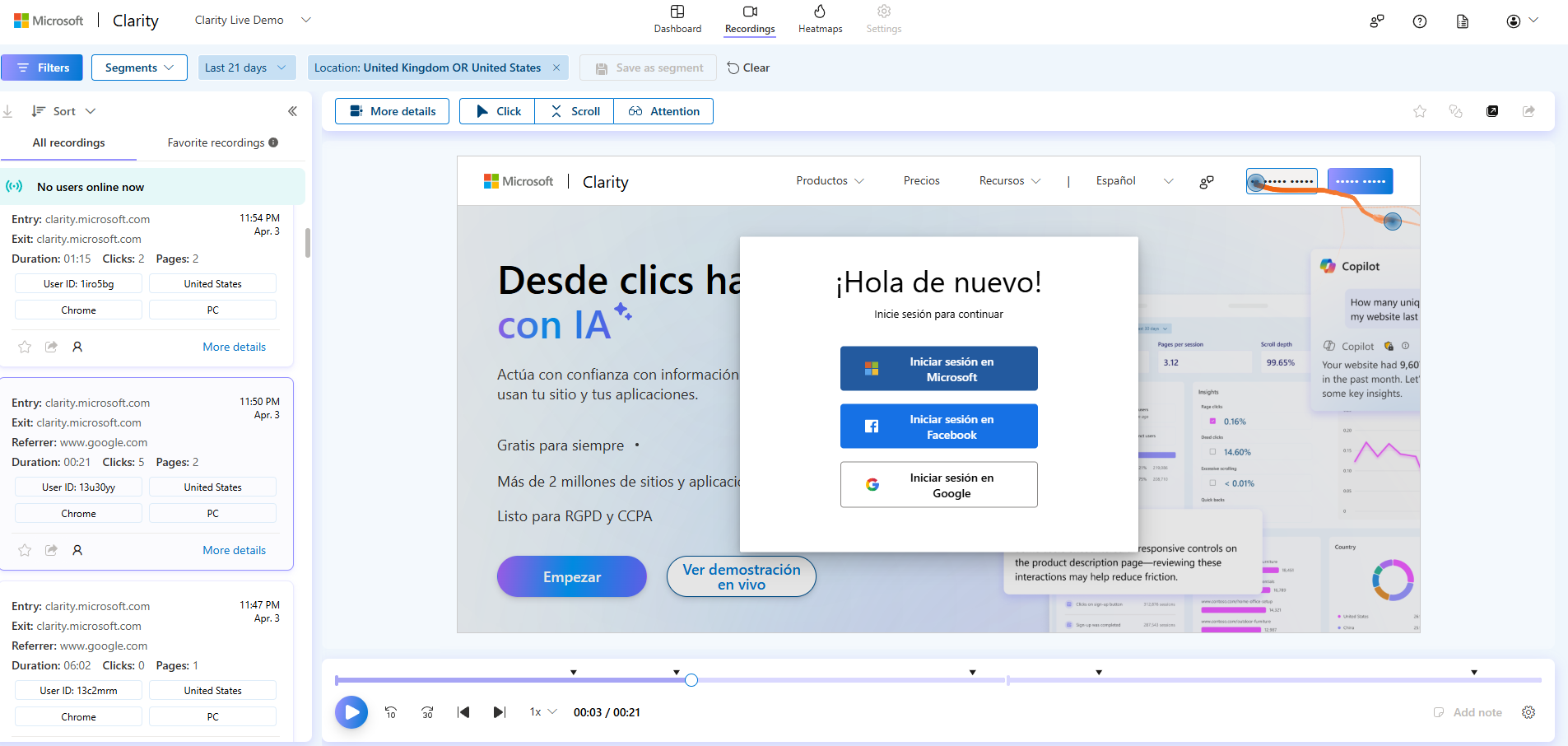
Microsoft Clarity offers an unprecedented volume of data, recording up to 100,000 sessions per project per day with no sampling. This is particularly valuable for high-traffic enterprise sites that need to see every possible interaction. However, Clarity’s standard retention is limited to 30 days. For businesses running long-term experiments or those in industries with long sales cycles, this short window can be a significant hurdle.
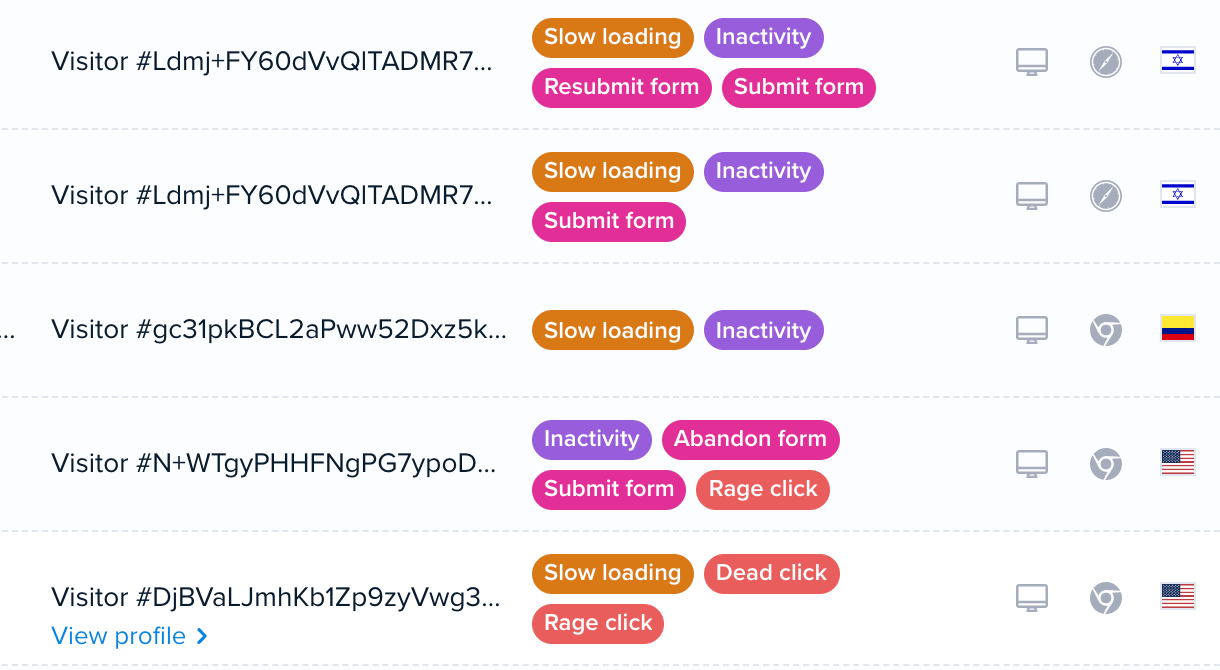
Crazy Egg takes a more curated approach. While it caps recordings based on the subscription plan—ranging from 50 to 10,000 per month—it retains that data for six months to two years. This longevity allows teams to perform year-over-year comparisons or revisit user behavior from a specific marketing campaign months after it has ended. Furthermore, Crazy Egg’s recordings are auto-tagged with behavioral signals like "rage clicks" and "dead clicks," as well as e-commerce events like "add to cart," allowing for faster filtering of the most relevant sessions.
Technical Debugging and Error Tracking
A significant trend in 2024 is the convergence of marketing analytics and technical performance monitoring. Both platforms have introduced JavaScript error tracking, but the depth of information provided serves different audiences.
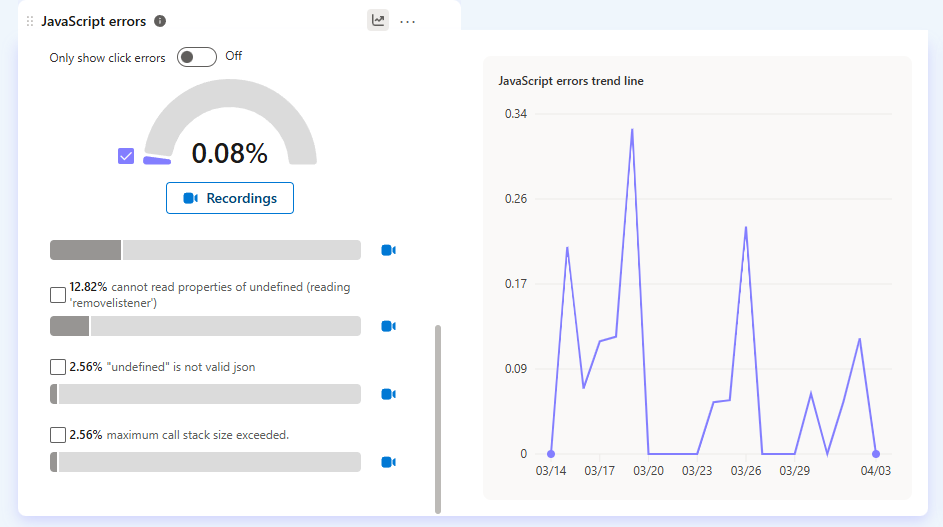
Microsoft Clarity provides an aggregate view of errors, showing counts and trends on a dashboard. This is useful for high-level monitoring to see if a site update has caused a spike in errors. However, it lacks the technical depth required for immediate remediation.
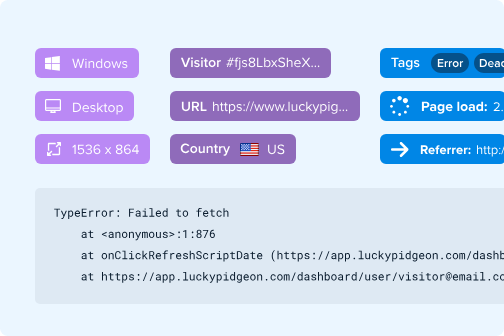
Crazy Egg has positioned itself as a tool for visual debugging. Its error-tracking feature provides full stack traces, browser information, and app versions. Most importantly, it links every error directly to a session recording. A developer can watch exactly what the user was doing at the moment the code failed, effectively eliminating the "cannot reproduce" hurdle in bug fixing. This workflow includes a triage system where errors can be marked as "resolved" or "ignored," mimicking a dedicated bug-tracking software.
The All-in-One Proposition: A/B Testing and Feedback Loops
The most stark divergence between the two platforms is the inclusion of native optimization tools. Crazy Egg is designed as a comprehensive CRO platform, whereas Microsoft Clarity is strictly an analytics tool.
Crazy Egg includes built-in A/B testing with a visual editor, allowing users to make changes to a webpage and test them against the original without writing code. It also offers native surveys with over 50 templates and no-code popup Call-to-Action (CTA) tools. For an SMB or mid-market firm, this consolidated tech stack reduces operational complexity and cost.
Microsoft Clarity does not offer A/B testing or surveys. To achieve a full CRO cycle, a Clarity user must integrate third-party tools such as Optimizely, AB Tasty, or SurveyMonkey. While this allows for a "best-of-breed" approach, it often results in higher total costs and data silos, as the user must jump between different interfaces to connect a "why" (from a survey) to a "what" (from a heatmap).
AI Analysis and the Future of Automated Insights
Artificial Intelligence has become the primary battleground for user behavior platforms. Both companies have integrated Large Language Models (LLMs) to help users process massive amounts of qualitative data.
Microsoft’s "Copilot" provides natural language querying and automated session summaries. A user can ask, "Why are people leaving the checkout page?" and the AI will analyze recordings to provide a summarized answer. It also offers "Topic Insights" to track recurring themes in user behavior.
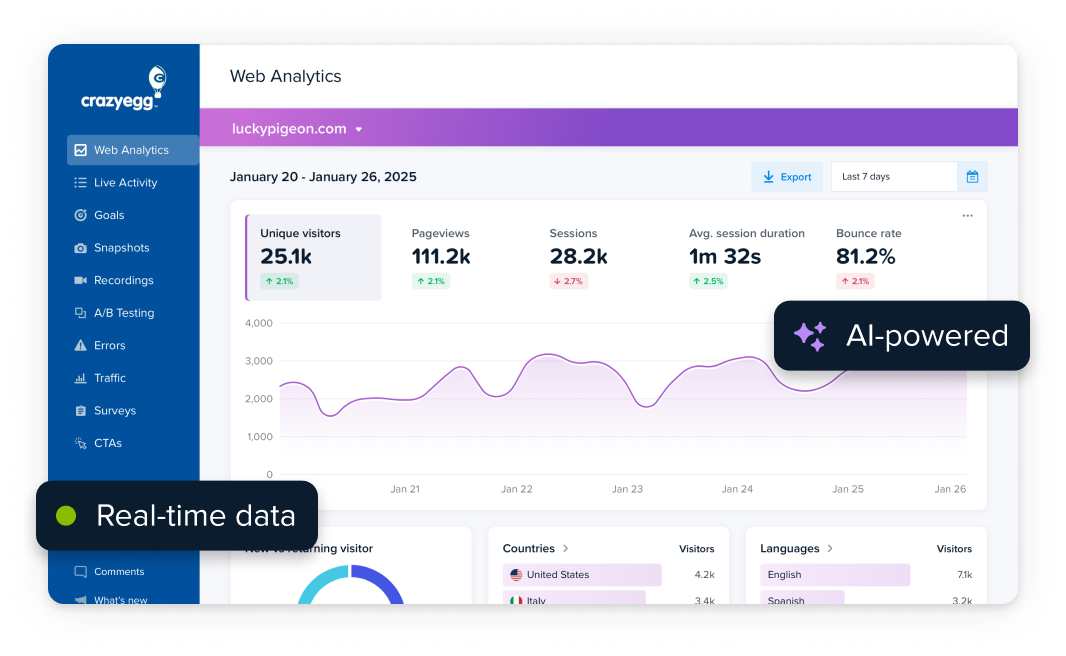
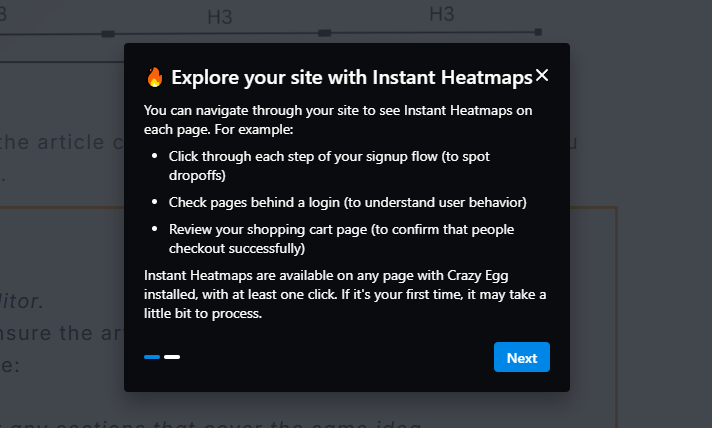
Crazy Egg’s AI runs proactively across heatmaps, recordings, and surveys. It provides "Instant Heatmaps" that auto-generate insights without user prompting. A unique feature in Crazy Egg’s 2024 update is the Model Context Protocol (MCP) connector, which allows users to query their website data directly from external AI tools like Claude, ChatGPT, or Cursor. This enables a more flexible data analysis environment for advanced users who want to integrate their behavioral data into their broader business intelligence workflows.
Economic Impact and Operational Costs
The decision between a free tool and a paid subscription often comes down to a calculation of "Total Cost of Ownership" (TCO). Microsoft Clarity’s $0 price tag is undeniably attractive, particularly for startups and non-profits. Microsoft’s strategy here is likely driven by data ecosystem play—by providing a free tool, they encourage more businesses to stay within the Microsoft/Bing advertising and cloud ecosystem.
However, industry analysts point out that "free" tools can carry hidden operational costs. The lack of priority support means that if a tracking script breaks or a data discrepancy occurs, the user is left to self-troubleshoot via community forums. Crazy Egg’s paid model includes priority support, which can be mission-critical for mid-market companies where website downtime or data loss translates directly to lost revenue. Furthermore, the cost of subscribing to separate A/B testing and survey tools to supplement Clarity often exceeds the monthly cost of an all-in-one Crazy Egg subscription.
Strategic Recommendations and Broader Implications
The competition between Crazy Egg and Microsoft Clarity highlights a broader trend in the SaaS industry: the commoditization of data collection and the premiumization of data interpretation.
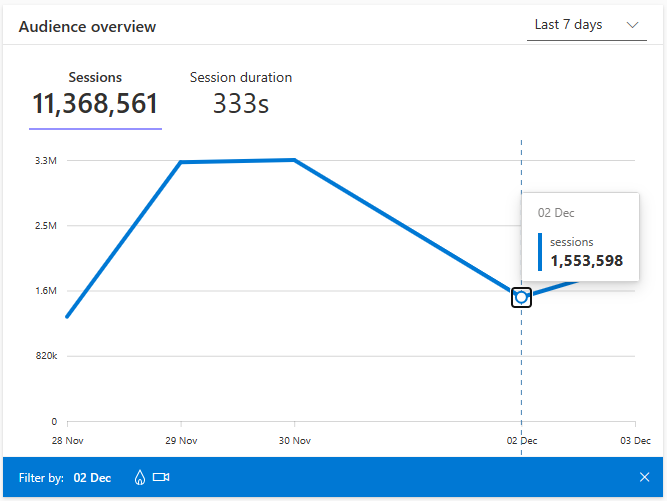
For organizations with limited budgets or those just beginning their CRO journey, Microsoft Clarity provides a low-risk, high-reward entry point. It is particularly well-suited for high-traffic sites that require massive amounts of session recording data and have the internal capacity to integrate and manage multiple third-party tools for testing and feedback.
For SMBs and mid-market marketers who require a streamlined, efficient workflow, Crazy Egg remains the more robust choice. Its ability to handle the entire CRO lifecycle—from identifying a problem via heatmaps to diagnosing it via session recordings, gathering user feedback via surveys, and testing a solution via A/B testing—makes it a powerful "force multiplier" for small teams with limited resources.
As we move further into 2024, the success of these platforms will likely be measured by how well their AI can predict user intent before a "rage click" even occurs. While the tools for seeing what a visitor does are now ubiquitous, the tools for understanding why they do it—and how to change that behavior—remain the true frontier of digital commerce.







