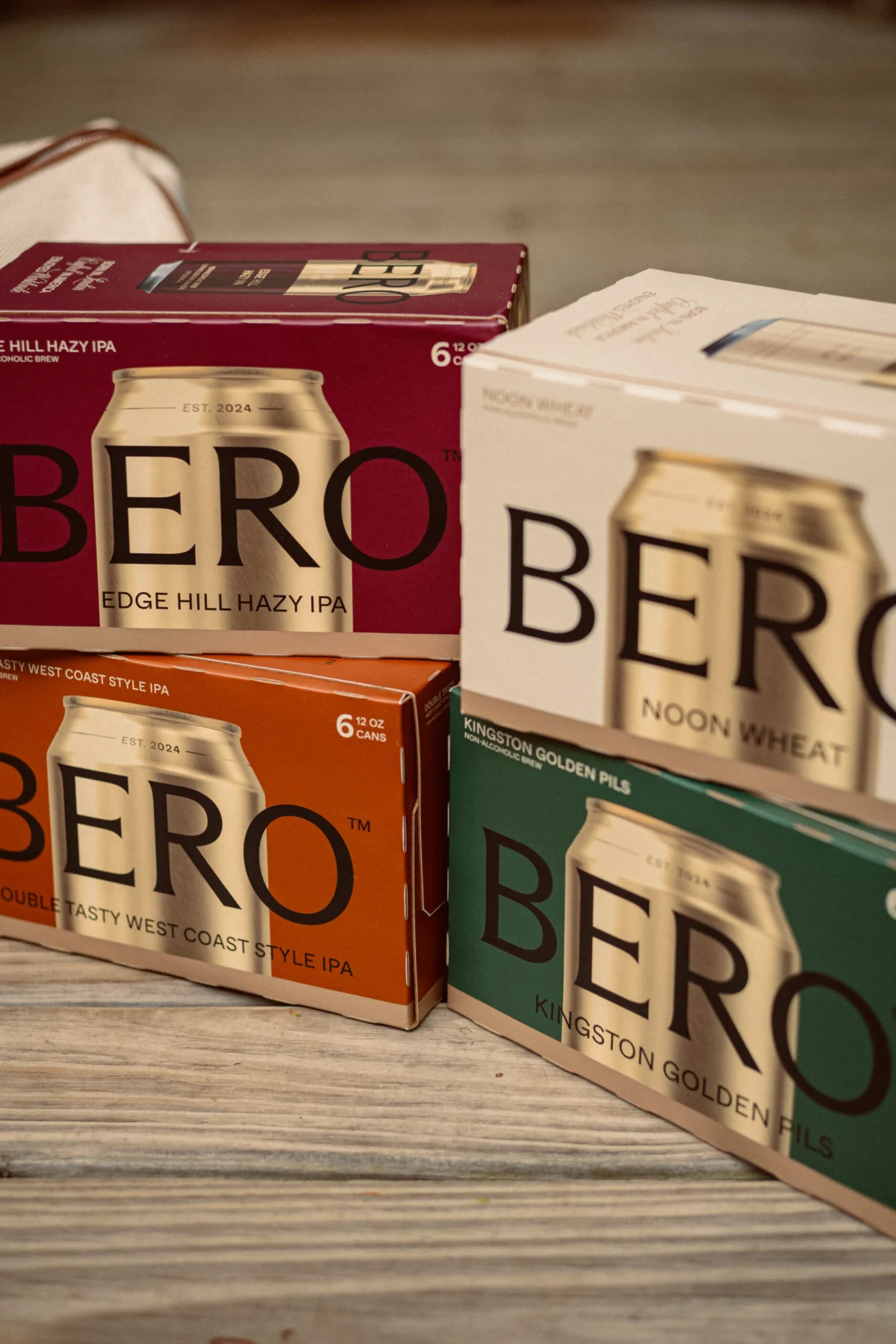
Non-alcoholic beer brand Bero is significantly broadening its market footprint, announcing a substantial expansion into major retail chains including Walmart, Kroger, and Publix. This strategic move is supported by the development of an innovative internal portal designed to streamline business-to-business (B2B) processes, according to Declan Duggan, Bero’s vice president of sales. The brand, which launched its operations in late 2024, has already established a presence in other key retailers such as Target, H.E.B., and Albertsons. The next phase of Bero’s distribution strategy targets the ubiquitous corner store, aiming for widespread availability in these crucial neighborhood hubs.
"You walk down to the corner store, we want to be in that," Duggan stated, underscoring the brand’s commitment to accessibility. "We want to be available because that’s ultimately – there’s, what, 125,000 of those doors out there? They’re pretty unique and independent, but that’s where we all shop. If you live in a major city, we all go to those probably once a day. So, we have to find a way to get into those. And I know other digital networks are popping up to connect the dots with some of these smaller independents now as well."
Duggan anticipates the upcoming year will be a pivotal period for Bero, especially considering that the brand only achieved national distribution across the United States in the preceding months. This recent expansion signifies a maturing phase for the non-alcoholic beverage sector, where brands are increasingly focusing on broad accessibility and sophisticated supply chain management to meet growing consumer demand.
Leveraging AI to Streamline Distribution and Enhance Retailer Collaboration
A cornerstone of Bero’s amplified distribution strategy is its proprietary internal portal, described by Duggan as "very AI-driven." Developed with a foundation based on Anthropic’s Claude 4.6, this portal serves as a centralized hub for Bero’s distributors. It empowers them to efficiently place purchase orders and access a comprehensive digital asset management system. This system ensures that distributors have immediate access to the latest product imagery and marketing materials, crucial for their efforts in securing shelf space and responding to retailer requests, such as Requests for Proposals (RFPs) from large chains.
"We basically allow our distributors to have access to that to go in and place purchase orders for products," Duggan explained. "It also has a digital asset management system in there so that we can upload the latest imagery of the products. If they want to put those [images] on to some of these other tools, then at least we know what’s up there is the latest and greatest and approved. And so they have access to pull those down and use them as they see fit or to submit for a chain’s RFP or something – and they have all the information they need right there."
The inclusion of a robust digital asset management system is particularly significant in the fast-paced retail environment. It ensures brand consistency across all marketing efforts and facilitates smoother onboarding processes with new retail partners. By providing approved, up-to-date visual assets, Bero empowers its distribution network to present the brand professionally and effectively to potential buyers, thereby accelerating the pace of new placements.
Bero’s recent announcement of its expanded presence in Walmart, Kroger, and Publix was accompanied by a statement highlighting that this growing shelf presence "reflects a broader shift in drinking culture as consumers increasingly seek elevated non-alcoholic options." This observation aligns with broader market trends indicating a sustained increase in the consumption of non-alcoholic beverages across various demographics. Data from market research firms consistently shows a growing consumer preference for healthier and more mindful consumption, driving demand for sophisticated alternatives to traditional alcoholic beverages. For instance, reports from Nielsen indicate a significant year-over-year growth in the non-alcoholic beverage category, often outpacing the growth of their alcoholic counterparts.
As part of this expanded retail collaboration, Bero plans to engage with these new partners on several key initiatives. These include in-store sampling programs designed to introduce consumers directly to the product, targeted retail media initiatives leveraging the retailers’ advertising platforms, and creator partnerships to generate authentic brand engagement. These multifaceted approaches are designed to drive trial, build brand awareness, and foster consumer loyalty within the highly competitive grocery and mass retail channels.
Reflecting on the brand’s second year of selling at Target, Duggan emphasized the importance of active engagement and investment to drive consumer demand. "Show up and spend some money and drive that consumer for them too," he urged. This proactive approach involves not only product placement but also dedicated marketing efforts to ensure that Bero products are discovered and purchased by shoppers. The sharing of marketing tools and assets with retailers, mirroring the practice with distributors, is a critical component of this strategy. Providing retailers with easy access to Bero’s latest imagery and brand assets helps to reinforce brand credibility and visual appeal on the shelves, a crucial factor in attracting consumer attention.
Tapping into the On-Premise Channel: Bars and Restaurants as Key Growth Drivers
Beyond the off-premise retail sector, Bero identifies bars and restaurants as another significant channel for growth. This strategic focus is informed by evolving consumer behaviors and preferences within the hospitality industry. Duggan pointed to data indicating that approximately one-third of patrons in bars and restaurants in the U.K. are now choosing alcohol-free options. Furthermore, a substantial two-thirds of adults report that non-drinkers influence venue selection within their social groups. These figures underscore a growing societal shift towards inclusivity and the increasing importance of catering to non-alcoholic preferences in social settings.
"When I see something like that in a channel like bars and restaurants, I think: How does that apply to the digital world as well?" Duggan mused. "Because they’re still making decisions like that. … All it’s telling me is that the non-alc beer drinker has become more important to every retailer. You have to expand that portfolio, you have to have choices for them, or they’re just going somewhere else, digitally or otherwise."
The on-premise channel is particularly valuable for Bero as it serves as a critical touchpoint for consumers to discover and experience new products in a relaxed, social environment. Duggan highlighted that these settings are ideal for encouraging trial, as consumers are often more open to experimenting with new beverages while socializing and enjoying themselves. A positive experience with Bero in a bar or restaurant setting can create a favorable brand association, potentially leading to repeat purchases both within the hospitality sector and in off-premise channels, whether online or in brick-and-mortar stores.
Bero’s strategy in this segment focuses on "opening up the day" for consumers, encouraging them to integrate non-alcoholic beverages into a wider range of occasions beyond simply substituting traditional beer. The brand aims to position its products as suitable for moments such as lunch or casual daytime gatherings, thereby expanding the perceived utility and consumption occasions for non-alcoholic beer. This approach seeks to normalize the consumption of non-alcoholic beverages throughout the day, moving beyond the traditional evening or social event association.
Market Dynamics and Future Outlook for Non-Alcoholic Beverages
The rapid expansion of brands like Bero into major retail outlets and their strategic use of technology reflect a broader transformation within the beverage industry. The non-alcoholic beverage market has transitioned from a niche segment to a significant category driven by evolving consumer health consciousness, a growing preference for moderate alcohol consumption, and a desire for sophisticated beverage options that do not compromise on taste or experience.
The success of Bero’s distribution strategy, particularly its focus on both mass retail and independent corner stores, addresses the diverse shopping habits of consumers. The emphasis on digital tools for B2B interactions, such as the AI-powered portal, is a forward-thinking approach that enhances efficiency and transparency in the supply chain. This is crucial for brands looking to scale rapidly and maintain strong relationships with distributors and retailers alike.
Furthermore, Bero’s engagement with retailers on co-marketing initiatives, including sampling and media partnerships, indicates a sophisticated understanding of modern retail dynamics. These collaborations are essential for driving incremental sales and building brand equity in a crowded marketplace. The data cited regarding the influence of non-drinkers on venue selection in the U.K. also points to a significant demographic shift that brands across the globe are increasingly recognizing. This growing segment of consumers actively seeking alcohol-free alternatives presents a substantial opportunity for brands that can offer quality, variety, and accessibility.
The brand’s commitment to offering non-alcoholic options for various occasions, from lunch to social gatherings, aligns with a broader trend towards "mindful drinking" and a more inclusive approach to social consumption. As more consumers seek to reduce their alcohol intake without sacrificing the social enjoyment of a beverage, the demand for well-crafted non-alcoholic alternatives is expected to continue its upward trajectory. Bero’s strategic positioning and technological investments appear well-aligned to capitalize on this ongoing market evolution, signaling a promising future for the non-alcoholic beer category as a whole. The company’s proactive approach to distribution, B2B support, and consumer engagement suggests a well-rounded strategy designed for sustained growth in this dynamic market.