The creator economy continues its rapid expansion, with platforms like Etsy and Fourthwall emerging as key players in empowering independent creators and small businesses to reach their audiences online. While both offer avenues for selling products, they cater to different stages of a creator’s journey and brand development. Etsy, a well-established marketplace, excels at connecting creators with a vast existing customer base, particularly for unique, handmade, and vintage items. However, as creators mature and aim to build lasting brands, platforms like Fourthwall offer a more robust ecosystem for comprehensive brand building and direct audience engagement.
Recent reports indicate significant growth in the creator commerce space. For instance, Pattern by Etsy, a platform designed to help sellers build their own branded websites, has reportedly grown by 44% in the last eighteen months, underscoring the increasing demand for tools that offer creators more autonomy. This growth highlights a fundamental shift: while marketplaces provide initial traction, creators increasingly seek greater control over their online presence, audience relationships, and product offerings to foster long-term brand sustainability.
In this evolving landscape, Fourthwall presents itself as a compelling alternative for creators ready to transition beyond the confines of a traditional marketplace. It offers a more integrated approach, allowing creators to establish their own branded stores, sell a diverse range of products from custom print-on-demand items to digital goods and memberships, and benefit from comprehensive support, including assistance with tax obligations. Understanding the nuances of each platform is crucial for creators looking to make informed decisions about their e-commerce strategy.
Fourthwall vs. Etsy: A Strategic Overview
For nascent creators with a compelling product and a clear understanding of market demand, Etsy remains an excellent starting point. Its primary advantage lies in its immense built-in traffic, estimated to reach over 86 million active buyers. This accessibility allows new sellers to gain visibility quickly and manage administrative overhead efficiently, making it an ideal launchpad.
However, the long-term vision for a brand often necessitates a more personalized and controlled online environment. This is where Fourthwall distinguishes itself. It is positioned as a full-fledged brand-building ecosystem, offering creators the ability to establish a distinct online identity with a custom domain, fully customizable store design, and direct ownership of customer data. This is particularly beneficial for creators who have cultivated an audience through social media or other channels and are ready to consolidate their brand presence and expand their product lines beyond the curated offerings typically found on Etsy.
Understanding the Platforms: Etsy and Fourthwall
At their core, Etsy and Fourthwall operate on fundamentally different models, despite both facilitating online sales.
Etsy: The Creative Marketplace
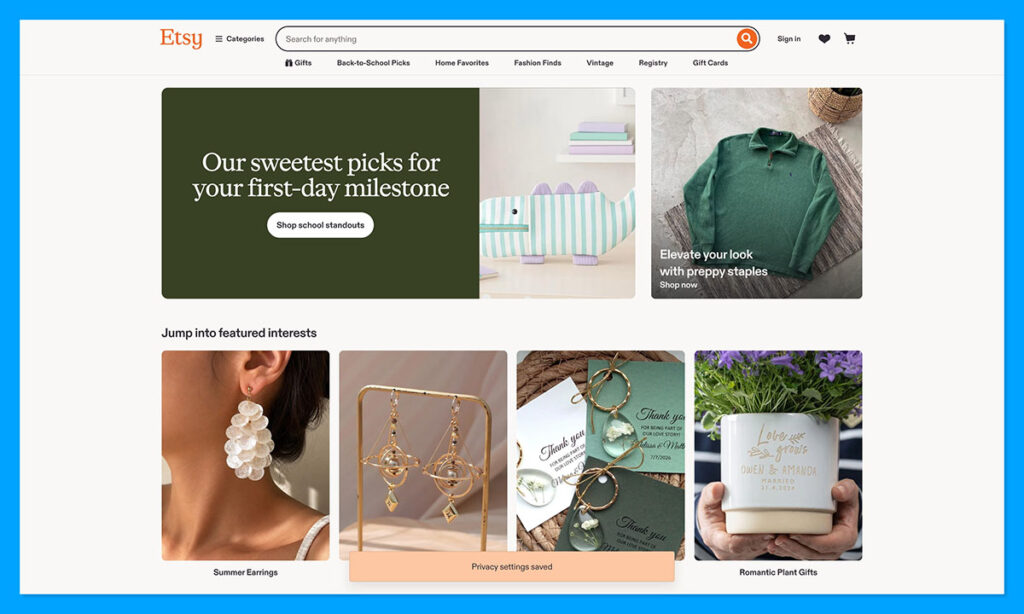
Etsy functions as a vast marketplace where individual sellers can establish mini-shops to showcase and sell specific items. The platform is renowned for its focus on handmade goods, vintage items, and craft supplies. The appeal for sellers lies in the immediate access to a large, pre-existing pool of buyers actively searching for unique products. With over 86 million buyers frequenting the platform, Etsy offers unparalleled discovery potential. However, this comes at the cost of less control over the store’s identity and the customer journey. Sellers operate within Etsy’s established framework, facing significant competition from thousands of other vendors, which can make brand differentiation challenging.
Fourthwall: The Brand-Building Ecosystem
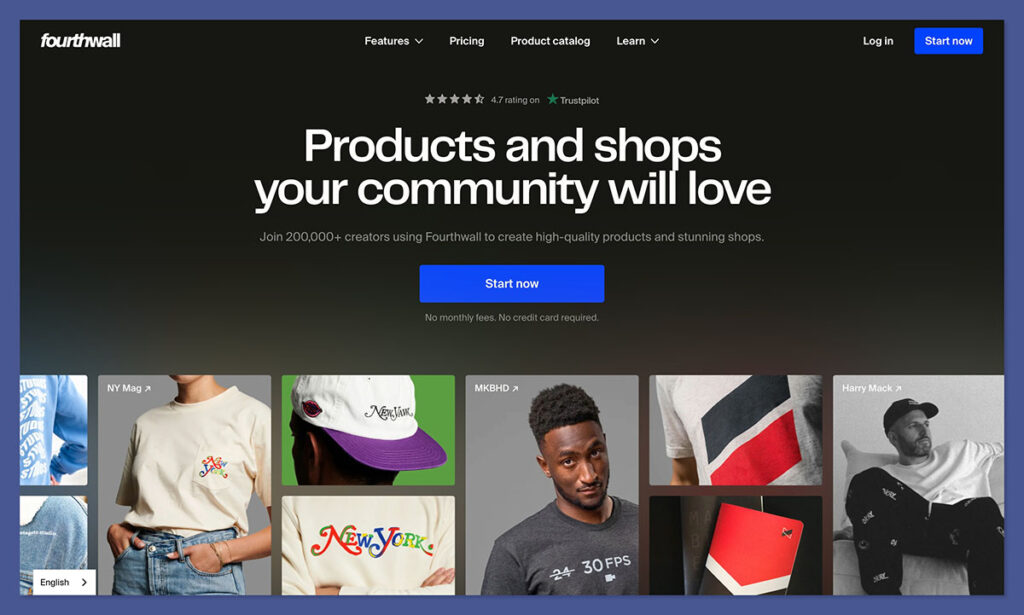
In contrast, Fourthwall is engineered as a comprehensive brand-building platform. It empowers creators to construct their own independent online stores, complete with custom domains and full branding capabilities. Sellers can offer a diverse array of products, including custom print-on-demand (POD) merchandise, self-sourced physical goods, digital products, and even membership subscriptions. Fourthwall streamlines many operational aspects, such as acting as the Merchant of Record, which simplifies tax compliance and customer service for POD products. This model prioritizes the seller’s brand identity and fosters a direct relationship with their audience.
A Comparative Look: Key Differentiators
| Feature | Fourthwall | Etsy |
|---|---|---|
| Platform Model | Full Brand-Building Ecosystem | Marketplace for Creative Products |
| Built-in Buyer Traffic | No | Yes |
| Custom Domain | Yes | No |
| Store Design | Completely customizable website | Limited branding options within Etsy’s structure |
| Physical Products | POD or seller’s own stock | Approved creative products (handmade, vintage, craft) |
| Digital Products | Yes | Yes, within category rules |
| Memberships/Video | Yes | No |
| Customer Data | Available to Seller | Owned by Etsy |
| Fulfillment | Fourthwall for POD, or seller/partner options | Seller or designated production partners |
| Support | POD customer support, Merchant of Record | Seller handles CS; Etsy can act as Merchant of Record |
Pricing Structures and the True Cost of Doing Business
Both Fourthwall and Etsy offer accessible entry points, but their fee structures and overall cost implications differ significantly, impacting a creator’s profitability.
Fourthwall: Predictable Costs and Value
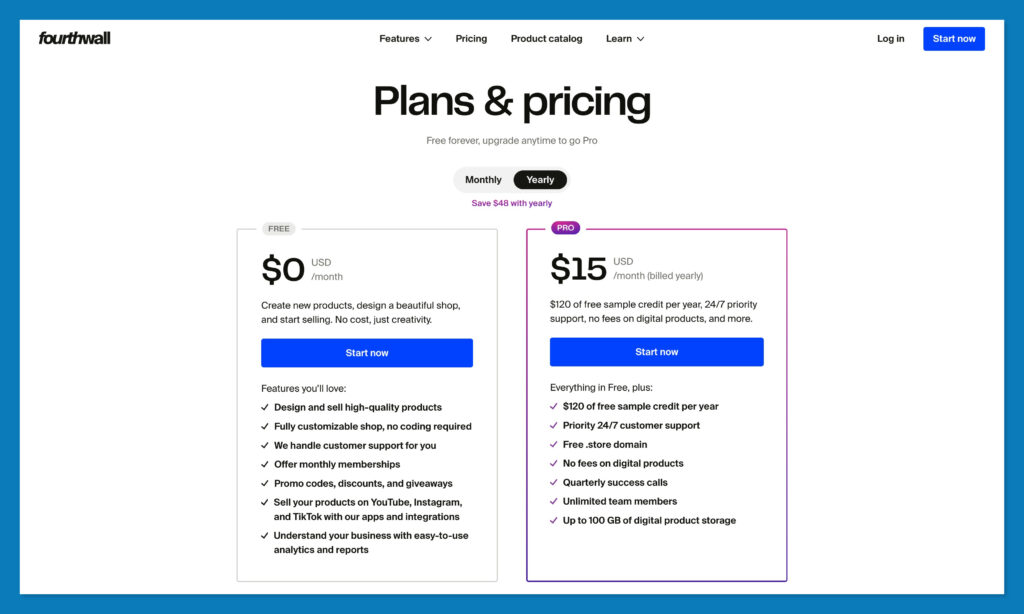
Fourthwall’s pricing is designed for scalability and ease of budgeting. The platform offers a free plan, which is ideal for creators just starting. This plan allows selling physical products with zero selling fees, though nominal fees apply to digital products and memberships. The "Pro" plan, priced at $19 per month or $180 annually ($15 per month equivalent), unlocks a suite of advanced features. This includes a complimentary .store domain, removal of fees on digital products, unlimited team members, increased digital product storage, a monthly credit for product samples, and priority customer support. Crucially, the Pro plan offers a complete e-commerce store system, providing significant value compared to standalone website builders that might incur separate costs for similar functionality.
Etsy: Transactional Fees and Marketplace Exposure
Etsy’s fee structure is more complex and transactional. While opening a shop is free, each product listing incurs a $0.20 fee. Upon sale, a 6.5% transaction fee is applied to the total sale price, including shipping. Additionally, a payment processing fee of 3% plus $0.25 is charged for each transaction. For creators listing a high volume of products, Etsy Plus offers a $10 monthly subscription that provides listing credits and advertising credits, but it still operates within the marketplace model. Etsy’s Pattern service, at $15 per month, allows for a branded website but retains marketplace-like limitations in terms of audience building. The core value proposition of Etsy’s fees is access to its vast buyer traffic, a resource Fourthwall does not inherently provide.
Storefronts, Discovery, and Audience Ownership
The fundamental difference in platform models directly impacts how creators can present their brands and interact with their customers.
Etsy: Visibility within a Crowded Space
Etsy’s primary strength is its built-in discovery engine. Creators leverage Etsy’s existing customer traffic, essentially renting space within a bustling digital bazaar. While sellers can customize their shop banners, product arrangements, and shop sections, the overall aesthetic and customer experience remain largely dictated by Etsy’s platform. This limits the ability to create a truly unique brand identity. Furthermore, Etsy retains ownership of customer data, making it difficult for creators to build direct mailing lists or engage customers beyond the platform’s messaging system.
Fourthwall: Building a Branded Digital Home
Fourthwall provides creators with the tools to build their own branded digital storefronts. With a custom domain and a no-code website builder, creators have complete control over the design, layout, and overall user experience. This allows for a cohesive brand presentation that extends across all aspects of the online store. More significantly, Fourthwall ensures that customer data is owned by the creator. This empowers sellers to nurture direct relationships through newsletters, social media engagement, and targeted marketing campaigns, fostering brand loyalty and repeat business.
Product Versatility and Expansion
A key advantage for Fourthwall lies in its expansive product catalog and the flexibility it offers creators in diversifying their revenue streams.
Fourthwall: A Multi-Faceted Offering
Fourthwall excels in product versatility. Creators can seamlessly integrate custom print-on-demand merchandise from Fourthwall’s curated catalog, minimizing initial investment and logistical complexities. Beyond POD, creators can source and sell their own physical inventory, develop and sell digital products (e.g., e-books, templates, software), and even launch membership programs offering exclusive content, such as HD video courses. Fourthwall also supports features like community donations and has introduced tools for selling video memberships with analytics on user engagement. This integrated approach allows creators to experiment and expand their offerings without needing to migrate to different platforms.
Etsy: Curated and Restricted Offerings
Etsy’s product guidelines are more restrictive, emphasizing its "human touch" ethos. Allowed items include handmade goods, original designs, vintage items (over 20 years old), and craft supplies. Digital products are permitted if they align with these categories. While print-on-demand is an option, Etsy requires sellers to disclose their production partners and ensure the designs are original or customer-provided. The platform does not support membership models or recurring digital subscriptions, limiting creators looking to build diversified income streams.
Support Systems and Operational Assistance
The level of operational support provided by a platform can significantly impact a creator’s efficiency and focus.
Fourthwall: Comprehensive Operational Support
Fourthwall offers robust support, especially for creators utilizing its print-on-demand services. When a customer has an issue with a POD product, Fourthwall’s team can often handle direct resolution. Furthermore, Fourthwall facilitates the dispatch of catalog orders for POD items, removing a significant logistical burden from the seller. The platform also assists in finding suppliers for custom products and acts as the Merchant of Record, managing sales tax collection and remittance. Premium support is available through the Pro plan, including success calls.
Etsy: Seller-Driven Support with Platform Assistance
Etsy provides self-help resources and customer support, but sellers are primarily responsible for managing their customer service and production partnerships. While Etsy can act as the Merchant of Record, simplifying tax compliance, the operational execution of order fulfillment and customer issue resolution largely falls on the seller.
Technological Advancements and AI Integration
Both platforms are actively investing in technology to enhance the creator experience, with a notable focus on artificial intelligence.
Fourthwall: AI for Business Operations
Fourthwall’s AI assistant is designed to be a proactive business tool. It can generate promotional campaigns, adjust product pricing across collections, analyze sales data, and even adapt a single design to a wider range of products. Additional recent updates include custom gift card options, crowdfunding features through a Throne partnership, and a Design Community for finding reliable merch partners.
Etsy: AI for Marketplace Efficiency and Reach
Etsy’s AI initiatives are primarily geared towards improving the marketplace experience for both buyers and sellers. Its AI assistant focuses on seller support, offering insights and efficiency tools. Recent updates to the Seller app include improved order filtering and buyer history access. Notably, Etsy is integrating its products into AI shopping experiences like ChatGPT, Gemini, and Copilot, expanding discoverability. AI tools are also being used to suggest listing attributes, optimize titles, and draft seller messages.
Conclusion: Choosing the Right Path for Your Brand
The choice between Fourthwall and Etsy hinges on a creator’s current stage, audience size, and long-term brand aspirations.
Etsy: The Ideal Starting Point
For emerging creators who possess a strong product but lack a substantial audience, Etsy remains the preeminent platform. Its built-in traffic ensures that unique, handmade, or vintage items can quickly find interested buyers. The ease of use and low administrative burden make it an accessible entry point into e-commerce. The continuous improvements to the Etsy platform, including enhanced seller tools and expanded reach through AI integrations, further solidify its position as a valuable marketplace for initial growth.
Fourthwall: The Foundation for Brand Building
Fourthwall emerges as the superior choice for creators who have already cultivated an audience or possess a clear strategy for driving traffic to their own platforms. It offers the infrastructure to build a lasting brand, complete with custom branding, direct customer ownership, and diversified product offerings. Fourthwall is not merely a sales channel; it is a comprehensive ecosystem designed to support the growth and evolution of a creator’s business.
A Hybrid Approach: Leveraging Both Platforms
Many successful creators adopt a dual-platform strategy, utilizing Etsy as a discovery engine to introduce their products to new audiences, while simultaneously directing their core audience to their Fourthwall store for direct sales and a more personalized brand experience. This approach allows creators to benefit from Etsy’s traffic while retaining better profit margins and customer data from their own channels.
Ultimately, Etsy serves as an excellent "start with" platform, facilitating initial market entry and product validation. Fourthwall, conversely, is the platform that can "grow with you," providing the scalable infrastructure and brand control necessary for long-term success in the competitive creator economy.
Frequently Asked Questions
Is Fourthwall cheaper than Etsy?
The cost-effectiveness depends on the creator’s sales volume and product type. Fourthwall’s absence of listing and transaction fees on physical products can lead to lower operational costs, especially for merchandise. Etsy’s fee structure, while providing access to buyers, accumulates with each listing and sale, including a 6.5% transaction fee, a $0.20 listing fee, and payment processing charges. For creators with an established audience driving their own traffic, Fourthwall generally offers better long-term value.
Is Fourthwall free to use?
Yes, Fourthwall offers a free plan that allows creators to build a store, sell print-on-demand products, run memberships, and accept donations without a monthly subscription fee. Fees apply to digital products (5%) and memberships (5%), and the base cost of POD items is passed through. The Pro plan, at $19/month or $180/year, eliminates the digital product fee, includes a free .store domain, unlimited team members, sample credits, and priority support.
Does Fourthwall bring you traffic like Etsy does?
No, this is a critical distinction. Fourthwall does not provide built-in buyer traffic. All visitors to a Fourthwall store are driven by the creator’s own marketing efforts across channels like social media, email newsletters, or content platforms. Etsy, conversely, offers a significant advantage with its pre-existing, large user base actively browsing for products.
Can you sell print-on-demand products on Etsy?
Yes, but with specific requirements. Designs must be original or customer-provided, and production partners must be disclosed. Etsy emphasizes originality and a "human touch," discouraging generic, mass-produced items. Fourthwall offers a more streamlined and flexible approach to selling POD products within one’s own branded store.
Can you sell memberships or digital subscriptions on Etsy?
No, Etsy does not support membership models or recurring digital subscriptions. While it allows for some digital product sales within its defined categories, it lacks the functionality for ongoing content delivery or subscription-based revenue streams, which Fourthwall fully supports.
Who owns the customer data, you or the platform?
On Etsy, the platform largely controls customer relationships and data, making it difficult to build direct marketing lists. Fourthwall, however, ensures that creators own their customer data, enabling direct engagement through newsletters, social media, and re-marketing efforts, which is fundamental for brand building.
Do Fourthwall and Etsy handle sales tax for you?
Both platforms can act as your Merchant of Record, which means they take on the responsibility of collecting and remitting sales tax on orders. This feature is highly beneficial for creators, alleviating the complexity of tax compliance.
Should you use Etsy and Fourthwall at the same time?
Yes, many creators find success using both platforms concurrently. Etsy can serve as an effective channel for product discovery and reaching new customers, while the Fourthwall store caters to the creator’s established audience, offering better margins and direct customer relationships.
Is it worth moving from Etsy to Fourthwall?
Transitioning to Fourthwall is advisable once a creator has a reliable method for driving traffic independent of marketplace discovery. While direct migration of buyers is not possible due to platform ownership of customer data, many creators operate both stores simultaneously, gradually shifting focus to their Fourthwall store as their own audience grows.