

Landing pages stand as pivotal tools in the digital marketing landscape, serving as standalone web pages meticulously crafted with a singular objective: compelling visitors to undertake a specific action. Unlike conventional website pages laden with navigation options and myriad distractions, a landing page distills focus, presenting a solitary call to action (CTA). The efficacy of such a page is intrinsically linked to its design, which must be precisely tailored to the desired outcome. For instance, a page engineered to collect email addresses necessitates a different structural and content approach than one designed to facilitate a product sale, or a page promoting a webinar versus one announcing a pre-launch. The misapplication of a landing page type is frequently cited as a primary contributor to underperformance in marketing campaigns.
The Foundational Role of Landing Pages in Digital Marketing
The strategic importance of landing pages in contemporary marketing strategies is undeniable. Research conducted by AWeber indicates that over 90% of small business owners leveraging landing pages deem them either important or very important to their marketing endeavors. This statistic underscores a widespread consensus within the business community regarding their critical function. The prevailing challenge for businesses is not whether to integrate landing pages into their strategy, but rather discerning the appropriate type for a given objective and the optimal timing for its deployment. This complexity highlights a growing need for clear guidance and efficient tools, especially as digital competition intensifies.
Historically, as digital advertising evolved, marketers recognized the inefficiency of driving traffic directly to homepages or general product catalogs. These broad-stroke destinations, while informative, offered too many choices, diluting user focus and diminishing conversion rates. The advent of landing pages provided a surgical solution, creating dedicated pathways for specific campaigns and audiences, thereby maximizing the return on advertising spend and organic efforts. This evolution parallels the increasing sophistication of user behavior analysis, which continually emphasizes the power of a streamlined, goal-oriented user journey.
Understanding the Spectrum: A Deep Dive into Landing Page Types

The diverse array of marketing objectives has given rise to a corresponding variety of landing page types, each optimized for a distinct purpose:
1. Webinar Landing Page
A webinar registration page is specifically designed to promote an upcoming virtual event and gather attendee sign-ups. Key information conveyed typically includes the webinar’s subject matter, the presenter’s expertise, the scheduled date and time, and a compelling articulation of the value proposition for attendees. Effective webinar pages prioritize the benefits participants will gain, such as "You’ll walk away knowing exactly how to set up your first email automation," over extensive presenter biographies. The latter, while valuable for credibility, should follow the primary case for attendance. This approach aligns with consumer psychology, which prioritizes personal gain and problem-solving.
- Strategic Purpose: To maximize registration for live or recorded webinars by clearly communicating value.
- Effectiveness: Pages leading with transformative outcomes often achieve higher conversion rates, as visitors are primarily interested in "what’s in it for me."
- Optimal Use Cases: Essential for any business hosting webinars, providing a dedicated channel to drive and track sign-ups.
2. Ebook Landing Page
An ebook landing page is a specialized destination crafted to promote and distribute an electronic book. Its function is to inform potential readers about the ebook’s content and benefits, ultimately leading to a purchase or download. This type of page has become particularly popular among aspiring entrepreneurs seeking to bypass traditional publishing routes, enabling direct sales and distribution.
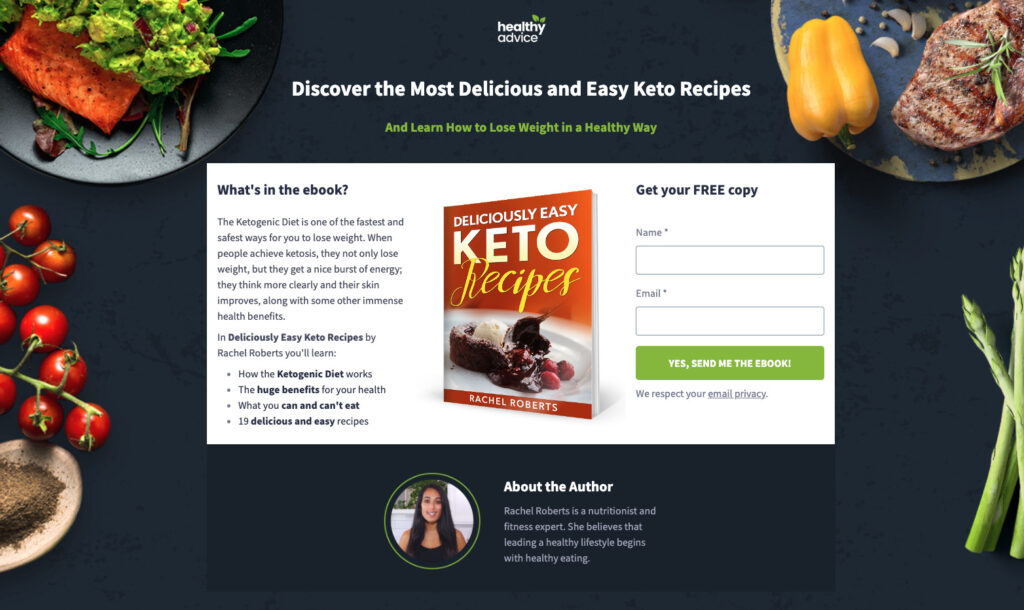
- Strategic Purpose: To monetize digital content (ebooks) or use them as a lead magnet to expand an email subscriber list.
- Effectiveness: Offers a direct channel for content creators to reach their audience, bypassing intermediaries and often serving as a highly effective lead generation tool when offered for free in exchange for contact details.
- Optimal Use Cases: Ideal for authors, consultants, and businesses creating in-depth digital guides, either for sale or as a valuable resource to attract new leads.
3. Ecommerce Landing Page
Distinct from a general product catalog, an ecommerce landing page zeroes in on a single product or a highly specific product category. Its primary function is to convert traffic originating from a particular source, such as a paid advertisement. Directing traffic from a paid ad to a dedicated ecommerce landing page typically yields superior conversion rates compared to routing it to a general homepage or broad shop page, as it removes extraneous choices. These pages are characterized by prominent product imagery, clear pricing, a compelling call to action, social proof (e.g., customer reviews), and concise answers to common purchase-related inquiries.
- Strategic Purpose: To streamline the purchase journey for specific products, especially when driven by targeted advertising campaigns.
- Effectiveness: By eliminating alternative choices and focusing on a single offer, these pages significantly reduce decision fatigue, leading to higher conversion rates.
- Optimal Use Cases: Indispensable for businesses running paid advertising campaigns for specific products or seeking to highlight a particular offer with campaign-specific messaging.
4. Lead Magnet Landing Page
A lead magnet landing page offers a valuable resource—such as an ebook, template, checklist, free course, or toolkit—in exchange for a visitor’s email address. Unlike simpler lead capture pages, the perceived value of the content itself is the primary draw. A successful lead magnet page emphasizes the tangible outcome or solution the visitor will gain from the resource, rather than focusing on the brand behind it.
- Strategic Purpose: To build a highly targeted email list by offering immediate, valuable content.
- Effectiveness: The offer acts as the primary conversion driver; when the resource genuinely addresses a pain point, visitors perceive the email exchange as fair value.
- Optimal Use Cases: Perfect for businesses aiming to quickly grow an audience already interested in their niche, providing a natural entry point into the sales funnel.
5. Squeeze Page
A squeeze page represents the minimalist extreme of a lead capture page. Its sole mission is to acquire an email address. Characterized by a concise headline, one or two sentences of copy, an email input field, and a button, it deliberately omits lengthy descriptions or detailed benefit lists. The distinction from standard lead capture pages lies in its singular request: only an email address. This extreme brevity aims to minimize decision fatigue.
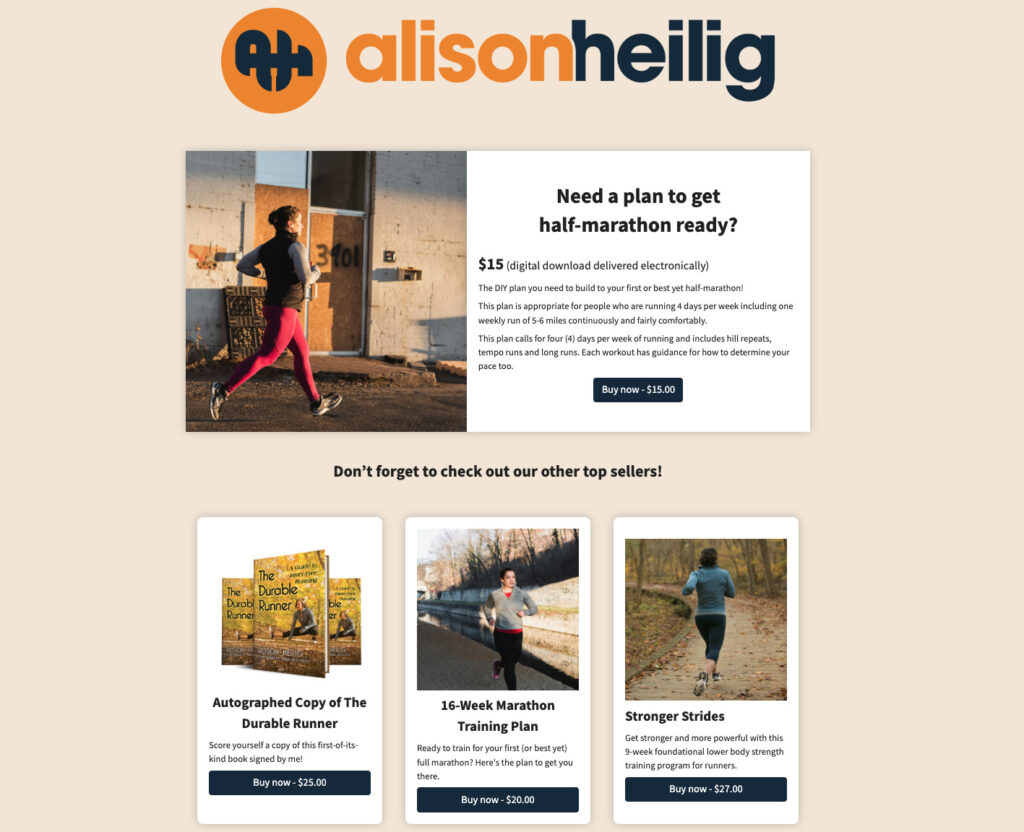
- Strategic Purpose: To achieve maximum lead capture efficiency with minimal friction, particularly effective for cold traffic from paid ads.
- Effectiveness: Its stripped-down design removes almost all reasons for hesitation, leading to higher opt-in rates and lower cost per lead in paid campaigns.
- Optimal Use Cases: Ideal for paid advertising where cost-per-lead is critical, or for quickly capturing emails from an already warm and familiar audience.
6. Podcast Landing Page
A podcast landing page is dedicated to promoting a specific podcast show or episode, offering listeners a clear path to subscribe or join an email list for updates. This strategy is vital because podcast distribution platforms (e.g., Spotify, Apple Podcasts) control audience access. By moving listeners onto an email list, creators establish a direct communication channel, independent of algorithmic changes or platform visibility limitations.
- Strategic Purpose: To convert passive listeners into owned subscribers, fostering a direct relationship beyond streaming platforms.
- Effectiveness: Enables direct communication for new episode announcements, bonus content, and product promotions, building a resilient audience asset.
- Optimal Use Cases: Crucial for podcasters seeking to build a loyal audience and diversify their reach beyond platform-dependent metrics.
7. PPC Landing Page
A Pay-Per-Click (PPC) landing page is meticulously crafted for paid search traffic. Its design prioritizes "message match," meaning it precisely mirrors the keywords or ad copy that brought the visitor to the page. For example, an ad for "email newsletters for restaurants" should direct users to a page specifically addressing that niche, not a generic email marketing overview. This alignment is not only crucial for user experience but also influences Google’s Quality Score, potentially leading to lower costs per click and improved ad rankings.
- Strategic Purpose: To optimize paid advertising spend by ensuring extreme relevance between the ad and the landing page content.
- Effectiveness: Protects advertising investment by fulfilling the ad’s promise, driving higher conversion rates, and improving ad platform quality scores.
- Optimal Use Cases: Mandatory for every paid search advertising campaign, with each ad group or keyword theme ideally having its own tailored landing page.
8. Thank You Page
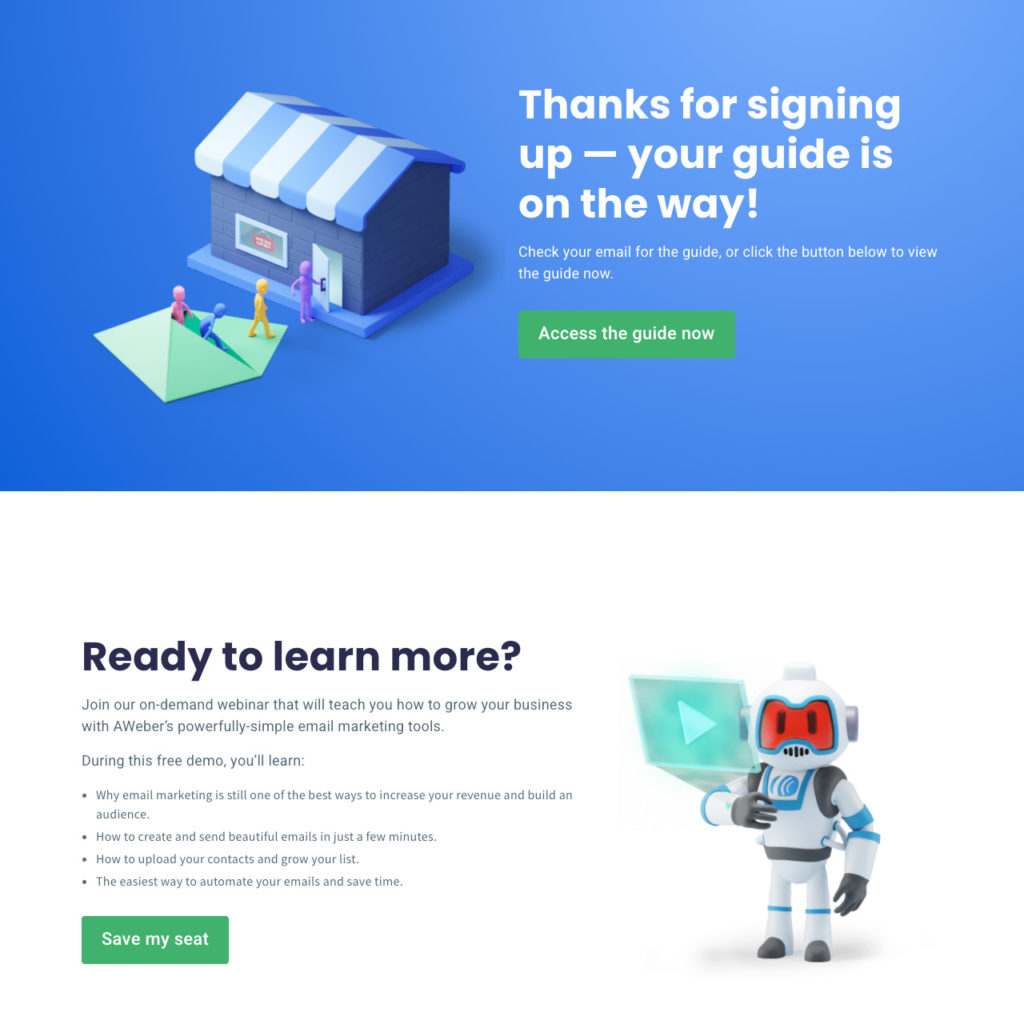
A thank you page appears immediately after a visitor completes a conversion action—whether it’s signing up, downloading content, or making a purchase. Its primary roles are to confirm the successful completion of the action and guide the user on the next steps. Often underestimated, thank you pages offer a unique opportunity to engage visitors at their peak interest. This moment is ripe for offering related resources, inviting further interaction (e.g., booking a call), or presenting an upsell or cross-sell opportunity.
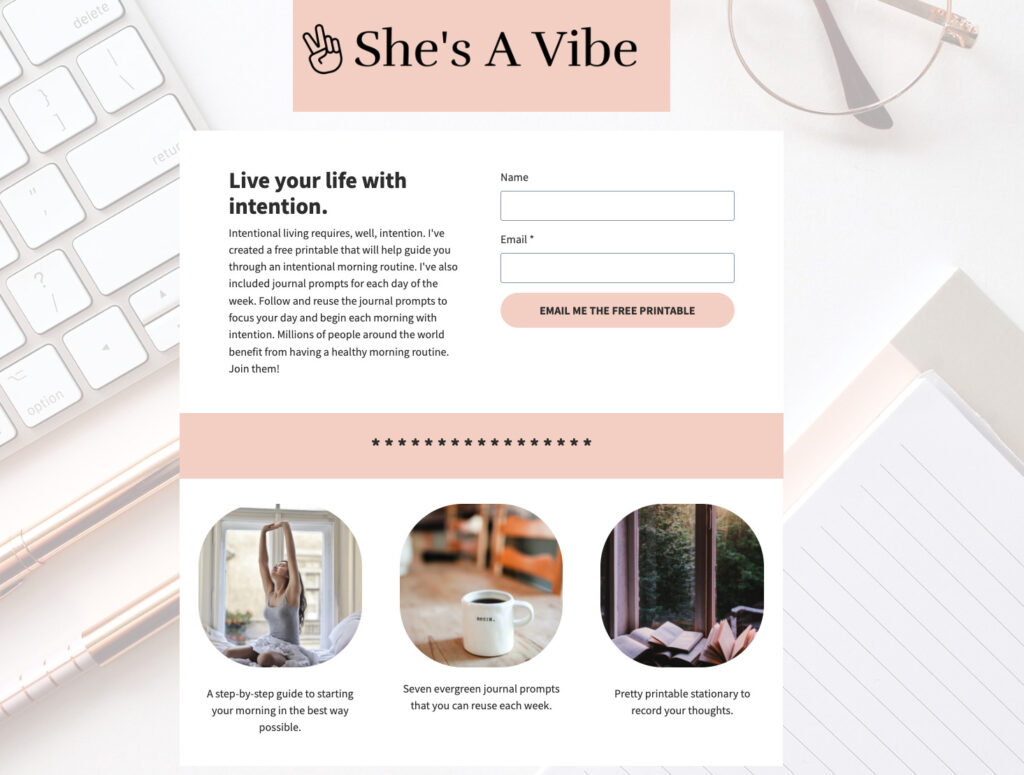
- Strategic Purpose: To confirm successful conversion and leverage peak user engagement for secondary actions or further nurturing.
- Effectiveness: Capitalizes on a visitor’s immediate "buy-in" to drive additional conversions, whether through upsells, social media follows, or deeper engagement.
- Optimal Use Cases: Essential after every form submission, purchase, or sign-up, transforming a single conversion into a potential multi-step journey.
9. Video Landing Page
A video landing page employs video as the predominant medium for delivering its core message. The video content can vary widely, from product demonstrations and customer testimonial reels to short explanatory animations. While supporting text is present, it serves to complement rather than replace the video.
- Strategic Purpose: To convey complex information, build trust, and establish a personal connection more effectively than text alone.
- Effectiveness: Video often removes hesitation by showcasing products or services in action, building trust faster, and is particularly effective for high-ticket items or offers that rely on personality and credibility.
- Optimal Use Cases: Best utilized when the offer is inherently visual, the target audience responds well to video content, or when the goal is to forge a strong personal connection before requesting a conversion.
10. Link-in-Bio Landing Page
A link-in-bio page is a centralized hub, a single web page containing multiple clickable links. Designed to circumvent the limitation of many social media platforms (e.g., Instagram, TikTok, X) that typically permit only one clickable link in a profile bio, this page serves as a comprehensive directory. It can direct followers to a newsletter sign-up, product pages, the latest content, or a booking calendar, all from a single URL.
- Strategic Purpose: To maximize the utility of the single link allowed in social media bios, offering followers a gateway to all relevant online destinations.
- Effectiveness: Transforms a restrictive social media environment into a multi-pathway engagement opportunity, allowing followers to access all desired content and offers.
- Optimal Use Cases: Indispensable for individuals and businesses with an active presence on visually-driven social platforms, enabling them to convert followers into subscribers or customers.
11. Pre-Launch Landing Page
A pre-launch landing page is strategically deployed to cultivate anticipation and gauge demand for a product, service, or feature before its official release. Its primary function is to collect email addresses from interested individuals who wish to be notified upon launch. This serves a dual purpose: building an early audience and validating market interest, providing crucial data before significant resource allocation.
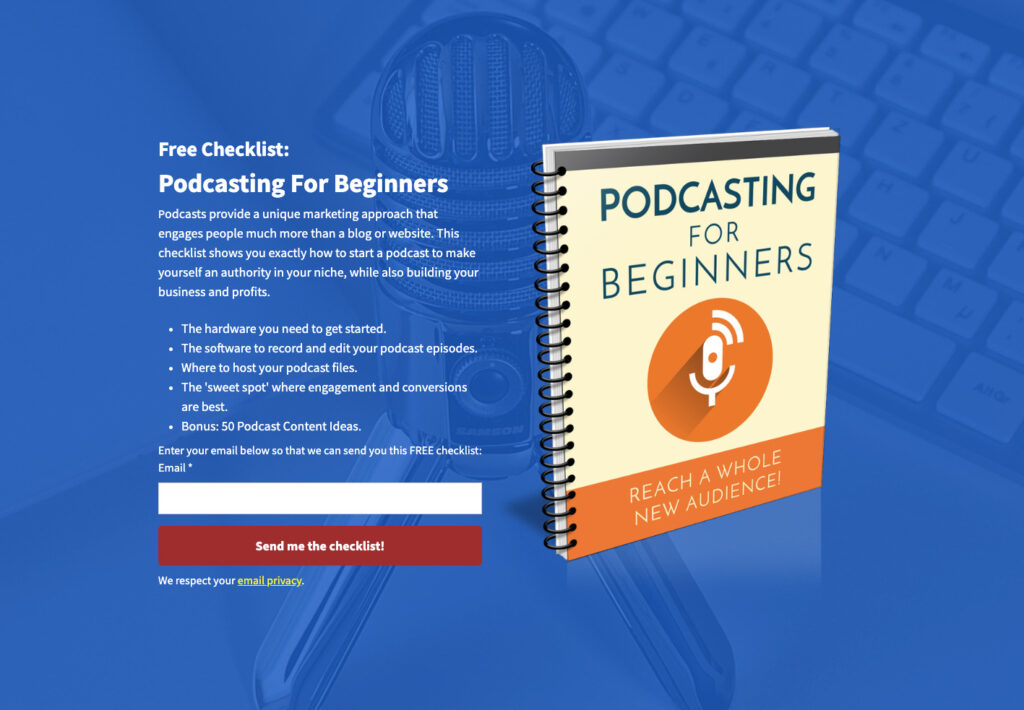
- Strategic Purpose: To generate early interest, build an engaged audience for launch day, and validate product-market fit before full development.
- Effectiveness: A list of early opt-ins provides tangible evidence of demand, allowing businesses to adjust strategies or even pivot before major investment.
- Optimal Use Cases: Essential before any significant product or service launch, transforming nascent interest into a ready-to-activate customer base.
12. Facebook Landing Page
A Facebook landing page is specifically optimized for traffic originating from Facebook advertisements or a Facebook profile. Its overarching goal is to convert social media followers into email subscribers or direct buyers. Given that platforms like Facebook control content visibility and algorithmic reach, migrating followers to an owned email list provides a direct, algorithm-immune communication channel.
- Strategic Purpose: To convert "rented" social media audience reach into "owned" audience assets (email subscribers).
- Effectiveness: Builds a durable audience asset, insulating businesses from platform changes and enabling direct, consistent communication.
- Optimal Use Cases: Critical for businesses running Facebook ads or actively seeking to build an email list from their social media following.
13. Lead Capture Landing Page
A lead capture landing page is fundamentally designed to collect contact information—typically an email address, and sometimes a name—in exchange for a valuable incentive. This incentive can be a free guide, a checklist, a discount code, or access to an exclusive webinar. The exchange is straightforward: the visitor receives a valuable resource, and the business acquires a new lead for its email list.
- Strategic Purpose: To systematically grow an email list by offering a direct value exchange for contact information.
- Effectiveness: Functions as a highly reliable list-building tool, with conversion rates often increasing as the number of requested fields decreases.
- Optimal Use Cases: The most common and versatile landing page type for any small business prioritizing email list growth.
14. Click-Through Landing Page
Unlike other types that aim for immediate conversion (e.g., sign-up or purchase), a click-through landing page does not request any information upfront. Its sole purpose is to "warm up" the visitor, building interest and confidence, before prompting them to click through to a subsequent purchase or sign-up page. These pages often sit between an initial advertisement and a final checkout or registration form. They provide an intermediate step where visitors can delve deeper into an offer without the pressure of an immediate commitment. Common formats include free trial offers, detailed product walkthroughs, or feature comparison charts.
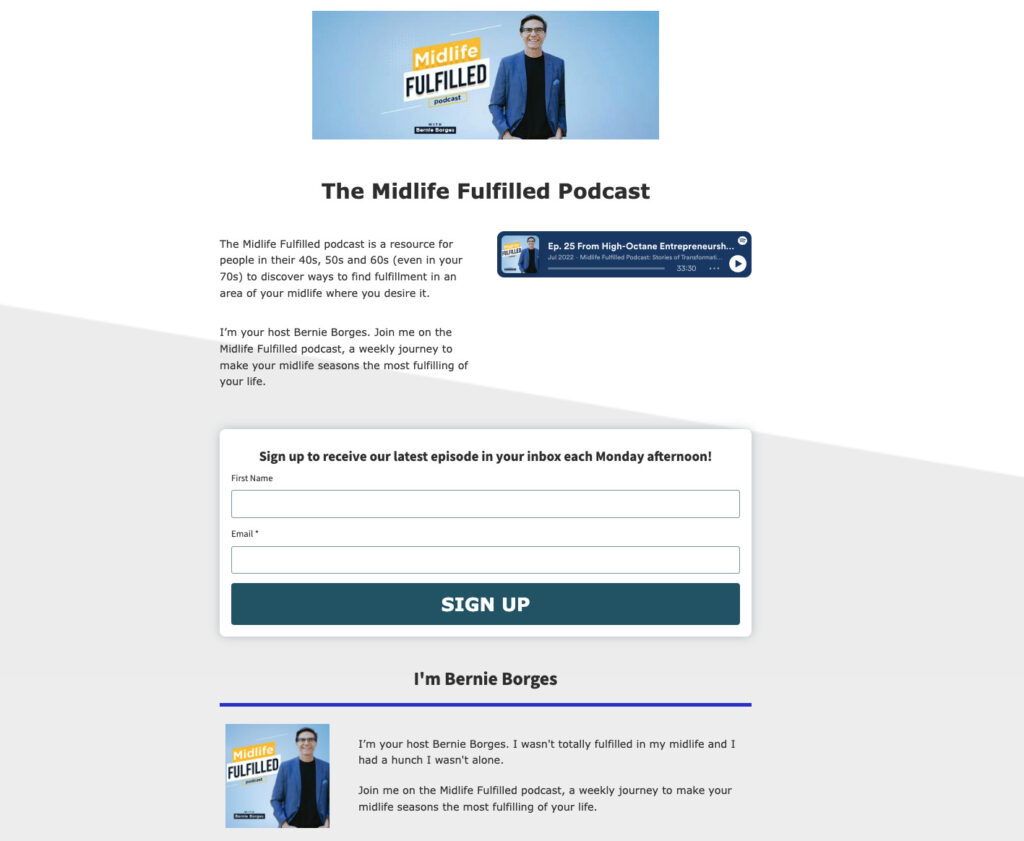
- Strategic Purpose: To nurture cold traffic, educating and convincing visitors about an offer before presenting a high-commitment action.
- Effectiveness: Reduces abandonment rates on final conversion pages by pre-qualifying and engaging visitors, ensuring that those who click through are genuinely interested.
- Optimal Use Cases: Particularly useful when the offer requires significant explanation or when cold paid traffic exhibits high drop-off rates on direct purchase pages.
Strategic Selection: Choosing the Right Landing Page for Your Objectives
The process of selecting the appropriate landing page type is a direct extension of clearly defined marketing objectives. If the primary goal is to acquire email subscribers, then a lead capture page, squeeze page, or lead magnet page would be the most effective choices. For businesses aiming to nurture cold traffic before a purchase, a click-through page is invaluable. Direct sales of high-ticket items might necessitate a comprehensive sales page, while specific product promotions are best served by an ecommerce page. Event promotion calls for a webinar registration or pre-launch page, and paid search campaigns demand a highly targeted PPC landing page. The fundamental principle remains: start with one clear goal and design one page specifically to achieve that goal. A common pitfall leading to underperformance is attempting to fulfill too many objectives with a single landing page.
The Rise of AI in Landing Page Creation: AWeber’s Innovation
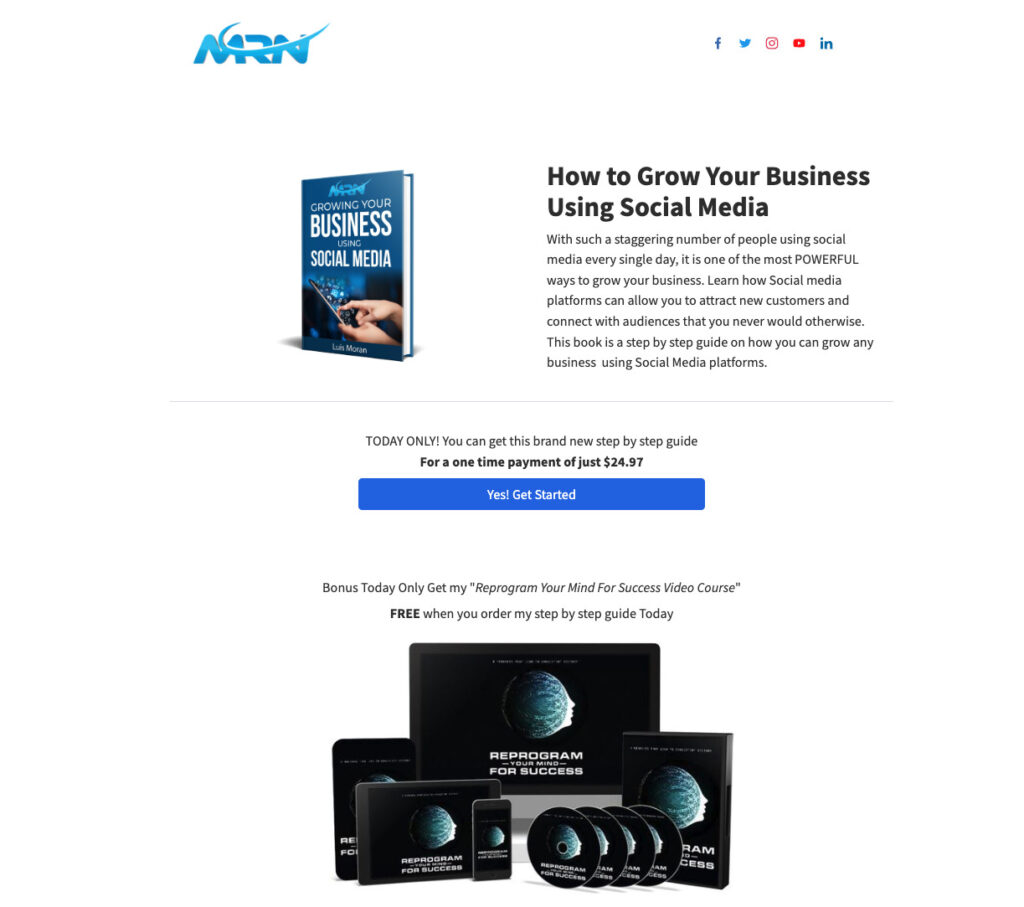
The landscape of landing page creation is on the cusp of significant transformation with the imminent arrival of AWeber’s AI Landing Page Builder, slated for release on June 17, 2026. This innovation promises to dramatically accelerate the journey from concept to live deployment. Instead of the traditional method of selecting and customizing pre-existing templates, users will be able to describe their desired page—including layout preferences, key copy points, imagery, and sign-up form requirements—and the AI will generate the entire page. Crucially, all new subscribers acquired through these AI-generated pages will be seamlessly integrated into the user’s AWeber email list, ready for immediate engagement with welcome emails and automated sequences.
A spokesperson for AWeber highlighted the builder’s versatility, stating, "This AI-powered tool is engineered to cater to every type of landing page outlined in this guide. Whether you need a lead magnet page for a free checklist, a webinar registration page for your next event, or a pre-launch page for an upcoming product, simply describe your offer and your goal, and our AI will manage the rest." This advancement represents a significant step towards democratizing sophisticated digital marketing tools, making complex design and copywriting capabilities accessible to small businesses without requiring extensive technical expertise or design resources.
Furthermore, the AI builder boasts advanced features such as the ability to recreate existing landing pages from a simple screenshot, automatically incorporating the user’s branding, copy, and offer. Image modifications can also be handled via descriptive commands, eliminating the need for manual stock photo searches or starting over from scratch. This level of automation is poised to drastically reduce the time and effort traditionally associated with creating high-converting landing pages, thereby lowering barriers to entry for effective digital marketing.
Frequently Asked Questions and Future Outlook
The most common type of landing page remains the lead capture landing page. Its widespread adoption stems from its core function: collecting visitor contact information, usually in exchange for a free resource. Given the relatively low commitment required from visitors compared to a direct purchase, these pages consistently achieve higher conversion rates and are indispensable across nearly all industries and business sizes.
The distinction between a squeeze page and a lead capture page lies primarily in their length and complexity. While both aim to collect email addresses, a lead capture page provides more detail, typically including a headline, benefit description, an image of the offer, and a form. A squeeze page, conversely, is stripped to its bare essentials: a headline, one or two lines of copy, an email field, and a button. Squeeze pages are particularly favored in paid traffic scenarios where their brevity helps maintain a low cost per lead.
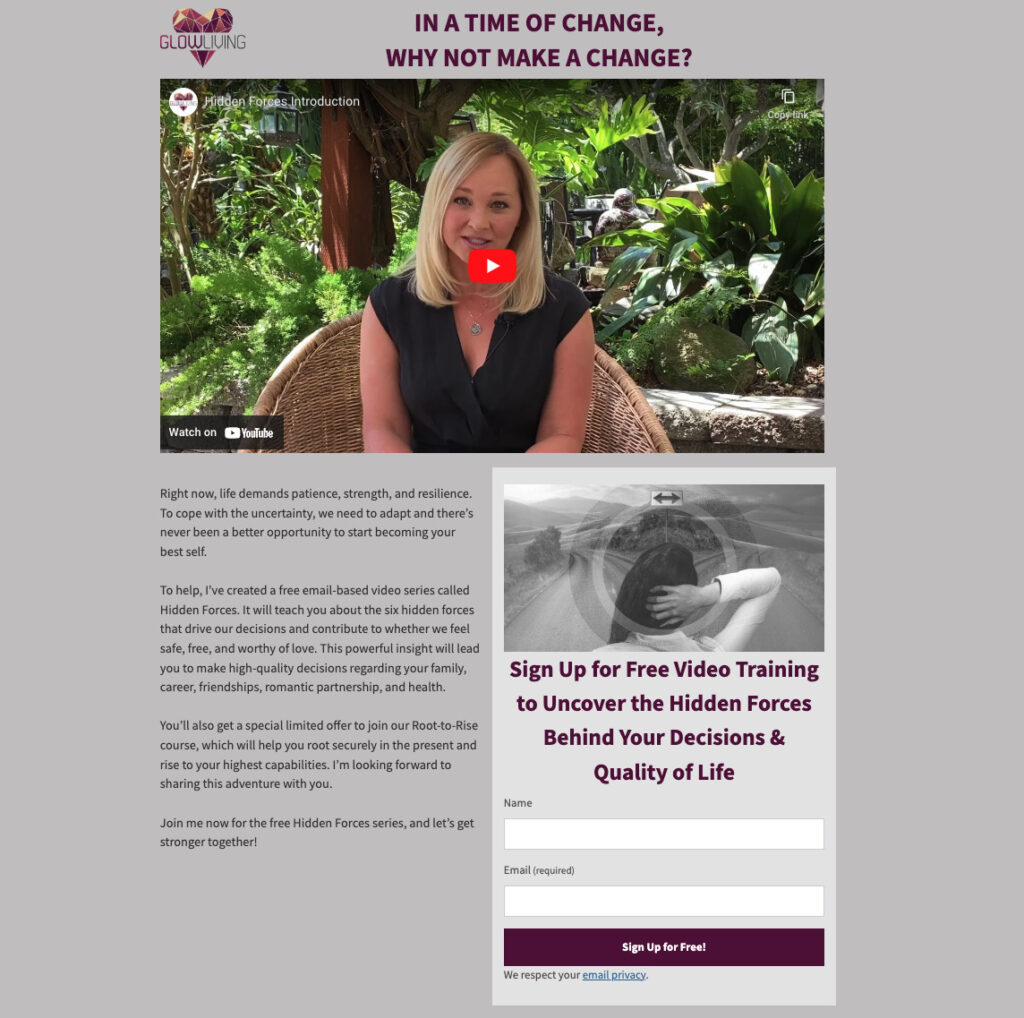
For businesses focused on building an email list, the most effective landing page types are squeeze pages, lead capture pages, and lead magnet pages. Squeeze pages are highly efficient for paid traffic due to their low-friction design. Lead capture pages offer broad utility across both paid and organic traffic sources. Lead magnet pages excel when there’s a specific, highly desirable resource (e.g., checklist, ebook, template) that directly addresses an audience need, making the email exchange a compelling value proposition.
In conclusion, the strategic deployment of specialized landing pages is no longer a luxury but a fundamental requirement for effective digital marketing. As businesses navigate an increasingly competitive online environment, the ability to create targeted, conversion-focused pages is paramount. The introduction of AI-powered builders, such as AWeber’s forthcoming tool, signals a new era where sophisticated landing page creation will become more accessible and efficient, empowering businesses of all sizes to optimize their digital conversions and build stronger, more resilient customer relationships.








