The current economic climate is forcing demand generation teams to scrutinize every expenditure, as tighter budgets and heightened expectations demand a more strategic approach to marketing investments. This reality, discussed at a recent industry conference, underscores a critical shift away from vanity metrics towards demonstrable ROI and efficient resource allocation.
At the heart of this challenge lies the imperative to leverage data effectively. In an environment where marketing budgets are increasingly scrutinized, understanding what drives genuine business outcomes is paramount. The days of relying on superficial engagement metrics are over; today’s successful demand generation strategies are built on a foundation of rigorous data analysis, enabling teams to pivot and optimize with agility.
The Evolving Landscape of Demand Generation Metrics
Historically, the success of demand generation campaigns was often measured by metrics such as website traffic, click-through rates (CTR), and the sheer volume of Marketing Qualified Leads (MQLs). However, as economic pressures mount, a more sophisticated understanding of lead quality and conversion pathways has become essential. The focus is shifting from generating a high quantity of leads to nurturing a smaller, more qualified pool that demonstrates a higher propensity to convert into revenue.
This recalibration is particularly evident in B2B environments. In these complex sales cycles, a single individual rarely makes a purchasing decision. Instead, decisions are typically made by a Buying Committee, often comprising nine to twelve stakeholders with diverse roles and responsibilities. This realization necessitates a move away from a single-buyer-centric approach towards strategies that engage and influence the entire decision-making unit.
Data as the Compass: Navigating Budgetary Constraints
In this demanding environment, data serves as the indispensable compass for demand generation teams. Continuous analysis of campaign performance, identifying what resonates and what falters, is no longer a best practice but a survival tactic. Failure to adapt based on data insights can lead to valuable market opportunities being ceded to competitors.
Tools like Tableau, and similar data visualization platforms, are becoming critical in providing the necessary visibility into campaign ROI and attribution. Multiple attribution models, ranging from last-touch to multi-touch, offer nuanced perspectives on how different marketing touchpoints contribute to conversions. This granular understanding allows for continuous optimization, ensuring that marketing spend is directed towards the channels and tactics that yield the most significant results.
Prioritizing High-Performing Channels and Key Performance Indicators (KPIs)
A core tenet of effective demand generation is the identification and prioritization of the highest-performing channels. For teams focused on the top of the funnel, Marketing Qualified Leads (MQLs) remain a crucial metric. However, the definition of an MQL itself is evolving. It’s no longer just about a contact submitting a form; it’s about a contact exhibiting buying intent signals that align with the company’s Ideal Customer Profile (ICP).
Achieving sustainable growth requires a strategic balance between "push" and "pull" strategies. Push strategies, such as targeted advertising and outbound outreach, aim to interrupt potential customers and introduce them to a solution. Pull strategies, like content marketing and SEO, aim to attract customers who are actively seeking solutions. A successful demand generation strategy integrates both, creating a comprehensive engagement ecosystem.

The Imperative of Marketing Qualified Accounts (MQAs) in B2B
In the B2B landscape, the concept of Marketing Qualified Accounts (MQAs) has gained significant prominence. This metric acknowledges that B2B purchasing decisions are collective. Therefore, the focus shifts from individual leads to the engagement and influence within entire target accounts.
The traditional approach of focusing solely on generating individual leads is becoming increasingly outdated. Clicks on advertisements, while a necessary starting point, do not inherently build sales pipeline. It is the penetration and engagement within key accounts that ultimately drive revenue. This requires a profound understanding of the buying group and the ability to influence multiple stakeholders within that group.
Defining the Ideal Customer Profile (ICP) as a Strategic Foundation
A clear and well-defined Ideal Customer Profile (ICP) is the bedrock of any successful demand generation strategy, especially when dealing with complex B2B sales. If an organization lacks a robust ICP, developing one should be an immediate priority. The ICP should encompass not only firmographic data (industry, company size, revenue) but also psychographic elements, pain points, and the specific challenges faced by individuals within target organizations.
With the understanding that buying groups can consist of 15-20 stakeholders, demand generation strategies must be recalibrated from simply generating leads to orchestrating a coordinated effort to engage and influence these groups. This involves mapping out the various roles within the buying committee, understanding their individual motivations and concerns, and tailoring messaging and content to resonate with each persona.
From Single Persona to Buying Group Momentum: A Case Study
A practical illustration of this strategic shift can be observed in how some organizations are operationalizing their demand generation efforts. Initially, a common approach involved heavily focusing on a single, often technical, persona at the top of the funnel. This might yield strong content engagement and a decent flow of MQLs. However, a closer examination of pipeline progression often reveals that deals stall. The interest is present, but the consensus among the buying group, the budget holders, or the key influencers is missing.
To overcome this, a more comprehensive approach is adopted. This often begins with content syndication efforts designed to attract a wider range of decision-making unit personas, such as IT Leaders, CX Leaders, Digital Leaders, CISOs/CIOs, and Fraud Leaders. Once early interest signals are captured, display advertising is activated not as a general branding exercise, but as an account-level nurture program. This targeted approach aims to reinforce key messages and keep the entire buying group engaged.
LinkedIn campaigns are then employed to continue the themes introduced through content syndication, and Google Ads are utilized to support the research needs of the buying committee. Furthermore, AI-powered email personalization at scale is crucial for maintaining engagement across the entire buying group, reinforcing value propositions, sharing relevant case studies, and highlighting use cases tailored to each persona.
The outcome of this integrated strategy is not isolated MQLs, but rather a palpable momentum within the buying committee. When sales teams engage, accounts are no longer cold. They are educated, aligned, and prepared for in-depth solution conversations and demonstrations. This represents a company-wide motion, focused on building coordinated, persona-led, signal-driven account progression all the way to the pipeline.
Attribution: The Language of Leadership and Budget Defense

The ability to demonstrate tangible pipeline impact is crucial for defending marketing budgets. If demand generation efforts cannot be directly linked to revenue generation, securing continued investment becomes a significant challenge. This necessitates a willingness to pivot and reallocate resources from underperforming campaigns or channels to those that are demonstrably delivering results.
Presenting a clear narrative of active optimization and investment accountability builds credibility and fosters confidence in the marketing strategy among leadership. This requires robust attribution models that can accurately track the influence of various marketing activities on the sales cycle.
The "Secret Sauce": Disciplined Data Analysis and Adaptability
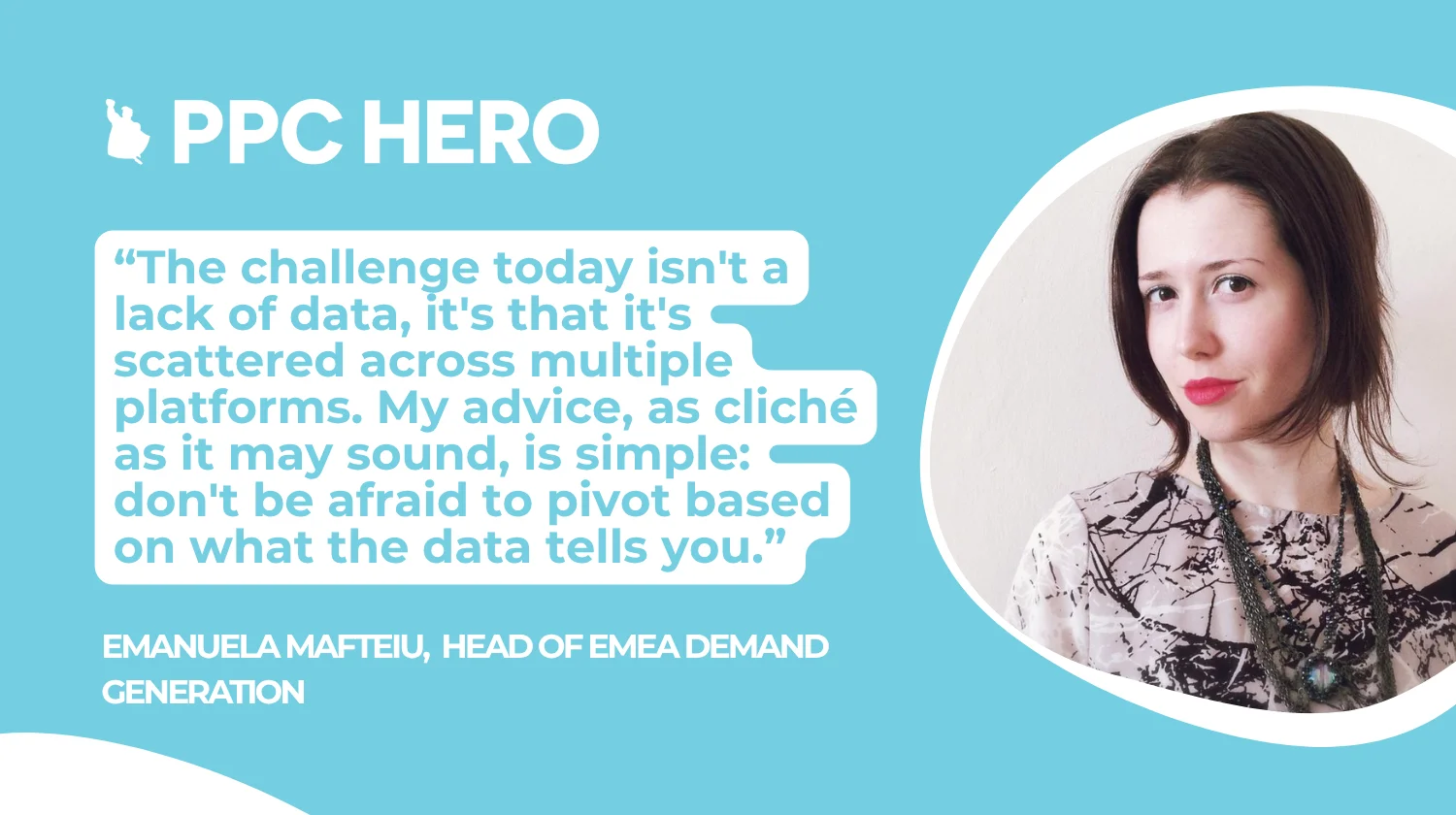
While there may not be a single "secret sauce" to demand generation success, a disciplined approach to data analysis is universally recognized as the most critical factor. The current challenge is not a scarcity of data, but rather its fragmentation across numerous platforms.
The advice, though seemingly cliché, remains profound: do not be afraid to pivot based on what the data reveals. This is not indicative of chaos, but rather controlled adaptability. In a dynamic market, the ability to quickly adjust strategies and reallocate resources based on performance metrics is essential for maximizing impact and minimizing wasted spend.
Not every campaign will achieve its intended objectives, and not every ad will reach the right audience at the opportune moment. Furthermore, the sales cycle in B2B can be lengthy, sometimes extending up to 365 days for an account to convert. This underscores the importance of embracing dynamic budgeting, allowing for the reallocation of funds from underperforming initiatives to those demonstrating superior results.
Embracing Dynamic Budgeting and Continuous Experimentation
The principle of "sunsetting" underperforming campaigns and doubling down on what is working is fundamental. Simultaneously, continuous A/B testing of various creative elements, messaging, and targeting strategies is vital. With a significant portion of the market not actively in buying mode at any given time, there is ample opportunity for experimentation.
Bolder creative, more authentic messaging, and a deep understanding of the customer’s language are key drivers of stronger results. The more effectively marketing communications resonate with the target audience’s needs and aspirations, the more impactful they will be.
The Indispensable Role of Sales Alignment
Finally, maintaining close collaboration with the sales team is non-negotiable. Sales representatives are often on the front lines, possessing invaluable insights into customer needs, objections, and the nuances of the buying process. This direct feedback loop can be the missing piece of the puzzle that elevates demand generation campaigns from good to exceptional. Regular communication, joint strategy sessions, and a shared understanding of goals ensure that marketing efforts are not only aligned with sales objectives but are also informed by real-world market intelligence.
The implications of this evolved approach to demand generation are significant. Companies that successfully implement these data-driven, account-centric strategies are better positioned to navigate economic uncertainties, achieve sustainable growth, and solidify their competitive advantage in an increasingly challenging marketplace. The focus on tangible outcomes, continuous optimization, and deep collaboration with sales is not merely a trend; it is the new standard for effective demand generation.