

The global ecommerce landscape is currently undergoing a radical transformation, driven by rapid technological advancements and shifting consumer expectations that have rendered traditional marketing frameworks largely obsolete. As the digital marketplace becomes increasingly saturated, industry analysts emphasize that sustainable growth is no longer a matter of simply maintaining a digital presence but requires a sophisticated, future-proof growth marketing strategy. This approach integrates deep market analysis, cutting-edge infrastructure, and a relentless focus on the customer experience to drive long-term value and competitive advantage.
The Evolution of Digital Commerce: A Chronological Perspective
To understand the necessity of future-proof strategies, it is essential to trace the trajectory of the ecommerce sector over the last two decades. In the early 2000s, digital retail was primarily transactional, focused on basic cataloging and secure payment processing. By the 2010s, the "Mobile Revolution" shifted the focus toward responsive design and the emergence of app-based shopping. However, the period between 2020 and 2024 has seen the most significant acceleration, spurred by global lockdowns that forced a decade’s worth of digital adoption into a three-year window.
Today, the industry has entered the era of "Hyper-Personalization and Omnichannel Integration." In this current phase, the distinction between online and offline shopping has blurred, and data has become the primary currency. Market researchers from firms such as Gartner and McKinsey note that the brands currently dominating the market are those that have moved beyond "top-of-funnel" acquisition to prioritize "full-funnel" growth marketing, which emphasizes retention and customer lifetime value (CLV).

Strategic Market Analysis and the Rise of Values-Based Consumerism
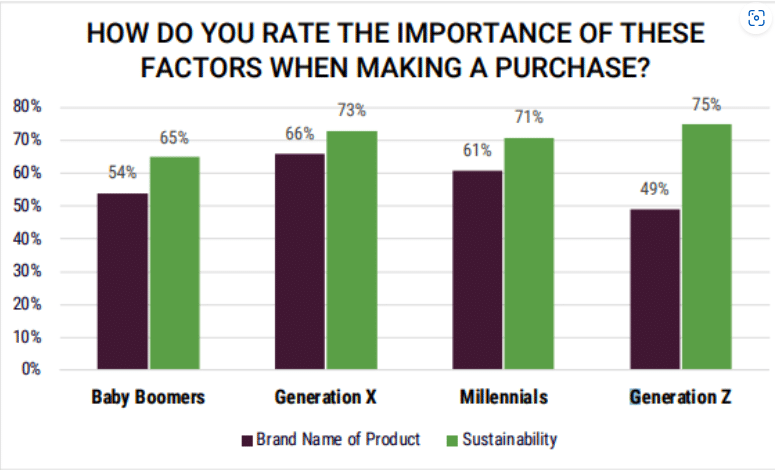
A foundational element of any future-proof strategy is a granular understanding of the target demographic. Modern market analysis has moved beyond basic age and location data to encompass psychographics and values-based purchasing behavior. Recent studies, including reports from the World Economic Forum, indicate a significant generational shift in spending. Approximately 75% of Generation Z—a demographic with an estimated $360 billion in purchasing power—prioritize sustainability and ethical business practices over brand names.
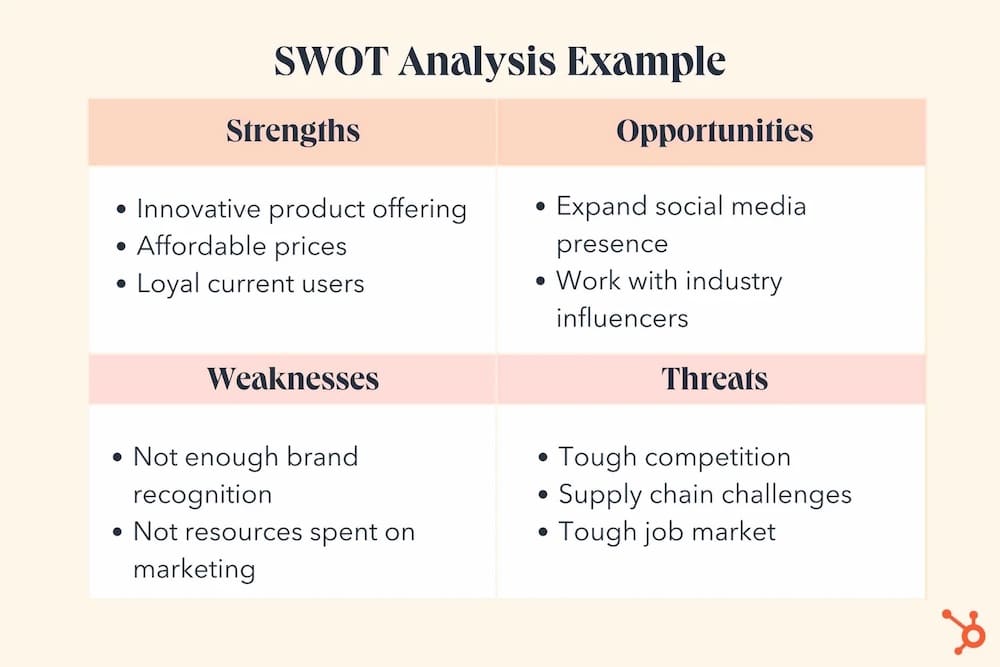
Industry specialists argue that for a brand to remain relevant, it must align its growth marketing with these societal shifts. This involves more than just marketing language; it requires a transparent supply chain and authentic corporate social responsibility (CSR). To achieve this, successful enterprises are employing comprehensive SWOT (Strengths, Weaknesses, Opportunities, Threats) analyses to identify market gaps. For instance, Amazon’s historical dominance was not merely the result of its vast inventory but its identification of a critical gap in logistics: the consumer’s desire for near-instantaneous delivery. This insight led to the development of Amazon Prime, a service that redefined industry standards for fulfillment speed.
Technological Infrastructure and Scalability
Investing in robust technology is a non-negotiable requirement for long-term viability. The infrastructure of an ecommerce business must be both scalable and secure to handle fluctuating traffic and evolving data privacy regulations. Platforms like Shopify and Magento (Adobe Commerce) have become the industry standard because they offer the flexibility needed for businesses to pivot as they grow.
Beyond the storefront, the integration of Artificial Intelligence (AI) and Machine Learning (ML) has become a primary driver of efficiency. A notable case study is Stitch Fix, the online personal styling service. By utilizing AI to analyze customer preferences, sizes, and styles, the company has transformed the personal shopping experience into a data-driven science. This level of automation allows for personalization at a scale that was previously impossible.
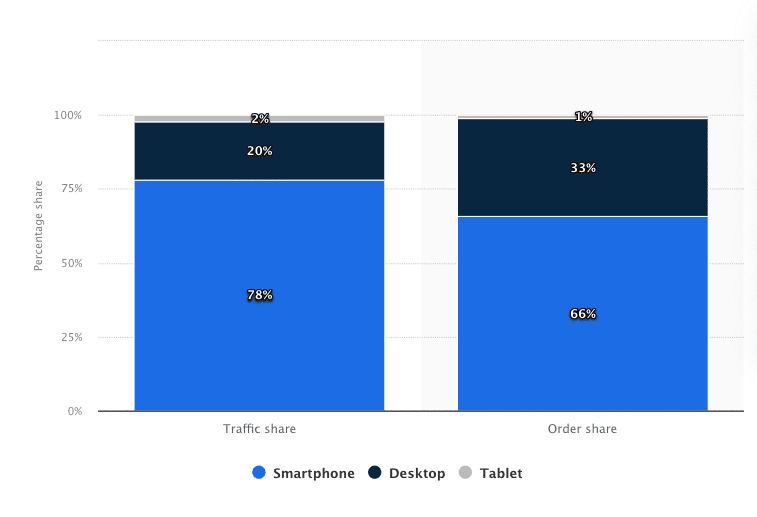
Furthermore, the shift toward mobile commerce (m-commerce) continues to accelerate. According to 2023 data from Statista, smartphones accounted for approximately 78% of global retail site traffic in the final quarter of the year. Mobile devices were responsible for generating two-thirds of all online shopping orders. Experts suggest that a "mobile-first" approach is no longer an option but a prerequisite for survival. Strategies must include optimizing site speed for mobile networks, implementing one-touch payment systems like Apple Pay and Google Pay, and exploring progressive web apps (PWAs) to enhance the user experience.
The Strategic Imperative of Omnichannel Marketing
In the modern retail environment, the customer journey is rarely linear. A consumer might discover a product on Instagram, research it on a desktop site, and ultimately make the purchase via a mobile app. This complexity necessitates an omnichannel marketing strategy—a unified approach that provides a seamless experience across all touchpoints.
The data supporting this shift is compelling. Research indicates that businesses with strong omnichannel engagement strategies retain an average of 89% of their customers. In contrast, brands with weak or fragmented omnichannel presences see retention rates drop to approximately 33%.
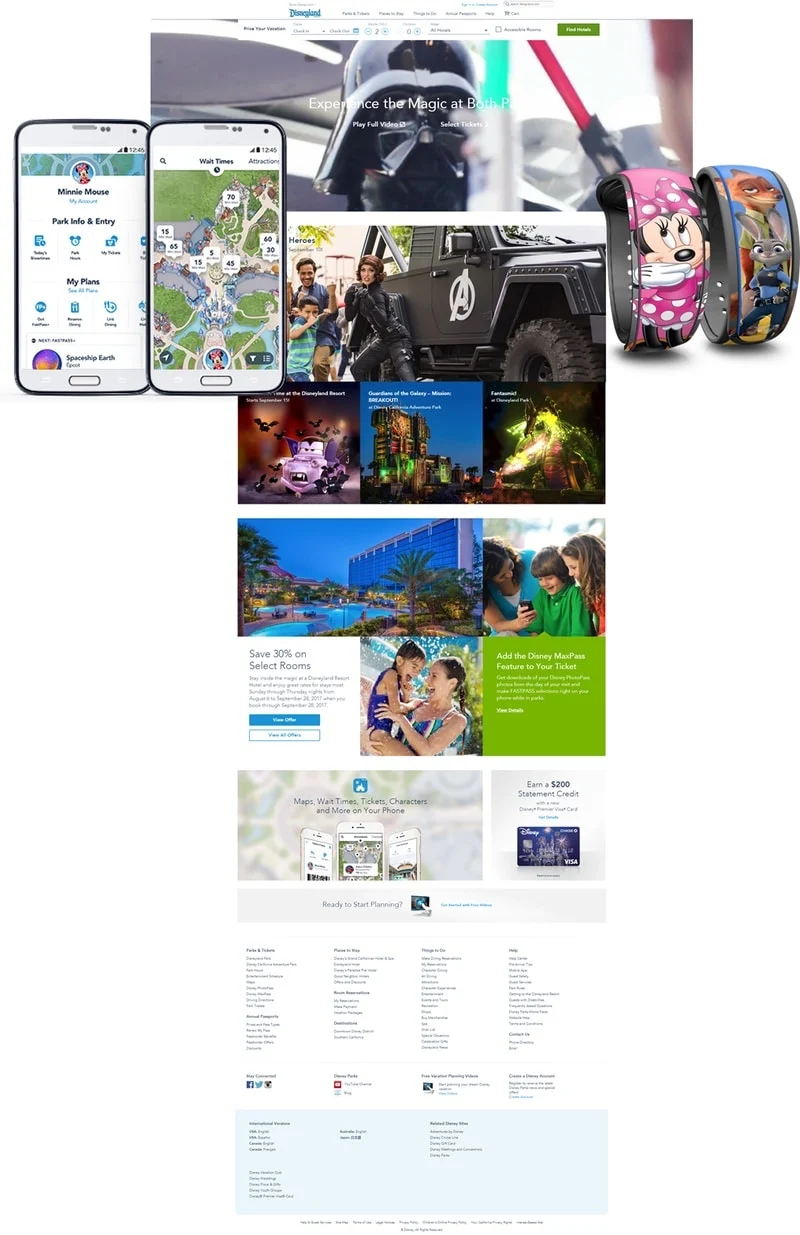
The Walt Disney Company is frequently cited by marketing analysts as a gold standard for omnichannel integration. Through the "My Disney Experience" ecosystem, the company integrates its website, mobile app, and physical park experiences (via RFID-enabled MagicBands). This creates a frictionless journey where ticket purchases, hotel reservations, and in-park dining are all synchronized. For ecommerce brands, this level of integration means ensuring that customer data, inventory levels, and marketing messages are consistent whether the customer is interacting via email, social media, or a physical pop-up shop.
Content Authority and the Role of Evergreen Assets
As the cost of digital advertising (CAC) continues to rise, organic growth through high-quality, evergreen content has become a vital component of a sustainable marketing mix. Unlike seasonal promotions, evergreen content—such as "how-to" guides, white papers, and comprehensive product tutorials—retains its value over time, continuing to attract traffic and generate leads years after publication.
Digital strategists recommend that brands focus on "search intent." By creating content that answers specific consumer questions, brands can establish themselves as authorities in their niche. WikiHow serves as a prime example of this strategy, maintaining a massive global footprint by providing evergreen, step-by-step solutions to common problems. For an ecommerce brand, this might manifest as a series of long-form articles on product maintenance, industry trends, or lifestyle integration, all of which serve to improve Search Engine Optimization (SEO) and build consumer trust.
Cultivating Brand Loyalty and Advocacy
In a competitive market, the cost of acquiring a new customer is significantly higher than the cost of retaining an existing one. Consequently, future-proof growth marketing prioritizes the cultivation of brand loyalty. Statistics from Forbes indicate that 73% of consumers cite a positive customer experience as a primary factor in their brand loyalty.
To transition from a transactional relationship to a loyal one, brands are increasingly adopting sophisticated loyalty programs and community-building initiatives. Effective loyalty strategies include:

- Tiered Rewards: Encouraging higher spend by offering escalating benefits.
- Personalized Incentives: Using purchase history to offer relevant discounts rather than generic sales.
- Early Access: Providing loyal customers with "first look" opportunities for new product launches.
- Referral Programs: Incentivizing word-of-mouth marketing, which remains one of the most trusted forms of advertising.
By treating customers as stakeholders rather than mere data points, brands can transform buyers into advocates who actively promote the company within their social circles.
Performance Analysis and the Transition to Data-Driven Optimization
The final pillar of a future-proof strategy is the continuous analysis and optimization of performance metrics. Journalists and industry analysts point to the transition from Universal Analytics to Google Analytics 4 (GA4) as a landmark moment in how businesses track user behavior. GA4’s focus on event-based tracking allows for a more nuanced understanding of the customer journey.
Key Performance Indicators (KPIs) such as Conversion Rate (CR), Average Order Value (AOV), and Customer Acquisition Cost (CAC) must be monitored in real-time. Tools like FigPii are also gaining traction for their ability to provide qualitative data through heatmaps and A/B testing. By visualizing where users click, scroll, and drop off, businesses can make iterative improvements to the user interface (UI) and user experience (UX).
Broader Impact and Future Implications
The shift toward these integrated growth marketing strategies has broader implications for the global economy. As ecommerce becomes more efficient and personalized, consumer expectations will continue to rise, forcing smaller retailers to either adopt these technologies or risk obsolescence. Furthermore, the emphasis on sustainability and ethics suggests that the future of commerce will be increasingly defined by corporate accountability.
In conclusion, securing an ecommerce business for the future requires a holistic approach that transcends traditional advertising. It demands a commitment to understanding the evolving human element of commerce while leveraging the full power of modern technology. Those who successfully integrate market insights, scalable infrastructure, and a customer-centric philosophy will not only survive the current market volatility but will lead the next generation of digital retail.







