

As the digital landscape continues its rapid evolution, businesses are facing increasingly complex demands for their email marketing and transactional communication strategies. The choice of an email platform extends far beyond a simple feature comparison; it is a strategic decision that directly impacts a company’s ability to scale, maintain high performance, foster collaboration across teams, and ensure stringent compliance with evolving regulations. A recently published guide on June 5, 2026, details a straightforward process for companies considering a transition from Mailchimp to Sinch Mailjet, reflecting a growing industry trend towards platforms that offer enhanced capabilities for expanding operations. This development underscores a broader shift in the market, where companies are outgrowing initial, often simpler, email solutions in favor of more robust, enterprise-grade platforms.
The Evolving Landscape of Email Marketing Platforms

The email marketing sector has seen significant transformation over the past decade. What began as a tool primarily for newsletters and promotional blasts has matured into a critical component of customer relationship management, requiring sophisticated automation, deep personalization, and reliable deliverability. Early platforms like Mailchimp gained widespread popularity due to their user-friendly interfaces and accessible entry points, making email marketing feasible for small businesses and startups. However, as these businesses grow, their requirements often exceed the foundational offerings of such platforms. The need for more granular control over sending infrastructure, extensive API integrations, dedicated support, and advanced analytical tools becomes paramount. This often precipitates a re-evaluation of their existing email service providers (ESPs).
Industry data from late 2025 indicated a steady increase in enterprise-level businesses seeking email solutions that offer greater flexibility and performance at scale. Reports from market intelligence firms highlighted that while ease of use remains important, factors like deliverability rates, uptime guarantees, multi-user collaboration, and global infrastructure are now top priorities for growing organizations. The shift is not merely about cost, but about strategic alignment with business objectives, ensuring email capabilities can keep pace with market expansion and heightened customer expectations.
Why Businesses Seek Alternatives to Mailchimp
Numerous factors contribute to companies considering a move from established platforms like Mailchimp to alternatives such as Sinch Mailjet. While Mailchimp has historically served as a strong entry point for many, its structure and pricing model can present challenges for businesses experiencing significant growth.
One of the primary drivers for migration is scalability. As contact lists expand and sending volumes surge, businesses often find that Mailchimp’s tiered pricing can become prohibitive. Furthermore, the need for more sophisticated email types, such as transactional emails (order confirmations, password resets) alongside marketing campaigns, often requires an API-first approach that platforms like Sinch Mailjet specialize in. Sinch Mailjet, part of the larger Sinch communications platform, is built with a developer-friendly API that allows for deep integration into existing business systems, offering a level of automation and customization that becomes essential for high-volume senders.
Advanced Features and Flexibility also play a crucial role. Growing businesses frequently require features like dedicated IP addresses for improved sender reputation control, advanced segmentation logic that goes beyond basic list management, and robust A/B testing capabilities for optimizing campaign performance. While Mailchimp has evolved, platforms like Sinch Mailjet often provide more granular control and specialized tools tailored for these advanced needs, including robust webhook support, event-driven triggers, and sophisticated email authentication protocols (SPF, DKIM, DMARC) managed with greater transparency.
Collaboration and Compliance are increasingly critical. Large marketing teams, often distributed globally, require platforms that facilitate seamless collaboration, allowing multiple users to work on templates, campaigns, and analytics with appropriate access controls. Furthermore, global businesses must navigate a labyrinth of data privacy regulations, including GDPR, CCPA, and others. Platforms that offer clear data residency options, comprehensive audit trails, and robust security measures are becoming non-negotiable. Sinch Mailjet’s infrastructure is designed with these global compliance requirements in mind, offering a secure environment for sensitive customer data.
Finally, Deliverability Expertise and Support are paramount. Ensuring emails reach the inbox rather than spam folders is directly tied to revenue and customer engagement. As businesses mature, they demand dedicated support teams and proactive advice on deliverability best practices, spam trap avoidance, and ISP relations. The perception among some migrating businesses is that specialized transactional and marketing email platforms offer a more focused approach to deliverability, backed by expert teams.
Sinch Mailjet Emerges as a Preferred Solution

Sinch Mailjet’s position in the market as a robust, scalable, and developer-friendly email service provider has made it an increasingly attractive alternative for businesses outgrowing their initial platforms. Acquired by Sinch, a global leader in cloud communications for mobile customer engagement, Mailjet has strengthened its enterprise offerings, leveraging Sinch’s extensive global infrastructure and commitment to high-performance communication solutions. This strategic alignment provides Mailjet users with enhanced reliability, improved global reach, and a broader suite of communication tools beyond email.
The platform’s emphasis on an API-first design allows businesses to integrate email capabilities directly into their applications and workflows, facilitating highly personalized and automated communication streams. This is particularly beneficial for e-commerce companies, SaaS providers, and other digital businesses that rely heavily on automated transactional emails and data-driven marketing campaigns. Sinch Mailjet also offers advanced analytics that provide deeper insights into email performance, enabling businesses to continually refine their strategies and optimize engagement.
Navigating the Migration: A Step-by-Step Overview
For businesses ready to make the transition, the process, while requiring careful execution, is designed to be as seamless as possible. The newly released guide outlines three core phases for migrating essential data from Mailchimp to Sinch Mailjet.
Phase 1: Securing Your Contact Database
The migration of contact lists is arguably the most critical step, as it forms the foundation of all future email communications. Data integrity and the accurate transfer of subscriber statuses are paramount to ensure compliance and avoid sending emails to previously unsubscribed individuals.
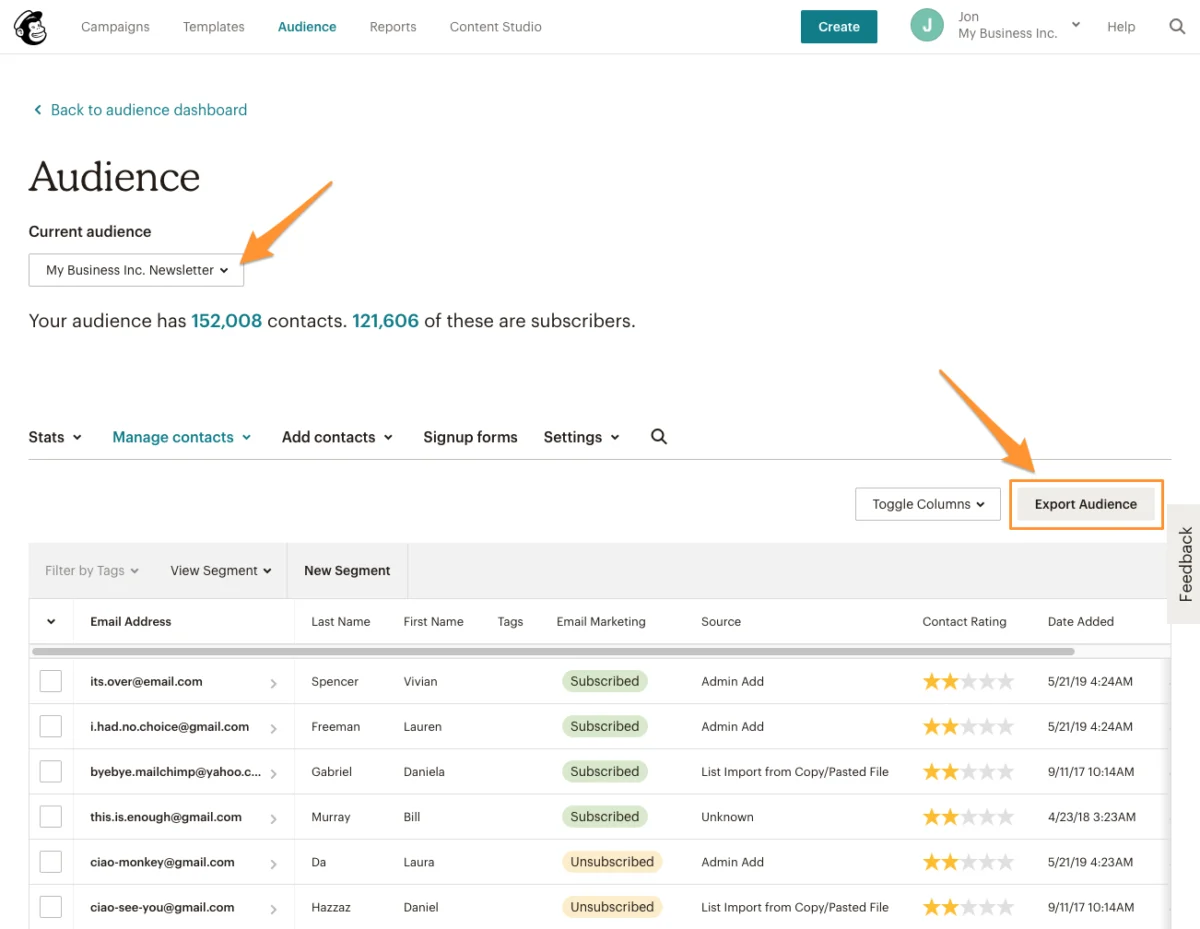
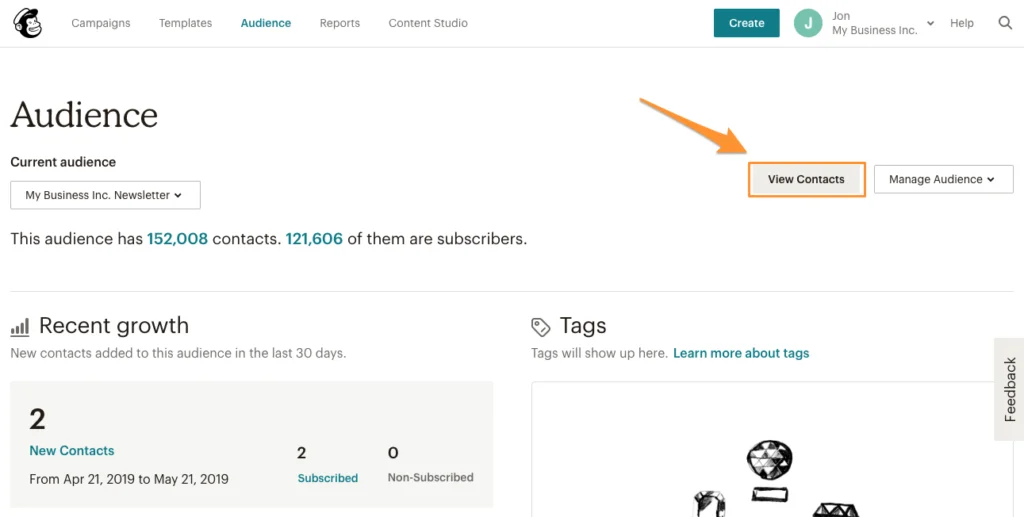
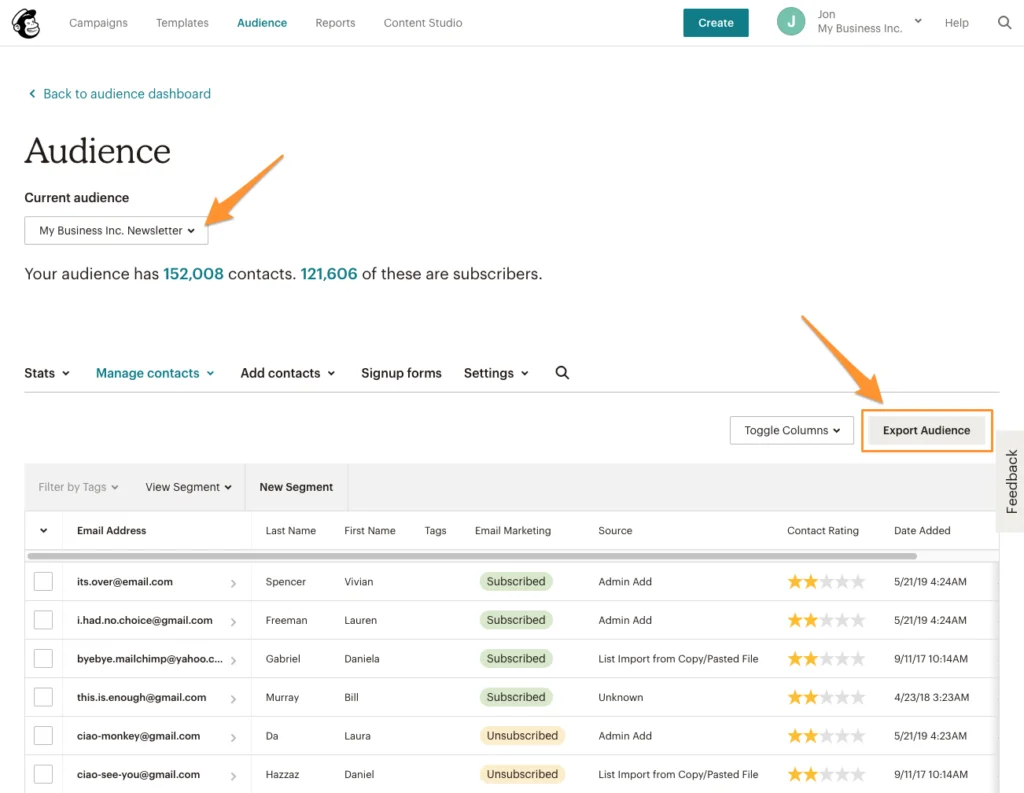
- Exporting from Mailchimp: The process begins by logging into the Mailchimp account. Navigating to the "Audience" section and then "View Contacts" allows users to access their existing contact lists. The "Export Audience" function is then utilized to download contact data. A crucial detail highlighted in the guide is the necessity to repeat this export process for every distinct audience maintained within Mailchimp. This ensures no segment of the contact base is overlooked.
- Handling Exported Data: Mailchimp typically provides exported data in a compressed CSV file format. Users are instructed to download and unzip these files. It’s common for the export to generate separate CSVs for "subscribed_members" and "unsubscribed_members," which is vital for the next steps.
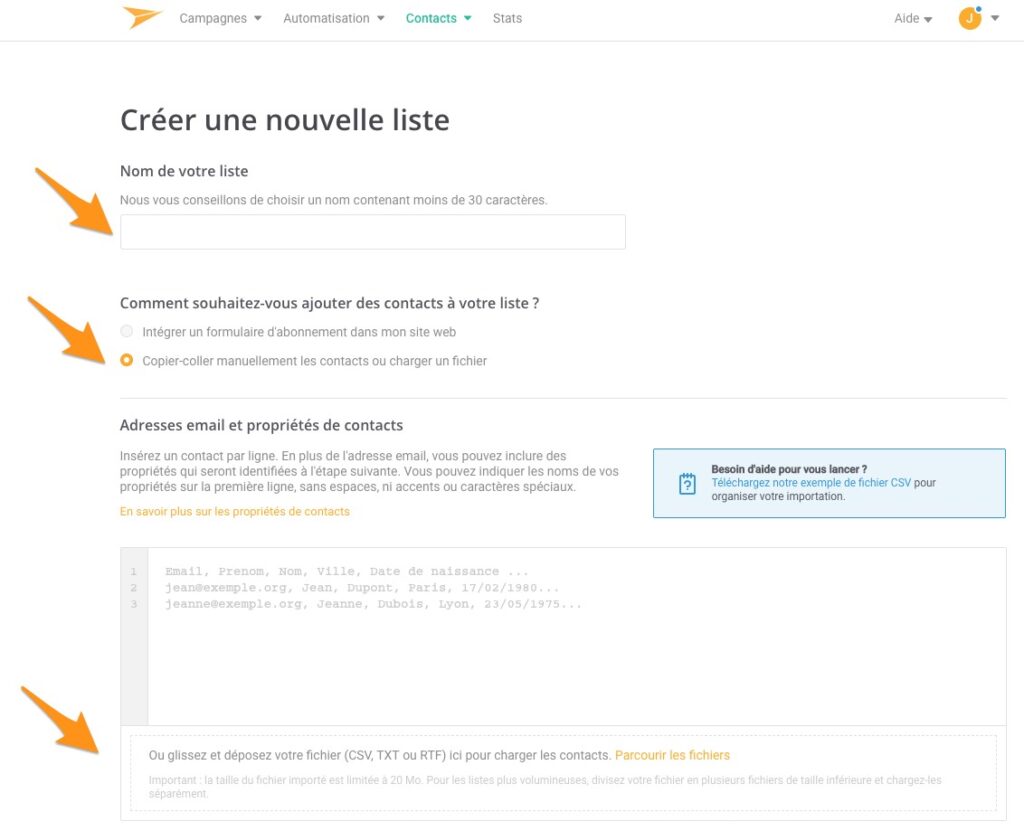
- Importing into Sinch Mailjet: Upon logging into Sinch Mailjet, users access "Contacts" followed by "Contact Lists." The "Create a new list" option facilitates the creation of new contact lists within Mailjet. The guide advises importing each Mailchimp audience into a separate Mailjet contact list. This practice maintains the segmentation and organizational structure established in the previous platform.
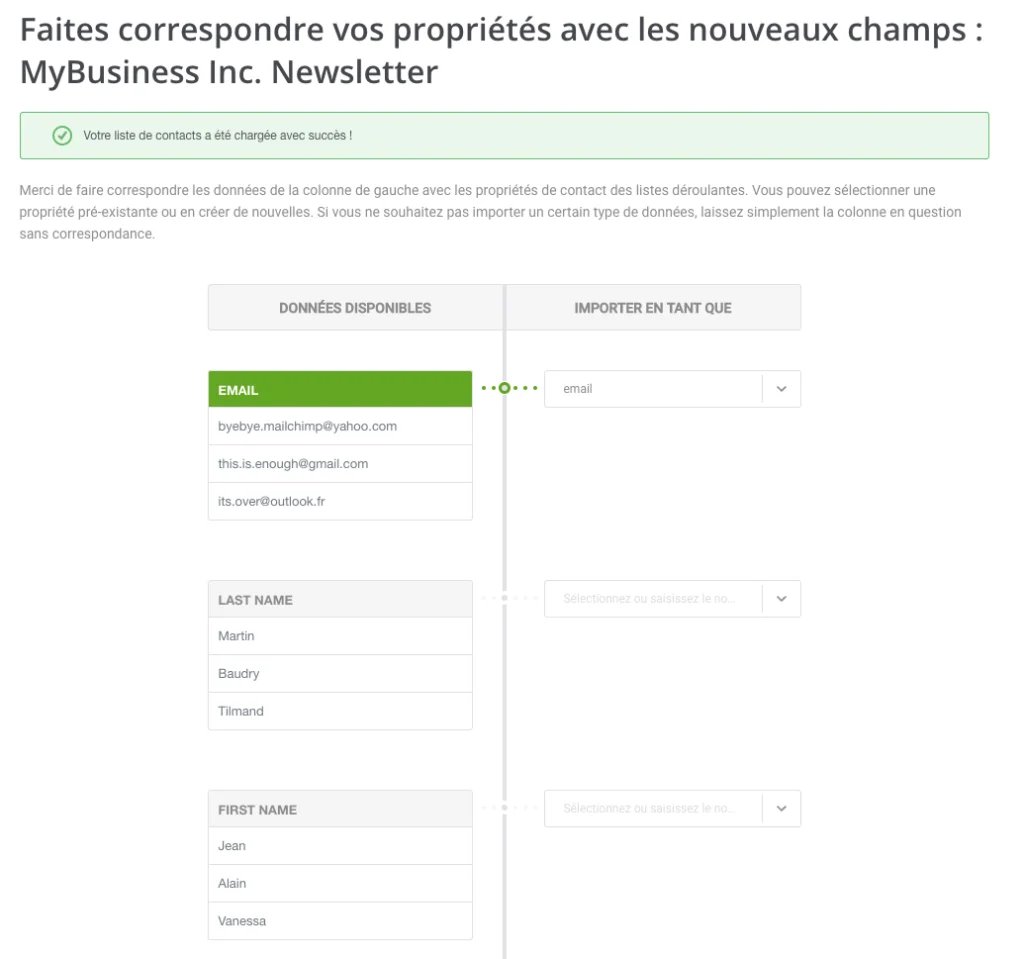
- Field Mapping and Personalization: During the import process, Sinch Mailjet presents an interface for "mapping" contact fields. This step allows users to align Mailchimp’s data fields (e.g., "First Name," "Company," "Birthday") with corresponding fields in Mailjet. Correct field mapping is essential for leveraging Mailjet’s powerful personalization and segmentation features, enabling targeted campaigns based on rich subscriber data.
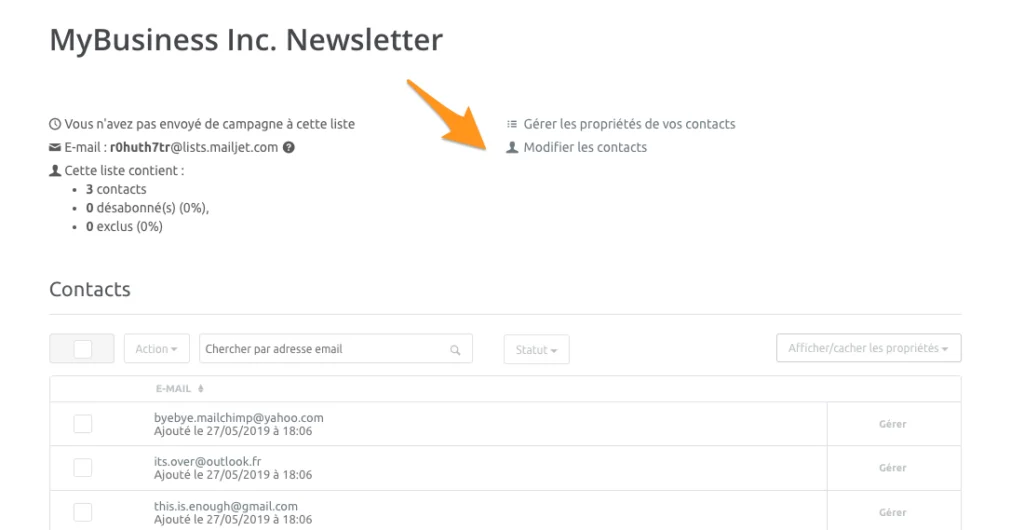
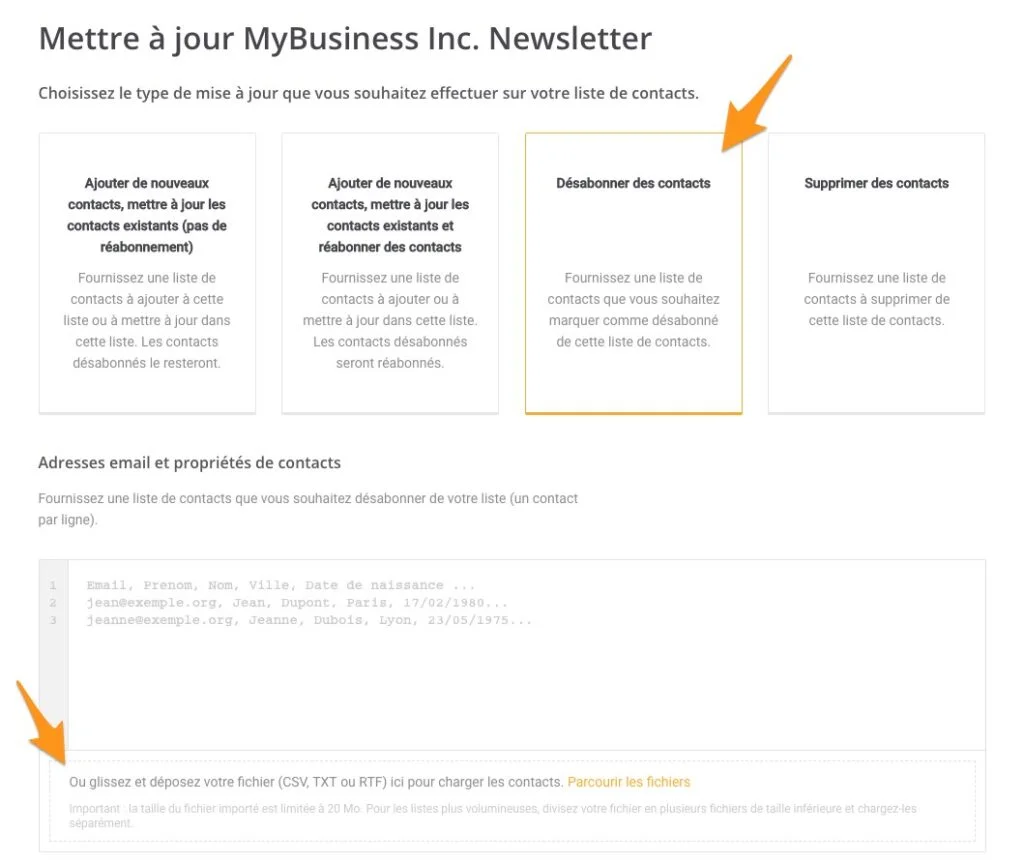
- Managing Unsubscribed Contacts for Compliance: A critically important sub-step involves importing unsubscribed contacts. After the initial import of active subscribers, users must navigate to "Manage contacts" within the newly created Mailjet list. Here, the "Unsubscribe contacts" update type is selected, and the CSV file containing the unsubscribed members from Mailchimp is uploaded. This prevents inadvertent re-subscription and ensures adherence to anti-spam regulations and respect for subscriber preferences, safeguarding sender reputation.
Phase 2: Transitioning Email Templates
The migration of email templates presents a unique challenge, as direct, editable transfers between different email builders are generally not feasible due to proprietary coding and feature sets. However, businesses are not left to start from scratch.
- Exporting HTML from Mailchimp: In Mailchimp, users access the "Templates" section and select "Export as HTML" for each template they wish to transfer. This action downloads the raw HTML code of the email design.
- Importing HTML into Sinch Mailjet: Within Sinch Mailjet, under "Campaigns," users select "Create a new template" and choose the "Code it in HTML" option. They can then upload the downloaded HTML file. This method preserves the visual design of the original templates.
- Strategic Considerations for Templates: While importing HTML saves design work, businesses must consider the implications. Templates coded for Mailchimp’s environment might not be perfectly optimized for Mailjet’s editor or its responsive design capabilities. Companies have two primary options:
- Recreate templates: This allows for a fresh start, leveraging Mailjet’s native drag-and-drop editor to build templates optimized for its environment, potentially improving responsiveness and future editability. This is often recommended for those seeking to modernize their designs or take full advantage of Mailjet’s specific features.
- Import HTML: This is a quicker path to maintaining existing branding and layouts, though future edits within Mailjet’s visual editor might be limited for these imported templates. Minor adjustments might require direct HTML editing. The guide implicitly endorses this option as a practical compromise for speed.
Phase 3: Archiving Historical Performance Data
Transferring historical reporting data directly between platforms is not typically possible due to differences in data structures and metrics definitions. However, retaining this data is crucial for strategic planning and performance analysis.
- Downloading Reports from Mailchimp: Businesses are advised to go to the "Reports" section in their Mailchimp account and select "Download All Reports." This action compiles comprehensive data on past campaign performance, including open rates, click-through rates, bounces, unsubscribes, and more.
- Importance of Historical Data: While not integrated into Sinch Mailjet’s analytics, these archived reports provide invaluable benchmarks for future campaigns. They allow marketers to understand past trends, identify successful strategies, and track the evolution of subscriber engagement over time. This data is essential for setting new performance goals and demonstrating ROI post-migration.
Post-Migration Best Practices: Ensuring Optimal Deliverability
Once the migration of contacts and templates is complete, the focus shifts to ensuring optimal email deliverability from the new platform. This involves several critical technical configurations that are vital for maintaining a strong sender reputation and ensuring emails reach their intended recipients.
- Domain Validation: The first step is to validate the sending domains within Sinch Mailjet. This confirms that the business owns and authorizes Mailjet to send emails on its behalf, a fundamental security measure.
- Sender Address Configuration: All sender email addresses used for campaigns must be properly configured and verified within the Mailjet platform.
- SPF (Sender Policy Framework) Configuration: SPF records are DNS entries that specify which mail servers are authorized to send email on behalf of a domain. Correct SPF setup prevents spammers from sending messages that appear to come from a legitimate domain.
- DKIM (DomainKeys Identified Mail) Configuration: DKIM adds a digital signature to outgoing emails, allowing recipient servers to verify that the email has not been tampered with in transit and that it genuinely originates from the claimed sender. This is crucial for building trust with ISPs.
- DMARC (Domain-based Message Authentication, Reporting, and Conformance) Implementation: DMARC builds upon SPF and DKIM by providing a policy framework for email authentication. It instructs recipient mail servers on how to handle emails that fail SPF or DKIM checks (e.g., quarantine, reject) and provides reporting back to the sender, offering invaluable insights into email authentication issues and potential spoofing attempts.
Proper configuration of these authentication protocols is non-negotiable for high deliverability rates and protection against phishing and spoofing. Sinch Mailjet provides detailed guides and support to assist users in setting up these records correctly.
The Strategic Imperative of Choosing the Right Platform
The decision to migrate email platforms is a strategic one, often driven by the imperative to unlock greater efficiency, enhance customer engagement, and support business expansion. The implications for companies are significant: a well-chosen platform like Sinch Mailjet can lead to improved email deliverability, higher open and click-through rates, greater automation capabilities, and ultimately, a stronger return on investment from email marketing efforts. The ability to collaborate effectively across teams and ensure robust compliance also reduces operational risk and fosters a more secure communication environment.
This migration trend highlights the growing maturity of the email marketing industry, where businesses are no longer content with "good enough" solutions but actively seek platforms that align with their long-term growth trajectories and increasingly sophisticated communication needs. The move to Sinch Mailjet reflects a broader industry recognition that dedicated, high-performance email infrastructure is critical for competitive advantage in a digital-first world.
Looking Ahead: The Future of Email Marketing and Platform Evolution
The continued evolution of email marketing platforms is expected to be driven by advancements in artificial intelligence, hyper-personalization, and even tighter integration with broader customer experience platforms. As businesses continue to prioritize data-driven decision-making and seamless omnichannel communication, the demand for ESPs that offer extensible APIs, real-time analytics, and advanced predictive capabilities will only intensify. The detailed migration guide from Mailjet not only facilitates a practical transition but also signals the platform’s commitment to supporting businesses as they navigate this dynamic future, equipping them with the tools necessary to thrive in an increasingly competitive digital marketplace.








