

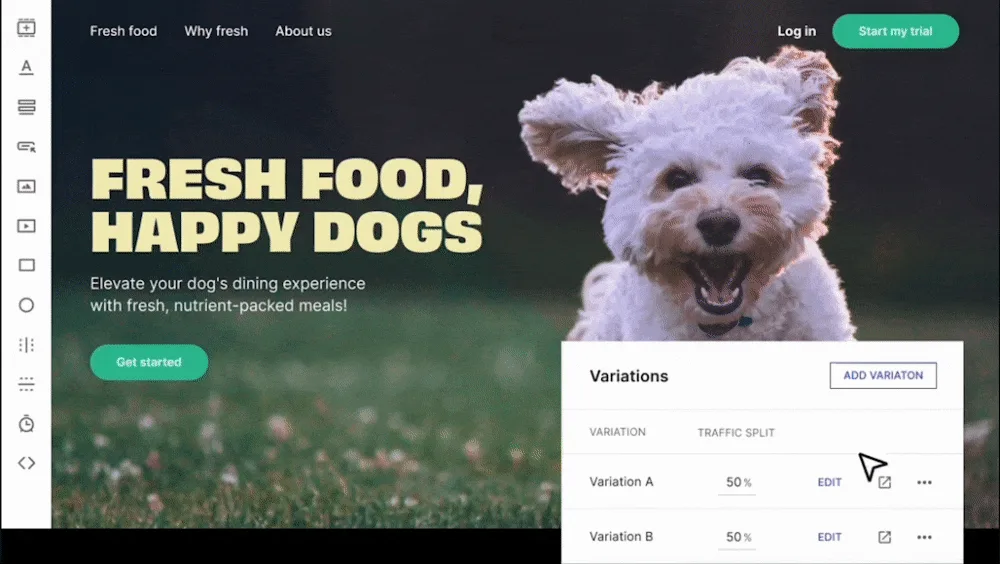
The digital marketing landscape has reached a point of unprecedented saturation, where the cost of acquiring traffic continues to climb while consumer attention spans remain at historic lows. For modern enterprises, the primary challenge is no longer just driving traffic to a website, but ensuring that once a visitor arrives, they are compelled to take action. This process centers on the landing page—a specialized environment designed with a single goal in mind. However, as marketing professionals frequently discover, even the most aesthetically pleasing landing pages can fail to deliver results. When conversion rates fall below industry benchmarks, the solution is rarely to abandon the project entirely, but rather to engage in rigorous, data-driven experimentation known as A/B testing.
A/B testing, or split testing, serves as the scientific foundation of Conversion Rate Optimization (CRO). By creating multiple variations of a page and distributing traffic among them, marketers can isolate specific variables—such as headlines, call-to-action (CTA) buttons, or imagery—to determine which configuration resonates most effectively with their target audience. This methodology transforms subjective design choices into objective, performance-based decisions. As the industry moves toward more sophisticated automation, the tools used to conduct these tests have evolved from simple script-based switchers into complex platforms powered by artificial intelligence and edge computing.

The Evolution of Conversion Rate Optimization
The history of A/B testing is rooted in the early days of direct mail marketing, where companies would send different versions of a catalog to two distinct groups of customers to see which generated more sales. In the digital age, this practice was popularized in the mid-2000s as web analytics tools became more accessible. What began as a manual, developer-heavy process has transitioned into a "no-code" revolution. Today, the ability to run experiments at scale is a prerequisite for any competitive marketing strategy.
The shift toward experimentation culture has been driven by the realization that "best practices" are often insufficient. A layout that works for a SaaS company may fail for an e-commerce brand. Consequently, the industry has seen a timeline of innovation: from the introduction of Google Website Optimizer in 2006 to the rise of specialized platforms like Optimizely and VWO, and finally to the current era of AI-driven dynamic traffic allocation. This chronology reflects a broader trend in technology: the democratization of data science for the average marketer.
Criteria for Evaluating Modern A/B Testing Platforms
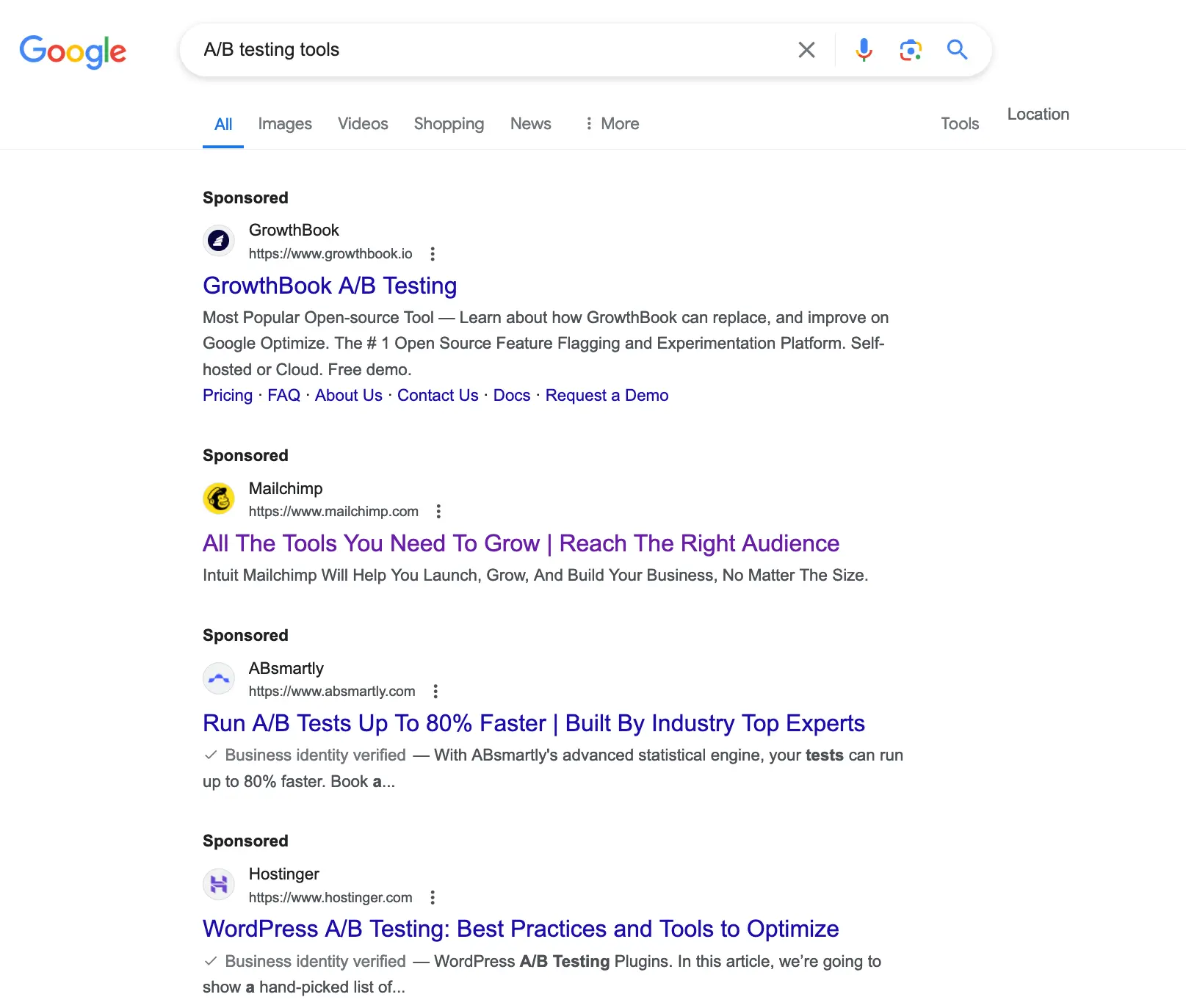
Selecting an A/B testing platform is a strategic decision that impacts a company’s entire marketing stack. To provide a fair assessment of the tools currently dominating the market, several critical criteria must be considered:
- Ease of Implementation: Does the tool require extensive coding knowledge, or can marketers deploy tests using a visual editor?
- Server-Side vs. Client-Side Testing: Does the tool offer server-side experimentation to minimize page load times and bypass ad-blockers?
- AI and Automation Capabilities: Can the platform automatically direct traffic to winning variations (Multi-Armed Bandit testing) or generate copy suggestions?
- Data Integrity and Analytics: How robust is the reporting dashboard? Does it provide heatmaps, scroll depth, and statistical significance calculations?
- Integration Ecosystem: Does the tool seamlessly connect with CRM systems, Google Analytics, and advertising platforms?
Industry Leaders: An Analysis of Top A/B Testing Tools
1. Instapage: The Integration of Creation and Experimentation
Instapage has positioned itself as a comprehensive solution for marketers who want to bridge the gap between landing page creation and performance optimization. Unlike standalone testing tools, Instapage integrates experimentation directly into its no-code builder. This allows for "server-side experimentation," a method that ensures faster page loads and a smoother user experience compared to traditional "flicker-heavy" client-side scripts.
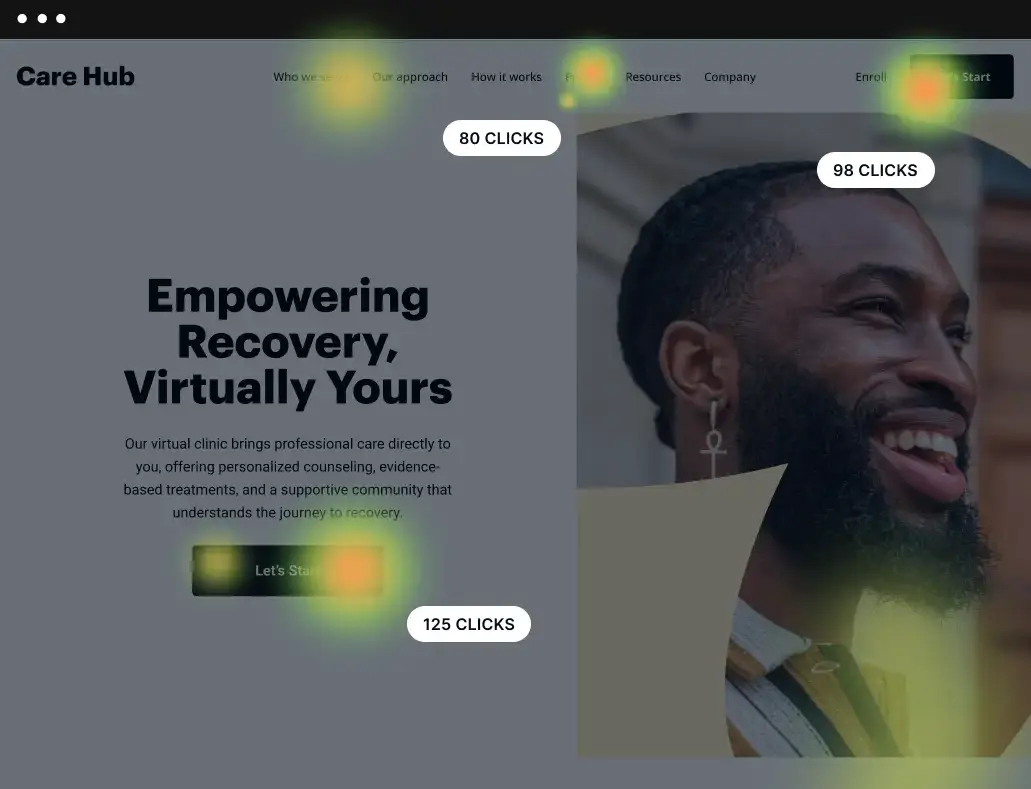
A standout feature of the Instapage platform is its AI Experiments. This functionality utilizes dynamic traffic allocation, an AI-driven method that identifies high-performing variations in real-time and shifts traffic toward them before the test even reaches traditional statistical significance. This reduces the "opportunity cost" of showing a sub-optimal page to half of the audience during a long test. Furthermore, Instapage provides integrated heatmaps, allowing users to track mouse movements and click patterns to identify friction points.
Corporate feedback highlights the efficacy of this approach. For instance, the Verizon Digital Media Services (VDMS) team utilized Instapage’s testing features to validate page elements, ultimately reporting a reduction in cost-per-conversion by more than 50%. This underscores the financial impact of moving from intuition to evidence-based design.
2. VWO: Mastery of Split URL and Funnel Testing
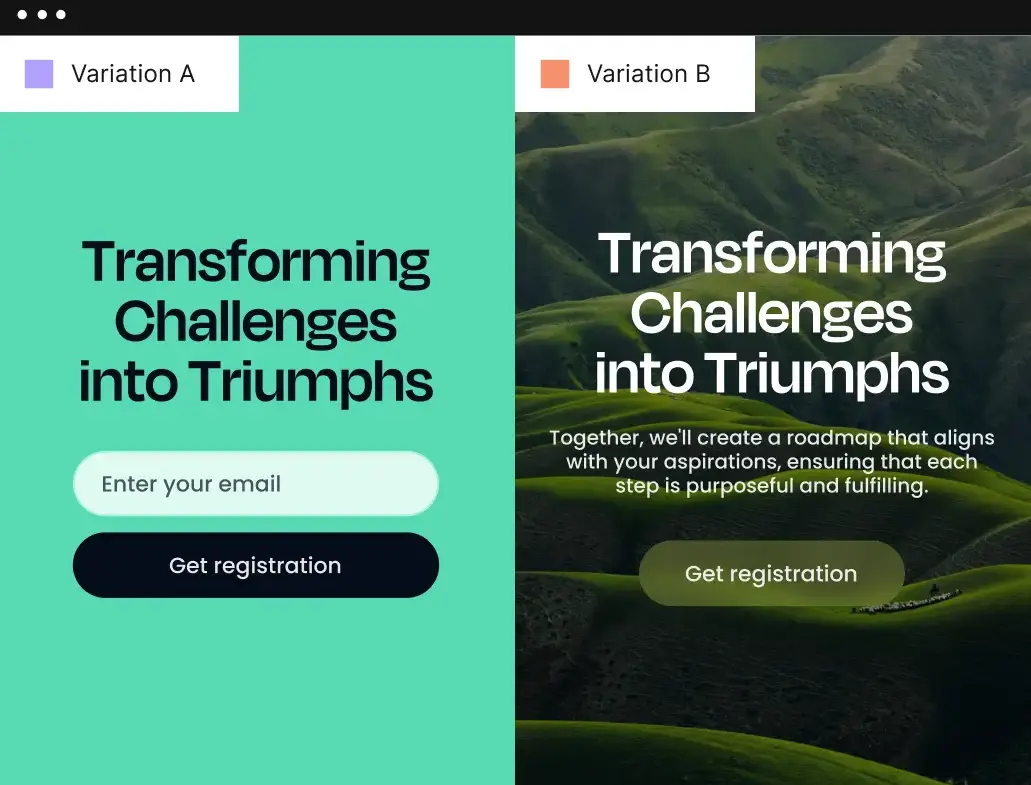
VWO (Visual Website Optimizer) remains a staple in the CRO industry, particularly for its versatility in handling complex testing scenarios. While it offers standard A/B testing, it excels in Split URL testing. This is particularly useful for marketers who wish to test two entirely different page designs or different hosted environments against one another.
VWO’s platform is built around a "Plan, Track, and Analyze" philosophy. It allows marketers to track multiple metrics across the entire conversion funnel, ensuring that an improvement on a landing page doesn’t lead to a drop-off further down the line (such as on the checkout page). Its Bayesian statistical engine provides a "probability to be best" metric, which simplifies the decision-making process for non-statisticians.
3. Optimizely: Enterprise-Grade Experimentation at the Edge
Optimizely is often regarded as the gold standard for large-scale enterprises with high-traffic volumes. The platform has pivoted toward "Web Experimentation" that leverages edge computing. By running experiments at the network edge, Optimizely ensures that there is zero latency in page rendering, which is crucial for SEO and user retention.
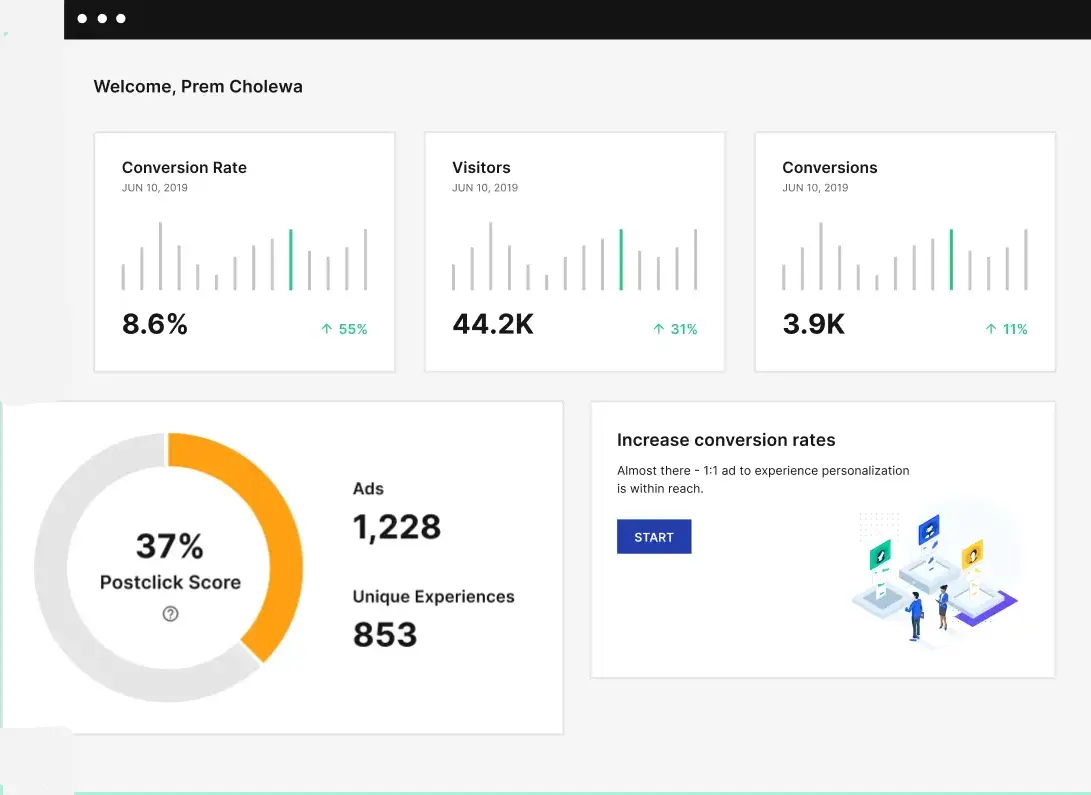
The platform’s visual editor is designed to reduce reliance on engineering teams, though it offers robust APIs for developers who wish to run deeper, "full-stack" experiments. Optimizely’s embedded AI capabilities, such as automated copy suggestions for CTAs, help teams accelerate their testing cycles. Its focus on accuracy and statistical rigor makes it a preferred choice for organizations that require high-confidence data for executive-level decision-making.
4. GrowthBook: The Open-Source Alternative for Data Sovereignty
For companies that prioritize data privacy and wish to avoid "vendor lock-in," GrowthBook has emerged as a disruptive force. As an open-source platform, it allows teams to run unlimited tests while maintaining full control over their data. GrowthBook integrates directly with existing SQL data sources, such as Snowflake or BigQuery, as well as analytics tools like Mixpanel.
This tool is particularly popular among technical teams and data scientists who want to apply custom statistical models to their experiments. By allowing users to add metrics to past experiments retroactively, GrowthBook provides a level of flexibility that many proprietary, "black-box" platforms cannot match.
Supporting Data: The Quantitative Impact of A/B Testing
The necessity of these tools is backed by compelling industry data. According to various digital marketing studies, the average conversion rate across all industries hovers around 2.35%. However, companies that are in the top 10% of their industries—those that typically employ rigorous testing protocols—see conversion rates of 11.45% or higher.
Furthermore, a 2023 report on digital experimentation found that for every $1 spent on user experience and testing, companies see an average return of $100. This 9,900% ROI highlights why A/B testing has moved from a "nice-to-have" feature to a core business requirement. Without testing, marketers are essentially guessing which headline or image will work, a strategy that is increasingly unsustainable as advertising costs on platforms like Google and Meta continue to rise.
The Broader Implications for the Marketing Industry
The rise of AI-driven testing tools signifies a broader shift in the marketing profession. We are moving away from the era of the "Creative Director" who relies on gut feeling, toward the "Growth Engineer" who relies on probability. This transition does not eliminate the need for creativity; rather, it provides a framework to measure the effectiveness of that creativity.
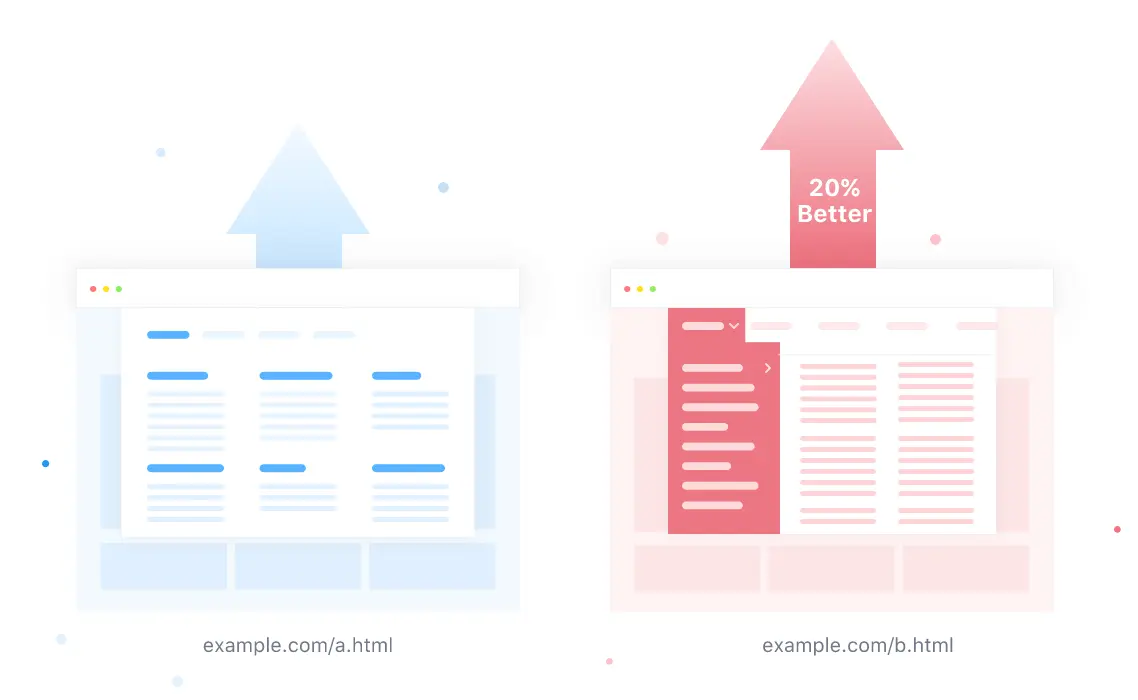
The implications for user experience (UX) are also significant. A/B testing, when done correctly, results in websites that are easier to navigate, more relevant to user needs, and less cluttered with unnecessary elements. This creates a symbiotic relationship: businesses achieve higher profits, and consumers enjoy a more streamlined, personalized digital experience.
As AI continues to integrate with these platforms, the next frontier will be "Hyper-Personalization." Instead of finding one winning variation for all users, tools will eventually be able to serve different variations to different individuals in real-time, based on their browsing history, demographics, and intent.
In conclusion, the competitive nature of the modern digital economy dictates that optimization is a continuous journey rather than a destination. Whether an organization chooses the all-in-one capabilities of Instapage, the funnel-tracking depth of VWO, the enterprise power of Optimizely, or the data flexibility of GrowthBook, the message is clear: those who do not test are destined to be outperformed by those who do. The ability to iterate, learn, and adapt based on real-world user behavior remains the most reliable path to sustained digital growth.







