

The landscape of digital commerce is currently undergoing a fundamental shift as the industry moves beyond traditional search-and-click models toward a future defined by agentic shopping. Agentic shopping refers to a paradigm in which artificial intelligence agents, rather than human users, take primary responsibility for the product discovery, evaluation, and purchasing process. While early iterations of this technology promised a seamless, end-to-end revolution in how goods are acquired, the initial rollout has been characterized by significant technical hurdles and a notable "false start" by industry leaders. Despite these setbacks, the transition toward autonomous consumerism remains a central focus for major technology platforms and global retailers.

The core promise of agentic shopping is the delegation of the consumer journey. Instead of a shopper navigating multiple tabs, comparing shipping costs, and verifying stock levels, an AI agent acts as a sophisticated proxy. These agents are designed to understand complex natural language queries, filter products based on granular constraints such as "fragrance-free" or "Australian-made," and eventually execute transactions using stored payment credentials. However, recent market data and technical assessments suggest that the infrastructure required to support this vision is still in its infancy.
The Rise and Fall of First-Generation Agentic Checkout
The most prominent example of the first wave of agentic shopping was OpenAI’s Instant Checkout, a feature launched in late 2025 designed to allow ChatGPT users to purchase products directly within a conversational interface. By removing the need to visit a retailer’s website, the feature aimed to minimize friction and capture the entire value chain within the AI ecosystem. However, the experiment was short-lived, with OpenAI discontinuing the feature in March 2026, only five months after its debut.
The failure of Instant Checkout was driven by a combination of poor performance metrics and structural resistance from the retail sector. Walmart, an early adopter of the technology, integrated approximately 200,000 products into the ChatGPT ecosystem. The results were underwhelming: conversion rates for transactions handled via the AI agent were three times lower than those completed on Walmart’s proprietary website. Furthermore, the adoption among smaller merchants was nearly non-existent. Out of Shopify’s millions of merchants, only 12 went live with the feature before its termination.
Industry analysts point to three primary structural problems that led to this discontinuation. First, the user experience (UX) was often more cumbersome than traditional shopping; agents frequently required excessive clarification or made incorrect assumptions about user preferences. Second, retailers expressed concerns over the loss of direct customer relationships, as the chat interface effectively "blinded" the merchant to the shopper’s behavior. Third, the lack of standardized data protocols meant that AI agents often struggled to access real-time inventory and pricing data, leading to failed transactions and consumer frustration.

The Technical Infrastructure Gap: Cloudflare and Readiness Data
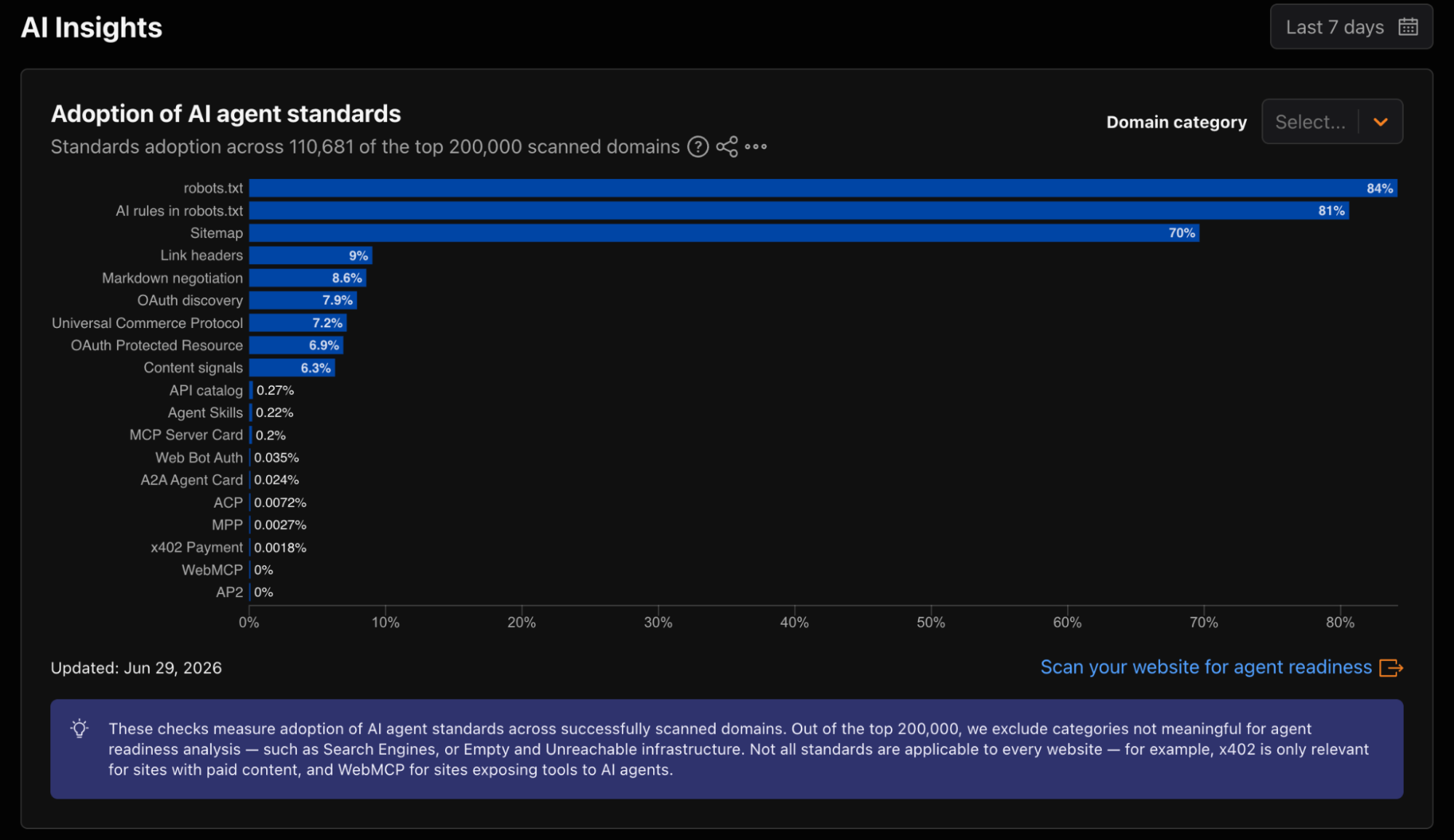
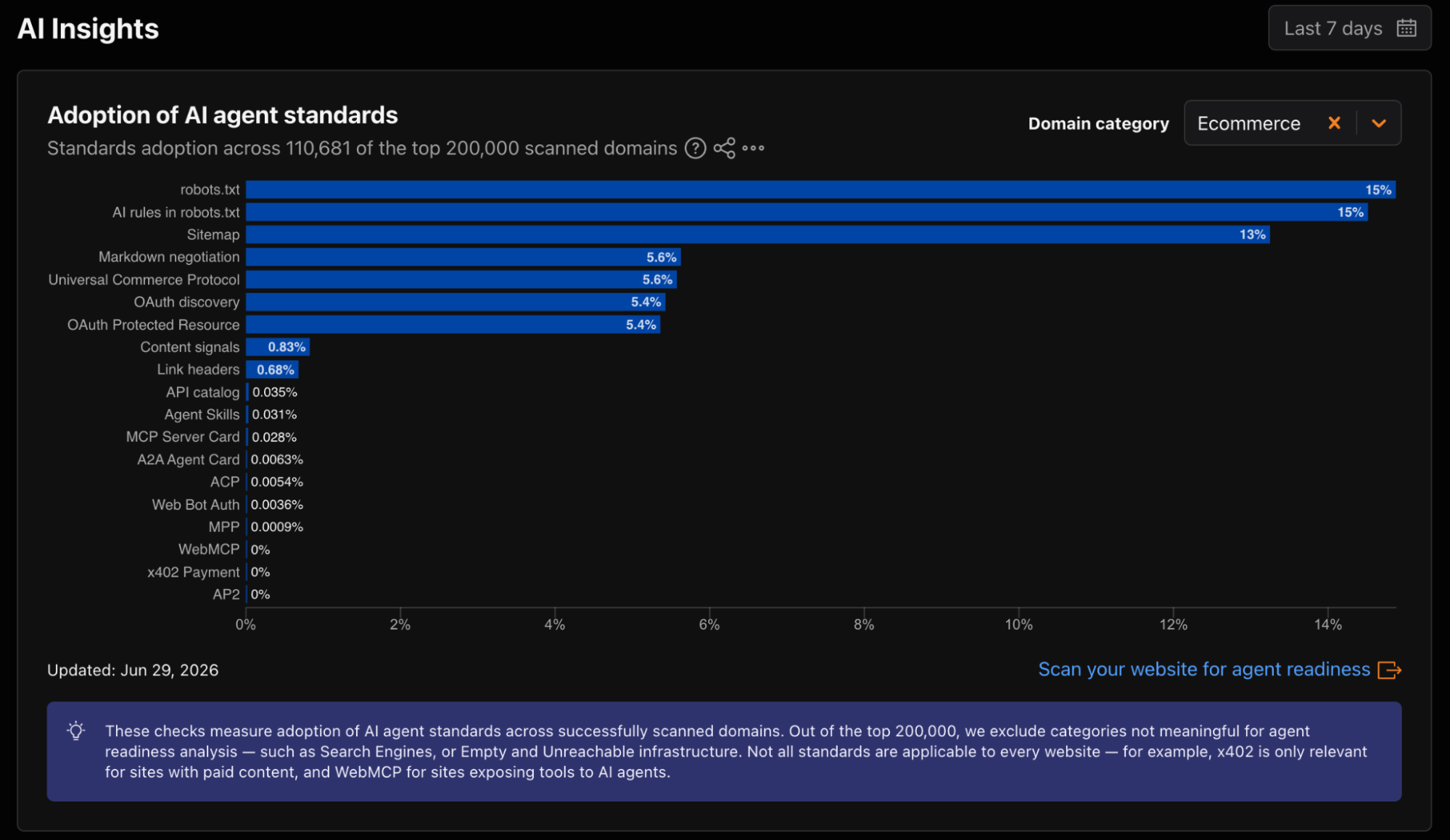
A significant barrier to the adoption of agentic shopping is the lack of technical readiness among ecommerce websites. For an AI agent to function effectively, it must be able to crawl a site, interpret its structured data, and interact with its checkout flow. Data from Cloudflare’s AI Insights tool, which monitors signals across the top 200,000 scanned domains, reveals a stark disparity between the requirements of AI agents and the current state of the web.
The foundational infrastructure of the internet—robots.txt files and sitemaps—remains underutilized in the ecommerce sector. While 84% of top global domains have a robots.txt file, only 15% of ecommerce sites maintain one. Similarly, only 13% of ecommerce sites have a sitemap, a critical tool for AI agents to understand site architecture. Beyond these basics, adoption of advanced agentic protocols is virtually non-existent. Standards such as JSON-LD (used for structured data), AI.txt (to govern AI interactions), and the GPT-Action-Schema are found on less than 1% of scanned ecommerce sites.
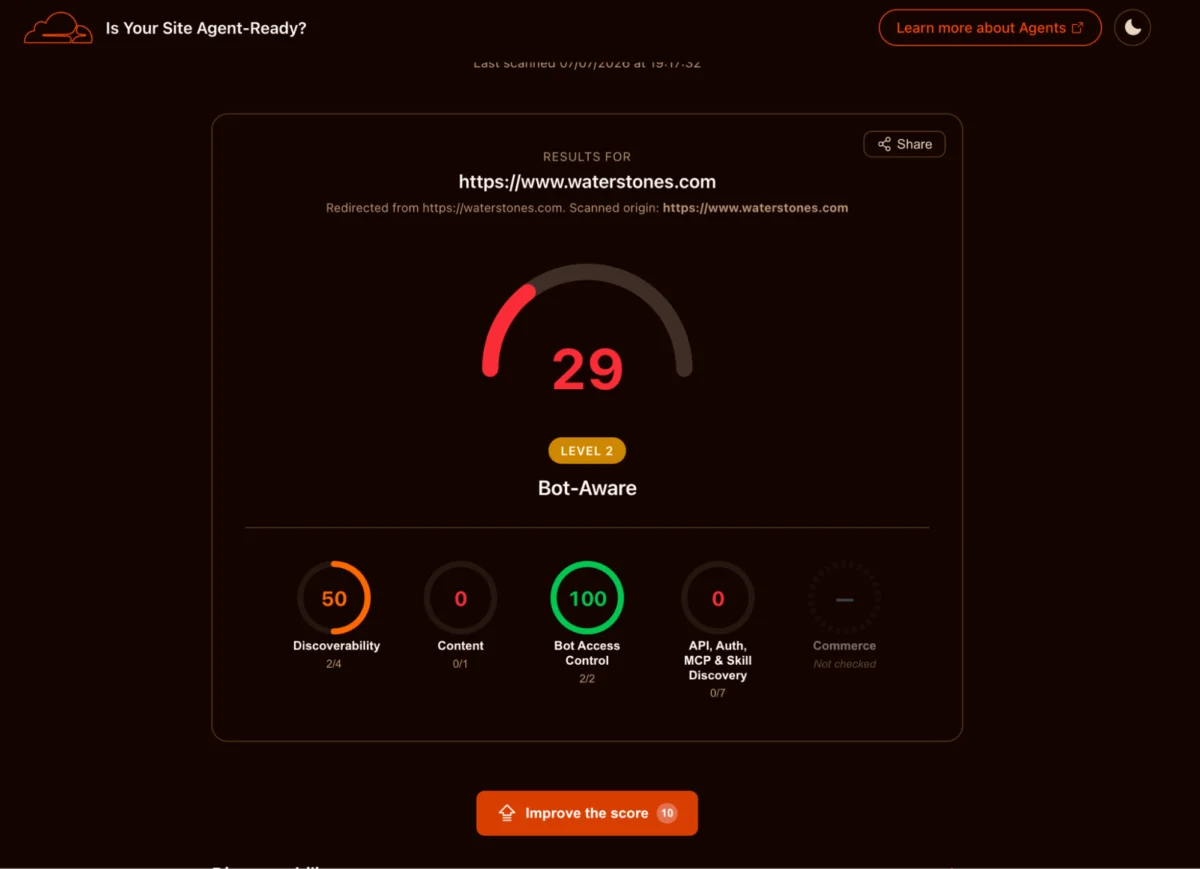
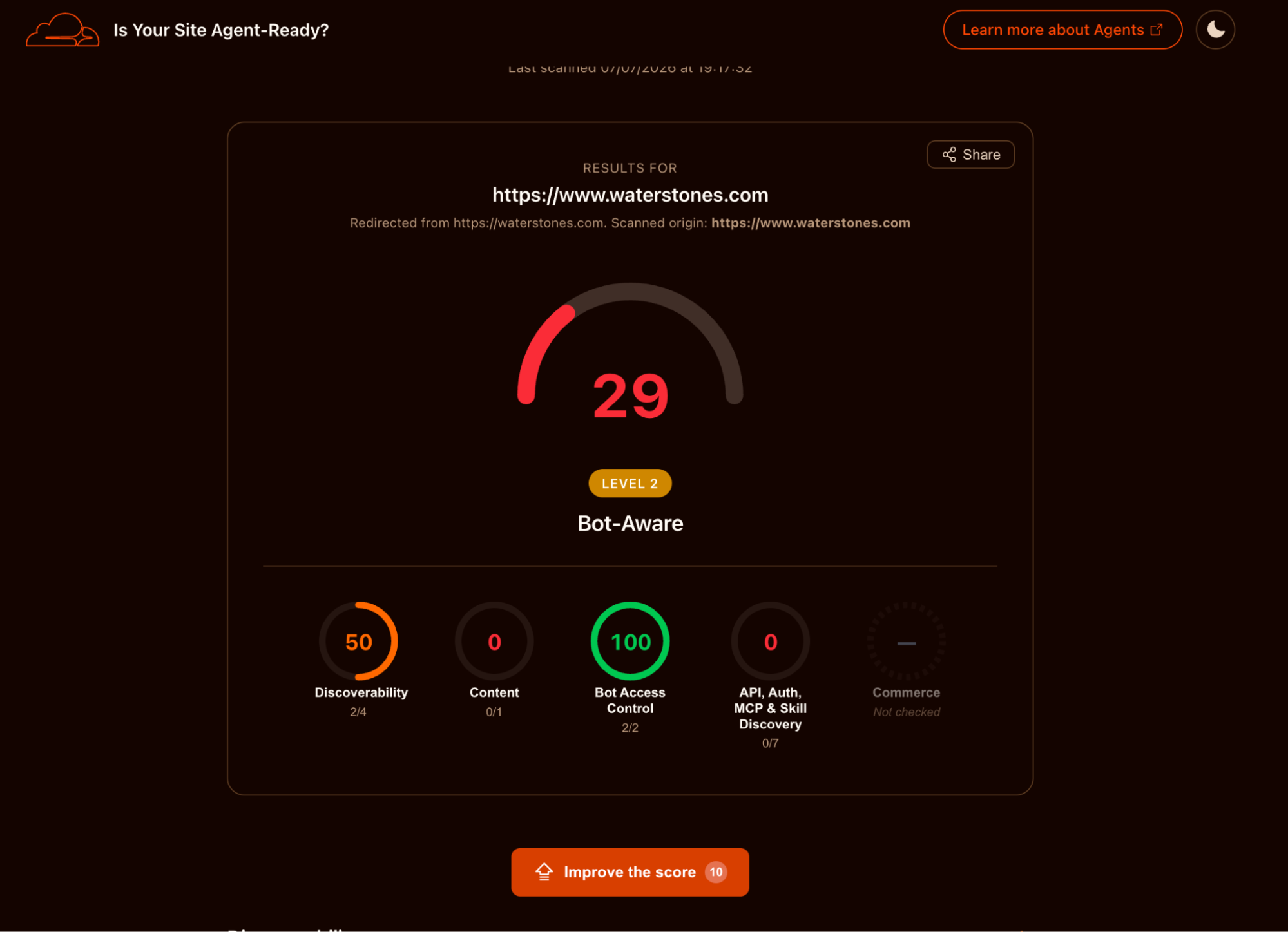
In a dedicated scan of 1,100 ecommerce brands, researchers found that the vast majority of sites scored at "Level 1" readiness, meaning they possess only a basic web presence with no optimizations for autonomous agents. No sites in the study reached "Level 3" or above, which would require seamless API integrations and AI-governance protocols. Furthermore, 41% of these sites actively blocked agent-readiness scanners using bot protection software. This suggests a defensive posture among retailers who fear that AI agents may scrape data or tax server resources without providing a clear return on investment.

Analyzing Agent Behavior: Insights from 120 Shopping Prompts
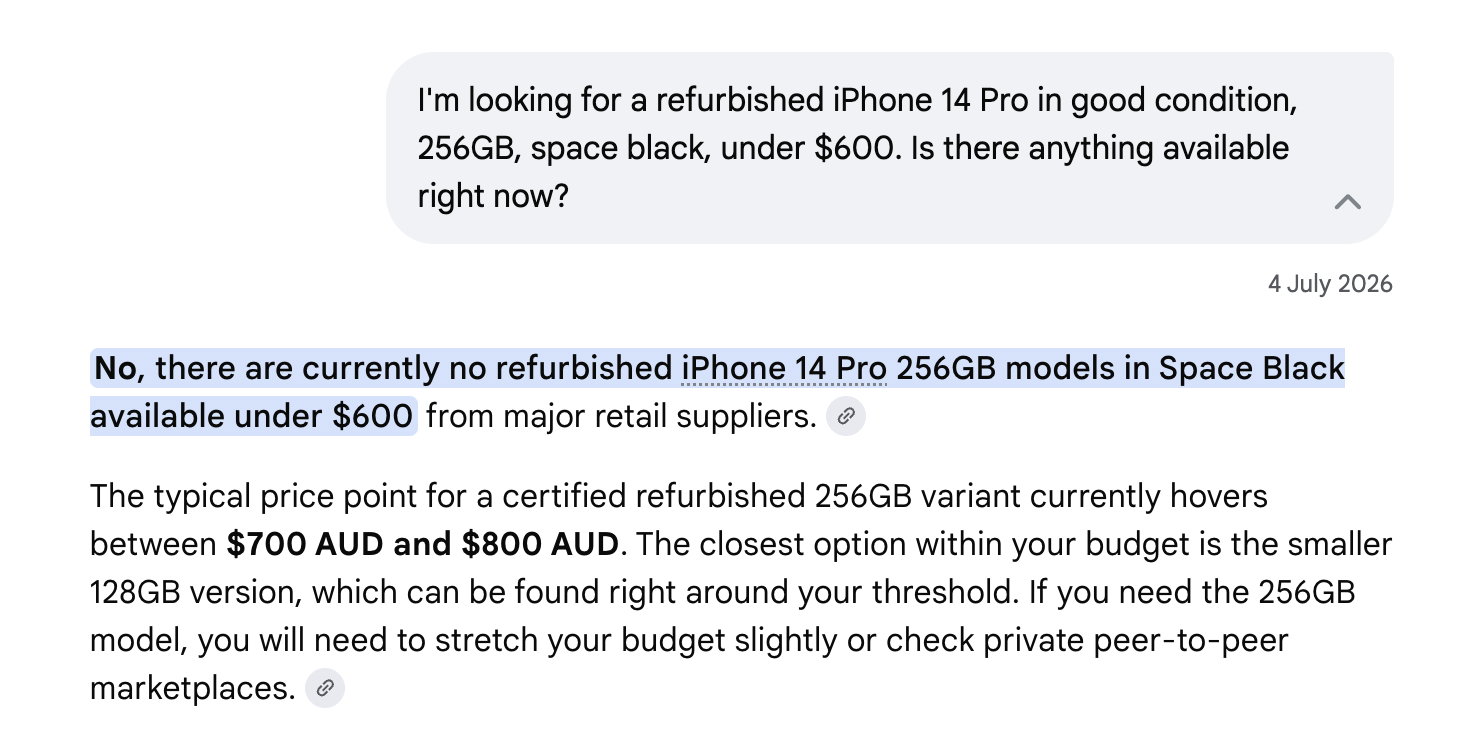
To understand how current AI models handle shopping tasks, researchers conducted over 120 tests using ChatGPT and Google AI Mode. These tests covered 16 product categories, ranging from high-end electronics to daily beauty products. The results highlighted both the emerging capabilities and the persistent flaws of agentic systems.
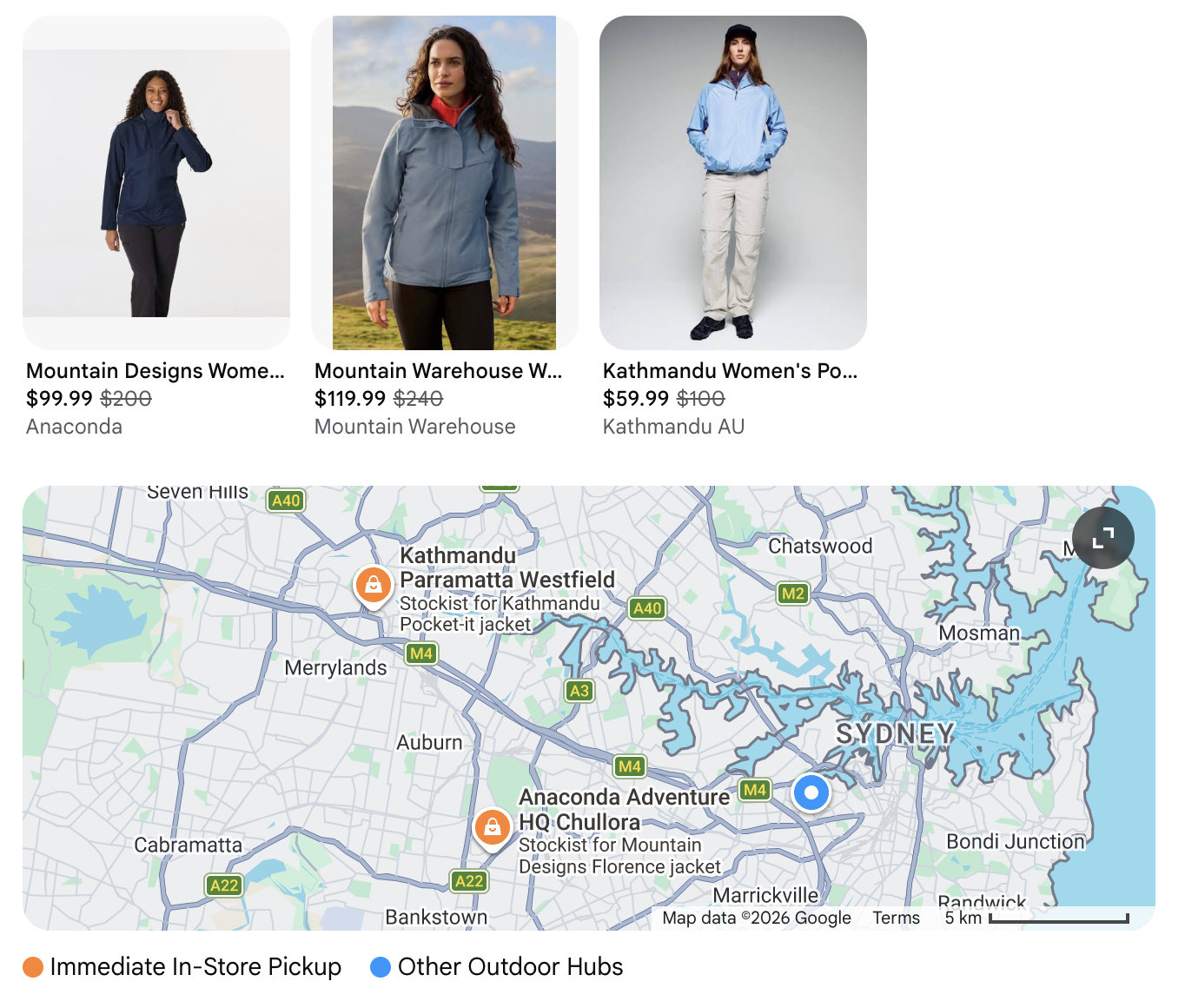
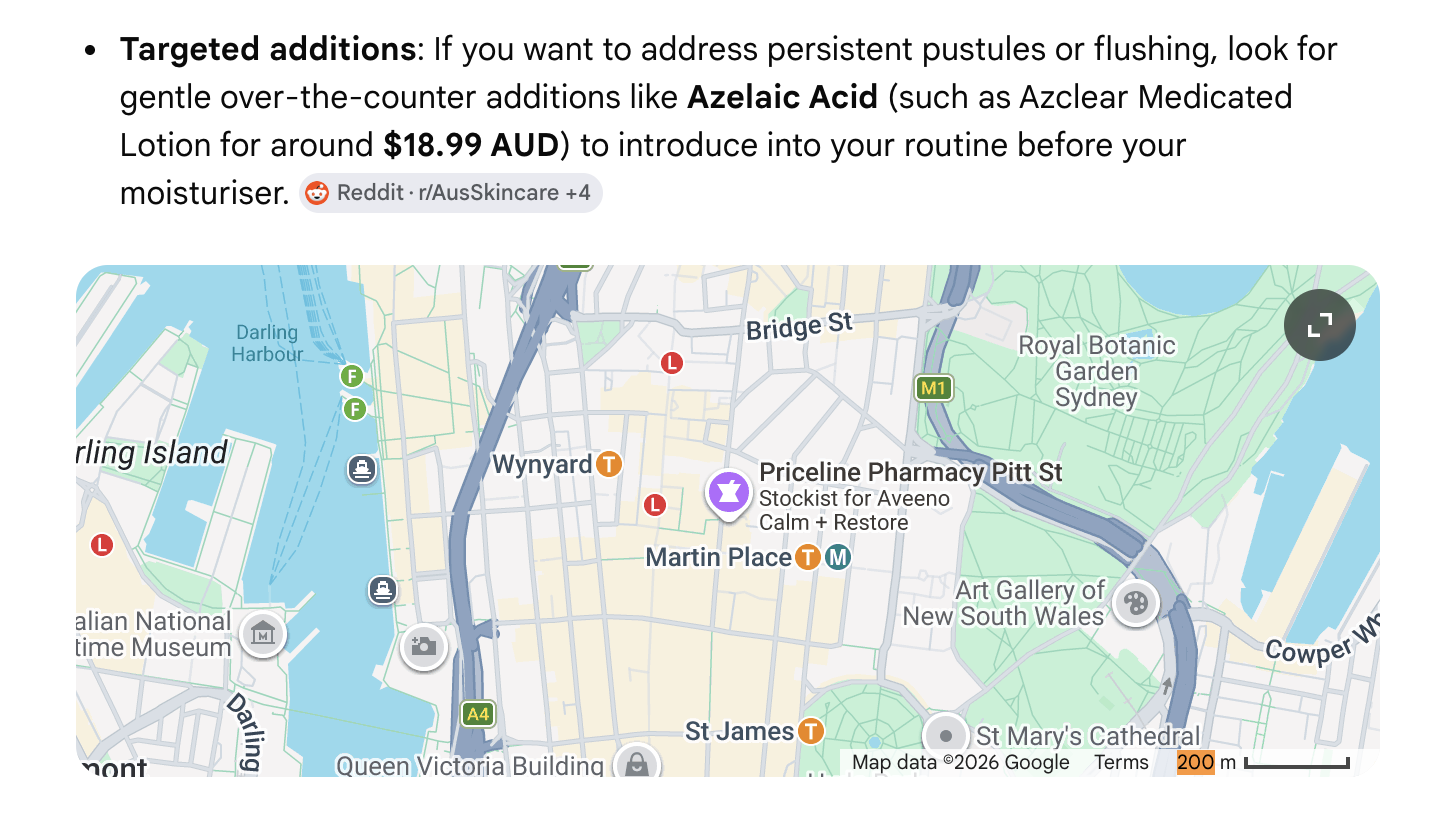
One of the standout findings was that AI agents are increasingly acting as logistics coordinators rather than simple search engines. In response to queries, agents do not just list products; they solve the "purchase equation" by simultaneously checking local stock, delivery speeds, and price variations. For example, a search for a specific rain jacket in Sydney resulted in the agent identifying a nearby Kathmandu store with "Immediate In-Store Pickup" and providing a map of the location. This suggests that agentic shopping is inherently localized, relying heavily on persistent location data and real-time inventory feeds.
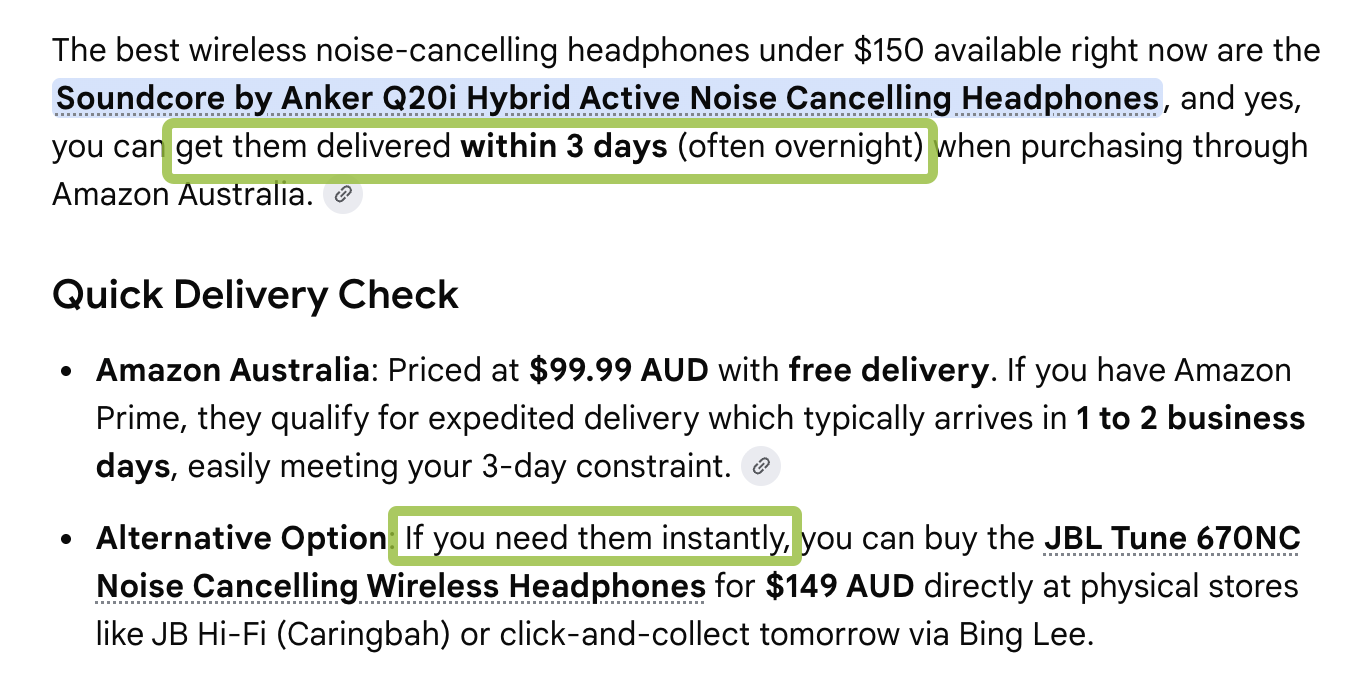
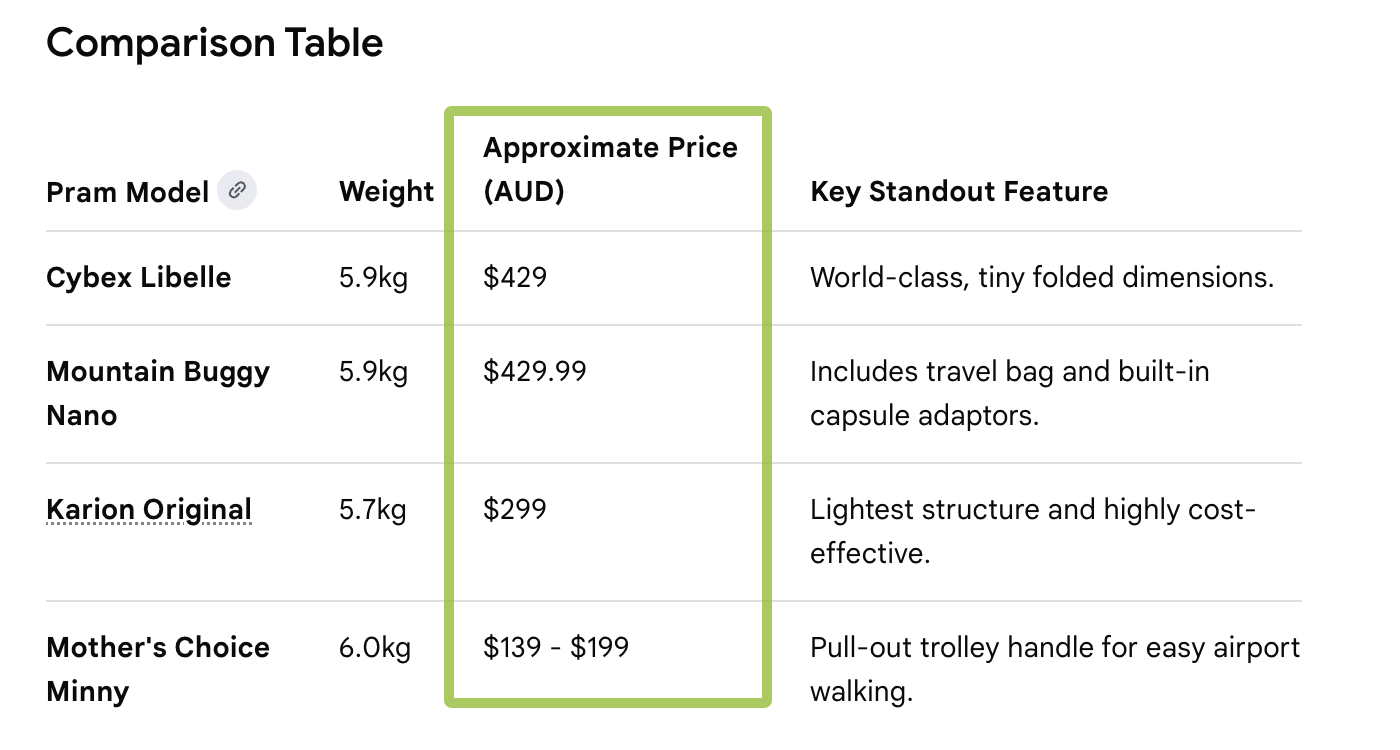
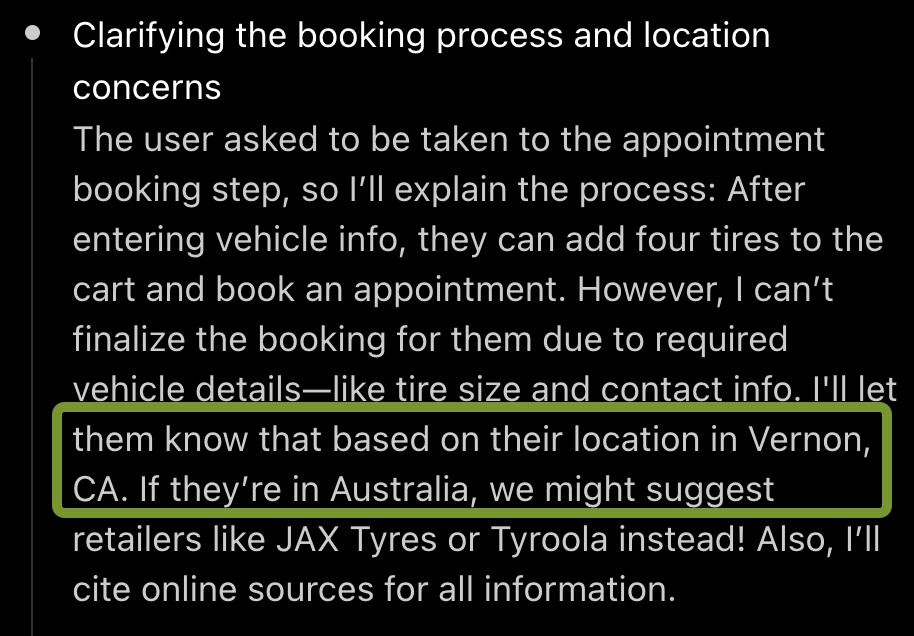
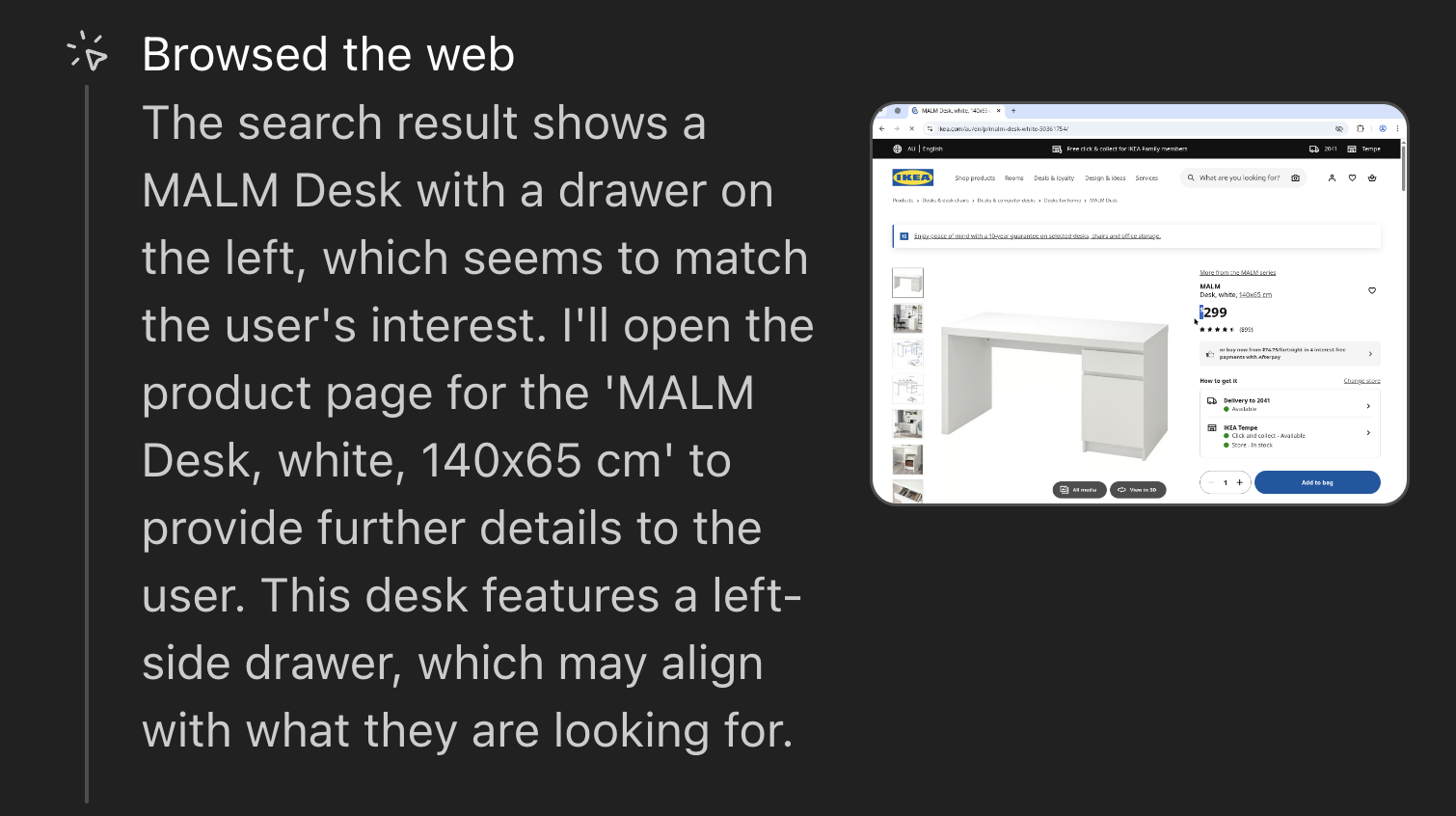
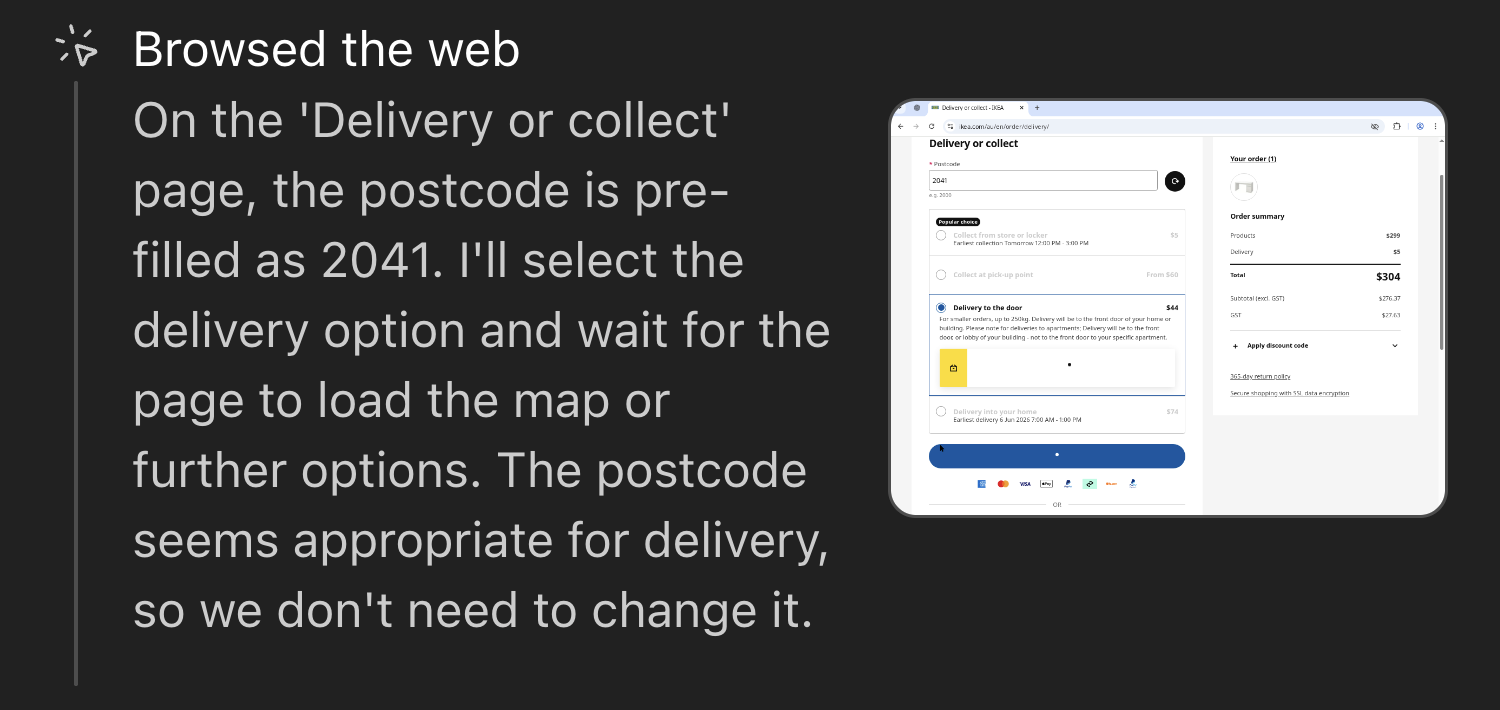
However, the tests also revealed a "trust gap" caused by agent assumptions. When tasking an agent to purchase a white desk from a major furniture retailer, the AI made at least seven significant decisions without consulting the user. It selected a specific model ("MALM") because it "seemed to match the user’s interest," chose a delivery slot because it "seemed appropriate," and pre-filled contact details from its own memory. While efficient, this level of autonomy often results in errors—such as the wrong color or an inconvenient delivery time—that would be avoided in a human-led checkout process.
Strategic Optimization for the Agentic Era
For retailers to remain competitive as agentic shopping matures, they must optimize their digital presence across three distinct levels: product data, retailer logistics, and audience personalization.
At the product level, the focus must shift toward structured attributes and facets. AI agents do not "read between the lines" of marketing copy. A description that says "great for sensitive skin" is less useful to an agent than structured data specifying "fragrance-free," "non-comedogenic," and "hypoallergenic." Retailers who provide complete attribute sets and accurate specifications will be prioritized by agents looking to satisfy multi-condition queries from users.
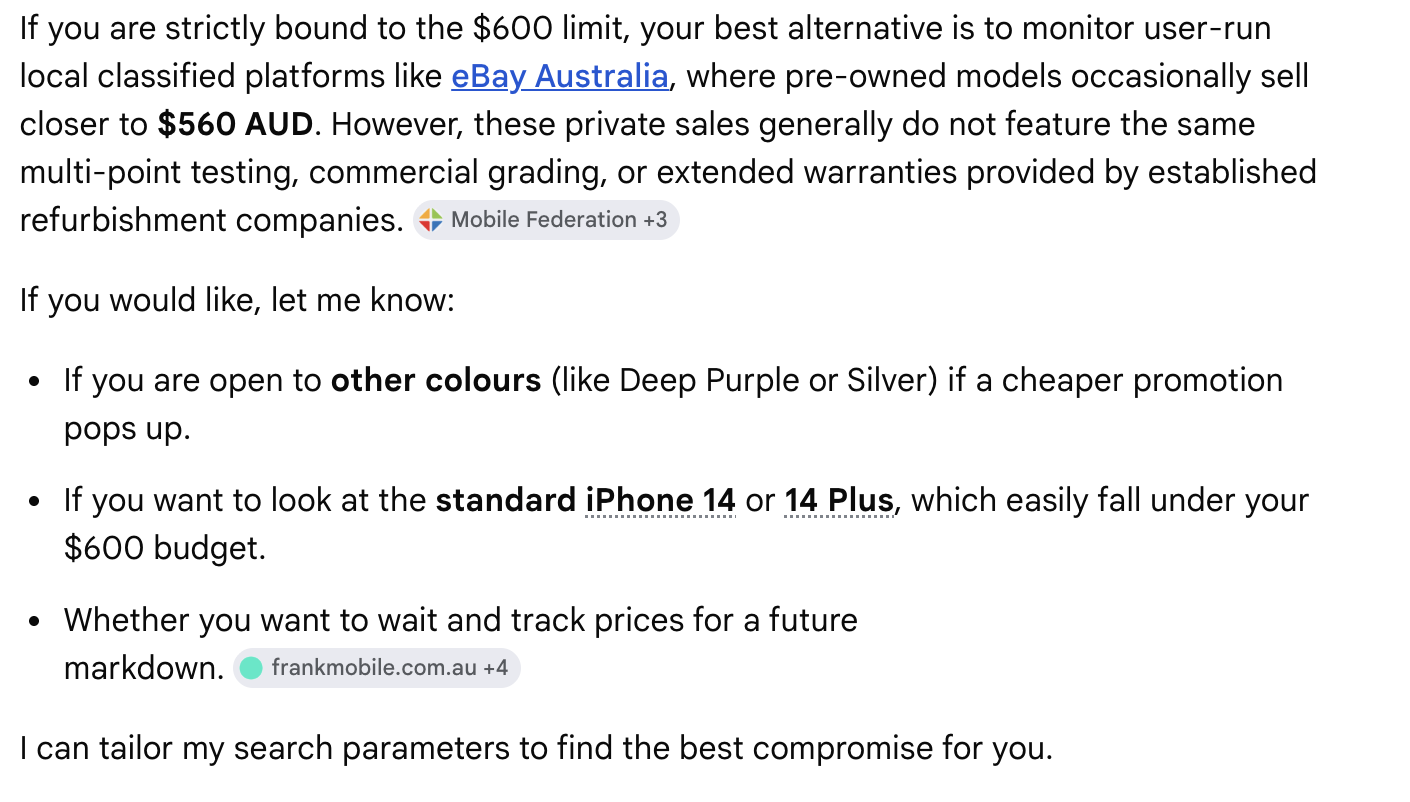
At the retailer level, agents evaluate the "recommendability" of the store itself. This includes analyzing return policies, warranty terms, and seller ratings. In the 120-prompt study, agents frequently provided a "trust summary" for each recommended retailer, effectively acting as a filter for brand reputation. Retailers whose brand story and logistical strengths are clearly communicated through structured data will win the agent’s recommendation over those with stale or incomplete information.
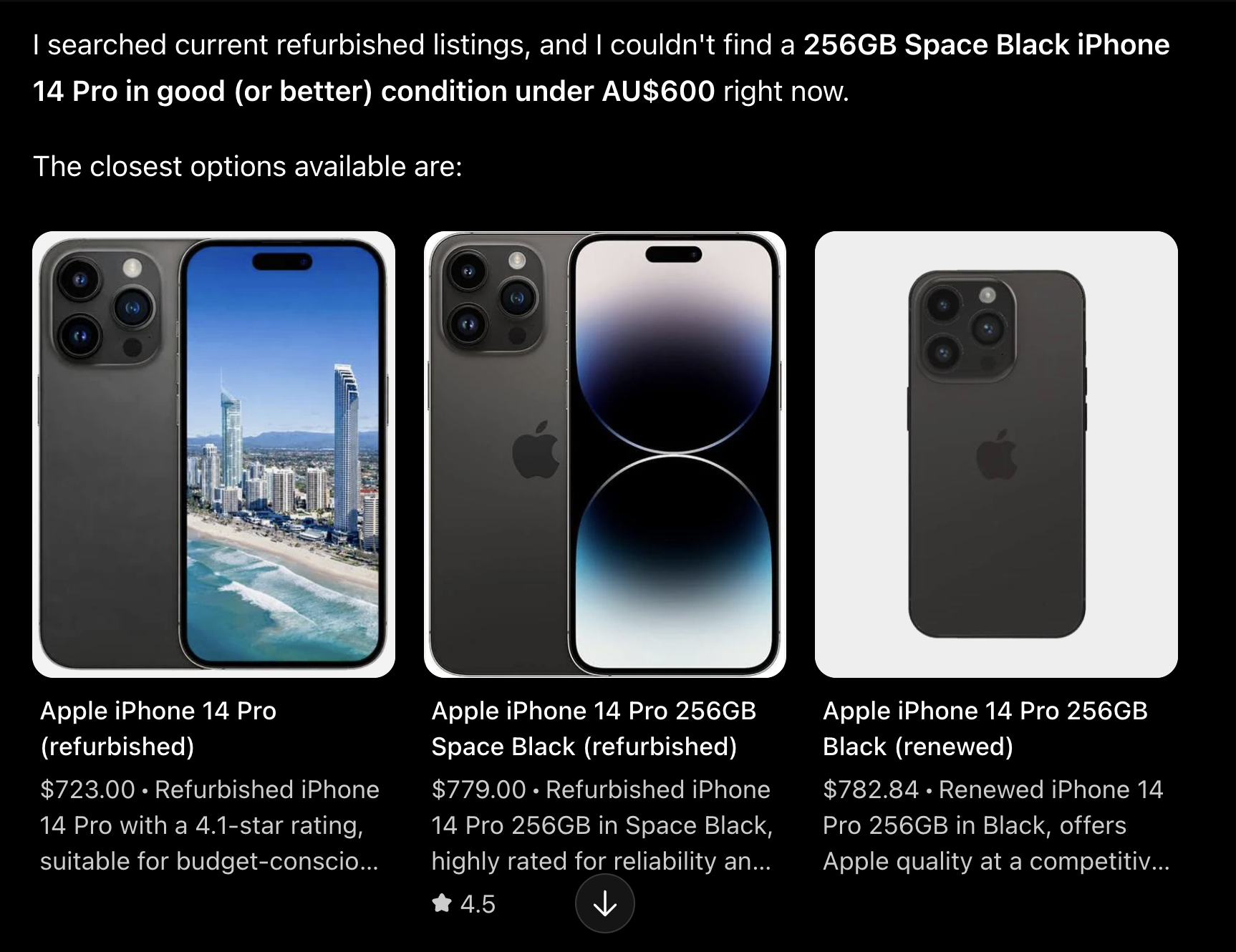
Finally, at the audience level, retailers must recognize that agents are building long-term profiles of their users. An agent knows if a user consistently prefers sustainable materials or specific price brackets. Retailers can capitalize on this by ensuring their product data reflects the specific values and patterns of their target demographics, making it easier for an agent to make a high-confidence match.

Broader Impact and the Pivot to Discovery-and-Redirect
The failure of direct-purchase models like Instant Checkout has led to a strategic pivot toward a "discovery-and-redirect" model. In this current phase, AI platforms like Google and OpenAI focus on helping users find the right product and then providing a direct link to the retailer’s own website to complete the transaction.
This model is currently more beneficial for retailers, as it preserves the "first-party" relationship with the customer and ensures that the merchant retains control over the checkout experience and data collection. It also mitigates the liability risks for AI companies, who are no longer responsible for transaction failures or payment security issues.

The broader implication for the industry is the emergence of "Agentic SEO." Just as retailers spent two decades optimizing for Google’s search algorithms, they must now optimize for the Large Language Models (LLMs) that power AI agents. This involves a shift from keyword-stuffing to data-structuring. The future of ecommerce belongs to those who can make their inventory, logistics, and brand values "legible" to the autonomous agents that will soon be doing the shopping for millions of consumers.
While agentic shopping had a rocky start, the development of the necessary data pipelines and trust protocols continues at a rapid pace. The move toward autonomous consumerism is not a question of "if," but "when." Retailers who begin the technical work of structuring their data today will be the ones who are discovered and recommended by the AI agents of tomorrow.







