
A robust sales strategy is the bedrock of sustainable business growth, encompassing every facet of the sales lifecycle. From meticulously identifying target audiences and refining outreach methods to leveraging essential tools and establishing efficient processes, a comprehensive strategy provides a clear roadmap for success. In today’s dynamic marketplace, these strategies are not static blueprints but living documents, continuously evolving with fresh insights to optimize ongoing sales endeavors and adapt to market shifts. The meticulous development and implementation of such strategies are proving to be a critical differentiator for companies aiming to thrive in competitive sectors.
The Indispensable Benefits of a Well-Defined Sales Strategy
The advantages of a thoughtfully constructed sales strategy are multifaceted, directly impacting both sales and marketing teams and ultimately influencing the bottom line. For sales representatives, a clear strategy translates into maximized productivity, ensuring their efforts are concentrated on the most impactful activities. Simultaneously, marketing departments can leverage this strategic clarity to position the company and its offerings with greater precision and effectiveness, fostering a synergistic approach to revenue generation.
Maximizing Productivity by Focusing on High-Impact Activities
Small and growing businesses often grapple with the challenge of identifying reliable lead generation channels. A well-defined sales strategy addresses this head-on by illuminating the ideal buyer persona. Once this profile is established, businesses can pinpoint precise methods for engaging these prospects and articulate value propositions that resonate deeply. This targeted approach liberates sales teams from time-consuming, low-yield activities, allowing them to dedicate their energy to tasks that demonstrably advance the sales cycle and contribute to revenue growth. Research consistently shows that organizations with clearly defined sales processes experience significantly higher conversion rates. For instance, a study by CSO Insights revealed that companies with a defined sales process achieve a 44% higher win rate for their sales opportunities.
Driving Revenue Growth and Pipeline Expansion
The quest for increased revenue can be approached through various avenues, such as adjusting pricing models or optimizing acquisition channels for higher conversion rates. However, the strategic alignment of sales and marketing efforts, often termed "smarketing," offers a particularly potent pathway to revenue expansion. When these two critical departments collaborate effectively, evidence suggests a substantial uplift in sales performance. A report by HubSpot indicates that companies with strong sales and marketing alignment see 38% higher sales win rates. This synergy ensures that marketing generates qualified leads that are precisely aligned with sales objectives, and that sales teams are equipped with the insights and messaging needed to convert those leads efficiently.

Cultivating Repeatable Systems for Predictable Growth
A cornerstone of a successful sales strategy is its ability to foster repeatable systems, thereby creating a predictable trajectory for growth. By identifying and codifying the most effective sales tactics, businesses can apply these proven methods consistently across their entire lead base, moving beyond ad-hoc approaches. This systematization ensures that every lead receives a tailored, yet standardized, engagement based on what has historically yielded the best results. For example, if data indicates that leads receiving a product demonstration convert at a 50% higher rate than those who do not, this becomes a mandatory step in the sales process for all relevant opportunities. This systematic approach not only enhances efficiency but also provides a solid foundation for scaling operations without compromising quality.
Navigating the Spectrum of Sales Methodologies: Inbound, Outbound, and Account-Based Marketing
While no single methodology is universally superior, understanding the nuances of inbound sales, outbound sales, and account-based marketing (ABM) allows businesses to select and integrate strategies that best suit their operational context and customer base. The most effective approach often involves a judicious blend of these techniques.
Inbound Sales: Attracting and Engaging Through Value
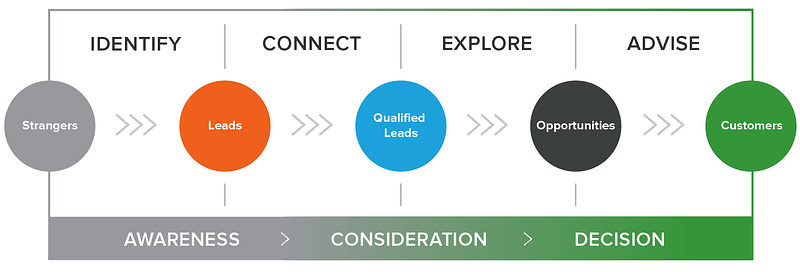
Inbound sales strategies are characterized by their focus on attracting leads by providing valuable content. This approach intrinsically blends sales and marketing efforts, often initiated by marketing campaigns that draw in potential customers. For instance, a company might publish insightful whitepapers or host informative webinars that address common industry challenges. Once a lead expresses interest, perhaps by downloading a resource or attending an event, the sales team can then engage in a more personalized manner. This engagement typically involves scheduling product demonstrations, understanding the lead’s specific pain points, and positioning the product as a solution. In this model, sales representatives often adopt an advisory role, guiding the prospect through the evaluation process to ensure a mutual fit. The inbound methodology relies on creating content that naturally attracts the right audience, fostering trust and authority before a direct sales conversation even begins.
Outbound Sales: Proactive Outreach and Direct Engagement
Outbound sales strategies involve the proactive sourcing and contacting of potential leads, rather than waiting for them to initiate contact. This classic approach, often exemplified by cold emailing and cold calling, has been the foundation of many successful businesses. For outbound strategies to be effective, a compelling offer and a seamless sales process are paramount. Furthermore, adherence to regulations such as the General Data Protection Regulation (GDPR) is crucial, particularly when sourcing contact information. Companies employing outbound tactics must ensure their outreach is both compliant and respectful of prospect privacy. The efficacy of outbound sales often hinges on the quality of the prospect list and the persuasive power of the initial outreach.
Account-Based Marketing (ABM): Precision Targeting and Personalized Engagement
Account-Based Marketing (ABM) represents a highly strategic approach that centers on identifying and targeting specific high-value accounts based on their potential fit with the company’s product or service. Once these target accounts are identified, unique and highly relevant content is developed to nurture these relationships and facilitate the closing of deals. ABM campaigns typically involve engaging multiple decision-makers within a target organization, providing them with tailored information and building consensus. This requires a close, collaborative effort between sales and marketing teams. An illustrative example of ABM in action would be a coordinated campaign where targeted LinkedIn advertisements are served to key personnel at a chosen company, coinciding with personalized cold emails from the sales team. ABM flips the traditional sales funnel by prioritizing account selection before campaign development, ensuring that resources are focused on the most promising opportunities.
The Essential Steps to Constructing a Winning Sales Strategy
Building an effective sales strategy is a systematic process that requires careful consideration of several key elements.
1. Understanding Your Ecosystem: Industry, Product, and Buyer Persona
The foundational step in crafting a sales strategy is a deep understanding of your target market and how your business is positioned within it. This begins with a thorough analysis of your industry landscape, your specific product or service offering, and, most importantly, your ideal buyer persona. Defining this persona—a semi-fictional representation of your ideal customer—involves detailing their demographics, psychographics, pain points, motivations, and buying behaviors. This insight is critical for tailoring your messaging and outreach efforts effectively.
Furthermore, your Average Contract Value (ACV) significantly influences your strategic approach. Businesses with a low ACV may opt for high-volume, low-touch sales tactics, while those with a high ACV can invest more resources in personalized, consultative sales processes. Industry-specific norms also play a crucial role; some sectors thrive on in-person networking and trade shows, while others are more amenable to digital engagement and online sales.
2. Setting Ambitious Yet Achievable Sales Goals
Sales goals should be intrinsically linked to the broader objectives of the company. A clear understanding of overarching business goals provides the necessary context for setting meaningful sales targets. Once these primary objectives are defined, they should be cascaded into Key Performance Indicators (KPIs) and individual goals for sales representatives. For instance, a high-level revenue target might be broken down into daily or weekly activities, such as sending a specific number of personalized outreach emails or making a set volume of follow-up calls. The ultimate aim is to establish goals that accurately reflect the expected effort of the sales team and the desired outcomes, ensuring alignment and clarity of purpose.
3. Identifying and Leveraging Key Acquisition Channels
The selection of effective acquisition channels is directly informed by your buyer personas. Understanding where your ideal customers spend their time and how they prefer to be contacted is paramount. A diverse range of demand generation strategies can be employed, depending on the target audience. These might include:

- Content Marketing: Creating and distributing valuable, relevant content to attract and retain a clearly defined audience.
- Search Engine Optimization (SEO): Optimizing your online presence to rank higher in search engine results pages, driving organic traffic.
- Paid Advertising (PPC): Utilizing platforms like Google Ads or social media advertising to reach specific demographics.
- Social Media Marketing: Engaging with potential customers and building brand awareness on relevant social platforms.
- Email Marketing: Nurturing leads and engaging existing customers through targeted email campaigns.
- Referral Programs: Incentivizing existing customers to refer new business.
- Partnerships and Affiliates: Collaborating with other businesses to expand reach.
The choice of channel is also heavily influenced by your product’s price point. For low-cost, high-volume products, channels that require less per-lead investment, such as content marketing or SEO, are often more suitable. Conversely, for high-value, infrequently purchased items, outbound strategies like cold emailing can be effective for initial lead qualification and education before a more in-depth sales conversation.
4. Implementing Robust Sales Performance Measurement
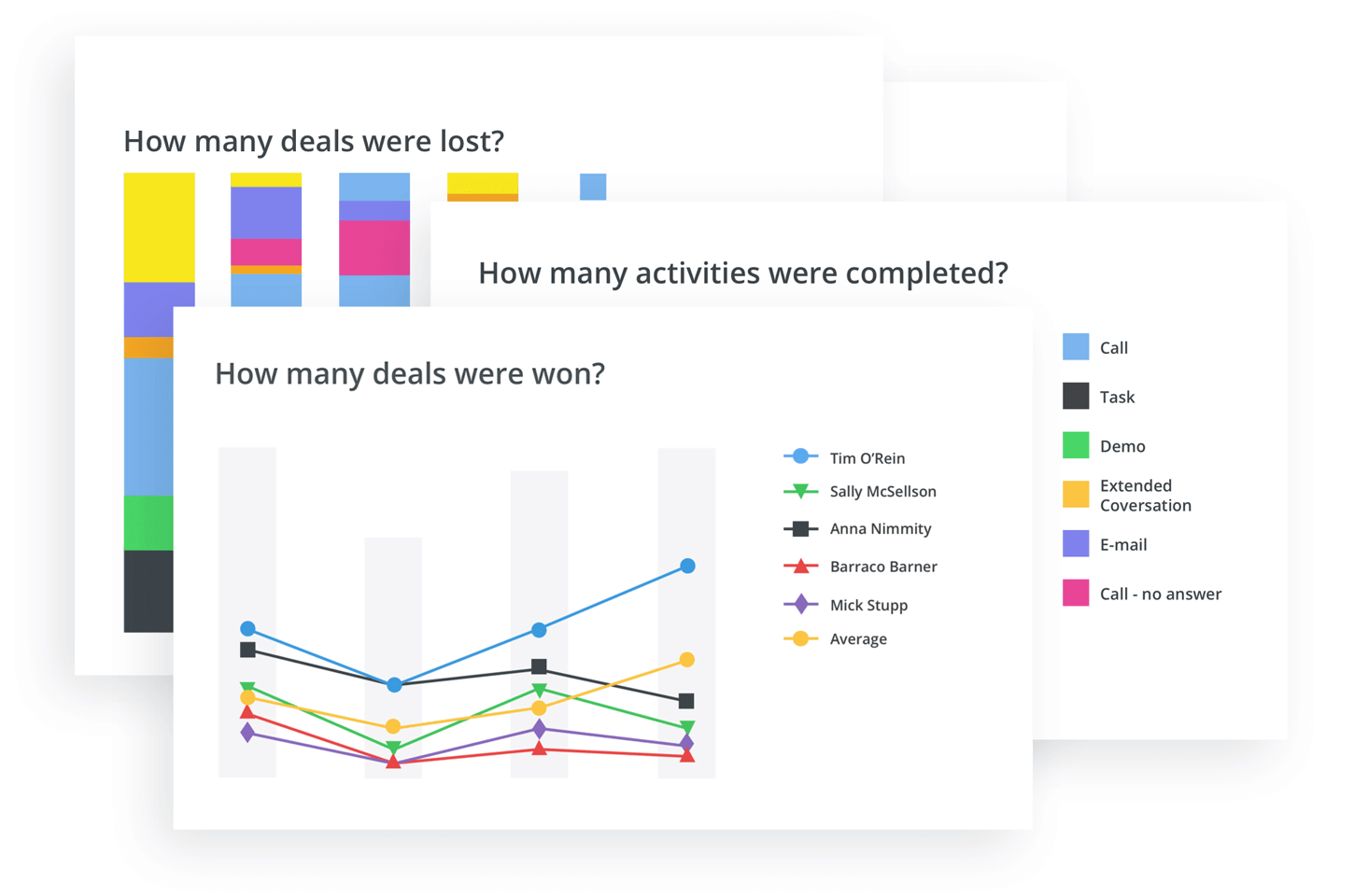
Consistent tracking and measurement of sales activities are indispensable for evaluating the effectiveness of your strategy. Without a robust system for monitoring key metrics, it becomes impossible to discern what is working and what is not, leading to wasted resources. While tools like Microsoft Excel or Google Sheets can be adapted for basic goal tracking, dedicated sales performance tracking systems offer more sophisticated analytics.
Customer Relationship Management (CRM) systems, such as Pipedrive, Salesforce, or HubSpot CRM, are invaluable in this regard. These platforms provide built-in analytics that offer detailed reports on metrics like the number of outreach messages sent, average open and response rates, conversion rates at various stages of the sales funnel, and revenue forecasts. Over 50% of sales teams report significant improvements in productivity when utilizing a CRM to manage their workflows and track progress. A well-defined goal-tracking system not only ensures sales team efficiency but also provides critical data for refining sales strategies over time.
5. Automating Processes for Scalability and Efficiency
Once a sales strategy demonstrates consistent success, the next logical step is to automate repetitive processes. Automation liberates sales representatives from time-consuming administrative tasks, allowing them to focus on building relationships and closing deals. Solutions for lead generation can automate the process of identifying and compiling lists of ideal prospects, filtering by criteria such as job title, industry, company size, and even technology stacks. Tools that identify website visitors can alert sales teams to potential leads who have shown interest, enabling timely follow-up.
Lead scoring is another critical area ripe for automation. By assigning scores to leads based on their interactions with your brand—such as website visits, content downloads, or email opens—sales teams can prioritize their efforts, focusing on those leads who exhibit the highest intent. CRMs often offer integrated lead scoring capabilities, ensuring that sales representatives know precisely when a lead is ready for engagement. This intelligent prioritization significantly enhances the efficiency and effectiveness of the sales team.
Continuous Optimization and the Enduring Value of Existing Customers
The sales landscape is constantly shifting, making ongoing optimization of your sales strategy a necessity. Regularly reviewing campaign performance, identifying underperforming areas, and making iterative improvements are crucial for sustained success. For example, if cold email open rates are consistently low, an investigation into the subject lines and the overall email content is warranted. Experimenting with different subject line variations or refining the core message can lead to significant improvements.
It is also vital not to overlook the immense value of existing customers. Studies consistently show that it is considerably more cost-effective to sell to an existing customer than to acquire a new one—often cited as being 60-70% more likely to convert. Maintaining high levels of customer satisfaction is paramount, as customer churn represents a significant financial drain for businesses. By nurturing existing relationships and ensuring a positive customer experience, companies can foster loyalty, drive repeat business, and generate valuable word-of-mouth referrals, further strengthening their overall sales ecosystem. The strategic integration of these principles—from initial planning and execution to continuous refinement and customer retention—forms the foundation of a resilient and high-performing sales operation.