


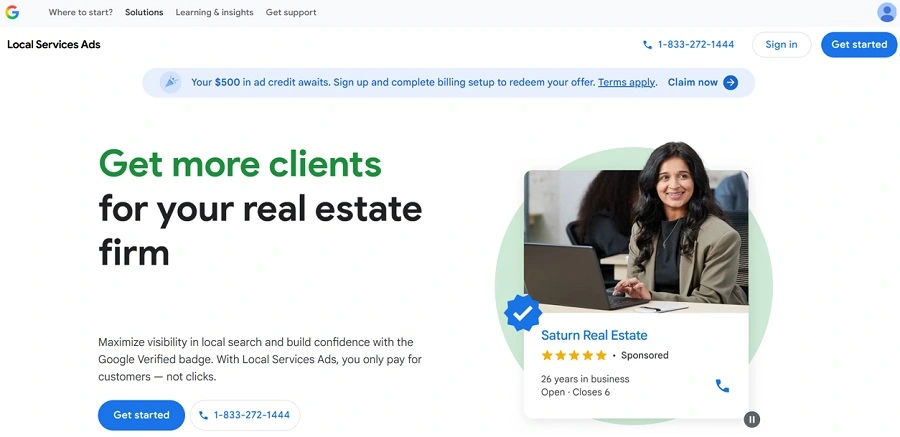
Since its inception in 2016, Google Local Services Ads (LSAs) have served as a cornerstone strategy for service-based businesses seeking to connect with local clientele. This powerful advertising tool allows businesses to prominently display their professional services directly within Google Search and Maps results, enabling potential customers to initiate bookings and service requests with unprecedented ease. A key differentiator that has cemented LSAs’ popularity among advertisers is their pay-per-lead model, ensuring that businesses only incur costs when a genuine lead is generated, rather than for mere clicks.
While the core functionality of LSAs remains intact, Google has announced a significant evolution: the integration of Local Services Ads into the Google Ads interface. This strategic shift, detailed in a recent Google announcement, signifies a move towards a unified advertising ecosystem, streamlining management and offering enhanced campaign capabilities. This article provides an in-depth analysis of these changes, outlining what businesses need to know to navigate this transition successfully.
The Evolution of Local Services Ads: Key Changes and Their Implications
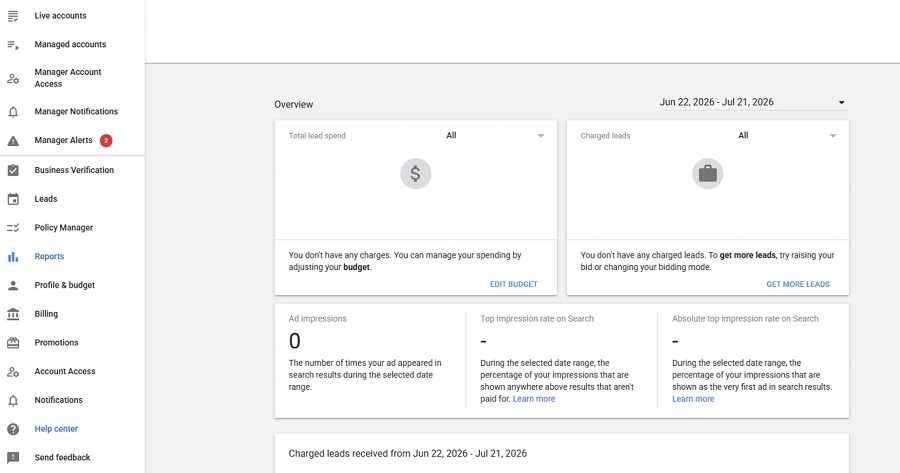
To fully grasp the implications of this update, it’s crucial to understand the current operational framework of LSAs. Businesses within over 80 designated service categories must undergo a verification process through their Google Business Profile. Historically, these ads were managed through a dedicated Local Search Advertising dashboard. Their prominent placement on Google Search and Maps allowed users to directly contact businesses, request quotes, or book services without the friction of navigating to external landing pages. This seamless user experience, coupled with the pay-per-lead model, significantly reduced cost-per-acquisition for advertisers.
However, the landscape is shifting. Google’s forthcoming update will see LSAs migrate from their standalone dashboard into the familiar Google Ads platform. This integration means the existing LSA dashboard will be retired. More significantly, LSAs will no longer operate as independent campaign types. Instead, they will be managed within Performance Max (PMax) campaigns, specifically leveraging a new pay-per-lead goal. This means that to run LSAs moving forward, businesses will need to configure a PMax campaign with this specialized objective.

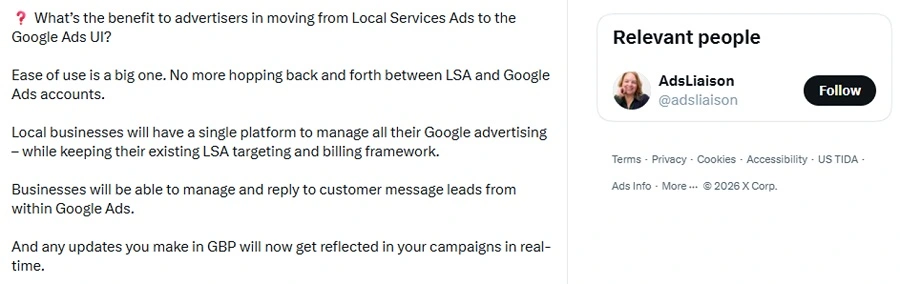
This transition offers a unified management experience, a long-sought-after improvement by many advertisers. As Ginny Marvin, Google Ads Product Liaison, noted on X (formerly Twitter), "No more hopping back and forth between LSA and Google Ads accounts." This consolidation aims to simplify campaign oversight and optimize resource allocation for businesses.
Key Changes at a Glance:
- Platform Consolidation: LSAs will now reside within the Google Ads interface, replacing the standalone Local Services Ads dashboard.
- Campaign Structure: LSAs will be managed as a specific goal within Performance Max campaigns, rather than as separate ad units.
- Payment Model: The core pay-per-lead model will be retained, but implemented through PMax campaign objectives.
- Placement Focus: While PMax campaigns typically span various Google properties, PMax LSAs will continue to be displayed exclusively on Google Search and Google Maps, aligning with the traditional LSA placements.
What Remains Unchanged:
Despite the structural shifts, several core aspects of LSAs will persist:
- Pay-Per-Lead Model: Businesses will continue to be charged only for qualified leads generated through their ads.
- Targeting and Display: LSAs will still appear in Google Search and Maps results for eligible service categories.
- Verification Process: Businesses will still need to be verified through their Google Business Profile to be eligible for LSAs.
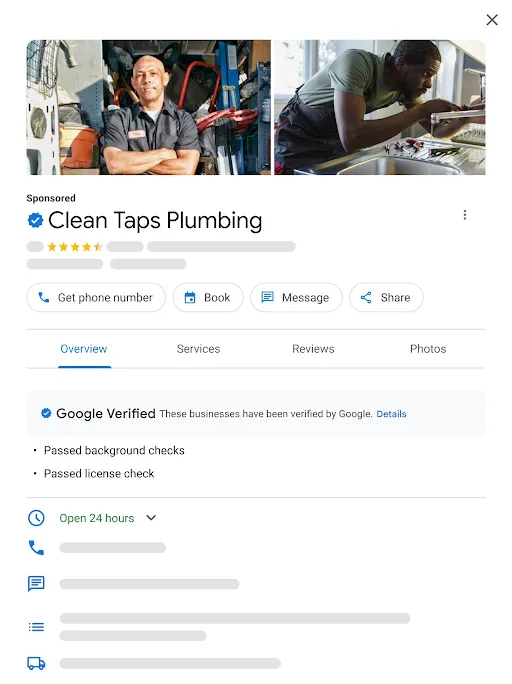
- "Google Guaranteed" Badge: The esteemed "Google Guaranteed" badge, signifying a business’s trustworthiness and qualification, will continue to be a prominent feature for eligible LSAs, provided businesses meet the requisite registration and background checks.
The PMax LSA Transition: Timeline and Impacted Businesses
The migration of Local Services Ads to Performance Max campaigns is being rolled out gradually, with a phased approach designed to minimize disruption for advertisers. While specific industry rollout dates are not publicly detailed, Google has indicated that some industries will see the transition by early August 2026, with all accounts expected to be fully migrated by the end of 2027.
Google is committed to ensuring a seamless transition. Advertisers will receive advance notification via email at least 14 days prior to their account’s migration date. Additionally, a banner notification will appear within their current LSA dashboard, serving as a further reminder. This proactive communication strategy aims to equip businesses with ample time to prepare.
The primary beneficiaries of this change are existing LSA advertisers. Businesses that meet Google’s criteria for service categories and have already established LSA campaigns will experience an automatic transfer of their campaign configurations. This includes targeted locations, service types, business categories, budget limits, ad schedules, and business photos. The goal is to ensure a "lift and shift" of existing settings with minimal manual intervention required from the advertiser.
Strategic Rationale Behind the PMax Integration
The decision to integrate LSAs into Performance Max campaigns reflects Google’s broader strategy of unifying its advertising offerings and simplifying campaign management. For advertisers, this consolidation offers several key advantages:
- Streamlined Workflow: Managing LSAs within the Google Ads platform eliminates the need to navigate between separate dashboards, creating a more cohesive and efficient advertising workflow.
- Enhanced Data Integration: By bringing LSAs under the Google Ads umbrella, advertisers can expect more integrated reporting and analytics, allowing for a holistic view of their advertising performance across various campaign types.
- Leveraging PMax Capabilities: While LSAs will retain their specific pay-per-lead focus and placement limitations, their integration within PMax could potentially unlock future opportunities for leveraging PMax’s advanced automation and machine learning capabilities to optimize LSA performance.
The move is also seen as a natural progression for the advertising platform, aligning LSAs with other lead-generation focused campaign types within Google Ads. This ensures a consistent user experience for advertisers and a more streamlined approach to managing diverse advertising objectives.
Navigating the Transition: A Guide for Current LSA Advertisers
For businesses currently running LSA campaigns, the migration process is designed to be largely automated.
Preparing for Automatic Migration:
- Archive Historical Data: Before your account is migrated, it is highly recommended to download any existing LSA reports. While Google aims for seamless data transfer, having local backups of historical performance data can safeguard against unforeseen data loss and provide a valuable reference point. Google provides resources to guide users on manually downloading LSA campaign reports.
- Optimize Your Google Business Profile: Ensure your Google Business Profile is up-to-date and fully optimized. This includes accurate business information, high-quality photos, and recent customer reviews. Since LSA performance is intrinsically linked to your GBP, a well-maintained profile will set your new PMax LSA campaigns up for success.
- Stay Informed: Pay close attention to the email notifications and dashboard banners from Google regarding your specific migration date. This will allow you to anticipate the transition and be ready to access your campaigns within the Google Ads interface.
Post-Migration Actions:
Once your LSAs have been automatically migrated to Google Ads:
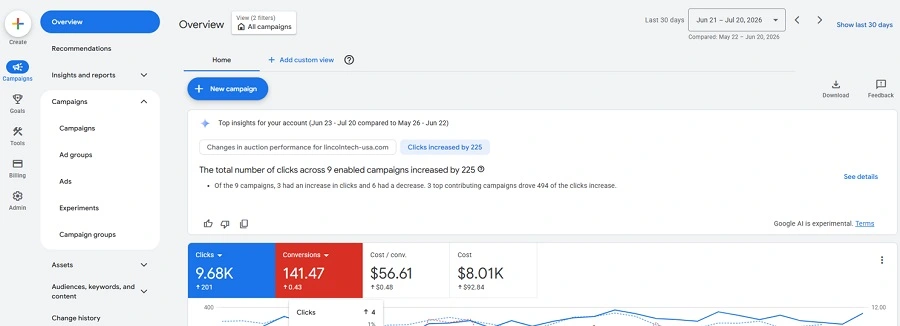
- Locate Your New Campaigns: Log in to your Google Ads account. Your migrated LSAs will appear as Performance Max campaigns with a pay-per-lead objective. You can find them by navigating to the "Campaigns" section in the left-hand menu.
- Review Campaign Settings: While Google aims for a seamless transfer, it’s prudent to review your migrated campaign settings. Pay particular attention to bidding strategies and budget allocations, as these may have been adjusted during the migration process based on your previous LSA setup.
- Familiarize Yourself with Google Ads: If you are new to Google Ads, consider utilizing resources like guides on running Google Ads or specific tutorials on tracking and optimizing Performance Max campaigns.
It’s important to note that while most migrated LSAs will begin running immediately, it can take up to two weeks for the migration process to fully complete and for campaign performance to stabilize. Patience during this period is key.
Setting Up New LSAs Going Forward
For businesses that are not currently running LSAs but wish to leverage this advertising channel, the setup process is also evolving. While the ability to create new PMax campaigns with pay-per-lead goals is not yet fully available directly within Google Ads, businesses can still initiate the process through the existing Local Services Ads portal at g.co/localservices. Google has stated that campaign creation capabilities within Google Ads will be introduced at a later date.
Businesses are encouraged to continue using g.co/localservices for setting up new accounts and campaigns for the time being. This interim measure ensures that new advertisers can still access the LSA program.
Future-Proofing Your Local Advertising Strategy:
Beyond the direct LSA to PMax transition, businesses should consider broader strategies to enhance their local advertising efforts:
- Invest in Local SEO: A strong organic presence on Google Search and Maps is crucial. Ensure your Google Business Profile is fully optimized, and actively manage online reviews.
- Diversify Your Digital Presence: Explore other local marketing channels, such as social media advertising targeted to local demographics, local directory listings, and community engagement initiatives.
- Utilize Customer Relationship Management (CRM) Tools: Integrate your advertising efforts with CRM systems to effectively track leads, manage customer interactions, and measure the true ROI of your advertising spend.
Frequently Asked Questions About the LSA Update
Q: What is happening to the Google Local Services Ads dashboard?
A: The Google Local Services Ads dashboard will be retired and fully sunset by 2027. All historical data within the dashboard will need to be manually downloaded before this date.
Q: Which industries are most affected by this update?
A: Only service-based businesses eligible to run Local Services Ads will be impacted. This includes professions such as plumbers, electricians, locksmiths, lawyers, and many others.
Q: Do I need to re-verify my business for LSAs on Google Ads?
A: No, if your business is already verified through your Google Business Profile, you will not need to undergo re-verification when your LSA campaigns migrate to PMax.
Q: Will my PMax LSAs still display a Google Verified badge?
A: Yes, the "Google Verified" badge, often referred to as "Google Guaranteed," will continue to be displayed on LSAs for eligible businesses, provided they meet the necessary verification requirements.
Q: Where will my PMax Local Services Ads appear?
A: Despite Performance Max campaigns typically showing across various Google placements, PMax LSAs will continue to be displayed exclusively on Google Search and Google Maps results, maintaining their localized search focus.
Q: Can I still access historical data from my LSA dashboard after the update?
A: You will need to manually download your historical LSA campaign performance reports. However, your past customer lead history, including contact details and call recordings, will be automatically transferred to Google Ads and accessible within the Lead Manager interface.
Q: How will I know when my business’s LSA campaigns are migrating to Google Ads?
A: Google will provide advance notification via email and a banner within your current LSA dashboard, detailing your specific migration date.
Q: Can I still manage my Google Business Profile independently?
A: Yes, you can continue to manage and update your Google Business Profile directly. Changes made to your GBP will automatically sync with your Google Ads account, ensuring your PMax LSAs remain current.
Q: Do I need to take any proactive steps to prepare my LSAs for the transition?

A: The migration process is largely automatic. However, it is advisable to review your campaign settings both before and after the transition to ensure they align with your objectives.
Q: Should I start running LSAs if I’m not currently doing so?
A: If your business is in an eligible industry and focuses on lead generation, starting with LSAs via PMax pay-per-lead campaigns is highly recommended. They offer a cost-effective way to capture local demand and stand out in search results.
Preparing for a Smooth LSA to PMax Transition
For local businesses, navigating this significant update requires a proactive approach. By understanding the changes and taking preparatory steps, you can ensure a smooth transition and continue to leverage the power of Google Local Services Ads.
- Archive Crucial Data: Prioritize downloading all relevant historical LSA reports before your migration date. This acts as a safety net for your performance records.
- Optimize Your Foundation: Ensure your Google Business Profile is pristine. A strong GBP is fundamental to the success of your LSAs, even within the new PMax framework.
- Stay Engaged: Monitor your communications from Google closely. Timely awareness of your migration schedule will allow you to anticipate the shift and be prepared to operate within the Google Ads environment.
The integration of Local Services Ads into Google Ads’ Performance Max campaigns represents a significant, albeit logical, evolution in how service-based businesses connect with local customers. While the core value proposition of LSAs remains, the shift to a unified platform promises enhanced management capabilities and a more integrated advertising experience. By understanding these changes and preparing accordingly, businesses can continue to harness the power of Google’s local advertising solutions effectively.









