

The modern B2B software-as-a-service (SaaS) landscape is currently grappling with a significant disconnect between marketing efforts and sales outcomes. Despite increased budgets allocated to "request a demo" advertisements, many organizations report a persistent decline in lead volume and quality. Industry data suggests that the fundamental error lies in a misunderstanding of the buyer’s journey and the psychological weight of the demo request itself. Rather than being a low-friction call to action (CTA), booking a live demonstration represents a high-commitment step that requires a foundation of trust, research, and perceived value.
The Reality of the 2025-2026 B2B Buyer Journey
According to the Dreamdata 2025 LinkedIn Ads Benchmark Report, the average B2B customer journey has expanded to 211 days and involves approximately 88 unique touchpoints. This prolonged timeline reflects a cautious market where high-investment software decisions are rarely made in isolation or haste. Only an estimated 3% to 5% of a given market is in an active buying cycle at any specific time, yet many marketing teams continue to push high-friction demo requests to "cold" audiences who have not yet reached the consideration stage.
This strategic misalignment often leads to friction between departments. Marketing teams, under pressure to deliver leads, often prioritize quantity over intent, while sales teams find themselves managing calendars filled with unqualified prospects or "no-shows." To rectify this, experts suggest a transition toward a "warm-traffic" model, where the demo landing page serves as the final confirmation of a decision rather than an introductory handshake.
The Core Four Framework: A Chronology of Intent
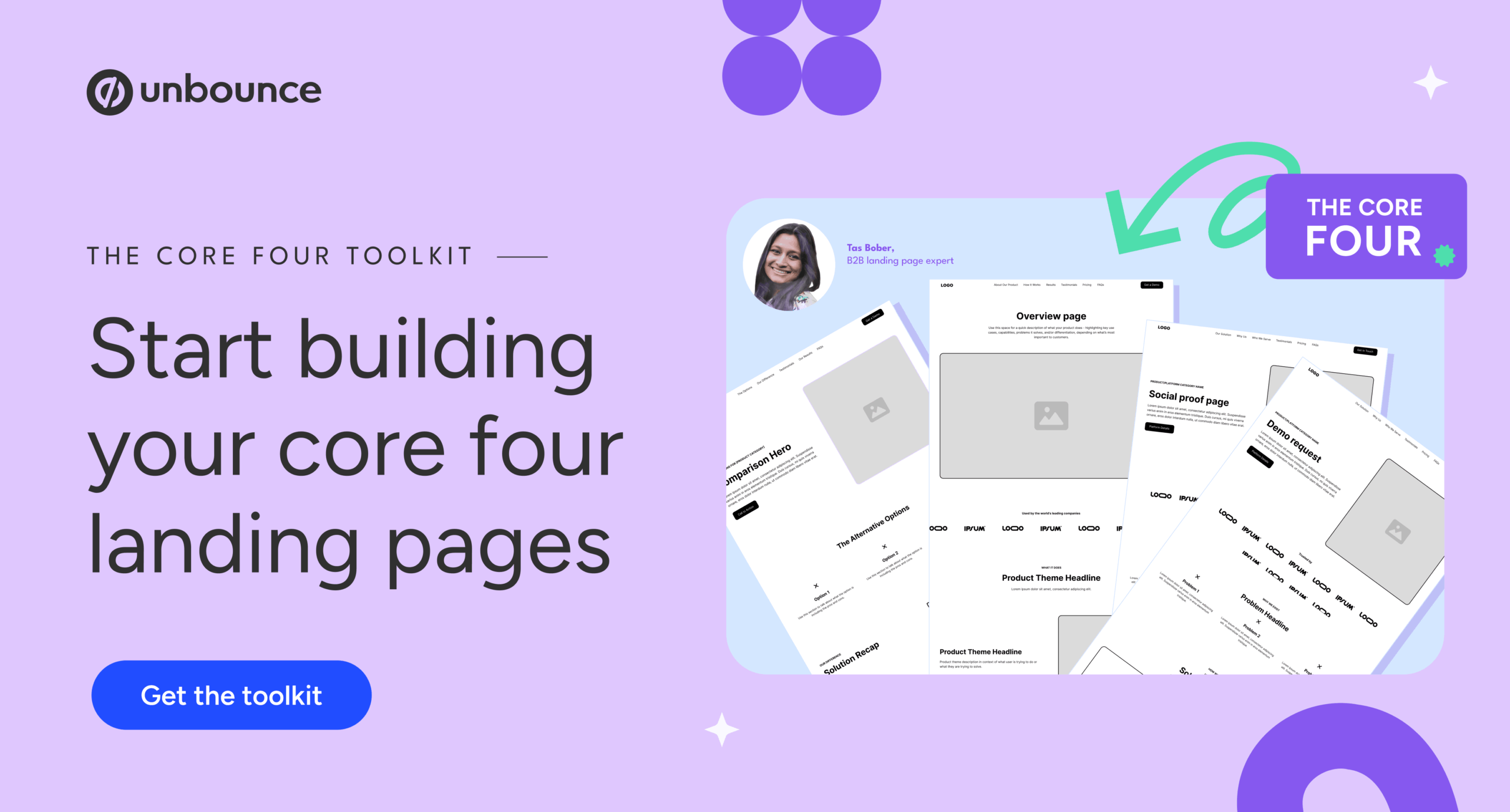
To address the complexity of the modern journey, B2B landing page experts have developed the "Core Four" framework. This methodology dictates that a buyer should ideally progress through a series of specialized landing pages before ever reaching the demo request stage.
- Awareness and Education (Top of Funnel): These pages focus on the problem the software solves, offering guides, webinars, or thought leadership to build initial brand authority.
- Solution Exploration (Middle of Funnel): Here, the visitor learns specifically how the product functions and which use cases it addresses.
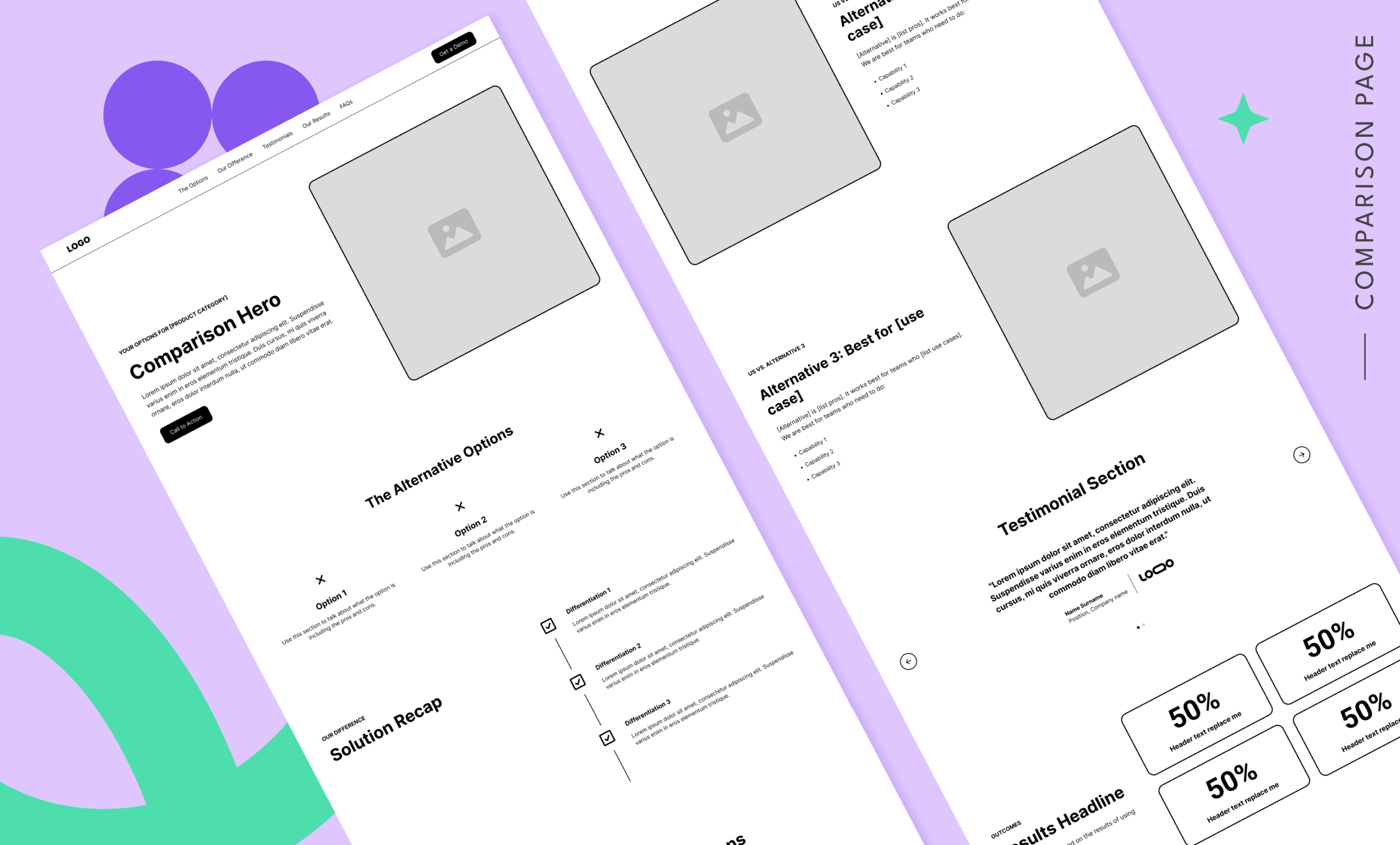
- Comparison and Validation (Middle/Bottom of Funnel): These pages provide direct comparisons against competitors and offer deep social proof to justify the solution’s place on a buyer’s shortlist.
- Conversion (Bottom of Funnel): The SaaS demo landing page. This is the terminal point where the buyer, now fully informed, raises their hand to enter a sales conversation.
By the time a visitor reaches the fourth stage, the landing page’s primary role is not to explain the product from scratch but to remove the final points of friction and answer lingering logistical questions.
Benchmarking Success: Conversion Data and Performance Metrics
Data from Unbounce’s 2024 Conversion Benchmark Report indicates that SaaS landing pages convert at a median rate of 3.8%. More recent first-party research from 2025 and early 2026 suggests that for high-intent demo pages specifically, the average hovers around 3.1%. However, these benchmarks are highly sensitive to traffic quality.
A common industry pitfall is the "performance ceiling." Marketers often attempt to optimize headlines, button colors, or form layouts to boost a 1% conversion rate, failing to realize that the issue is not the page design but the "cold" nature of the traffic. Conversely, pages receiving "warm" traffic—visitors coming from pricing pages, retargeting campaigns, or high-intent organic search—can see conversion rates climb significantly above the 4% mark.
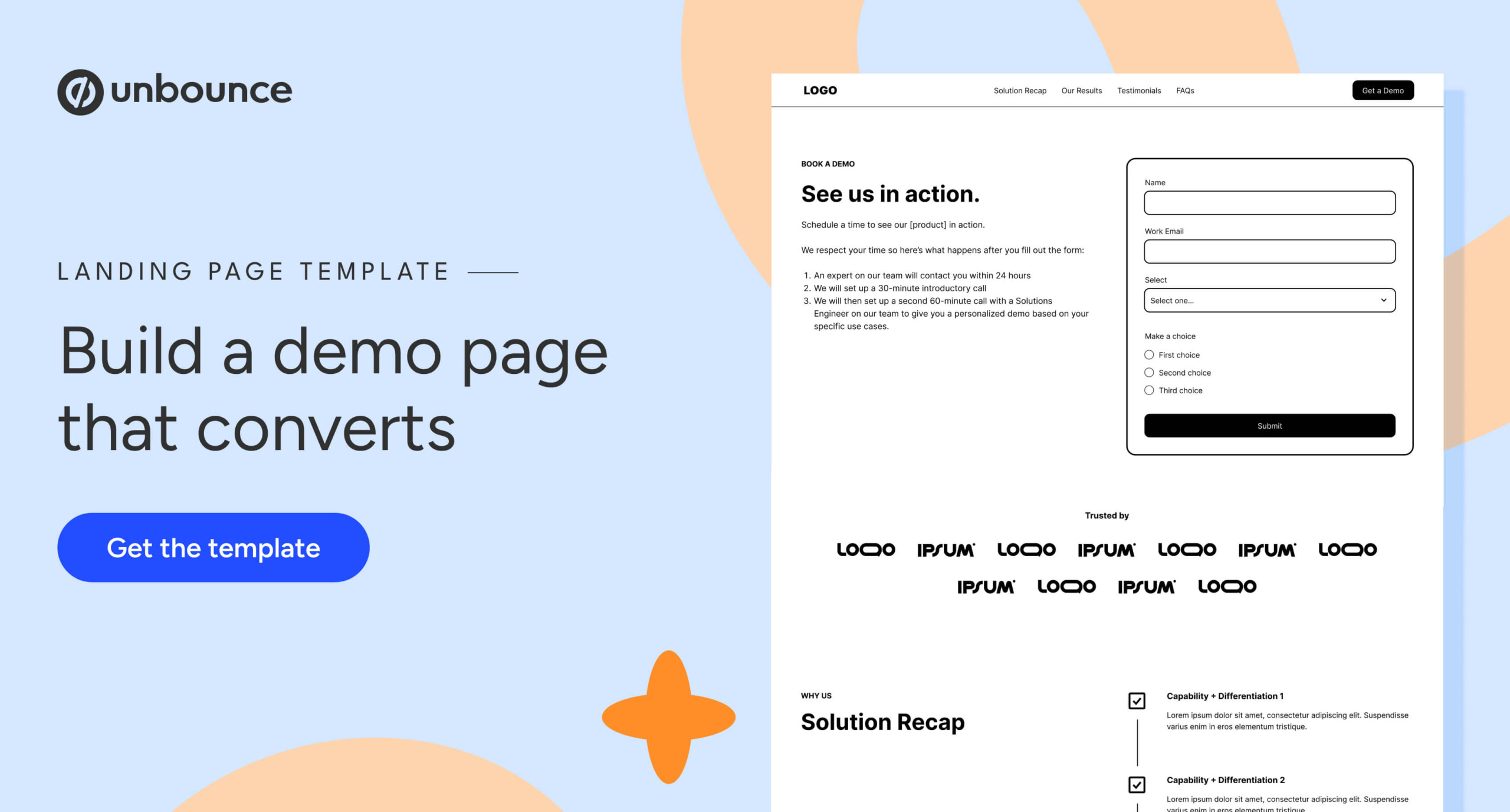
Structural Requirements for High-Converting Demo Pages
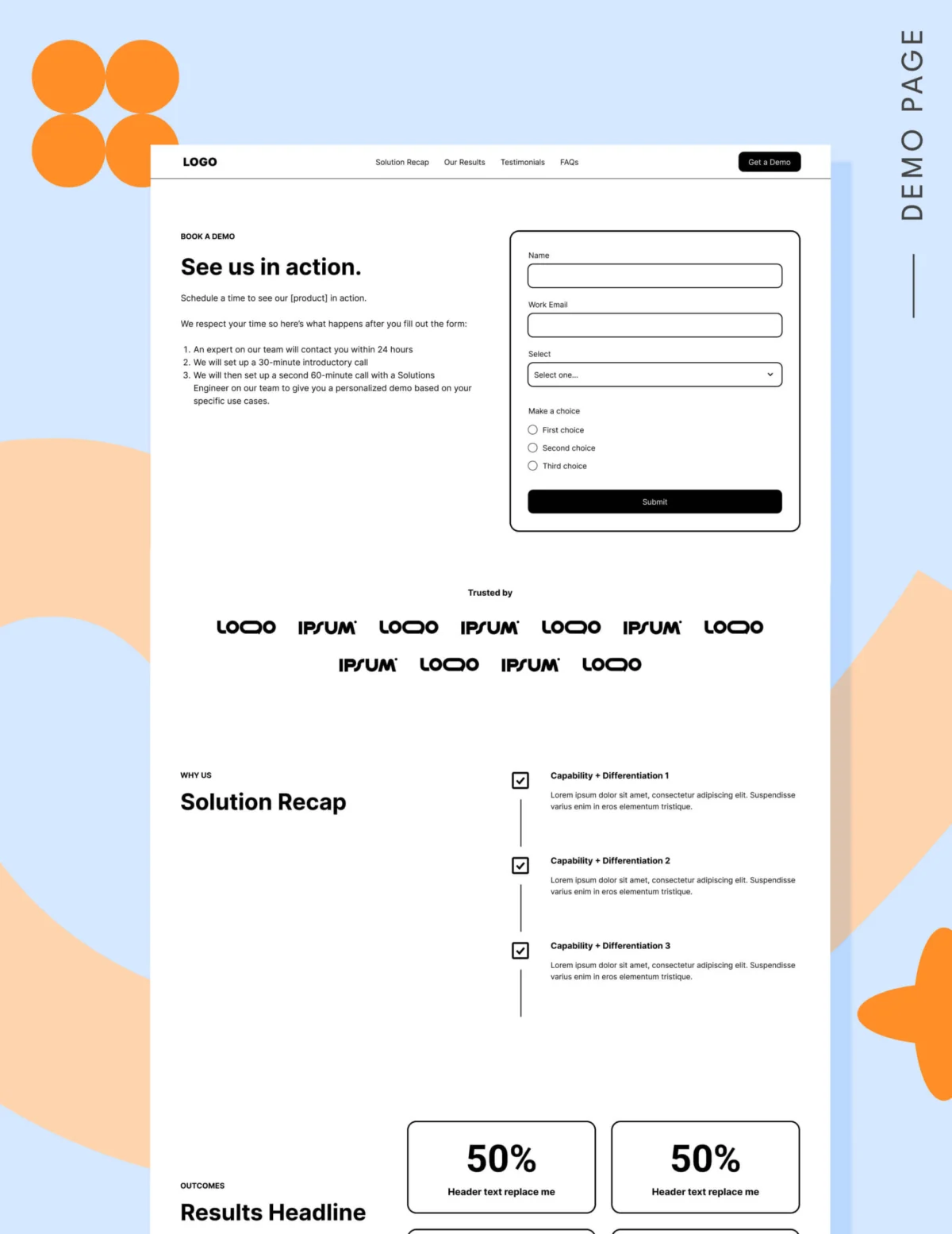
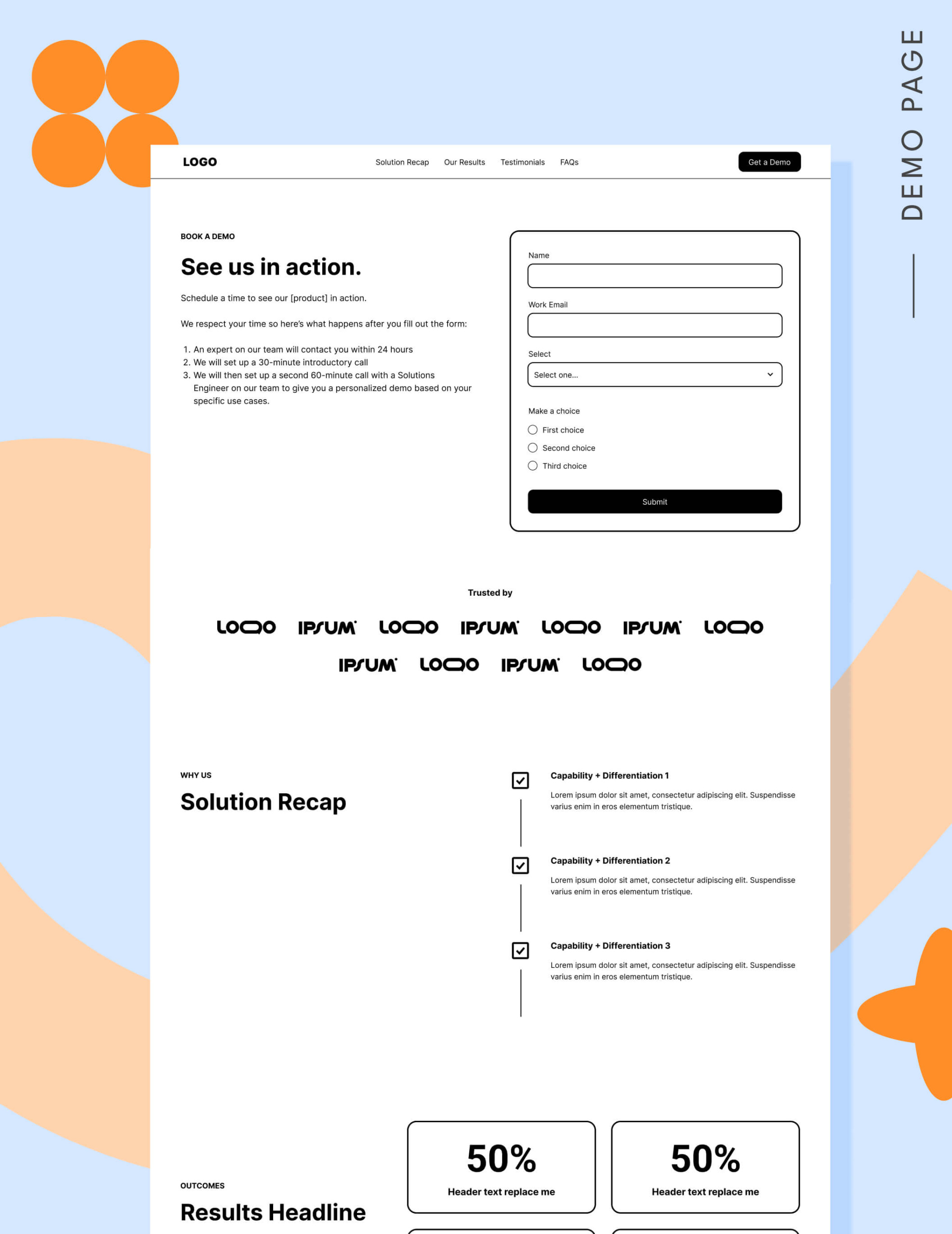
A professional, newsroom-standard analysis of successful SaaS demo pages reveals seven critical structural elements that build the necessary confidence for a buyer to submit their data.
1. Intent-Based Navigation and the Google 2025 Update
For years, the standard practice was to remove all navigation from landing pages to "trap" the user. However, in 2025, Google updated its ad quality prediction model to reward landing pages that provide relevant next steps through navigation. For demo pages, this means using anchor links that allow users to jump to specific sections (e.g., pricing, FAQs, or testimonials) and providing a minimal footer with links to other "Core Four" pages. This transparency reduces bounce rates and aligns with search intent.

2. The Hero Section: Transparency Over Mystery
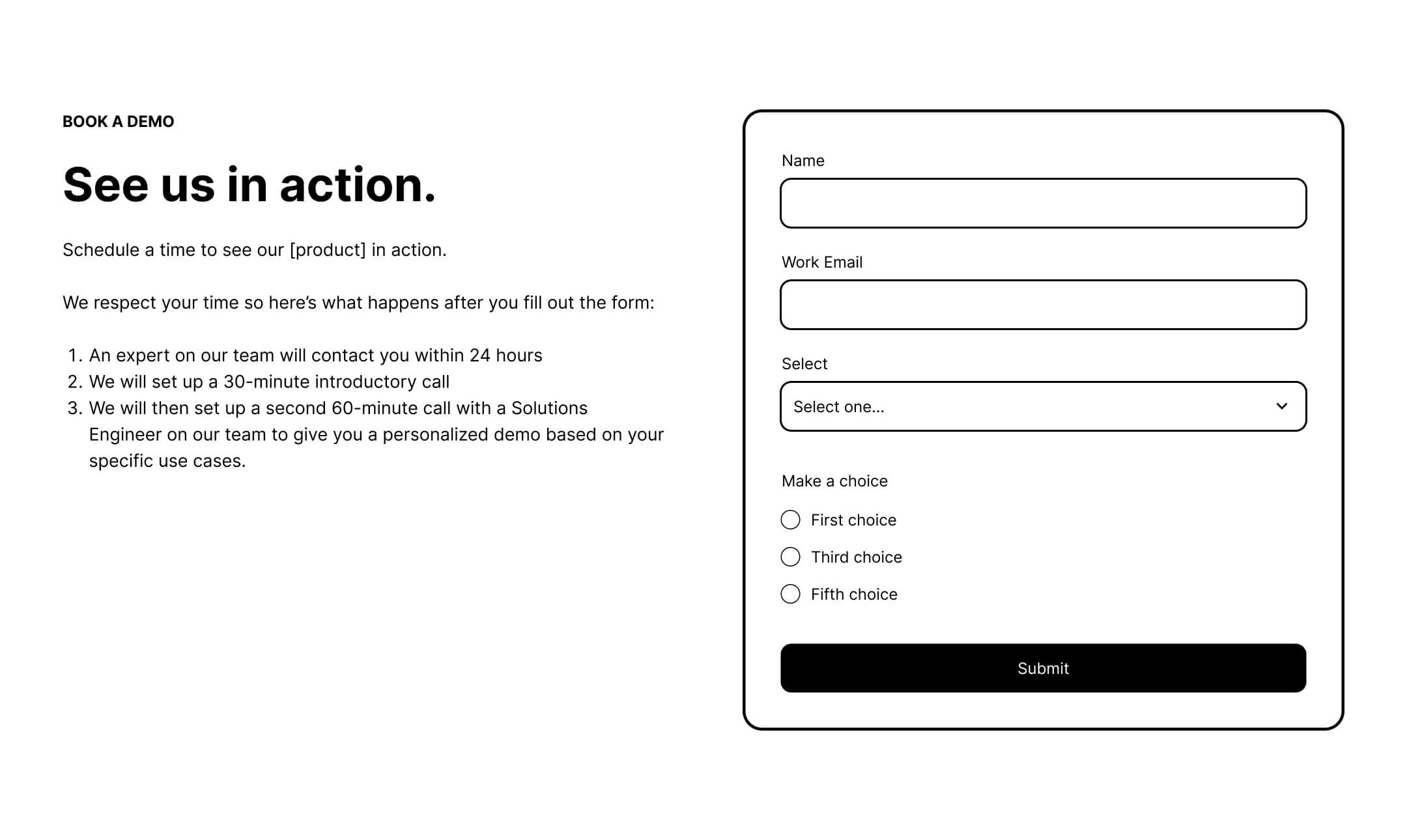
Unlike top-of-funnel pages, the demo landing page is one of the few instances where the form should be placed "above the fold." However, the copy surrounding the form must be explicit. Successful pages now include a "What Happens Next" checklist in the hero section, answering:
- Who will the buyer speak with? (e.g., an account executive or a technical specialist)
- How long will the call last?
- Will there be a live product walkthrough?
- Is there a pre-qualification call required first?
3. Proof Stacking: Logo Gardens and Testimonial Volume
Social proof on a demo page must emphasize reliability. While a "logo garden" of recognizable brands builds initial credibility, experts emphasize that testimonial volume is equally important. In the same way consumers trust products with hundreds of reviews on Amazon, B2B buyers are more likely to convert when they see 6 to 12 diverse testimonials rather than a single, curated quote.
4. Measurable Results and Quantifiable Data
General claims of "efficiency" or "growth" are no longer sufficient. High-performing pages utilize a "Results" block that showcases quantifiable customer outcomes, such as "30% reduction in churn" or "ROI achieved in 4 months."
5. The Pricing Paradox
A significant shift in 2026 is the movement toward pricing transparency on demo pages. Historically, sales-led organizations hid pricing to maintain leverage. Current market sentiment, however, suggests that hiding pricing creates unnecessary friction. Including a "starting at" price or a condensed pricing grid allows buyers to self-qualify, which improves the quality of the leads reaching the sales team.
Form Optimization and Technical Friction
Technical hurdles often act as silent killers of conversion rates. Data-driven benchmarks for 2026 show a sharp decline in conversion once a form exceeds five fields. Rates typically drop from 17% at five fields to under 7% for forms with ten or more fields.
The industry is also divided on the use of automated scheduling tools like Calendly versus traditional static forms. Analysis suggests that scheduling tools are superior for high-intent traffic (e.g., retargeting or direct search) where the buyer is ready to commit to a time. However, static forms remain more effective for "warm but cautious" traffic, allowing the sales team to review and qualify the lead before initiating contact.
Market Implications and the Shift in CTA Language
The broader impact of these strategies is a fundamental shift in how SaaS companies communicate value. Case studies, such as the one involving the firm FORM, demonstrate that changing a CTA from "Request a Demo" to "Take a Tour" can result in a 33% increase in PPC conversions. This suggests that buyers are increasingly looking for "low-threat" ways to engage with software before committing to a 1:1 sales environment.
Furthermore, the rise of interactive, self-guided demos—often embedded directly on the landing page—is changing the role of the sales representative. When buyers can "self-demo," the eventual live conversation shifts from a basic feature walkthrough to a strategic consultation.
Conclusion: A Holistic Approach to Lead Generation
The evidence suggests that the "demo crisis" facing many SaaS companies is not a failure of design, but a failure of strategy. To achieve sustainable growth in 2026 and beyond, organizations must treat the demo landing page as a high-stakes environment for high-intent buyers.
The roadmap to success involves a two-pronged approach: first, fixing targeting to ensure only warm, well-researched traffic reaches the page; and second, structuring the page to eliminate every possible point of hesitation. By providing pricing transparency, clear post-submission expectations, and robust social proof, SaaS marketers can transform their demo pages from high-friction barriers into seamless gateways for qualified business opportunities. As the B2B journey continues to grow in complexity, the winners will be those who prioritize the buyer’s need for clarity and autonomy over the marketer’s desire for immediate data collection.







