

The Shift from Reactive to Proactive Digital Maintenance
The prevailing misconception among many digital retailers is that a conversion audit is only necessary when a significant drop in sales occurs or when cart abandonment rates reach critical levels. However, modern business intelligence suggests that waiting for a decline is a strategic error. Proactive audits allow companies to uncover hidden revenue opportunities, refine the visitor experience, and ensure that their digital strategy remains aligned with evolving consumer behaviors.
Market analysts compare the CRO audit to a medical check-up; just as regular screenings can detect health issues before they become symptomatic, regular website audits can identify "conversion leaks" before they impact the quarterly bottom line. By conducting these audits on a scheduled basis, businesses can move beyond guesswork and base their developmental roadmap on empirical evidence rather than subjective design preferences.
Phase One: The Foundation of Quantitative Data Analysis
The first pillar of a robust CRO audit framework is the collection and interpretation of quantitative data. This stage focuses on the "what" of user behavior—tracking the specific actions and movements of visitors across the platform. Without hard numbers, any subsequent optimizations are merely speculative.
The Essential Role of Google Analytics 4 (GA4)
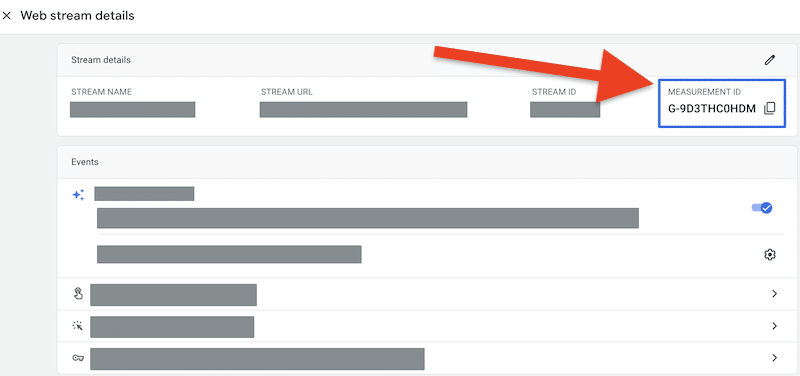
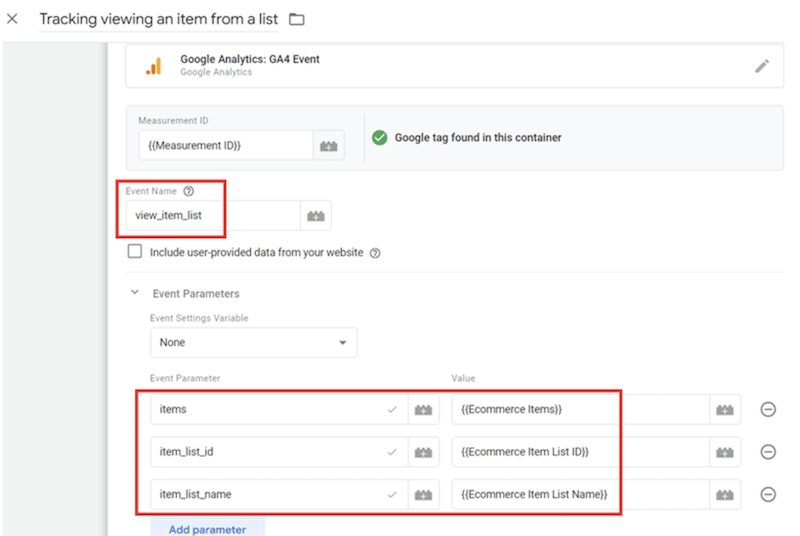
The transition to Google Analytics 4 (GA4) has introduced an event-based tracking model that is significantly more granular than its predecessors. For an effective CRO audit, experts recommend the configuration of four primary shopping-specific events:
- view_item: Tracking when a user views a specific product page.
- add_to_cart: Monitoring the frequency with which items are moved to the shopping basket.
- begin_checkout: Identifying the moment a user initiates the payment process.
- purchase: Confirming the successful completion of a transaction.
By analyzing the ratios between these events, businesses can pinpoint exactly where the "funnel" is narrowing. For instance, if a site sees 10,000 product views but only 3,000 "add to cart" actions, the audit identifies the product page as the primary area for improvement. If the drop-off occurs between "begin checkout" and "purchase," the focus shifts to payment security, shipping costs, or form friction.
Benchmarking and Performance Metrics
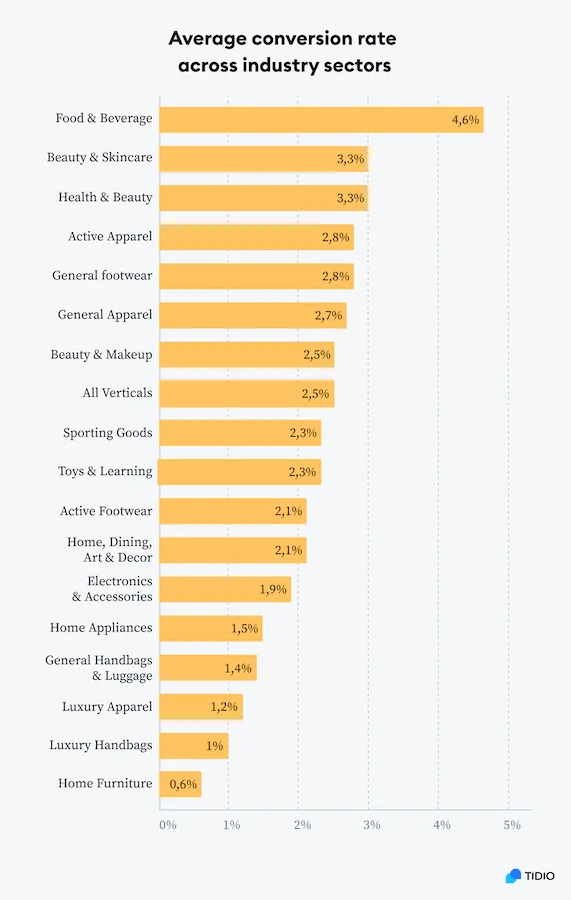
Understanding "good" performance requires context. Conversion rates vary significantly by industry; for example, the home furniture sector often sees averages around 0.6%, while the food and beverage industry can reach 4.6%. Establishing internal benchmarks based on historical data, alongside industry standards, allows a business to determine if they are over- or under-performing.
Furthermore, technical performance—specifically Google’s Core Web Vitals—has become a non-negotiable component of the quantitative audit. The three primary metrics include:
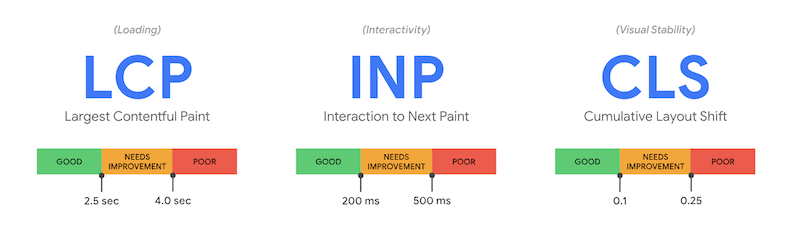
- Largest Contentful Paint (LCP): Measuring loading performance (aiming for 2.5 seconds or less).
- Interaction to Next Paint (INP): Assessing responsiveness to user input.
- Cumulative Layout Shift (CLS): Measuring visual stability to ensure elements do not move unexpectedly during loading.
Data indicates that even a one-second delay in mobile load times can decrease conversion rates by up to 20%, making technical speed as vital as marketing copy.
Phase Two: Qualitative Insights and the Human Element
While quantitative data reveals where users are leaving, qualitative insights explain why they are leaving. This phase of the audit focuses on the human experience, utilizing tools that capture the nuances of user frustration, hesitation, and motivation.
Behavioral Mapping via Heatmaps and Replays
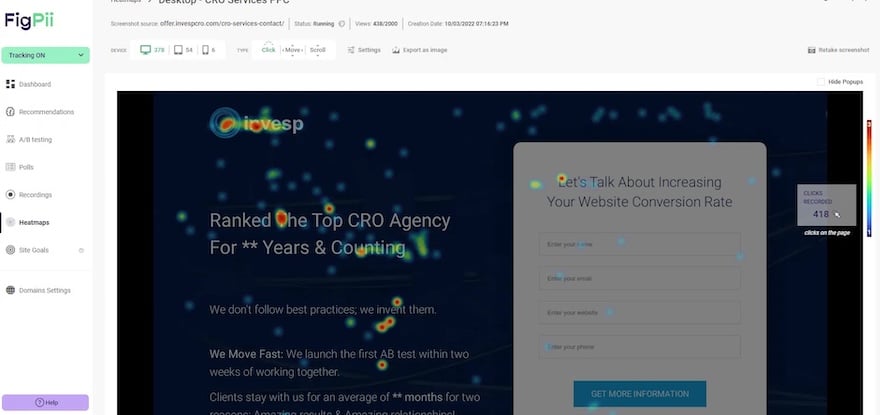
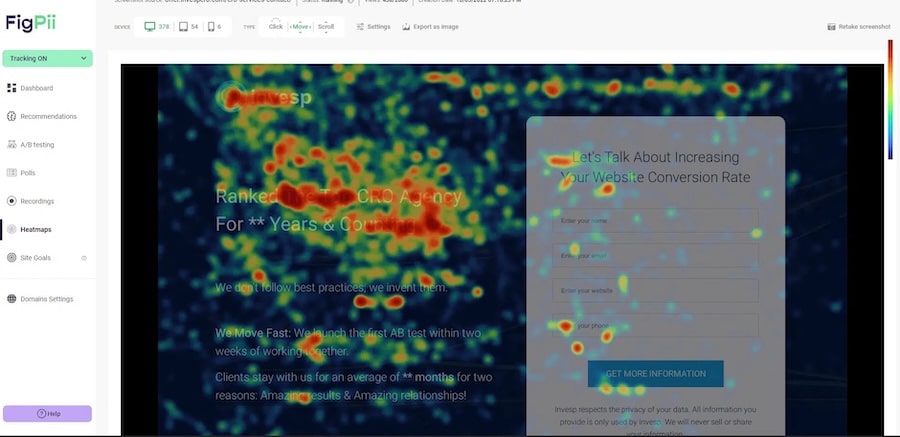
Heatmaps provide a visual representation of user interaction, categorized into three types:
- Click Maps: These reveal which elements attract the most engagement. Audits often find users clicking on non-linked text, indicating a desire for more information that isn’t being met.
- Scroll Maps: These show how far down a page users travel. If critical social proof or Call-to-Action (CTA) buttons are located in "cold" zones (where only 10% of users reach), the audit will recommend a layout restructure.
- Movement Maps: These track cursor movement, often serving as a proxy for eye-tracking, helping designers understand the visual hierarchy of a page.
Session replays complement these maps by providing a "movie" of individual user journeys. This allows auditors to witness "rage-clicking"—when a user clicks a button repeatedly out of frustration—or "dead clicks," where a functional element fails to respond.

Direct Feedback: Surveys and User Testing
The most direct way to understand consumer friction is to ask the consumers themselves. Exit polls and post-purchase surveys are highly effective when kept brief. A single question, such as "What nearly stopped you from buying today?" can uncover issues ranging from confusing shipping policies to a lack of preferred payment methods.
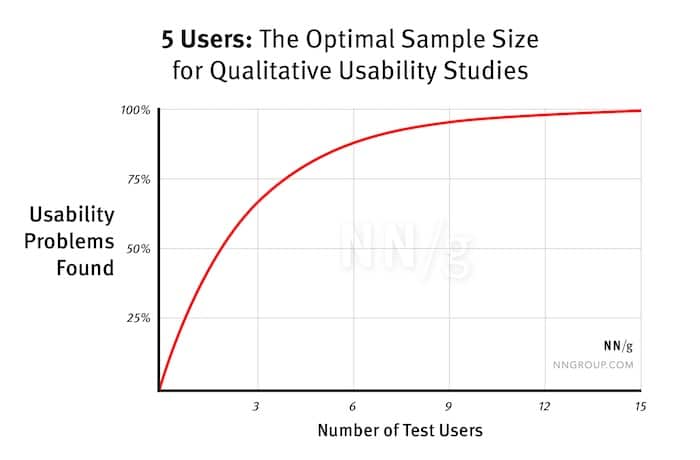
User testing takes this a step further by observing real people as they attempt to complete specific tasks on the site. Research from the Nielsen Norman Group suggests that testing with as few as five users can uncover up to 85% of usability issues. This method provides context that automated tools cannot, such as the tone of a user’s voice or their visible hesitation when asked for personal data during checkout.
Phase Three: Strategic Prioritization of High-Impact Elements
Once the data is collected, the audit moves into the prioritization phase. Resources are rarely infinite, so focus must be directed toward the pages that most significantly influence revenue: the Product Page and the Cart Page.
Optimizing the Product Page Stage
The product page is where the final decision to purchase is usually made. A comprehensive audit evaluates four key pillars:

- Visual Presentation: One or two images are insufficient. High-converting pages utilize multi-angle photography, zoom capabilities, and video demonstrations to alleviate the "touch-and-feel" gap of online shopping.
- Compelling Copy: Effective descriptions do not just list features; they translate features into benefits. Successful brands use storytelling to answer potential questions and address fears before they arise.
- Functional CTAs: The "Add to Cart" button must be the most prominent element on the page, typically placed above the fold with contrasting colors to ensure visibility across all device types.
- Social Proof Integration: Ratings, reviews, and user-generated content act as a psychological "green light" for shoppers. Statistics show that consumers are six times more likely to purchase if a product page features social media imagery from real customers.
Streamlining the Cart and Checkout Experience
The cart page is the final hurdle. Audits in this area focus on three principles: Clarity, Simplicity, and Speed.
- Clarity: Hidden costs are the leading cause of cart abandonment. The audit ensures that shipping fees, taxes, and delivery timelines are transparent from the start.
- Simplicity: Any element that does not lead to a "complete purchase" action is considered a distraction. Many successful audits recommend removing the main navigation menu during the checkout process to keep the user focused on the transaction.
- Speed: As previously noted, slow transitions at this stage are fatal to conversions. 40% of users will abandon a site that takes more than three seconds to load a page.
Case Study Analysis: The Impact of Urgency and Reassurance
The efficacy of a structured CRO audit is best illustrated through real-world application. In a recent study conducted by Invesp, a retailer facing high abandonment rates utilized user interviews and expert reviews to identify friction in their checkout flow.
The qualitative research revealed that users felt a lack of reassurance regarding stock levels and shipping speed. By implementing urgency cues—such as "Only 3 items left" and "Free shipping for the next 2 hours"—and conducting rigorous A/B testing, the company saw a 17% increase in conversions and a 9% rise in average order value (AOV). This case highlights how small, data-backed adjustments derived from a professional audit can lead to significant seven-figure revenue shifts.
The Broader Implications for Digital Strategy
The implementation of regular CRO audits represents a shift in the digital business philosophy from "build and forget" to "continuous optimization." As artificial intelligence and machine learning begin to play a larger role in personalizing the user journey, the baseline for a functional, high-converting website continues to rise.

For e-commerce entities, the cost of a CRO audit is increasingly viewed not as an expense, but as a high-yield investment. By systematically identifying and removing the barriers between a visitor and a purchase, businesses can maximize the ROI of their existing traffic, reducing their reliance on expensive advertising and building a more resilient, user-centric brand. In an era where the digital shelf is infinite, the quality of the user experience remains the ultimate competitive advantage.







