

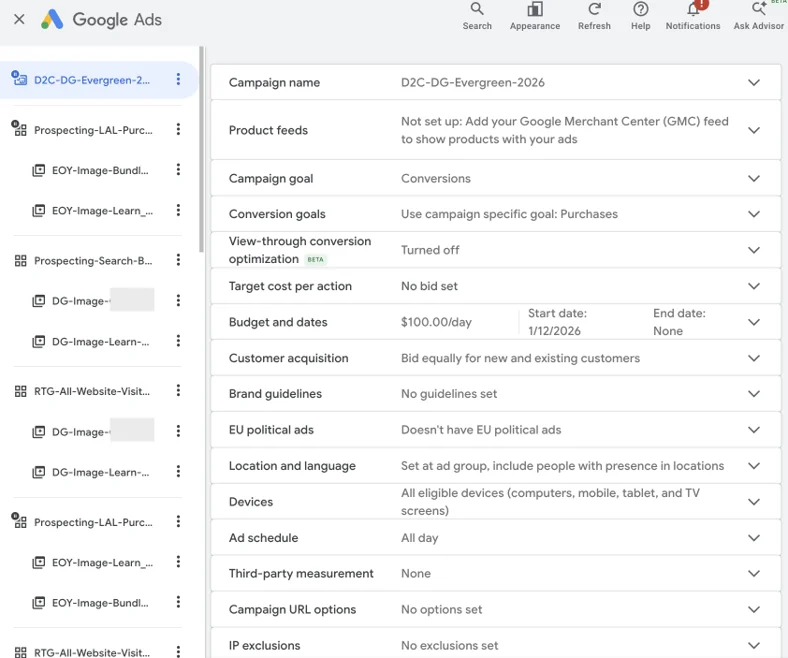
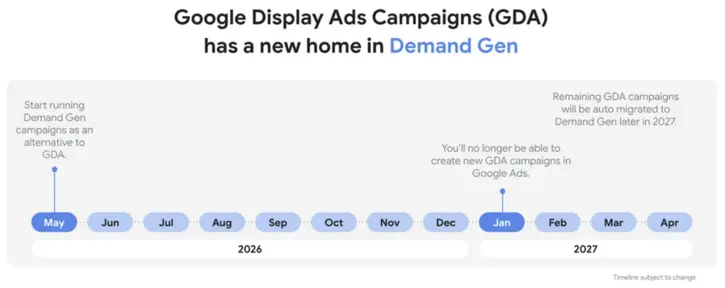
In May of 2026, Google announced a significant shift in its advertising platform, signaling the gradual phasing out of standalone Display campaigns in favor of an integrated approach within Demand Gen campaigns. This strategic move, set to be fully implemented by January 2027, aims to streamline campaign management and leverage enhanced AI capabilities for advertisers. While the Google Display Network (GDN) itself remains a vital component of Google’s advertising ecosystem, the method by which advertisers access and manage inventory on this vast network is undergoing a fundamental transformation.
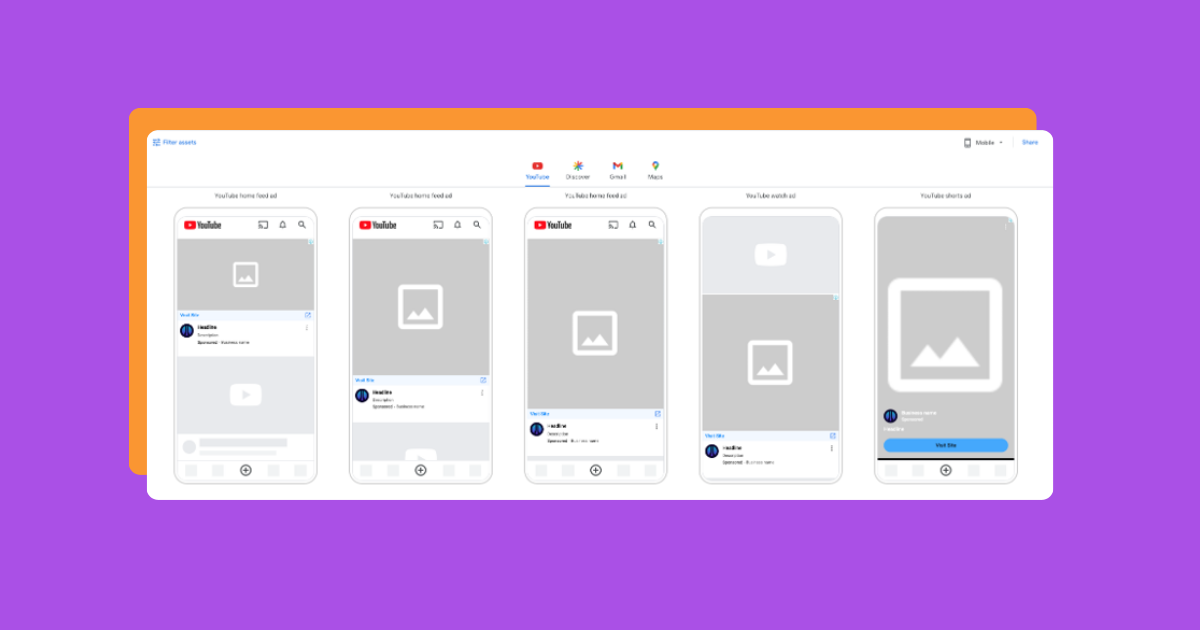
The transition, first unveiled in May 2026, allows advertisers a seven-month window, including the crucial holiday season, to adapt their strategies. Following this period, all existing Display campaigns will be automatically migrated to Demand Gen, with Google yet to specify an exact date for this final migration. This evolution underscores Google’s commitment to artificial intelligence and automation, promising potentially improved performance through advanced machine learning while also introducing a landscape with less direct manual control and potentially greater performance volatility.
The Core of the Change: Integrating Display into Demand Gen
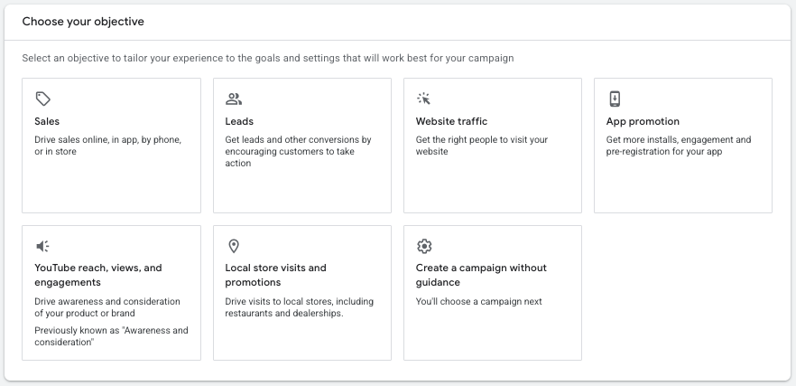
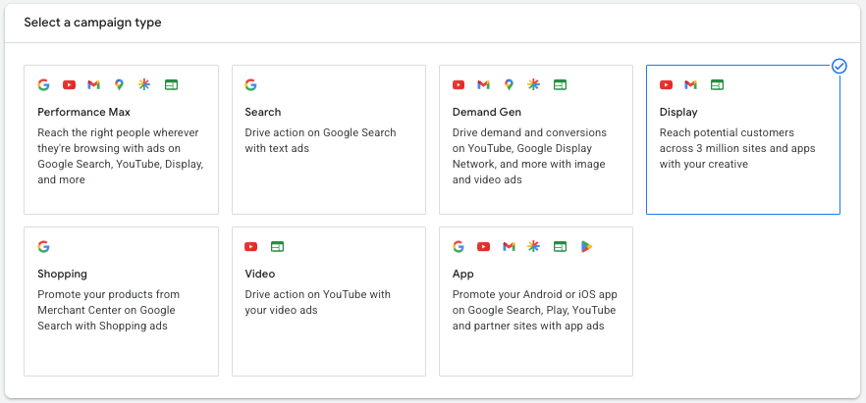
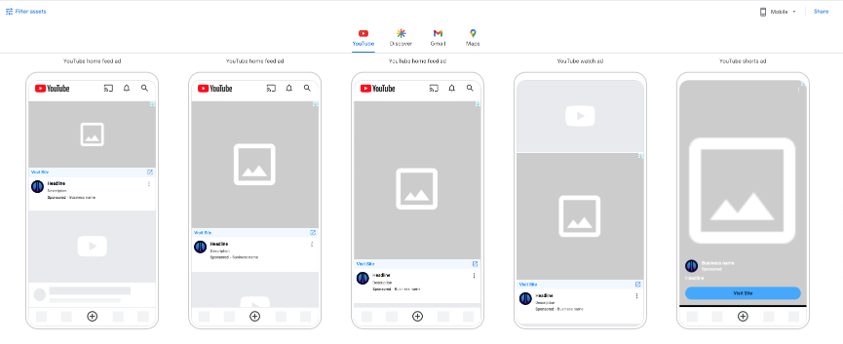
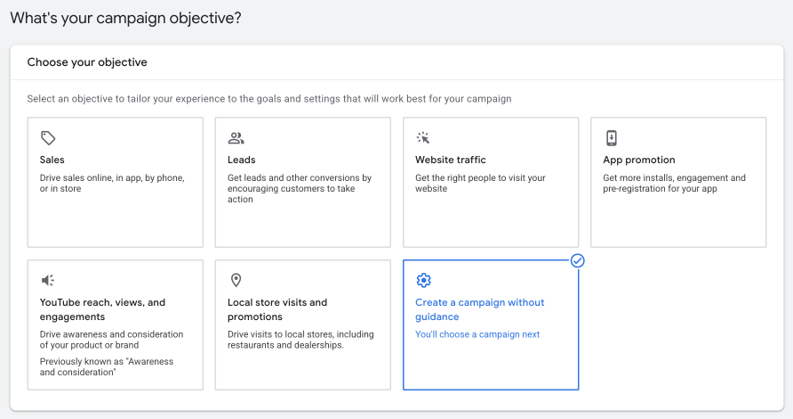
The most immediate impact of this change will be visible within the Google Ads campaign creation interface. Previously, advertisers could select "Display" as a distinct campaign objective. However, as the transition progresses, this option will be removed. Instead, advertising on the Google Display Network, alongside other placements like YouTube, Discover, Gmail, and Maps, will be managed primarily through Demand Gen campaigns. This consolidation is not a discontinuation of the GDN, which continues to be a significant revenue generator for Google, but rather a reimagining of how advertisers can best utilize its extensive reach.
The shift signifies a move towards more sophisticated, AI-driven campaign management. Demand Gen campaigns are designed to harness Google’s machine learning algorithms to a greater extent than traditional Display campaigns. This enhanced automation is expected to facilitate more precise audience targeting, dynamic creative optimization, and potentially higher conversion rates by analyzing a wider array of data points. However, this increased reliance on automation means advertisers may experience a reduction in granular manual control over certain campaign settings, a trade-off that could lead to more pronounced fluctuations in campaign performance as the algorithms learn and adapt.
A Phased Rollout: The Timeline of Transition
The announcement of the integration of Display campaigns into Demand Gen in May 2026 marked the beginning of a planned transition. Advertisers have until January 2027 to manually create new standalone Display campaigns. This seven-month period is a critical phase for advertisers to prepare, understand the new campaign type, and begin migrating their existing strategies. Following this deadline, any remaining Display campaigns will be automatically converted to Demand Gen campaigns. While Google has not yet provided a definitive date for this automatic migration, it indicates a complete shift away from the standalone Display campaign structure.
This phased approach allows advertisers to gradually acclimate to the new system. The initial period is crucial for familiarization, experimentation, and strategic planning. Understanding the nuances of Demand Gen campaigns before the automatic migration is essential to ensure a smooth transition and to mitigate any potential disruption to ongoing advertising efforts.
Implications for Advertisers: AI, Creativity, and Control
The consolidation of Display into Demand Gen campaigns brings several key implications for advertisers.
Increased Reliance on AI and Automation
Demand Gen campaigns are built upon a foundation of advanced AI and automation. This means that campaign performance will be heavily influenced by Google’s machine learning algorithms. While this can lead to more efficient audience segmentation and creative optimization, it also implies a decrease in the direct manual control that advertisers previously had over aspects like specific placement exclusions or granular bidding adjustments. The algorithms will take larger swings, potentially leading to more dynamic performance, which may require a longer period for campaigns to stabilize and achieve desired results. Advertisers will need to trust the system’s ability to find the most effective paths to conversion.
Elevated Importance of Creative Assets
With Demand Gen campaigns, the emphasis on creative execution is amplified. The campaign type is designed to leverage a wider variety of visual assets and placements across the Google ecosystem. This includes not only the traditional GDN but also immersive formats on YouTube, engaging content on Discover, and targeted placements within Gmail and Maps. The ability to present compelling visuals and compelling ad copy across these diverse platforms becomes paramount. Advertisers must invest in creating high-quality, platform-optimized creative assets that can capture attention and drive engagement across this expanded digital landscape. The visual appeal and storytelling capabilities of advertisements will play a more significant role in campaign success.
Evolving Performance Metrics and KPIs
The fundamental differences in campaign structure, targeting capabilities, and creative utilization between standalone Display and Demand Gen campaigns necessitate a re-evaluation of Key Performance Indicators (KPIs). Direct year-over-year comparisons based on old Display campaign metrics may become less meaningful. Advertisers are encouraged to develop new sets of KPIs specifically tailored to Demand Gen campaigns. While achieving performance that surpasses previous Display campaign benchmarks is ideal, the focus should be on evaluating success against the new set of Demand Gen metrics, identifying areas for improvement through testing and iteration. This shift requires a forward-looking approach to performance analysis, embracing the unique capabilities of the new campaign structure.
Strategic Adjustments for Advertisers
To navigate this transition successfully, advertisers are advised to take several proactive steps.
Experimentation with Demand Gen Campaigns
For those unfamiliar with Demand Gen, the initial step involves active experimentation. Utilizing Google Ads’ draft campaign feature allows advertisers to explore the settings and functionalities of Demand Gen without incurring immediate costs. This hands-on approach is crucial for understanding the platform’s new controls, audience segmentation options, bidding strategies, and creative asset requirements. Familiarizing oneself with the full spectrum of Demand Gen features before the mandatory migration will equip advertisers with the knowledge needed to optimize their campaigns effectively.
Auditing Existing Display Campaign Settings
Advertisers with established Display campaigns have a wealth of historical data and learned insights. It is imperative to conduct a thorough audit of these existing campaigns. This includes documenting any negative placements that have proven detrimental, identifying high-performing audiences, in-market segments, or specific placements that have yielded positive results. This inventory of learnings can then be used to inform the setup and optimization of new Demand Gen campaigns, ensuring that successful strategies are carried forward and adapted to the new framework.
Replicating and Migrating Existing Strategies
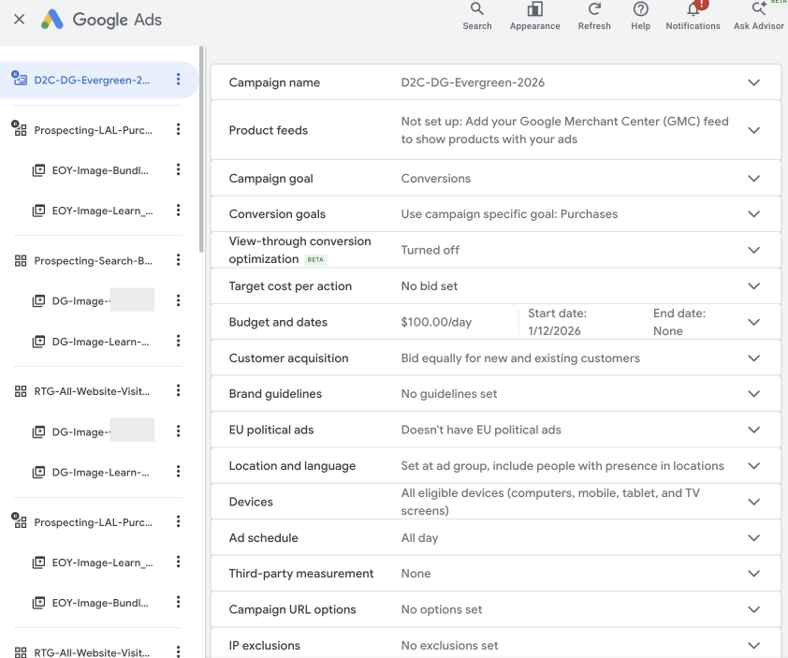
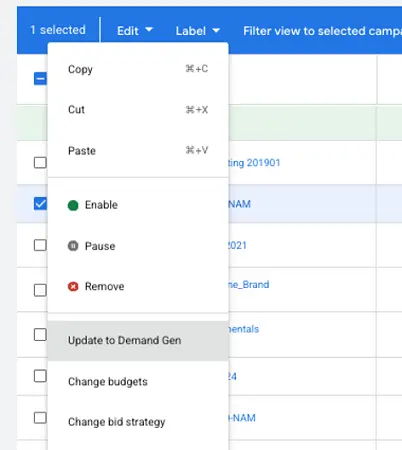
A practical approach to the transition is to replicate existing successful Display campaigns within the Demand Gen framework. Google offers a migration tool that can automatically convert existing Display campaigns into Demand Gen campaigns, preserving historical data and settings. Alternatively, advertisers can manually recreate their campaigns. It is recommended to start with lower-stakes campaigns to test the migration process and identify any potential issues before moving higher-value campaigns. When manually replicating, careful attention should be paid to ad group network settings, ensuring that only the GDN is selected if the goal is to mimic a pure Display campaign.
Exploring Expanded Demand Gen Capabilities
Once advertisers have established a solid understanding and positive results with the replicated Display campaigns within Demand Gen, it is advisable to explore the broader capabilities of the Demand Gen campaign type. This includes expanding network coverage to include other Google properties like YouTube, Discover, Gmail, and Maps. Testing these additional placements can unlock new avenues for audience reach and incremental results, provided the creative assets are optimized for these diverse environments.
A New Era of Digital Advertising
Google’s decision to integrate Display campaigns into Demand Gen signifies a broader trend towards more automated, AI-driven advertising solutions. While this transition may present challenges for advertisers accustomed to older methods, it also offers opportunities for enhanced performance and more sophisticated campaign management. By embracing the new system, understanding its nuances, and proactively adapting their strategies, advertisers can position themselves to harness the full potential of Google’s evolving advertising landscape. The future of digital advertising, as shaped by Google’s latest move, appears to be one where automation, creative excellence, and data-driven insights converge to deliver more impactful results.









