

The landscape of e-commerce continues its rapid evolution, with Amazon standing as a titan of online retail, generating over $742 billion in revenue in 2025 alone. Within this vast marketplace, the dropshipping model presents a compelling opportunity for entrepreneurs seeking to tap into a massive customer base. While often perceived as a straightforward path to profit, successful Amazon dropshipping demands meticulous planning, strict adherence to platform policies, and a proactive approach to business operations. This guide aims to demystify the process, offering a comprehensive roadmap for aspiring sellers to launch and sustain a dropshipping business on Amazon without compromising profitability or risking account suspension.
Understanding the Foundation: Legality and Profitability of Amazon Dropshipping
The fundamental premise of dropshipping on Amazon is both legal and potentially highly profitable, provided sellers operate within the established guidelines. Amazon’s immense reach, evidenced by its staggering annual revenue, offers unparalleled access to a diverse and engaged audience. For entrepreneurs with carefully selected products, the platform acts as a powerful conduit to connect with eager buyers. However, the simplicity of listing products and outsourcing fulfillment is a common misconception. The reality involves a sophisticated interplay of supplier management, marketing strategies, and diligent administrative oversight.
The core of a successful Amazon dropshipping venture lies in understanding and meticulously following Amazon’s specific dropshipping policy. Crucially, sellers must identify themselves as the seller of record, ensuring that the supplier’s identity is concealed from the end customer. This includes managing all customer service inquiries and returns directly, rather than relying on the supplier for these sensitive interactions. Furthermore, Amazon prohibits the practice of simply purchasing items from other retailers or Amazon sellers and having them shipped to the customer. A genuine dropshipping supplier, one who operates as a wholesaler or manufacturer fulfilling orders on your behalf, is a non-negotiable requirement.
The Strategic Blueprint: Pre-Launch Planning for Success
Before diving into account creation or product selection, a thorough understanding of Amazon’s dropshipping policy in your specific region is paramount. These policies are not mere suggestions; they are critical for maintaining account health and avoiding potential pitfalls. The nuances of being the seller of record, the requirement to hide supplier details, and the responsibility for managing returns are foundational to compliant operations.
Developing a concise business plan, even for a seemingly simple dropshipping model, serves as an invaluable exercise. This early stage of planning compels entrepreneurs to conduct essential research. Key areas to explore include identifying a profitable niche, analyzing market demand, and critically, determining realistic profit margins after accounting for Amazon’s fees, supplier costs, and potential marketing expenses. This proactive research phase helps to mitigate risks and build a solid foundation for sustainable growth.
Step 1: Establishing Your Amazon Seller Identity
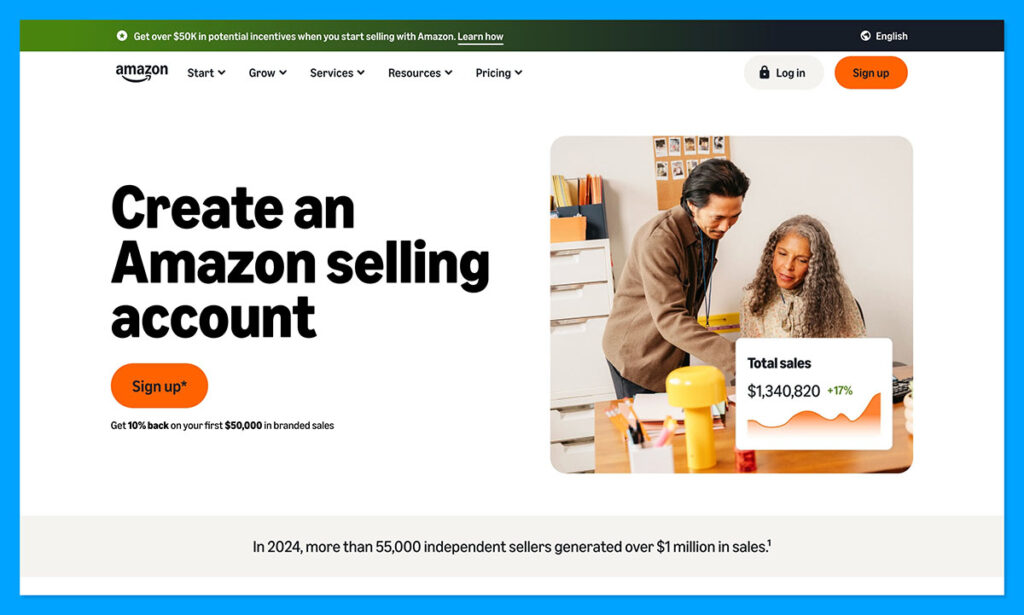
The cornerstone of any Amazon selling endeavor is the establishment of a professional Amazon Seller Account. This is distinct from a standard Amazon customer account and requires a dedicated setup. Amazon offers two primary selling plans:
- Individual Plan: This plan is ideal for beginners or those testing the waters. It is free to set up, but a fee of $0.99 is charged per item sold, in addition to Amazon’s selling fees. This model is cost-effective for sellers with a low volume of sales.
- Professional Plan: This plan carries a monthly fee of $39.99. It eliminates the per-item fee and offers significant advantages, including access to bulk listing tools, advertising capabilities, eligibility for the "Buy Box," and the ability to apply for selling in restricted product categories.
For those new to dropshipping on Amazon, the Individual plan is often recommended as a low-risk entry point. It allows for exploration of the platform and market without a substantial upfront financial commitment.
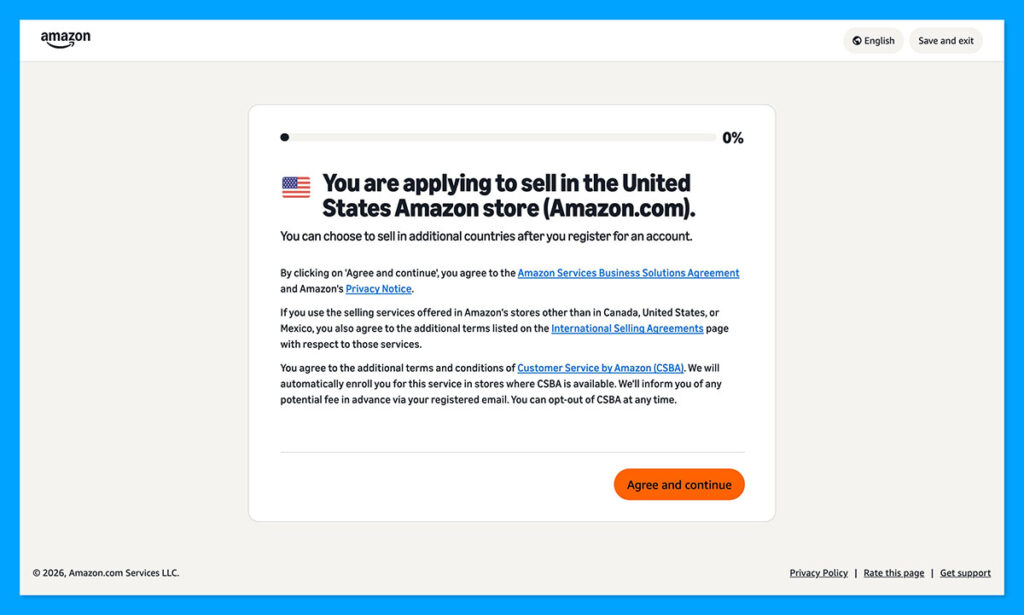
The account creation process itself is relatively straightforward. Sellers will be required to provide comprehensive business information, including details about their selling operations, billing information, store name, and product categories. Identity verification is a mandatory step, which may involve submitting personal identification documents, providing a facial photograph, or participating in a brief video call with an Amazon associate. While it is important to present a professional image, the initial setup does not need to be perfect. Focus on completing the essential requirements and familiarizing yourself with the Amazon Seller Central dashboard. Essential configurations, such as shipping and return settings, should be addressed as early as possible.
Step 2: Identifying Your Niche and Product Categories
The selection of a niche is a critical decision that can significantly impact the long-term viability of a dropshipping business. While chasing fleeting trends might seem tempting, it often leads to a highly competitive and unsustainable market. A more prudent approach involves focusing on product categories where the seller possesses some level of familiarity or interest. This could range from pet supplies and home organization solutions to DIY accessories or arts and crafts.
Amazon itself provides valuable tools to aid in this selection process. The "Product Opportunity Explorer" within Seller Central offers insights into market demand, search trends, customer reviews, pricing dynamics, and product saturation levels within specific categories. This data-driven approach helps identify products that are not only in demand but also offer sufficient room for new sellers to establish a presence.
Beyond Amazon’s internal tools, external resources like Google Trends, TikTok, and dedicated Reddit communities can offer a pulse on emerging interests and consumer preferences. Amazon’s "Best Sellers" list also serves as a valuable indicator of popular products. The key is to avoid overwhelming oneself with an expansive catalog from the outset. Instead, focus on identifying a niche with demonstrated customer interest and sufficient market potential. Once the niche is defined, a curated selection of products that align with acceptable profit margins should be chosen.
Step 3: The Critical Choice of a Supplier
The selection of a reliable and compliant dropshipping supplier is arguably the most crucial step in the entire process. This decision requires careful due diligence beyond simply finding a supplier who stocks the desired products. Amazon’s policies mandate that the supplier’s information must be hidden from the end customer. Therefore, a critical requirement is that the supplier must be willing and able to remove their company name from invoices, packing slips, and the packaging itself.
When evaluating potential suppliers, several key questions should be posed:
- Product Quality and Reliability: Do they consistently offer high-quality products that meet customer expectations? What is their return rate, and how are defective items handled?
- Shipping and Fulfillment Capabilities: Can they process orders efficiently and ship them within Amazon’s stipulated timeframes? What are their shipping costs, and do they offer reliable tracking information?
- Inventory Management: How do they manage their inventory levels? Do they provide real-time stock updates to prevent overselling?
- Communication and Support: How responsive are they to inquiries? Do they offer dedicated support for dropshipping partners?
- Return and Refund Policies: What is their process for handling returns and refunds? Are they aligned with Amazon’s policies?
- Branding and Packaging: Can they ship products in plain packaging or with custom branding (if desired for future growth)?
Recommended Suppliers for Amazon Dropshipping:
Several dropshipping suppliers have demonstrated a willingness to partner with Amazon sellers. Among these, DropXL has emerged as a notable option. This platform provides merchants with access to a vast catalog of over 90,000 vidaXL products, spanning categories such as furniture, home and garden, sporting goods, office supplies, and pet products. A significant advantage of DropXL is its real-time product feed, which updates hourly, ensuring merchants have access to the latest information on products, pricing, and stock availability. This minimizes the risk of overselling and outdated product listings.
DropXL operates on a straightforward pricing model. Browsing their product library is free. To engage their services as a dropshipping partner, a flat monthly fee of €30 applies, with no commissions charged on orders. Beyond product access, DropXL offers comprehensive support for shipping and returns, seamless API integrations, educational resources through the DropXL Academy, and exclusive discounts on their products.
Other platforms like Syncee also offer a broad marketplace for dropshipping and wholesale suppliers. Syncee facilitates automated payment management, order synchronization, and shipment tracking, alongside extensive product data. However, sellers may find they have less direct control over packaging and delivery timelines with suppliers sourced through a multi-supplier marketplace compared to a dedicated partner like DropXL.
CJdropshipping is another viable option, particularly for sellers focused on product sourcing and those considering a future of branded fulfillment. It offers features like custom packaging and print-on-demand services. However, for the specific context of Amazon dropshipping, where simplicity and adherence to strict policies are paramount, a single, trusted supplier with robust support for Amazon’s requirements is often the preferred approach.
Step 4: Strategically Listing Your Products on Amazon
With a seller account, a chosen niche, and a reliable supplier in place, the next phase involves bringing your products to the Amazon marketplace. Within Seller Central, navigate to "Catalog" and then "Add Products" to begin the manual listing process. Sellers can search Amazon’s existing product catalog by entering a GTIN (Global Trade Item Number) or product ID provided by their supplier. If the product already exists on Amazon, the goal is to match the existing listing’s details.
If the product is not found, a new listing must be created. This is a more involved process that requires crafting compelling product descriptions that clearly articulate the product’s features and benefits. Essential elements of a new listing include:
- Product Optimized for search terms that potential buyers are likely to use.
- Bullet Points: Highlighting key features and advantages.
- Images: High-quality images showcasing the product from various angles.
- Offer Details: Pricing, condition, and quantity.
- Fulfillment Information: Specifying how the order will be fulfilled.
- Compliance Details: Any necessary certifications or regulations.
Suppliers like DropXL can provide initial product data and images, serving as a starting point. However, it is crucial to avoid direct copy-pasting. Supplier descriptions are often geared towards database entries rather than consumer appeal. Rewriting titles to be more search-friendly and elaborating on descriptions to address customer needs will significantly enhance listing performance. As the product catalog expands, utilizing bulk upload features can streamline the process, but it remains essential to review and refine these listings before they go live.
Step 5: Mastering Order and Inventory Management
While dropshipping eliminates the physical burden of inventory storage and direct shipping, effective order and inventory management remain critical for success on Amazon. The seller is ultimately responsible for ensuring that Amazon, the customer, and the supplier are aligned regarding product availability and order status. Maintaining accurate stock levels and pricing across all platforms is paramount to avoid overselling, which can lead to order cancellations and negative customer experiences.
Amazon’s seller performance metrics are stringent. The Order Defect Rate (ODR) must be kept below 1% to avoid account restrictions. Similarly, maintaining a late shipment rate below 4% is strongly encouraged. Any issues with supplier performance, such as delays or stockouts, can directly impact the seller’s account health.
Regular weekly checks are essential to mitigate these risks:
- Order Status Monitoring: Regularly review incoming orders and ensure they are promptly passed to the supplier.
- Inventory Level Synchronization: Continuously monitor supplier inventory levels and update Amazon listings accordingly.
- Shipment Tracking Updates: Ensure that tracking information is provided to customers in a timely manner.
- Customer Inquiries and Returns: Respond promptly and professionally to all customer service requests and manage returns efficiently.
- Supplier Performance Review: Assess the reliability and efficiency of your supplier’s operations.
DropXL’s hourly feed updates provide a valuable advantage in staying current with inventory and pricing. However, regardless of the supplier, proactive communication and a willingness to address any customer experience issues are vital for maintaining a positive seller reputation.
Step 6: Cultivating Growth and Expanding Your Amazon Dropshipping Business
Once initial products are live and orders are being processed, it is tempting to rapidly expand the product catalog. However, a measured approach to growth is more sustainable. Before adding new items, it is essential to re-evaluate profit margins after all Amazon fees and associated costs. A thorough review of the supplier’s recent performance regarding stock availability and shipping reliability is also advisable. New products should logically complement the existing offerings and align with the established niche.
While monitoring trending products on Amazon is beneficial, avoid the urge to list every popular item without proper due diligence.
Promotional strategies play a significant role in driving sales. Amazon’s internal advertising platform can be effective, but its bid-based mechanism may not be suitable for highly competitive product categories. Exploring alternative promotional channels can yield better results:
- Social Media Marketing: Leverage platforms like Instagram, Facebook, and TikTok to showcase products, share customer testimonials, and build a brand presence.
- External Website Development: Establishing a standalone e-commerce website can enable the implementation of SEO strategies to drive organic traffic and facilitate email list building for targeted marketing campaigns.
- Listing Optimization: Continuously test and refine product titles, bullet points, descriptions, and images within Amazon Seller Central to improve conversion rates.
Additional Tips for Sustained Success:
- Focus on Customer Service: Exceptional customer service is paramount for building trust and encouraging repeat business.
- Stay Informed on Amazon Policies: Amazon’s policies are subject to change. Regularly reviewing updates is crucial for ongoing compliance.
- Analyze Performance Metrics: Utilize Amazon Seller Central’s analytics tools to identify areas for improvement.
- Build Supplier Relationships: Foster strong communication and collaboration with your chosen supplier.
The Path Forward: Strategic Entry into Amazon Dropshipping
In 2025 and beyond, Amazon dropshipping remains a viable and potentially lucrative business model, but success hinges on a well-defined strategy. Amazon provides the reach and visibility, but effective control over the customer experience is a seller’s responsibility. A poorly managed supplier relationship, inconsistent inventory, or incorrect shipping documentation can quickly erode profits and damage a seller’s reputation.
The recommended approach for aspiring Amazon dropshippers is to start small, focusing on a niche that is well-understood, partnering with a single, trusted supplier, and planning for gradual, strategic scaling. For sellers targeting high-traffic niches such as home and garden, furniture, pet supplies, or storage solutions, DropXL presents a compelling option. Its extensive product catalog, coupled with real-time data, robust return handling support, and efficient shipping, equips sellers with the tools necessary to navigate the competitive Amazon marketplace effectively. Exploring DropXL’s offerings and understanding their dropshipping system can be the initial step towards building a successful Amazon dropshipping venture.








