

LANSDALE, PA – July 7, 2026 – AWeber, a leading email marketing platform, announced a groundbreaking enhancement to its service today, introducing automatic UTM parameter tagging for every link within outgoing emails. This innovative feature, which integrates seamlessly with Google Analytics, promises to transform how marketers measure the effectiveness of their email campaigns, offering unparalleled clarity into conversion paths and return on investment. The update, detailed by Dave Stys, a prominent voice at AWeber, marks a significant step forward in simplifying advanced marketing attribution for businesses of all sizes.
At its core, AWeber’s new system automatically appends Urchin Tracking Module (UTM) parameters to every link embedded in an email before it is sent. This proactive tagging ensures that when recipients click on a link, their subsequent actions on the destination website are accurately recorded and attributed within Google Analytics. The data, once collected, becomes immediately accessible, negating the need for manual setup or complex configuration by the user. This automation eliminates a historically tedious and error-prone process, allowing marketers to focus on strategy rather than technical implementation.
The Core Innovation: Seamless Attribution from Click to Conversion
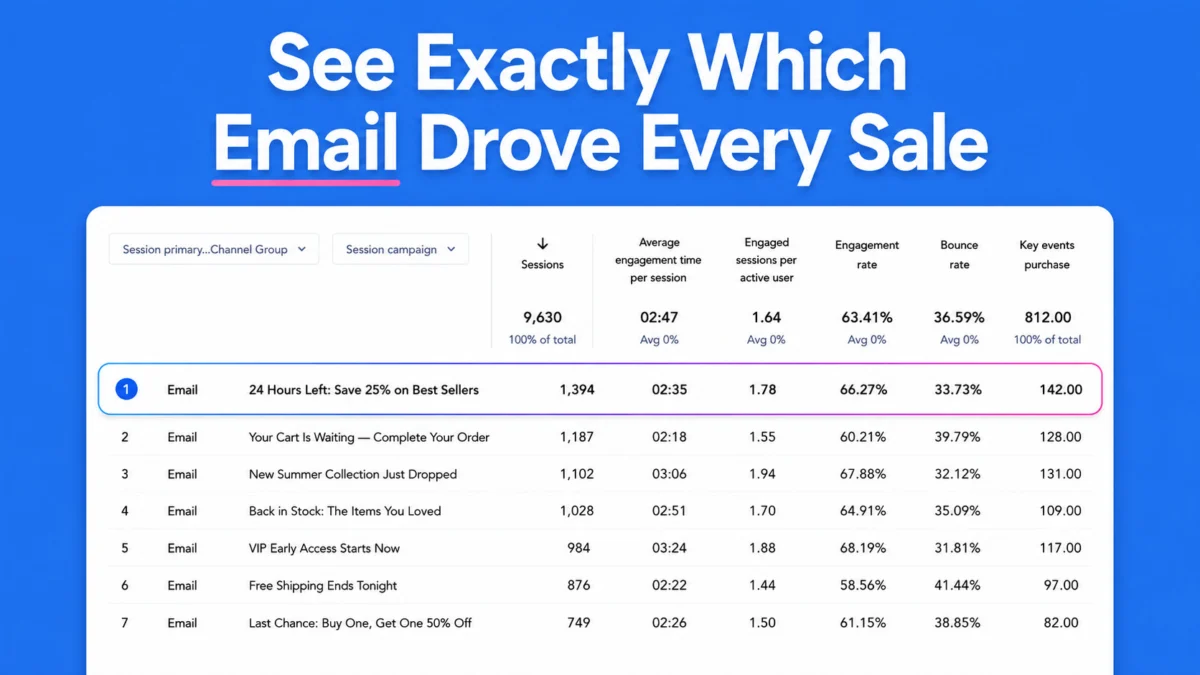
The mechanism behind AWeber’s new feature is designed for both efficiency and depth of insight. Each link is automatically imbued with three critical UTM parameters: utm_source, utm_medium, and utm_campaign. For all emails sent via AWeber, the utm_source will consistently be designated as "aweber," clearly identifying the origin platform. The utm_medium will be "email," specifying the channel through which the traffic was generated. Crucially, the utm_campaign parameter will be dynamically populated with the exact subject line of the email from which the click originated. This ingenious approach means that every email broadcast becomes its own distinct campaign in Google Analytics, allowing for direct, granular comparisons of performance based on the specific message delivered.
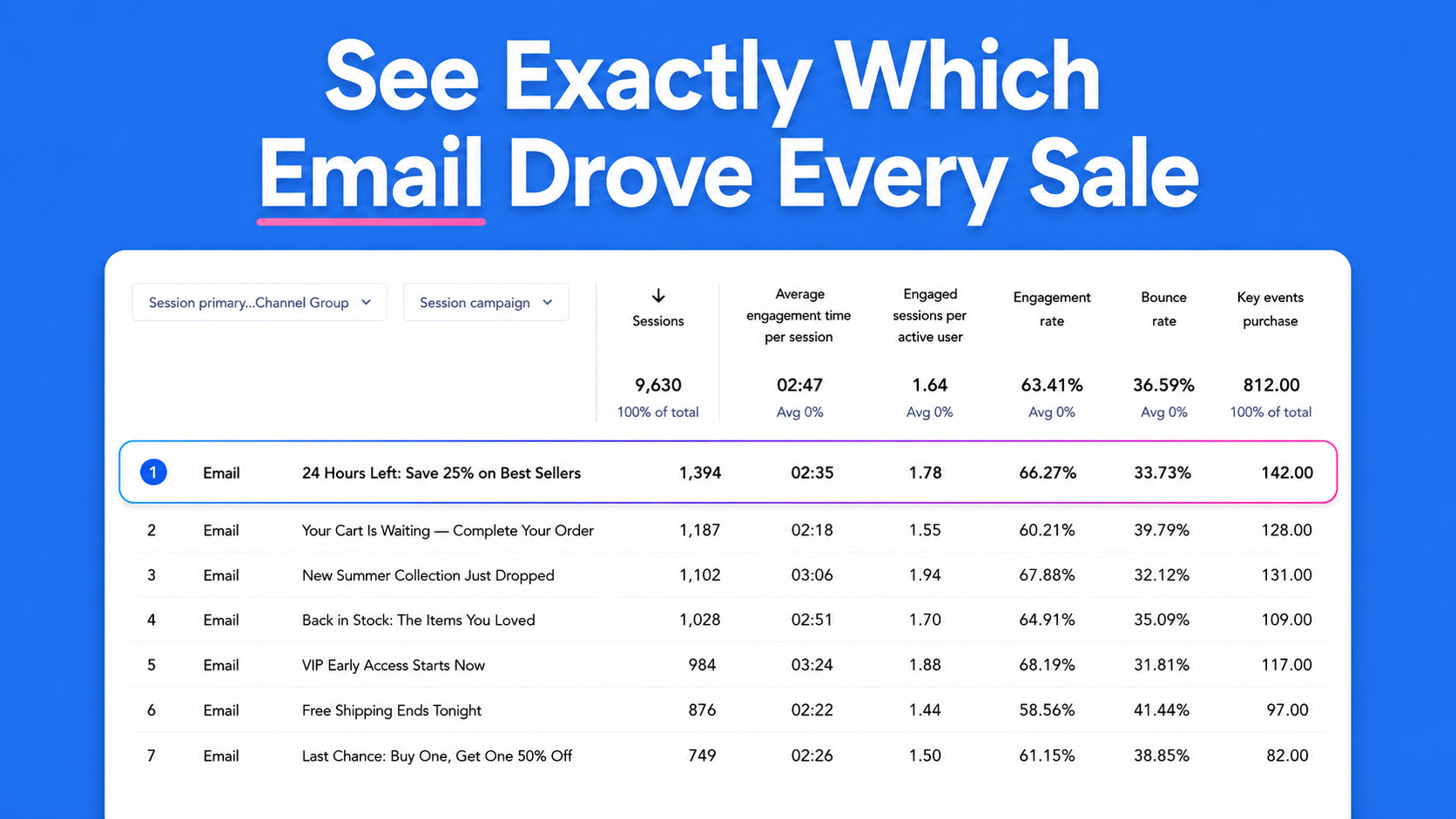
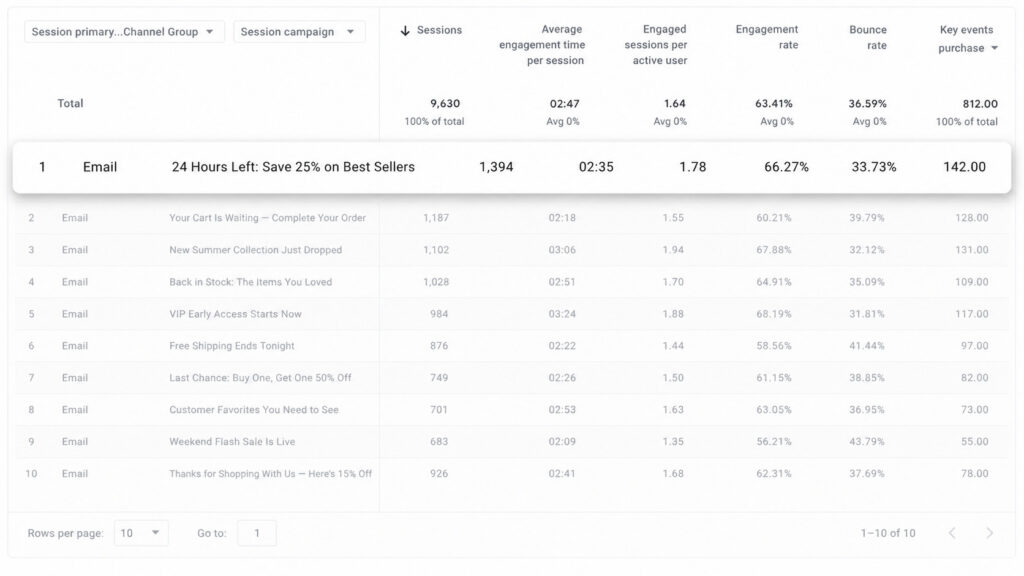
This level of automatic detail means that a marketer can, for instance, discern which subject lines not only drove traffic but also led to actual purchases, sign-ups, or other defined conversion goals. The traditional challenge of connecting a specific email’s content to a subsequent sale is now effortlessly overcome, providing a clear, traceable path from initial engagement to final transaction.
Unlocking Deeper Insights with Google Analytics
Upon the launch of an email campaign with this feature enabled, marketers can simply open their Google Analytics account to view the meticulously organized data. To access these insights, users navigate to the "Acquisition" section, then select "Traffic acquisition." Here, they can filter the data by "Source/Medium" using the specific identifier aweber / email. This filter immediately presents a comprehensive overview of all traffic originating from AWeber emails. Each email’s performance is then categorized under its respective subject line, acting as the campaign name.
This structured data allows marketers to pull reports on their last several sends and critically assess their effectiveness. They can readily identify which messages successfully drove website traffic, which ones translated that traffic into valuable conversions, and, equally important, which campaigns underperformed. This immediate feedback loop is invaluable for optimizing future email strategies, refining subject lines, calls-to-action, and overall content to maximize engagement and conversion rates. The visual representation of this data, often accompanied by detailed metrics like bounce rate, pages per session, average session duration, and conversion rates, empowers data-driven decision-making.
The Problem AWeber Solves: The Manual Burden of Attribution
Historically, tracking the precise impact of individual email campaigns on website activity and sales has been a significant hurdle for digital marketers. While the importance of email marketing, often cited for its high return on investment (ROI), has been universally acknowledged, the granular attribution of conversions to specific email messages remained a complex endeavor. Marketers often had to manually construct UTM parameters for each link in every email, a process that was not only time-consuming but also highly susceptible to human error. Inconsistent tagging, forgotten parameters, or incorrect formatting could lead to incomplete or skewed data, rendering analytics reports less reliable and strategic decisions less informed.
This manual burden frequently resulted in marketers either skipping detailed tracking altogether or dedicating substantial resources to a task that, while critical, diverted attention from creative content generation and audience engagement. Without precise attribution, optimizing email campaigns became a matter of guesswork rather than data-backed iteration. AWeber’s automatic UTM tagging directly addresses this pervasive pain point, democratizing advanced analytics for all its users, irrespective of their technical expertise or the size of their marketing team.
The Strategic Importance of UTM Parameters in Digital Marketing
UTM parameters, or Urchin Tracking Module parameters, are crucial tags appended to URLs to help track the performance of digital marketing campaigns. Developed by Urchin Software Corporation, which was later acquired by Google and formed the basis of Google Analytics, these parameters are fundamental for understanding where website traffic comes from and how different marketing efforts contribute to business objectives. They provide answers to critical questions such as: "Where did my traffic come from?", "How did they get to my site?", and "What specific campaign did they interact with?".
In a multi-channel marketing environment, UTMs are indispensable for segmenting traffic, identifying high-performing channels, and accurately calculating campaign ROI. They allow marketers to move beyond simple traffic numbers to understand user behavior, conversion pathways, and the true value of each marketing touchpoint. AWeber’s integration streamlines this essential practice specifically for the email channel, ensuring that email marketing can stand shoulder-to-shoulder with other rigorously tracked channels like paid search, social media, and display advertising in terms of data fidelity.
Preserving Customization: A Thoughtful Implementation
One of the more nuanced yet highly appreciated aspects of AWeber’s new feature is its intelligent handling of existing custom UTM parameters. Recognizing that many advanced marketers already employ their own sophisticated tracking methodologies, AWeber has designed its system to detect and respect these pre-existing tags. If a user has manually added their own UTM parameters to a link within an email, AWeber’s automatic system will identify these and leave them untouched. This ensures that custom tracking remains intact, providing flexibility and control for users with specific or complex attribution models, while still offering the convenience of automation for untagged links. This thoughtful implementation underscores AWeber’s commitment to user-centric design and its understanding of diverse marketing needs.
Industry Context and the Evolution of Email Marketing
Email marketing continues to be a powerhouse in the digital marketing landscape. Recent industry reports consistently highlight its exceptional ROI, often surpassing other digital channels. A 2023 study by Litmus, for example, indicated that for every $1 spent on email marketing, marketers could expect an average return of $36. However, maximizing this ROI necessitates granular performance data. The shift towards data-driven marketing decisions has been accelerating, with businesses increasingly reliant on analytics to optimize campaigns, allocate budgets effectively, and understand customer journeys.
In this context, AWeber’s new feature is not merely an incremental update but a strategic move that aligns with the broader industry trend of automation and integrated analytics. By simplifying the data collection process, AWeber empowers its users to tap into the full potential of their email marketing efforts, bridging the gap between sending an email and understanding its tangible business impact. This evolution in email platform capabilities reflects a growing demand for tools that reduce operational complexity while enhancing strategic insight.
Statements and Expert Perspectives
"Our goal has always been to simplify the sophisticated aspects of digital marketing for our users," says Dave Stys, whose byline accompanied the initial announcement. "This automatic UTM tagging feature is a direct response to the persistent need for clear, actionable insights into email campaign performance. It allows our customers to connect clicks directly to conversions without the usual analytical hurdles, transforming how they measure success and optimize their strategies."
Industry experts are quick to recognize the significance of this development. Dr. Anya Sharma, a prominent digital marketing analytics specialist, commented, "This move by AWeber sets a new benchmark for email service providers. By automating a historically manual and often overlooked process, they are democratizing advanced attribution for businesses of all sizes. This is critical in today’s highly competitive digital landscape, where every marketing dollar needs to be justified with concrete data. This feature will undoubtedly empower a new generation of marketers to make smarter, faster decisions."
Small business owners and marketing agencies, who often operate with limited resources, are expected to be among the primary beneficiaries. "As a small business owner, I often find myself juggling multiple roles," says Sarah Chen, proprietor of a boutique online store. "The idea of manually tagging every link in every email was daunting, so I often skipped it. This new AWeber feature means I’ll finally get the data I need to understand what’s truly working, without adding to my workload. It’s a game-changer for businesses like mine."
The Broader Implications for Marketers and Businesses
The implications of AWeber’s automatic UTM tagging extend far beyond mere convenience. For marketers, it means:
- Enhanced Decision-Making: The ability to pinpoint which subject lines, calls-to-action, or content segments drive the most valuable actions allows for continuous optimization. Marketers can iteratively improve campaigns based on real conversion data, rather than just open or click rates.
- Improved ROI Measurement: Businesses can now accurately attribute revenue and other conversion metrics directly to specific email campaigns, providing a clearer picture of their email marketing ROI and justifying budget allocations.
- Time and Resource Savings: Marketing teams can reallocate time previously spent on manual tagging to more strategic tasks, such as content creation, audience segmentation, or A/B testing, thereby increasing overall productivity.
- Competitive Advantage: AWeber users gain a distinct edge by having access to richer, more reliable data, enabling them to outperform competitors who may still be struggling with incomplete attribution.
- Seamless Reporting: Generating comprehensive reports on email performance becomes significantly easier, allowing for quicker insights and more compelling presentations to stakeholders.
This feature also contributes to a more holistic view of the customer journey. By integrating seamlessly with Google Analytics, AWeber enables marketers to understand how email interactions fit into a broader multi-channel strategy, revealing the interplay between email, website visits, and other touchpoints.
Operational Control: Managing the Feature
AWeber has ensured that users retain full control over this powerful new capability. While the automatic UTM tagging feature is enabled by default for all AWeber accounts, it can be easily adjusted for specific lists. Users wishing to turn the feature on or off for a particular list can do so through their list settings. This flexibility allows marketers to tailor their tracking approach to different campaigns or audience segments, ensuring that the feature aligns with their unique strategic needs. The setting takes effect on the next email send, providing immediate control and adaptability.
A Look Ahead: The Future of Email Analytics
The introduction of automatic UTM tagging by AWeber is more than just a new feature; it lays a robust foundation for the future of email analytics. As data becomes increasingly central to marketing success, platforms that can simplify data collection and provide actionable insights will lead the charge. This advancement from AWeber could pave the way for further innovations, such as AI-driven recommendations based on conversion data, more sophisticated multi-channel attribution models directly within the AWeber interface, or enhanced predictive analytics that forecast campaign performance.
In a world where every click and conversion matters, AWeber’s commitment to automating and integrating critical analytics tools empowers marketers to not only send emails but to truly understand their impact, driving greater efficiency, more effective strategies, and ultimately, superior business outcomes. The era of effortless email marketing attribution has officially arrived.








