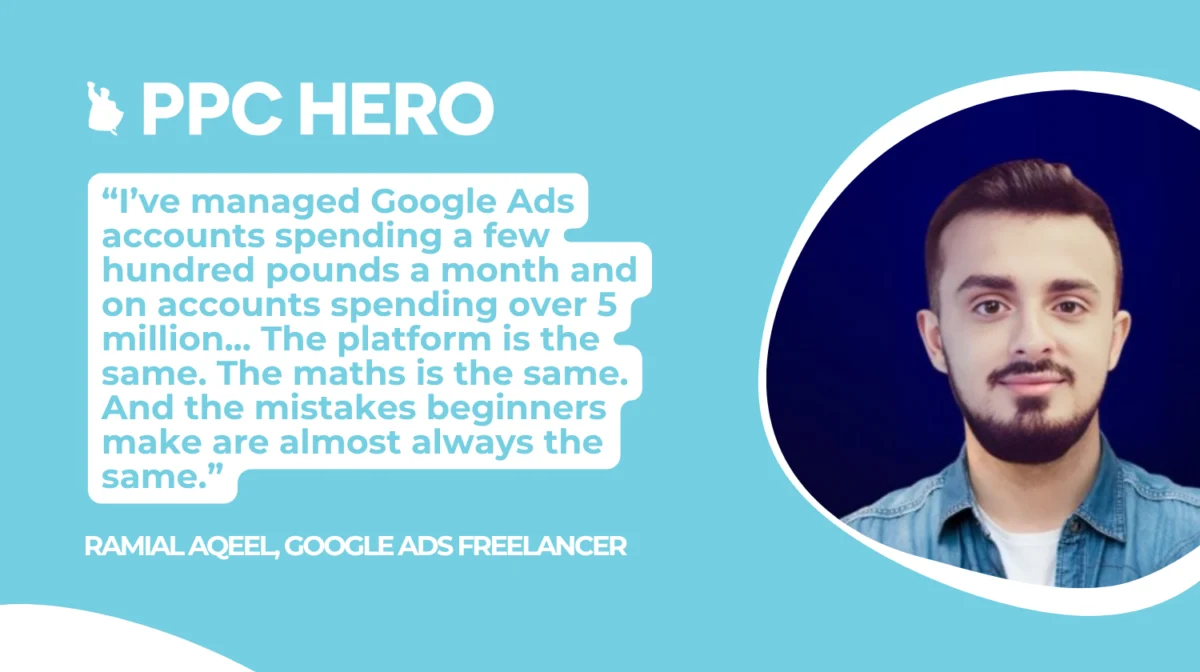
The landscape of digital advertising can appear daunting, particularly for those venturing into Google Ads for the first time. With a platform capable of managing campaigns ranging from modest monthly expenditures of a few hundred pounds to colossal budgets exceeding five million, the underlying mechanics remain consistent. Crucially, the foundational errors that often plague newcomers are remarkably similar and frequently repeated. This guide offers a distilled approach, drawing from extensive experience across the spectrum of Google Ads account management, to help fledgling advertisers navigate the initial setup phase without squandering their budget within the critical first week.
Prioritising Conversion Tracking: The Bedrock of Effective Advertising
Before a single advertisement is crafted or a keyword is bid upon, the absolute priority must be the implementation and verification of conversion tracking. This often-overlooked step, perceived as technical and tedious, is in fact the linchpin of any successful digital advertising strategy. Without the ability to accurately measure which clicks translate into tangible business outcomes – be it a lead submission, a phone call, or a completed sale – advertisers are not engaging in strategic campaign management; they are merely gambling.
Conversion tracking serves as the vital feedback mechanism for Google’s sophisticated algorithms. It educates the platform on what constitutes a "good" outcome for your specific business objectives. When this data is absent, the algorithm operates blindly, attempting to optimise campaigns without a clear understanding of success. Conversely, with robust conversion tracking in place, every subsequent decision, from keyword selection to bid adjustments, is informed by its potential to generate revenue, rather than simply creating the illusion of activity.
The process involves defining a "conversion action" that directly aligns with your business’s primary goals. This could be a form submission on a contact page, a click-to-call button, or an e-commerce transaction. It is imperative to rigorously test this setup. Manually trigger a conversion – for instance, by filling out your own form – and confirm that it is accurately recorded within your Google Ads account before allocating any budget to traffic generation. This foundational step ensures that your advertising spend is directed towards activities that demonstrably contribute to your bottom line.
Strategic Campaign Selection: Focus on Search Intent
Google Ads offers a diverse array of campaign types, including Search, Display, Shopping, Video, and the more automated Performance Max. In the initial stages of account setup, the temptation to activate multiple campaign types simultaneously can be strong, fuelled by the platform’s prompts. However, for new advertisers, this approach is counterproductive.
The recommended strategy is to commence with a single, focused Search campaign. Search advertising capitalises on user intent. When an individual types a query into Google, they are actively seeking a solution to a problem or information about a product or service. Appearing at this precise moment, when demand is evident, provides the most direct and honest pathway to understanding how Google Ads functions. This clarity is essential for learning.
Campaign types like Display and Performance Max, while valuable in more mature strategies, often obscure the granular details of campaign performance through extensive automation. For new advertisers, the objective is to understand the "moving parts" of the advertising engine. Search campaigns excel at revealing these components, allowing for a deeper comprehension of keyword performance, ad relevance, and user behaviour.
Therefore, the advice is to launch with one primary campaign type – Search – and define one to two clear, actionable goals. This singular focus allows for a concentrated learning experience and prevents the dilution of effort and budget across multiple, potentially ill-understood, channels.
Building a Simple, Effective Account Structure
Complexity in account structure is rarely a prerequisite for success, especially in the nascent stages of Google Ads management. A sensible, straightforward structure is far more beneficial. The fundamental principle is to group keywords by theme or intent. Each ad group should contain a tightly curated set of keywords that share a common focus. Crucially, the advertisements within each ad group must directly correspond to the keywords they are designed to attract.

For example, if a user searches for "law firm Manchester," the advertisement they see should explicitly mention a "Law Firm in Manchester." This strong ad-keyword relevance is not merely good practice; it is a critical factor in achieving lower click costs and securing more favourable ad positions over time. Google’s algorithms reward relevance, incentivising advertisers who provide a seamless and pertinent experience for users.
Furthermore, meticulous control over keyword match types is paramount. The indiscriminate use of broad match keywords, without appropriate safeguards, can lead to a rapid depletion of budget on search queries that are entirely irrelevant to the advertised product or service. It is advisable to initiate with more restrictive match types, such as phrase match and exact match. This approach allows advertisers to observe the incoming search terms, gather data, and then strategically broaden match types only when confidence in the data and understanding of user behaviour has been established.
The Non-Negotiable Role of Negative Keywords
Among the most impactful elements within a Google Ads account is the list of negative keywords – the terms you explicitly instruct Google not to trigger your ads for. The sheer diversity and often unexpected nature of user search queries necessitate this proactive measure. Terms like "free," "jobs," "DIY," or "cheap" can inadvertently attract clicks if they appear in a broad match keyword. For businesses offering premium services or products, advertising for "free" or "cheap" searches represents a direct drain on resources, as these clicks are highly unlikely to convert into paying customers.
A non-negotiable habit for any new advertiser is the consistent review of the "Search Terms Report." This report provides granular insight into the actual queries users typed into Google immediately preceding a click on your ad. Diligent examination of this report allows you to identify irrelevant searches. Any term that does not align with your business offerings or target audience should be immediately added to your negative keyword list. This single, consistent practice can yield more significant cost savings and efficiency gains than any complex bidding strategy.
Budgeting for Learning: An Investment in Data
Google Ads campaigns require data to function optimally. This means that an adequate budget is necessary to provide the platform with sufficient information to learn and adapt, without leading to financial distress during the learning curve. Setting a budget that is too low – perhaps resulting in only a few clicks per day – will yield insufficient data for meaningful analysis and optimisation. Conversely, an excessively high budget can lead to significant financial losses during the initial learning phase.
The prudent approach is to allocate a budget that you are genuinely comfortable with potentially losing during the first month. This initial period should be viewed as an investment in education, akin to tuition fees, rather than immediate profit. Patience is also a crucial virtue. A common pitfall for new advertisers is to panic after only a few days and make wholesale changes to their campaigns. The Google Ads algorithm requires time to learn, and the advertiser also needs time to interpret the data. Constant, premature modifications can reset this learning progress, hindering the campaign’s ability to optimise effectively. Implement changes strategically and allow them sufficient time to demonstrate their impact before making further adjustments.
Optimising the Landing Page Experience
The advertisement is only one half of the conversion equation. The landing page, the destination of the user’s click, plays an equally critical role in the overall success of a campaign. Even the most meticulously crafted Google Ads campaign can falter if it directs traffic to a poorly designed landing page.
A slow-loading, cluttered, or confusing homepage that lacks a clear call to action will inevitably lead to wasted ad spend. The landing page must be congruent with the user’s search query and the advertisement’s message. It should load quickly, present information clearly, and prominently feature the desired next step. For instance, an ad promoting "Conveyancing Services" should direct users to a page specifically detailing "Property Conveyancing," complete with an easily accessible phone number or a conspicuous contact form. This seamless transition from search to landing page significantly enhances the probability of conversion.
A Pragmatic Order of Operations for Your First Week
For new advertisers seeking a clear roadmap, the following order of operations is recommended:
- Implement Conversion Tracking: Ensure all critical conversion actions are set up and rigorously tested before spending any budget.
- Launch a Single Search Campaign: Focus all initial efforts on a well-structured Search campaign.
- Structure with Thematic Ad Groups: Group keywords by intent and ensure tight relevance between keywords, ad copy, and landing pages.
- Control Keyword Match Types: Begin with phrase and exact match, and only expand once data supports it.
- Actively Manage Negative Keywords: Regularly review the Search Terms Report and add irrelevant queries as negative keywords.
- Set a Learning Budget: Allocate a budget that allows for sufficient data collection without financial risk.
- Optimise Landing Pages: Ensure landing pages are fast, relevant, and have a clear call to action.
- Allow Time for Learning: Resist the urge to make constant, premature changes.
There are no secret hacks or magical settings that guarantee immediate success in Google Ads. By diligently executing these fundamental, albeit sometimes "boring," tasks, new advertisers can establish a solid foundation. This methodical approach will not only prevent costly early mistakes but will also provide invaluable, real-world learning experiences that surpass any theoretical course. The true mastery of Google Ads lies in understanding and consistently applying these core principles.