

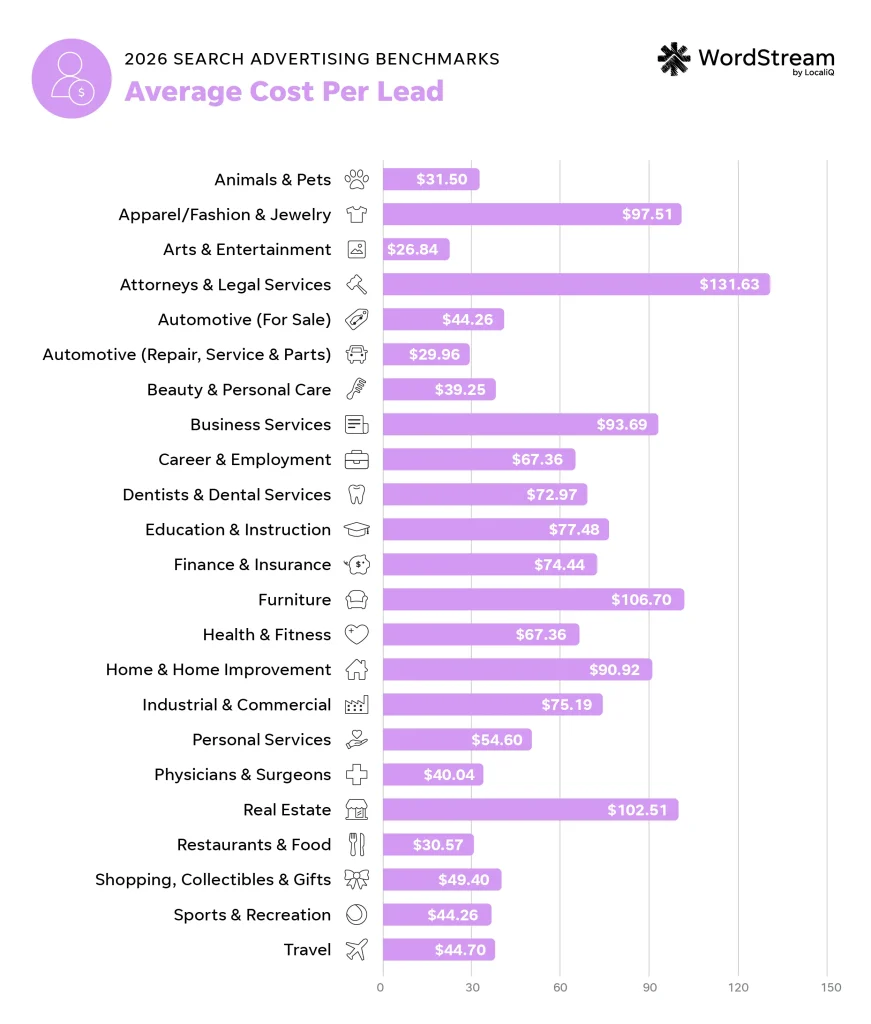
Google’s expansive digital reach often leads consumers to seek solutions within their immediate vicinity, especially when urgent needs arise. For local service advertisers, capitalizing on these "near me" searches and converting them into actionable leads swiftly is paramount, as time is a critical factor in most local service inquiries. Google’s Local Services Ads (LSAs), integrated within Performance Max campaigns and utilizing a pay-per-lead model, offer a compelling solution to meet this demand. These unique ad formats prominently display on the Search Engine Results Page (SERP), showcasing service offerings, customer ratings, and providing direct action options for searchers, thereby streamlining the lead generation process. This comprehensive guide explores the intricacies of Local Services Ads, equipping businesses with the knowledge to leverage them effectively.
Understanding Google Local Services Ads
Google Local Services Ads represent a specialized category of Performance Max (PMax) campaign advertisements designed to generate leads directly from the search results page for service-based businesses. Unlike traditional Google Ads that direct users to a landing page, LSAs are engineered to facilitate immediate engagement through phone calls, form submissions, messages, or appointment bookings directly within the ad itself. A wide array of industries, including but not limited to locksmiths, plumbers, garage door specialists, electricians, legal professionals, and real estate agents, can benefit from this powerful advertising avenue.
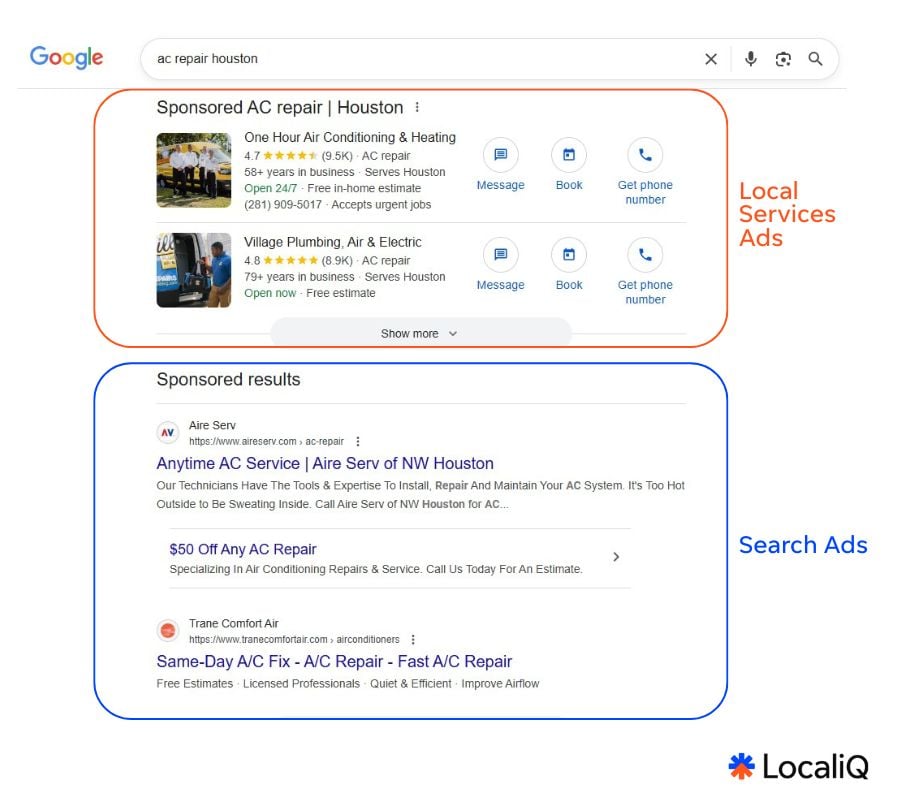
When a user initiates a local search query, trusted service providers within their geographical area may appear at the top of the SERP, positioned above conventional paid search advertisements. These LSA listings typically feature essential business information such as contact numbers, operating hours, star ratings, and customer reviews. For instance, a search for "emergency plumber near me" could trigger an LSA displaying a verified plumber’s details and availability.
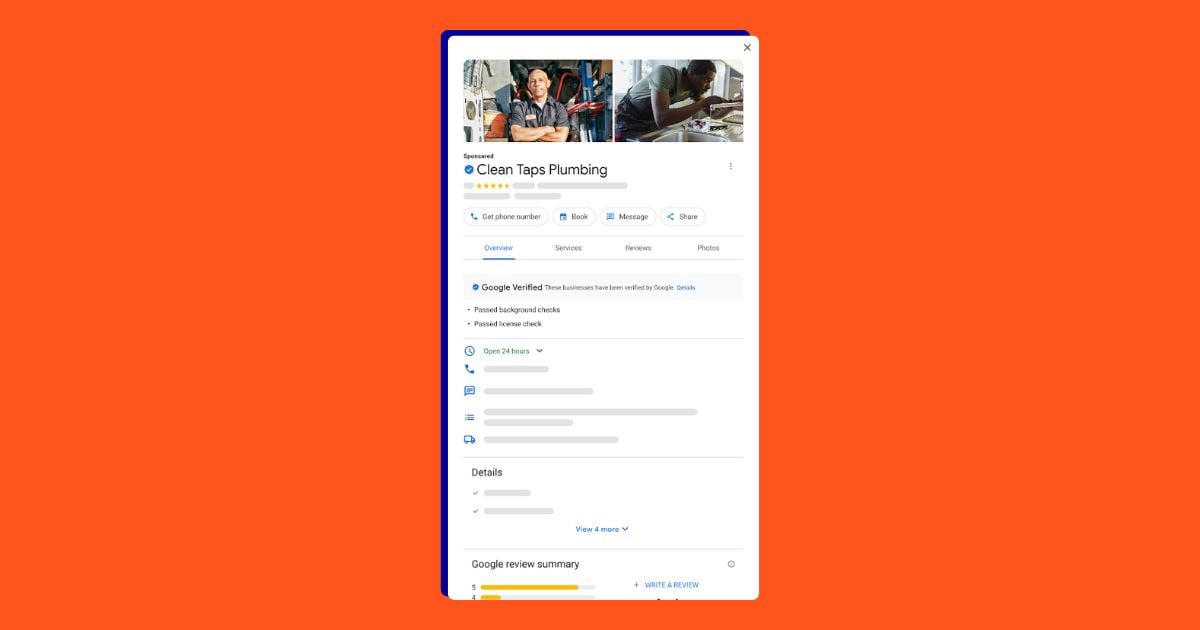
Upon clicking an LSA, Google prompts the searcher to confirm the specific job they require and their service area. If the advertiser’s services align with the job and fall within the searcher’s location, a match is made. The searcher can then review the advertiser’s qualifications, ratings, and Google reviews before initiating contact. Conversely, if an advertiser is not a suitable match for the job or does not serve the specified region, Google will redirect the searcher to a more appropriate Local Services Ad, thereby saving the advertiser unnecessary costs and effort.
Supported Industries for Local Services Ads
Local Services Ads have become an invaluable asset for numerous service-oriented sectors. Google currently supports LSAs across more than 80 industries throughout the United States, demonstrating its commitment to connecting local consumers with reliable service providers. This broad applicability allows businesses in diverse fields to tap into a highly motivated customer base. Some of the prominent industries benefiting from LSAs include:
- Home Services: HVAC, plumbing, electrical, roofing, landscaping, pest control, cleaning services, painting, and general contracting.
- Legal Services: Personal injury attorneys, family lawyers, criminal defense lawyers, estate planning attorneys.
- Financial Services: Accountants, bookkeepers, tax preparation services.
- Automotive Services: Auto repair, car washes, towing.
- Healthcare Services: Dentists, veterinarians, therapists, chiropractors.
- Real Estate: Real estate agents, property managers.
- And many more specialized trade and professional services.
Key Advantages of Google Local Services Ads
The unique structure and operational model of Google Local Services Ads offer distinct advantages for businesses seeking to enhance their local lead generation efforts.
Pay Per Lead, Not Per Click
A significant pain point for many Pay-Per-Click (PPC) advertisers is the expenditure on clicks that do not result in conversions or qualified leads, particularly in industries with high average cost-per-click (CPC) rates, such as legal or dental services. Local Services Ads mitigate this by connecting the right job with the appropriate advertiser, thereby reducing instances of job mismatches that can occur when users search for broad terms or inquire about services outside an advertiser’s service zone.
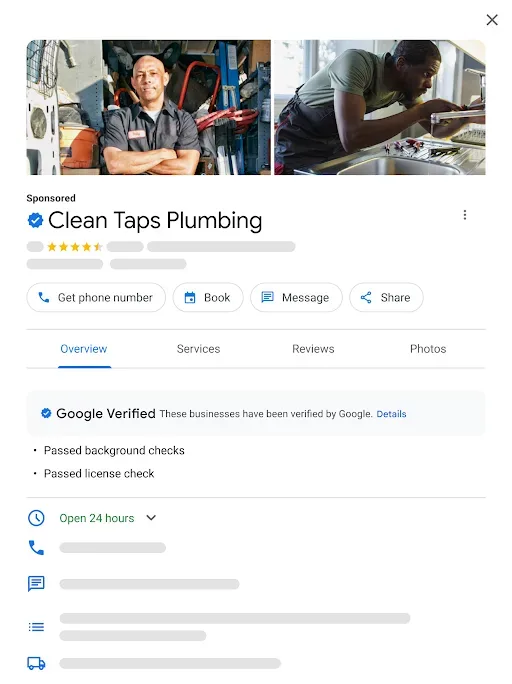
Businesses running LSAs are charged exclusively for valid leads. The cost per lead through LSAs can often be lower than the average CPC for traditional search ads within the same industry. Furthermore, Google provides a mechanism for advertisers to dispute charges for leads that are fraudulent, spam, or a poor match, allowing for potential credit. Industry benchmarks indicate that the average cost per lead for Google Local Services Ads hovers around $60, a figure that stands favorably against the average cost per lead for search ads, which can range significantly higher depending on the industry. For example, recent data suggests the average cost per lead for search ads can be around $66.69, with some industries experiencing much higher figures. This pay-per-lead model ensures that advertising spend is directly tied to potential business opportunities.
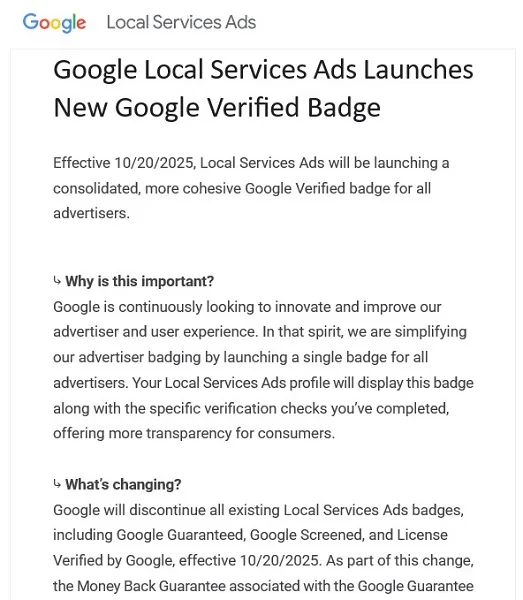
Building Trust with the Google Verified Badge
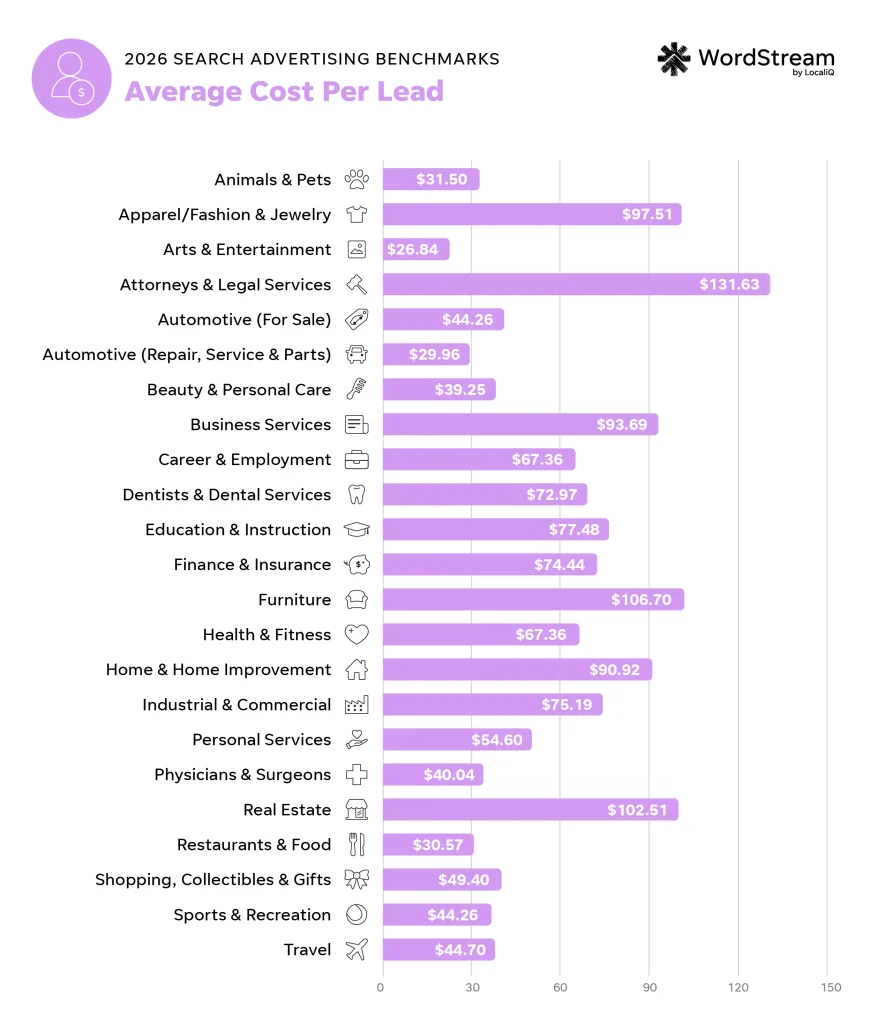
A cornerstone of the LSA experience is the Google Verified badge, which prominently appears on eligible ads, instilling a significant level of credibility and trust in potential customers. Previously, LSAs featured various badges, such as the Google Guarantee, depending on the industry and the advertiser’s verification level. However, as of October 20, 2025, Google has consolidated these into a single, universally recognized Google Verified badge. This unified approach aims to create a more cohesive and transparent LSA experience for both consumers and advertisers, reinforcing the reliability of listed businesses. The verified badge signifies that the business has undergone a thorough vetting process by Google, including background checks and license verification, assuring users of their legitimacy.
Expanding Paid Search Ad Reach
Google Local Services Ads occupy a prime position at the top of the SERP, preceding both paid search ads and organic listings. This strategic placement ensures maximum visibility for local service providers. While LSAs are designed for immediate lead generation, they are not intended to replace traditional search campaigns or organic local listings. Many searchers still prefer to visit a business’s website to evaluate their offerings before making a decision. The prominent visibility of LSAs, even for users who don’t convert immediately, can influence their perception and lead to conversions through other channels later on. The positive visibility and trust associated with the LSA and its verified badge can indirectly bolster the performance of other marketing efforts.
Streamlined Management via Performance Max
The integration of Local Services Ads into Google Ads under Performance Max campaigns with a pay-per-lead goal signifies a significant operational enhancement. Previously managed through a separate dashboard, LSAs can now be run and managed directly within the familiar Google Ads interface. Most advertisers are already leveraging the fully automated capabilities of PMax campaigns, making the transition to managing LSAs within this framework seamless. This consolidation simplifies campaign management, allowing businesses to oversee their entire digital advertising portfolio from a single platform. The PMax campaign type, known for its efficiency in reaching audiences across Google’s channels, is well-suited to the objective-driven nature of LSA lead generation.
Getting Started with Google Local Services Ads
For businesses eager to harness the power of Google LSAs, a structured approach to setup and management is essential.
1. Confirm Eligibility
The first step involves confirming whether your business falls within an eligible industry for Local Services Ads. Google supports these ads for a wide range of service-based businesses. To ascertain eligibility, businesses can visit the dedicated eligibility checker on the Google Ads platform, which requires inputting business type and location.
Upon confirming eligibility, businesses will be guided through the account creation process for managing their LSAs. It is important to note that Local Services Ads are managed separately from other Google Ads campaigns, necessitating the creation of a new, dedicated account for LSAs.
2. Create Your Business Profile
A crucial component of running LSAs is establishing a comprehensive Google Business Profile (formerly Google My Business) and linking it to your LSA account. This profile serves as the foundation for matching jobs to your business. Honesty and accuracy regarding the services you offer and the areas you serve are vital, as you will be financially responsible for leads generated through matches.
Within your business profile, you can meticulously manage and update key information, including:
- Service Areas: Precisely define the geographical regions where you offer your services.
- Service Offerings: Clearly list all the specific services your business provides.
- Business Hours: Maintain accurate and up-to-date operating hours.
- Contact Information: Ensure your phone number and website are current.
- Business Description: Craft a compelling description that highlights your unique value proposition.
3. Submit License and Insurance Details
For licensed and insured professionals, submitting proof of these credentials is a mandatory step. Businesses must ensure their professional licenses are current and provide detailed information regarding their general liability insurance. Depending on local regulations, additional state or city-specific licenses may also need to be uploaded to ensure compliance within those operating regions. This verification process underscores Google’s commitment to consumer safety and service quality.
4. Complete Background Checks
Before Google allows businesses to be listed on Local Services Ads, it requires both the business entity and its field workers to undergo a background check. This measure is in place to guarantee the safety and trustworthiness of individuals who will be entering users’ homes, offices, or vehicles. These background checks are provided at no cost to the advertiser and can be managed through a designated platform. The successful completion of these checks is a prerequisite for obtaining the Google Verified badge.
5. Manage Your Leads Effectively
Once your business profile is established and linked to your Google Ads account, a Performance Max pay-per-lead campaign will be automatically created. Leads generated by your campaign will be accessible within the "leads" reporting section of the Google Ads platform. It is imperative to remember that a lead is not synonymous with a booked job. Prompt and diligent follow-up with all inbound leads is essential. Within the leads reporting section, you can review detailed information about each lead, including the job type and location, and even listen to call recordings to assess the quality and nature of the inquiry. This level of detail empowers advertisers to provide personalized follow-up and improve their conversion rates.

Optimizing Performance Max Local Services Ads
To maximize the return on investment from your Google Local Services Ads campaigns, consider these strategic optimizations:
1. Strategic Location Targeting
Given that the core purpose of LSAs is to connect with local searchers, precise location targeting within your PMax campaign is critical. When defining your target areas, prioritize locations that are in close proximity to your primary customer hubs. This proximity often correlates with higher conversion rates due to factors like reduced travel time and a stronger sense of local presence, which can influence Google’s proximity ranking algorithm.
2. Cultivate Strong Google Reviews
Customer reviews on your regular Google Business Profile directly influence the appearance and performance of your LSAs. A robust collection of positive reviews enhances the credibility and attractiveness of your LSA, encouraging more users to engage with your listing. Implementing a comprehensive reputation management strategy, including actively soliciting reviews from satisfied customers and addressing any negative feedback constructively, is paramount for sustained LSA success. A well-managed online reputation directly translates to a more compelling presence on the SERP.
Conclusion: Driving Business Growth with Local Services Ads
Google Local Services Ads offer a streamlined, effective, and budget-conscious method for service businesses to connect with local customers actively searching for their expertise. The pay-per-lead model, coupled with the trust factor of the Google Verified badge and prime SERP placement, makes LSAs a potent tool for lead generation. By following the outlined steps for setup and focusing on strategic optimization, businesses can significantly enhance their ability to book more jobs and drive sustainable growth in their local markets. The ease of creation and management, especially with the integration into Performance Max campaigns, makes incorporating LSAs into a broader digital marketing strategy a clear win-win for service-oriented businesses.
To recap the essential steps for launching your Google LSAs:
- Confirm Eligibility: Verify your industry and location are supported.
- Create Business Profile: Develop a detailed and accurate profile.
- Submit Credentials: Provide necessary license and insurance documentation.
- Complete Background Checks: Ensure your business and staff meet Google’s safety standards.
- Manage Leads: Actively follow up on all inquiries generated.
By embracing Google Local Services Ads, businesses are not just investing in advertising; they are investing in a direct pipeline to immediate local demand, positioning themselves for increased visibility, trust, and ultimately, more booked appointments.









