

The landscape of digital marketing has undergone a radical transformation as businesses transition from broad-spectrum advertising to highly targeted, data-driven lead generation frameworks. In a report updated on August 13, 2024, industry experts, led by Josh Gallant of Backstage SEO, identified 13 core strategies essential for capturing and converting high-quality leads in an increasingly saturated marketplace. The central thesis of this strategic overhaul suggests that lead generation is no longer a singular tactical effort but a multi-faceted engine designed to fuel the sales funnel through a combination of inbound and outbound methodologies.
The Strategic Framework of Modern Lead Generation
Lead generation represents the foundational stage of the sales funnel, acting as the primary mechanism for identifying and attracting potential customers. According to market analysis, the efficacy of these strategies is dictated by a business’s ability to align its offerings with the specific needs of a well-defined target audience.

The industry currently distinguishes between two primary methodologies: inbound and outbound marketing. Inbound marketing focuses on creating an ecosystem of valuable content and interactions that pull customers toward the brand. Conversely, outbound marketing involves proactive outreach through direct channels. Market data indicates that while inbound marketing often yields a lower cost-per-lead over time, outbound strategies remain vital for achieving immediate market penetration and high-velocity sales goals.
Chronology of Lead Generation Evolution
To understand the current 13-pillar framework, it is necessary to examine the evolution of lead acquisition over the last decade:
- 2010–2015: The Era of Volume. Marketing was dominated by mass email blasts and broad SEO tactics focused on keyword stuffing.
- 2016–2020: The Rise of Personalization. The introduction of sophisticated CRM tools and social media algorithms shifted the focus toward user intent and segmented targeting.
- 2021–Present: The Integration Phase. Modern strategy now requires a seamless blend of automation, high-quality content, and interactive user experiences. Privacy regulations such as GDPR and CCPA have forced marketers to move away from third-party data toward "first-party" lead generation via direct engagement.
The 13 Essential Lead Generation Strategies
The 2024 framework identifies specific levers that marketers can pull to optimize their conversion rates and revenue potential.

1. Conversion-Optimized Landing Pages
The landing page serves as the terminal point for most marketing traffic. Unlike a general website, a landing page is designed with a single goal: conversion. Experts suggest that high-performing pages utilize a "distraction-free" environment, featuring a singular Call to Action (CTA), social proof, and clear value propositions.
2. Inbound Content Marketing Systems
By producing educational or entertaining content, businesses establish authority. Data suggests that companies with active blogs generate 67% more leads per month than those without. This system relies on aligning content with the "Buyer’s Journey"—awareness, consideration, and decision.
3. Search Engine Optimization (SEO)
SEO remains the most sustainable source of organic traffic. By optimizing content for search intent, businesses capture users at the exact moment they are seeking solutions. Journalistic analysis of search trends shows that "long-tail" keywords (specific phrases) often have higher conversion rates than generic terms.

4. Targeted Cold Email Outreach
Despite the rise of social media, email remains a high-ROI channel. Modern cold outreach has moved away from "spam" toward hyper-personalization. Success in this field is now measured by the relevance of the offer and the timing of the outreach, often triggered by "intent signals" such as a company’s new job posting or a recent funding round.
5. Website Popups and Sticky Bars
While often debated, popups and sticky bars remain effective for capturing "exit-intent" leads. By offering a lead magnet—such as a discount code or a free guide—at the moment a user is about to leave the site, businesses can recover potentially lost opportunities.
6. Social Media Marketing
The shift in social media has moved from "following" to "discovery." Platforms like LinkedIn, TikTok, and Instagram are now used as discovery engines where brands can engage with audiences through authentic, short-form video and thought leadership content.

7. Pay-Per-Click (PPC) Advertising
PPC offers immediate visibility. For industries with high customer lifetime value (LTV), paying for top-tier placement on search engines like Google is a primary growth driver. Statistics show that for every $1 spent on Google Ads, businesses earn an average of $2 in revenue.
8. Webinars and Live Events
Live sessions are identified as high-intent lead generators. While a checklist might attract a high volume of leads, a 45-minute webinar attracts high-quality leads. Participation in a live event is a strong indicator that a prospect is nearing a purchasing decision.
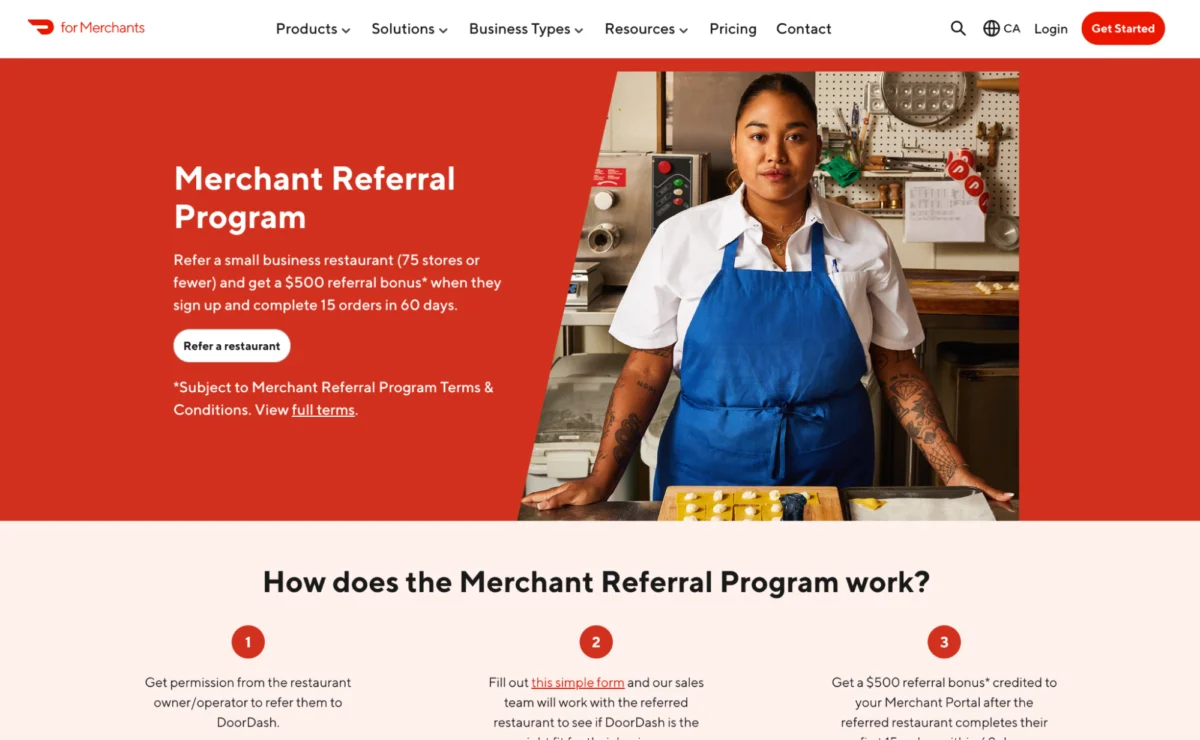
9. Referral Programs
Word-of-mouth remains the most trusted form of marketing. Referral programs formalize this by incentivizing existing customers to act as brand advocates. This strategy leverages "social currency," where the trust between friends is transferred to the brand.

10. Influencer Partnerships
Influencer marketing is no longer restricted to consumer goods. In the B2B sector, "Key Opinion Leaders" (KOLs) on platforms like LinkedIn are used to reach niche professional audiences. This strategy provides brands with instant credibility through association.
11. Retargeting Campaigns
Most visitors do not convert on their first visit. Retargeting uses "cookies" or tracking pixels to show ads to users who have previously interacted with a site. This keeps the brand top-of-mind and significantly lowers the cost-per-acquisition.
12. Free Trials and Product Demos
The "try-before-you-buy" model is standard in the Software-as-a-Service (SaaS) industry. By removing the financial barrier to entry, businesses allow prospects to realize the product’s value, which drastically reduces the perceived risk of a purchase.

13. Interactive Tools and Quizzes
Quizzes and calculators (e.g., "ROI Calculators") offer immediate, personalized value. These tools pique curiosity and have higher completion rates than traditional static forms because they provide a "reward" (the result) in exchange for contact information.
Supporting Data and Market Analysis
Recent industry reports emphasize the necessity of these strategies. According to a 2023 HubSpot survey, 61% of marketers rank lead generation as their number one challenge. Furthermore, data from the Content Marketing Institute indicates that 73% of B2B marketers use content marketing specifically to generate leads.
The cost of acquisition (CAC) is also a critical metric in this analysis. While outbound strategies like PPC can provide an instant influx of leads, the rising cost-per-click in competitive sectors—sometimes exceeding $50 per click in legal or insurance industries—has made inbound strategies like SEO and referral programs more attractive for long-term fiscal health.

Official Responses and Expert Perspectives
Josh Gallant, founder of Backstage SEO, emphasizes that the "Who" must precede the "What." "If you don’t know who you’re ultimately trying to reach, it’s going to be pretty tough to actually reach them," Gallant stated. This sentiment is echoed by digital strategists who argue that the proliferation of AI-generated content has made "authenticity" the new premium.
Marketing analysts suggest that the most successful firms in 2024 are those that do not rely on a single channel. Instead, they build a "diversified portfolio" of lead sources, ensuring that a change in a single platform’s algorithm (such as a Google core update or a LinkedIn UI change) does not cripple the company’s revenue stream.
Broader Impact and Implications
The shift toward these 13 strategies has broader implications for the global economy. As businesses become more efficient at lead generation, the barrier to entry for new startups decreases. Small businesses can now compete with global conglomerates by using highly specific SEO and micro-influencer partnerships to dominate niche markets.

However, this increased efficiency also leads to "inbox fatigue" and "ad blindness" among consumers. The long-term implication is a move toward "permission-based marketing," where the quality of the relationship between the brand and the lead is more important than the quantity of leads in the database.
In conclusion, lead generation in 2024 is a sophisticated discipline that requires a balance of technical SEO, creative content marketing, and disciplined data analysis. By implementing a combination of the 13 strategies outlined, businesses can create a resilient engine for growth, ensuring a steady pipeline of potential customers in an ever-evolving digital landscape.







