

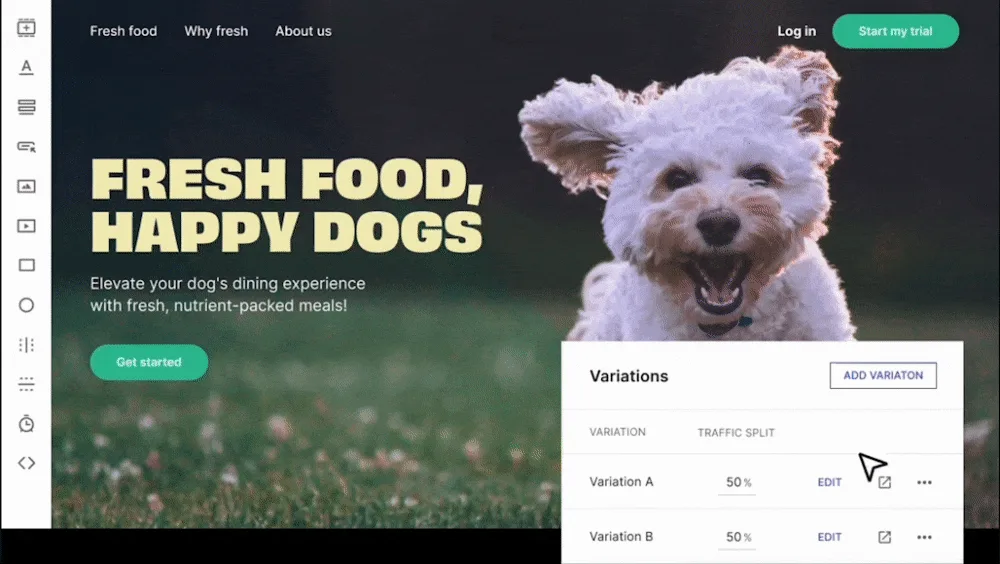
The digital marketing landscape is currently defined by a widening gap between traffic acquisition and conversion efficiency. While brands invest billions in targeted advertising through platforms like Google Ads and Meta, the subsequent challenge of converting that traffic on a landing page remains a significant hurdle for many organizations. Creating a landing page is a complex endeavor that requires more than just aesthetic appeal; it necessitates the establishment of ad-to-page relevance, an offer that resonates with specific visitor segments, and a cohesive arrangement of page elements that makes conversion the logical conclusion of the user journey. Despite adhering to industry best practices, marketing teams often find that conversion rates fall short of established benchmarks. In such scenarios, the solution is not to abandon the project and start anew, but rather to engage in rigorous experimentation to identify and rectify underperforming elements.
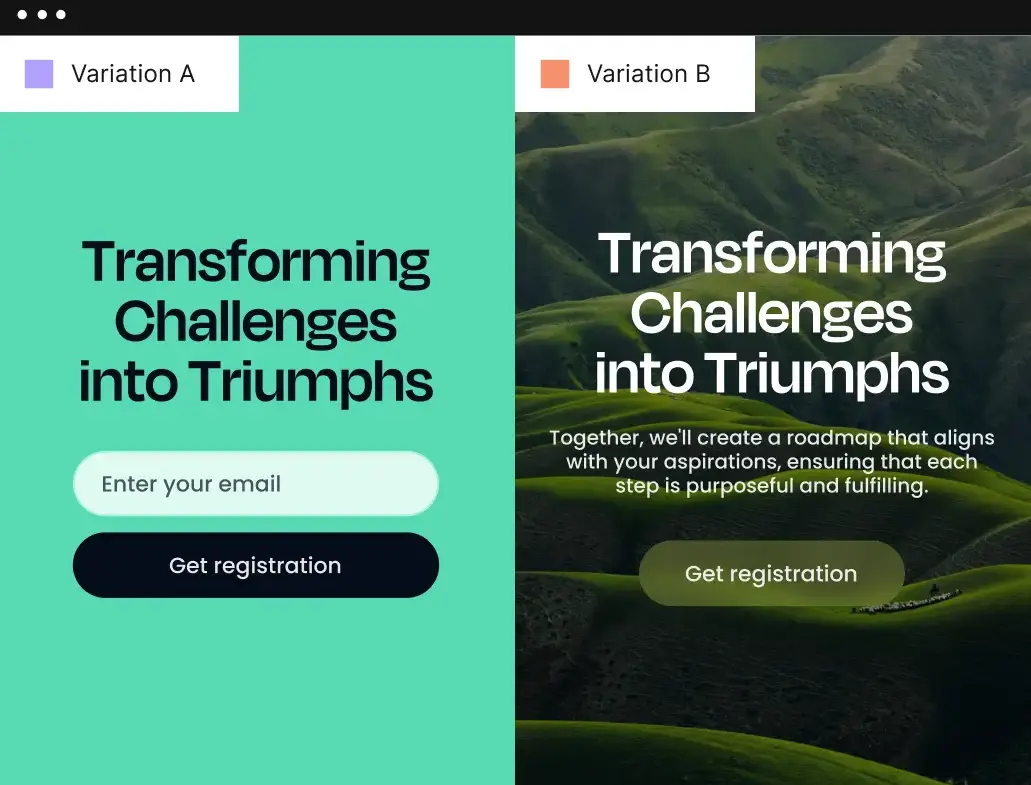
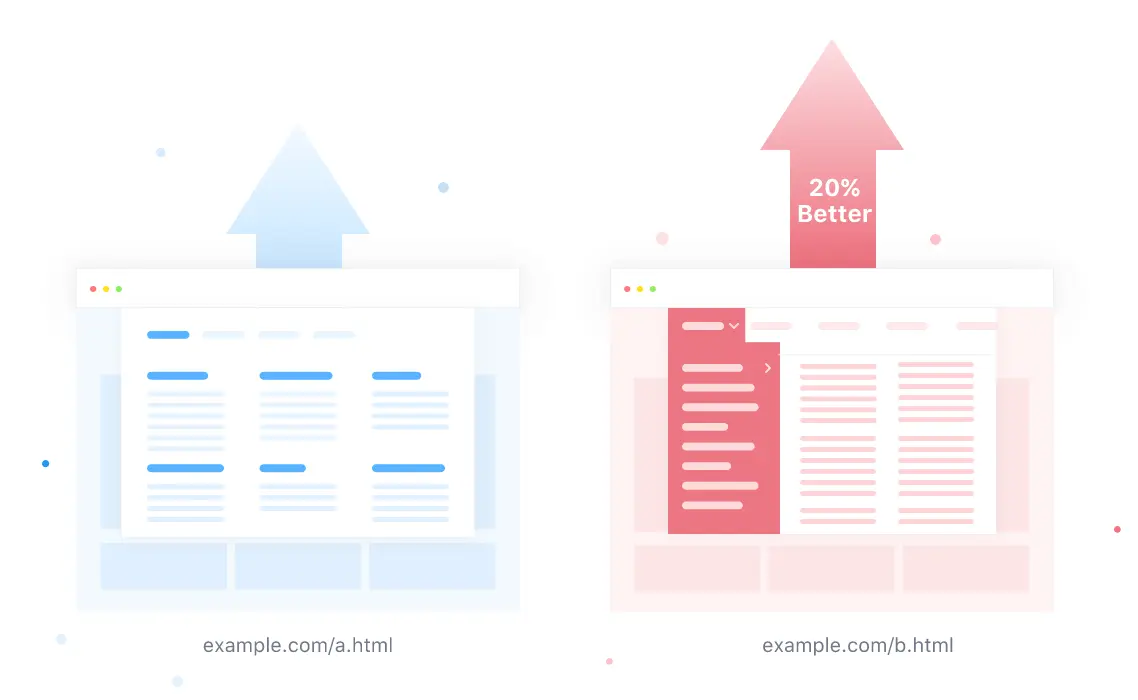
This process is facilitated through A/B testing, a methodology that allows marketers to isolate variables and determine which specific elements—be they headlines, call-to-action (CTA) buttons, or imagery—are responsible for low engagement. By creating multiple variations of a page and splitting traffic between them, organizations can gather empirical data on user behavior, moving away from subjective intuition toward data-driven decision-making.

The Evolution of Digital Experimentation
The history of A/B testing has evolved from rudimentary manual comparisons to sophisticated, AI-driven dynamic allocations. In the early 2000s, experimentation was largely the domain of engineers who manually adjusted HTML code. Google famously tested 41 different shades of blue for its toolbar links in 2009 to see which hue encouraged more clicks—an experiment that reportedly resulted in an additional $200 million in annual revenue.
Today, the market for A/B testing software has matured into a billion-dollar industry. The shift toward "no-code" and "low-code" solutions has democratized experimentation, allowing marketing managers and conversion rate optimization (CRO) specialists to launch tests without heavy reliance on IT departments. This evolution has led to the development of specialized tools designed to handle the nuances of landing page performance.
Evaluation Criteria for Modern Testing Platforms
Selecting an A/B testing platform requires a strategic assessment of several key factors. Industry analysts suggest that the effectiveness of a tool should be measured by its ability to integrate with existing marketing stacks, its impact on page load speeds, and the depth of its analytical reporting.
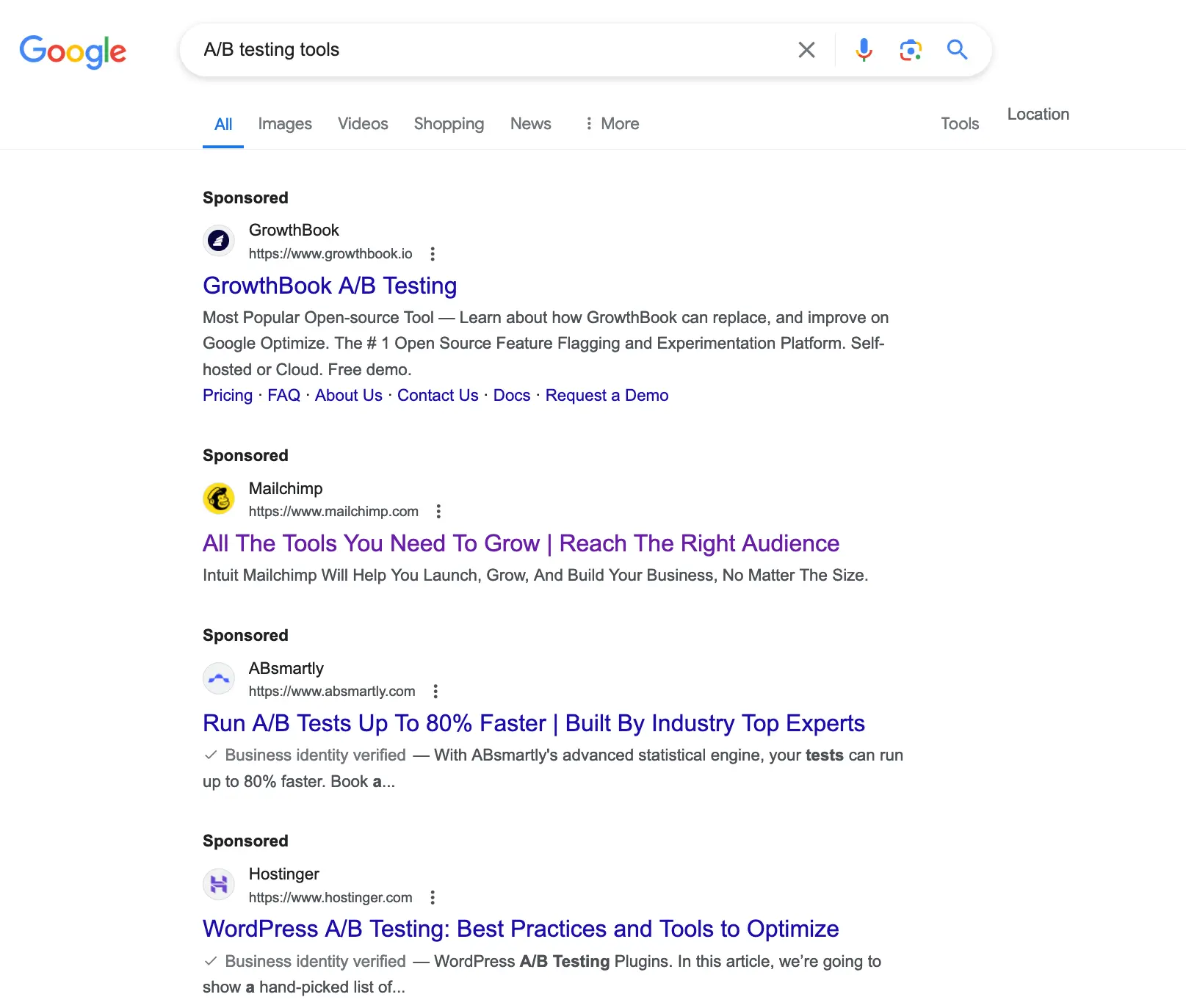
- Ease of Implementation: Does the tool require complex coding, or can it be managed through a visual editor?
- Statistical Rigor: Does the platform provide clear insights into statistical significance to ensure that results are not due to random chance?
- Performance Impact: Many testing tools utilize JavaScript snippets that can cause "flickering" or slow down page loads. High-performance tools use server-side testing or optimized scripts to mitigate this.
- AI Capabilities: Modern tools are increasingly incorporating machine learning to predict winning variations or automatically redirect traffic to high-performing versions.
Top A/B Testing Tools for Landing Page Optimization
1. Instapage: Integrated Optimization and AI Experiments
Instapage has positioned itself as a comprehensive solution for marketers who prioritize speed and scalability. Unlike standalone testing tools, Instapage integrates experimentation directly into its landing page builder. This allows for server-side experimentation, which offers a faster user experience compared to traditional client-side testing.
A standout feature of the platform is "AI Experiments," which utilizes dynamic traffic allocation. While traditional A/B testing splits traffic 50/50 until a winner is declared, AI Experiments use a "multi-armed bandit" approach. This method continuously monitors the conversion rate of each variation and automatically directs more traffic to the version that is performing better in real-time. This minimizes "regret"—the loss of potential conversions that occurs when traffic is sent to an underperforming variation during a long test.
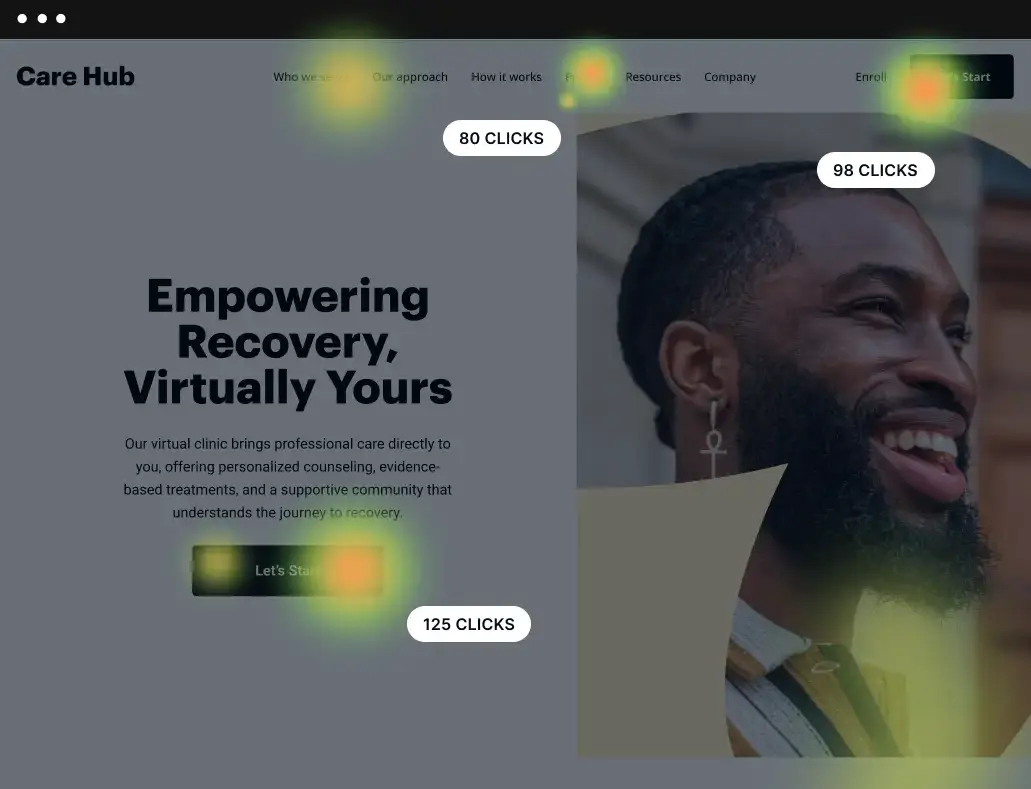
The impact of this technology is evidenced by corporate results. When the Verizon Digital Media Services (VDMS) team utilized Instapage’s A/B testing and heatmap features, they were able to gain direct visibility into visitor behavior. By experimenting with multiple layout variations, they successfully reduced their cost per conversion by more than 50%. Furthermore, the inclusion of heatmaps—tracking mouse movements, clicks, and scroll depth—provides a qualitative layer of data that explains the "why" behind the quantitative conversion numbers.
2. VWO (Visual Website Optimizer): Statistical Depth and Funnel Analysis
VWO is recognized for its robust statistical engine and its ability to handle "split URL" testing. This is particularly useful for major architectural changes where two entirely different versions of a landing page are hosted on separate URLs.
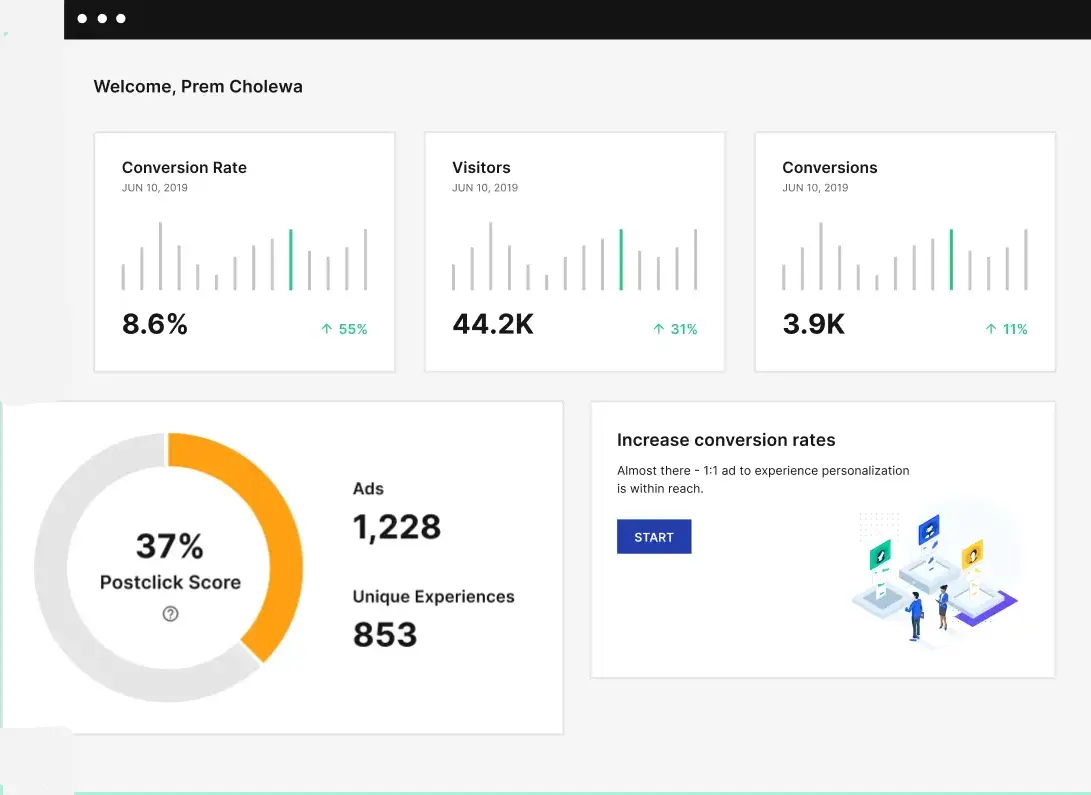
The platform allows marketers to track multiple metrics simultaneously, ensuring that an improvement in one area (such as click-through rate) does not negatively impact another (such as lead quality). VWO’s reporting dashboard provides a "probability of being the best" metric, which simplifies the interpretation of complex statistical data for non-technical stakeholders. This focus on the entire conversion funnel allows businesses to see how a change on a landing page affects long-term goals, such as trial sign-ups or final purchases.
3. Optimizely: Enterprise-Grade Scalability and Low-Code Testing
Optimizely remains a dominant player in the enterprise sector, offering a "Web Experimentation" suite designed to reduce friction between marketing and development teams. The platform features a sophisticated visual editor that allows for the modification of page elements without direct code intervention.
One of Optimizely’s primary advantages is its "Performance Edge" technology, which executes experiments at the network edge. This drastically reduces latency, ensuring that the testing process does not degrade the user experience. Additionally, Optimizely has integrated generative AI to suggest copy variations for CTAs and headlines, accelerating the creative phase of the experimentation cycle.
4. GrowthBook: Open-Source Flexibility and Data Sovereignty
As data privacy and "vendor lock-in" become growing concerns for modern enterprises, GrowthBook has emerged as a popular open-source alternative. GrowthBook allows companies to maintain full control over their data by integrating directly with existing SQL data sources, such as Snowflake, BigQuery, or Redshift.
The platform supports unlimited A/B testing and provides feature flagging capabilities, which are essential for product-led growth strategies. By decoupling the experimentation logic from the data storage, GrowthBook enables data scientists and engineers to use their preferred analytical models while providing a no-code interface for marketers to view results.
Supporting Data: The Impact of Systematic Testing
The necessity of these tools is underscored by industry data. According to research from Econsultancy, companies that see the highest increase in conversion rates are those that perform at least 50% more tests than their peers. Furthermore, the average conversion rate for a landing page across all industries is approximately 2.35%. However, the top 10% of landing pages see conversion rates of 11.45% or higher. The difference between being average and being in the top decile is almost always attributed to a culture of continuous A/B testing.
Chronology of a Successful A/B Test
To achieve these high benchmarks, organizations typically follow a structured timeline:
- Week 1: Audit and Hypothesis: Use heatmaps and Google Analytics to identify "drop-off" points on the current page. Formulate a hypothesis (e.g., "Changing the CTA from ‘Submit’ to ‘Get My Free Guide’ will increase clicks").
- Week 2: Design and Setup: Create the variations using a platform like Instapage or Optimizely. Define the goals and ensure tracking pixels are firing correctly.
- Weeks 3-5: Execution: Run the test until statistical significance is reached. This duration depends on traffic volume; higher-traffic pages can reach conclusions in days, while lower-traffic pages may take weeks.
- Week 6: Analysis and Implementation: Analyze the results. If a winner is identified, implement it as the new "control" and begin a new test on a different element.
Broader Implications for the Digital Economy
The rise of sophisticated A/B testing tools signals a broader shift toward personalization and user-centric design. In an era where consumer attention is a scarce commodity, the ability to rapidly iterate and provide a relevant experience is a significant competitive advantage.
Experts suggest that the next frontier for A/B testing will be the "Segment of One," where AI-driven platforms will not just test Variation A against Variation B, but will dynamically assemble a unique page for every individual visitor based on their past behavior, demographics, and real-time intent. For businesses looking to maintain their market position, adopting a robust testing infrastructure is no longer optional; it is a foundational requirement for digital survival.
In conclusion, while the creation of a landing page is inherently challenging, the tools available today provide a clear path to optimization. Whether through the integrated AI capabilities of Instapage, the statistical depth of VWO, the enterprise scale of Optimizely, or the open-source flexibility of GrowthBook, organizations now have the means to transform underperforming pages into high-conversion assets. The move toward data-backed experimentation ensures that marketing budgets are spent efficiently and that every visitor is presented with the best possible version of a brand’s message.







