

In the highly competitive landscape of global e-commerce, the product category page serves as the critical bridge between initial discovery and the final purchase decision. As digital storefronts evolve, industry data increasingly suggests that the structural integrity and user experience (UX) of these intermediary pages can determine the success or failure of a retail platform. Market research indicates that a significant percentage of users abandon their shopping journeys due to "choice overload" or technical friction, such as slow loading times and ineffective filtering. By contrast, a well-optimized category page acts as a digital concierge, guiding consumers through a curated selection process that balances variety with ease of use.

The evolution of the e-commerce category page has shifted from a static grid of images to a dynamic, data-driven environment designed to reduce cognitive load. In the early 2010s, category pages were often treated as simple repositories for inventory. However, contemporary retail standards, driven by giants like Sephora and H&M, have redefined these spaces as high-performance marketing tools. This transformation is rooted in the understanding that the category page is often the first point of entry for users arriving via search engines, making it as vital as the homepage for brand positioning and search engine optimization (SEO).
Strategic Objective Alignment and Target Audience Identification
The foundation of a high-converting category page lies in the definition of clear, measurable objectives. Retailers must move beyond the basic goal of "selling products" to understanding the specific behavioral patterns of their target demographics. Identifying the needs of a target audience requires a multi-faceted approach, including the analysis of search intent and the utilization of customer personas. For instance, a luxury fashion consumer may prioritize high-resolution imagery and brand heritage, while a budget-conscious electronics shopper may focus on technical specifications and price comparisons.
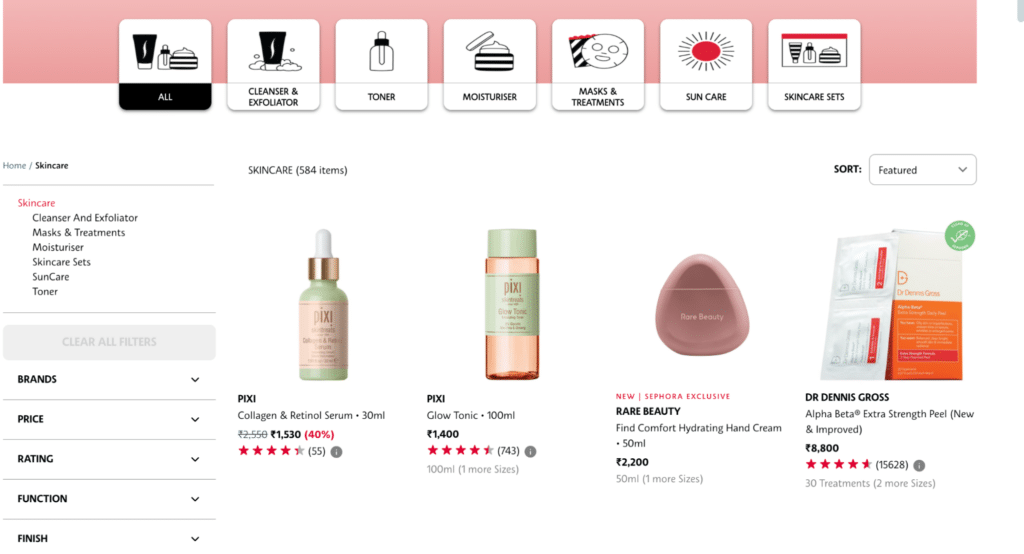
To measure the effectiveness of these objectives, industry experts point to several key performance indicators (KPIs). The bounce rate remains a primary metric; a high bounce rate on a category page often signals a disconnect between user expectations and the content provided. Conversely, the click-through rate (CTR) to individual product pages serves as a barometer for the relevance of the displayed inventory. Perhaps the most critical modern metric is "Revenue per Visitor" (RPV), which can be bolstered by integrating cross-selling and upselling opportunities directly into the category layout. By setting benchmarks for these metrics, brands can transition from speculative design to data-informed optimization.
Architectural Layout and the Psychology of Navigation
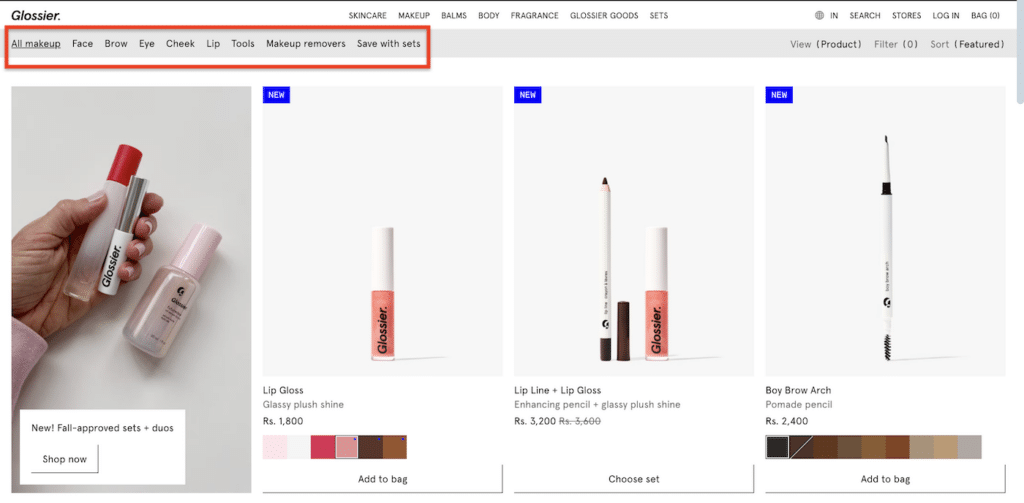
A well-structured category page layout is an exercise in visual hierarchy. The header, which should feature a clear and concise category title, serves both a navigational and an SEO purpose. For example, the beauty retailer Glossier utilizes simplified taxonomy, such as "Face" or "Eyes," rather than industry-heavy jargon. This approach aligns with common search queries and reduces the mental effort required for users to orient themselves.
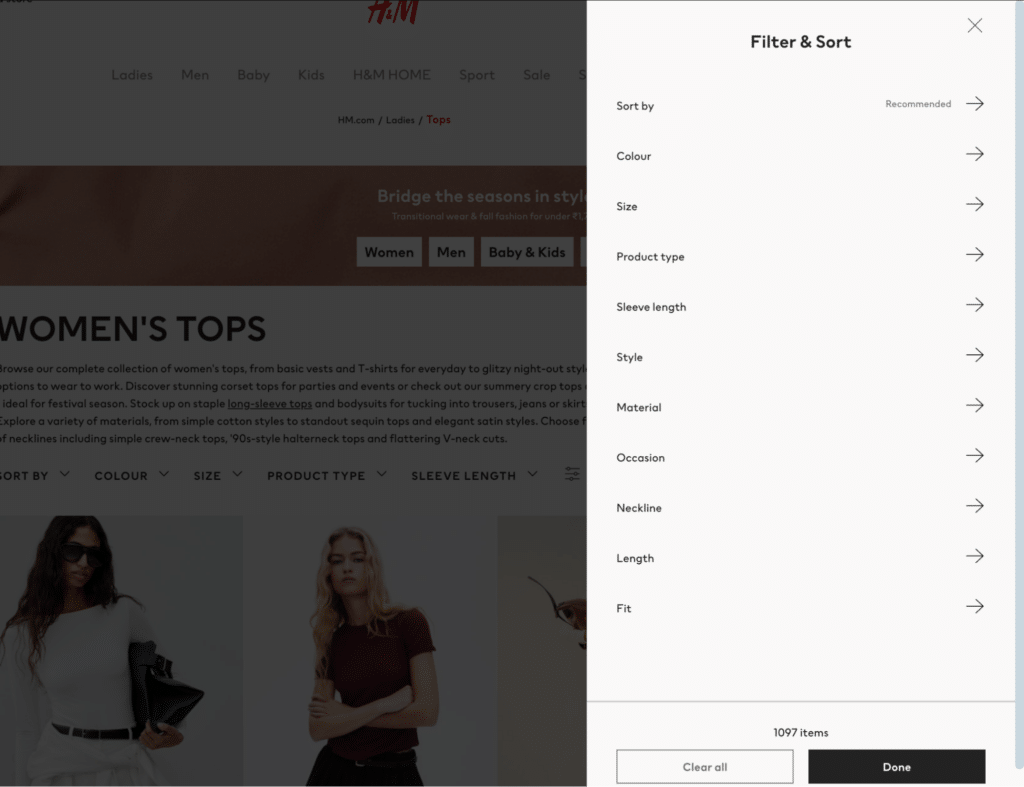
The integration of advanced filtering and sorting options is another pillar of effective design. When inventory scales into the hundreds or thousands, the "paradox of choice" becomes a significant barrier to conversion. To mitigate this, retailers like H&M employ faceted navigation, allowing users to filter by size, color, material, and even specific occasions. This granular level of control empowers the consumer, transforming an overwhelming list into a personalized shopping experience.
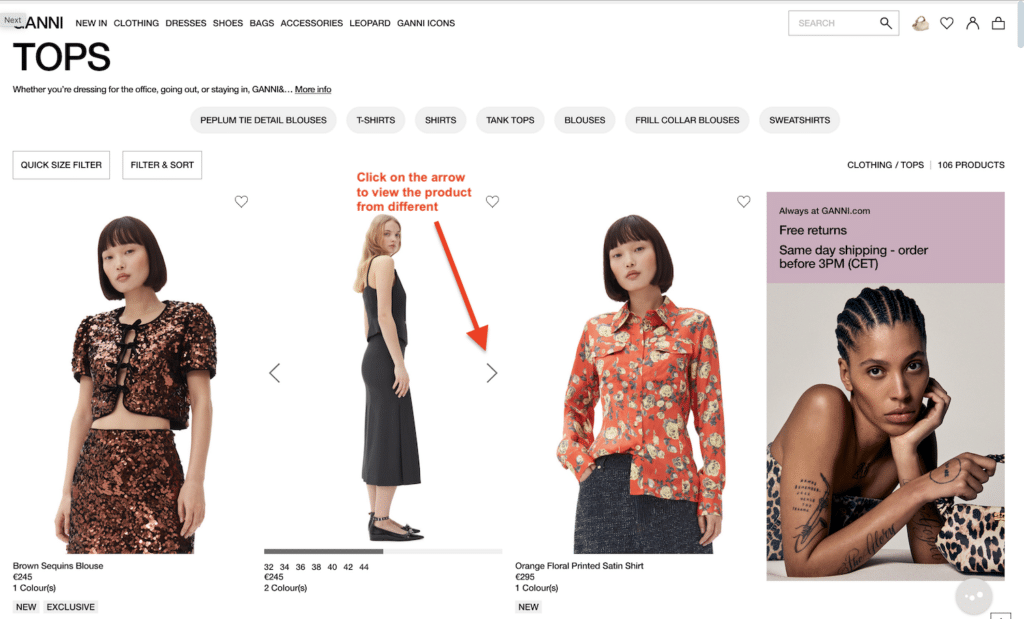
Furthermore, the quality of product listings cannot be overstated. High-resolution images with zoom capabilities and "hover-to-view" features allow customers to inspect products without leaving the category page. Contemporary fashion brands like Ganni have mastered this by providing multiple angles and concise descriptions that highlight fit and material. This reduces the number of steps in the conversion funnel, as the consumer gains confidence in the product earlier in the journey.
The Mobile-First Imperative and Minimalist Design
As of 2024, mobile commerce (m-commerce) has become the dominant force in digital retail. Projections suggest that by 2025, nearly 79% of all e-commerce sales will be conducted via mobile devices. This shift necessitates a "mobile-first" design philosophy, where category pages are optimized for smaller screens and touch-based interaction. A responsive layout is no longer optional; it is a technical requirement for survival in the digital marketplace.
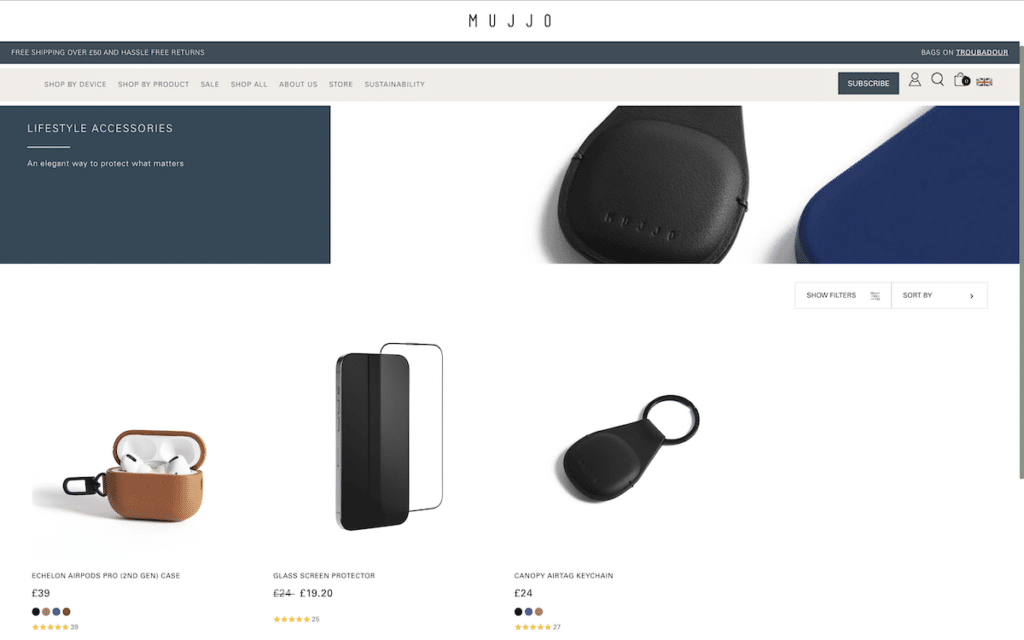
Minimalist design plays a crucial role in mobile optimization. Brands like Mujjo, which specializes in premium leather tech accessories, utilize white space and clean typography to prevent visual clutter. This aesthetic choice is not merely stylistic; it improves page load speed—a critical factor for SEO and user retention. Studies have shown that even a one-second delay in page load time can lead to a 7% reduction in conversions. Therefore, a clean design that prioritizes core elements over decorative flourishes is essential for maintaining a high-speed, high-conversion environment.
Enhancing User Experience Through Navigational Clarity
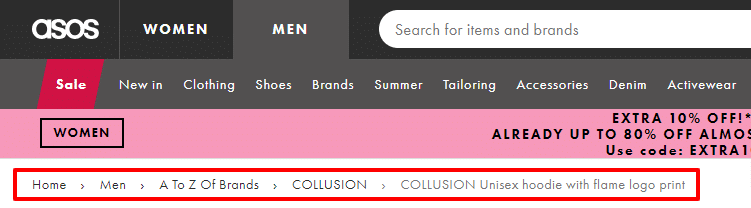
User experience (UX) on a category page is largely defined by the ease with which a shopper can move through the site’s architecture. Clear breadcrumb trails are a vital component of this navigation. Breadcrumbs provide a visual map of the user’s location within the site hierarchy (e.g., Home > Men’s Shoes > Running Shoes), allowing for effortless backtracking. This is particularly important for deep-inventory sites where users may want to jump between sub-categories.
In addition to breadcrumbs, the implementation of "Back to Top" buttons and "Quick View" modals can significantly enhance the browsing experience. Quick View features allow users to see product details and add items to their carts without navigating away from the category page. This maintains the flow of the shopping session and encourages the exploration of more products. Industry analysts suggest that reducing "click fatigue" is one of the most effective ways to increase the average order value (AOV) on e-commerce platforms.
Content Strategy and Promotional Integration
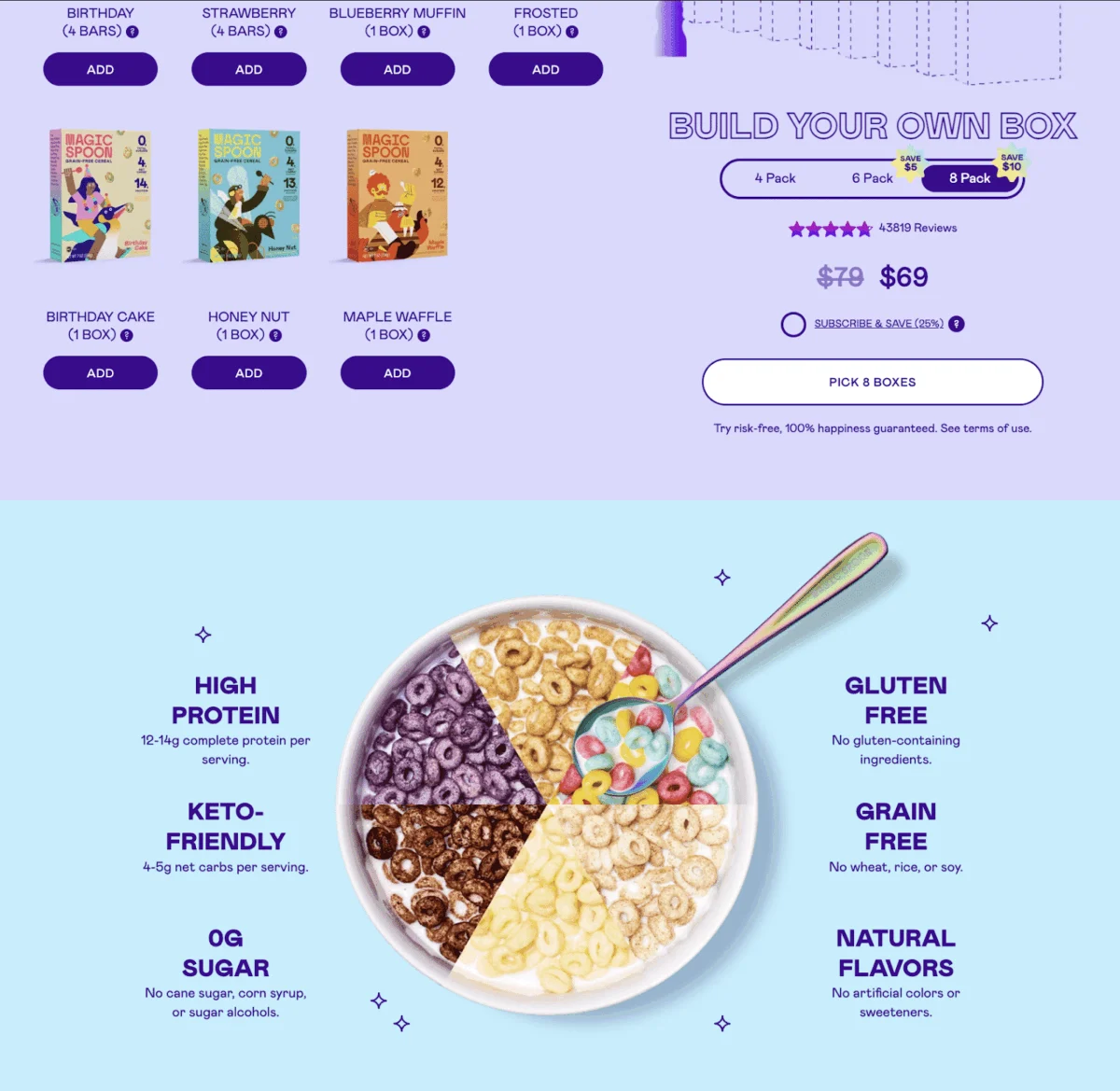
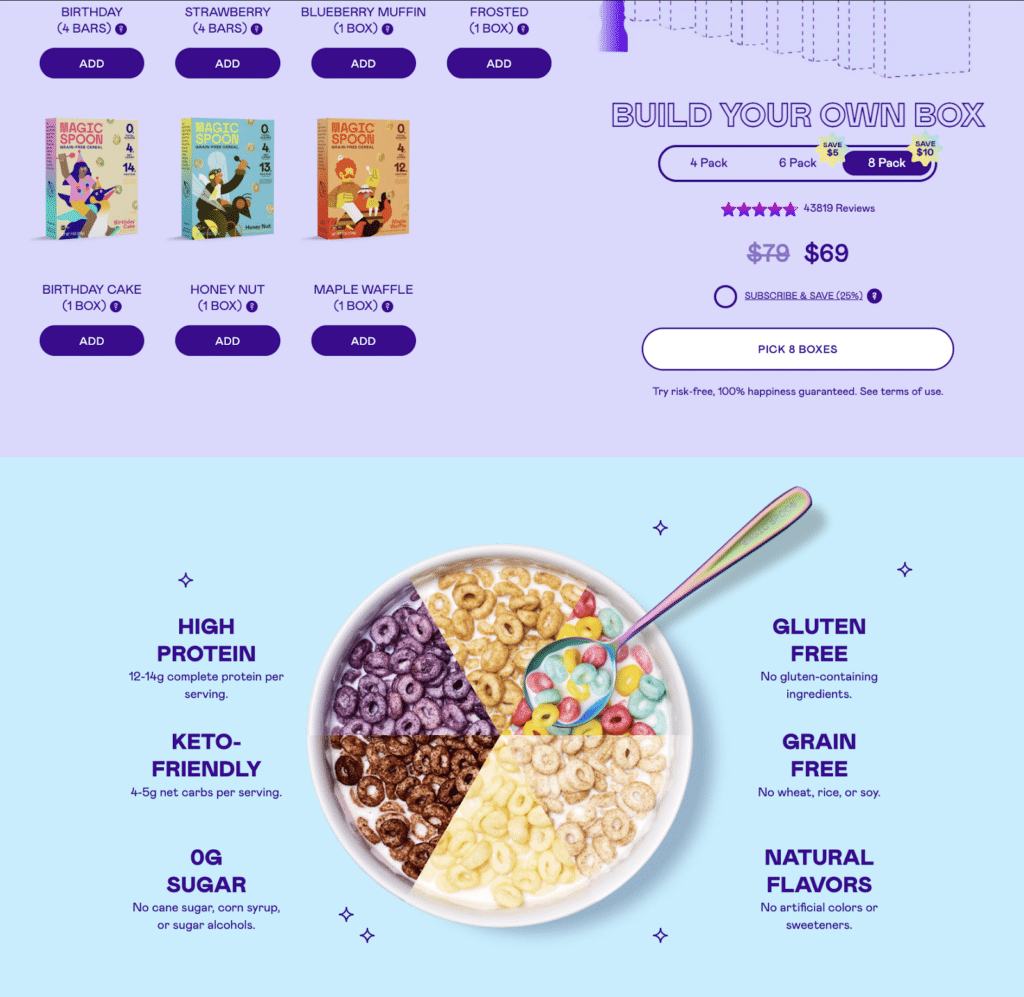
While imagery is the primary driver of engagement, the role of textual content should not be ignored. Category descriptions serve a dual purpose: informing the customer and providing context for search engines. Brands like Magic Spoon, a disruptor in the cereal industry, use category descriptions that blend SEO-friendly keywords like "keto-friendly" and "high-protein" with a distinct brand voice. This ensures the page is discoverable while reinforcing the brand’s value proposition.
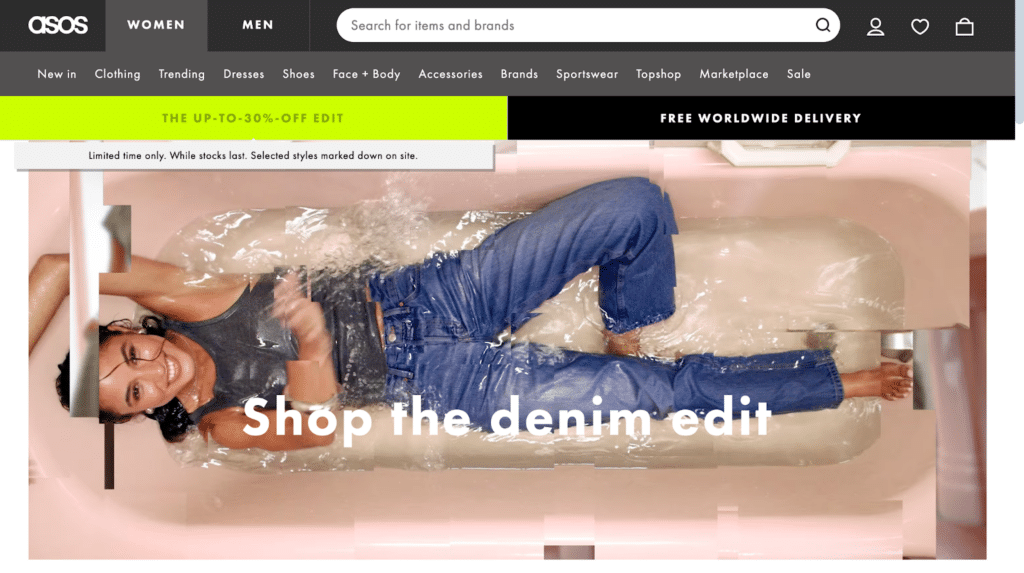
Strategically placed promotions and discounts also serve as powerful psychological nudges. The online fashion giant ASOS frequently uses the top of its category pages to highlight limited-time offers or delivery incentives. By placing these "hooks" in a high-visibility area, retailers can create a sense of urgency. Phrases such as "Limited time only" or "While stocks last" leverage the principle of scarcity, encouraging users to act quickly rather than deferring their purchase.
Technical SEO and Discoverability
For a category page to be effective, it must first be found. SEO best practices for these pages involve extensive keyword research to identify high-volume, high-intent terms. Using tools like SEMrush or Google Keyword Planner, retailers can identify long-tail keywords that match specific consumer searches. For a footwear retailer, this might mean targeting "women’s waterproof trail running shoes" rather than the overly broad "shoes."
Beyond keywords, technical SEO elements such as title tags, meta descriptions, and alt text for images are mandatory. Meta descriptions should be persuasive and remain under 160 characters to ensure they are not truncated in search results. Additionally, the use of canonical tags is essential for category pages that utilize filters. Without proper canonicalization, search engines may see different filtered versions of the same page as duplicate content, which can negatively impact search rankings.
Data-Driven Optimization and Continuous Analysis
The launch of a category page is only the beginning of its lifecycle. To maintain peak performance, retailers must engage in continuous analysis and adjustment. Conversion rate optimization (CRO) tools, such as FigPii, provide invaluable insights through heatmaps and session recordings. Heatmaps reveal where users are clicking and how far they are scrolling, while session replays allow retailers to see exactly where users encounter friction.
A/B testing is another critical component of the optimization process. By testing different versions of a category page—such as varying the number of products per row or changing the color of the "Add to Cart" button—retailers can make incremental improvements that lead to significant gains over time. Monitoring the bounce rate, exit rate, and conversion rate of these pages allows for a proactive approach to site management, ensuring that the platform evolves in tandem with consumer behavior.
Broader Implications for the Retail Industry
The optimization of e-commerce category pages reflects a broader trend toward hyper-personalization and technical excellence in the retail sector. As consumers become more sophisticated, their tolerance for poor digital experiences continues to decrease. Retailers that fail to invest in the structural and aesthetic quality of their category pages risk losing market share to more agile competitors.
In the long term, the integration of artificial intelligence (AI) is expected to further revolutionize category page design. AI-driven sorting, which reorganizes products based on an individual user’s browsing history and preferences, represents the next frontier of e-commerce UX. However, even as technology advances, the core principles of clarity, speed, and user-centric design remain the bedrock of a successful online store. By focusing on these fundamentals, brands can create a seamless shopping journey that not only meets but exceeds the expectations of the modern digital consumer.







