A comprehensive sales strategy is the bedrock of sustainable business growth, encompassing every crucial step from identifying target audiences and the methods to engage them, to the precise tools and processes that will be employed. Far from being static pronouncements, these strategies are dynamic, living documents, continuously refined with evolving market intelligence and internal performance data to optimize future sales endeavors.
The Multifaceted Advantages of a Well-Defined Sales Strategy
A meticulously crafted sales strategy empowers sales representatives to maximize their productivity by focusing their efforts on high-value activities. Simultaneously, it enables marketing teams to strategically position the company and its offerings for optimal market penetration and customer resonance. The benefits of developing such a strategy are far-reaching and demonstrably impactful.
Amplifying Focus on High-Impact Activities
Many burgeoning and established businesses grapple with the challenge of consistently generating qualified leads. A clearly defined sales strategy, anchored by a deep understanding of the ideal buyer persona, provides the clarity needed to pinpoint precisely how to reach these individuals and which value propositions will resonate most powerfully. By understanding the "who" and the "why," businesses can direct their sales efforts toward activities that demonstrably drive revenue, rather than expending resources on less productive avenues. This strategic focus ensures that time and effort are invested where they yield the greatest return.

Accelerating Revenue Growth and Pipeline Development
The pursuit of revenue expansion offers a spectrum of tactical approaches, including price optimization and the identification of higher-converting acquisition channels. Crucially, research underscores the symbiotic relationship between sales and marketing. Studies consistently indicate that when these two departments collaborate strategically, companies experience significantly higher sales win rates, with some reports showing an increase of up to 38%. This synergy, driven by a unified sales strategy, ensures that marketing efforts are aligned with sales objectives, creating a more fluid and effective customer journey.
Cultivating Repeatable and Scalable Systems
A robust sales strategy is instrumental in identifying and codifying the most effective sales processes, thereby fostering predictable and scalable growth. Instead of relying on ad-hoc approaches, businesses can leverage their proven successes. For instance, if data reveals that prospects who engage in a demo call convert at a significantly higher rate (e.g., 50% higher), this becomes a repeatable element within the sales process, applied consistently across all interactions. This systematic approach not only improves efficiency but also ensures a consistent customer experience, leading to more predictable outcomes.
Navigating the Landscape: Inbound, Outbound, and Account-Based Marketing
While no single approach is universally superior, a company’s business model and customer base will typically dictate a greater reliance on one or two of the dominant sales methodologies: Inbound Sales, Outbound Sales, and Account-Based Marketing (ABM).
The Power of Inbound Sales
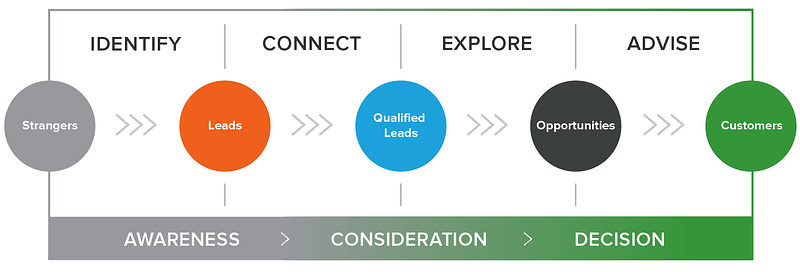
Inbound sales strategies center on attracting leads by providing them with valuable content. This methodology inherently blends sales and marketing more intimately than traditional outbound approaches. An illustrative example involves a marketing team distributing compelling content, such as whitepapers or webinars. When this content captures a prospect’s interest, sales representatives can then follow up, offering product demonstrations or delving deeper into the prospect’s specific challenges. In this model, sales professionals act as trusted advisors, guiding leads through a process that ensures the product or service is a genuine fit for their needs. The inbound methodology prioritizes building relationships and demonstrating value proactively.
The Direct Approach of Outbound Sales
Outbound sales strategies involve proactively sourcing and contacting potential leads, rather than waiting for them to initiate contact. Many successful enterprises have been built on the foundation of cold outreach, including email campaigns and telephone calls. For outbound strategies to be effective, a compelling offer is paramount, and the sales process must be meticulously streamlined and seamless. Furthermore, adherence to data privacy regulations, such as GDPR, is essential when sourcing leads, a critical consideration for any business employing this method.
The Precision of Account-Based Marketing (ABM)
Account-Based Marketing (ABM) is a highly targeted strategy that focuses on identifying and engaging with specific high-value accounts. This approach involves creating personalized and highly relevant content designed to nurture these selected leads, ultimately facilitating easier account closure. ABM campaigns often necessitate engagement with multiple decision-makers within a target organization. The objective is to inundate these key stakeholders with valuable information, building consensus and making the conversion process more straightforward. Successful ABM campaigns demand close alignment and collaboration between sales and marketing teams. A typical ABM scenario might involve targeted LinkedIn advertising directed at key accounts, coinciding with personalized outreach from the sales team via cold email. This approach fundamentally inverts the traditional sales and marketing funnel, beginning with a defined target audience and then building campaigns around their specific conversion journey. For organizations with the resources to invest, ABM offers a powerful, albeit resource-intensive, pathway to significant growth.
The Strategic Roadmap: Building Your Sales Strategy
Constructing an effective sales strategy involves a systematic, multi-stage process designed to align your business objectives with actionable sales tactics.
1. Foundation: Industry, Product/Service, and Buyer Persona Alignment
The initial and most critical step involves a thorough understanding of your target customer. This includes defining your ideal buyer persona, considering their demographics, pain points, and buying behaviors. Equally important is an assessment of your Average Contract Value (ACV). A low ACV often necessitates different sales tactics than those employed for high-ACV products or services. Furthermore, the industry itself plays a significant role. Some sectors thrive on in-person interactions and trade shows, while others are predominantly digital, relying on online networking and sales. Understanding these nuances is crucial for tailoring your strategy effectively.

2. Setting Ambitious Yet Achievable Sales Goals
Sales objectives must be intrinsically linked to overarching company goals. Once broad sales targets are established, they should be systematically broken down into Key Performance Indicators (KPIs) and individual goals for sales representatives. For instance, a weekly target of sending 100 cold emails to qualified leads can serve as a measurable KPI. The fundamental principle is that sales goals should accurately reflect the expected activities of the team and the desired final outcomes. This ensures clarity of purpose and provides a benchmark for performance evaluation.
3. Identifying Key Acquisition Channels
Determining the most effective acquisition channels begins with a deep dive into your buyer personas. Understanding where your ideal customers congregate and how they prefer to be engaged is paramount. A diverse range of demand generation strategies can be employed, depending on the target audience. These may include:
- Content Marketing: Creating and distributing valuable content to attract and engage prospects.
- Search Engine Optimization (SEO): Optimizing online presence to attract organic traffic.
- Paid Advertising: Utilizing platforms like Google Ads or social media advertising for targeted reach.
- Social Selling: Engaging with prospects on social media platforms.
- Email Marketing: Building and nurturing relationships through targeted email campaigns.
- Referral Programs: Incentivizing existing customers to refer new business.
The choice of channels is heavily influenced by the product’s price point. For low-cost, high-volume products, time-efficient acquisition methods are crucial. Conversely, for expensive, infrequently purchased items, cold email can serve as an effective initial touchpoint to educate prospects before a more involved sales conversation.
4. Rigorous Measurement of Sales Performance
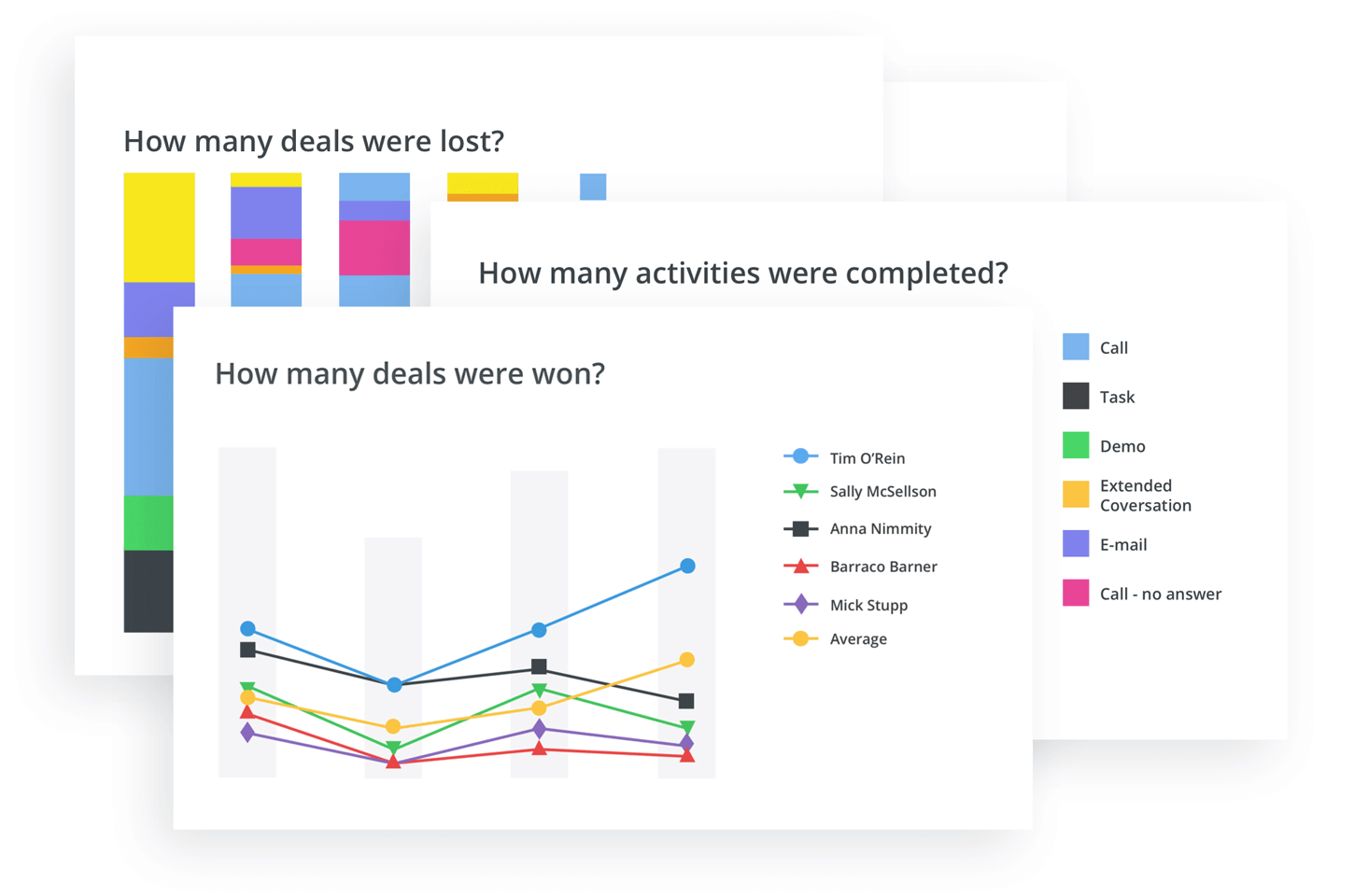
Continuous measurement is the only reliable method for assessing progress against sales targets. Without tracking key metrics, it becomes impossible to discern what strategies are effective and where resources are being misallocated. While tools like Microsoft Excel or Google Sheets can be adapted for goal tracking, specialized sales CRM systems offer more robust capabilities. Platforms like Pipedrive provide built-in analytics, delivering detailed reports on metrics such as cold email open rates, response rates, and revenue forecasts. The adoption of a CRM system is highly recommended, with studies indicating that over 50% of sales teams report improved productivity when utilizing such tools. A well-defined tracking system ensures sales teams are maximizing their efficiency and that sales strategies are yielding the desired results.
5. Strategic Automation of Processes
Once a sales strategy demonstrates efficacy, the next logical step is to automate repetitive processes. As sales efforts gain momentum, managing all aspects can become overwhelming. Automating routine tasks liberates sales representatives from administrative burdens, allowing them to dedicate more time to engaging with promising leads. Solutions are available that can generate highly specific lead lists based on detailed buyer persona criteria, such as job titles, industry, company size, and even technology stacks. Tools like Lead Forensics can identify website visitors, enabling proactive outreach. Furthermore, automated lead scoring assigns a value to leads based on their interactions with your brand, allowing sales teams to prioritize their efforts and engage with prospects at the opportune moment. CRMs such as HubSpot CRM, Salesforce, and Agile CRM often incorporate lead scoring functionalities, providing a data-driven approach to sales engagement.
Continuous Optimization and the Enduring Value of Existing Customers
The optimization of a sales strategy is an ongoing imperative. Regularly reviewing campaign performance and identifying underperforming areas is crucial for maximizing resource utilization. For instance, if cold email open rates are consistently low, the subject line and the email’s content are primary areas for investigation and refinement. Making incremental adjustments to one variable at a time and closely monitoring the impact is a scientifically sound approach to optimization.
It is also vital not to overlook the immense value of existing customers. Statistics consistently show that businesses are significantly more likely to convert existing customers than to acquire new ones, with some estimates suggesting a 60-70% higher probability. Maintaining high levels of customer satisfaction is paramount to retaining this valuable customer base and preventing avoidable customer churn, which can result in substantial financial losses. Nurturing these relationships through excellent post-sale service and ongoing engagement can lead to repeat business, upsells, and invaluable customer advocacy.