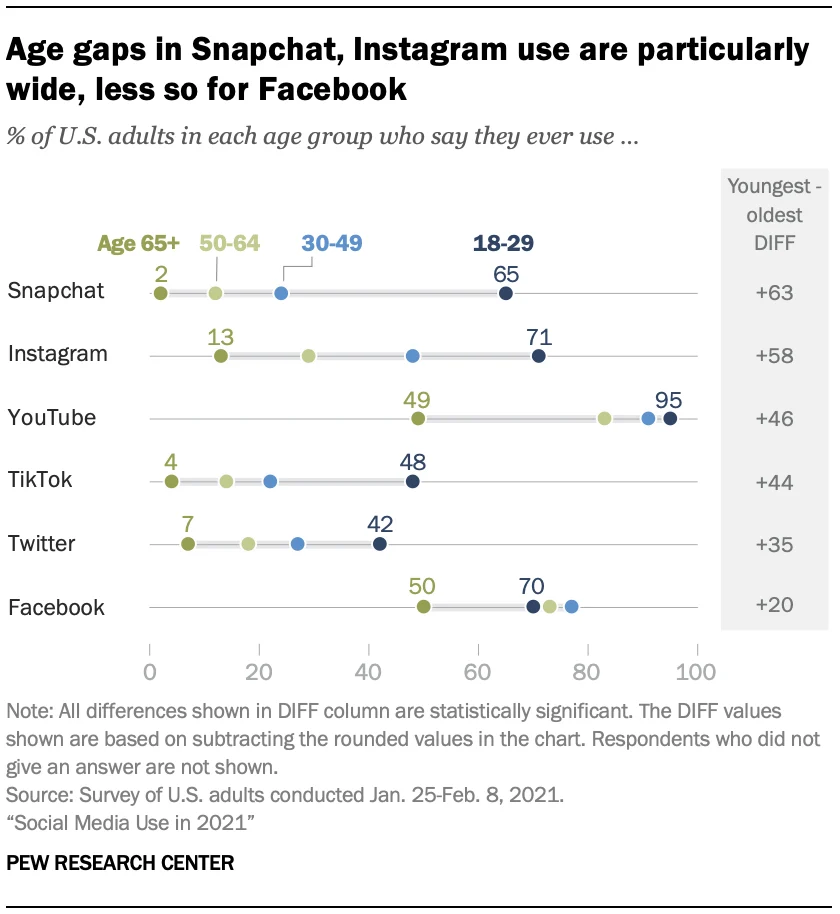
The foundational principle of effective marketing revolves around identifying and understanding the target audience. This necessitates a nuanced approach that transcends broad demographic categories and delves into the specific characteristics, behaviors, and generational influences that shape consumer decision-making. In a dynamic digital landscape, a one-size-fits-all marketing strategy is increasingly obsolete. To navigate this complexity, a comprehensive understanding of generational cohorts and their unique engagement patterns is paramount. This article, the second in a series exploring marketing to distinct generations, shifts its focus from Gen Z to the Millennial cohort, examining their defining traits, consumption habits, and optimal marketing approaches in the digital age.
The Millennial generation, broadly defined as individuals born between 1980 and 1994, has ascended to become the largest demographic group, surpassing the Baby Boomer generation in sheer numbers. This demographic shift alone makes them a critical focus for marketers. Historically, they have been characterized by their digital fluency, a pronounced emphasis on health and wellness, and, for many, a significant burden of educational and housing debt. However, these descriptors, while containing elements of truth, often oversimplify the multifaceted reality of this generation. A deeper exploration is required to truly grasp their motivations and preferences.
The Millennial Mindset: Navigating the Digital Dawn and Economic Realities
Millennials hold a unique position in history as the generation that came of age during the nascent stages of the digital revolution. Unlike Gen Z, who were born into a world where the internet and digital technologies were already established, Millennials witnessed and actively participated in the transformative rise of the digital age. The creation of Facebook by a Millennial, Mark Zuckerberg, serves as a potent symbol of this generation’s intrinsic connection to the digital sphere. Their formative years and early adulthood coincided with the explosive growth of foundational digital platforms and companies such as Google, Amazon, and Apple, as well as the widespread adoption of mobile phones. This lived experience has cultivated a generation that is inherently tech-savvy and comfortable navigating digital environments.
Furthermore, extensive research indicates that Millennials have achieved higher levels of educational attainment compared to previous generations. However, this academic achievement has often come at a significant financial cost. The escalating prices of higher education and housing have left many Millennials grappling with substantial debt, consequently delaying major life milestones such as marriage, homeownership, and starting families. Data from institutions like the Pew Research Center has consistently highlighted these trends, illustrating how Millennials are embarking on traditional adult life stages later than their predecessors. This economic reality profoundly influences their financial outlook and consumption patterns.
Beyond economic considerations, the Millennial mindset is often characterized by a degree of self-orientation, coupled with idealism and a strong valuing of personal freedom. This is not to be mistaken for narcissism, but rather a prioritization of individual growth and autonomy. Their health consciousness is also a notable trait, contributing to the increasing popularity of dietary trends such as vegetarianism, veganism, and pescetarianism, and a widespread appreciation for nutritious food options like avocado toast. Crucially, for many Millennials, experiences hold a greater intrinsic value than the accumulation of material possessions. This experiential preference significantly shapes their purchasing decisions and their perception of what constitutes a valuable investment.
Millennial Consumption Patterns: Beyond Stereotypes
Understanding the complex tapestry of Millennial consumption requires moving beyond simplistic labels. A comprehensive study conducted by McKinsey & Company identified several distinct clusters of Millennial consumer behavior, offering a more granular view of their purchasing habits:
- Health and Wellness Advocates: This segment prioritizes products and services that contribute to their physical and mental well-being. They are willing to invest in organic foods, fitness classes, and mental health resources.
- Experience Seekers: Driven by a desire for novelty and personal growth, these consumers allocate significant portions of their budget to travel, concerts, cultural events, and unique activities.
- Value-Conscious Pragmatists: While concerned about their financial future, this group seeks products and services that offer a strong balance of quality and price. They are adept at researching and identifying deals.
- Ethical Consumers: This segment is driven by a desire to support brands that align with their values, often prioritizing sustainability, fair trade practices, and corporate social responsibility.
- Digital Natives and Early Adopters: These individuals are quick to embrace new technologies and online platforms, often influencing trends and shaping the digital marketplace.
Despite the prevalent narrative of financial constraint, it is essential to recognize that Millennials are often willing to spend more on premium and high-quality products. This willingness stems from a preference for items that offer long-term durability and provide tangible benefits, particularly in relation to their health and well-being. This indicates a discerning approach to spending, where perceived value and lasting impact outweigh immediate cost.
Strategizing for Millennial Engagement: Platforms and Messaging
With a clearer understanding of the Millennial mindset and consumption habits, the next critical step is to identify effective strategies for reaching and engaging this demographic. This involves selecting the appropriate digital platforms and crafting resonant messaging.
Platforms to Reach Millennials
The digital landscape is diverse, and Millennials are active across a range of platforms, though their engagement can vary by specific platform and age within the generation. Key platforms where marketers can effectively connect with Millennials include:
- Social Media:
- Instagram: Highly visual, ideal for showcasing lifestyle, products, and experiences. Its strong emphasis on aesthetics appeals to Millennial preferences.
- Facebook: While some younger demographics may be migrating away, Facebook remains a significant platform for Millennials, particularly for connecting with friends, family, and communities, and for discovering brands and products through targeted advertising and groups.
- YouTube: A powerhouse for content consumption, Millennials use YouTube for entertainment, education, product reviews, and tutorials. Video marketing is exceptionally effective here.
- TikTok: While often associated with Gen Z, Millennials are increasingly present and engaging on TikTok, especially for discovering trends, humor, and short-form entertainment.
- LinkedIn: For professional networking and career development, Millennials actively use LinkedIn, making it a valuable platform for B2B marketing and employer branding.
- Search Engines: Google remains the primary gateway for information discovery. Robust SEO strategies and targeted search advertising are crucial for capturing Millennial interest when they are actively seeking solutions or products.
- Streaming Services: With the decline of traditional cable television, Millennials are heavy users of streaming platforms like Netflix, Hulu, and Amazon Prime Video. Advertising opportunities within these platforms, or content integration, can be effective.
- Podcasts: The rise of podcasting has resonated deeply with Millennials, who often consume them during commutes or while multitasking. This offers an intimate and engaged audience for audio advertising and brand storytelling.
- Email Marketing: Despite the proliferation of other channels, email remains a direct and effective way to communicate with Millennials, especially for personalized offers, newsletters, and loyalty programs, provided the content is valuable and not overly promotional.
The choice of platform should be guided by the specific consumer cluster within the Millennial generation that a brand aims to reach. For instance, an ethical consumer might be more responsive to content on Instagram or through partnerships with sustainability-focused influencers, while a value-conscious pragmatist might be more receptive to deals promoted via email or on deal aggregator sites.
Messaging That Speaks to Millennials
Crafting compelling messages requires an understanding of what resonates with the Millennial ethos. The approach should be authentic, value-driven, and aligned with their priorities. Key messaging considerations include:
- Authenticity and Transparency: Millennials are adept at spotting inauthentic marketing. Brands should strive for genuine communication, transparent practices, and honest representation of their products and services.
- Purpose-Driven Marketing: Highlighting a brand’s social responsibility, environmental initiatives, or commitment to ethical practices can significantly influence Millennial purchasing decisions. They want to support brands that make a positive impact.
- Value Proposition Beyond Price: While price is a consideration, messages should focus on the long-term value, quality, durability, and experiential benefits of a product or service. Emphasize how it enhances their lifestyle or well-being.
- Storytelling and Relatability: Millennials connect with narratives. Brands that can tell compelling stories about their origins, their mission, or how their products solve real-world problems will foster deeper engagement. User-generated content and testimonials can be particularly powerful.
- Personalization and Customization: Generic marketing messages are often ignored. Tailoring communications to individual preferences, past behaviors, and expressed interests can significantly increase receptiveness.
- Emphasis on Experiences: Messaging that highlights the experiences a product or service enables – whether it’s travel, personal growth, or creating memories – will resonate more strongly than a focus solely on product features.
- Humor and Relatability: While not universally applicable, well-executed humor and relatable content can break through the noise and create positive brand associations.
- Convenience and Efficiency: Given their often busy lives, messages that highlight how a product or service simplifies their lives, saves them time, or offers seamless integration into their routines will be well-received.
The nuances of messaging will also depend on which of the identified consumer clusters the brand is targeting. For instance, messaging for Health and Wellness Advocates should emphasize benefits to well-being, while for Value-Conscious Pragmatists, it should focus on smart investments and lasting quality.
The Broader Impact and Future Considerations
The ongoing evolution of the Millennial generation and their influence on the marketplace presents continuous learning opportunities for marketers. As they progress through different life stages, their priorities and spending habits will naturally shift. For example, as more Millennials enter their peak earning years and potentially start families, their focus on homeownership and long-term financial security may intensify, influencing their consumption of financial services, family-oriented products, and investment vehicles.
The digital marketing landscape itself is in constant flux, with new platforms emerging and existing ones adapting their algorithms and features. Staying abreast of these changes and continuously analyzing campaign performance is crucial for maintaining relevance and effectiveness. The data gleaned from digital interactions offers invaluable insights into Millennial behavior, allowing for iterative refinement of strategies.
Ultimately, successfully marketing to Millennials requires a commitment to understanding their complex motivations, adapting to their evolving needs, and engaging with them authentically across the platforms they inhabit. It is a dynamic process that rewards flexibility, data-driven decision-making, and a genuine desire to connect with this influential consumer group. For brands seeking to forge strong and lasting relationships with the Millennial demographic, a deep dive into their generational characteristics and a strategic, tailored approach to digital engagement are not merely advantageous, but imperative. For those seeking further assistance in developing sophisticated digital marketing solutions tailored to the Millennial audience, engaging with experienced marketing professionals can provide the strategic guidance and execution needed to achieve success.