The intersection of high-stakes technology product launches and modern social media dynamics recently provided a textbook example of the "Streisand Effect," where an attempt to suppress or complain about negative information inadvertently leads to its massive amplification. 1X Technologies, a Norwegian robotics firm backed by OpenAI, found itself at the center of a self-inflicted PR crisis following the publication of a feature article in Wired magazine. By publicly challenging the editorial framing of the piece, a high-ranking executive at 1X turned a relatively niche tech article into a viral sensation, exposing millions of additional users to the very descriptions the company sought to avoid.
The Genesis of the Conflict: The Wired Exclusive
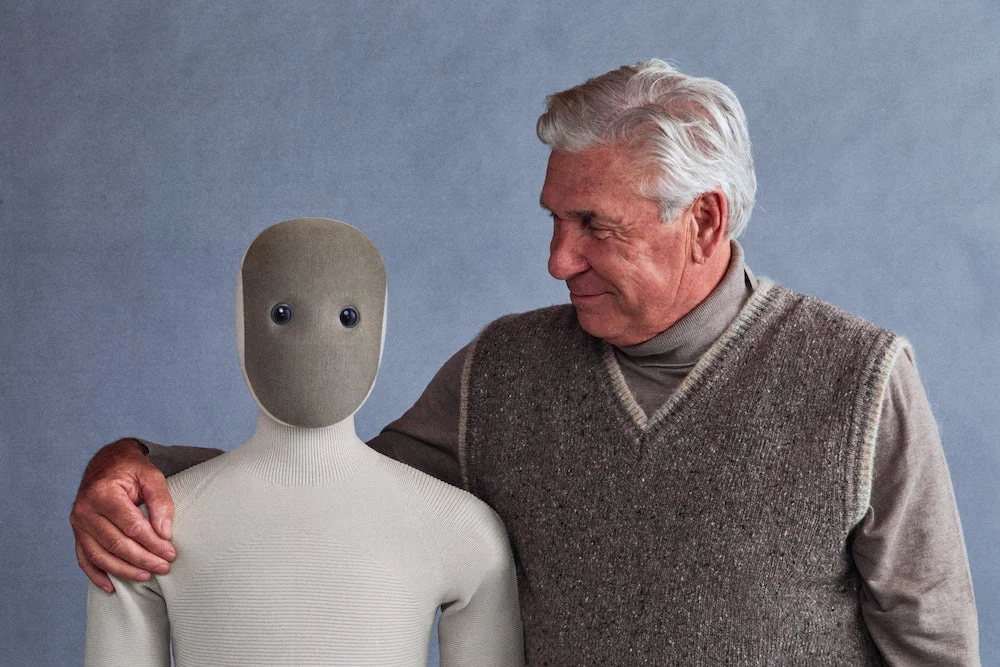
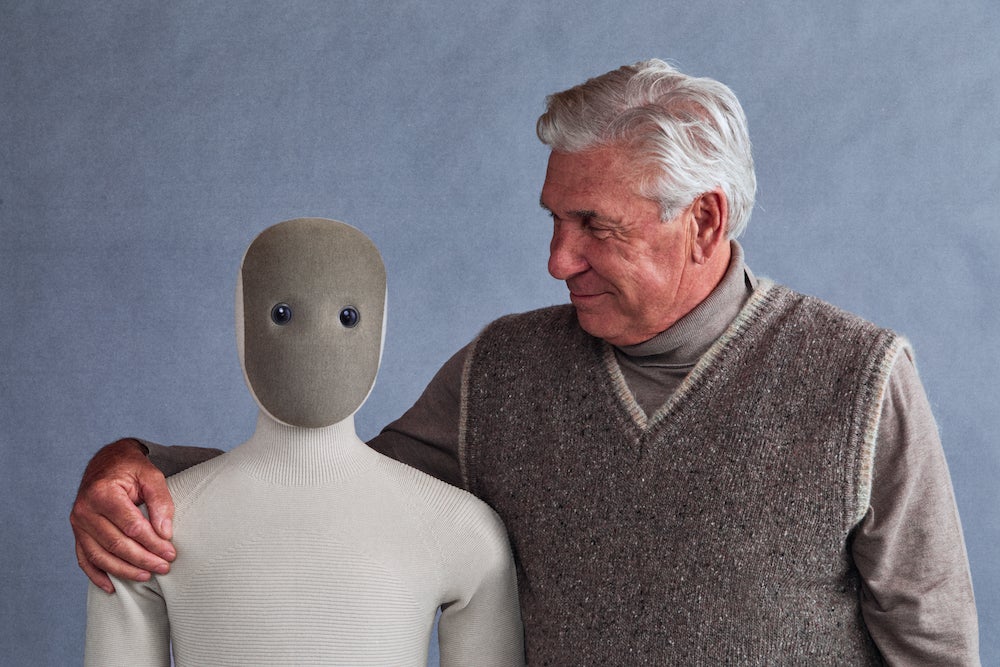
On July 9, 2024, Wired published a feature detailing its experience with "Neo," the latest humanoid robot developed by 1X Technologies. The company had granted Wired an exclusive look at the robot, which is designed specifically for domestic use. Neo distinguishes itself from competitors like Tesla’s Optimus or Figure AI’s models through its "soft" design—a lightweight, padded exterior intended to make it safer and more approachable for home environments.
However, the editorial tone of the Wired piece was not the uncritical praise the company might have anticipated. While the article acknowledged the technical prowess of Neo’s tactile hands and fluid movements, it also focused heavily on the robot’s aesthetic. The subhead of the article characterized Neo as "the soft, weirdly sexualized home-robot [that] has been given some very tactile hands." The author, Julian Chokkattu, noted that the robot’s form-fitting suit and human-like proportions created an uncanny valley effect that felt "weirdly sexualized" to some observers.
In the world of professional journalism, particularly with legacy outlets like Wired, an "exclusive" provides a reporter with early access but does not guarantee a favorable review. The journalist’s responsibility remains to their readership and their personal observations. 1X Technologies, however, appeared to view the relationship differently.
Chronology of the Social Media Escalation
The timeline of the event illustrates how quickly a corporate response can spin out of control in the digital age:
July 9, 2024: Wired publishes the article online and shares it via its official X (formerly Twitter) account. The initial reception is modest. Wired’s promotional tweet for the story earns fewer than 15,000 views in its first 48 hours—a relatively low number for an account with millions of followers, suggesting the article was circulating primarily among tech enthusiasts and industry insiders.
July 11, 2024: Dar Sleeper, the Vice President of Product and Design at 1X Technologies, takes to X to express his dissatisfaction. In a lengthy multi-tweet thread, Sleeper labels the article a "betrayal." He argues that the company had been transparent and helpful, providing the journalist with significant access, and suggests that the "sexualized" framing was a "clickbait" tactic that ignored the engineering milestones the company had achieved.
July 11–14, 2024: The response to Sleeper’s thread is immediate and explosive. By challenging the article so aggressively, Sleeper invited the broader internet to judge the robot for themselves. Within 24 hours, Sleeper’s complaint garners over 437,000 views. Within a few days, the total reach of his thread exceeds 2.3 million views.
The result was a total inversion of the company’s goals. Instead of the conversation focusing on the "tactile hands" or the safety of the soft robotics, the global narrative became centered on whether or not the robot was "sexualized."
Statistical Analysis: The Cost of Engagement
The data surrounding this incident provides a stark contrast between the reach of the original "negative" coverage and the reach of the company’s rebuttal.
- Reach Disparity: Wired’s original tweet reached approximately 15,000 people. Dar Sleeper’s rebuttal reached 2.3 million. This represents a 153-fold increase in visibility.
- Sentiment Shift: Analysis of the comments on Sleeper’s thread showed a divided audience. While some tech industry peers sympathized with the frustration over "clickbait" headlines, a larger portion of the general public began mocking the robot, using Sleeper’s own screenshots to highlight the "weirdness" mentioned in the original article.
- Search Trends: Google Search Trends for "1X Neo" and "sexualized robot" saw a significant spike in the 48 hours following Sleeper’s tweets, a spike that was not present when the Wired article was first published.
The "amplification factor" here is critical for PR professionals to understand. In trying to correct a narrative that was seen by 15,000 people, the executive delivered that same negative narrative to 2.3 million people. In PR terms, the "cost per impression" for this negative sentiment was essentially zero for Wired, as the subject of the article did the promotional work for them.
Theoretical Context: The Streisand Effect and Media Ethics
The incident is a classic manifestation of the Streisand Effect, a term coined in 2003 after singer Barbra Streisand attempted to suppress photographs of her residence in Malibu, California. Her legal action drew so much attention to the photos that they were viewed by hundreds of thousands of people who otherwise would never have known they existed.
In the case of 1X Technologies, the error was rooted in a misunderstanding of the "Exclusive" agreement. In public relations, an exclusive is a tool used to build a relationship with a specific journalist. The "price" of the exclusive is the journalist’s time and the outlet’s reach. However, as Nathan Burchfiel, Senior Vice President at the PR firm Pinkston, notes, a grievance about tone over accuracy is rarely a winning battle on social media.
"There’s no correction to run, no simple way to move readers from one side of the dispute to the other," Burchfiel observed in his analysis of the event. "There’s only the framing, and now it has an enormous audience of onlookers."
From a journalistic ethics perspective, Wired maintained its independence. The role of a tech critic is to describe the user experience, which includes the aesthetic and psychological impact of a machine designed to live in a human home. By suggesting that the company was "betrayed," Sleeper inadvertently suggested that 1X expected a transactional relationship where access is traded for positive sentiment—a notion that most reputable newsrooms vehemently reject.
Broader Implications for the Robotics Industry
The 1X incident highlights a growing tension in the robotics industry as companies move from industrial applications to domestic ones. When robots enter the home, they are no longer just tools; they are "social actors."
- The Uncanny Valley: As humanoid robots become more lifelike, they inevitably trigger the "uncanny valley" response—a sense of unease or revulsion when a non-human entity appears almost, but not quite, human. 1X’s decision to use a form-fitting, muscular-looking "suit" for Neo was a design choice intended to emphasize agility, but it also invited the "sexualized" comparisons that Wired noted.
- PR Maturity in Tech: Many Silicon Valley and European tech startups operate with a "disruptor" mindset, which often translates to a combative relationship with the media. While this can work for software companies, hardware and AI companies facing high public scrutiny regarding safety and ethics may find that a more measured, diplomatic approach is necessary to maintain long-term brand equity.
- The "All Press is Good Press" Fallacy: It is possible that 1X viewed the 2.3 million views as a victory. In a world of venture capital and attention economies, high engagement numbers can sometimes be used to justify a campaign’s success. However, the quality of engagement matters. If the primary association with a $50,000+ home robot is that it is "weird" or "creepy," the path to mass-market adoption becomes significantly steeper.
Lessons for Crisis Management
For leadership teams and communications professionals, the 1X Technologies episode serves as a cautionary tale. The primary lesson for crisis managers is simple: do not amplify what you do not like.
When faced with "bad" coverage that is factually accurate but tonally unfavorable, companies have several options that do not involve public confrontation:
- Pivot to New Content: Release new, positive demonstrations that emphasize different features to "drown out" the old narrative in search results.
- Engage Privately: Communicate directly with the editor or journalist to express concerns and build a better understanding for future stories.
- Ignore and Move On: In the 24-hour news cycle, a "slow" story often dies quickly if it isn’t fed by a controversial response.
By choosing the path of public grievance, 1X Technologies ensured that the "sexualized" label would be permanently indexed alongside the name of their flagship product. As the robotics industry continues to evolve, the ability of companies to manage their public image with the same precision they apply to their engineering will be the deciding factor in which machines are welcomed into our homes and which are left on the laboratory shelf.