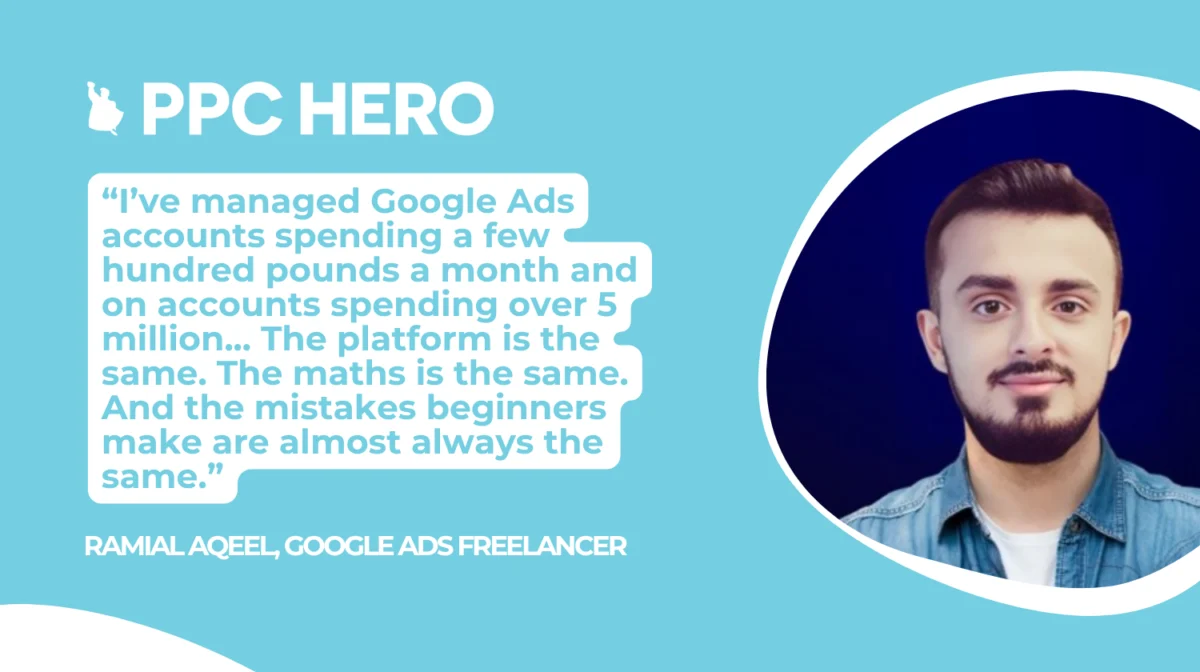
The landscape of digital advertising can appear daunting, especially for those venturing into Google Ads for the first time. Yet, the fundamental principles governing its operation remain consistent, whether managing a modest monthly spend of a few hundred pounds or a colossal budget exceeding five million. The underlying mathematical frameworks are the same, and the pitfalls encountered by novices are remarkably similar and frequently repeated. This comprehensive guide aims to equip new advertisers with a foundational strategy to navigate their initial foray into Google Ads, preventing costly missteps and fostering effective campaign management from the outset.
Prioritizing Performance Measurement Over Keyword Pursuit
The most critical, yet often overlooked, step before launching any Google Ads campaign is the meticulous setup of conversion tracking. This foundational element, frequently perceived as tedious and unglamorous, is in fact the bedrock of any successful advertising endeavor. Without the ability to accurately identify which clicks translate into tangible business outcomes – be it a completed inquiry form, a direct phone call, or a confirmed sale – advertisers are not executing campaigns; they are engaging in a high-stakes game of chance and guesswork.
Conversion tracking serves as the vital communication channel between an advertiser’s business objectives and Google’s sophisticated algorithms. It informs Google’s system about what constitutes a valuable interaction, enabling the platform to optimize campaign performance towards these desired outcomes. In its absence, the advertising machine operates blindly, and so does the advertiser. With robust conversion tracking in place, every strategic decision, from keyword selection to bidding strategies, becomes data-driven, focusing efforts on activities that demonstrably generate revenue rather than those that merely create an illusion of activity.
Therefore, the imperative is to define and implement a conversion action that directly aligns with a business’s core goals. This could be the submission of a lead generation form, a customer service phone call initiated through an ad click, or a direct e-commerce purchase. Crucially, this setup must be rigorously tested. Advertisers should manually trigger these conversion actions themselves and verify that they are accurately recorded within the Google Ads account before any advertising spend is initiated. This pre-launch diligence ensures that the subsequent traffic generated will be measured against meaningful business objectives.
Strategic Focus: One Campaign Type, One Primary Goal
Google’s platform is designed to encourage a broad and often complex approach to advertising, readily suggesting the activation of multiple campaign types simultaneously, including Search, Display, and Performance Max. However, for new advertisers, this expansive strategy can quickly lead to confusion and inefficient budget allocation. The recommendation is clear: commence with a single, focused approach.
For an inaugural Google Ads account, a solitary Search campaign is the most prudent starting point. Search advertising taps into user intent; it places an advertiser’s solution directly in front of individuals actively typing a problem or need into Google’s search engine. This direct alignment of user query and advertiser offering represents the most transparent and instructive environment for understanding the core mechanics of Google Ads.
While Display and Performance Max campaigns have their distinct advantages and strategic applications, they often operate with a higher degree of automation, obscuring many of the underlying processes. During the crucial learning phase, visibility into the operational details is paramount. Search campaigns, by their nature, expose these moving parts, allowing new advertisers to observe and comprehend the direct impact of their choices on campaign performance. Therefore, concentrating efforts on one campaign type, with one or at most two clearly defined goals, simplifies the learning curve and accelerates the acquisition of practical knowledge.
The Art of Simplicity: Structuring for Clarity and Relevance
An overly complex account structure is an unnecessary burden for a nascent Google Ads account. Instead, the focus should be on establishing a sensible and logical framework. The cornerstone of this structure lies in thematic grouping of keywords. Each ad group should house a tightly curated set of keywords that share a common theme or intent. Critically, the advertisements within these ad groups must directly correspond to the keywords they are intended to serve.
For instance, if an individual searches for "law firm Manchester," the advertisement they encounter should explicitly reference a law firm based in Manchester. This direct relevance is not merely a best practice; it is a fundamental driver of performance. Google rewards relevance by offering lower click costs and improved ad positions over time, directly impacting the efficiency of the advertising spend.

Furthermore, maintaining control over keyword match types is essential. The indiscriminate use of broad match keywords, without appropriate safeguards, can lead to the expenditure of advertising budgets on search queries that are entirely unrelated to the advertiser’s offerings. A more conservative approach, beginning with phrase and exact match types, allows for closer monitoring of incoming search terms. As data accumulates and the advertiser gains confidence in the insights derived from this data, the match types can be progressively loosened to capture a wider, yet still relevant, audience.
The Indispensable Role of Negative Keywords
Among the most powerful, yet often neglected, components of a Google Ads account is the negative keyword list. This list functions as a directive to Google, specifying the search queries for which an advertiser does not want their ads to appear. The human search landscape is vast and varied, often encompassing queries that are irrelevant to commercial intent. Terms such as "free," "jobs," "DIY," or "cheap" can inadvertently trigger ad impressions for businesses offering premium products or services. If an ad for an expensive bespoke suit appears in response to a search for "cheap suits," the advertiser is effectively paying for clicks that are highly unlikely to result in a sale.
During the initial weeks of campaign operation, constant vigilance over the search terms report is paramount. This report details the exact queries that users typed into Google before clicking an ad. Diligent review of this report and the proactive addition of any irrelevant terms to the negative keyword list is a habit that will yield substantial cost savings. This singular practice, when consistently applied, can be more impactful in protecting advertising budgets than any sophisticated bidding strategy or complex campaign optimization technique.
Budgeting for Education: The Cost of Learning
Google Ads requires data to optimize effectively. Consequently, advertisers must establish a budget that provides sufficient data points for the platform to learn without incurring catastrophic financial losses during the initial learning curve. Setting the budget too low, resulting in only a handful of daily clicks, will provide insufficient data for meaningful analysis and learning. Conversely, an excessively high budget can render a single underperforming week financially devastating.
The recommended approach is to allocate a budget that the advertiser is genuinely comfortable losing during the first month of operation. This initial period should be viewed as an investment in education, distinct from immediate profit generation. Furthermore, patience is a critical virtue. A common mistake among new advertisers is the impulse to make drastic changes within the first few days of a campaign launch. The Google Ads algorithm, like the advertiser, requires time to learn and adapt. Constant modifications can reset this learning process, hindering progress. Therefore, once a change is implemented, it is essential to allow the campaign sufficient time to run and generate meaningful data before assessing its impact.
The Crucial Link: User Experience on Landing Pages
An advertisement, no matter how compelling or strategically placed, is only half the battle. The destination page – the landing page – plays an equally critical role in converting traffic into desired outcomes. Even the most sophisticated Google Ads campaign can falter if it directs users to a slow-loading, cluttered homepage that fails to provide a clear next step.
The landing page must be designed to align with the user’s search query and the messaging presented in the ad copy. It should load rapidly, offer a clear and intuitive user experience, and prominently feature the desired call to action. For instance, if an ad promotes conveyancing services, the landing page should specifically address property conveyancing, feature a readily accessible phone number, or present a clear form for immediate inquiry. This seamless transition from search to landing page is essential for maximizing conversion rates and ensuring that the advertising investment translates into tangible business results.
A Structured Approach for Immediate Action
For advertisers eager to implement these foundational principles, a straightforward order of operations can be followed:
- Configure Conversion Tracking: Ensure that all critical business actions are accurately tracked and measurable within the Google Ads platform.
- Initiate a Single Search Campaign: Focus on user intent by launching one Search campaign, targeting relevant keywords.
- Structure Ad Groups Logically: Group keywords by theme and ensure tight relevance between keywords, ad copy, and landing pages.
- Implement Negative Keywords Diligently: Regularly review the search terms report and add irrelevant queries to the negative keyword list.
- Set an Appropriate Budget: Allocate a budget that allows for sufficient learning without undue financial risk.
- Allow for Patience and Observation: Give the campaign time to learn and gather data before making significant adjustments.
- Optimize Landing Page Experience: Ensure landing pages are fast, relevant, and feature a clear call to action.
There are no secret hacks or magical settings that guarantee instant success in Google Ads. The most effective path to proficiency lies in diligently executing the fundamentals. By focusing on these core principles and performing the "boring stuff" properly, new advertisers can build a solid foundation for their Google Ads campaigns, deriving invaluable insights that will serve them far better than any superficial course or purported shortcut. The true education in digital advertising is often found in the methodical and consistent application of these essential practices.