As the second half of 2026 rapidly approaches, marketers across industries are intensifying their focus on holiday campaign strategies, a critical period that often dictates annual revenue performance. The imperative is clear: secure effective approaches now to maximize key opportunities, ensure unparalleled audience reach, and foster deep engagement where consumers and B2B clients alike are most receptive. This strategic foresight is especially vital in a digital ecosystem profoundly shaped by social media, a landscape that has undergone significant transformations over the past two decades. While many brands have long embedded social platform outreach into their operational frameworks, an overreliance on traditional, static strategies risks rendering marketing efforts obsolete in an era defined by dynamic user behavior and technological innovation.
The advent of social media more than 20 years ago heralded a new epoch in communication and commerce. Early platforms laid the groundwork for what would become a ubiquitous aspect of daily life, fundamentally altering how individuals connect, consume content, and make purchasing decisions. However, the very nature of digital interaction dictates a constant evolution of user preferences and engagement patterns. What resonated with audiences five or ten years ago may now be long past its expiration date. This continuous flux necessitates an ongoing reassessment of conventional marketing wisdom, urging brands to explore novel platforms, embrace emerging tools, and recalibrate their outreach to connect with an increasingly discerning and active audience. Against this backdrop, Social Media Today is initiating a comprehensive series of overviews, designed to equip marketers with cutting-edge tips and tactics for cultivating a robust organic social media presence across major platforms. These foundational strategies are intended to serve as the bedrock for more expansive and integrated promotional campaigns.
This inaugural installment of the series delves into the professional social network LinkedIn, often heralded as the oldest surviving major social media platform. In recent times, LinkedIn has experienced a notable renaissance, transforming from a mere digital resume repository into a vibrant hub for professional discourse, thought leadership, and strategic B2B engagement. Its resurgence underscores its unique position in the social media firmament, offering unparalleled opportunities for brands to connect with decision-makers, industry experts, and potential clients in a context of professional intent. To aid marketers in harnessing this potential, here are five pivotal strategies for constructing and sustaining an impactful LinkedIn presence that drives tangible business results.
The Shifting Sands of Social Media Marketing: From Broad Reach to Targeted Engagement
The journey of social media from niche online communities to global communication behemoths spans over two decades, marking a profound shift in marketing paradigms. Initially, the focus was often on sheer reach and follower accumulation, mirroring traditional advertising models. However, as platforms matured and user bases diversified, the efficacy of such broad-stroke approaches began to wane. By the mid-2020s, with social media ingrained in virtually every aspect of personal and professional life, user behaviors became increasingly sophisticated. Audiences developed a keener eye for authenticity, relevance, and value, quickly disengaging from content perceived as generic or overtly promotional.
This evolution has rendered many "traditional" social media strategies—those predicated on viral trends without substantive content, or mass broadcasting without targeted segmentation—ineffective. Data from various industry reports consistently highlights a growing fatigue with superficial content. For instance, a 2025 study by Global Web Index indicated that over 60% of social media users prioritize content that offers genuine insights, educational value, or direct solutions to their professional or personal challenges, a significant increase from previous years. This signals a definitive move away from passive consumption towards active, informed engagement. For marketers gearing up for the competitive 2026 holiday season, ignoring these shifts is no longer an option; it’s a direct threat to campaign ROI. The emphasis has unequivocally shifted from merely being seen to being genuinely heard and valued by the right audience.
LinkedIn’s Enduring Relevance and Recent Renaissance in the Professional Sphere
Established in December 2002 and officially launched in May 2003, LinkedIn predates many of its social media contemporaries, carving out a distinct niche in the professional networking landscape. For years, it was primarily perceived as a platform for job searching and professional connections. However, its strategic evolution, particularly over the last five years, has cemented its status as an indispensable tool for B2B marketing, thought leadership, and corporate branding. This "renaissance" is not coincidental but a result of deliberate platform enhancements and a growing recognition by businesses of its unique value proposition.
By 2026, LinkedIn boasts a global user base exceeding 900 million professionals, with significant growth in engagement metrics. According to LinkedIn’s own internal reports from early 2026, daily active users increased by approximately 15% year-over-year, driven largely by enhanced content features, AI integration, and a sharpened focus on community building around professional interests. The platform’s commitment to fostering a professional environment, free from the often-distracting noise of other social networks, makes it a prime location for brands seeking to engage in serious business discourse. Its robust targeting capabilities, based on professional attributes such as job title, industry, company size, and seniority, offer unparalleled precision for B2B marketers. This allows for a significantly higher return on investment for campaigns aimed at specific professional demographics, especially crucial during high-stakes periods like the holiday season. The platform’s ongoing development, including the expansion of AI-powered tools and dedicated marketplaces for creators, further underscores its strategic importance for modern marketing efforts.
Pivotal Strategies for an Effective LinkedIn Presence in 2026
The competitive landscape of digital marketing demands not just presence, but a strategic, informed approach. For LinkedIn, this translates into leveraging its unique ecosystem to build credibility, foster relationships, and ultimately drive business outcomes.
1. Leveraging Data for Content Intelligence: Beyond Trends to Unique Perspectives
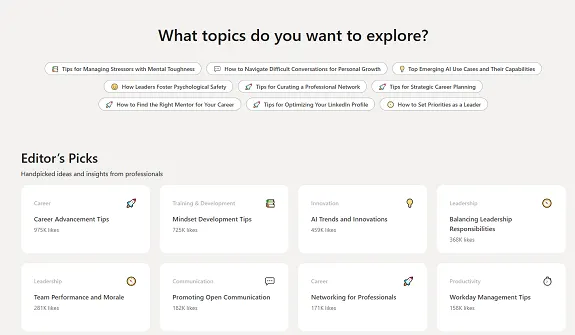
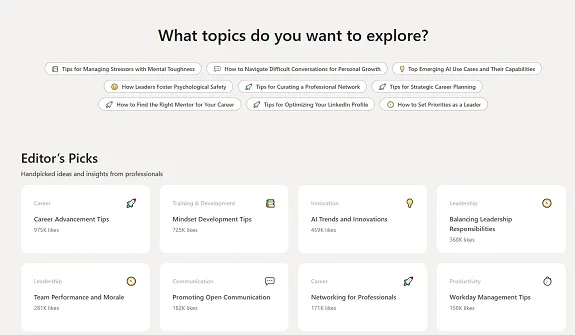
In the dynamic world of social media, understanding what content resonates is paramount. For LinkedIn, this means delving into professional conversations and identifying genuine pain points or areas of interest within specific industries. Brands can harness LinkedIn’s robust analytical tools, starting with the LinkedIn Top Content overview. This powerful feature provides granular insights into the most engaging content across a broad spectrum of industries and topics. By tapping on suggested topics, marketers can access curated listings of top-performing feed posts, offering a real-time snapshot of what captures the professional community’s attention. This goes beyond mere trending hashtags; it highlights substantive discussions and formats that drive meaningful interaction.
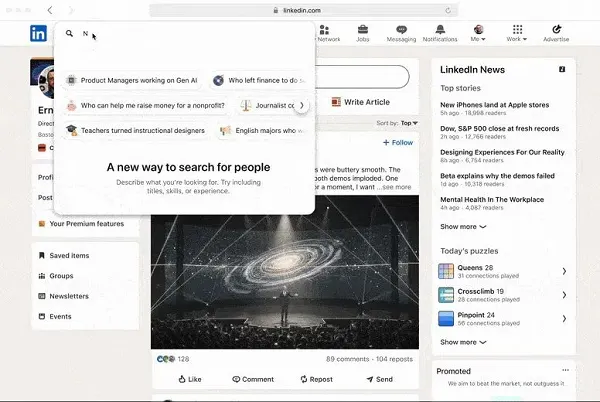
Furthermore, the expansion of LinkedIn’s conversational AI search tools, as noted in recent platform updates, revolutionizes content discovery. These AI-powered capabilities allow marketers to pose specific questions on any topic, receiving tailored recommendations based on popularity and engagement metrics. This functionality is not only valuable for content ideation but also for researching key contacts for potential outreach and targeted engagement strategies. For instance, a marketer could ask, "What are the most pressing challenges for CTOs in the SaaS industry in Q4 2026?" and receive a curated list of relevant discussions and influential voices.
However, LinkedIn itself emphasizes a crucial distinction: while understanding trends is beneficial, merely mirroring popular content is insufficient. The platform advocates for creators and marketers to build campaigns around their unique expertise. This means identifying gaps in the existing discourse where a brand can offer a distinctive perspective, proprietary research, or innovative solutions. Instead of simply joining a trending conversation, the goal is to lead it or enrich it with authoritative, specialized insights. This approach not only enhances brand visibility but also establishes the brand as a credible thought leader in its niche, a far more valuable asset than fleeting viral engagement.
2. Precision Targeting: Identifying and Engaging Key Decision-Makers
Unlike consumer-focused platforms where broad demographic targeting might suffice, LinkedIn’s strength lies in its ability to facilitate connections with specific professional roles and decision-makers. A fundamental consideration for any brand on LinkedIn is therefore understanding precisely who they aim to reach and what resonates with these individuals. This necessitates moving beyond general audience segments to construct a highly specific list of target individuals based on job roles, seniority levels, industry affiliations, and geographical regions.
Once this target list is established, marketers can leverage LinkedIn’s public profile information to gain deeper insights. By reviewing the "activity overview" on respective LinkedIn profiles, brands can observe what these key decision-makers are posting about, which articles they share, what discussions they engage in, and who they interact with. This intelligence is invaluable. It provides direct insight into their professional interests, challenges, and priorities, enabling marketers to tailor content that directly addresses their needs. For example, if a target CFO consistently engages with content about supply chain optimization and cost reduction, a brand can develop content specifically addressing these themes, positioning their solutions as relevant and timely. This meticulous research forms the bedrock of an effective account-based marketing (ABM) strategy on LinkedIn, where personalization and relevance supersede mass communication.
3. Mastering Content Formats and Thematic Resonance
With a clear understanding of trending topics and target audiences, the next step involves crafting content that captures attention and drives engagement. This requires a nuanced approach to content formats and thematic development. Marketers should meticulously analyze their research findings to identify key themes, specific pain points, and preferred content approaches that genuinely resonate with their niche audience. This includes observing how successful posts are structured: Do they use questions? How are images and videos integrated? What specific problems or aspirations do they highlight?
Recent research, including a study published earlier in 2026 by Social Media Today, consistently indicates that carousel posts and video content generally outperform other formats on LinkedIn in terms of engagement rates. Carousel posts, which allow for a series of images or documents to be swiped through, are particularly effective for storytelling, presenting data incrementally, or offering step-by-step guides. Video content, ranging from short explanatory clips to longer interviews and webinars, provides a dynamic and engaging medium for conveying complex information or showcasing brand personality. However, it is crucial to note that while these are general trends, specific target audiences may exhibit unique preferences. A highly technical audience might prefer in-depth articles or whitepapers, while a leadership audience might favor concise executive summaries or expert interviews. Therefore, while general best practices provide a starting point, continuous testing and adaptation based on audience feedback are essential.
Beyond format, the thematic relevance of content is paramount. Understanding the main questions, challenges, and aspirations of each audience segment will enable marketers to build a more engaging and valuable presence. Content should aim to provide solutions, offer new perspectives, or stimulate professional discussion, thereby establishing the brand as a valuable resource rather than just a vendor.
4. The Power of Authenticity: Influencer Marketing and Thought Leadership
Influencer marketing on LinkedIn operates under a distinct paradigm compared to consumer-facing platforms. Here, the emphasis shifts from celebrity status or sheer follower counts to established expertise, credibility, and authentic thought leadership within a specific industry niche. These are individuals who have cultivated a reputation for insightful contributions, deep industry knowledge, and a trustworthy voice.
LinkedIn’s own research, released in 2026, powerfully illustrates this point: buyers are three times more likely to choose a vendor highly recommended by customers or trusted experts than one that merely promises superior products or lower prices. This underscores the immense value of leveraging credible voices. During the initial research phase, marketers should identify which spokespeople their target audience already follows and respects. This insight can then inform potential collaboration strategies. Partnering with these established experts, who genuinely resonate with the target demographic, can significantly amplify a brand’s message and reinforce its credibility.
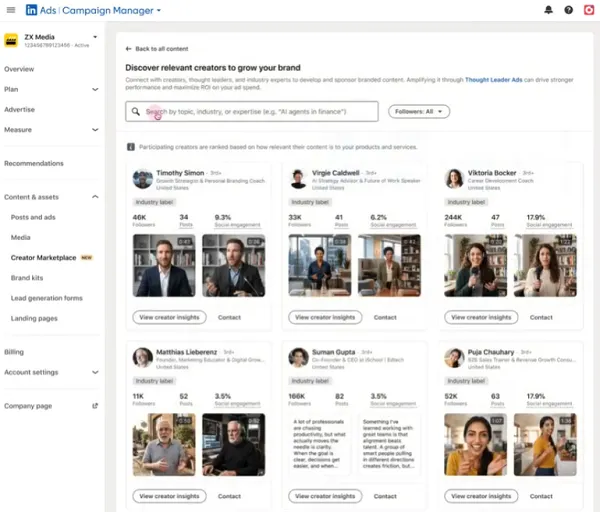
Recognizing this growing trend, LinkedIn has actively facilitated these connections through its Creator Marketplace. This platform allows brands to efficiently search for and connect with top B2B influencers and content creators across various industry niches. It provides a structured environment for brands to identify collaborators whose expertise aligns with their marketing objectives, streamlining the process of launching impactful co-created campaigns.
Beyond external influencers, LinkedIn also champions the role of internal stakeholders. Employees, executives, customers, partners, and industry experts within a brand’s own ecosystem can serve as powerful advocates. Leveraging their voices through initiatives like Thought Leader Ads—which amplify authentic content from trusted internal experts—or encouraging employee advocacy can significantly reinforce brand messaging and presence. This multi-faceted approach to influence, combining external experts with internal thought leaders, creates a powerful echo chamber of credibility that resonates deeply within the professional community.
5. Measuring What Matters: Aligning LinkedIn Efforts with Business Outcomes
The final, and perhaps most critical, step is to formulate a cohesive strategy grounded in all gathered data and insights. A common pitfall in social media marketing is getting ensnared in the "engagement game," chasing vanity metrics like likes, comments, and follower counts without a clear objective. On LinkedIn, the ultimate goal is almost invariably centered on driving sales, generating leads, fostering partnerships, or recruiting top talent. Therefore, appealing to the right audience, even if it’s a smaller, highly targeted one, is infinitely more valuable than building a generic presence with superficial engagement.
LinkedIn itself advises marketers to pivot towards metrics that are directly mappable to tangible business outcomes. These include profile visits, follower growth (of key decision-makers or target companies), lead generation, event registrations, website traffic, and ultimately, conversions. Reactions and impressions, while providing some indication of reach, offer less insight into commercial success. By focusing on these outcome-oriented metrics, brands can clearly demonstrate the return on investment (ROI) of their LinkedIn marketing efforts, justifying further resource allocation.
Furthermore, LinkedIn recommends leveraging content formats that foster ongoing engagement and relationship building, rather than just one-off posts designed for fleeting attention. This includes newsletters, in-depth articles, recurring video series, and interactive events (e.g., webinars, live Q&As). These formats are designed to cultivate sustained interest, build rapport over time, and position the brand as a consistent source of value. Such continuous engagement strategies are far more effective in nurturing leads and converting prospects into loyal customers.
Expert Insights and LinkedIn’s Strategic Vision
Gina Kleiner, Senior Director of Product Marketing for LinkedIn Ads, articulates the platform’s strategic philosophy succinctly: "The most effective LinkedIn strategies today aren’t built by chasing reach – they’re built by building credibility with the audiences that matter most." Her statement underscores the fundamental shift in B2B marketing—from mass awareness to targeted, trust-based influence. Kleiner advises marketers to "start by identifying the experts, executives, employees, customers, or creators your audience already trusts. Then, look for ways to amplify those voices and the conversations they’re driving."
Kleiner further elaborated on how LinkedIn’s tools facilitate this approach. For scaling reach for authentic content from trusted voices, Thought Leader Ads are invaluable. The Creator Marketplace streamlines the discovery and partnership process with credible B2B creators who demonstrably influence buying decisions. Additionally, Kleiner highlighted BrandLink, a tool that enables brands to align with trusted video content from reputable publishers and creators, further embedding their message within credible narratives. "In recent months," she noted, "we’ve also seen growing interest in creator-led experiences, including live events and community-driven conversations that allow brands to engage their audiences in more meaningful ways." This holistic approach, according to Kleiner, ensures that "the goal isn’t simply to generate more impressions – it’s to create genuine interactions that build trust, influence decisions, and drive measurable business outcomes."
Broader Implications for 2026 Marketing
The insights gleaned from LinkedIn’s strategic recommendations carry significant broader implications for the entire 2026 marketing landscape. The emphasis on credibility, authenticity, and measurable business outcomes represents a paradigm shift away from the often-superficial metrics that characterized earlier social media marketing. This necessitates a more integrated approach where organic content, paid amplification, and influencer collaborations are meticulously aligned with overarching business objectives.
For brands, the failure to adapt to these evolving dynamics could result in diminished ROI, missed opportunities, and a decline in market relevance. The competitive nature of the holiday season, in particular, demands strategies that cut through the noise with authority and genuine value. The blend of sophisticated AI-powered content discovery, precision audience targeting, and the strategic leveraging of trusted voices signals a future where marketing is less about shouting the loudest and more about speaking the most intelligently to the right ears.
The focus on ongoing engagement formats like newsletters and recurring series also highlights the long-term value of relationship building over transactional interactions. In a world saturated with information, consistency and sustained value become key differentiators. Brands that invest in nurturing these relationships through valuable content and authentic interactions on platforms like LinkedIn are poised to build stronger communities, cultivate deeper trust, and ultimately secure a more resilient market position.
In conclusion, as marketers prepare for the crucial second half of 2026, the strategic imperative to evolve their social media approaches is undeniable. LinkedIn, with its renewed vitality and sophisticated toolset, offers a potent platform for achieving measurable business outcomes. By prioritizing content intelligence, precision targeting, thematic resonance, authentic thought leadership, and outcome-oriented metrics, brands can navigate the complex digital landscape with confidence, ensuring their holiday campaigns are not just visible, but truly impactful and conducive to long-term success.