The digital marketing ecosystem is witnessing a significant trend as businesses increasingly evaluate and transition their email marketing operations from established platforms like Mailchimp to more specialized and scalable solutions such as Sinch Mailjet. This shift, driven by evolving business needs, heightened demands for performance, collaboration, and stringent compliance requirements, underscores the strategic importance of choosing the right email service provider (ESP) as companies expand their digital footprint. As of June 5, 2026, industry observers and technology analysts report a discernible movement, particularly among growing enterprises and agencies, seeking platforms that offer deeper integration, enhanced deliverability features, and more flexible pricing models.
The Shifting Tides of Email Marketing Platforms
For many years, Mailchimp has been a dominant force, especially for small and medium-sized businesses (SMBs), lauded for its user-friendly interface and accessible features. However, as businesses mature and their email marketing strategies become more sophisticated, the limitations of platforms primarily designed for simpler use cases can emerge. The acquisition of Mailchimp by Intuit in 2021, while expanding its ecosystem into broader financial and business management tools, has also prompted some users to re-evaluate its core email marketing focus and future development trajectory. This has created an opportune environment for alternative ESPs like Sinch Mailjet, which emphasizes high-volume sending, transactional emails, advanced API capabilities, and robust deliverability tools, to attract a new wave of clients.

Analysts point to several key drivers behind this migration. Scalability is paramount; as contact lists grow into the hundreds of thousands or even millions, and sending volumes surge, the cost structures and performance capabilities of different ESPs become critical differentiators. Businesses are also seeking solutions that facilitate seamless team collaboration, offering granular user permissions and workflow management features that cater to larger marketing departments or agencies managing multiple client accounts. Furthermore, the global regulatory landscape, with data privacy laws such as GDPR and CCPA, places a premium on platforms that offer comprehensive compliance tools and data governance features. Performance, particularly email deliverability and inbox placement rates, remains a non-negotiable factor for campaigns to succeed, pushing businesses towards providers with proven track records and proactive deliverability support.
Sinch Mailjet’s Value Proposition in a Competitive Market
Sinch Mailjet, part of the broader Sinch communications platform, has positioned itself as a robust alternative, particularly for developers and marketing teams requiring deep customization and high reliability. Its appeal stems from a combination of factors:
- Scalability and Performance: Designed to handle massive sending volumes with high throughput, ensuring critical marketing and transactional emails reach their destination promptly.
- Advanced APIs: Offering extensive API documentation and capabilities, Mailjet appeals to businesses that need to integrate email functionality deeply into their applications, CRM systems, or custom marketing automation workflows.
- Deliverability Expertise: Leveraging Sinch’s global infrastructure and expertise in telecommunications, Mailjet provides sophisticated tools for sender reputation management, IP warming, and real-time analytics to optimize inbox placement.
- Collaboration Features: Enabling multiple users with varying access levels to work on campaigns, templates, and contact lists, fostering efficient teamwork.
- Cost-Effectiveness for Volume: For high-volume senders, Mailjet’s pricing model can often prove more competitive, offering better value as sending needs increase.
"We’ve observed a clear trend where businesses, once they reach a certain scale or complexity in their email marketing, begin to look for platforms that offer more control, better integration, and superior deliverability," stated Dr. Alistair Finch, a Senior Market Analyst specializing in SaaS solutions. "Sinch Mailjet’s focus on these areas, coupled with its robust infrastructure, makes it a compelling choice for those outgrowing their initial ESP."
The Migration Process: A Step-by-Step Guide for Transitioning Businesses
Understanding that migrating an entire email marketing operation can seem daunting, Sinch Mailjet has streamlined the process, providing clear guidelines to ensure a smooth transition of critical assets: contacts, email templates, and historical data.
Phase 1: Strategic Planning and Initial Assessment
Before initiating the technical steps, businesses are advised to conduct a thorough strategic assessment. This involves:
- Feature Comparison: A detailed side-by-side analysis of Mailchimp and Sinch Mailjet features, identifying specific functionalities critical for current and future marketing strategies.
- Cost Analysis: Comparing subscription tiers, sending costs, and potential savings or increased value derived from Mailjet’s features.
- Integration Needs: Mapping out all existing integrations with Mailchimp and planning how these will be replicated or improved with Mailjet’s API or native integrations.
- Team Training: Identifying training needs for the marketing team to become proficient with the new platform.
"The decision to migrate was driven by our need for more advanced segmentation and automation capabilities that could truly keep pace with our rapidly expanding customer base," commented Sarah Jenkins, Head of Digital Marketing at Tech Innovations Inc., a company that completed its migration to Sinch Mailjet last quarter. "While Mailchimp served us well initially, the move to Mailjet has unlocked new levels of personalization and efficiency in our campaigns."
Phase 2: Migrating Core Assets – Contacts and Unsubscribes
The transfer of contact lists is arguably the most critical step, requiring precision to maintain data integrity and compliance.
-
Exporting Contacts from Mailchimp:

- Log in to your Mailchimp account.
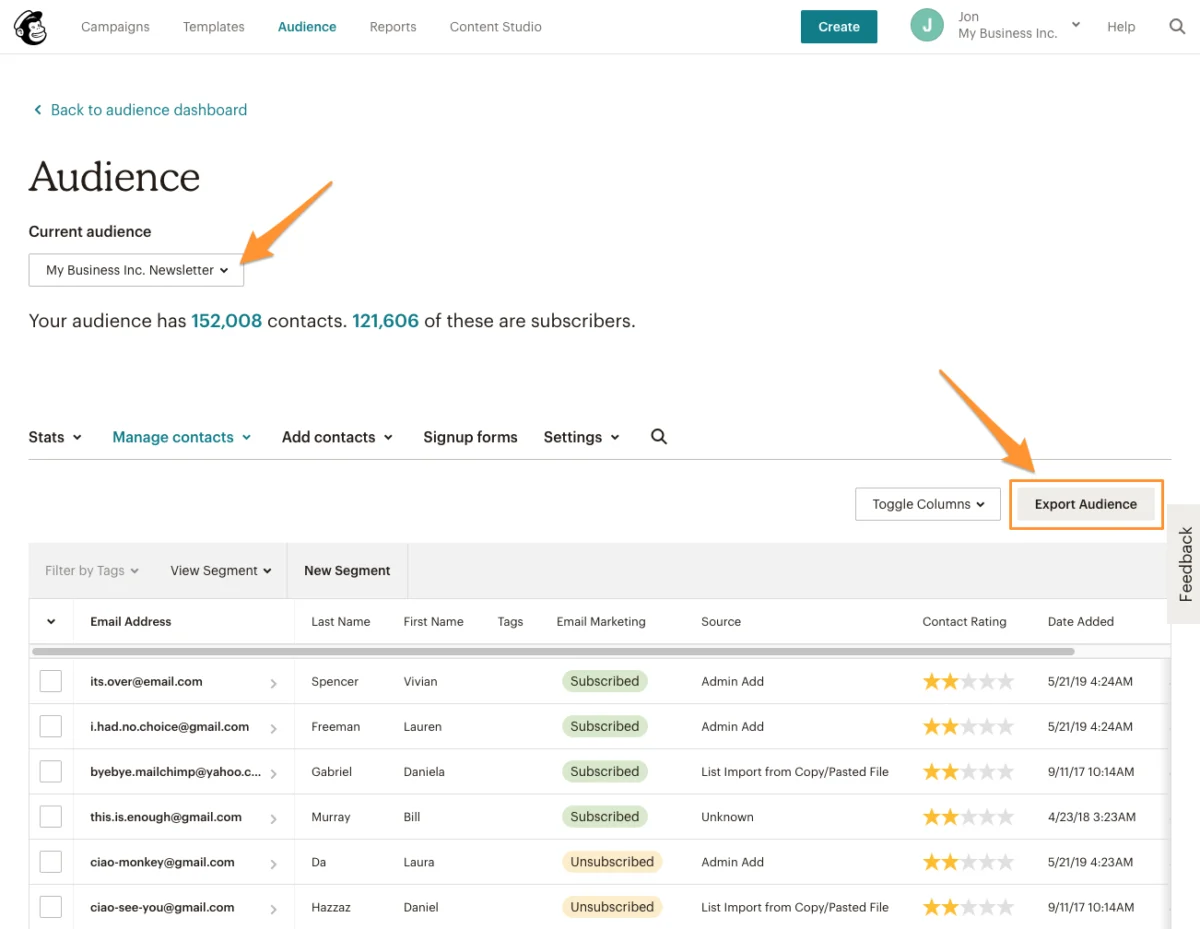
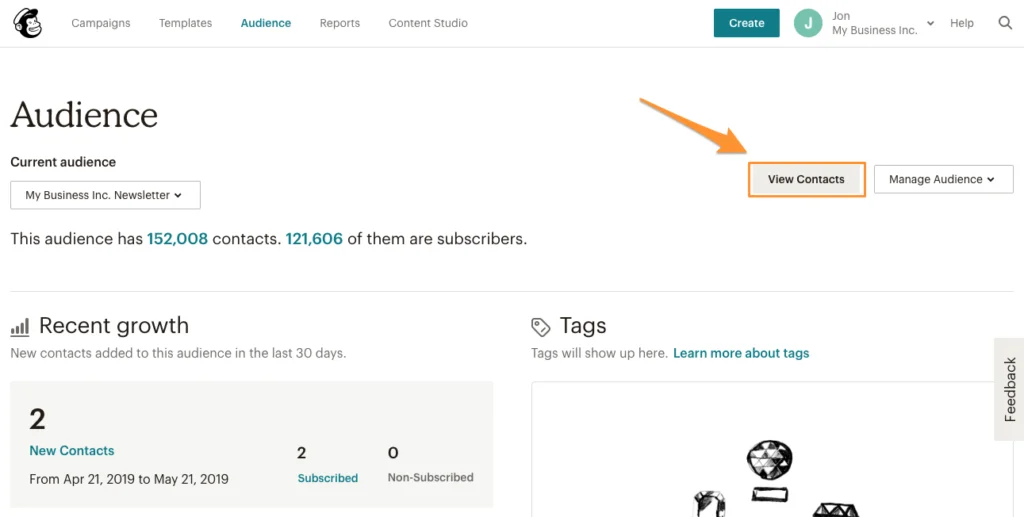
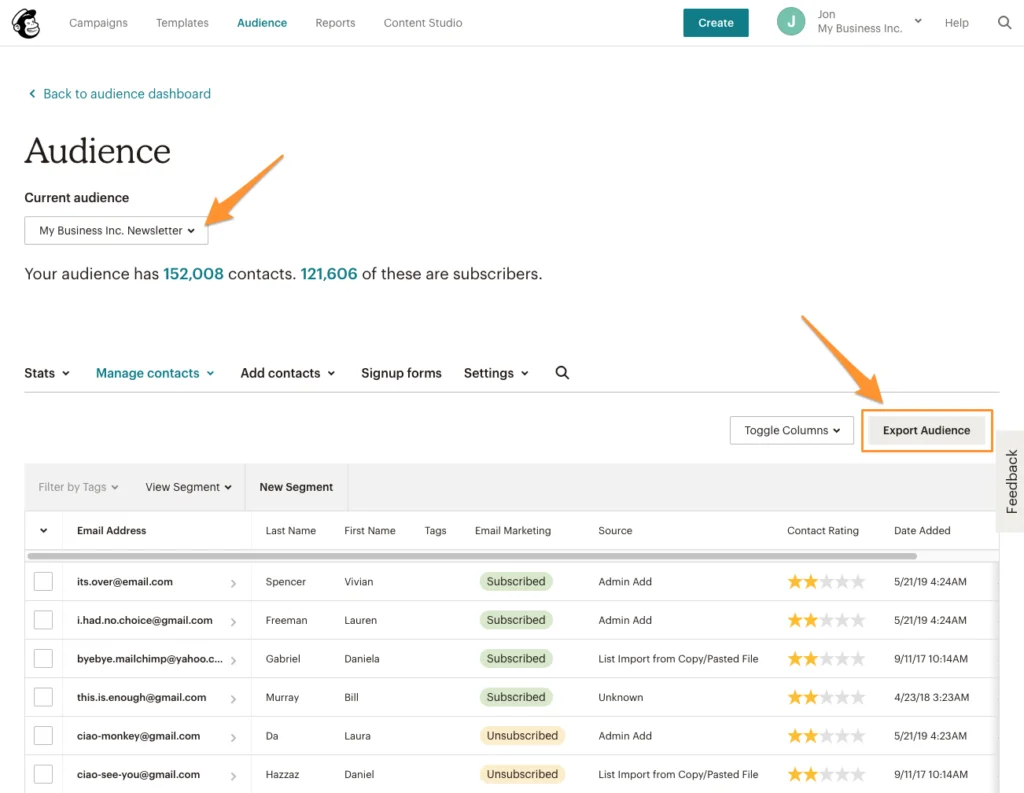
- Navigate to the "Audience" section, then select "View Contacts."
- For each audience (contact list) you wish to migrate, click "Export Audience." This action typically generates a downloadable ZIP file containing separate CSV files for subscribed and unsubscribed members. It is crucial to repeat this for every audience you intend to transfer.
- Download and unzip these files, organizing them for easy access.
-
Importing Subscribed Contacts into Sinch Mailjet:
- Log in to your Sinch Mailjet account.
- From the main menu, go to "Contacts" > "Contact Lists."
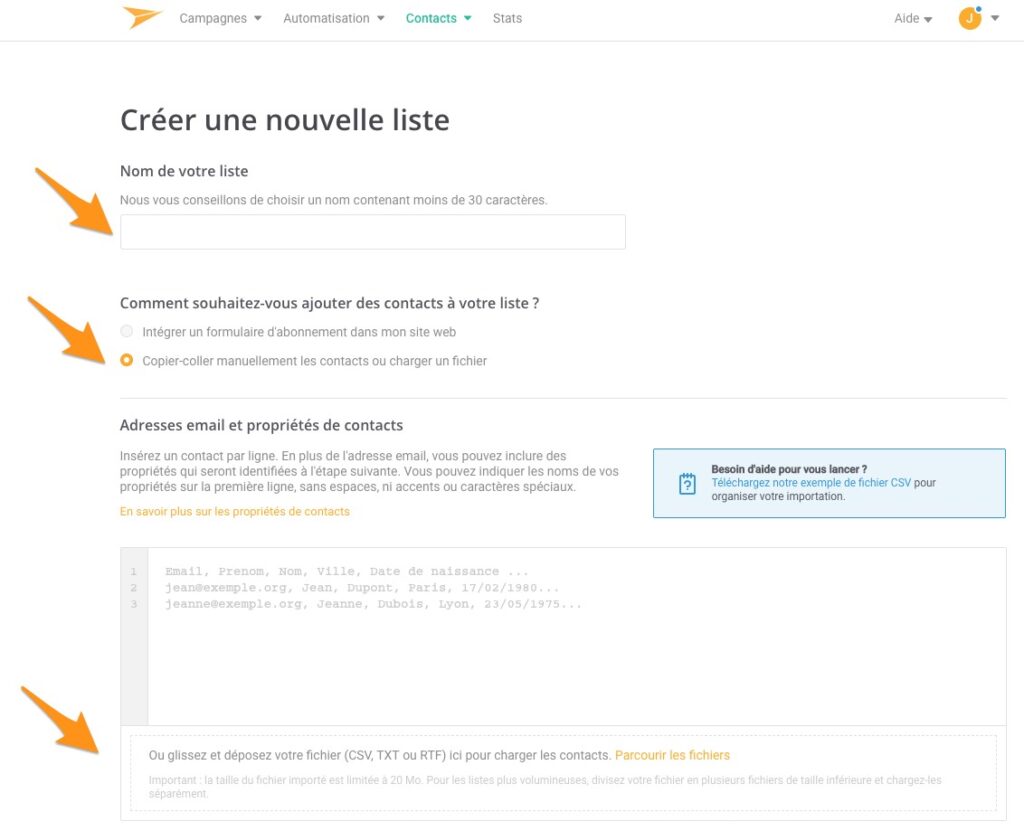
- Click "Create a new list." Provide a clear, descriptive name for your new list, ideally mirroring the original Mailchimp audience name for consistency.
- Choose the option to "Paste contacts manually or upload a file," then upload the CSV file containing your subscribed contact data.
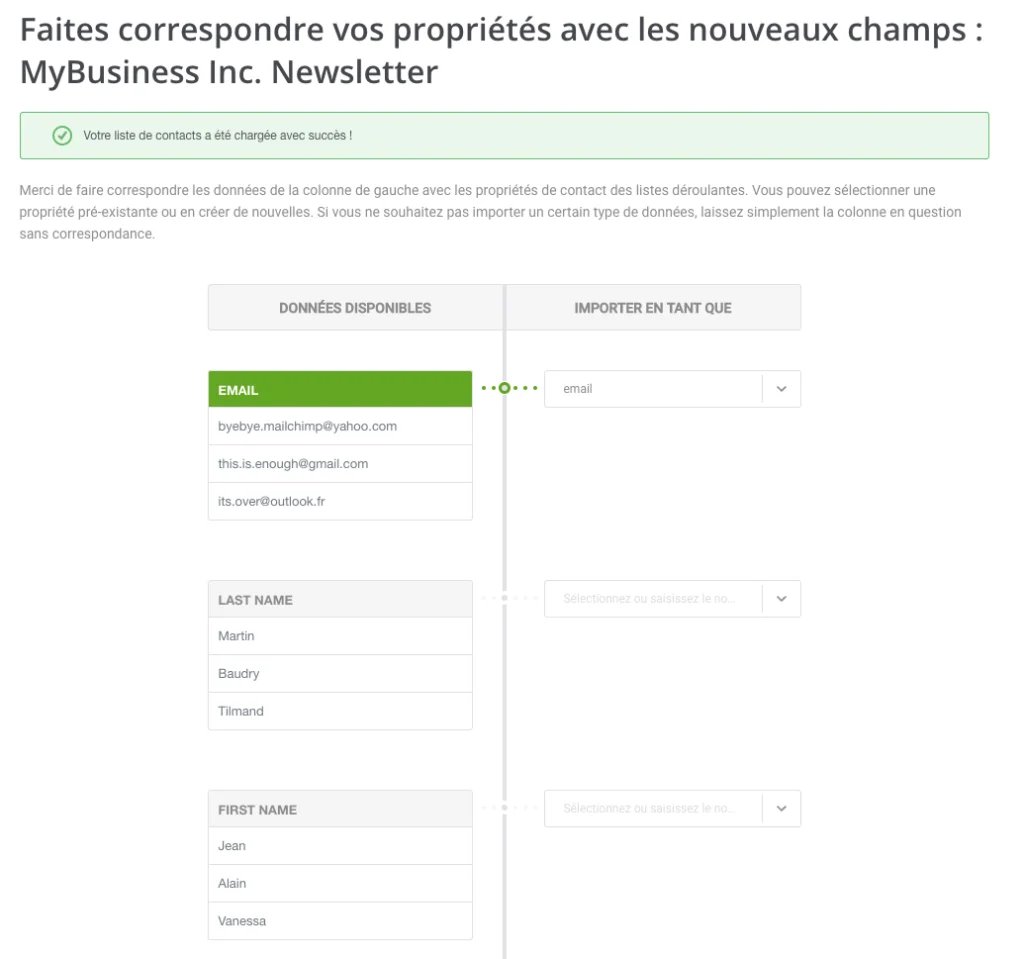
- Field Mapping: This step is vital. Sinch Mailjet will prompt you to map the columns from your CSV file (e.g., ‘Email Address’, ‘First Name’, ‘Last Name’) to corresponding fields within Mailjet. Ensure all relevant contact properties are correctly matched. This allows for rich segmentation and personalization within Mailjet. Once satisfied, click "Save and continue."
-
Importing Unsubscribed Contacts (Crucial for Compliance):
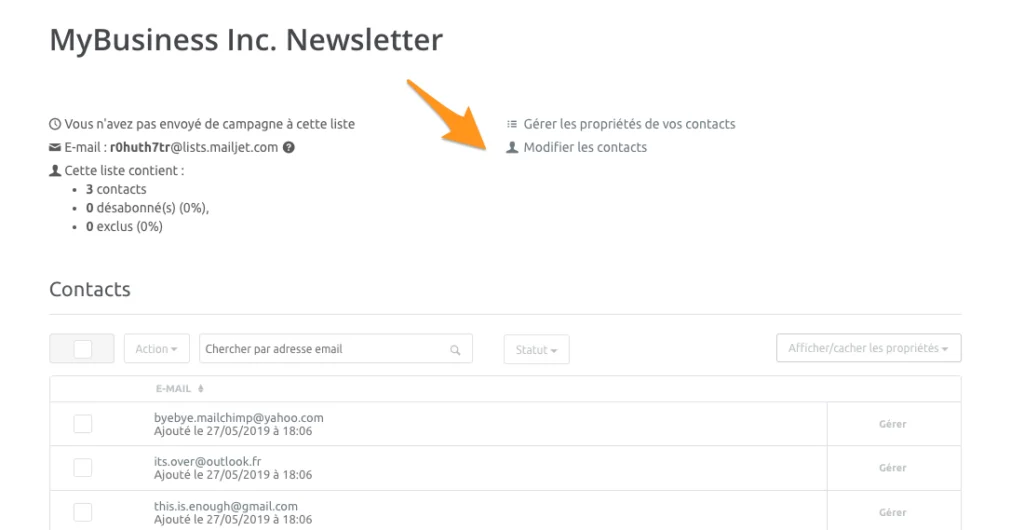
- After importing subscribed contacts, navigate back to the newly created contact list in Mailjet.
- Click "Manage contacts."
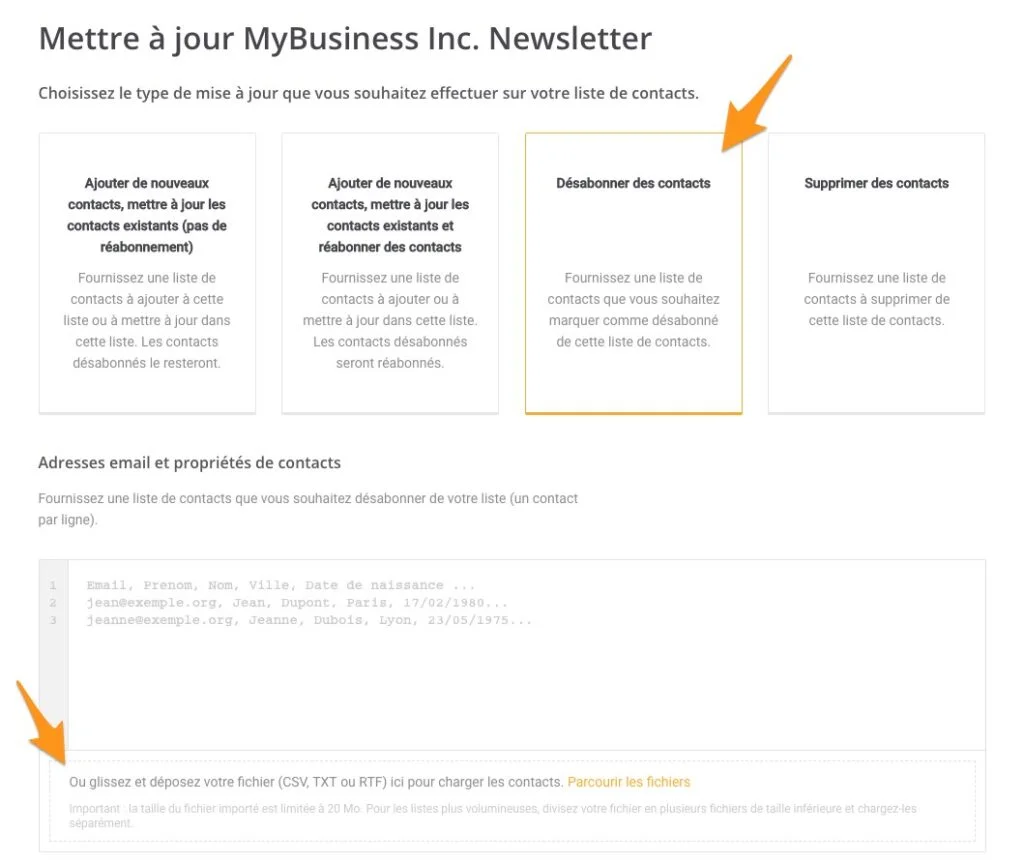
- Select "Unsubscribe contacts" as the update type. This ensures that individuals who previously opted out of your communications in Mailchimp remain unsubscribed in Sinch Mailjet, preventing accidental re-engagement and maintaining compliance with anti-spam regulations.
- Drag and drop the CSV file containing your unsubscribed contact data. Map any necessary fields.
This meticulous process for handling both subscribed and unsubscribed lists is fundamental to maintaining sender reputation and respecting subscriber preferences, a cornerstone of ethical email marketing.
Phase 3: Migrating Email Templates
While direct, editable transfer of Mailchimp templates to Sinch Mailjet’s visual editor is not possible due to platform-specific coding, businesses have effective alternatives:
-
Exporting HTML Templates from Mailchimp:
- In your Mailchimp account, go to the "Templates" section.
- For each template you wish to migrate, select the option to "Export as HTML." This will download the raw HTML code of your template.
-
Importing HTML Templates into Sinch Mailjet:
- In your Sinch Mailjet account, navigate to "Campaigns" or "Templates" and select "Create a new template."
- Choose the "Code it in HTML" option.
- Upload your previously downloaded HTML file. This will render your Mailchimp template within Mailjet’s environment.
- Recommendation: While this method preserves the design, it is often advisable to review and potentially optimize the HTML for Mailjet’s rendering engine and ensure responsiveness across various email clients. Alternatively, businesses can use this opportunity to redesign their templates from scratch using Mailjet’s intuitive drag-and-drop editor, leveraging its features and ensuring optimal performance within the new ecosystem. "We chose to rebuild our most critical templates from scratch in Mailjet," explained Ms. Jenkins. "It allowed us to refine our design, incorporate Mailjet’s advanced dynamic content features, and ensure everything was perfectly optimized for deliverability."
Phase 4: Exporting Historical Reporting Data
Direct transfer of historical performance metrics (open rates, click-through rates, etc.) from Mailchimp to Sinch Mailjet is not supported. However, preserving this data is crucial for benchmarking and performance analysis.
- Downloading Reports from Mailchimp:
- In your Mailchimp account, go to the "Reports" section.
- Select the option to "Download All Reports." This will provide a comprehensive archive of your past campaign performance.
- Businesses should prioritize exporting data points such as campaign send dates, subject lines, open rates, click-through rates, bounce rates, and unsubscribe rates. This historical context is invaluable for future strategy and demonstrating ROI.
This data, though not integrated into Mailjet’s dashboard, can be stored in external databases or spreadsheets for reference, allowing marketing teams to compare future Mailjet campaign performance against past Mailchimp results.
Phase 5: Post-Migration Configuration and Deliverability Optimization
Upon completion of the asset migration, several critical steps are necessary to ensure optimal email deliverability and sender reputation within Sinch Mailjet:
-
Domain and Sender Address Validation:
- Verify all sending domains and email addresses within Sinch Mailjet. This confirms ownership and legitimacy, which is a foundational element for good deliverability.
-
Configuring Authentication Records (SPF, DKIM, DMARC):
- SPF (Sender Policy Framework): Authorizes specific mail servers to send emails on behalf of your domain, preventing spoofing.
- DKIM (DomainKeys Identified Mail): Provides a digital signature to your emails, verifying that the content has not been altered in transit and that the email truly originated from your domain.
- DMARC (Domain-based Message Authentication, Reporting, and Conformance): Builds on SPF and DKIM, instructing receiving mail servers how to handle emails that fail authentication checks (e.g., quarantine or reject) and providing feedback reports to the sender.
- Proper configuration of these records is paramount for maximizing inbox placement and building a strong sender reputation with Internet Service Providers (ISPs). Sinch Mailjet provides clear guidance and support for setting up these DNS records.
-
IP Warm-up Strategy:
- If migrating to a new dedicated IP address (often recommended for high-volume senders), implement a gradual IP warm-up strategy. This involves slowly increasing email sending volume over several weeks to build a positive sending history with ISPs, preventing sudden spikes in volume from being flagged as spam.
Broader Impact and Implications for Digital Marketing
The ongoing trend of businesses migrating between ESPs highlights the dynamic nature of digital marketing and the increasing sophistication required from underlying technology platforms. It signifies:
- Heightened Demand for Specialization: As email marketing becomes more complex, businesses are seeking platforms that excel in specific areas, whether it’s transactional email, high-volume marketing, or advanced automation.
- Focus on Deliverability as a Core Competency: The emphasis on SPF, DKIM, and DMARC underscores that deliverability is no longer an afterthought but a critical factor directly impacting ROI.
- The Importance of Scalability and Integration: Businesses are looking for future-proof solutions that can grow with them and seamlessly integrate into their broader tech stacks.
- Competitive Landscape Evolution: The migration trend fuels innovation among ESPs, pushing them to offer more compelling features, better support, and competitive pricing.
"The shift to Sinch Mailjet has not just been a platform change; it’s been an upgrade to our entire email marketing strategy," stated Liam O’Connell, CTO of a rapidly expanding e-commerce firm. "The robust API has allowed us to create highly personalized, real-time customer journeys that simply weren’t feasible before. We anticipate significant improvements in engagement and conversion rates in the coming year."
Ultimately, choosing an email platform is a strategic business decision that extends far beyond a simple feature comparison. It’s about securing a solution that can empower teams, scale with growth, and meet the evolving demands of performance, collaboration, and compliance in an increasingly complex digital world. For many businesses, Sinch Mailjet is proving to be that next-generation solution.