The digital marketing landscape in 2024 is defined by an increasingly competitive environment where the cost of customer acquisition (CAC) continues to rise across major advertising platforms like Google Ads and Meta. In this climate, the efficiency of a landing page is no longer just a technical detail; it is a critical factor in a company’s financial viability. Creating a landing page that converts requires more than just aesthetic appeal. It demands a rigorous alignment between the advertisement and the page content, a compelling value proposition, and a seamless user experience that guides the visitor toward a specific action. However, marketing professionals frequently encounter a frustrating reality: even when a page follows best practices, conversion rates often fall short of established benchmarks.
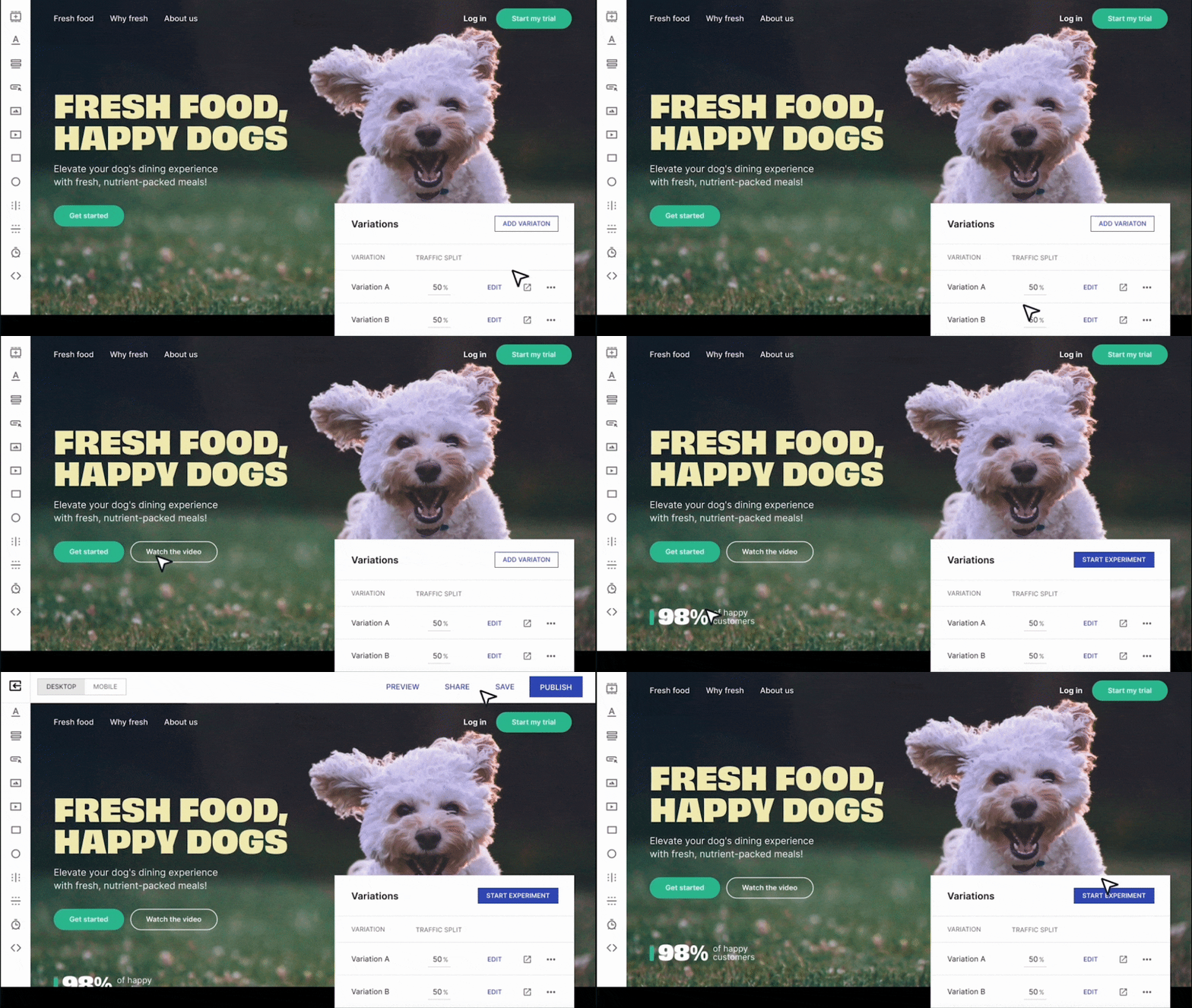
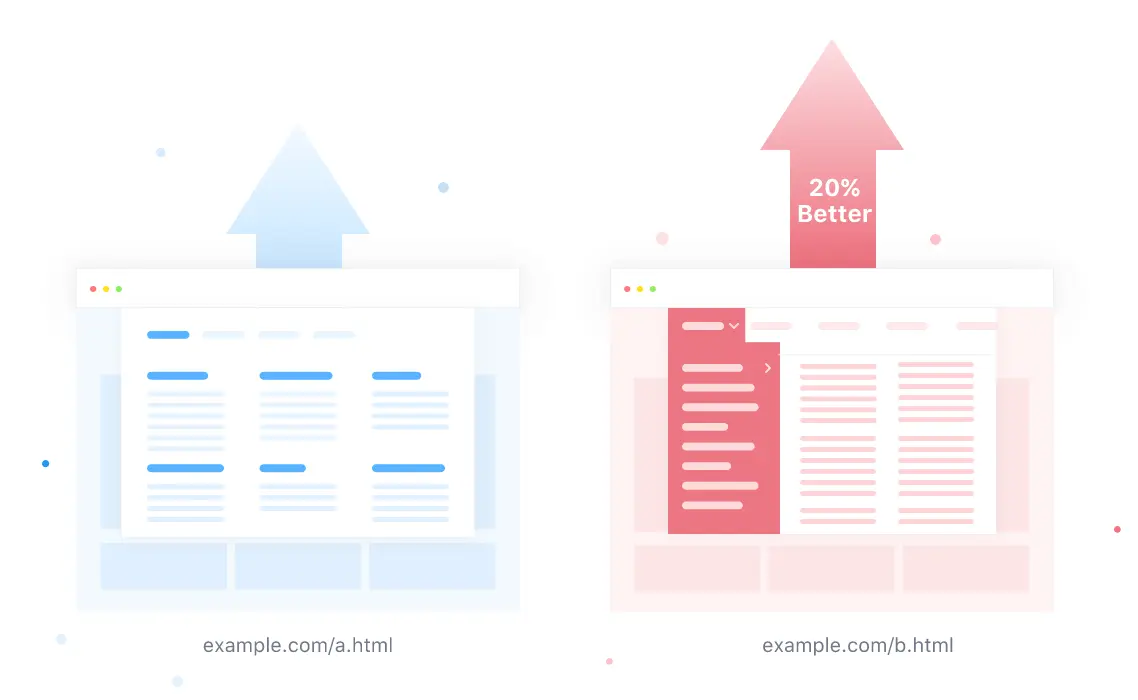
When conversion rates underperform, the traditional response of "starting from scratch" is increasingly viewed as inefficient and costly. Instead, industry leaders are turning to data-driven diagnostic methods, primarily A/B testing, to isolate underperforming elements and iterate toward success. A/B testing—also known as split testing—is the process of comparing two versions of a webpage or app against each other to determine which one performs better. By splitting traffic between variations, marketers can gain empirical evidence on which headlines, call-to-action (CTA) buttons, images, or layouts resonate most with their target audience.
The Strategic Importance of A/B Testing in Modern Marketing
The primary goal of A/B testing is to eliminate guesswork from the optimization process. In a typical scenario, a marketing team might debate whether a "Free Trial" button should be blue or green. Without testing, this decision is based on subjective opinion. With A/B testing, the decision is based on user behavior. This methodology allows brands to understand specific nuances of visitor psychology, such as which emotional triggers lead to a click and which layout structures reduce friction.

Beyond simple color changes, modern experimentation has evolved to include multivariate testing and AI-driven dynamic allocation. These advanced methods help marketers understand not just if a change worked, but why it worked. As organizations strive to maximize the Return on Ad Spend (ROAS), A/B testing has moved from a "nice-to-have" feature to a core component of the marketing technology stack. According to industry data, companies that take a structured approach to optimization are twice as likely to see a large increase in sales compared to those that do not.
A Chronology of Conversion Rate Optimization (CRO)
The practice of A/B testing has undergone a significant transformation over the last two decades. In the early 2000s, testing was a cumbersome process that required heavy involvement from IT departments and web developers. Changes had to be hard-coded, and data analysis was often performed manually using spreadsheets.
By the early 2010s, the rise of "visual editors" allowed non-technical marketers to make front-end changes to pages without writing code. This period saw the emergence of major players like Optimizely and VWO, which democratized experimentation. However, these tools often relied on "client-side" execution, which could sometimes lead to a "flicker effect" where the original page shows briefly before the variation loads, potentially skewing results.
In the current era (2020–2024), the focus has shifted toward "server-side" testing and AI integration. Server-side testing eliminates performance issues by rendering the variation on the server before it reaches the user’s browser. Furthermore, the integration of Artificial Intelligence has enabled "Multi-Armed Bandit" testing, where traffic is automatically diverted to the winning variation in real-time, minimizing the "regret" of showing a lower-performing version to potential customers.
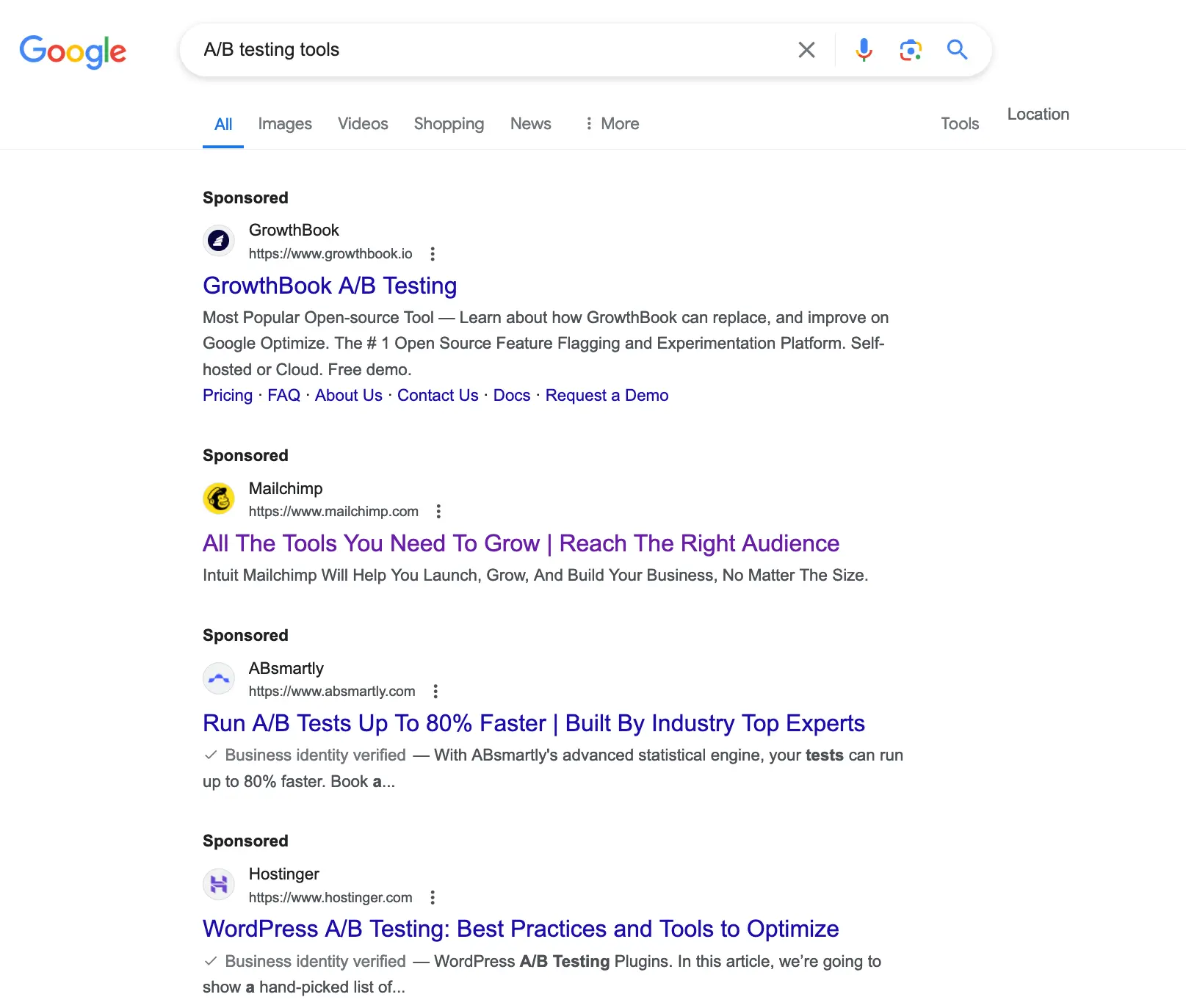
Evaluating the Leading A/B Testing Platforms
Deciding which platform to utilize for landing page testing requires a careful evaluation of technical capabilities, ease of use, and integration potential. The following tools represent the current gold standard in the industry, each catering to different organizational needs.
1. Instapage: The All-in-One Optimization Suite
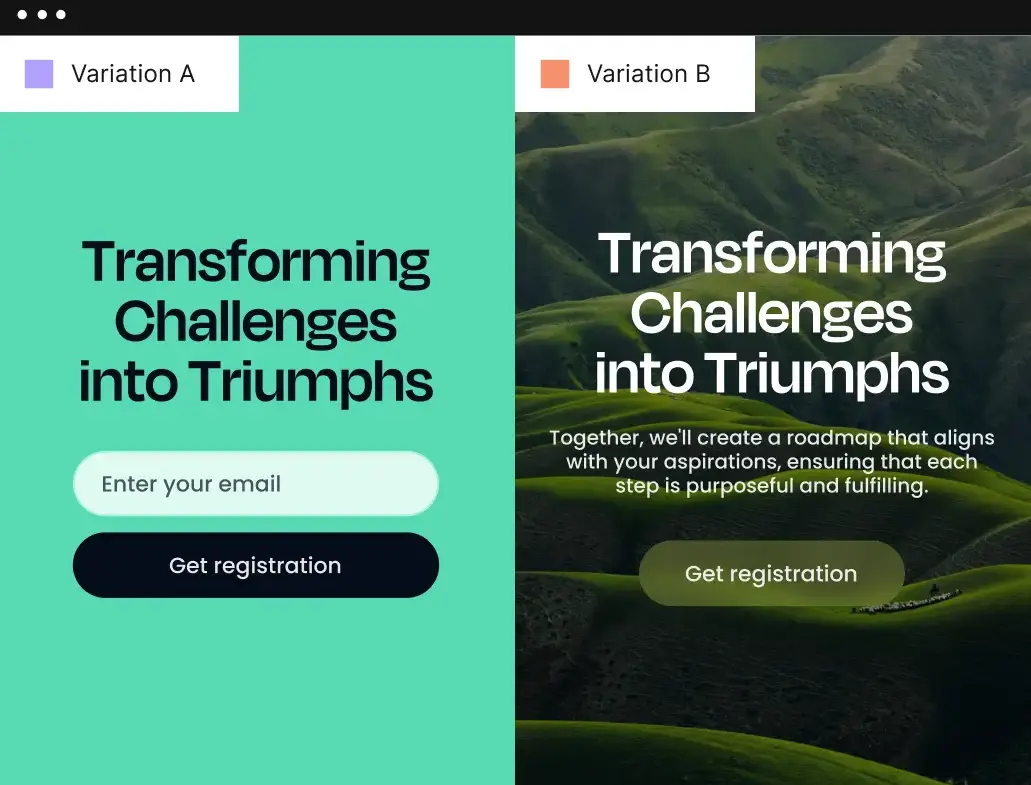
Instapage has positioned itself as a leader in the landing page space by focusing on "server-side experimentation." This approach ensures that tests do not slow down page load speeds—a critical factor for SEO and user experience. The platform’s robust analytics dashboard provides real-time insights into visitors, conversion rates, cost-per-visitor, and cost-per-lead.
One of the standout features of Instapage is its "AI Experiments" functionality. Unlike traditional A/B tests that split traffic 50/50 until a winner is declared, AI Experiments use dynamic traffic allocation. This means the system identifies the higher-performing variation early in the test and automatically directs more traffic toward it, thereby protecting the user’s conversion volume during the testing phase.
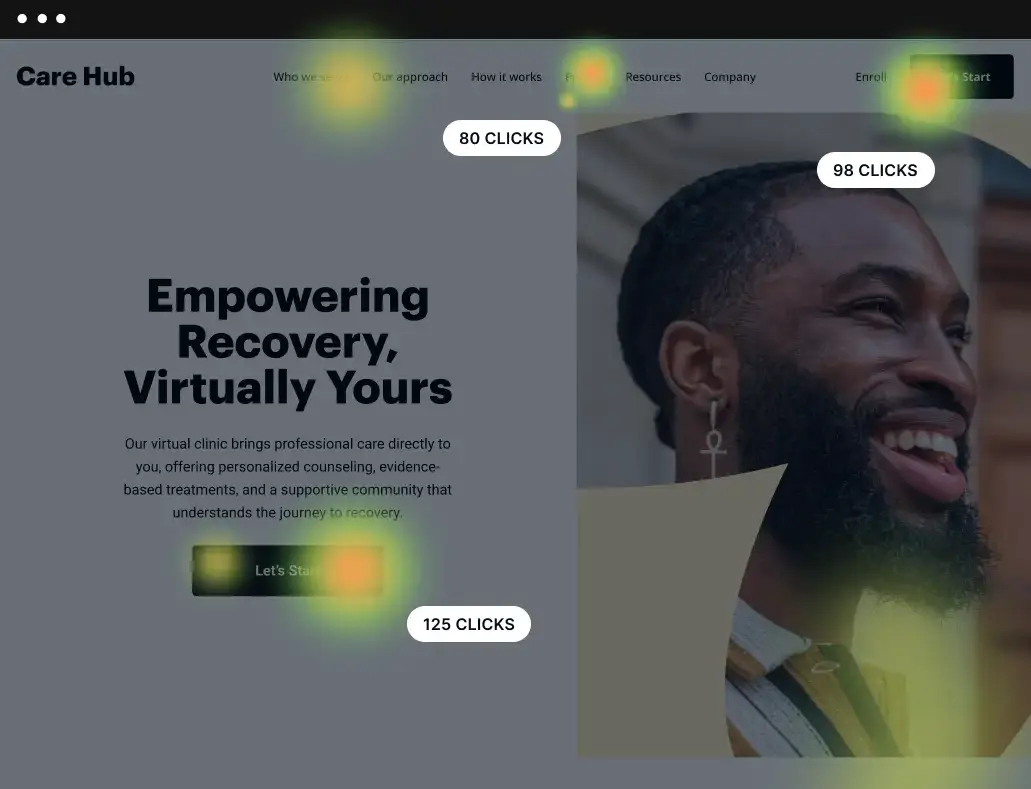
The platform also incorporates heatmaps, which allow marketers to track mouse movements, clicks, and scroll depth. This qualitative data serves as the "why" behind the quantitative "what" of A/B testing results. For example, a heatmap might reveal that users are clicking on an unlinked image, suggesting that the image should be turned into a CTA.
2. VWO (Visual Website Optimizer): The Funnel Specialist
VWO is recognized for its versatility, particularly in running "Split URL" tests. This is especially useful for testing radical changes, such as two entirely different designs or two different checkout flows located at different URLs. VWO’s platform is designed to track metrics across the entire conversion funnel, allowing marketers to see how a change on a landing page impacts downstream actions like sign-ups or purchases.
VWO utilizes a Bayesian statistical engine, which provides a "probability of being best" metric. This makes it easier for stakeholders to understand the results without needing a deep background in statistics. Their platform also includes session recordings and survey tools, providing a 360-degree view of the user journey.
3. Optimizely: Enterprise-Grade Experimentation
Optimizely remains a dominant force in the enterprise sector. Their "Web Experimentation" tool is designed for high-velocity testing environments where both marketers and developers are involved. Optimizely’s strength lies in its "low-code" extension templates and its ability to run experiments at the "network edge." By using edge computing, Optimizely delivers variations faster than traditional methods, which is vital for high-traffic global websites.
The platform also features embedded AI capabilities that can suggest copy variations for headlines and CTAs. For large organizations that require rigorous data governance and complex integration with other enterprise tools (like Salesforce or Adobe Analytics), Optimizely is often the preferred choice.
4. GrowthBook: The Open-Source Alternative
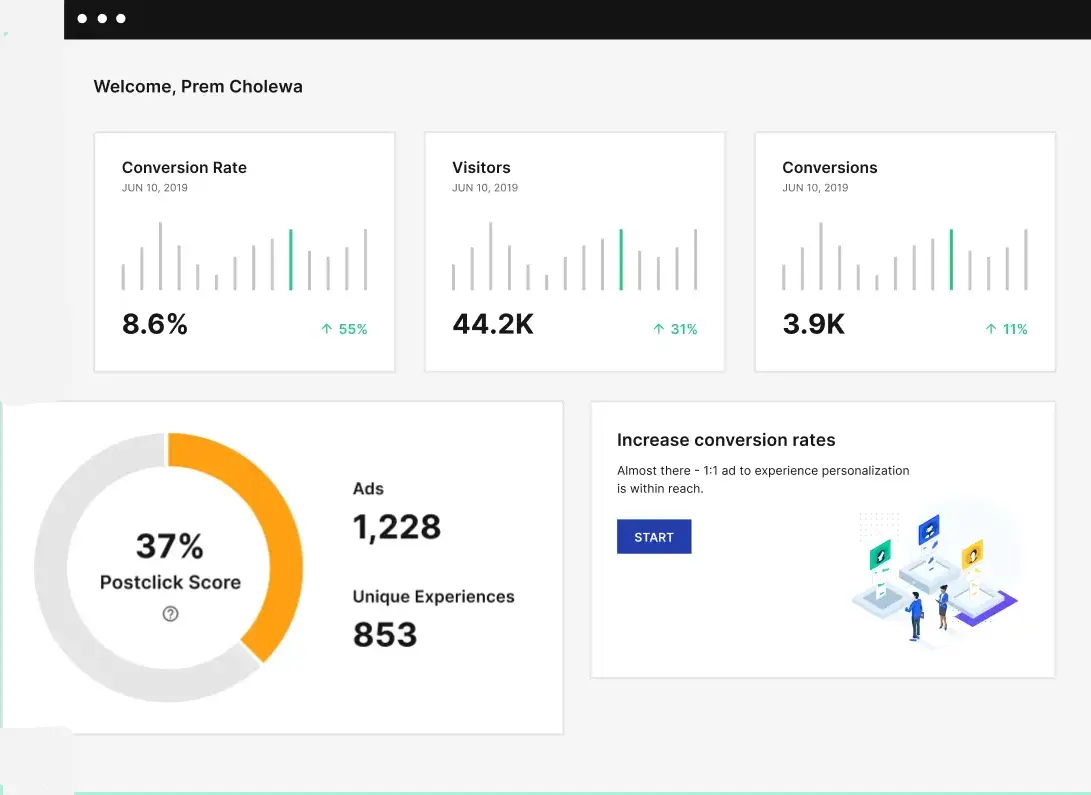
As data privacy and "vendor lock-in" become growing concerns for tech-savvy companies, GrowthBook has emerged as a popular open-source experimentation platform. GrowthBook allows companies to maintain full control over their data by integrating directly with their existing SQL data warehouses (such as Snowflake, BigQuery, or Redshift).
GrowthBook offers unlimited A/B testing and feature flagging, making it a favorite for product-led growth teams. It bridges the gap between marketing and engineering by providing no-code tools for simple changes while allowing developers to use powerful SDKs for complex feature testing.
Supporting Data: The Impact of Experimentation
The business case for A/B testing is supported by compelling data. A case study involving Verizon’s Digital Media Services (VDMS) team demonstrated the power of the Instapage testing suite. By validating which page elements performed best through consistent experimentation, the team was able to reduce their cost per conversion by more than 50%.
Furthermore, general industry benchmarks suggest that:
- Personalization: A/B tests that focus on personalized content can lead to a 10-15% increase in conversion rates.
- Speed: For every one-second delay in page load time, conversions can drop by 7%. Server-side testing tools help mitigate this risk.
- Consistency: Companies that perform at least five tests per month are 40% more likely to reach their conversion targets than those that test sporadically.
Official Responses and Industry Sentiment
Industry experts generally agree that the "era of the gut feeling" is over. "In a world where every click costs money, guessing is a luxury that brands can no longer afford," says one digital marketing strategist. The consensus among CMOs is that experimentation must be "baked into" the culture of the marketing department.
Major platforms like Google have reinforced this by shifting their own tools. With the sunsetting of Google Optimize in late 2023, the market saw a surge of migrations to the third-party tools mentioned above. This transition has forced many companies to re-evaluate their testing maturity and invest in more sophisticated, dedicated platforms.
Broader Impact and Future Implications
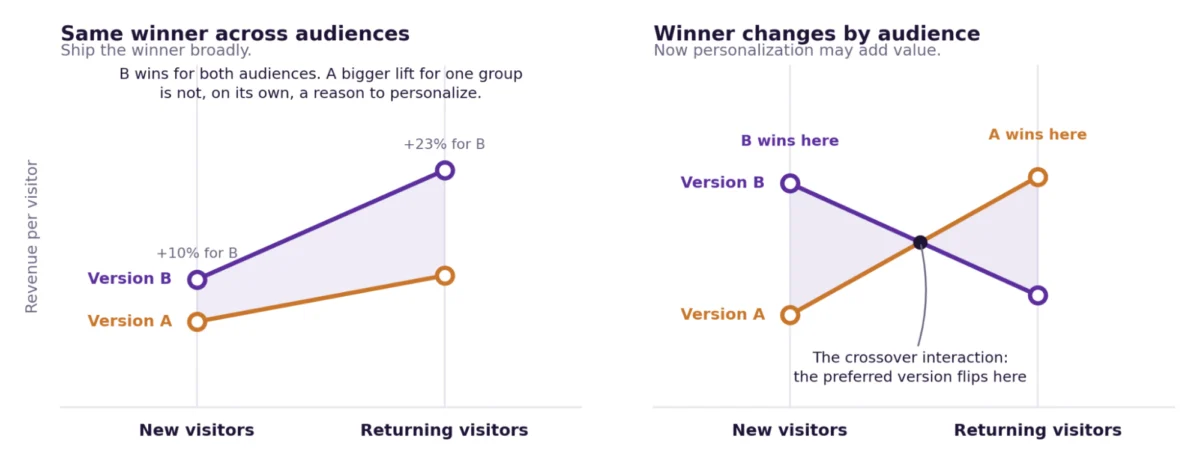
The future of landing page optimization is moving toward "hyper-personalization" powered by AI. We are moving away from a world where we test "Version A vs. Version B" for everyone. Instead, we are entering a world where the page dynamically assembles itself based on the individual user’s past behavior, demographic data, and referral source.
As AI continues to lower the barrier to creating content, the volume of variations that can be tested will explode. The challenge for marketers will shift from "what should we test?" to "how do we manage the vast amount of data generated by thousands of simultaneous tests?"
In conclusion, A/B testing is the cornerstone of a successful digital strategy. Whether using the no-code, AI-powered features of Instapage, the funnel-wide tracking of VWO, the enterprise scale of Optimizely, or the data-centric approach of GrowthBook, the goal remains the same: to turn visitors into customers through evidence-based optimization. Organizations that embrace these tools today will be the ones that dominate the digital marketplace of tomorrow.