The digital marketing landscape is undergoing a seismic shift, driven by the rapid evolution of artificial intelligence and search engine algorithms. For years, businesses have optimized their online content with a singular focus: ranking high on Google. This strategy, while effective for a time, is now proving to be a significant vulnerability. The rise of AI Overviews, local packs, and conversational AI tools like ChatGPT means that many search queries now resolve directly on the search results page, leading to a dramatic decrease in website clicks. This phenomenon, often termed "Google Zero," necessitates a fundamental rethinking of content strategy, moving away from a sole reliance on search engine visibility to a more resilient, multi-faceted approach.
The traditional SEO playbook revolved around creating content that fulfilled three core functions: satisfying user intent, demonstrating topical authority, and providing a positive user experience. As long as Google acted as the primary gateway to information, this model sustained website traffic and, by extension, business value. However, the introduction of AI-powered features has fundamentally altered this dynamic. AI Overviews, for instance, now condense information from multiple web pages into a single, immediate answer, reducing clicks by an estimated 58%, according to Ahrefs. Local packs provide essential business details without requiring a site visit, and tools like ChatGPT can directly answer user questions by synthesizing information.
This shift means that content designed purely for search engine visibility is becoming increasingly ineffective. When users receive their answers directly on the search page, the content fails to perform its secondary, yet crucial, functions: driving engagement, fostering brand recall, and serving as a resource for other business operations. Such content becomes inert, failing to be repurposed in sales conversations, shared across social media, or utilized in customer support. The core issue is not necessarily a lack of quality but rather a misalignment of content design with the evolving search environment.
The challenge ahead is to construct content strategies that deliver ongoing value, even as search rankings fluctuate and direct clicks diminish. This requires a proactive approach, focusing on how content can serve multiple purposes beyond its initial appearance in search results.

The Declining Dominance of Traffic as a Sole Metric of Success
The most effective content strategies today are those that can demonstrate their value independently of direct website traffic. This means content that is versatile, adaptable, and useful across various platforms and customer touchpoints. Such content can be easily integrated into email communications, empower sales teams to address customer inquiries, and be readily summarized by AI without losing its core meaning.
Key characteristics of this future-proof content include:
- Clarity and Conciseness: The ability to convey information directly and without ambiguity.
- Standalone Value: Each piece of content should make sense in isolation, not relying heavily on surrounding context.
- Adaptability: Content should be easily digestible and presentable in various formats, from short snippets to longer explanations.
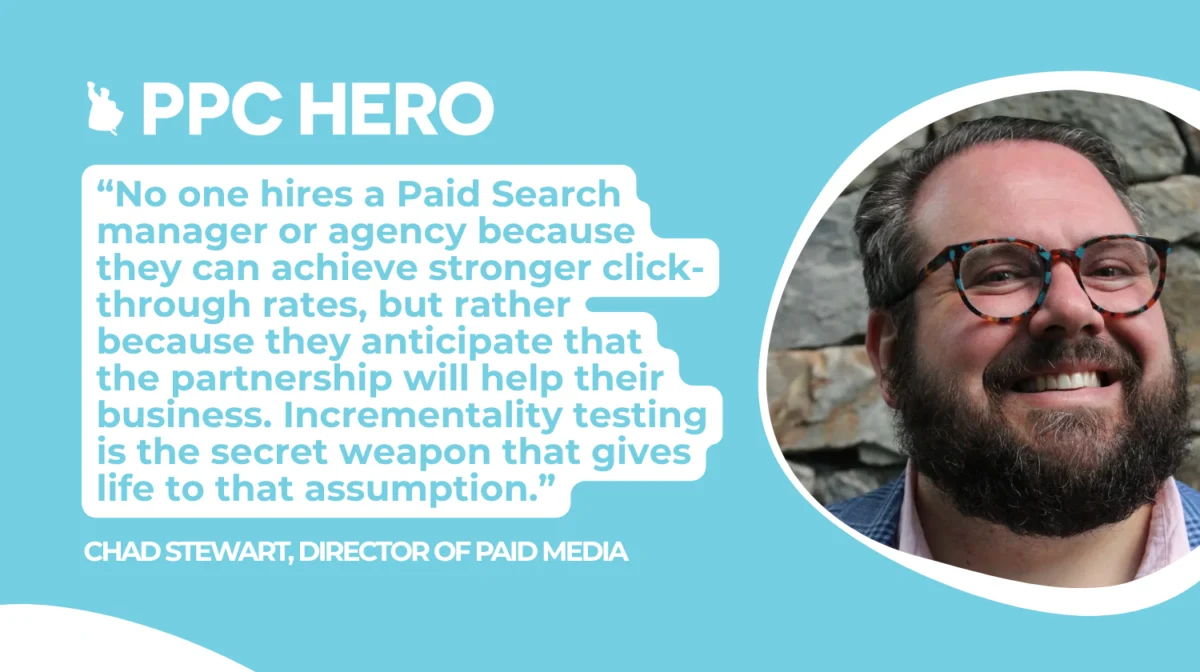
While search engines remain a vital channel for discovery, they are no longer the sole determinant of content effectiveness. The reality is that users increasingly consume information in fragments. Social media platforms are rife with shared snippets, sales teams embed relevant content into email responses, AI tools extract key takeaways, and customers often skim for the precise information they need. As Stephanie Yoder, Director of Content at Rebrandly, aptly states, "If your content only works when read top to bottom, it breaks as soon as that context disappears."
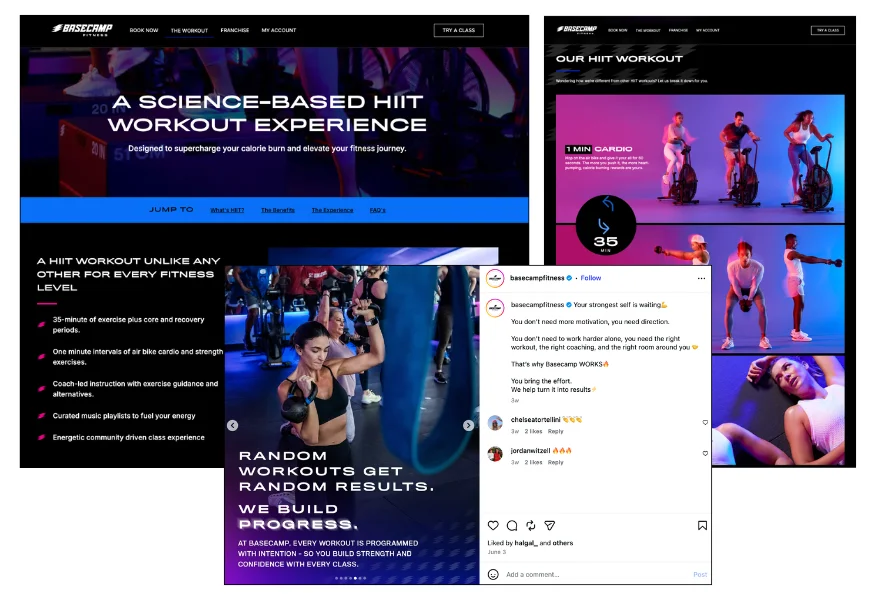
Consider Basecamp Fitness, a company that excels at explaining its class offerings, target audience, and new member expectations. This information is not confined to a single webpage. Instead, it is disseminated through various channels: staff use it in emails, social media posts address common queries, and it informs sales conversations with potential clients. While search traffic helps users discover this information, the content’s utility is not dependent on it. Its inherent clarity and accessibility ensure its continued relevance and usefulness across multiple touchpoints.
Crafting a Resilient Content Strategy for the AI Era
Navigating the evolving search landscape requires a deliberate shift in content creation and strategy. The goal is to build an information architecture that not only attracts users via search but also thrives in a multi-channel environment.
Prioritizing Reusability Over Ranking
The most critical paradigm shift is to design content for reuse first, and then optimize it for search engines. Historically, content creation often began with keyword research, building outward from search terms. A future-proof strategy reverses this process. It starts with clearly explaining a concept or answering a question, and then refines that explanation for search engine discoverability.
Keyword-first content assumes a linear reading experience, where a user begins at the top and consumes the entire article. This assumption is increasingly flawed. Reuse-first content, conversely, anticipates that a user might only encounter a single section. This fundamental difference influences writing style:
- Directness: Get to the point immediately. Avoid lengthy introductions or narrative buildup that might be lost in translation.
- Self-Sufficiency: Each paragraph or section should be understandable on its own.
- Clarity over Cleverness: While engaging language is important, it should not come at the expense of clear, unambiguous meaning.
A simple test for content resilience is to paste a paragraph into a messaging app like Slack or ask an AI to summarize it. If the meaning becomes distorted or nonsensical, the content is fragile. Relying on suspense or intricate framing can be detrimental when context is removed. Clear, straightforward explanations, however, retain their integrity.
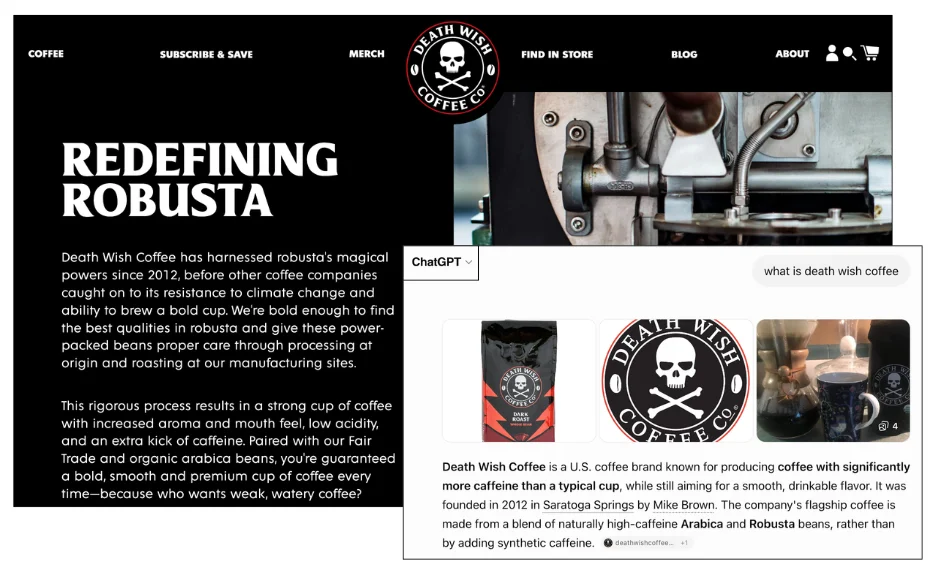
Death Wish Coffee exemplifies this approach. Their content meticulously explains aspects like caffeine levels, sourcing practices, and product distinctions in plain language. These explanations remain effective whether presented as a few lines in an email or as part of an AI-generated summary. The clarity of the information ensures that essential meaning is preserved, regardless of the consumption context.
Building Around Core Assets, Not Ephemeral Blog Posts
A more robust content strategy centers around "core assets" – foundational pieces of content designed to serve multiple business functions simultaneously. These are typically pages that directly address recurring customer questions and provide comprehensive explanations of the business’s offerings and operations. Examples include:
- "How it works" pages: Detailing service delivery or product usage.
- "About Us" pages: Explaining company values and mission.
- Pricing and Service pages: Clearly outlining offerings and costs.
- FAQ sections: Addressing common customer inquiries.
These core assets are naturally reused because they provide answers to genuine user needs. Each asset can support various business functions, such as:
- Customer Support: Providing clear answers to common questions.
- Sales: Equipping sales teams with reliable information for prospect engagement.
- Marketing: Serving as a foundation for social media content and email campaigns.
- AI Summarization: Offering a reliable source for AI-generated overviews.
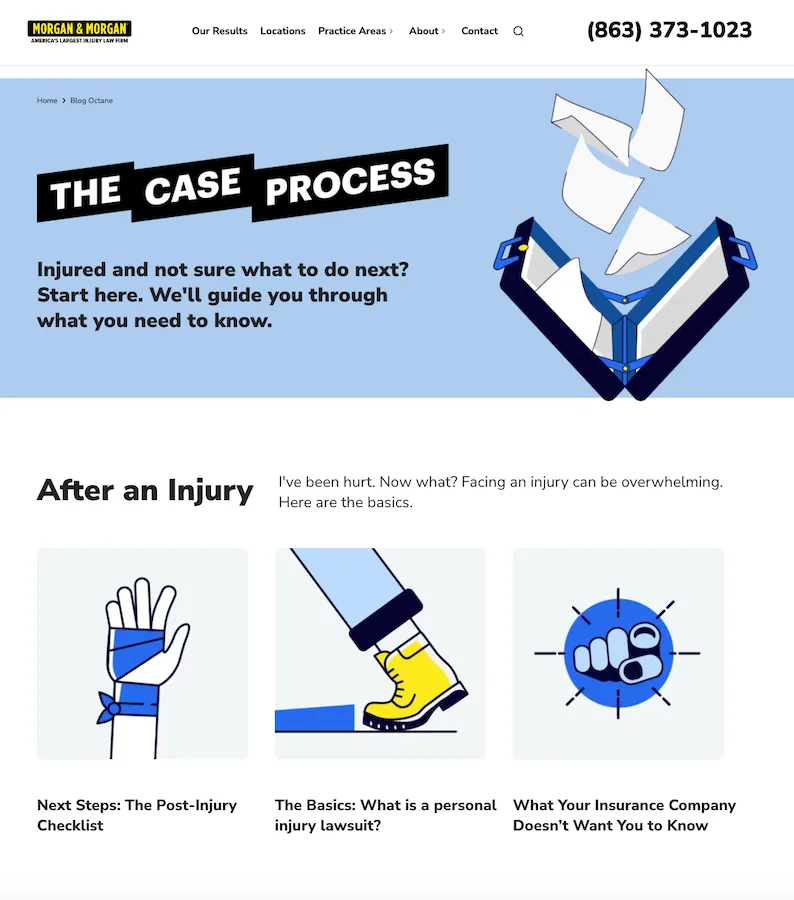
As Stephanie Yoder observes, "Disposable blog posts chase narrow queries. Core assets explain how the business actually operates." Morgan & Morgan, a law firm, illustrates this principle with its clear explanations of legal processes. Content detailing what happens after an accident, how claims progress, and typical timelines is not merely for search engines. It is actively used in intake emails, consultation preparation, and client follow-ups, ensuring that the firm’s expertise remains accessible and valuable even as search trends evolve.
Integrating Distribution Channels for Sustained Value
When search traffic inevitably fluctuates, content should not become irrelevant. It must already be actively working within other, more controlled distribution channels. This includes email, social media, video, and the emerging realm of AI-driven content summarization. Each channel has its unique characteristics, and content must be tailored accordingly.
Email: Cultivating Relationships Through Content
Email marketing transforms content from a static publication into a dynamic tool for relationship building. Within emails, content becomes part of ongoing communication, appearing in follow-ups, onboarding sequences, and direct customer support messages. This environment rewards clarity and enduring relevance over fleeting trends. A well-crafted explanation can serve for years, whereas a time-sensitive post might become obsolete after a single send.
Content optimized for email typically exhibits these traits:
- Direct and Actionable: Provides clear information that helps the recipient understand or decide.
- Concise: Respects the reader’s time and attention span.
- Relevant: Addresses specific needs or interests of the recipient.
Brick Underground, a real estate resource, creates clear explanations of housing-related topics. These explanations are frequently repurposed for their newsletter, reaching renters and buyers directly. Even if individual articles’ search rankings diminish, the core information continues to connect with the audience through a channel where established relationships already exist.
Social Media: A Crucible for Clarity
Social media is not a platform for lengthy articles; it is a proving ground for ideas. The fast-paced nature of social media demands clarity and conciseness. Vague or confusing content is quickly overlooked, while clear explanations are more likely to be saved, shared, or spark discussion. This makes social media an invaluable feedback mechanism, revealing:
- Audience Engagement: What resonates and what falls flat.
- Clarity of Messaging: Whether explanations are easily understood.
- Potential for Virality: Content that is shareable and engaging.
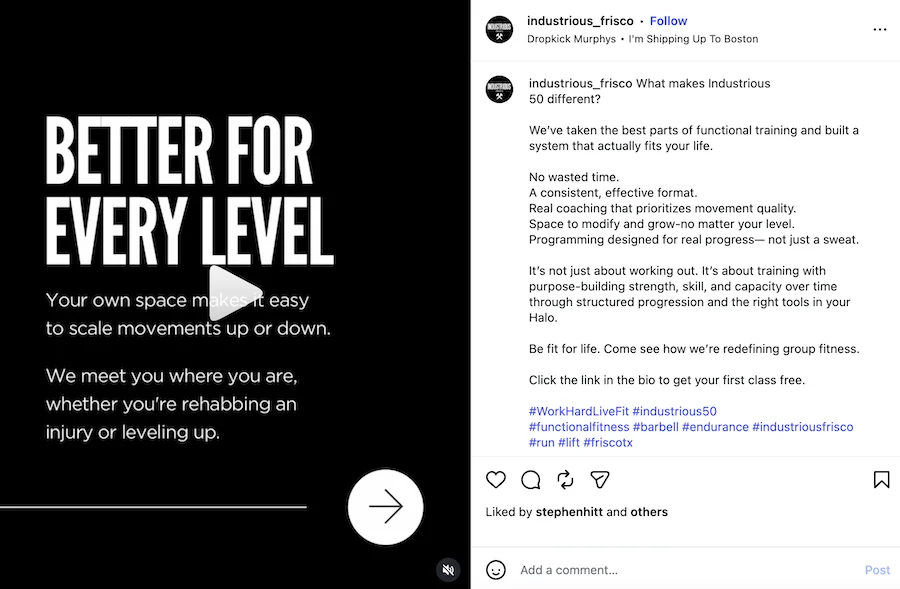
Content that thrives on social media often possesses the inherent clarity required for broader reuse. Industrious Frisco, a fitness business, exemplifies this by sharing information about its unique approach and workouts through captions, carousels, and short posts. The core messaging from their website seamlessly translates to social platforms, demonstrating that content can be effective across multiple surfaces.
Video: Enhancing Comprehension and Memorability
Video offers a condensed and engaging way to convey information, particularly for new customers seeking to understand a service or product. Short videos can often achieve the same explanatory impact as lengthy text, while the visual and auditory elements can foster a stronger sense of trust and familiarity.
The real power of video in a resilient content engine lies in its reusability. A well-explained concept can be filmed in various ways:

- Short explainer videos: For quick overviews.
- Customer testimonials: Demonstrating value in practice.
- Live Q&A sessions: Directly addressing audience questions.
Consistency in explanation, regardless of format, is key. A clear, simply filmed explanation is more valuable than a polished production that lacks substance. Beardbrand Barbershop showcases this by offering grooming explanations in various formats – short videos, text, and transcripts. The accuracy of the explanation remains consistent, ensuring that customers receive reliable information whether they engage with the content on YouTube or elsewhere.
Redefining Success Metrics Beyond Website Traffic
The decline in search traffic can trigger panic if traffic is perceived as the ultimate outcome rather than a valuable signal. In a future-proof content strategy, traffic serves as context, informing us about user discovery, but it is not the sole measure of content’s value. More meaningful metrics focus on how content is actively being used.
Assisted Conversions
Assisted conversions track content’s role in the customer journey, even if it wasn’t the final touchpoint before a conversion. For example, a user might initially discover a product through a blog post (an assisted conversion), later engage with an email campaign, and finally make a purchase. The initial blog post, though not the last click, played a crucial role in the decision-making process.
Email Engagement
When content is repurposed for email, engagement metrics like replies, forwards, and click-through rates provide tangible evidence of its usefulness. These actions indicate that the content is not only being read but is also helping recipients understand information and make decisions.
Sales and Support Usage
Internal adoption is a powerful indicator of content’s real-world value. If sales or customer support teams frequently share a specific page or piece of content with customers, it signifies that the content is trusted, effective, and actively contributing to business objectives. The number of views becomes less significant than the demonstrated utility for internal teams.
Brand Search Growth
When content effectively explains a business’s offerings and values, it can lead to increased brand recognition. This often manifests as a rise in branded searches, where users move from generic queries to searching directly for the company’s name. This indicates that the content has successfully built brand awareness and recall.
Accuracy of AI Summaries
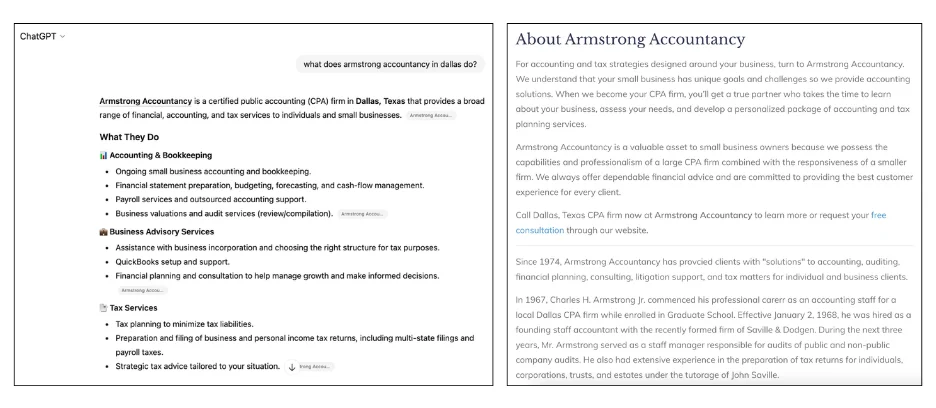
The way AI tools interpret and summarize a business’s content offers another critical insight. Accurate and consistent AI summaries suggest that the underlying content is clear, specific, and well-structured, making it easily digestible and reusable by artificial intelligence.
Transitioning to a Future-Proof Strategy Without Jeopardizing SEO
The transition to a new content strategy should be viewed as an enhancement or "refactoring" rather than a complete overhaul. The aim is to build upon existing strengths while adapting to new realities.
Prioritize High-Performing Content
The easiest path to success lies in identifying and enhancing content that already demonstrates multi-channel utility. Look for pages that:
- Are frequently shared or referenced.
- Form the basis of customer support responses.
- Are easily adaptable for social media or email.
Content that is already performing multiple jobs is the ideal starting point for optimization. Instead of focusing on underperforming pages, leverage the existing success of versatile content.

Refine Introductions for Clarity
Many content pieces falter during reuse due to vague or attention-grabbing introductions that fail to convey core meaning. SEO-focused intros often aim to warm up the reader or build suspense, which is less effective when only the opening lines are consumed. A future-proof intro should immediately answer three key questions:
- What is this about? (The core topic or subject.)
- Who is it for? (The intended audience.)
- What will they learn? (The key takeaway or benefit.)
Explicitly stating this information makes the content more accessible for reuse in emails, sales replies, and AI summaries.
Structure Content for Extractability
Content written as a single, flowing narrative can be challenging to repurpose. Implementing clear structural elements provides natural breakpoints for extraction:
- Clear Headings and Subheadings: Organize information logically.
- Short Paragraphs: Improve readability and ease of comprehension.
- Bullet Points and Lists: Present information in digestible chunks.
- Glossaries or Definitions: Clarify complex terms.
These structural additions do not increase complexity; they make information easier to extract and understand in various contexts.
Repurpose Before Creating New Content
Before embarking on new content creation, prioritize repurposing existing high-performing assets. A single robust page can be transformed into:
- A series of social media posts.
- An email newsletter segment.
- A short video script.
- An infographic.
This repurposing process forces a critical examination of the content’s clarity and adaptability. If an explanation doesn’t hold up during reuse, it signals a need for revision before new content is produced.
Integrate Distribution into the Workflow
Distribution should not be an afterthought. A more effective workflow begins with the question: "Where else will this explanation live?" If there is no clear answer or plan for distribution beyond the initial publication, the content might not be necessary yet.
Nick’s Pizza & Pub exemplifies this integrated approach. Their content clearly explains their food preparation, company values, and customer expectations. This explanation is not confined to their website but extends to social media, local press mentions, and AI summaries. The content’s success stems from its clarity and practicality, enabling it to travel effectively across various platforms without relying on SEO trickery.
Future-Proofing Content Strategy for an AI-Driven Landscape
Traffic volatility is an inherent characteristic of the digital age, exacerbated by AI advancements. The true risk lies not in fluctuating search rankings but in content designed for a single purpose. Businesses that embrace a future-proof content strategy – one built on reuse, clarity, and strategic distribution – will create content engines that continue to deliver value, adapt to evolving search behaviors, and thrive even when direct clicks become less frequent. This strategic evolution ensures that content remains a powerful asset, driving engagement and supporting business objectives in a dynamic digital world.