Email senders are currently navigating a significant recalibration of their engagement metrics, as Gmail users report substantial declines in open rates over recent months. Data compiled by Validity, a leading authority in email deliverability, confirms these observations, revealing a notable drop in Gmail image loading activity, including tracking pixels, by approximately one-third in late November 2025. This downturn, with some Validity customers witnessing quarter-over-quarter drops exceeding 30 percent, signals a profound shift in how email engagement is measured and understood within the Google ecosystem.
The primary catalyst for this widespread decline is widely speculated by industry experts to be a reduction in the frequency of image prefetching by Gmail. Since 2013, Gmail has routed image loading, including the tiny tracking pixels used to register email opens, through its proxy servers. A decrease in this prefetching activity directly translates to fewer recorded opens, even if the actual readership or human interaction with emails remains unchanged. This technical adjustment, while seemingly minor, holds significant implications for email marketers who have long relied on open rates as a cornerstone metric for campaign performance and audience engagement. However, this technical change is merely one facet of a broader, more intentional evolution of the Gmail platform, which has progressively pushed senders towards a focus on active, genuinely engaged subscribers.

The Shifting Sands of Email Engagement: A Chronology of Gmail’s Changes
The current landscape for email marketers is not an isolated incident but rather a continuation of a trend seen across major mailbox providers. Validity previously investigated similar engagement declines at Apple and Yahoo, where new functionalities and stricter enforcement of sending requirements reshaped the inbox. Apple’s introduction of inbox categories, digest views, groupings, and AI summaries, alongside Yahoo’s stricter adherence to bulk sender guidelines, served as early indicators of this industry-wide shift. Gmail, too, has been on a trajectory of significant inbox transformation over the past two years, culminating in the recent dramatic shifts.
A crucial backdrop to the current situation is Apple Mail Privacy Protection (MPP), introduced in 2021. MPP fundamentally altered open rate metrics by pre-loading emails via proxy servers, generating "false opens" regardless of whether the user actually viewed the email. This led to an artificial inflation of open rates, a phenomenon further complicated by the fact that many Gmail users access their accounts through Apple Mail applications. The recent changes at Gmail, particularly the reduction in image prefetching, are seen as a counter-measure or, at the very least, a corrective force against this artificial inflation, moving towards a more accurate reflection of user engagement.

The timeline of recent Gmail developments underscores a concerted effort by Google to enhance user experience, combat spam, and promote meaningful engagement:
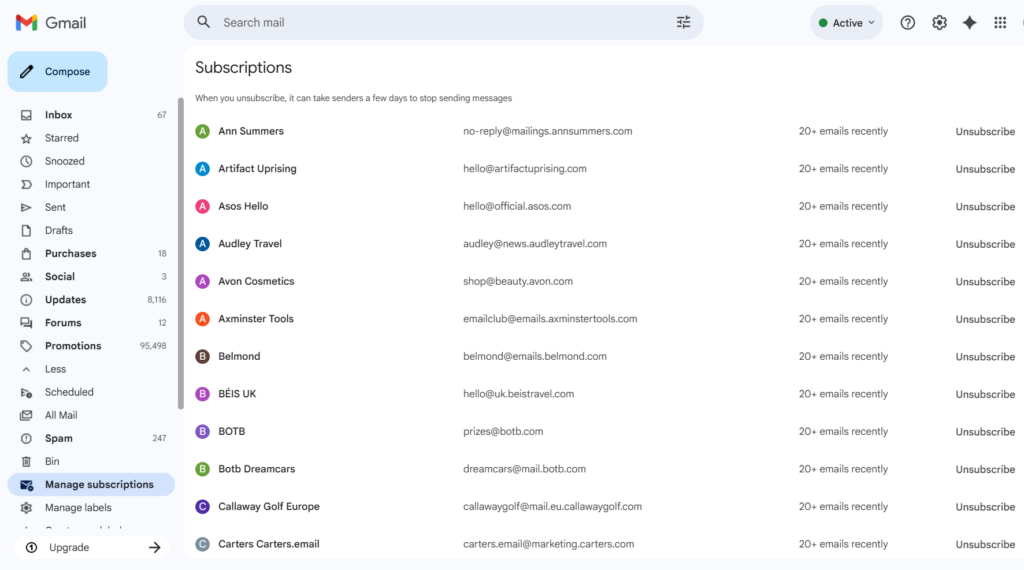
- Mid-2025: The rollout of the Subscriptions Manager feature began, providing users with a centralized dashboard to manage their email subscriptions and unsubscribe with a single click, without even opening an email. This empowered users with greater control over their inboxes, inevitably leading to list shrinkage for less valued senders.
- Late 2025:
- Increased enforcement of bulk sender requirements became effective. Gmail transitioned from a "soft enforcement" approach to actively rejecting non-compliant bulk email traffic, resulting in a rise in hard SMTP-level rejection codes.
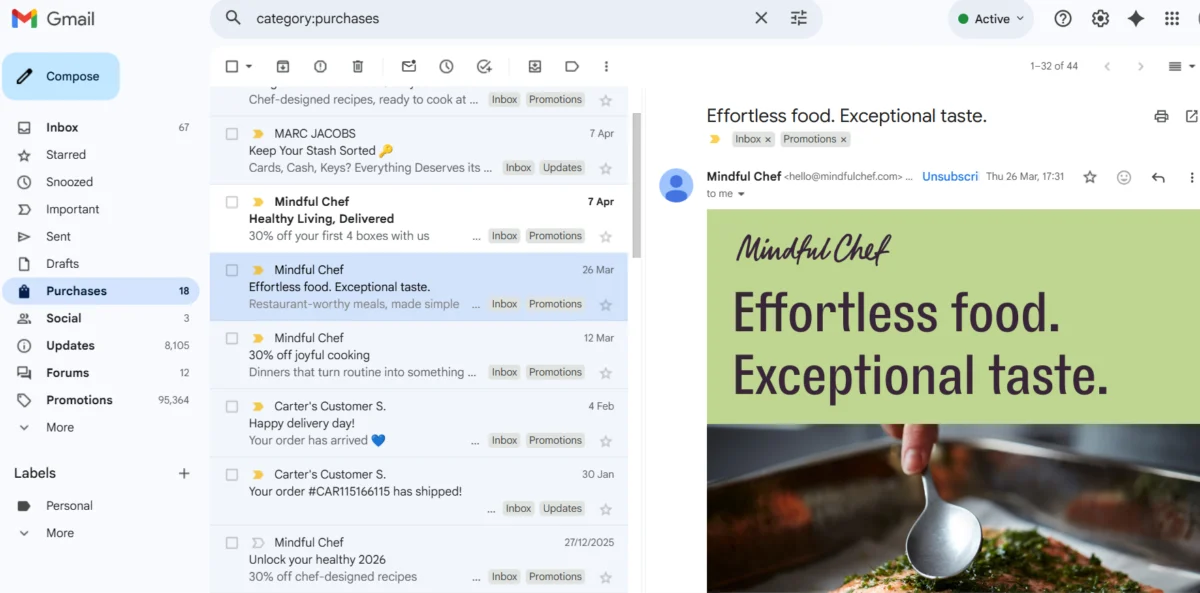
- The Purchases tab was introduced, designed to consolidate transactional emails like order confirmations and shipping updates into a separate, dedicated view.
- The most immediate impact on open rates came from the likely reduction in image prefetching, as observed by Validity’s data.
- January 2026:
- Gmail began rolling out AI-generated email summaries, presenting users with 1-2 sentence snippets capturing the main message upon opening an email.
- The integration of Gemini introduced conversational, natural-language search capabilities across the Gmail inbox, allowing users to query their email history and extract information without needing to open individual messages.
These successive changes paint a picture of an inbox environment that is increasingly intelligent, user-centric, and privacy-conscious, demanding a corresponding evolution in email marketing strategies.
Beyond the Open: Deconstructing the Decline
The plummeting open rates, while initially alarming, are viewed by many as a necessary correction, moving towards a more accurate representation of actual user interaction. The absence of similar declines in click-through rates and revenue metrics among many senders suggests that genuine engagement remains, but the traditional "open" metric has become less reliable.
-
Reduced Image Prefetching and Pixel Tracking: This is the most direct technical cause of the reported open rate drops. By reducing the frequency with which it preloads images, Gmail directly impacts the activation of tracking pixels embedded within emails. These pixels, often a single-pixel transparent image, are designed to load when an email is opened, registering an "open" event. If Gmail’s proxy servers no longer prefetch these images as consistently, the recorded open count will naturally decrease, irrespective of whether a human eye actually saw the email. This forces marketers to reconsider the efficacy of open rates as a standalone performance indicator.
-
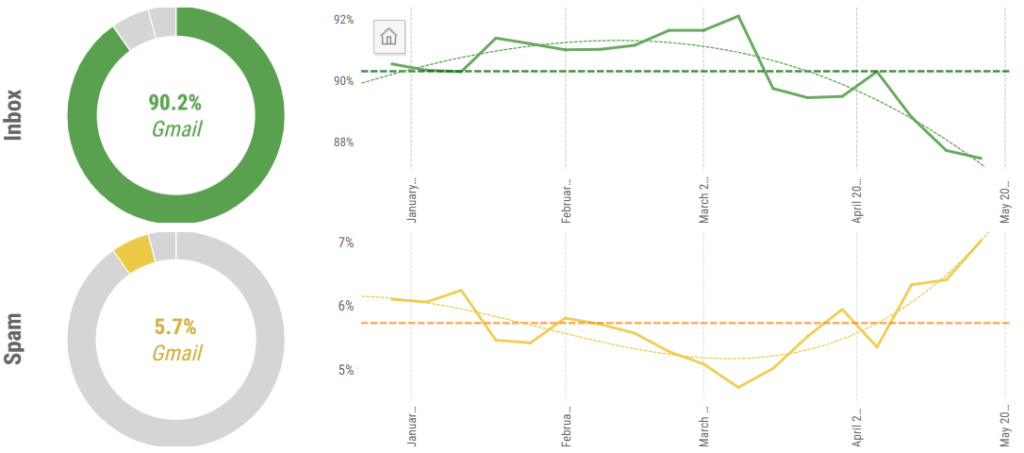
Stricter Bulk Sender Guidelines: Google’s shift from soft to hard enforcement of its bulk sender requirements in late 2025 has had a tangible impact on deliverability. According to the Validity Intelligence Network, Gmail inbox placement rates have seen an approximate three percent drop over the past few months. Non-compliant emails are now actively rejected at the SMTP level, meaning they never reach the inbox, let alone get opened. These guidelines, encompassing technical standards like DMARC (Domain-based Message Authentication, Reporting & Conformance) and List-Unsubscribe headers, as well as maintaining low complaint rates, are crucial for sender reputation. Any deviation now results in direct rejection, fundamentally affecting the pool of emails that could potentially be opened. Marketers must meticulously review their compliance across all elements of Google’s guidelines, leveraging tools like Google Postmaster Tools V2 to monitor status indicators and bounce logs for specific non-compliance error codes.
-
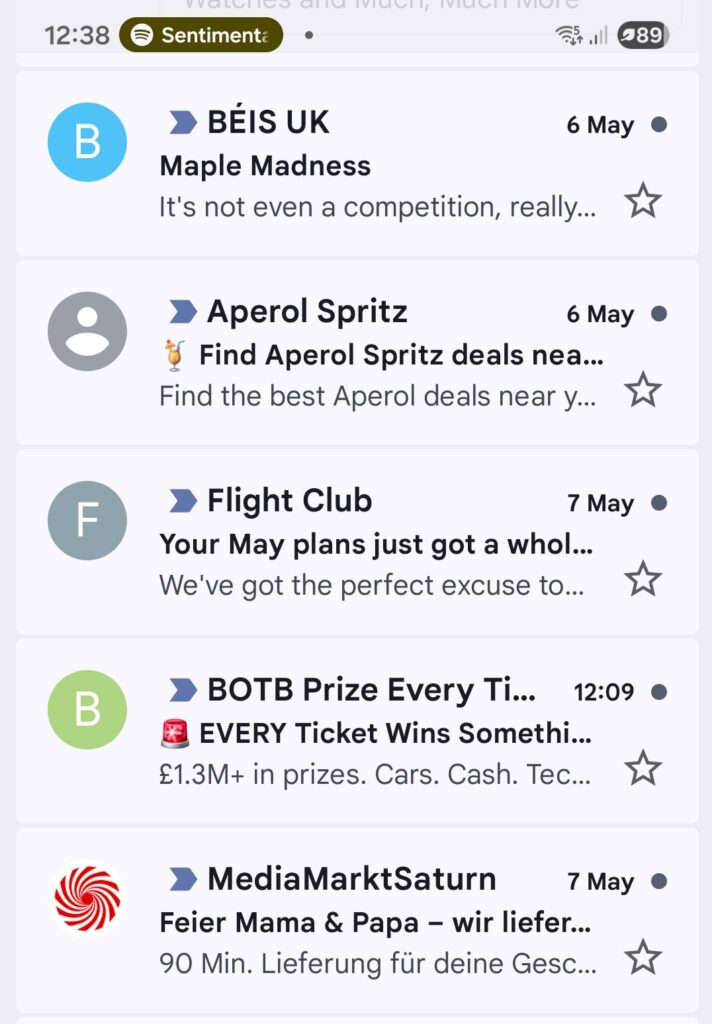
Algorithmic Shift in the Promotions Tab: Gmail’s decision to sort the Promotions tab by engagement rather than recency profoundly alters message visibility. Senders with lower engagement signals find their emails pushed further down the tab, significantly decreasing their likelihood of being seen and opened. This creates a self-reinforcing cycle: lower visibility leads to fewer opens, which in turn further degrades engagement signals, pushing emails even lower. The implication is clear: personalization and content relevance are no longer just "nice-to-haves" but direct drivers of deliverability and discoverability. Generic broadcast campaigns will struggle in this new environment. The recommended response is aggressive segmentation of Gmail recipients based on engagement recency and implementing stricter suppression thresholds for inactive segments.
-
The Double-Edged Sword of Auto-Annotations: Gmail’s ability to automatically extract deal details, images, and discount codes from promotional emails and display them as rich previews in the Promotions tab, even without explicit Annotations markup, presents a paradox. While it can increase initial visibility, it can also remove the incentive for a subscriber to actually open the email. If the core offer – a discount code or a key product image – is visible in the preview, the email’s primary job might be done without an "open" being registered. Marketers are advised to implement Annotations themselves to gain full control over what information is surfaced and to test offers that require a click, rather than merely providing a visible discount code in the preview.
-
AI’s Influence on Inbox Interaction:

- AI-Generated Summaries (January 2026): These 1-2 sentence snippets, displayed automatically when emails are opened, aim to provide a quick understanding of the message’s core. The impact on open rates is debated: some intelligence suggests potential auto-opening for summarization, which could inflate metrics, while others argue that if users get what they need from the summary, they have less reason to delve into the full email, thus depressing open rates. Regardless, the strategy for senders must involve front-loading value and a clear call to action in the email’s opening lines, ensuring the summary encourages further interaction rather than replacing it.
- Gemini Integration for Inbox Search and Management (January 2026): The introduction of conversational, natural-language search via Gemini allows users to query their email history ("What discount codes do I have for sportswear?") and receive compiled answers from multiple emails without opening any of them. This represents another significant shift away from the traditional model of individual email interaction. Marketers with time-sensitive content must structure it to be easily legible to AI extraction, utilizing specific deadlines, named actions, structured data markup, and clean HTML. This feature is expected to disproportionately impact low-engagement senders, further reducing human interaction and potentially exacerbating disengagement.
-
Enhanced User Control:
- Subscriptions Manager (Mid-2025): By listing all marketing senders by frequency and offering one-click unsubscribes, this feature directly facilitates list hygiene for users. While it may lead to a smaller list, the remaining subscribers are likely more engaged. Senders with high sending frequency should evaluate if reducing cadence is feasible without impacting revenue. Brands using multiple "From" addresses should ensure unique List-Unsubscribe headers for each stream, allowing subscribers to opt down rather than opting out entirely.
- Email Address Change Feature: Gmail’s capability for users to change their email addresses means that marketing emails sent to previous addresses will no longer reach an active inbox. These addresses will eventually hard bounce or become sources of sustained non-engagement. Marketers should monitor these signals and implement robust engagement-based suppression thresholds. This change also highlights the need for relationship-building strategies that transcend the email address itself, such as loyalty programs and first-party identity resolution.
-
Persistent Technical Challenges:
- Message Clipping: Not a new issue, but remains critical. Gmail typically clips messages with HTML file sizes exceeding 1,024 bytes. Content beyond this limit is not displayed unless specifically requested by the user. If open tracking pixels are placed at the end of the file, they won’t trigger if the message is clipped. Moreover, critical elements like unsubscribe links, often found in footers, can also be clipped, leading to increased spam complaints. Senders must rigorously review email HTML sizes during QA to stay below the 1KB threshold and strategically place tracking pixels as early as possible in the HTML.
- Misrouted Emails (Purchases Tab): While the Purchases tab is intended for transactional emails, promotional emails sometimes inadvertently land there, especially if they contain detailed content about delivery policies. This misclassification can depress open rates from subscribers who don’t expect to find marketing messages in this tab, and it can erode trust if recipients haven’t recently purchased from the brand. Maintaining clear separation between transactional and promotional streams through distinct "From" addresses, sub-domains, subject line conventions, and content structures is paramount.
-
The Inevitability of Inactive Account Deletion: Google’s policy to delete accounts inactive for two years or more serves as a stark reminder for list hygiene. "Activity" includes various Google service uses, not just email. While most diligent marketers suppress inactive addresses long before this two-year mark, this policy underscores the importance of maintaining an engaged, active subscriber list to avoid sending to dead addresses, which negatively impacts sender reputation and deliverability.
Implications for Email Marketers: A New Paradigm
The collective impact of these Gmail developments is a paradigm shift for email marketers. The traditional open rate, once a seemingly straightforward metric, is now riddled with complexities and artificialities. The focus must irrevocably shift from vanity metrics to genuine, demonstrable engagement that translates into clicks, conversions, and revenue.
- Prioritize Engagement Quality Over Volume: The era of mass broadcasting to large, unsegmented lists is effectively over. Marketers must cultivate highly engaged segments, focusing on delivering relevant, personalized content that resonates with individual subscribers. This means more aggressive list hygiene, suppressing inactive users, and employing sophisticated segmentation strategies.
- Meticulous Technical Compliance: Adherence to Gmail’s (and other mailbox providers’) bulk sender guidelines is non-negotiable. DMARC, List-Unsubscribe, and low complaint rates are foundational for maintaining sender reputation and ensuring emails even reach the inbox. Regular audits and monitoring via tools like Google Postmaster Tools are essential.
- Content and Design for the AI-Driven Inbox: Email content must be crafted with an understanding of how AI will interpret and summarize it. Front-loading value, using clear calls to action, structured data markup, and concise, clean HTML are critical. The goal is to make content both easily digestible by AI and compelling enough to drive clicks, even if the primary offer is visible in a preview or summary.
- Embrace Multi-Channel Strategies: As email interaction becomes more nuanced and less reliant on a single "open" event, marketers must develop comprehensive strategies that extend beyond the email address. Loyalty programs, first-party identity resolution, and progressive profiling can build stronger customer relationships that are resilient to changes in email platform functionality.
- Re-evaluate Performance Metrics: While open rates may still provide directional insight into list health, they should no longer be the sole, or even primary, measure of success. Metrics such as click-through rates, conversion rates, revenue per email, and customer lifetime value become more critical indicators of campaign effectiveness.
Expert Reactions and Industry Outlook

Industry experts, including those at Validity, largely agree that Gmail is not "broken" but rather evolving to meet the demands of a more discerning user base and a more complex digital landscape. This evolution, while challenging for marketers, ultimately fosters a healthier email ecosystem by rewarding relevance and penalizing irrelevance. The consensus is that marketers who view these changes as an impetus to refine their strategies, rather than a cause for panic, will ultimately thrive. The shift encourages a deeper understanding of audience behavior and a commitment to delivering genuine value.
Conclusion
The recent developments at Gmail, particularly the reduction in image prefetching and the introduction of advanced AI features, mark a pivotal moment in email marketing. While the immediate effect has been a significant drop in reported open rates, this trend is a crucial indicator of Gmail’s ongoing commitment to user experience, spam reduction, and the promotion of meaningful engagement. Marketers must adapt by prioritizing engagement quality over sheer volume, ensuring robust technical compliance, and designing content for an AI-driven, user-controlled inbox. The focus must shift away from optimizing for opens as a vanity metric and towards cultivating genuine interactions that drive measurable business outcomes. The future of email marketing lies in strategic adaptation, embracing these platform evolutions to build stronger, more effective relationships with subscribers. For those ready to engage, resources like Validity’s "State of Email Tactics" webinars offer hands-on guidance for navigating these changes, including design tweaks, testing tools, and real-world results from inbox tests.