
The digital marketplace has evolved into an ecosystem where user experience (UX) and conversion rate optimization (CRO) are no longer luxury investments but fundamental requirements for survival. As global e-commerce sales are projected to exceed $6.3 trillion in 2024, businesses are increasingly turning to behavioral analytics tools to bridge the gap between visitor traffic and tangible revenue. Among the industry leaders, Crazy Egg and Lucky Orange have emerged as the primary contenders, offering sophisticated suites designed to decode visitor behavior through heatmaps, session recordings, and interactive feedback loops. While both platforms share a core mission—identifying why visitors fail to convert—their architectural philosophies and feature priorities diverge significantly, catering to different segments of the digital economy.
The Evolution of Behavioral Analytics: A Brief Contextual Background
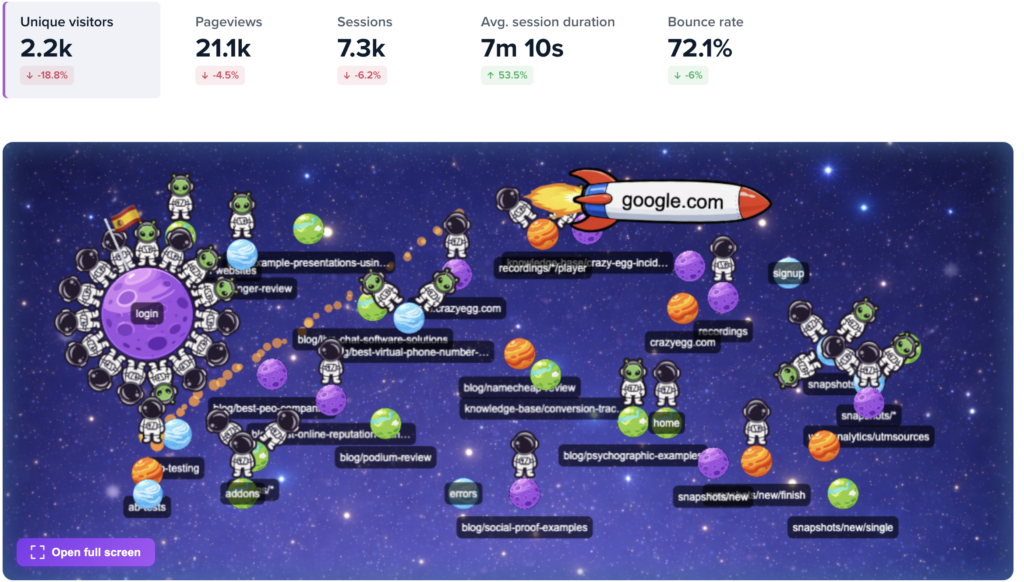
To understand the current rivalry between Crazy Egg and Lucky Orange, one must examine the chronology of the CRO industry. Crazy Egg, co-founded in 2006 by entrepreneurs Neil Patel and Hiten Shah, was a pioneer in the visualization of user data. It introduced the concept of the "heatmap" to the mainstream, moving beyond the sterile numbers of traditional platforms like Google Analytics. For nearly two decades, Crazy Egg has focused on the visual representation of intent, helping marketers see where users click, scroll, and pause.
Lucky Orange entered the market in 2010, positioning itself as a real-time alternative. While Crazy Egg focused on historical data and visual patterns, Lucky Orange prioritized the "live" aspect of the web, integrating chat and real-time visitor monitoring. Over the last decade, both tools have expanded their capabilities to include session replays, conversion funnels, and artificial intelligence, resulting in the feature-rich platforms available today. This evolution reflects a broader industry trend: the shift from mere data collection to actionable "behavioral intelligence."
Strategic Feature Comparison: Heatmapping and Visualization
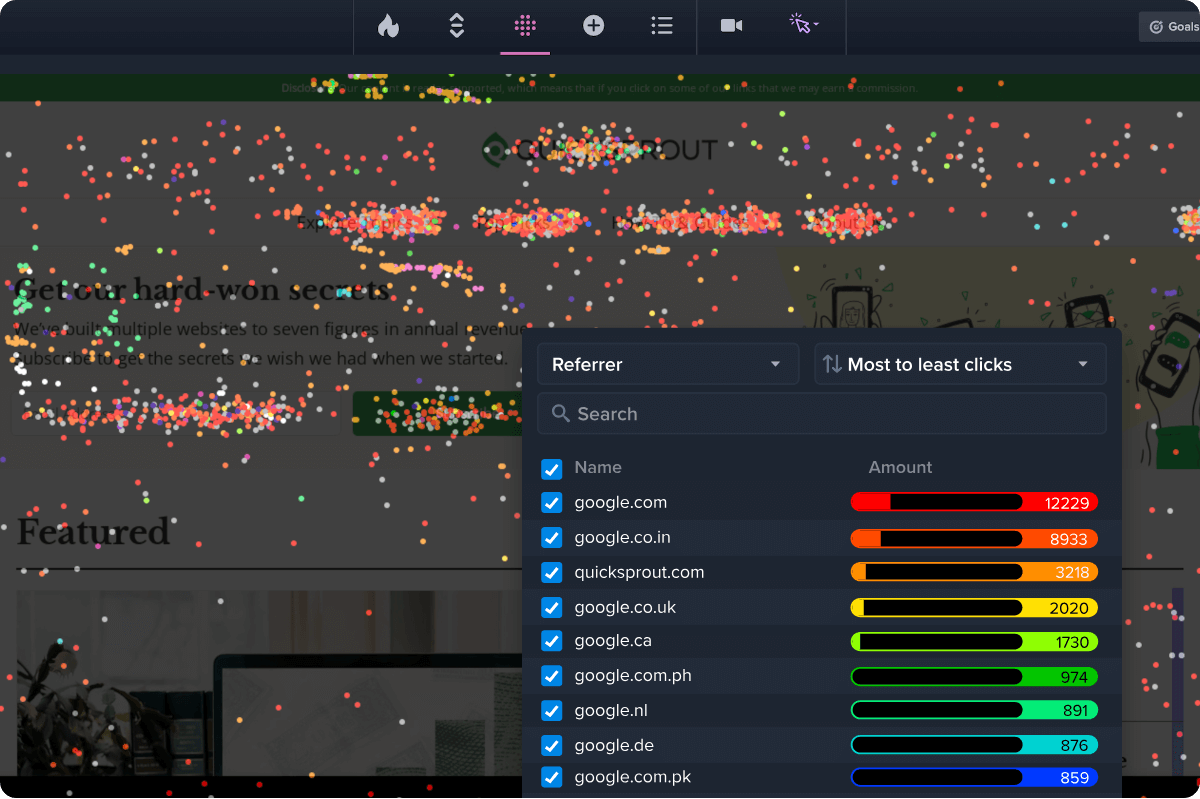
Heatmaps remain the cornerstone of both platforms, yet the depth of analysis provided by each varies. Crazy Egg offers a more diverse array of visualization styles, providing five distinct map types: Click, Scroll, Confetti, Overlay, and List. The "Confetti" map is particularly notable in a professional marketing context, as it allows for per-click segmentation based on over 17 attributes, such as referral source, search terms, and visitor geography. This allows a data scientist or marketing manager to distinguish between the behavior of high-value organic traffic and social media referrals.
In contrast, Lucky Orange provides three primary map types: click, scroll, and move. While it lacks the granular confetti-style segmentation of its rival, Lucky Orange excels in dynamic environments. Its heatmapping engine is specifically designed to render clicks on dynamic elements, such as pop-ups, drop-down menus, and single-page applications (SPAs) built on frameworks like React or AJAX. For modern, interactive web applications, Lucky Orange provides a "live" feel that captures engagement with transient page elements that static heatmaps might miss.
Session Recordings and Behavioral Tagging
Session recordings allow stakeholders to watch a "movie" of a user’s journey, providing the "why" behind the "what" of numerical data. Both Crazy Egg and Lucky Orange offer high-fidelity replays, but their approach to data management differs.
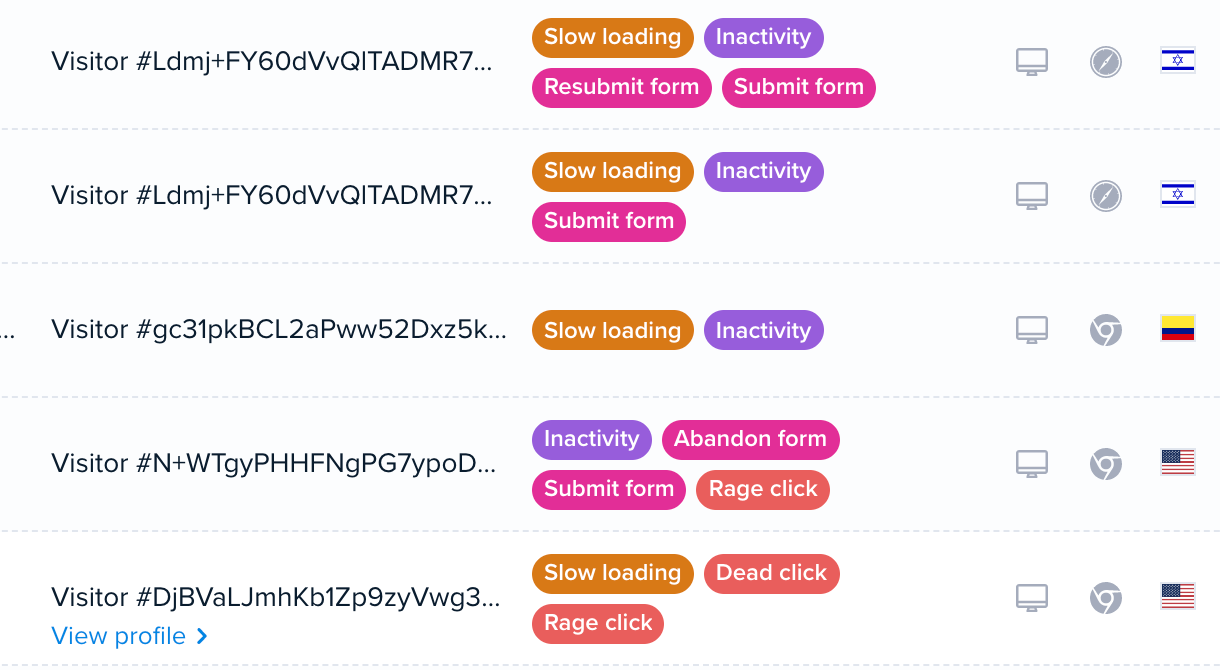
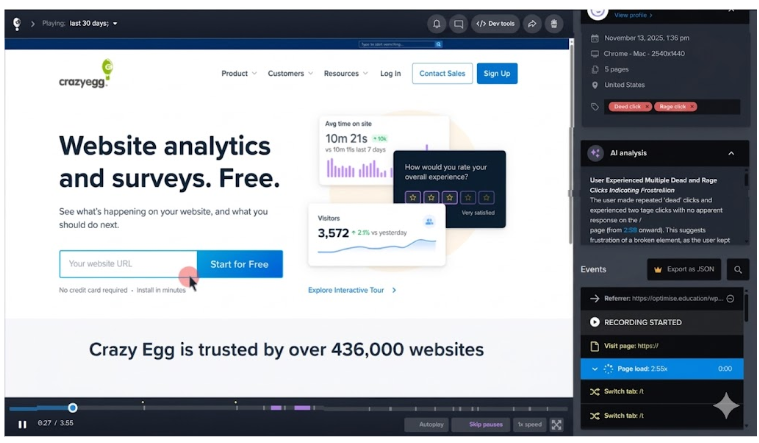
Crazy Egg provides an extensive set of automatic behavioral tags. The system identifies "friction events" such as rage clicks (clicking repeatedly in frustration), dead clicks (clicking on non-interactive elements), and u-turns (rapidly returning to a previous page). These signals are automatically indexed, allowing users to create playlists of frustrated visitors for rapid troubleshooting. Furthermore, Crazy Egg offers superior data longevity, with retention periods ranging from 6 to 24 months, facilitating year-over-year trend analysis.

Lucky Orange also captures these critical moments but requires more manual configuration for advanced event tagging beyond basic e-commerce actions. Its primary limitation in a corporate environment is data retention; the base plan stores recordings for only 60 days, with a maximum upgrade path to 12 months. This makes Lucky Orange more suitable for agile, short-term troubleshooting rather than long-term strategic auditing.
Conversion Funnels and Data Persistence
Understanding where a visitor drops off in the purchasing process is critical for ROI. Both platforms utilize funnel visualization to track the user journey from entry to conversion.

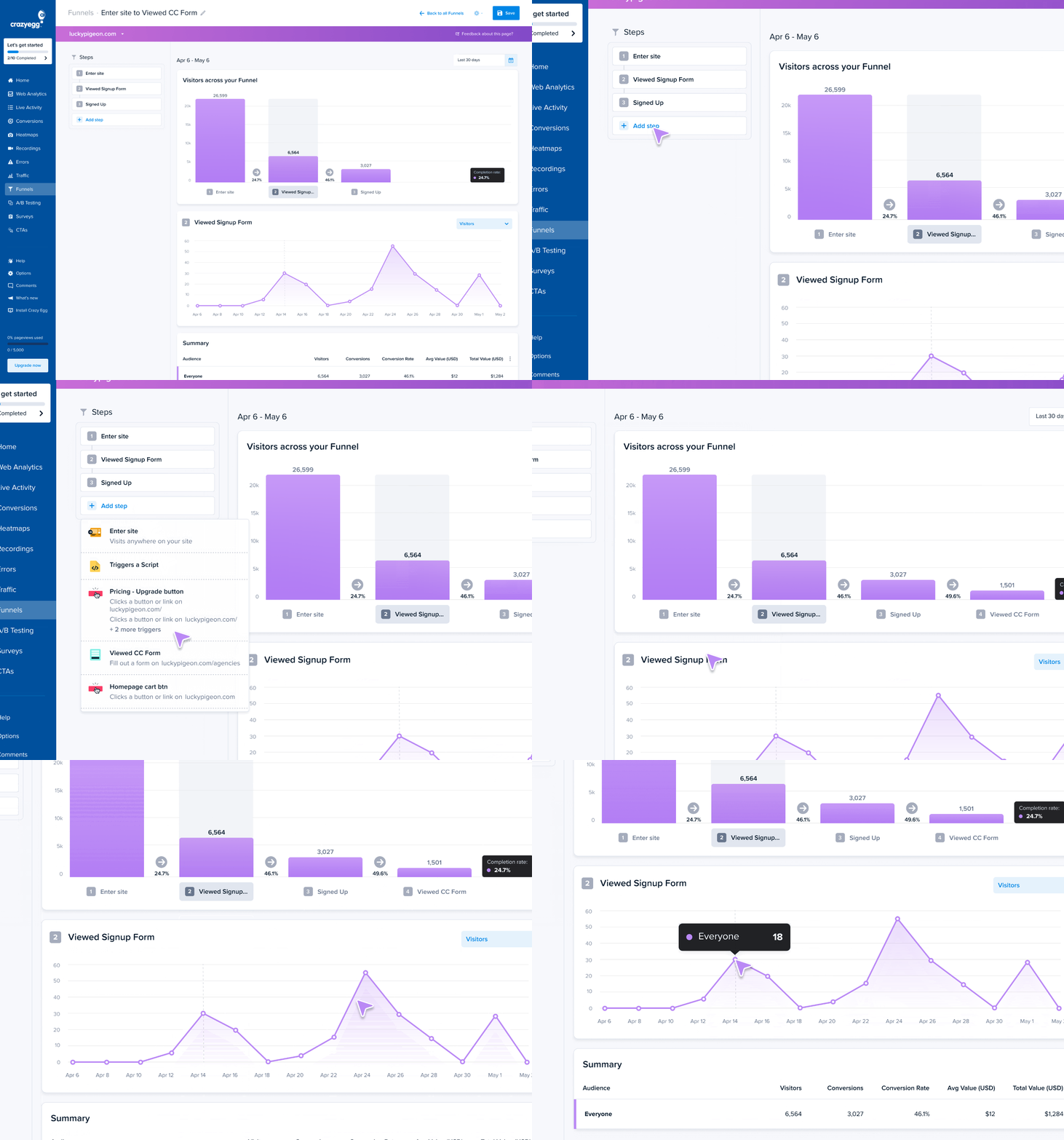
A significant technical advantage for Crazy Egg is its retroactive funnel capability. If a marketing team decides to track a new conversion step today, Crazy Egg can rebuild that funnel using historical data, provided the events were being tracked. This prevents the "data blackout" period usually associated with new tracking implementations.
Lucky Orange provides a more streamlined experience for Shopify users, offering an automated funnel that tracks the path from product view to checkout without manual setup. However, its funnel "lookback" is limited by the account’s data storage window. For enterprises managing complex, multi-month sales cycles, the historical depth of Crazy Egg offers a more comprehensive view of the customer lifecycle.
Unique Value Propositions: A/B Testing vs. Form Analytics
The most distinct divergence between the two tools lies in their supplementary features. Crazy Egg is a "complete" CRO suite because it includes native A/B testing. This allows users to identify a problem via a heatmap and immediately launch a test to fix it within the same interface. It supports visual editing, URL redirects, and Multi-Arm Bandit testing, eliminating the need for a separate subscription to a tool like Optimizely or VWO.
Lucky Orange, conversely, omits A/B testing in favor of field-level form analytics and live chat. For lead-generation websites or B2B platforms, form analytics is a critical asset. It reveals which specific field—such as a phone number or a complex password requirement—causes users to abandon a form. When combined with their integrated live chat, Lucky Orange allows a support representative to see a user struggling in real-time and intervene via chat to save the conversion.
The Role of Artificial Intelligence in Behavioral Insights
As AI becomes a standard in SaaS, both companies have integrated machine learning to process vast amounts of behavioral data. Crazy Egg utilizes AI to generate automatic summaries and recommendations across all reports. It identifies anomalies and trends, such as a sudden spike in mobile errors, and presents them as actionable insights. For advanced data teams, Crazy Egg allows the export of behavioral data in JSON format, which can be fed into custom LLMs like ChatGPT or Claude for bespoke analysis.
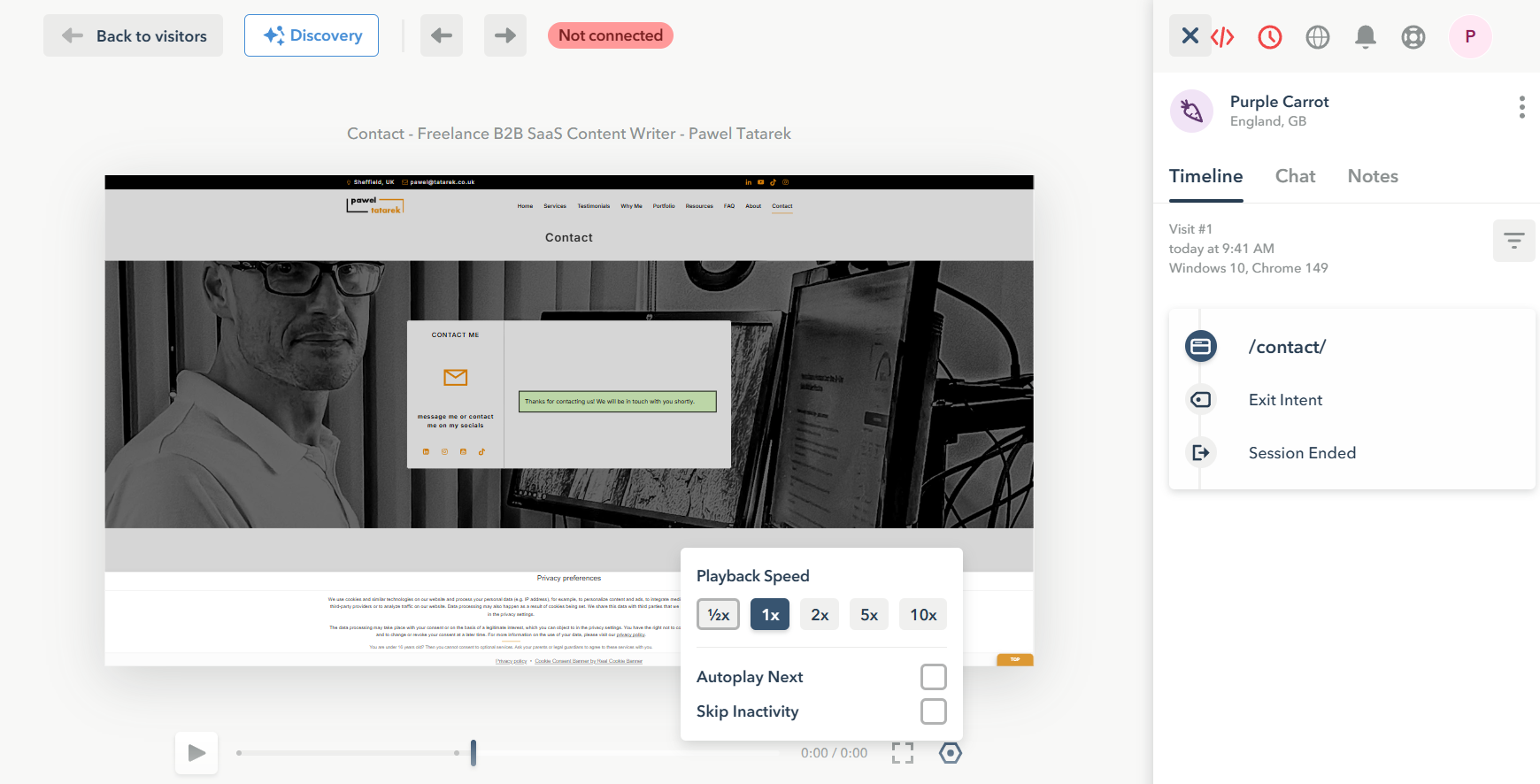
Lucky Orange’s "Discovery AI" operates as a conversational assistant. Users can ask the tool questions like "Why did my conversion rate drop on Tuesday?" and the AI will crawl the site’s code and behavioral data to provide a grounded answer, complete with links to relevant recordings. While powerful, Lucky Orange treats this as a paid add-on, whereas Crazy Egg bundles its AI insights into the standard paid plans.
Economic Analysis: Pricing Models and Total Cost of Ownership
The pricing structures of these two platforms reflect their different target audiences. Crazy Egg utilizes a "tracked pageview" model. This is highly efficient for large websites that only want to optimize specific high-value pages, such as landing pages or checkout screens. By only tracking what matters, businesses can control costs even as their total site traffic grows.
Lucky Orange bills based on "total sessions." This means every visitor to the site is counted against the plan limit, regardless of whether they visit a page the owner is actively optimizing. While Lucky Orange offers a lower entry price for its full feature set, the costs can scale rapidly for high-traffic sites.
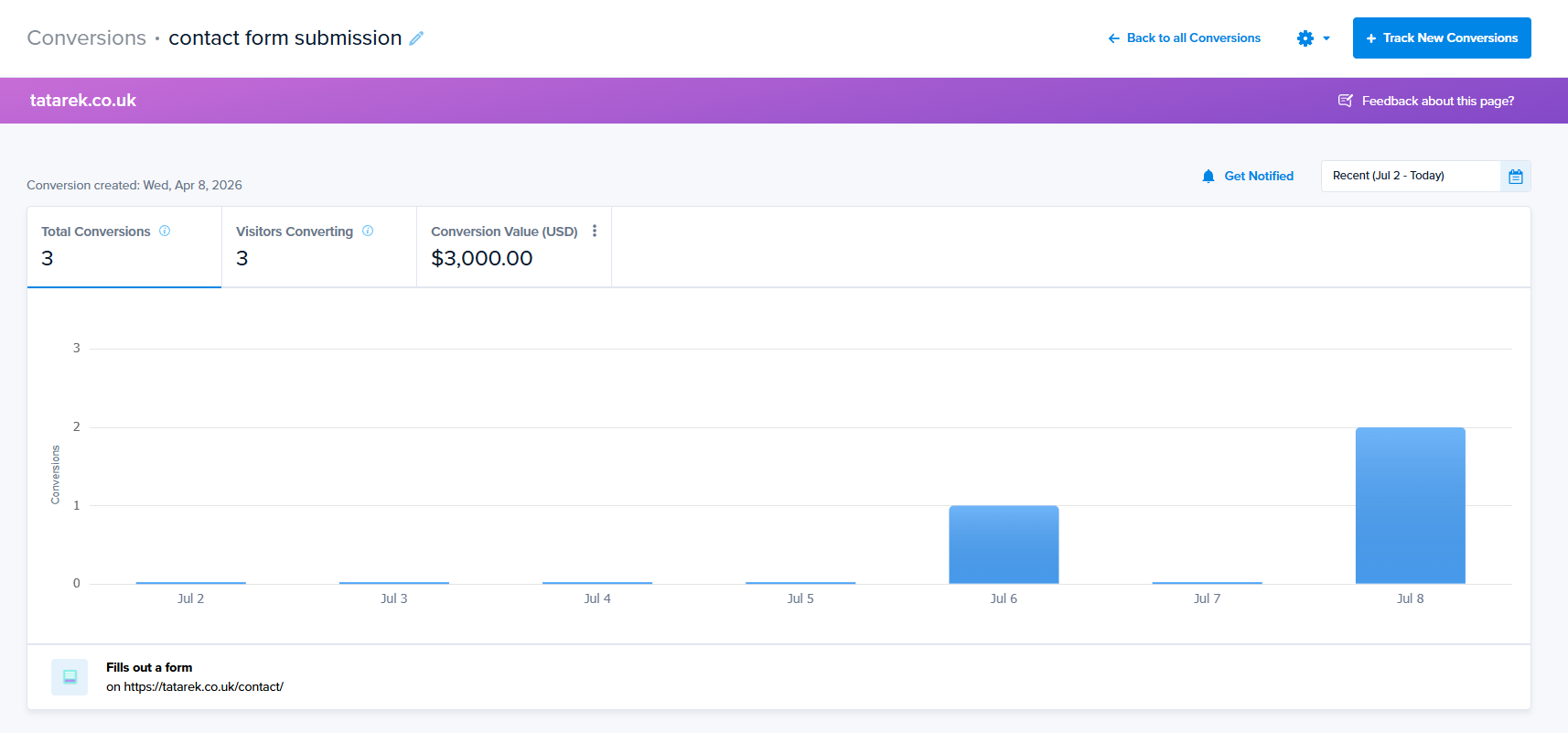
Data from industry benchmarks suggests that for a mid-sized e-commerce site with 100,000 monthly visitors, Crazy Egg’s Plus plan ($99/mo) often represents better value because it includes A/B testing—a feature that would cost an additional $100–$300 per month if purchased as a third-party integration for Lucky Orange.
Implications for Digital Strategy and Final Assessment
The choice between Crazy Egg and Lucky Orange ultimately dictates the workflow of a digital marketing team. Crazy Egg is built for the "Optimizer"—the professional who wants to analyze data, form a hypothesis, and immediately test a solution. Its strengths in long-term data retention, A/B testing, and sophisticated click segmentation make it the preferred choice for SaaS companies and data-driven agencies.
Lucky Orange is built for the "Operator"—the shop owner or support lead who needs to see what is happening right now. Its field-level form analytics and live chat integration make it an indispensable tool for Shopify merchants and lead-generation sites where real-time intervention can mean the difference between a bounce and a sale.
As the CRO landscape continues to mature, the integration of these tools into the broader "tech stack" will become more seamless. With both platforms now offering robust GA4 integrations, the era of siloed data is ending. The decision for stakeholders is no longer just about heatmaps; it is about which platform provides the specific "missing link" in their conversion journey—be it the experimental power of Crazy Egg or the real-time interactivity of Lucky Orange.