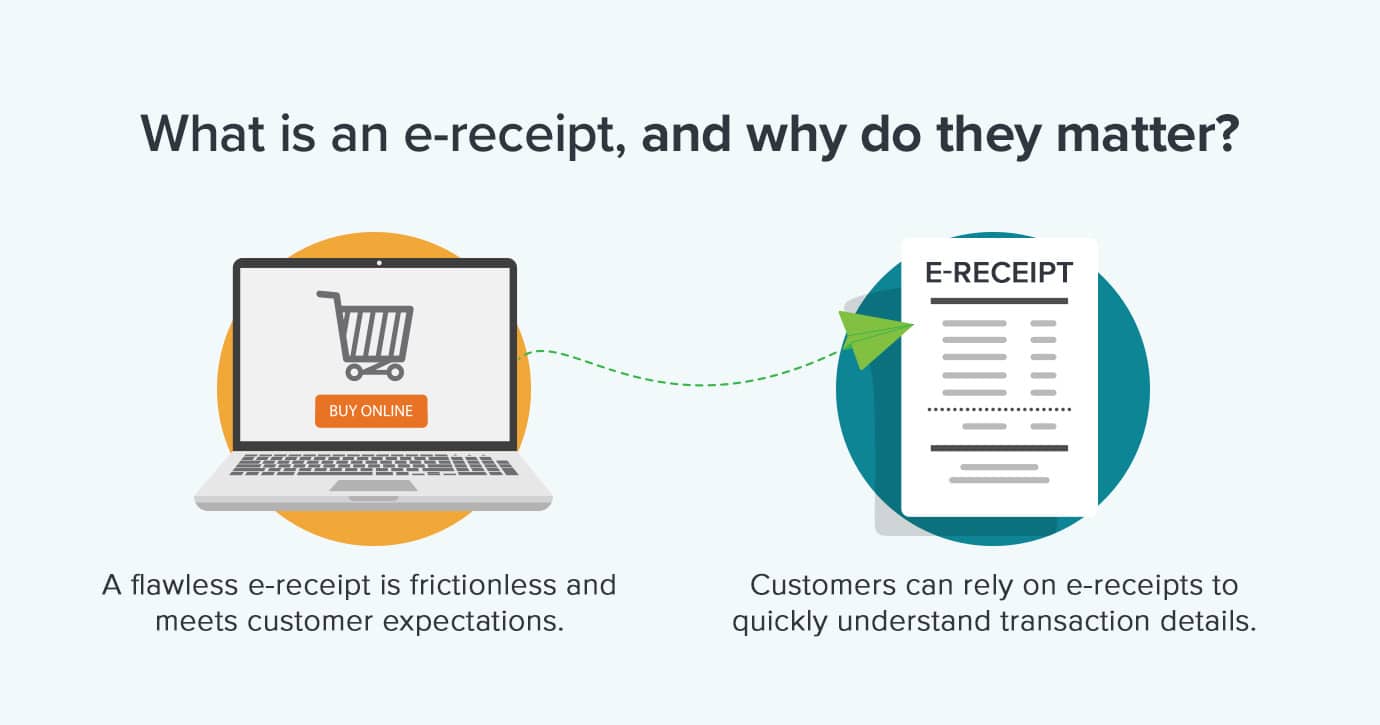
The traditional paper receipt, once a ubiquitous symbol of commerce, is rapidly being supplanted by its digital counterpart: the e-receipt. Far from a mere digital facsimile, these emails have evolved into sophisticated and strategic touchpoints in the customer journey, offering a wealth of benefits for both consumers and businesses. Sent immediately after a purchase, e-receipts serve as essential documentation, providing customers with a convenient and easily accessible record of their transaction, often delivered as a PDF or HTML email. This shift is not merely about convenience; it represents a significant transformation in post-purchase communication, driven by technological advancements, environmental consciousness, and the escalating demands of modern marketing.
The Ascent of E-Receipts: A Paradigm Shift in Post-Purchase Communication
The genesis of the e-receipt can be traced to the burgeoning era of e-commerce, where physical receipts were impractical. However, its adoption by brick-and-mortar retailers gained significant momentum in the late 2000s and early 2010s, propelled by growing environmental concerns and the ubiquity of email. The production of paper receipts contributes substantially to deforestation and waste, with estimates suggesting billions of paper receipts are printed annually in the United States alone. These thermal paper receipts often contain harmful chemicals like BPA and BPS, rendering them non-recyclable in many municipal systems. Consumers, increasingly aware of their ecological footprint and seeking greater digital convenience, have shown a strong preference for paperless options. A 2019 survey by Statista indicated that over 60% of consumers prefer e-receipts over paper receipts.
Initially, e-receipts were primarily viewed as a functional replacement, fulfilling the basic need for transaction confirmation. Their value was seen in reducing paper costs, simplifying record-keeping for consumers, and easing returns processes. However, forward-thinking retailers quickly recognized their potential as a powerful, underutilized marketing channel. Unlike promotional emails, transactional emails, including e-receipts, boast significantly higher open rates—often exceeding 70%—because customers expect and need to open them. This inherent attention makes e-receipts a prime opportunity for brands to extend engagement beyond the point of sale.
Beyond the Transaction: E-Receipts as Strategic Touchpoints
The strategic value of e-receipts extends far beyond simple documentation. They are now seen as a two-way door to cultivating brand affinity, driving future revenue, and gathering invaluable customer data. Marketers can leverage this high-attention digital touchpoint to subtly integrate various brand-building and sales-driving initiatives. This includes promoting loyalty programs, encouraging mobile app downloads, offering targeted cross-sell or upsell recommendations, reinforcing brand consistency, and soliciting post-purchase preferences or feedback.
For businesses, the integration of advanced e-receipt strategies translates into tangible benefits. Enhanced customer satisfaction from seamless digital experiences, increased customer lifetime value (CLV) through loyalty and repeat purchases, and deeper insights into consumer behavior are just a few of the significant implications. The data gleaned from e-receipt interactions can inform future marketing campaigns, personalize subsequent communications, and optimize product offerings.
Core Elements of an Exemplary E-Receipt: A Best Practice Guide
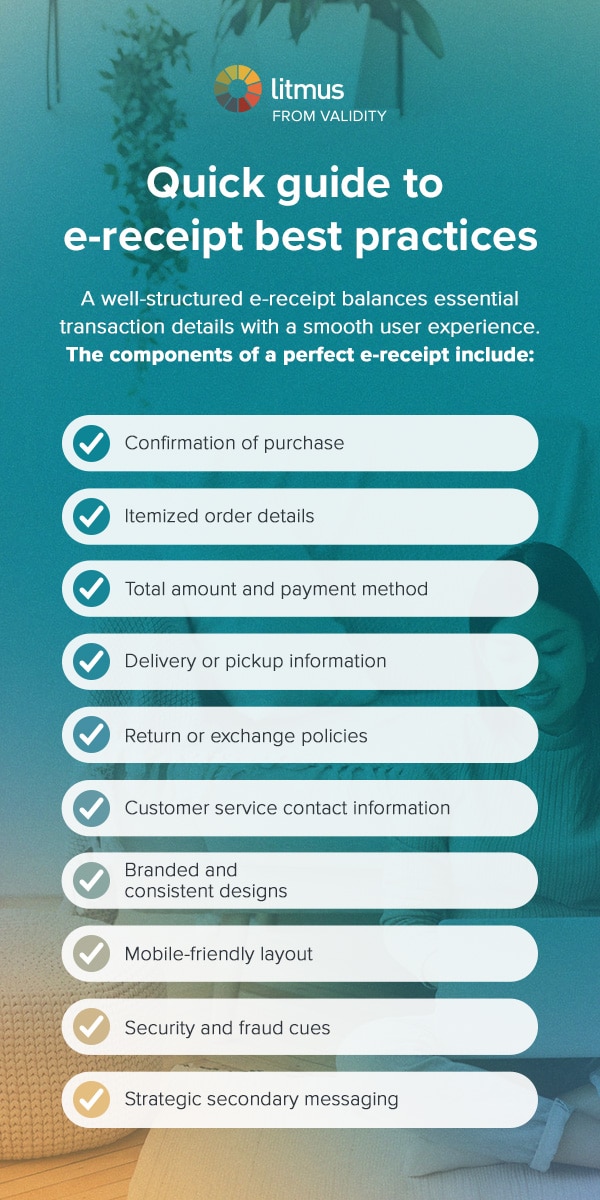
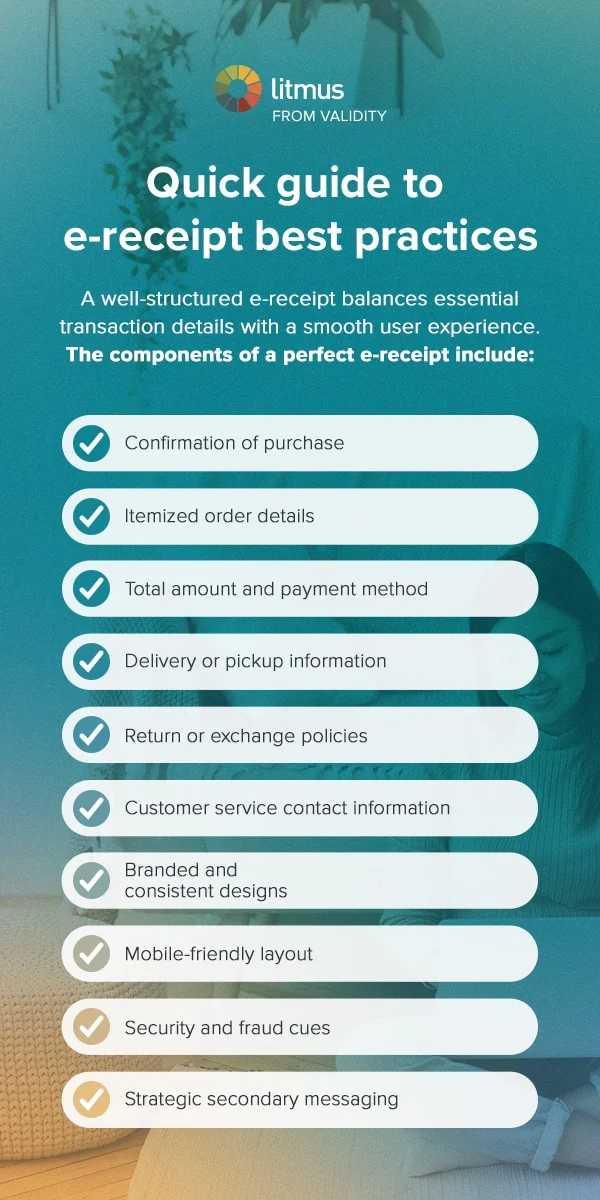
Crafting an effective e-receipt requires a delicate balance between providing essential transaction details and delivering a smooth, engaging user experience. Thoughtful design and strategic content can transform a routine confirmation into a potent tool for customer relationship management and revenue generation. The following strategies represent key elements of a high-performing e-receipt:
App Promotion & Digital Engagement
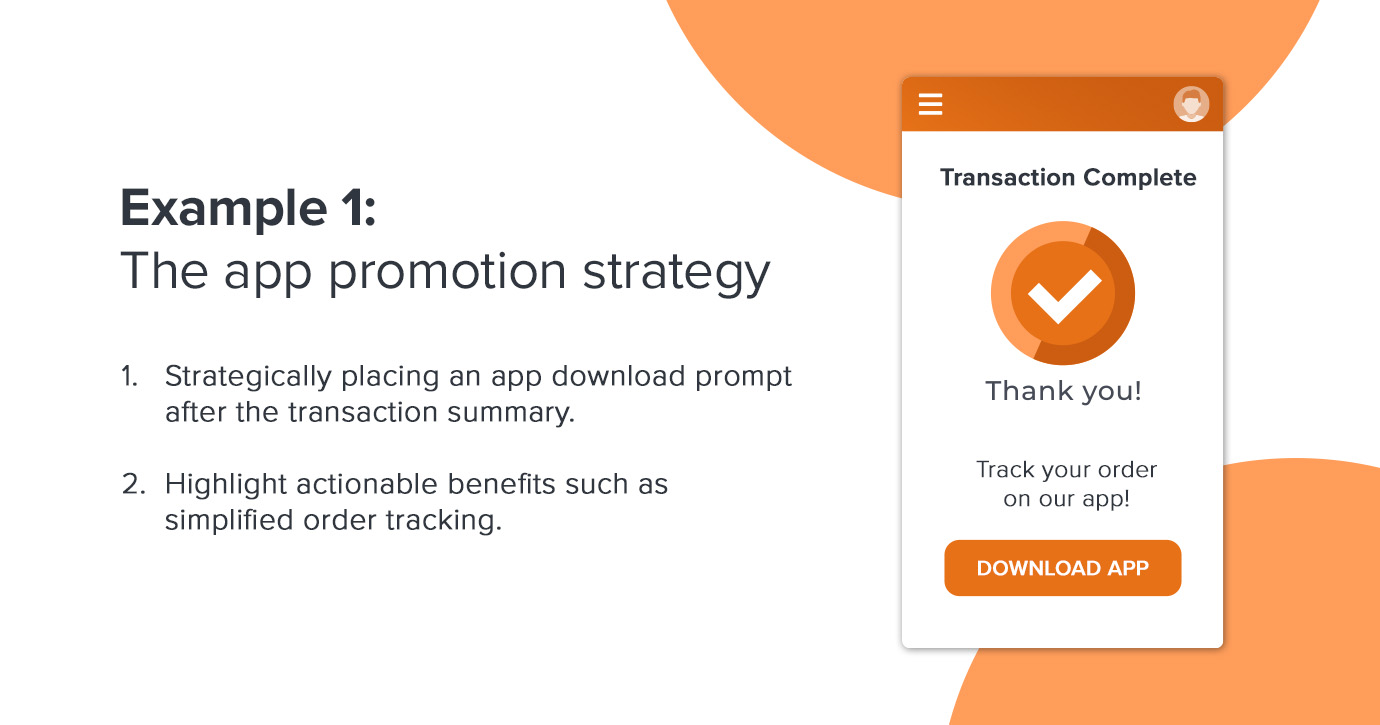
One of the most potent uses of an e-receipt is the strategic promotion of a brand’s mobile app or other digital services. By placing a clear call-to-action (CTA) for app download immediately after the transaction summary, businesses capitalize on a moment when the customer is attentive and already in a "digital mindset." Emphasizing actionable app benefits, such as simplified order tracking, exclusive app-only discounts, or streamlined reordering, provides compelling reasons for download. Data suggests that app users often exhibit higher engagement rates and greater purchase frequency compared to non-app users. A clean, modern, single-column design that aligns with the brand’s aesthetic is crucial here, accompanied by security and trust elements like fraud warnings, reinforcing the legitimacy of both the receipt and the app.
Fostering Loyalty Through Integration
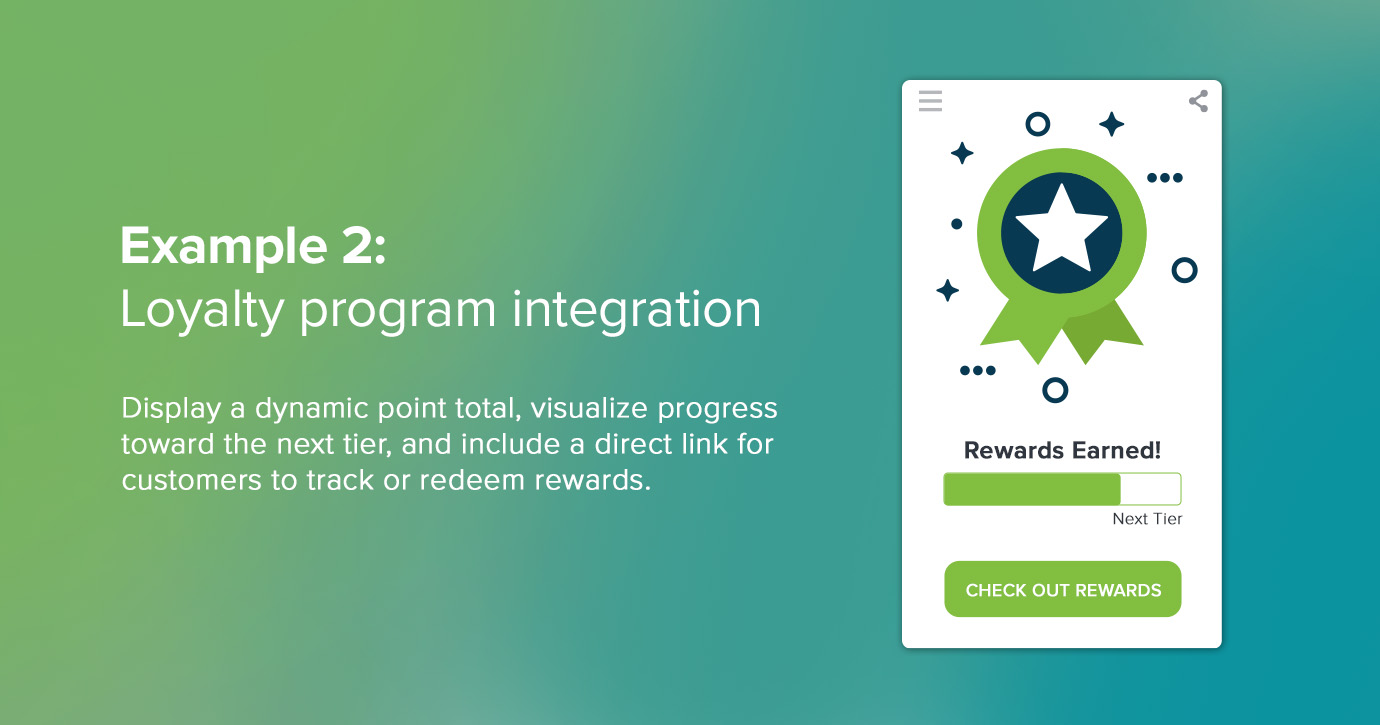
Integrating loyalty program details into e-receipts is a highly effective method for encouraging ongoing customer participation and fostering repeat business. A dedicated section that dynamically displays points or rewards earned from the recent purchase directly links the current transaction to broader incentives. To maximize impact, brands should make benefits tangible: show a running point total, visualize progress towards the next reward tier, or include a direct link for customers to track or redeem rewards. Brands like Sephora, with its Beauty Insider Program, and Taco Bell, with its tier-based rewards system, exemplify this strategy, consistently showing customers the immediate and future value of their loyalty. Studies consistently demonstrate that loyalty programs can increase customer retention by as much as 5% to 10%, translating to significant revenue growth.
Driving Incremental Value with Smart Recommendations
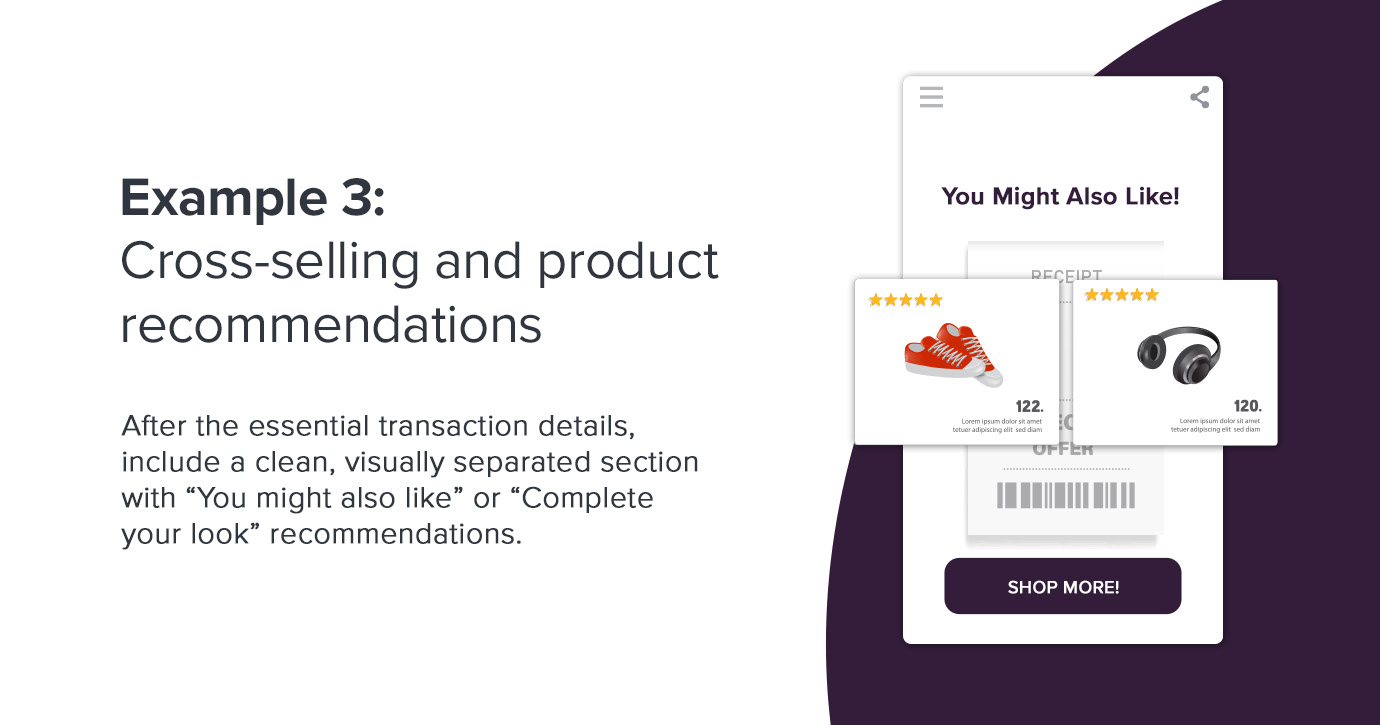
Strategic product suggestions within an e-receipt can unlock significant incremental value when executed with relevance and discretion. Positioned after the core transaction details, a visually distinct section featuring "You might also like" or "Complete your look" recommendations can subtly encourage additional purchases. These recommendations are most effective when powered by actual purchase data, mirroring Amazon’s highly successful "Frequently Bought Together" model. Clear imagery, concise product descriptions, and direct links to product pages facilitate easy browsing and buying. The key is to make the recommendations feel tailored and helpful, rather than generic advertisements. Personalized recommendations can increase average order value (AOV) by 10-30%, demonstrating their financial impact.
Prioritizing Customer Service and Support
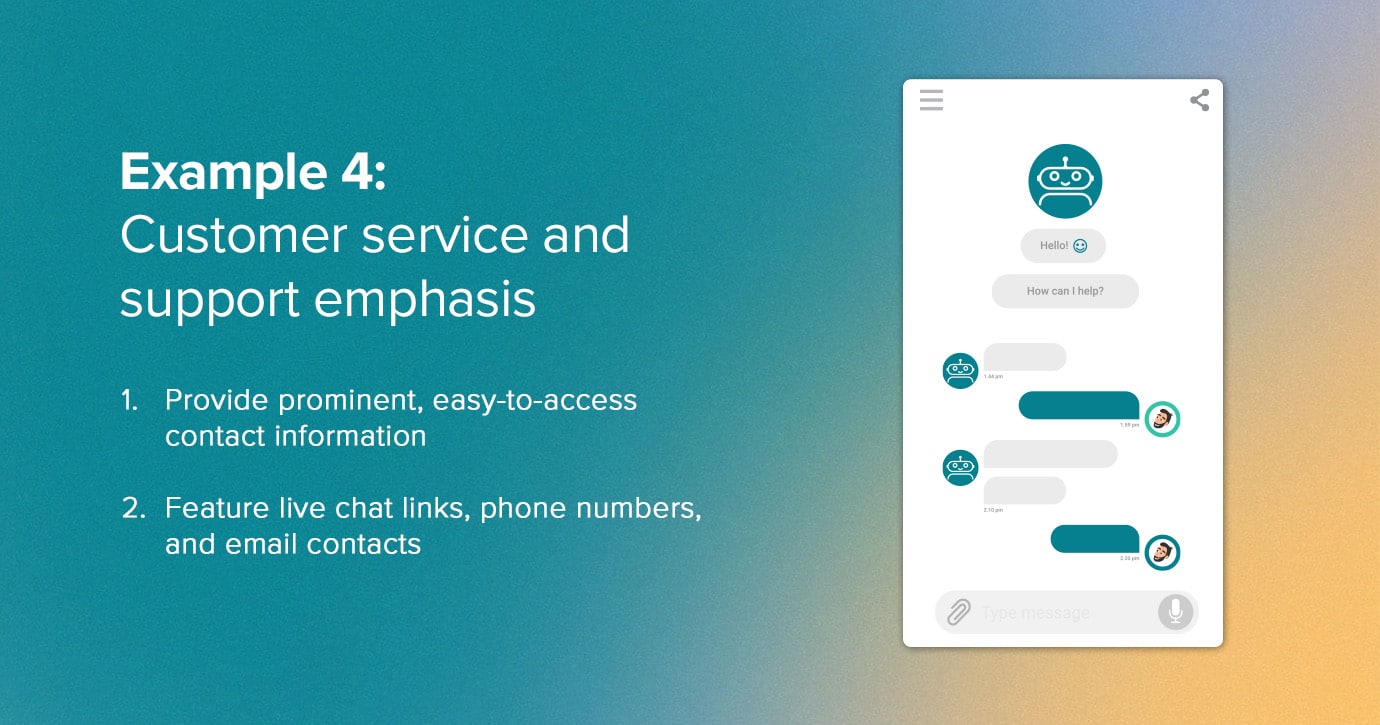
An outstanding e-receipt anticipates customer needs by placing support resources at their fingertips. Providing easily accessible contact information and clear explanations of return or exchange processes builds immediate trust and reduces potential friction. Featuring live chat links, prominent phone numbers, and email contacts minimizes the effort required for users to seek help. A dedicated support section, coupled with proactive phrasing like "Something not right?", can diffuse frustration and encourage self-service resolutions, thereby reducing customer support ticket volume. Including tailored FAQs or quick links specific to the purchased items further enhances the support experience.
Embracing Sustainability and Social Responsibility
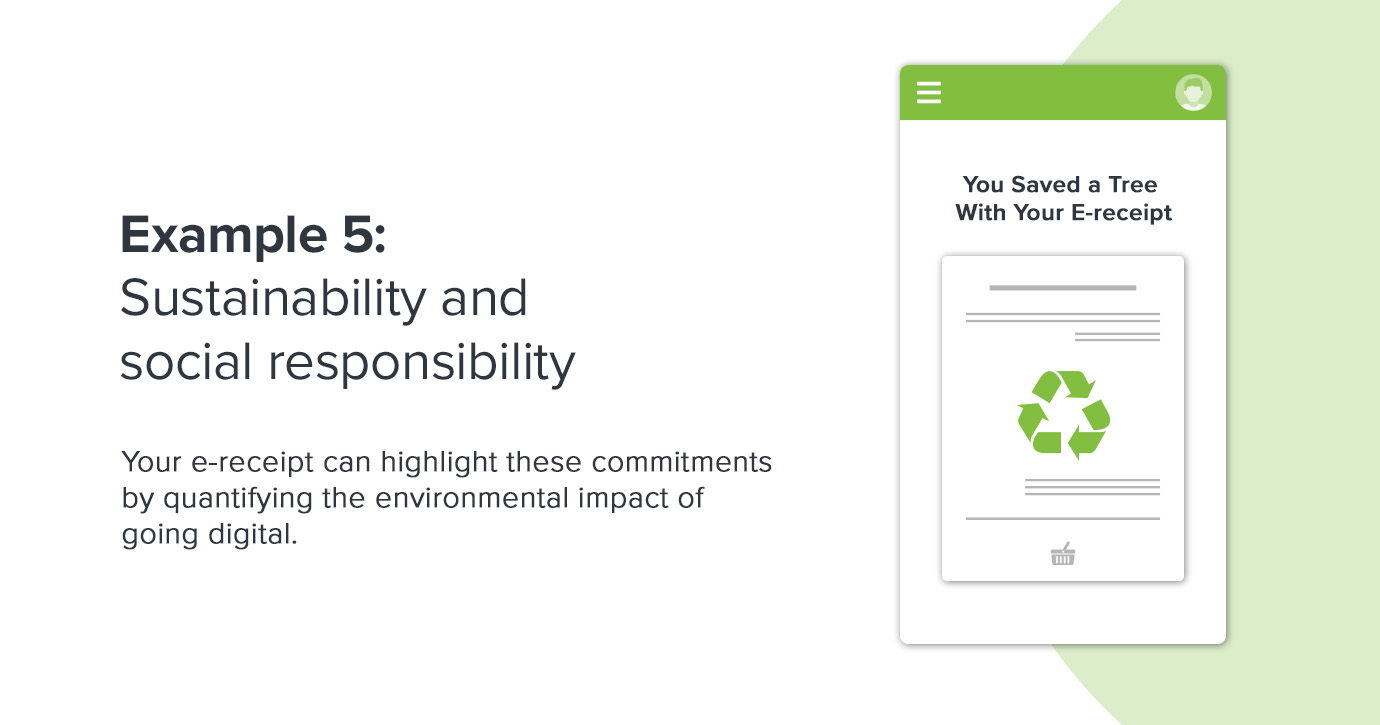
Today’s consumers are increasingly discerning, favoring brands that demonstrate a commitment to social and environmental responsibility. E-receipts offer a subtle yet powerful platform to highlight these commitments. Quantifying the environmental impact of going digital—such as "trees saved" or "carbon emissions reduced" by opting for paperless receipts—resonates strongly with eco-conscious customers. Concise, visible messaging, perhaps in the header or footer, aligns the brand with modern values. For enhanced credibility, links to sustainability certificates, corporate social responsibility (CSR) reports, or ongoing green initiatives can be included. Research by NielsenIQ indicates that 78% of U.S. consumers say a sustainable lifestyle is important to them, making this a crucial element for brand connection.
The Imperative of Mobile-First Design
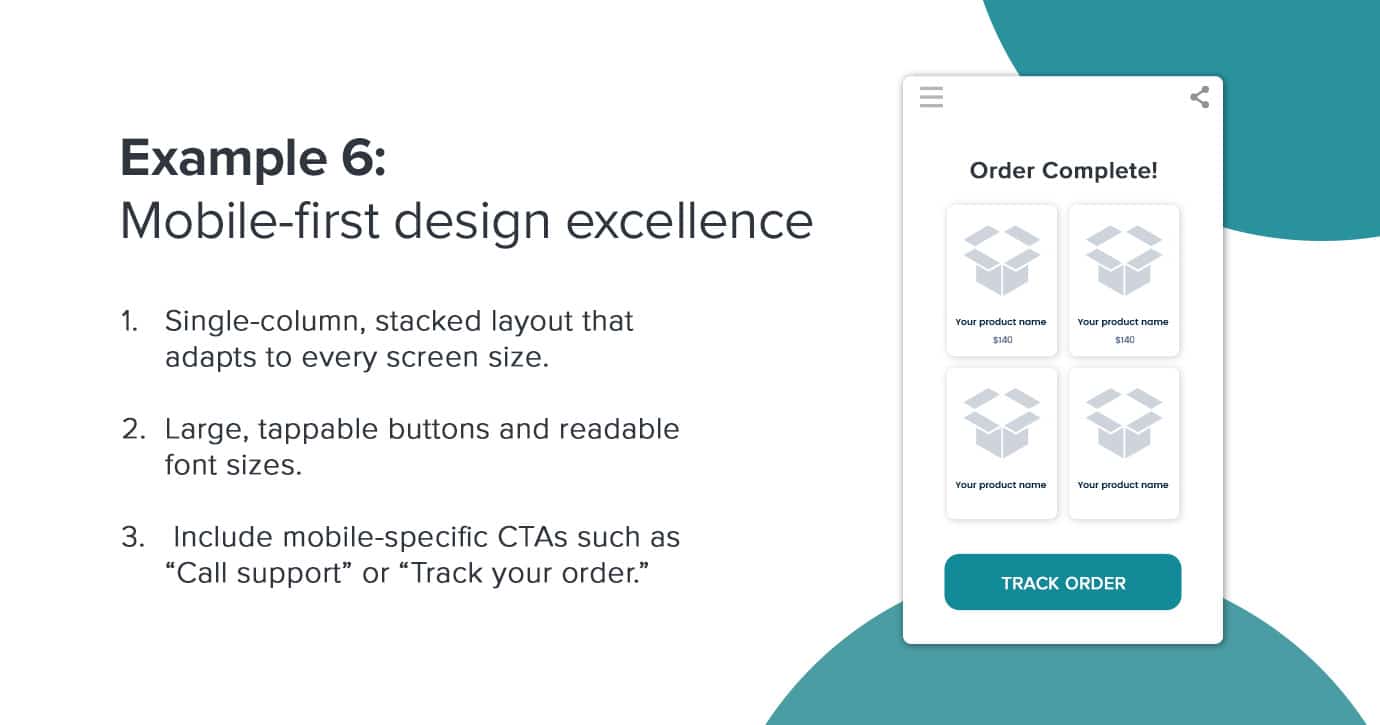
Given that a vast majority of customers access their emails, including receipts, on mobile devices, a mobile-first design approach is non-negotiable. Responsive design ensures that the e-receipt adapts seamlessly to any screen size, providing a consistent and positive user experience across smartphones, tablets, and desktops. This involves using a single-column, stacked layout, large tappable buttons, and legible font sizes. Navigation must be intuitive, with important information immediately visible without excessive scrolling. Mobile-specific CTAs, such as "Call support" or "Track your order," enhance functionality. Fast load times and lightweight graphics further reduce friction, which is vital as over 50% of global website traffic now originates from mobile devices.
The Power of Personalization and Dynamic Content
Personalized elements transform generic e-receipts into memorable, value-driven communications. Addressing customers by name, referencing their specific order history, and tailoring content such as offers or next steps based on their unique segment or behavior significantly enhance relevance. Dynamic layouts, featuring flexible images, greetings, and CTA buttons that adapt to customer profiles or purchasing contexts, create a truly individualized experience. Integrating relevant loyalty updates, customized product recommendations, and behaviorally triggered content blocks dramatically increases open rates and fosters a stronger connection. Chipotle’s digital receipt system is a prime example, combining strong visuals, personalization (addressing by name), estimated pickup times, and dynamic rewards updates to keep customers informed and engaged. A report by McKinsey found that personalization can deliver 5 to 8 times the ROI on marketing spend.
Navigating the Pitfalls: Common E-Receipt Mistakes to Avoid
Even brands with the best intentions can inadvertently undermine the value of their e-receipts through easily overlooked missteps. Proactively identifying and addressing these pitfalls is crucial for delivering an effortless, trustworthy, and effective post-purchase experience.
Design & User Experience Blunders
Great design is often invisible, facilitating immediate comprehension without distraction. Poor design, however, can frustrate, confuse, or overwhelm recipients, ultimately eroding trust. Common design and UX issues include:
- Overloading with Marketing Messages: While strategic marketing is beneficial, inundating the receipt with too many promotional banners, pop-ups, or irrelevant offers can obscure essential transaction details. The primary purpose of the e-receipt must always remain clear.
- Poor Mobile Responsiveness: Failing to optimize for mobile devices leads to distorted layouts, tiny fonts, and difficult-to-tap buttons, creating a frustrating experience for the majority of users.
- Unclear Calls to Action (CTAs): Ambiguous or poorly placed CTAs confuse customers about the desired next step, reducing engagement with valuable features like app downloads or loyalty programs.
- Inconsistent Branding: E-receipts that deviate from the brand’s established visual identity can appear unprofessional or even suspicious, undermining trust.
- Inaccessible Design: Lack of consideration for accessibility standards (e.g., poor color contrast, missing alt text for images) can exclude users with disabilities, alienating a significant portion of the customer base.
Content Deficiencies
The content within an e-receipt must be clear, comprehensive, and accurate. Errors or omissions can lead to customer confusion and increased support inquiries.
- Missing Key Information: Failure to include crucial details like transaction ID, date, itemized list, total cost, payment method, or return policy details can cause significant inconvenience.
- Confusing Language: Jargon, overly complex sentences, or vague instructions can make it difficult for customers to understand their purchase details or how to resolve issues.
- Lack of Personalization: Generic receipts that do not address the customer by name or reference their specific purchase feel impersonal and miss opportunities for engagement.
- Generic Subject Lines: Uninformative subject lines (e.g., "Your Receipt") might be overlooked or mistaken for spam. Clear, concise subject lines like "Your [Brand Name] Order #[Order Number] Confirmation" are more effective.
Technical Hurdles
Technological snags can directly impact deliverability, accessibility, and the overall user experience, breaking trust and increasing support overhead.
- Slow Load Times: Heavy images or complex code can cause e-receipts to load slowly, especially on mobile networks, leading to user frustration and abandonment.
- Broken Links or Images: Non-functional links to support pages, product recommendations, or loyalty programs, or images that fail to load, create a broken and untrustworthy experience.
- Security Vulnerabilities: Insufficient encryption or insecure data handling can expose customer information, leading to severe privacy breaches and reputational damage. Adherence to data privacy regulations like GDPR and CCPA is paramount.
- Lack of Spam Filter Optimization: Poor sender reputation, lack of authentication (SPF, DKIM, DMARC), or overly promotional content can cause e-receipts to land in spam folders, preventing customers from receiving essential information.
Ensuring Flawless Delivery: A Rigorous Testing and Improvement Framework
To ensure e-receipts function flawlessly and deliver their intended strategic value, rigorous testing is indispensable before every send. This commitment to quality control minimizes errors and maximizes impact.
E-Receipt Testing Checklist
A comprehensive testing checklist should include:
- Rendering Across Clients and Devices: Verify how the receipt displays on all major email clients (Gmail, Outlook, Apple Mail, etc.) and devices (desktop, tablet, various smartphone models).
- Dark Mode Compatibility: Ensure readability and visual appeal in Dark Mode, which is increasingly popular among users.
- Functional CTAs and Links: Confirm that all embedded links—for support, product recommendations, app downloads, or loyalty programs—are active and direct to the correct destinations.
- Dynamic and Personalized Fields: Verify that customer names, order details, loyalty points, and personalized recommendations are accurately populated with real or test data.
- Image Loading: Check that all images, including logos and product visuals, load correctly and efficiently.
- Accessibility Standards: Review for compliance with WCAG guidelines, including color contrast, font sizes, and alt text for images.
- Spam Score Check: Utilize tools to assess the likelihood of the email being flagged as spam.
- Team Collaboration: Involve relevant stakeholders from marketing, customer service, and IT in the review process to catch diverse types of errors.
Strategies for Continuous Improvement
E-receipt optimization should be an ongoing process, not a one-time effort.
- Monitor Key Metrics: Track open rates, click-through rates on secondary CTAs, and downstream conversions from integrated offers. Analyze customer replies and support inquiries for recurring themes or pain points.
- A/B Testing: Regularly experiment with variations in layout, copy, subject lines, image placement, and recommendation algorithms. Use data-driven insights to refine and enhance receipt performance.
- Gather Direct Feedback: Actively solicit feedback from customers through micro-surveys embedded in the receipt or follow-up emails. Engage support and customer experience teams to understand common points of confusion.
- Collaborate Cross-functionally: Maintain open communication channels between marketing, IT, customer service, and compliance teams to ensure receipts are aligned with brand standards, technical capabilities, and legal requirements.
- Version Control: Implement robust version control for templates to track changes, facilitate rollbacks if issues arise, and ensure legal defensibility of transaction records.
Leveraging E-Receipts for Sustained Revenue and Brand Growth
A perfectly executed e-receipt ensures that every customer walks away with more than just a record of their transaction; they receive an extension of the brand promise. It delivers confidence through clarity, reduces friction through proactive support, and invites ongoing connection through personalized engagement. This transformation from a mundane necessity to a dynamic marketing asset underscores its critical role in modern retail.
For businesses aiming to maximize the impact of their e-receipts, specialized tools become invaluable. Platforms like Litmus offer comprehensive email solutions, from robust email builders that simplify template creation to advanced testing environments that ensure flawless rendering across diverse clients and devices, including Dark Mode. These tools facilitate on-brand email design, strengthen personalization capabilities, and provide critical analytics to drive continuous improvement, ultimately boosting customer experience and brand loyalty.
By committing to clarity, thoughtful design, strategic personalization, and a continuous improvement loop, e-receipts can transcend their basic function. They become powerful drivers of revenue, foster deeper customer relationships, and reinforce a brand’s commitment to both digital excellence and environmental responsibility. Investing in a robust e-receipt strategy is not just about sending an email; it’s about transforming routine moments into powerful, lasting brand experiences.