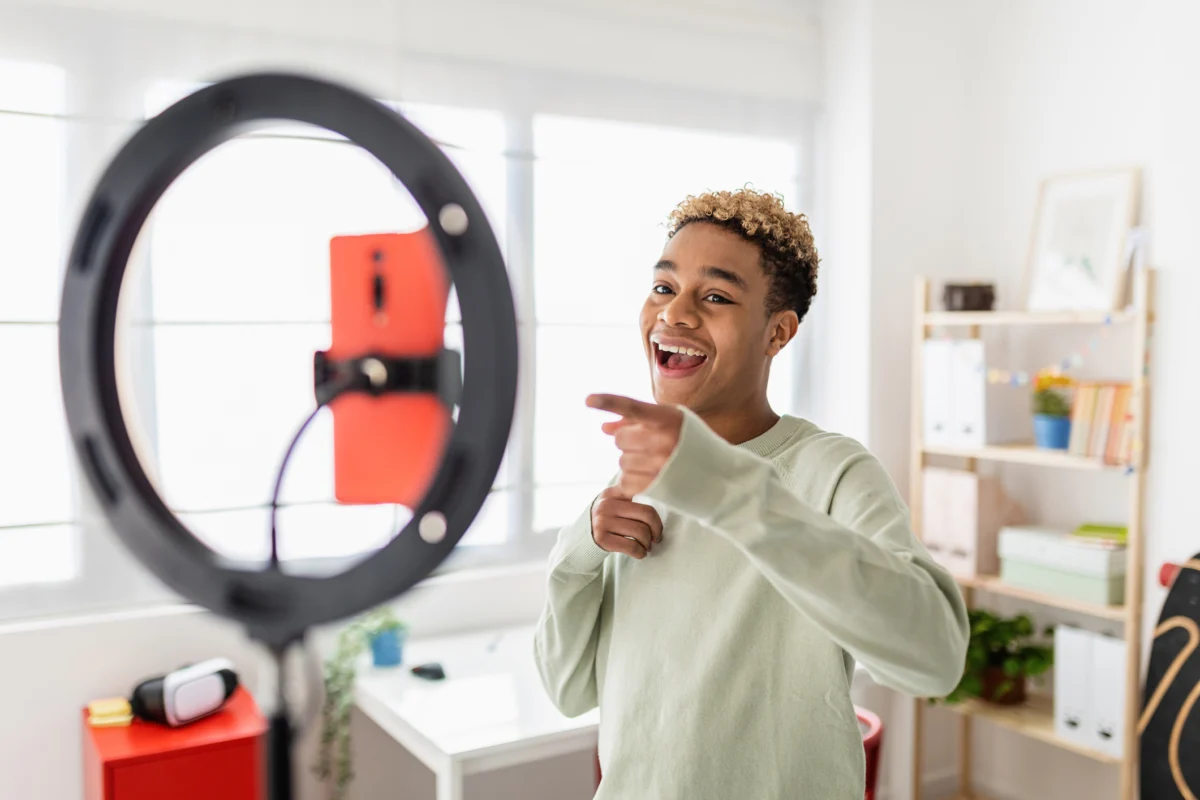
The creator economy has transitioned from a niche marketing experiment into a global powerhouse, fundamentally altering the relationship between brands and their target audiences. As of 2024, the creator economy is valued at approximately $250 billion, with projections from financial institutions like Goldman Sachs suggesting it could reach $480 billion by 2027. This rapid expansion has made creator partnerships a cornerstone of modern public relations and marketing strategies. However, the ease of access to these digital personalities often masks the underlying complexity of professional collaborations. Before a brand engages in the creative process—casting talent, drafting storyboards, or greenlighting production—it must establish a rigorous strategic foundation to mitigate risk and maximize return on investment.
The Evolution of the Creator-Brand Dynamic
To understand the necessity of modern groundwork, one must look at the chronology of digital influence. In the early 2010s, "influencer marketing" was largely synonymous with celebrity endorsements or high-reach bloggers. These partnerships were often transactional and lacked the data-driven precision seen today. By 2016, the rise of Instagram and YouTube shifted the focus toward "aesthetic" content, where visual appeal was the primary metric of success.
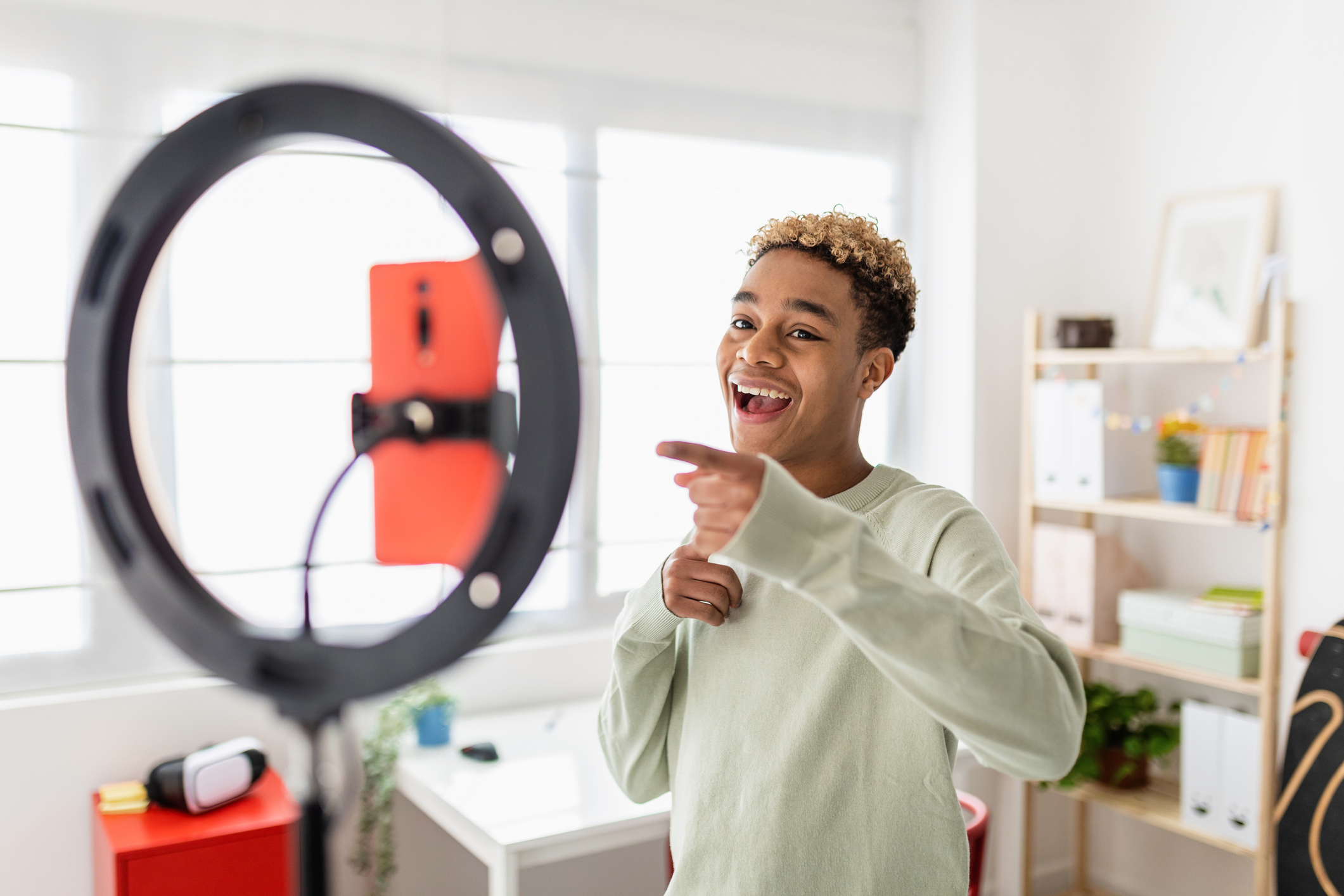
The landscape shifted again in 2020, accelerated by the global pandemic and the meteoric rise of TikTok. This era introduced the "creator" as distinct from the "influencer." While influencers focus on lifestyle and aspiration, creators prioritize community engagement, niche expertise, and authentic storytelling. This shift has necessitated a more sophisticated approach to partnerships. Modern brands are no longer just buying a post; they are renting the trust a creator has built with a specific community over years of consistent interaction.
Step 1: Establishing Strategic Objectives and Quantitative KPIs
The first critical step in any creator partnership is the move from vague goals to concrete, measurable objectives. Many brands fail because they approach creator partnerships with the same mindset as traditional billboard or television advertising. In a digital ecosystem, "awareness" is a baseline, but it is rarely enough to justify significant capital expenditure.
Defining the Funnel Position
Brands must determine where in the marketing funnel the partnership sits. Is the goal top-of-funnel brand awareness, middle-funnel consideration, or bottom-of-funnel conversion? According to a 2023 industry report by the Influencer Marketing Hub, companies are increasingly shifting toward "full-funnel" creator strategies. However, each stage requires different Key Performance Indicators (KPIs).
For awareness-focused campaigns, metrics should include reach, impressions, and video completion rates. For consideration, the focus shifts to engagement rates (comments, shares, and saves) and sentiment analysis. For conversion-led campaigns, brands must implement robust tracking through affiliate links, promo codes, and pixel tracking to measure Cost Per Acquisition (CPA).
The Data Gap
Recent data indicates that while 80% of marketers find influencer marketing effective, nearly 30% still struggle to measure ROI accurately. By setting these benchmarks before a creator is even contacted, a brand can ensure that the creative output is aligned with business needs rather than just "vanity metrics" like likes or follower counts.
Step 2: Comprehensive Due Diligence and Brand Safety Audits
In an era of hyper-transparency and "cancel culture," the reputation of a creator is inextricably linked to the reputation of the brand they represent. Vetting a creator is no longer just about checking their follower count; it requires a deep dive into their digital history, audience demographics, and behavioral patterns.
Audience Authenticity
One of the most prevalent issues in the industry is the presence of "fake" followers or bot-inflated engagement. Industry analysis suggests that up to 10% of social media accounts across major platforms may be automated or inactive. Brands must utilize third-party auditing tools to analyze the "audience health" of a potential partner. A creator with 500,000 followers but only a 0.5% engagement rate often provides less value than a "micro-influencer" with 50,000 followers and a 5% engagement rate.
Historical Content Review
A brand safety audit involves reviewing a creator’s past content—often going back several years—to ensure there are no historical statements or behaviors that conflict with the brand’s core values. This includes looking for controversial political stances, offensive language, or previous partnerships with direct competitors. A 2022 survey by Sprout Social found that 71% of consumers find it important for brands to take a stand on social issues, but they are equally quick to point out hypocrisy if a brand partners with a creator whose history contradicts those stated values.
Competitive Conflict
Brands must also assess the creator’s current "partnership density." If a creator is promoting a different brand every day, the impact of any single partnership is diluted. Brands should seek creators who maintain a healthy balance between organic content and sponsored posts to ensure their message does not get lost in a sea of advertisements.
Step 3: Developing a Collaborative Framework and Legal Infrastructure
The third essential step is the formalization of the partnership through a detailed contract and a collaborative "creative brief." The tension between brand control and creator autonomy is the most common cause of failed campaigns.
The Power of the Creative Brief
A successful partnership requires a brief that outlines the "must-haves" (legal disclosures, brand colors, specific product features) while leaving room for the creator’s unique voice. Data shows that content that feels overly scripted or corporate performs 40% worse than content that allows the creator to use their natural tone. The goal is "brand-aligned authenticity."
Legal and Regulatory Compliance
The legal framework must be robust. In the United States, the Federal Trade Commission (FTC) has tightened regulations regarding disclosures. Partnerships must clearly use identifiers like #ad or #sponsored in a visible location. Beyond compliance, the contract must address:
- Usage Rights: Does the brand own the content indefinitely, or only for a 30-day window? Can the brand use the creator’s likeness in paid social ads (whitelisting)?
- Exclusivity: Is the creator barred from working with competitors for a specific period?
- Approval Processes: What is the timeline for feedback and revisions?
Industry Analysis: The Shift Toward Micro and Nano-Influencers
While "mega-influencers" (those with over 1 million followers) offer massive reach, the market is seeing a significant shift toward micro-influencers (10,000 to 100,000 followers) and nano-influencers (under 10,000 followers). Supporting data suggests that nano-influencers often boast engagement rates as high as 8%, compared to an average of 1.7% for celebrity-level accounts.
This shift is driven by the "community" aspect of the creator economy. Smaller creators often have a more personal relationship with their audience, leading to higher levels of trust. For brands, this means that a multi-pronged approach—partnering with twenty micro-influencers instead of one mega-influencer—often results in better conversion rates and a more diversified risk profile.
Expert Perspectives and Market Reactions
Industry leaders emphasize that the "transactional" era of influencer marketing is ending. Sarah Jones, a senior strategist at a leading digital agency, notes that "the most successful brands today are those that treat creators as consultants and creative directors, not just distribution channels." This sentiment is echoed across the PR industry, where the focus has moved toward long-term "ambassadorships" rather than one-off posts.
Market reactions to successful creator-led campaigns, such as those by brands like Sephora or Gymshark, show that when the groundwork is laid correctly, the impact on brand equity is profound. Conversely, failures—often characterized by a lack of vetting or forced, inauthentic messaging—can lead to immediate backlash on social media, requiring expensive crisis management interventions.
Broader Implications and the Future of Creator Partnerships
The integration of Artificial Intelligence (AI) is the next frontier in preparing for creator partnerships. AI tools are now being used to predict the success of a partnership before it begins by analyzing the overlap between a brand’s customer base and a creator’s audience. Furthermore, the rise of "virtual influencers" and AI-generated content is forcing brands to redefine what "authenticity" means in a digital context.
As social commerce platforms like TikTok Shop and Instagram Shopping continue to mature, the line between entertainment and retail will blur further. Brands that master the three foundational steps—strategic objective setting, rigorous vetting, and professional legal/creative frameworks—will be the ones to thrive in this high-stakes environment.
In conclusion, the decision to partner with a creator should not be driven by trends, but by a calculated business strategy. By laying the groundwork through data analysis, risk mitigation, and clear communication, brands can transform a simple social media post into a powerful engine for growth. The creator economy offers unprecedented opportunities for connection, but only for those willing to do the unglamorous work of preparation before the cameras start rolling.