In an era where digital talent acquisition costs have reached unprecedented highs, companies are discovering that driving traffic to a job posting is only half the battle. Industry data suggests that recruiters often pay upwards of $5 per click to attract potential candidates through platforms like LinkedIn, Meta, and Google Ads. However, a significant portion of this investment is frequently squandered when candidates are directed to generic, cluttered career sites. Instead of a streamlined application process, these users encounter complex navigation menus, dozens of unrelated job listings, and multi-page forms that lead to immediate abandonment. This "leaky bucket" in the recruitment funnel has necessitated the rise of the recruitment landing page—a specialized, standalone tool designed with the sole purpose of converting visitors into applicants.
The Evolution of Digital Talent Acquisition
The transition from traditional job boards to high-performance recruitment landing pages represents a significant shift in how Human Resources departments view the candidate journey. In the early 2010s, the standard practice involved directing all traffic to a corporate "Careers" homepage. While this provided a broad overview of company culture, it failed to provide the "message match" required for specific high-volume or high-skill roles.
By the late 2010s, the rise of the gig economy—led by giants such as Uber and Lyft—forced a tactical evolution. These companies needed to onboard thousands of contractors weekly, leading to the development of hyper-optimized, single-purpose landing pages. Today, this strategy has moved beyond the gig economy and into corporate recruitment for software engineers, healthcare professionals, and retail staff. The objective is no longer just to inform the candidate, but to capture their information before they lose interest.
Core Principles of High-Converting Recruitment Pages
The effectiveness of a recruitment landing page is measured by its ability to reduce friction. Market analysis indicates that candidates decide within three to five seconds whether an opportunity is worth their time. To capture this fleeting attention, several best practices have emerged as industry standards.
Headline Alignment and Message Match
The most frequent point of failure in recruitment marketing is the "disconnect" between the advertisement and the destination. If a candidate clicks an ad promising a "Remote Project Manager role with a $150,000 salary," and the landing page leads with a generic "Join Our Team" banner, the cognitive dissonance triggers a bounce. Professional recruitment pages mirror the ad’s headline, reinforcing the promise of the specific role, compensation, and benefits immediately upon arrival.
The "Above the Fold" Mandate
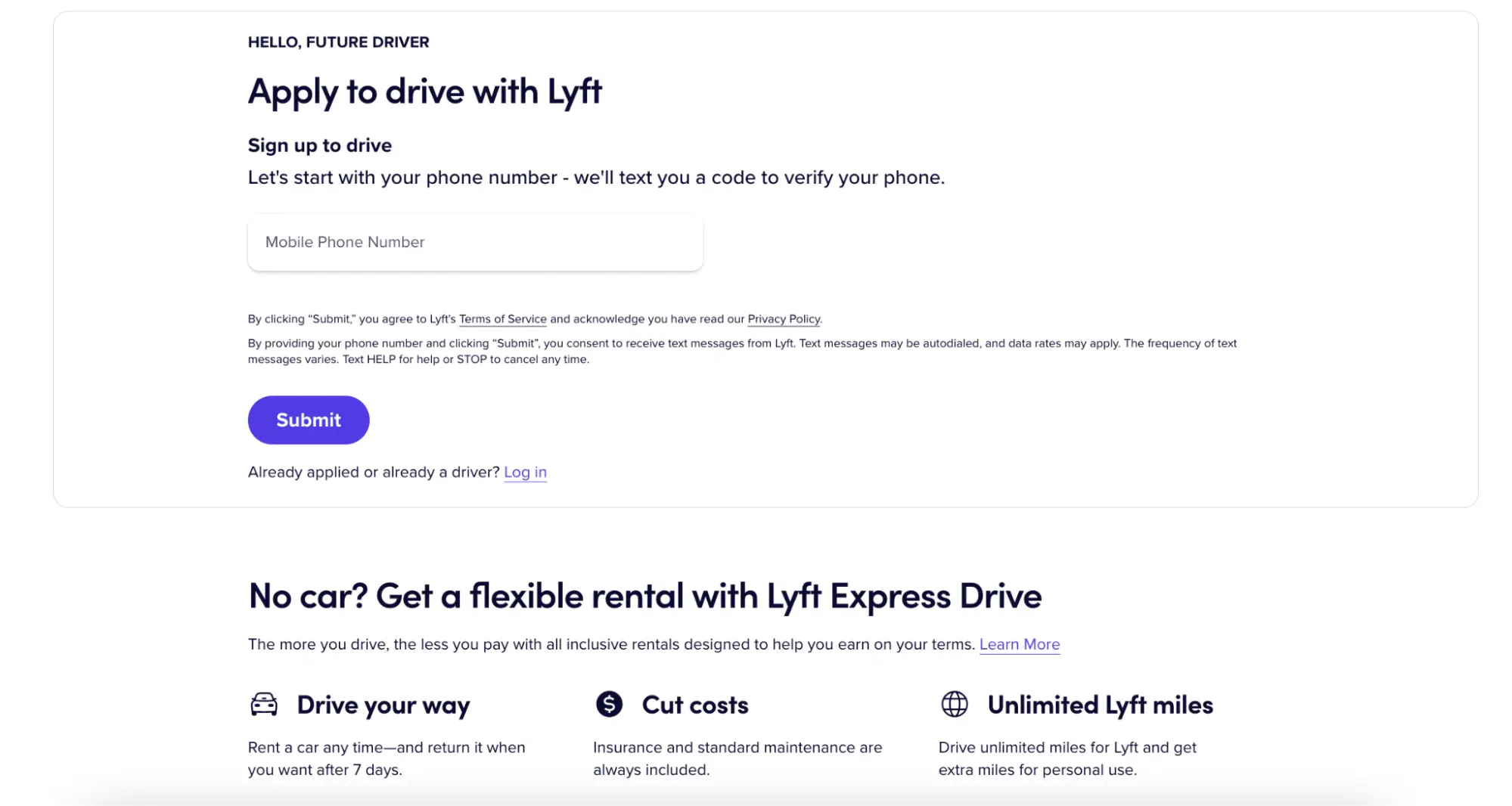
Strategic placement of information is critical. High-performing pages ensure that the job title, the primary value proposition (e.g., flexible hours, signing bonus), and a clear "Apply Now" Call to Action (CTA) are visible without scrolling. Data from heatmapping tools shows that engagement drops by nearly 50% for every screen-fold the user must scroll through to find the application button.
Minimizing Form Friction
Application abandonment is a primary driver of high cost-per-hire. Research into user behavior suggests that every additional field in a recruitment form can decrease the conversion rate by 5% to 10%. Industry leaders now advocate for forms limited to three to five essential fields: name, email, phone number, and a resume upload option. For more complex roles, recruiters are increasingly utilizing two-step forms, where the candidate’s contact info is captured first, allowing for follow-up even if the full application is not completed.
Comparative Analysis: Industry Leaders in Recruitment Optimization
To understand the practical application of these strategies, one must look at the digital infrastructure of companies that rely on high-volume recruitment. Uber, Lyft, DoorDash, Writers Work, and Instacart have set the benchmark for these specialized pages.
Uber and Lyft: The Psychology of Earnings
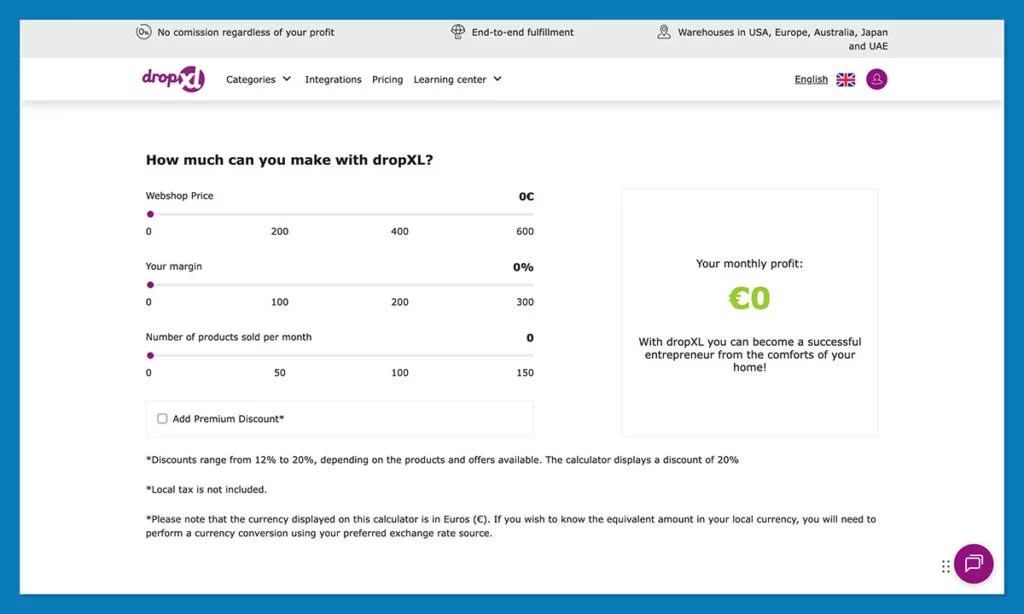
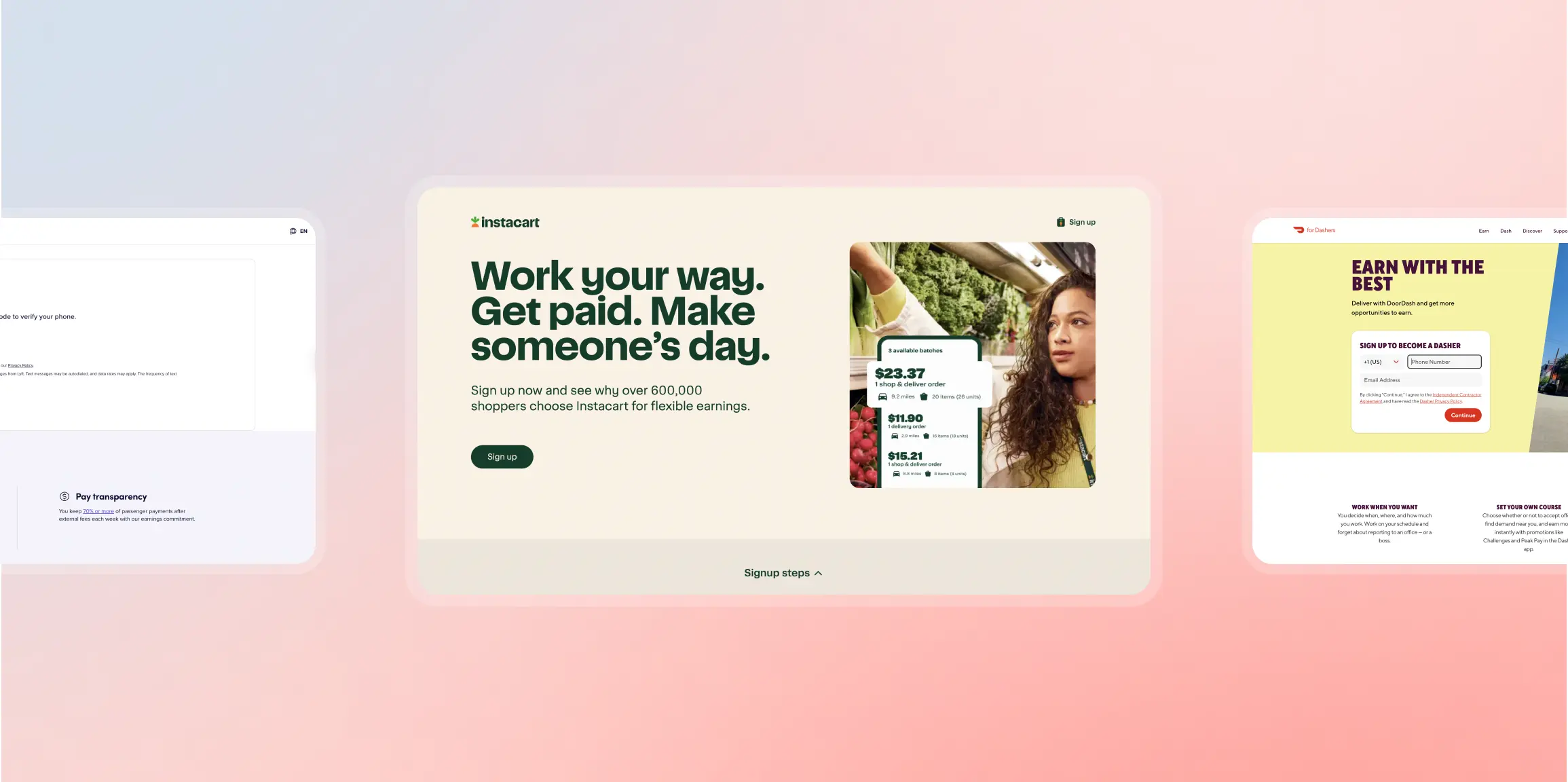
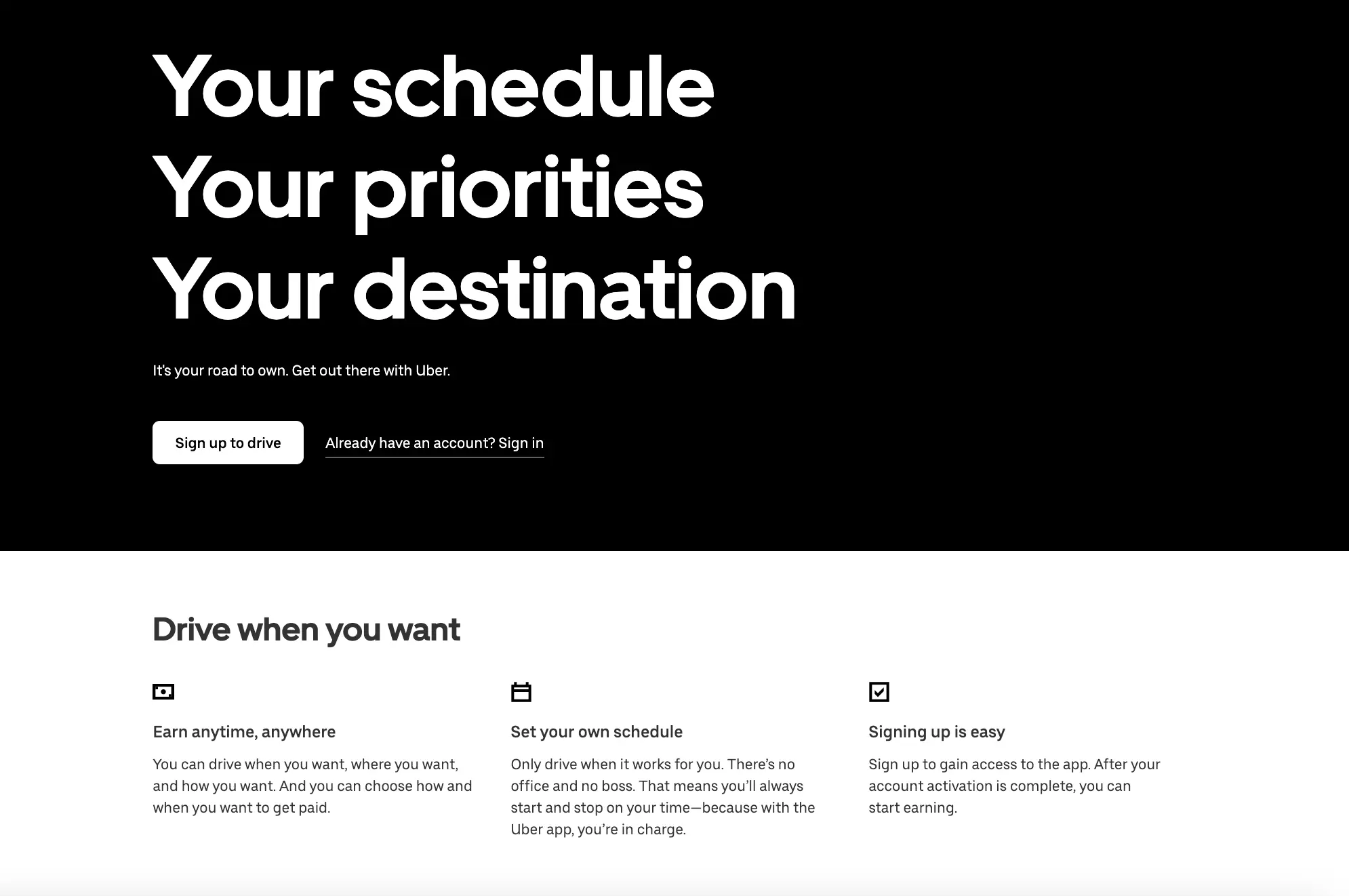
Rideshare platforms focus heavily on the financial incentive. Their landing pages often feature earnings calculators or prominent "Start Earning" headlines. Uber’s strategy involves a minimalist design that removes all site navigation, effectively "trapping" the user in the conversion funnel. Lyft similarly emphasizes trust signals, such as insurance coverage and safety features, to lower the barrier to entry for hesitant applicants.
DoorDash: Speed and Simplicity
DoorDash’s "Dasher" signup pages are optimized for the mobile user. Recognizing that most gig workers apply via smartphone, the company utilizes large buttons and a simplified interface. Their "What to Test" metrics often focus on the impact of background imagery—testing whether a photo of a smiling delivery person performs better than a graphic representing earnings potential.
Instacart: Regional Customization
Instacart utilizes geo-targeting to personalize its recruitment pages. A candidate in Chicago may see different imagery or incentive structures than one in Los Angeles. This level of personalization ensures that the recruitment landing page feels relevant to the candidate’s immediate environment, increasing the likelihood of a completed signup.
The Technical Edge: A/B Testing and AI Integration
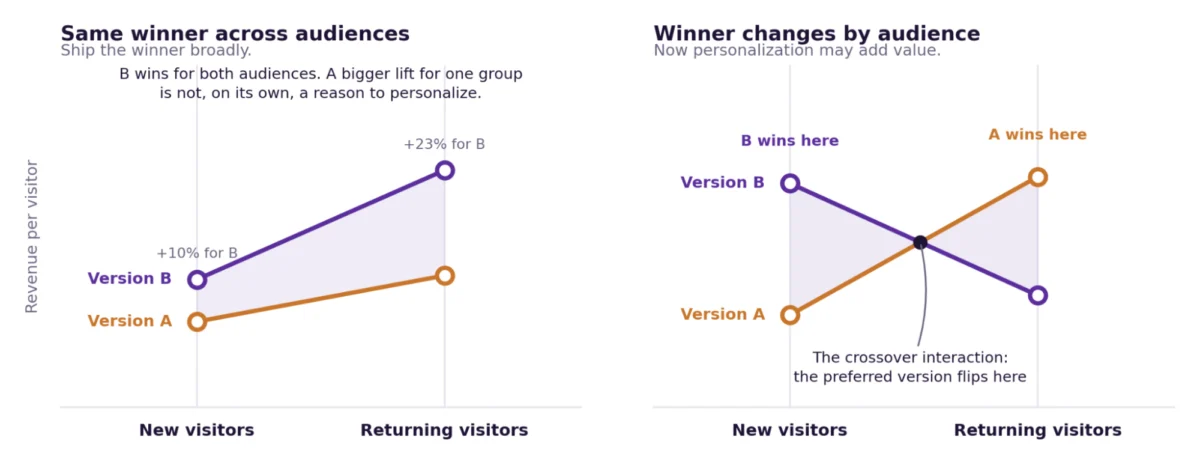
The modern recruiter is becoming as much a data scientist as a talent scout. The implementation of A/B testing (split testing) allows companies to run two versions of a landing page simultaneously to see which performs better.
Key Metrics for Recruitment Testing:
- Conversion Rate: (Completed Applications ÷ Total Page Views) × 100.
- Cost Per Applicant (CPA): Total Ad Spend ÷ Total Completed Applications.
- Time to Complete: The average time a candidate spends filling out the form.
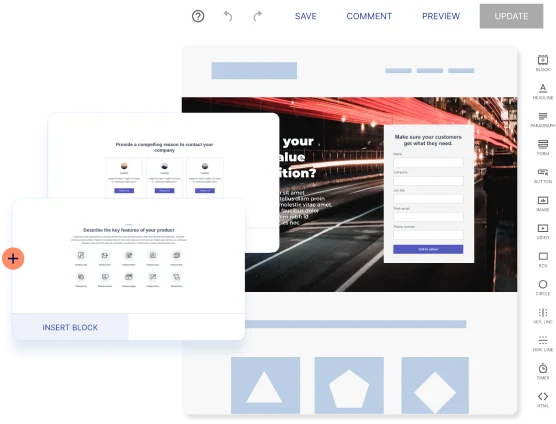
Technological advancements, such as those provided by Instapage, have introduced AI-powered experimentation. These tools can automatically shift traffic toward the "winning" variation of a page in real-time. For instance, if an AI detects that a variation featuring employee testimonials is converting 20% better than one without, it will progressively direct more of the ad budget toward that version, effectively lowering the cost-per-applicant without manual intervention.
Broader Implications for the Labor Market
The shift toward dedicated recruitment landing pages reflects a broader change in the power dynamics of the labor market. With talent shortages persisting in several sectors, the "candidate experience" has become a competitive differentiator. A company that provides a seamless, respectful, and fast application process is more likely to secure top-tier talent than one that requires candidates to navigate a legacy HR portal.

Furthermore, the data collected from these pages provides invaluable insights into market sentiment. If a recruitment page for a specific role has a high click-through rate but a low conversion rate, it signals to the company that their offer (salary, benefits, or requirements) may not be competitive with current market expectations.
Conclusion: Future-Proofing the Hiring Funnel
As the cost of digital advertising continues to climb, the ROI of recruitment campaigns will increasingly depend on the quality of the post-click experience. Recruitment landing pages are no longer an optional luxury for high-growth tech firms; they are a fundamental requirement for any organization looking to hire efficiently at scale.
By removing distractions, aligning messaging with advertisements, and utilizing data-driven testing, companies can transform their career sites from static brochures into high-velocity engines for growth. The ultimate goal is a frictionless transition from a curious clicker to a committed applicant, ensuring that every dollar spent on recruitment marketing yields a tangible return in human capital.
Frequently Asked Questions in Recruitment Marketing
What distinguishes a job landing page from a hiring landing page?
A job landing page is typically hyper-specific, targeting a single role in a single location (e.g., "Registered Nurse in Atlanta"). A hiring landing page is broader, often used for seasonal surges or general talent pipeline building (e.g., "Join Our Summer Intern Program").

Should a recruitment page include a navigation menu?
No. Professional journalistic and marketing standards suggest that navigation menus act as "leaks" that allow candidates to wander away from the application form. The only links should be essential legal disclosures like Privacy Policies or Equal Opportunity statements.
How does mobile speed impact recruitment?
With over 70% of job seekers using mobile devices, a delay of even two seconds in page load time can lead to a 20% drop in conversions. Optimization of images and the use of Content Delivery Networks (CDNs) are essential for maintaining a competitive edge in mobile-first recruitment.