The e-commerce landscape is poised for a significant transformation in 2026, driven by the accelerating integration of artificial intelligence, evolving global trade policies, and a widening economic divide. This outlook is based on the annual predictions from e-commerce strategists Bill D’Alessandro and [Author’s Name, if available, otherwise omit or use a placeholder like "ecommercefuel.com contributors"], who have outlined eleven key trends expected to shape the industry. Notably, the duo has introduced a novel method for evaluating their foresight this year: a neutral AI assessment at the close of 2026, with the loser of the prediction accuracy contest facing a humorous, yet humbling, steak dinner penalty.
The AI Revolution: From Precision Targeting to Content Automation
Artificial intelligence is not merely a buzzword for 2026; it is projected to become the foundational technology for a multitude of e-commerce operations. One of the most anticipated developments is the entry of OpenAI into the advertising market. Currently, platforms like Meta excel at interest-based targeting, leveraging vast datasets to understand consumer preferences. However, OpenAI’s potential entry, armed with advanced AI models capable of analyzing deeply personal user behaviors and sentiments – such as identifying anxieties or signs of burnout gleaned from search history – promises a new era of "telepathic" advertising. Early adopters who can effectively harness this hyper-personalized targeting are predicted to gain a substantial competitive advantage.

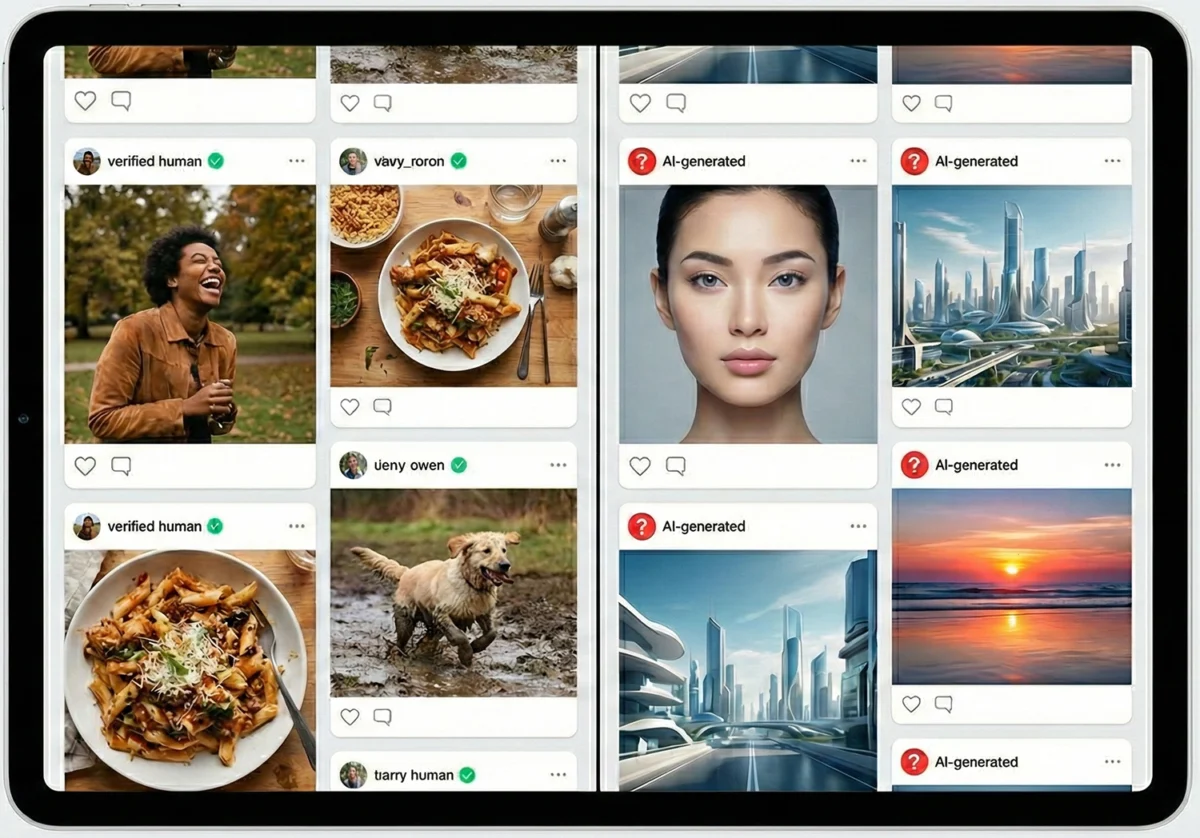
This AI-driven shift extends beyond advertising. Major social media platforms are anticipated to begin testing "verified human content" badges. The proliferation of AI-generated content, which has already become noticeable on platforms like X (formerly Twitter), is rapidly eroding user trust. A recent observation indicated that approximately one-third of videos on a newly created X account appeared to be AI-generated, highlighting the urgency for platforms to implement mechanisms that distinguish authentic human creation from synthetic media. The introduction of such verification systems aims to restore confidence and ensure a more reliable information ecosystem.
Furthermore, the capabilities of AI in content creation are set to mature significantly. Video and audio editing, previously requiring specialized skills and significant time investment, are expected to become largely automated, delivering output of approximately 7 out of 10 quality. Tools like Descript are already demonstrating this potential, and by the end of 2026, it is foreseen that users will be able to input raw footage and simple instructions into an AI, generating polished edits. This advancement will democratize content creation, enabling lean startups and solo entrepreneurs to produce professional-quality content that previously necessitated a dedicated production team.
Bill D’Alessandro’s predictions echo this sentiment, asserting that AI will "completely take over Meta ads content." He points to proof-of-concept pipelines developed by major brands that can generate hundreds of novel advertisements daily. These AI systems analyze customer reviews, integrate brand assets, and create both static images and, increasingly, video content, which can then be directly deployed through APIs. This mainstream adoption of AI in ad creation is projected for 2026.
Economic Divergence and Shifting Trade Dynamics

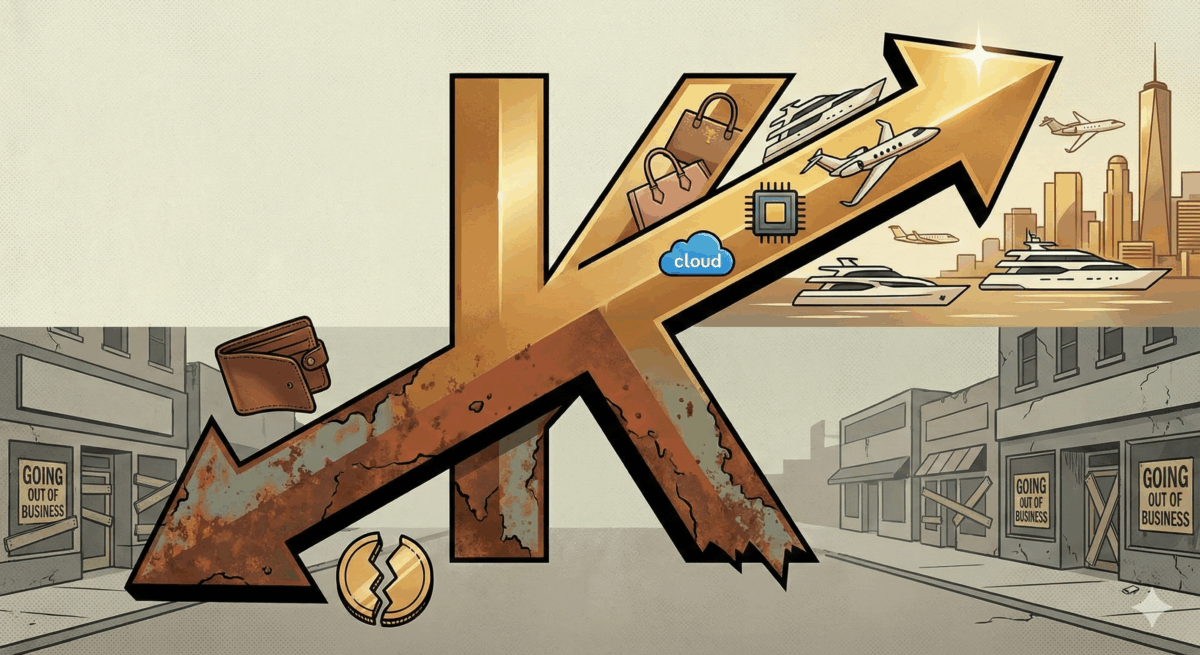
The global economic outlook for 2026 is characterized by a projected divergence, often described as a "K-shaped economy." This suggests that while large technology companies and major market players (like the "Mag 7") are expected to continue their growth trajectory, potentially seeing gains of 20% or more, the broader economy and the average consumer may face ongoing struggles. For e-commerce businesses, this bifurcation presents a strategic challenge: the need to either target affluent consumers with premium offerings or focus on essential goods with highly competitive pricing. The middle ground is identified as a particularly precarious position.
This economic outlook is intertwined with persistent inflation. D’Alessandro predicts that inflation will remain above 3% in 2026, a trend he attributes to a lack of political will to curb government spending, leading to continued deficit spending. He views this as a long-term challenge, potentially lasting for the next decade, rather than a short-term phenomenon. Businesses and investors are advised to strategize for a sustained inflationary environment.
In parallel, the geopolitical landscape concerning trade with China is expected to see a recalibration of tariffs. Predictions suggest that tariffs will stabilize within the 30-50% range, rather than escalating further. This forecast is influenced by the current economic climate, marked by rising inflation and subdued economic growth. Historically, significant market downturns and economic anxieties have prompted policy adjustments. The expectation is that policymakers will be hesitant to impose further economic strain on an already fragile global economy.
The AI Bubble: Fundamentals Versus Speculation

Countering prevailing opinions, the prediction is that the "AI bubble" will not burst in 2026. While the current forward price-to-earnings ratio of the NASDAQ hovers around 27x, significantly lower than the over 100x seen during the dot-com bubble of 2000, the fundamental underpinnings of AI adoption appear more robust. Furthermore, adjusted for inflation, current government spending on AI initiatives is approximately five times that of technology spending in 2000. These factors suggest a more sustainable growth trajectory for the AI sector, driven by genuine technological advancement and broad-scale investment.
The Fate of Lifestyle Brands and Mergers & Acquisitions
The rise of AI-powered giants is also predicted to have a profound impact on the e-commerce brand landscape. The "lifestyle brand" is considered to be on the verge of obsolescence for many. Unless businesses possess strong intellectual property protection or a brand ranking within the top 5-10% of their market, smaller e-commerce ventures with revenues in the single-digit millions are anticipated to face immense pressure. Larger competitors, armed with sophisticated AI marketing and operational capabilities, will possess the ability to outspend, out-test, and absorb higher customer acquisition costs, making it exceedingly difficult for smaller players to compete.
This market dynamic is expected to significantly influence the mergers and acquisitions (M&A) landscape. Deal-making is predicted to be robust at the high end of the market, with transactions exceeding $1 billion showing a notable year-over-year increase of 19%. Conversely, M&A activity in the small and mid-size e-commerce segments is projected to be anemic, with a 18% drop in deals. Top-tier businesses are expected to command premium valuations, while typical e-commerce brands may struggle to find buyers or achieve favorable transaction terms.
Bitcoin’s Volatile Path
The cryptocurrency market is also subject to predictions for 2026. Bitcoin is expected to experience volatility, initially dipping below $70,000 in the first half of the year. This decline is attributed to a struggling consumer base, which often reduces investment in risk assets. However, the narrative surrounding inflation is anticipated to provide a counterbalancing force. As inflation concerns persist, Bitcoin’s role as a potential store of value, often referred to as "digital gold," is expected to gain traction, leading to a recovery and a finish above $100,000 by the end of the year.
Looking Beyond Predictions: The Value of Community
While these predictions offer a glimpse into the potential future of e-commerce, the authors emphasize that staying ahead of the curve requires more than just foresight. They advocate for active engagement within a community of experienced e-commerce entrepreneurs. The eComFuel community, for instance, is presented as a vital resource where thousands of seven and eight-figure store owners share insights on what strategies are currently succeeding, which are faltering, and what future trends are emerging. This collaborative environment, where real-time experiences and practical knowledge are exchanged, is posited as the most effective way for businesses to navigate the complexities and opportunities of the evolving e-commerce landscape. The full discussion of these predictions can be accessed through a linked podcast episode.