In an era saturated with digital content, the challenge for musicians extends far beyond creating captivating melodies; it now critically encompasses ensuring that their art, and more importantly, their identity, can be easily discovered. The pervasive "viral moment" on platforms like TikTok or Instagram often elevates a sound or a trend, leaving the originating artist uncredited or quickly forgotten, a scenario that represents a significant professional hurdle for many. Musicians aspire not merely for their music to be heard, but for their names to be remembered, their next releases anticipated, and casual listeners to transform into committed, long-term fans. This transformation hinges on effective discoverability, a concept increasingly reliant on robust Search Engine Optimization (SEO).
While the preeminence of Spotify, YouTube, and TikTok in music distribution and initial discovery is undeniable, a crucial platform often underestimated by artists is Google. Millions of individuals daily utilize search engines to actively seek out music, artists, lyrics, tour dates, and related content. For a musician aiming to increase streaming numbers, secure live performance bookings for concerts or private events, or cultivate a sustainable music enterprise, SEO provides a direct conduit to connect with an audience already expressing interest in their offerings.
Understanding SEO in the Contemporary Music Landscape
Search Engine Optimization (SEO) for musicians involves strategically enhancing online content to improve its visibility and ranking in search engine results. This process is pivotal for enabling diverse stakeholders—from potential listeners and music promoters to venue owners, journalists, and even sophisticated AI-powered recommendation systems—to readily find a musician’s digital footprint. When a listener encounters a new song, their subsequent actions might include searching for the artist’s name, lyrics, latest album, upcoming tour dates, or even artists with a similar stylistic profile. Effective SEO ensures that these queries lead directly to accurate and comprehensive information about the artist, preventing them from being lost amidst a sea of irrelevant results.
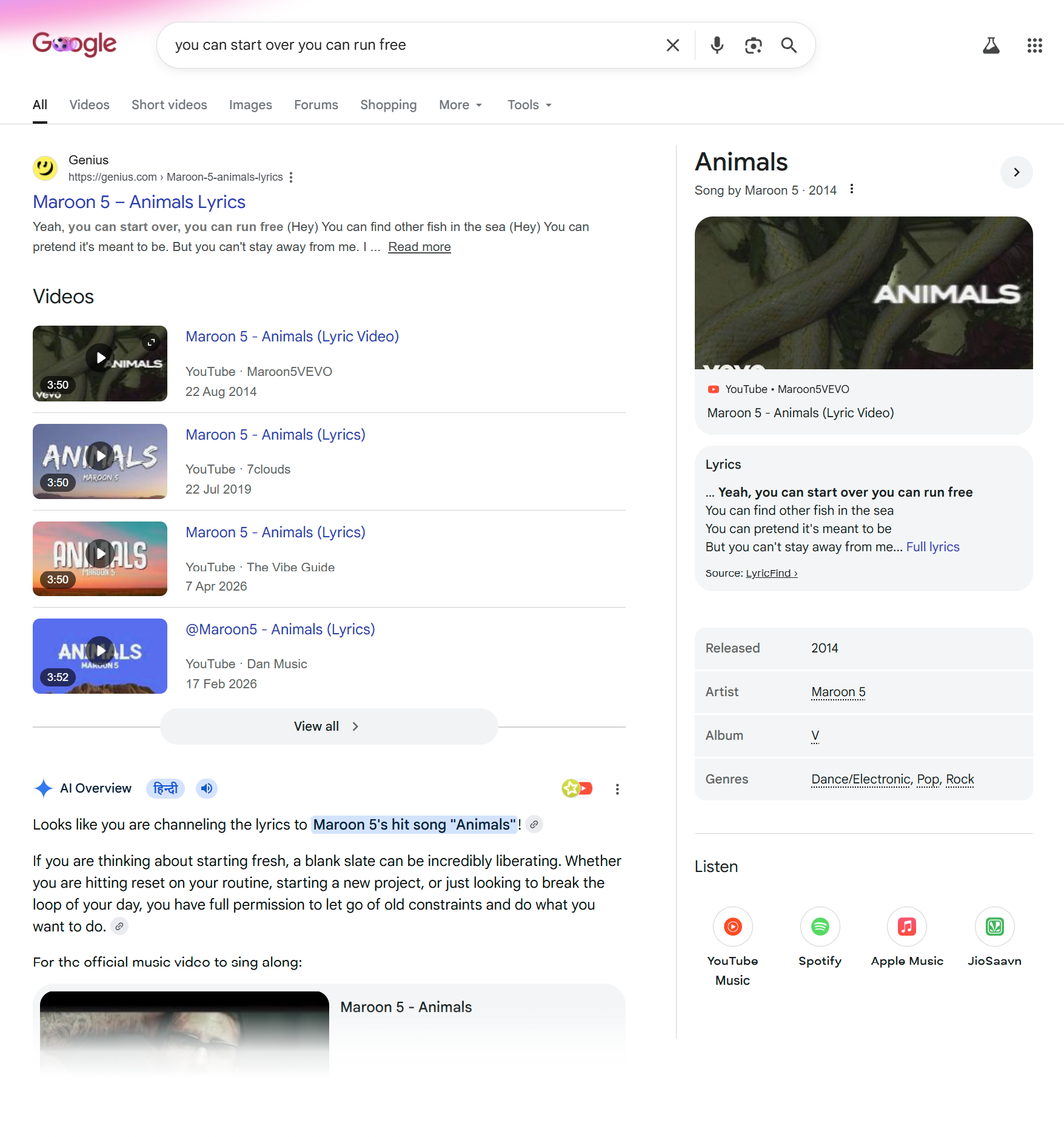
For musicians, a well-executed SEO strategy should facilitate their appearance in search results pertaining to their artist name, specific song titles, album releases, lyrical content, genre affiliations, tour schedules, and booking information. The objective is not to supplant the critical functions of streaming platforms or social media; rather, SEO serves as a powerful complement. Consider a scenario where a song gains traction on TikTok. The natural next step for an intrigued listener is often to search for the artist’s name, the song’s lyrics, or details about upcoming performances. SEO acts as a guide, channeling this initial curiosity into deeper engagement with the artist’s broader body of work and narrative.
Modern music discovery is inherently multi-platform. Fans navigate fluidly between search engines, dedicated streaming services, social media feeds, and increasingly, AI tools designed to recommend artists and answer music-related questions. A strong SEO foundation is therefore essential for maintaining visibility across this multifaceted discovery journey. Fundamentally, SEO enables people to discover music, and when this discovery leads to an artist’s owned website, it fosters a more profound and lasting connection. Whether the goal is to drive streams, book live engagements, encourage newsletter subscriptions, or simply share an artist’s story, a centralized, SEO-optimized website provides a singular, authoritative hub.
The Intensifying Imperative of SEO for the Music Industry
The creative act of producing exceptional music represents only half of the modern artist’s battle. The equally crucial other half lies in ensuring that this music is discoverable by its intended audience. Listener engagement is rarely confined to a single platform; after an initial encounter with a song, many will actively seek more information about the artist—ranging from future releases and concert dates to lyrical interpretations and biographical details. A robust and easily navigable online presence is paramount to capturing and sustaining this interest. Conversely, a weak digital footprint can cause nascent interest to dissipate as rapidly as it arose.
Key Factors Driving the Growing Importance of SEO for Musicians:
-
Unprecedented Streaming Platform Competition: The digital music landscape is characterized by an overwhelming volume of new content. As brand consultant Ava Rose Lynch noted, over 100,000 songs are uploaded to Spotify daily. While this statistic might initially seem daunting, it underscores the necessity for artists to forge unique pathways to audience engagement. Streaming platforms are excellent for initial exposure, but they simultaneously position artists within a fiercely competitive environment. Strong discoverability, facilitated by a dedicated website and search-optimized content, allows listeners who develop an interest to move beyond a single stream and connect more deeply with an artist’s narrative, discography, and future endeavors. This owned digital real estate provides a critical advantage in differentiating an artist in a crowded market.
-
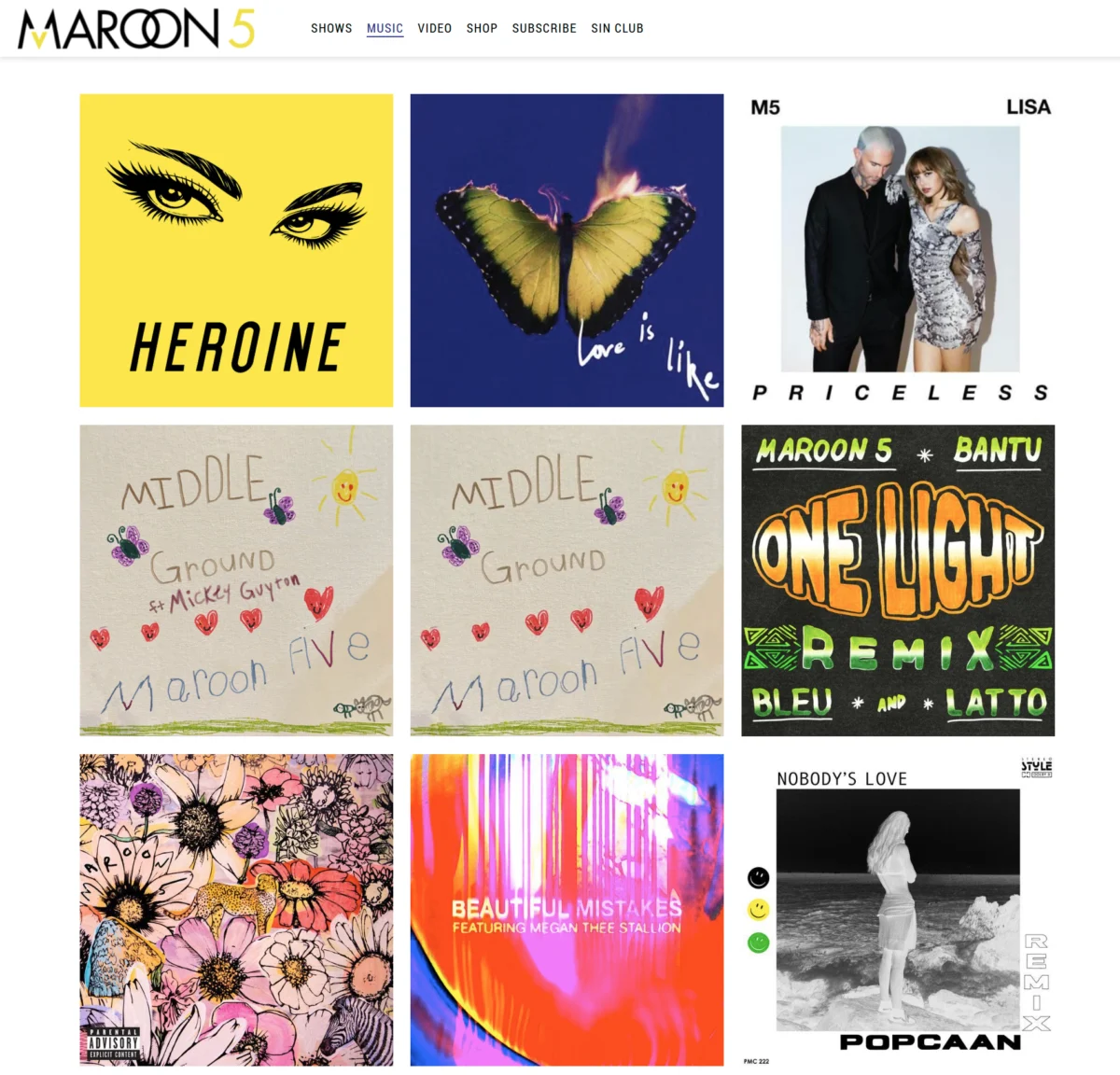
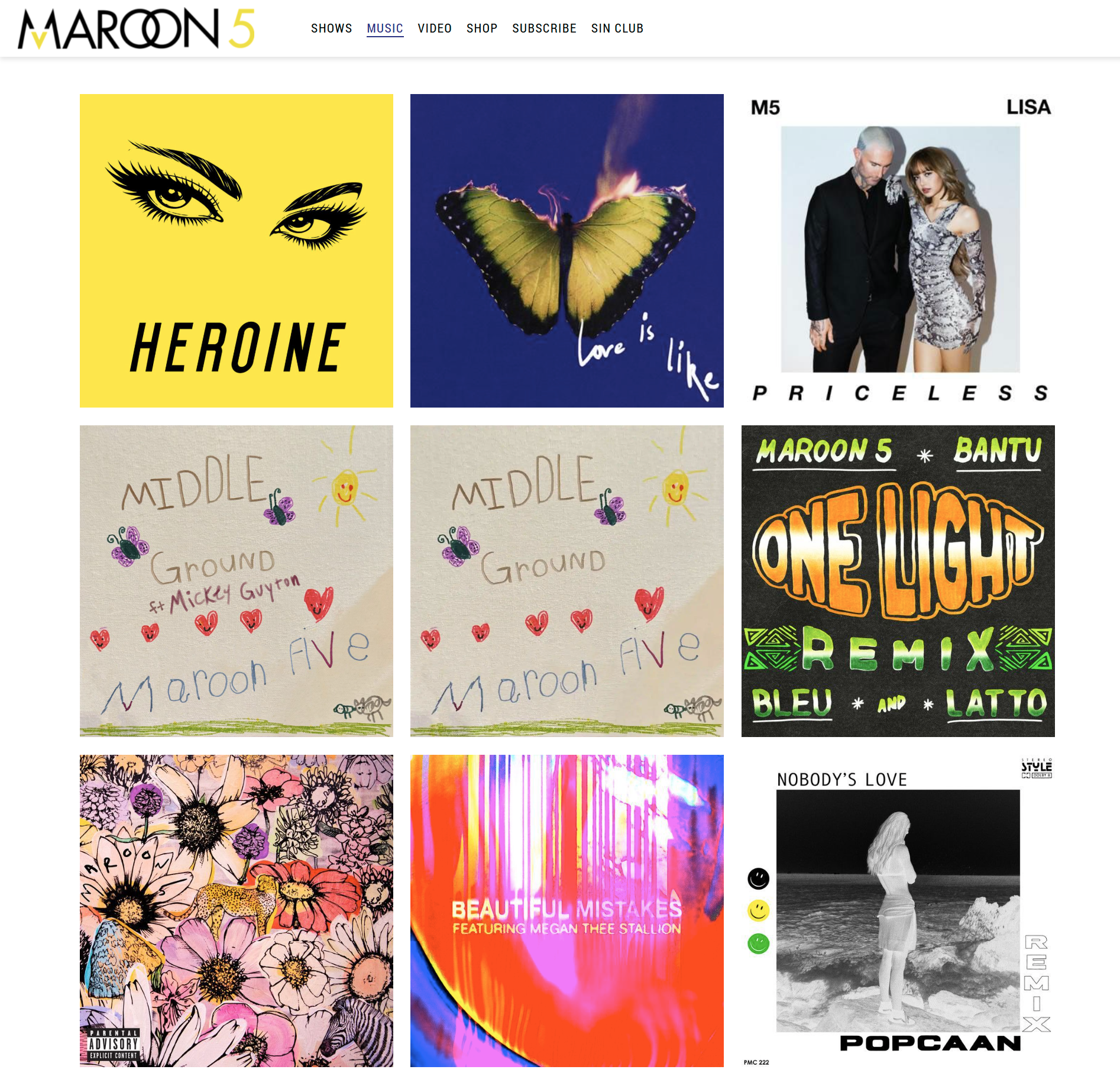
Converting Discovery into Deeper Engagement: A fleeting enjoyment of a song on Spotify or a social media clip is merely the first step. True fan conversion occurs when that initial interest is channeled into further exploration. Listeners often desire to delve into an artist’s complete discography, view music videos, check concert schedules, purchase merchandise, or learn more about the artist’s creative journey. This is where an artist’s own website becomes an invaluable asset. Much like Maroon 5’s comprehensive online portal, which consolidates music, videos, tour dates, merchandise, and fan experiences, even a more modest artist website can serve as a central hub. By providing a single destination for all facets of an artist’s career, SEO-supported websites enable casual listeners to transition into dedicated fans.
-
Enduring Visibility through SEO: In contrast to the ephemeral nature of social media posts, which often have a lifespan measured in hours or days, search visibility offers a sustained presence. As Yoast Principal SEO Alex Moss articulates, SEO is both the "art and science of improving a website… to be as visible as possible for when people search for a relevant topic." For musicians, these topics range from their artist name and song lyrics to genre-specific recommendations. A meticulously optimized artist page, lyrics page, or concert announcement can continue to attract listeners months or even years after its initial publication, offering a long-term return on investment that short-lived social media campaigns cannot match. For independent artists, this means every piece of content developed and optimized has the potential to continuously work on their behalf.
Strategic SEO Approaches for Musicians
The diverse aspirations of musicians—whether to expand their audience, secure more live performances, or boost merchandise sales—all converge on the fundamental need for effective online discoverability. The following SEO strategies are tailored to achieve these distinct outcomes.
SEO for Audience Growth and Music Discovery:
The primary objective here is to broaden reach, increase streams, and cultivate a loyal fanbase. The SEO strategy should prioritize making music, artist stories, and future releases easily accessible across search engines and emerging AI platforms.
-
Establish an Owned Website: This is the cornerstone of any robust digital presence. When an individual searches for an artist’s name, the information returned is often fragmented across various streaming profiles, social media accounts, and third-party event listings. A dedicated website consolidates all this information, providing a singular, authoritative source that communicates an artist’s complete story to listeners, promoters, journalists, and search engines alike. A comprehensive artist website should include:
- An engaging artist biography.
- A complete discography with links to streaming services.
- Music videos and live performance footage.
- Upcoming tour dates and past performances.
- High-quality press photos and an electronic press kit (EPK).
- Contact information for bookings and media inquiries.
- A mailing list sign-up.
- A merchandise store.
- A blog for updates and deeper content.
This website functions as the artist’s digital headquarters, with all other online activities ultimately pointing back to this central hub. Tools like AI website builders can simplify the creation of professional artist websites, even for those without design or technical expertise.
-
Create Dedicated Pages for Every Release: Each song, EP, or album represents a significant opportunity that extends beyond mere uploading to streaming platforms. Every release warrants its own dedicated page on the artist’s website, providing context and deeper engagement for fans. These pages should include:
- The release’s cover art.
- Embedded streaming links and purchase options.
- Full lyrics.
- A detailed description of the song/album’s inspiration and creative process.
- Credits for writers, producers, and collaborators.
- Behind-the-scenes photos or videos.
- Links to related merchandise.
These content-rich pages not only enhance fan engagement but also create multiple avenues for search engine discovery. Fans might search for "artist name + lyrics," "album title + meaning," or "song name + collaborators." By organically incorporating relevant terms and offering rich context, artists guide search engines to connect their music with the right audience.
-
Repurpose Music into Engaging Content: Every song carries a unique narrative—the genesis of its lyrics, the challenges of its production, the experiences that shaped its final form. Sharing these stories fosters deeper connections with listeners and generates new discovery opportunities. Establishing a blog on the artist’s website is an excellent way to publish regular, searchable content, whether it’s a detailed song breakdown, a tour diary, or a studio anecdote. Content ideas include:
- "Behind the Lyrics" posts.
- "Making Of" videos or articles for specific tracks.
- Gear spotlights.
- Tour diaries or photo essays.
- Q&A sessions with fans.
- Tutorials related to their music (e.g., how to play a specific riff).
This content provides search engines with more context about the music and naturally integrates search terms that potential listeners might use. Such content doesn’t always need to directly promote a release; often, the ancillary stories are what draw new listeners in.
-
Optimize Videos for Search: Music videos, lyric videos, live performance clips, studio sessions, and behind-the-scenes footage are powerful discovery tools. However, simply uploading them is insufficient. Videos must be optimized for search engines to understand and surface them effectively. Basic video SEO includes:
- Descriptive titles incorporating artist and song names.
- Detailed descriptions with relevant keywords, links, and timestamps.
- Appropriate tags and categories.
- High-quality thumbnails.
- Transcripts or captions.
Embedding videos on dedicated release pages on the artist’s website, alongside lyrics and contextual information, enriches the fan experience and provides search engines with comprehensive data. Utilizing video SEO features (e.g., Yoast’s video schema for WordPress) can significantly improve how videos appear in search results, increasing discoverability through video-related queries.
-
Cultivate Mentions from Music Publications: Endorsements from reputable music blogs, publications, podcasts, or industry websites are invaluable. These mentions not only introduce an artist to new audiences but also bolster their online reputation and authority. Interviews, album reviews, artist features, and podcast appearances signal to search engines and AI systems that an artist’s work is relevant and being discussed by credible sources. Opportunities include:
- Submitting music to influential blogs for review.
- Pitching for interviews with music journalists.
- Guesting on relevant podcasts.
- Collaborating with other artists or influencers.
Such mentions contribute to an artist’s E-E-A-T (Experience, Expertise, Authoritativeness, and Trustworthiness), which is increasingly vital for search engine rankings and AI recommendations. Consistent mentions from trusted sources enhance AI systems’ confidence in identifying and understanding an artist’s identity and creative output.
SEO for Securing Live Performance Bookings:
For musicians whose primary goal is to book more gigs—whether for weddings, corporate events, festivals, or private functions—their SEO strategy should focus on enabling event planners and venue managers to easily find them when actively searching for live entertainment.
-
Optimize for Local Searches: Event organizers typically search for services within specific geographical areas (e.g., "wedding bands in [city]," "live corporate entertainment [state]"). Artists should explicitly mention their service areas throughout their website, not just on a contact page. Dedicated local SEO features (like those in Yoast SEO Premium) can help embed crucial business details, location information, and structured data, making it easier for search engines to identify where a band performs and whom they serve.
-
Dedicated Pages for Event Types: Rather than a generic "Bookings" page, artists should create distinct pages for each type of event they cater to, such as:
- Wedding Bands/Musicians
- Corporate Event Entertainment
- Festival Performances
- Private Parties/Functions
- Studio Session Musicians
Each page should detail client expectations, musical styles offered, relevant experience, and clear inquiry processes. This approach allows artists to target highly specific, client-driven searches (e.g., "jazz trio for corporate events New York") and provides visitors with immediate, relevant information.
-
Showcase Performances and Build Trust: Event planners seek reassurance. An artist’s website should instill confidence by featuring:
- High-quality photos and videos from previous performances.
- Testimonials and reviews from satisfied clients.
- A list of notable venues, brands, or events where they have performed.
These elements not only build trust with potential clients but also enhance the artist’s online authority, making the website a stronger, more credible source of information for both search engines and AI.
-
Streamline the Booking Process: Once a potential client decides to book, the process must be frictionless. Every booking-related page should prominently feature an easy-to-find contact form, email address, or inquiry button. If a booking agent is involved, their contact information should be clearly displayed. Addressing frequently asked questions about availability, travel, pricing, and performance packages can significantly expedite decision-making.
SEO for Merchandise Sales:
Beyond streams, merchandise sales offer a vital revenue stream and deepen fan loyalty. An artist’s website can serve as an effective online merchandise store.
-
Dedicated Merchandise Pages: Avoid hiding the store behind a single "Shop" link. Create dedicated pages for product categories like:
- Apparel (T-shirts, hoodies)
- Physical Music (Vinyl, CDs)
- Signed Memorabilia
- Posters/Art Prints
- Digital Downloads (sheet music, sample packs)
Each page requires clear product descriptions, high-quality images, sizing/format information, pricing, and FAQs. This structure aids both shoppers and search engines, allowing searches like "official [Artist Name] merch" or "signed vinyl" to lead directly to relevant products.
-
Integrate Merchandise with Music Content: Every release presents an opportunity to cross-promote related products. A new album release page should link directly to its vinyl edition, limited-edition apparel, or collector’s bundles. Similarly, music videos, blog posts, and tour announcements can naturally direct visitors to related merchandise. This integration creates a seamless fan experience and helps search engines understand the relationship between an artist’s music and their products.
-
Optimize Products for Search: Just as listeners search for songs, they also search for merchandise. Utilize descriptive product names and unique product descriptions, incorporating details that fans are likely to search for (e.g., product type, collection, associated release). E-commerce SEO tools (like Yoast WooCommerce SEO) can optimize product pages by enhancing structured data, metadata, and social sharing information, improving product discoverability.
The Role of Tools and Expert Insights
Managing the multifaceted aspects of SEO can be complex, involving website optimization, content creation, local visibility, and structured data implementation. Fortunately, artists do not need to become SEO experts themselves. Tools like Yoast SEO simplify the process by providing actionable guidance on content optimization, metadata, site structure, and schema, ensuring that websites are easily understood by search engines and AI systems. As music producer Jesse Cannon notes, such tools help artists prevent potential fans from being lost when they discover music on one platform but struggle to find the artist elsewhere.
The increasing prominence of AI-powered search further underscores the importance of fundamental SEO. The Yoast Perspective Report indicates that 65% of SEO professionals believe optimizing for large language models (LLMs) is either synonymous with or an extension of traditional SEO. The core principle remains: create clear, relevant, well-structured content that effectively answers user queries. The goal is not to "game" algorithms but to facilitate genuine discovery, ensuring that whether someone searches on Google, asks an AI assistant for recommendations, or looks up lyrics, they are connected directly with the artist’s music and story.
Insights from Musicians Leveraging SEO
The practical application of SEO principles is best exemplified by artists and educators actively using them. Professionals like John Bowman (Host of On Air with Johnny B), Anthony Pell (Guitar educator), Ben Stringer (Founder of SAM Music Service), Brent Robitaille (Musician, educator, author), and Chetan Shekar (DJ, producer, founder of Piano Groove) all highlight the transformative power of a well-optimized online presence. Their collective wisdom points to several key takeaways:
- SEO is about storytelling: It helps the right audience find the right narrative at the right time.
- Content has long-term value: Every song, lesson, or performance can continue to draw visitors to an artist’s website if given proper context and discoverability.
- Your website works 24/7: It should clearly communicate who you are, what you offer, and how to engage or book your services, even when you’re offline.
- Consistency is key: Regularly updating the website and creating valuable content ensures sustained visibility.
- Simplify the technical aspects: Utilizing SEO tools frees up artists to focus on their creative work while maintaining an optimized online presence.
These diverse experiences converge on a single, powerful conclusion: an artist’s website is their most valuable long-term asset in the digital age. Regardless of whether the ambition is to grow a streaming audience, book more gigs, teach music, or build a personal brand, a strategically optimized website serves as the gateway for discovery, engagement, and ultimately, a sustainable career.
In a world where great music faces unprecedented competition for attention, SEO does not replace the essence of songwriting or the magic of live performance. Instead, it acts as the essential bridge, ensuring that when audiences actively seek out musical inspiration, they find not just a fleeting trend, but a lasting connection to the artist behind the sound. Great music deserves to be found, and SEO provides the roadmap.