The landscape of digital communication, particularly within email marketing, is undergoing a significant transformation. Gone are the days when elaborate, visually heavy email designs were considered the pinnacle of engagement. Instead, a clear trend has emerged: cleaner, simpler, and more intentional email experiences are now paramount. Central to this evolution is the rising prominence of micro-animations, subtle yet powerful visual cues that imbue emails with life, guiding subscriber attention and fostering deeper interaction without overwhelming the recipient. This shift marks a strategic pivot for marketers, moving away from brute-force visual impact towards a more nuanced, user-centric approach.

Understanding the Micro-Animation Phenomenon
Micro-animations, at their core, are refined, subtle animated GIFs designed for optimal performance and mobile compatibility. Unlike their larger, often bandwidth-intensive counterparts, these animations are characterized by their small file size and quick loading times. They can be as understated as a call-to-action (CTA) button subtly changing color on hover, a small icon pulsing to indicate importance, or a loading spinner providing visual feedback. The genius of micro-animations lies in their ability to capture attention discreetly, ensuring that even if an animation fails to load due to client restrictions or connectivity issues, the core message remains intact and the design does not appear broken or incomplete.

The strategic deployment of micro-animations serves multiple critical functions within email campaigns. Firstly, they act as powerful tools for brand amplification, allowing companies to inject personality and tone into their communications in a dynamic yet non-intrusive manner. This visual engagement contributes to an improved user experience, making emails feel more interactive and modern. Secondly, they are highly effective in prompting specific subscriber actions, such as click-throughs to landing pages or product listings. Beyond direct action, micro-animations also play a crucial role in providing user reassurance. A common application is their use as loading indicators, visually confirming that rich content is being retrieved, thereby enhancing perceived responsiveness and reducing user frustration.
This trend has not gone unnoticed by industry leaders. The potential of micro-animations was a key prediction in Validity’s recent "State of Email" webinar, where experts highlighted the growing demand for more sophisticated yet streamlined email experiences. The concept subsequently generated considerable buzz during Litmus Live’s industry trends session, further solidifying its position as a significant development in email marketing strategy. The overarching takeaway from these discussions is clear: even the smallest movements can yield a substantial impact on email effectiveness.

The Evolution of Email Design: A Chronological Perspective
The journey to the current preference for micro-animations can be traced through several stages of email design evolution. In the early 2000s, email marketing was largely text-based, with rudimentary HTML capabilities. As internet speeds increased and design tools advanced, marketers began incorporating more images, leading to a period dominated by visually rich, often static, graphic-heavy emails. The mid-2010s saw the rise of responsive design, driven by the proliferation of smartphones and the necessity for emails to render correctly across diverse screen sizes. This era also introduced the challenge of optimizing image sizes and overall email weight to ensure fast loading on mobile networks.
Initially, animated GIFs were often used for more dramatic effects, sometimes leading to excessive file sizes and distracting visuals that could hinder readability and even trigger spam filters. This led to a period of caution regarding animations. However, as design principles matured and focus shifted towards user experience (UX) and subtle interaction, the concept of "micro-interactions" gained traction in web and app design. It was only a matter of time before these principles, adapted for the unique constraints of email clients, found their way into email marketing. The "State of Email" webinar and Litmus Live sessions, representing recent industry thought leadership, effectively captured this maturation, signaling a formal recognition of micro-animations as a best practice rather than a mere design gimmick. They represent a harmonious blend of aesthetic appeal, functional guidance, and performance optimization, perfectly suited for the contemporary digital consumer.
Best Practices for Maximizing Impact

While micro-animations offer significant potential, their effectiveness hinges on adherence to established best practices. Like any element of a sophisticated email marketing program, thoughtful implementation is key.
- Subtlety is Paramount: The core principle of micro-animations is their understated nature. They should enhance, not distract. Overly flashy or lengthy animations can quickly become irritating, defeating their purpose. The goal is to guide attention gently, not to demand it aggressively.
- Purpose-Driven Design: Every animation should serve a clear objective. Is it to highlight a CTA, provide feedback, illustrate a feature, or convey urgency? If an animation doesn’t contribute to the email’s goal or improve the user experience, it should be reconsidered.
- Performance Optimization: File size remains critical. Micro-animations should be as small as possible to ensure rapid loading, especially on mobile devices and slower internet connections. Techniques like optimizing GIF frames, using limited color palettes, and exploring CSS animations (where supported) can help. The Domino’s example, despite its scope, impressively keeps its file size low.
- Accessibility Considerations: Marketers must be mindful of subscribers with motion sensitivities or cognitive disabilities. Providing alternatives, such as a static fallback image for email clients that don’t support animations, is crucial. Additionally, animations should not cause flickering or rapid changes that could be problematic.
- Extensive Testing: Email client support for animations varies. Rigorous testing across a wide range of email clients (desktop, webmail, mobile) and devices is non-negotiable. Tools like Litmus, which allow previews in over 100 client environments, are invaluable for ensuring consistent rendering and catching errors.
- Brand Consistency: Micro-animations should seamlessly integrate with the brand’s overall visual identity and tone. They should feel like a natural extension of the brand, not an arbitrary addition.
Strategic Applications: Ten Examples in Action

The versatility of micro-animations allows for a broad spectrum of applications within email campaigns. Here are ten exemplary uses observed in recent marketing efforts, demonstrating their strategic value:
-
Accentuating Brand Identity: A subtle animation within a brand’s logo can be exceptionally clever. It doesn’t scream for attention but subtly draws the eye, reinforcing brand recall. Because it resides in a universal element like the logo, it can be effortlessly integrated across numerous templates. This tactic is particularly potent because many subscribers utilize preview panes, ensuring the animation is seen even before the email is fully opened, as demonstrated by Bulgari’s elegant use.

-
Increasing CTA Effectiveness: One of the most common and impactful applications involves enhancing CTA buttons. Gentle pulses, color shifts, or subtle glowing effects help these key elements stand out. This increased visibility directly translates into higher engagement and boosted click-through rates. The "Shop the Sale" example, with its subtle CTA animation, exemplifies how a small visual nudge can encourage immediate action.
-
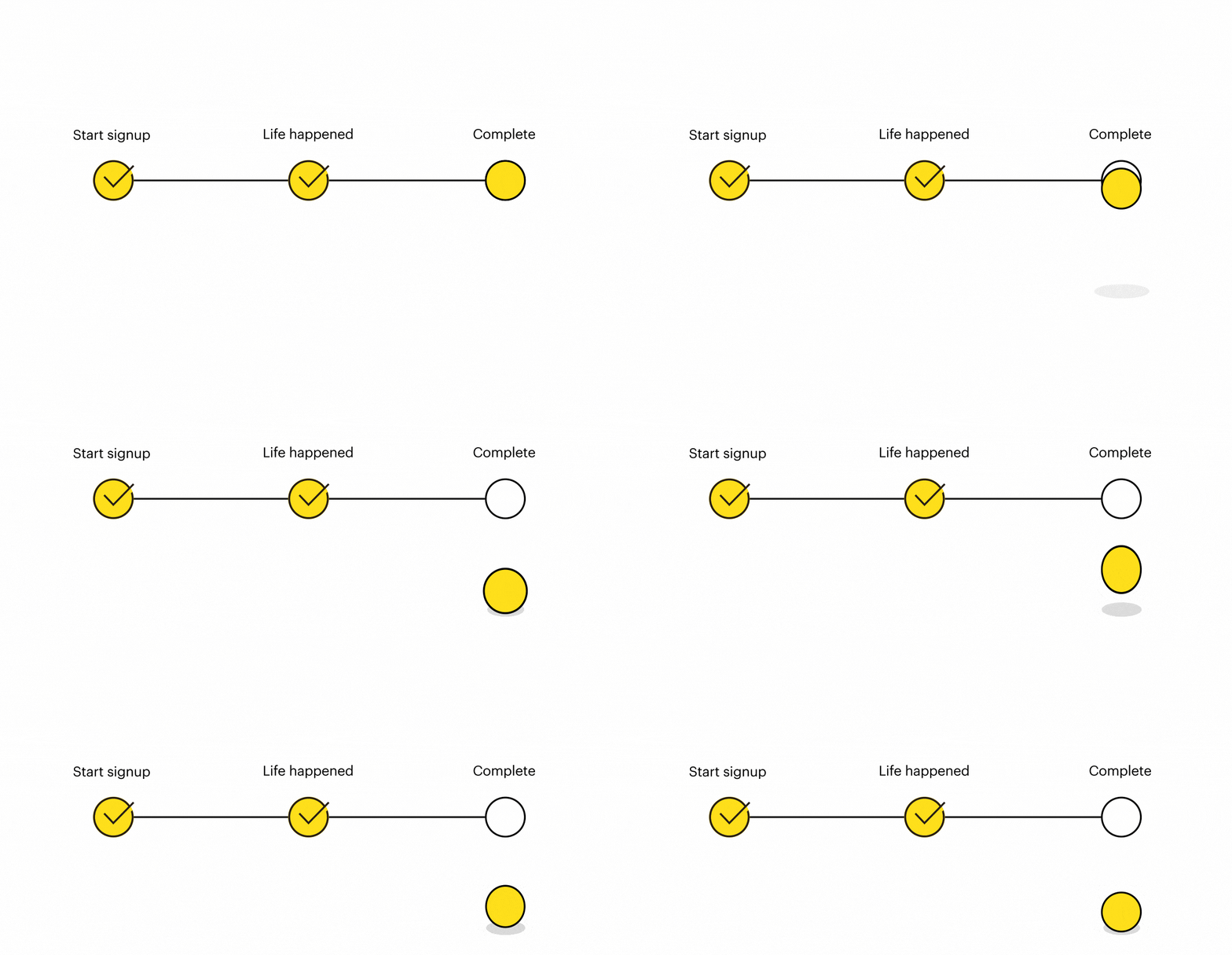
Improving Task Completion: For onboarding sequences or subscription activations, motivating new customers to complete an action is paramount. Micro-animations can visually highlight incomplete steps, drawing attention to the benefits yet to be unlocked. Mailchimp’s animated timeline, showing an incomplete step bouncing, effectively reminds users to pick up where they left off, driving engagement and reducing early churn.

-
Taking Loyalty Programs to the Next Level: Businesses often leverage loyalty programs to incentivize increased customer activity. Micro-animations excel at visualizing progress within these programs. By showing a progress bar filling or a tier icon animating, they create a sense of achievement and motivate subscribers to take the necessary steps to reach their next reward level, tapping into psychological principles of gamification, as seen in the Vitamin Shoppe’s rewards tracker.
-
Driving Urgency and Immediacy: The dynamic nature of micro-animations makes them ideal for conveying a sense of urgency. A rapidly moving parcel icon, for instance, can visually reassure customers that urgent needs can be met quickly via next-day delivery, as Grainger effectively communicates. This visual cue reinforces the message of speed and reliability without the need for additional text.

-
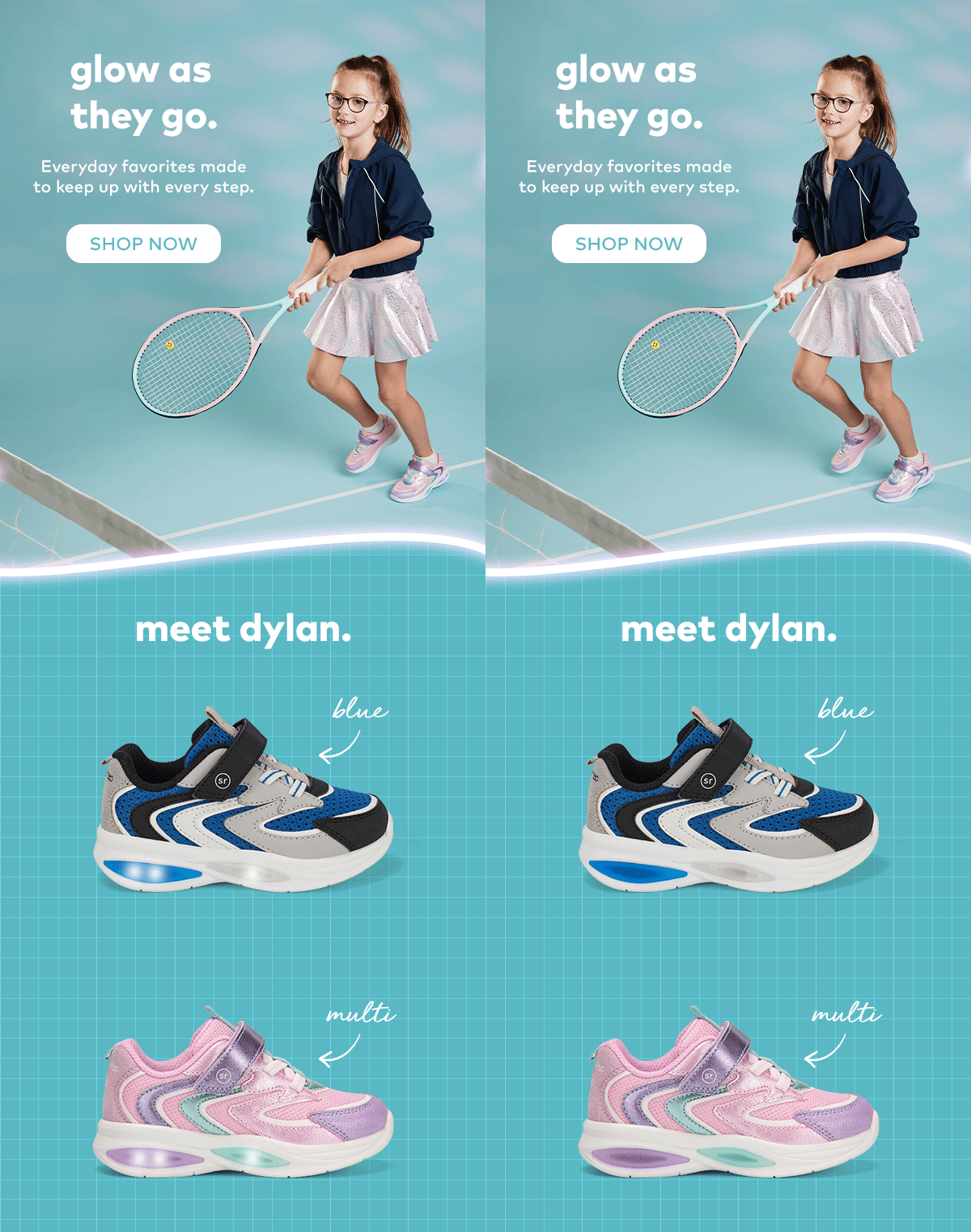
Illustrating Product Features: Some products are inherently visual and benefit immensely from dynamic representation. Micro-animations can help readers visualize product features in a way static images cannot, bridging the gap between a photograph and a video. Examples include Stride Rite’s "logo glow" shoes, personalized M&Ms changing with an uploaded photo, or Yves Rocher showcasing different shades of a beauty product. These animations provide a richer, more informative preview.
-
Enhancing Product Storytelling: Beyond mere features, micro-animations can elevate product storytelling, creating a more immersive experience. Starbucks UK’s promotion for its tiramisu-inspired drinks effectively uses a full-width animated GIF to subtly highlight the drink’s mascarpone-style foam and cocoa topping. This creates a tactile sense of movement and texture, reinforcing the dessert inspiration and enhancing the emotional connection to the product.

-
Driving Cross-Channel Engagement: Email often serves as a central hub, complementing other marketing channels like mobile apps and social media. Requests to connect on these platforms, frequently relegated to email footers, can easily get lost. A subtle wiggle or shake animation on social media icons or app download prompts significantly increases their visibility, encouraging subscribers to engage across multiple touchpoints, as illustrated by ShoeMail’s animated loading icon.
-
Finessing Feedback Mechanisms: Customer feedback is invaluable for continuous improvement. While many email programs proactively solicit feedback, these prompts often appear lower down in the email. Similar to cross-channel requests, a small animation applied to feedback options (e.g., a "Like what you see?" prompt from Marks & Spencer) can grab attention and encourage responses, improving the quality and quantity of valuable customer insights.

-
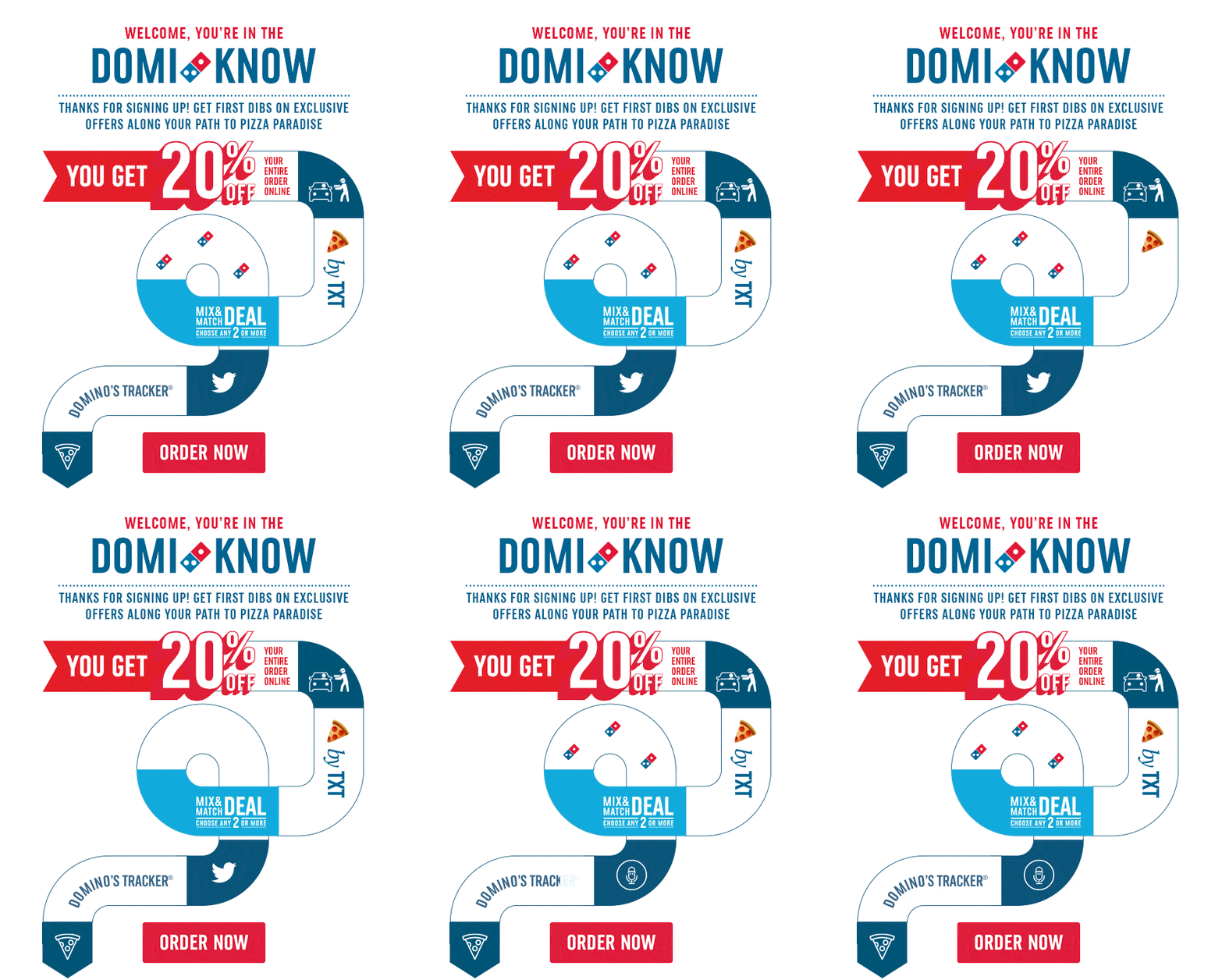
Comprehensive Onboarding Journeys: While perhaps pushing the boundaries of "micro," some brands strategically employ a sequence of micro-animations to create a highly engaging and informative welcome experience. Domino’s, for example, combines several best practices into a single, entertaining visual journey for new subscribers. This animation seamlessly guides users through benefits, ordering instructions, mobile and social prompts, and an order tracker, culminating in a clear CTA. Crucially, even this extensive visual package maintains a remarkably low file size (322KB), adhering to performance guidelines and demonstrating the potential for sophisticated yet optimized animated content.
Broader Impact and Implications for Marketers

The widespread adoption and strategic use of micro-animations signal a deeper trend in digital marketing: the increasing demand for interactive, personalized, and efficient user experiences. For marketers, this shift carries several implications.
Firstly, it necessitates an evolution in skill sets within marketing teams. Designers and developers involved in email creation must now possess expertise not only in static design but also in animation principles, file optimization, and email client compatibility. This may involve training existing staff or recruiting new talent with specialized skills.
Secondly, the emphasis on testing and optimization becomes even more pronounced. The dynamic nature of animations, coupled with the varied rendering capabilities of different email clients, means that thorough testing using platforms like Litmus is not just recommended, but essential. Ensuring that animations display correctly, fallbacks are in place, and accessibility standards are met is critical to campaign success and brand reputation.
Finally, micro-animations contribute to the ongoing perception of email as a dynamic and innovative marketing channel. Far from being a relic of the past, email continues to evolve, incorporating cutting-edge design and interaction techniques. Brands that embrace micro-animations position themselves as modern, user-centric, and attentive to detail, fostering stronger connections with their audience and potentially gaining a competitive edge in crowded inboxes. As digital consumers become increasingly sophisticated, the ability to deliver engaging, subtle, and high-performing experiences will be a defining characteristic of successful email marketing strategies. The "State of Email Reports" continue to underscore these evolving trends, providing marketers worldwide with critical insights to navigate this dynamic landscape effectively.