In the contemporary digital marketplace, data-driven decision-making has become the standard for e-commerce and Software-as-a-Service (SaaS) organizations. While quantitative analytics tools like Google Analytics, Mixpanel, or Hotjar provide a granular view of user behavior—identifying exactly where a shopper clicks, scrolls, or exits—they often fail to address the underlying psychological drivers behind those actions. A user may spend five minutes on a product page and leave without adding an item to their cart; another may reach the final checkout screen only to vanish. These "what" metrics describe the symptoms of a conversion problem, but they do not diagnose the cause. To bridge this gap, industry leaders are increasingly turning to targeted customer feedback surveys to capture the "why" behind consumer hesitation, friction, and abandonment.
The Critical Role of Qualitative Data in Conversion Rate Optimization
Conversion Rate Optimization (CRO) is no longer just about changing button colors or adjusting headlines. It has evolved into a sophisticated discipline that requires a deep understanding of the customer journey. According to recent industry benchmarks, the average e-commerce conversion rate fluctuates between 1% and 3%, meaning that the vast majority of traffic results in no immediate revenue. Identifying the specific doubts and friction points that stop the remaining 97% of visitors is the primary function of a modern feedback strategy.
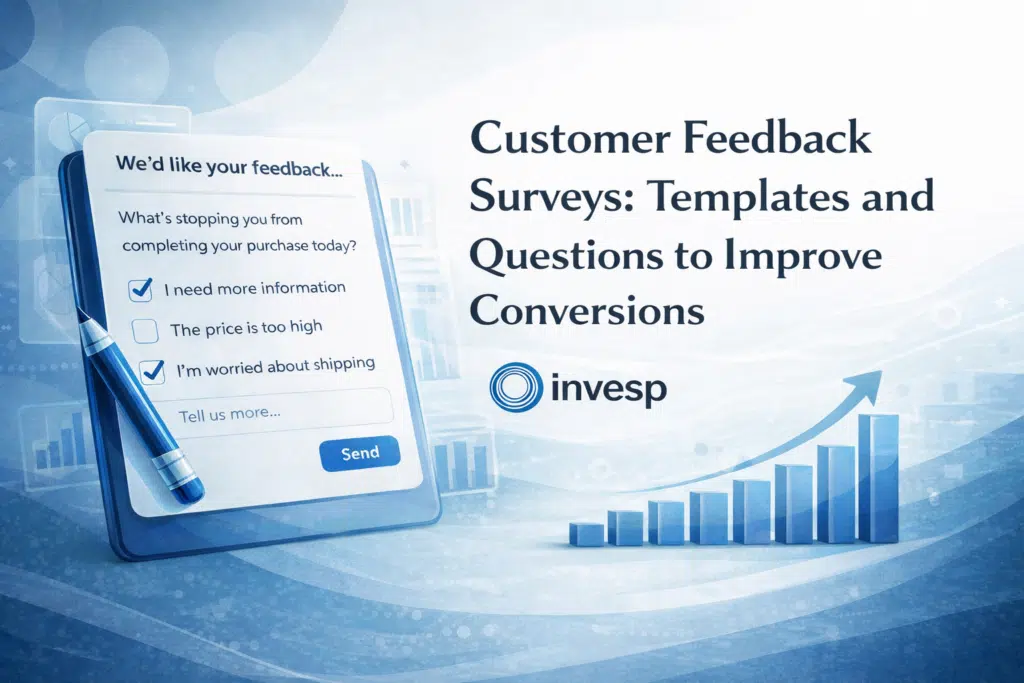
Effective customer surveys are characterized by their timing and specificity. Broad, generalized questions—such as "How was your experience?"—frequently yield vague, unhelpful data. Conversely, surveys triggered by specific user behaviors at critical journey stages allow brands to uncover actionable insights. By deploying five distinct survey types—product page surveys, checkout abandonment surveys, post-purchase attribution surveys, trial activation surveys, and churn/return surveys—companies can systematically eliminate barriers to growth.
Diagnosing Hesitation on the Product Detail Page
The product detail page (PDP) serves as the primary decision-making hub for consumers. When a shopper reaches this stage but fails to move to the "add to cart" phase, the issue is rarely a lack of interest. Instead, it is typically a lack of information or a failure in user experience (UX). Research from Baymard Institute indicates that product pages remain a significant weak spot for digital retailers, with 52% of desktop sites and 62% of mobile sites providing "mediocre" or poor UX.
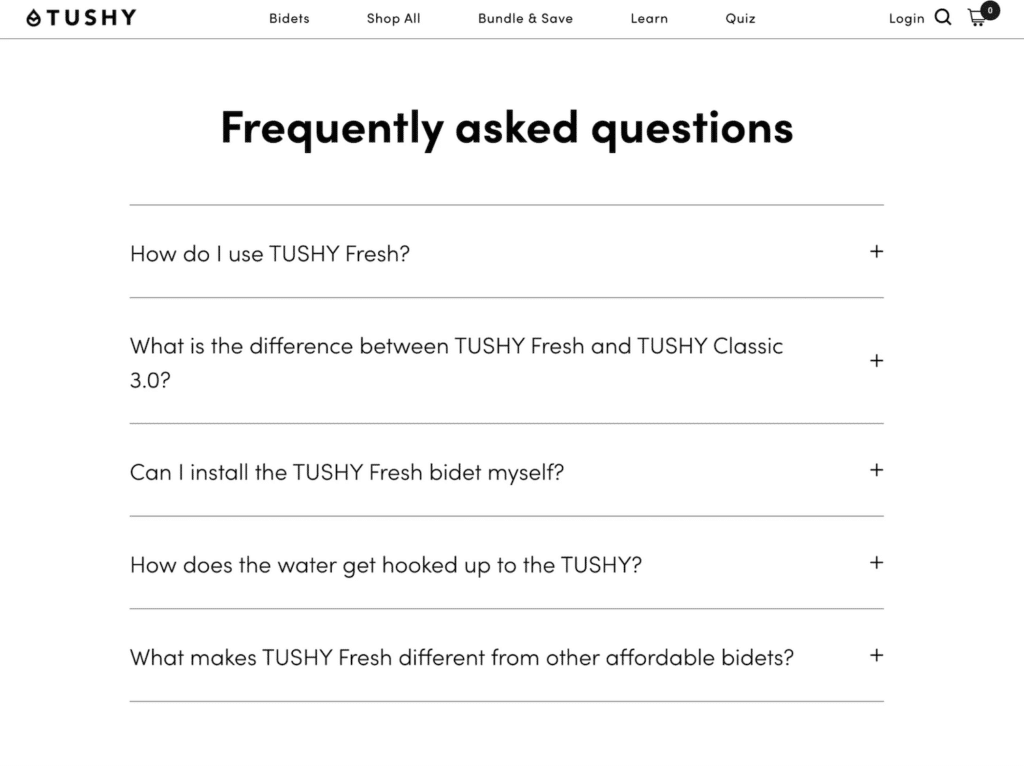
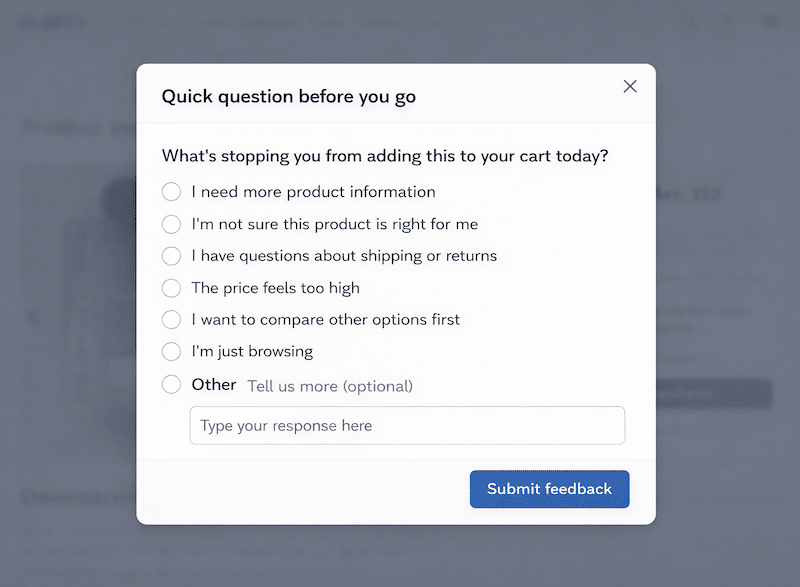
Common reasons for PDP abandonment include unanswered questions regarding product specifications, uncertainty about shipping costs, lack of social proof, or confusion regarding compatibility. To address this, brands are moving away from passive FAQ sections and toward active inquiry. For instance, the bidet brand TUSHY proactively addresses installation and compatibility concerns directly on the page, reducing the need for customers to seek information elsewhere.
The most effective tool in this scenario is a "Quick Question" survey triggered when a user shows exit intent on a product page. By asking, "What’s stopping you from adding this to your cart today?" and providing multi-choice options such as "I’m worried about the fit" or "I don’t know enough about the product," brands can identify specific content gaps. If a high percentage of users select "I have a question about shipping," the brand knows to move shipping information higher up the page or offer a calculator earlier in the funnel.
Addressing the 70% Cart Abandonment Crisis
Perhaps the most frustrating stage of the funnel for any merchant is the checkout. At this point, the user has demonstrated high intent by selecting a product and initiating the transaction. However, the global average for cart abandonment remains stubbornly high at 70.19%, according to Baymard’s latest longitudinal study.
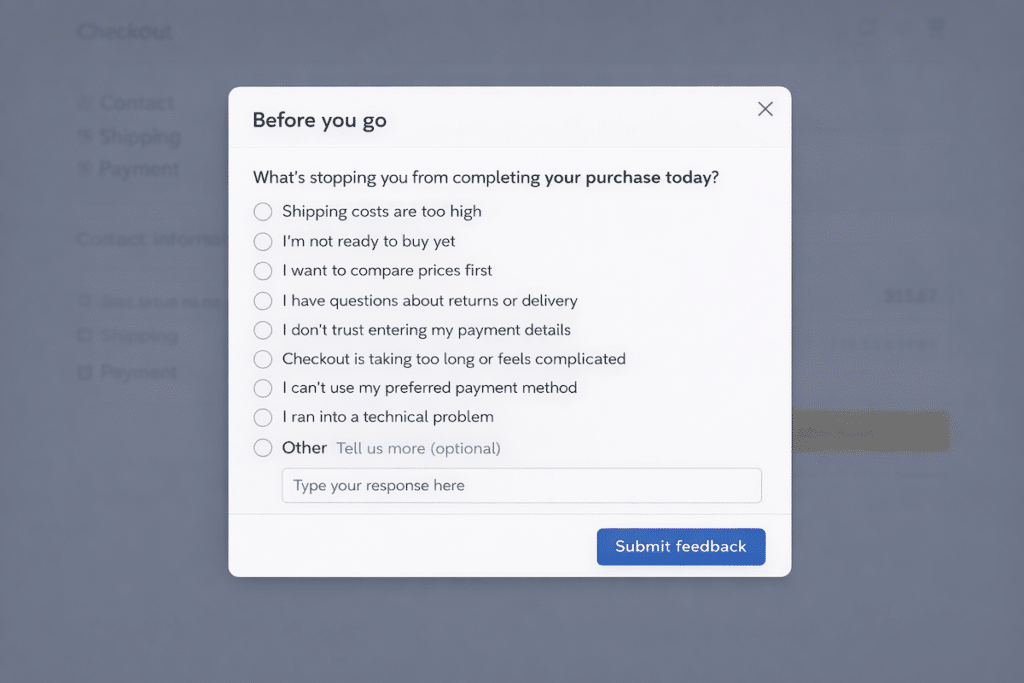
The transition from "shopping" to "buying" involves a shift in consumer psychology from excitement to risk assessment. Data suggests that the primary drivers of abandonment at this stage are unexpected costs (shipping, taxes, fees), the requirement to create an account, and overly complex checkout processes. When a user abandons at this stage, a survey should be deployed to catch them before they leave or via a follow-up email.
The objective of a checkout abandonment survey is to identify "last-mile" friction. Questions should focus on the technical or financial barriers encountered. If responses indicate that "the delivery time is too long," a merchant might consider adding expedited shipping options. If "technical issues" are cited, it alerts the development team to potential bugs in the payment gateway that automated monitoring might have missed.
The Post-Purchase Phase: Leveraging Zero-Party Data
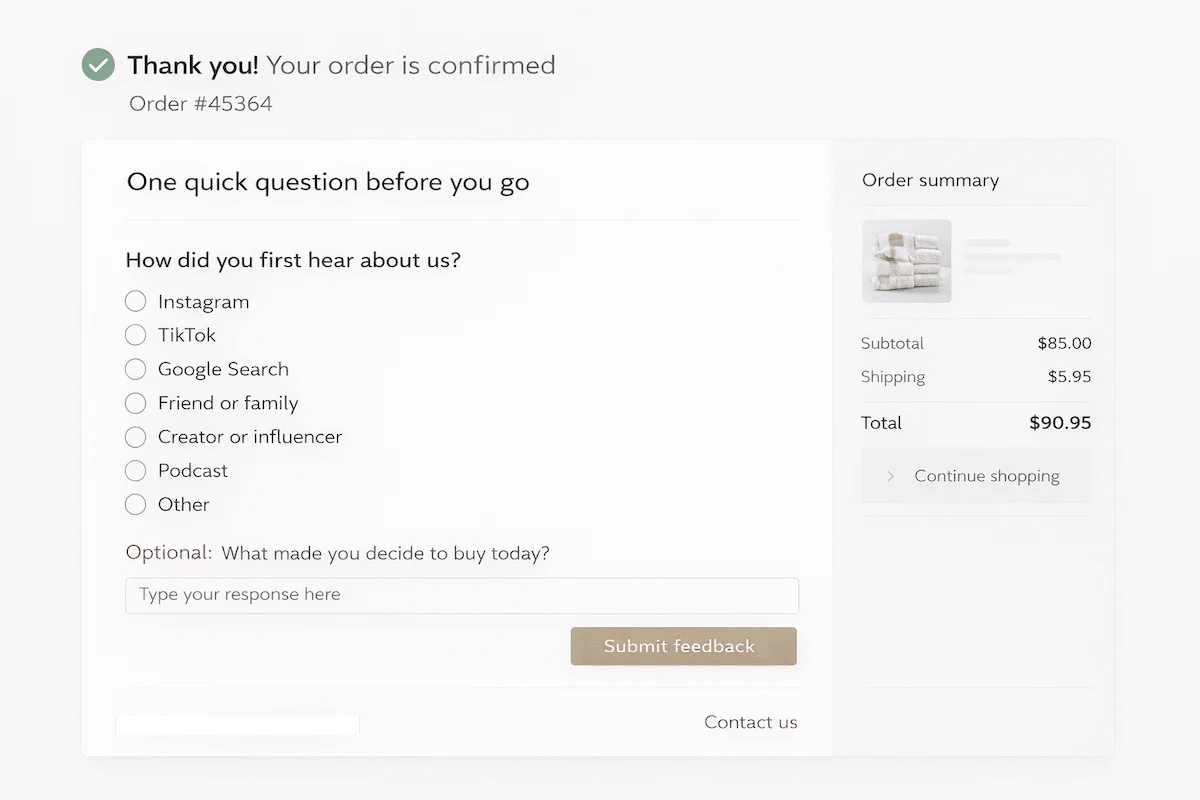
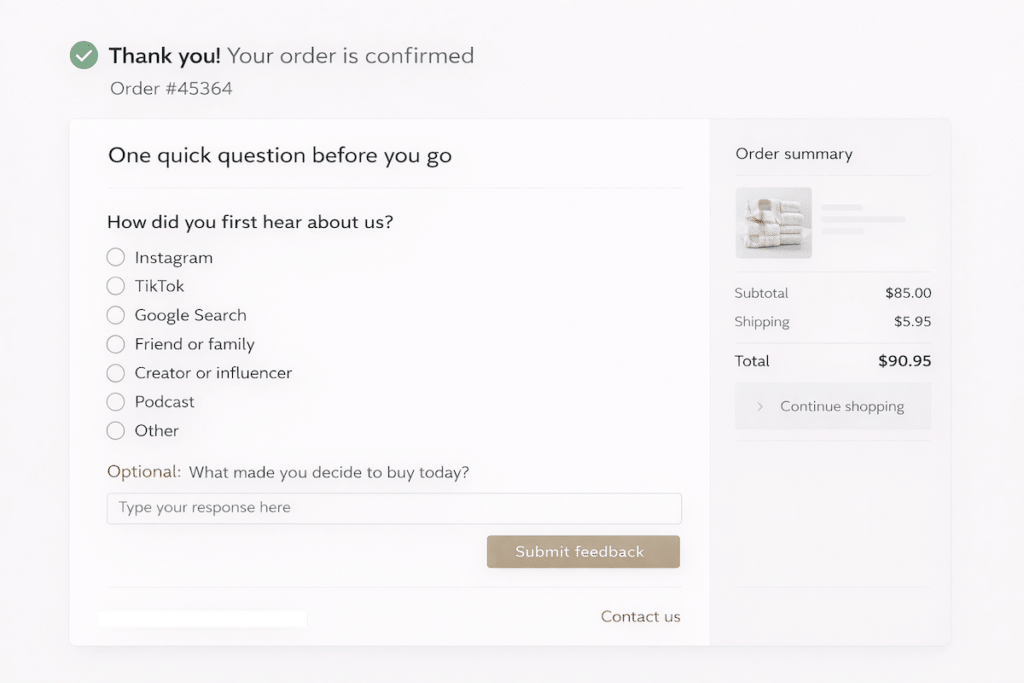
Once a transaction is completed, the customer enters a brief window of high engagement. This is the optimal time to collect "zero-party data"—information that a customer intentionally and proactively shares with a brand. Post-purchase surveys are essential for solving the attribution puzzle, which has become increasingly difficult due to the decline of third-party cookies and the rise of "dark social" (untrackable word-of-mouth).
The "How Did You Hear About Us" (HDYHAU) survey is a cornerstone of this strategy. Brands like Weezie have reported that up to 35% of their business can be attributed to word-of-mouth through these surveys—a metric that would be invisible in standard digital attribution models. Beyond attribution, these surveys can uncover the "aha moment" that finally convinced the shopper to buy, providing marketing teams with the exact language and value propositions to use in future campaigns.
Chronology of User Drop-off in SaaS: The Activation Gap
In the SaaS sector, the challenge shifts from a one-time purchase to ongoing engagement. The most critical period for a software product is the first 14 days of a trial. Data from Amplitude’s Product Benchmark Report reveals a stark reality: by day 14, the median product retains only about 2% of new users. Even top-tier products struggle to keep more than 9% of users active by the end of the second week.
This "activation gap" occurs when a user signs up but fails to find the product’s core value. To combat this, SaaS companies utilize in-app surveys to ask, "What’s stopping you from getting started today?" This helps identify whether the onboarding process is too complex, if the user lacks the necessary data to begin, or if the product simply does not meet their specific needs. By understanding these barriers, product teams can refine their "time-to-value" (TTV), ensuring that users experience a win within their first few minutes of login.
Analyzing the Impact of Returns and Cancellations
The final stage of the customer lifecycle involves the "exit." In e-commerce, this manifests as a product return; in SaaS, it is a subscription cancellation. This stage represents an "expectation mismatch." The National Retail Federation (NRF) projected that 16.9% of all annual retail sales would be returned in 2024, with that number rising to over 19% for online-only sales in 2025.
Returns are not merely a logistical cost; they are a signal of a failure in the pre-purchase experience. Research from PowerReviews indicates that "poor fit" is the leading cause of returns in the apparel sector. By surveying customers at the point of return or cancellation, brands can determine if their product descriptions are misleading, if their sizing charts are inaccurate, or if the product quality failed to meet the price point.
For subscription-based businesses, a cancellation survey is the last line of defense. Understanding if a user is leaving because of price, lack of use, or a move to a competitor allows the company to offer targeted "save" incentives, such as a discount or a temporary account pause, potentially recovering revenue that would otherwise be lost.
Methodological Best Practices for Survey Design
To ensure that survey data is statistically significant and actionable, organizations must follow a rigorous methodological framework. Journalistic and academic standards suggest that the way a question is framed can significantly bias the result.
- Singular Focus: Each survey should have one clear objective. Mixing questions about shipping with questions about product quality dilutes the data.
- Low Friction: The "cost" of answering the survey should be minimal. Multiple-choice questions with an optional "Other" text field outperform open-ended questions in terms of response rate.
- Timing and Context: Surveys should be triggered by specific events (e.g., spending 60 seconds on a checkout page without moving) rather than being shown to every visitor indiscriminately.
- Actionability: Before asking a question, a brand must ask itself: "If I get the answer to this, what will I change?" If there is no clear path to action, the question is a waste of the customer’s time.
Strategic Implications for the Future of Retail
The shift toward qualitative feedback represents a broader trend in the digital economy: the prioritization of customer-centricity over pure volume. As customer acquisition costs (CAC) continue to rise across platforms like Meta and Google, the ability to convert and retain existing traffic becomes the primary lever for profitability.
By integrating these five survey types into a cohesive CRO strategy, businesses move from a reactive posture to a proactive one. They no longer have to guess why their conversion rates are dipping; they have a direct line to the consumer’s mindset. This "feedback loop" creates a virtuous cycle: better data leads to better UX, which leads to higher trust, higher conversion rates, and ultimately, a more resilient brand in an increasingly competitive landscape. In the final analysis, the most successful companies will be those that listen as effectively as they sell.